Explore sections of this guide
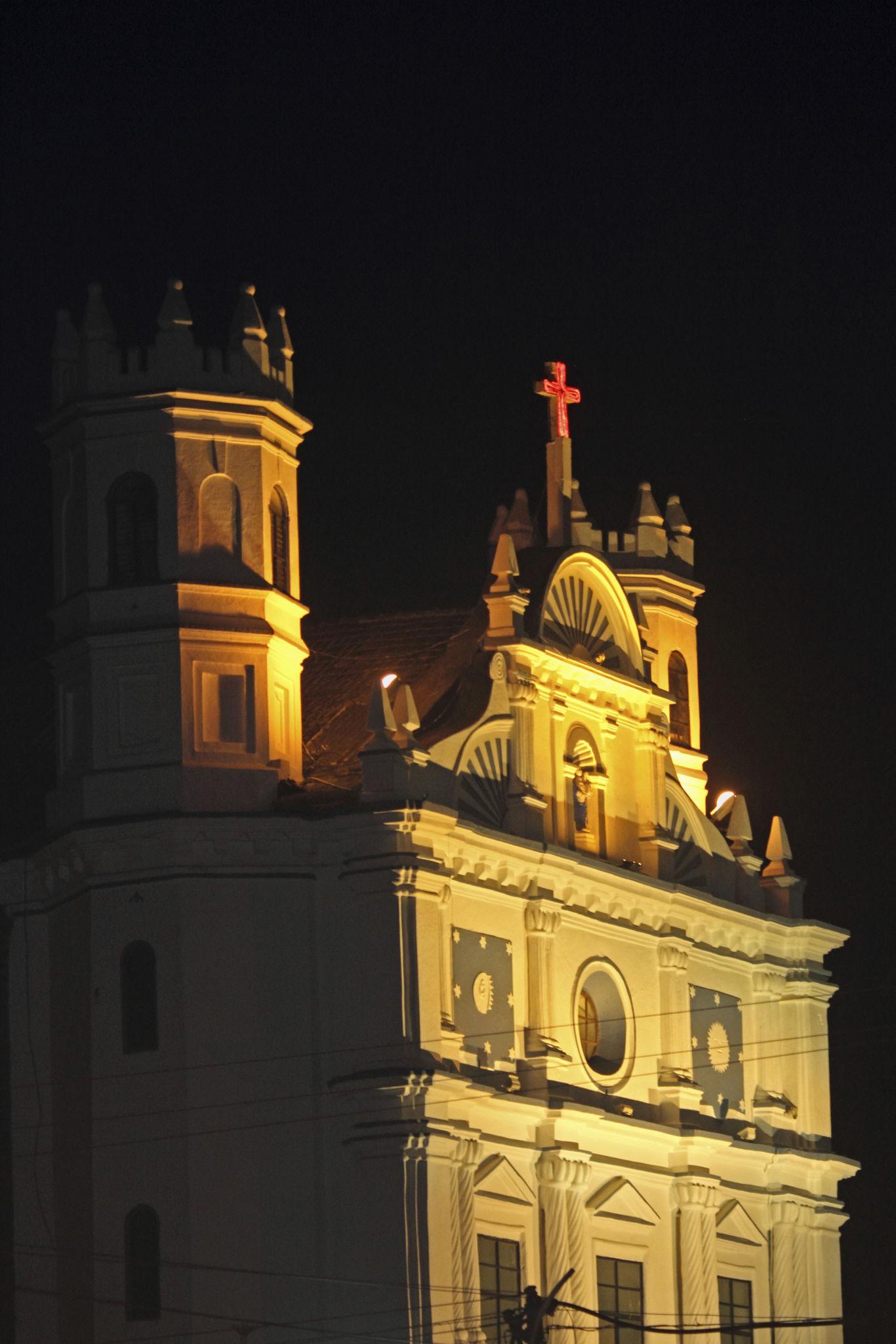
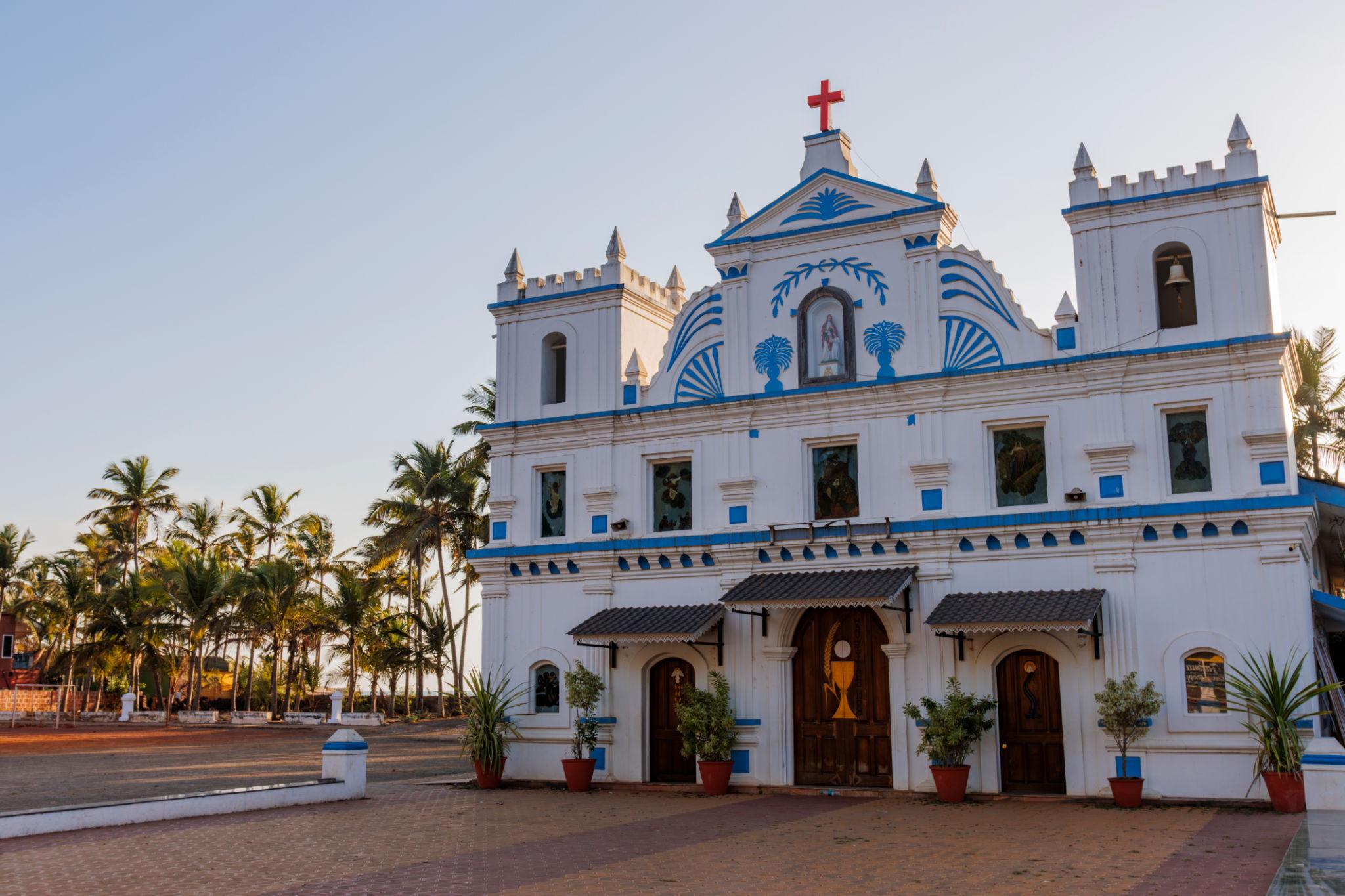
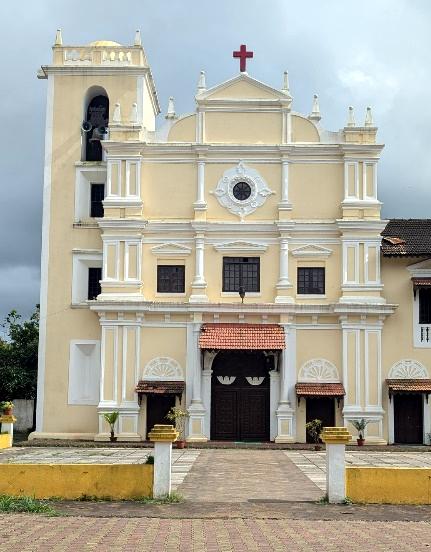
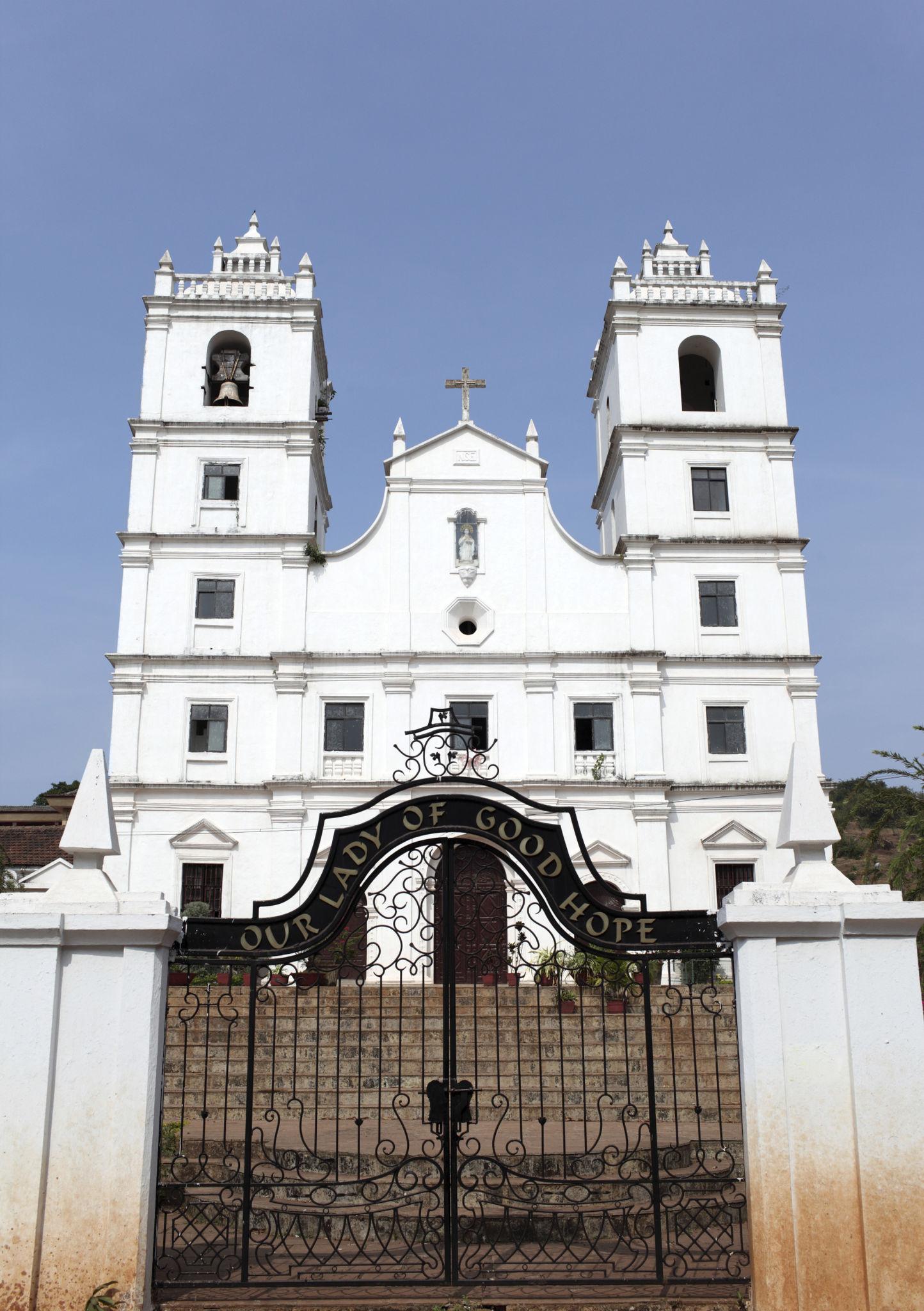
Nestled in the quaint and historically rich village of Cortalim (also known as Kortalim), the St. Philip and James Church stands as a serene sentinel overlooking the vast Zuari River. This ecclesiastical gem, often overshadowed by the larger basilicas of Old Goa, offers a more intimate and profound glimpse into the spiritual heartbeat of South Goa. As you approach the village of Cortalim, the church emerges with its pristine white facade, a characteristic feature of Goan Christian architecture, set against a backdrop of lush tropical greenery and the shimmering blue waters of the river.
The St. Philip and James Church is not merely a place of worship; it is a repository of the village's collective memory. Cortalim itself holds a unique place in Goan history as one of the earliest sites of Portuguese evangelical efforts in the Salcete province. The church serves as the spiritual anchor for the local Catholic community, providing a space for quiet reflection, communal prayer, and the celebration of life’s milestones. For the traveler, it offers an escape from the frantic pace of North Goa’s beaches, inviting one to slow down and appreciate the nuances of Goan-Portuguese heritage.
Visitors are often struck by the tranquility that pervades the church grounds. Unlike the bustling tourist hubs, here the air is filled with the scent of salty river breezes and the distant sound of church bells. The church's location near the New Zuari Bridge makes it an easy yet rewarding stop for those traveling between North and South Goa. Whether you are a history buff, an architecture enthusiast, or a spiritual seeker, the St. Philip and James Church provides a multi-layered experience that resonates with the soul of "Goa Dourada" (Golden Goa).
The history of St. Philip and James Church is deeply intertwined with the early years of the Portuguese presence in India. Following the conquest of Goa in 1510, the religious orders, particularly the Jesuits, began their mission in the Salcete taluka. The original structure of the church was founded around 1566, making it one of the oldest parishes in the region. This era was marked by a rapid transformation of the socio-religious landscape of Goa, and Cortalim was at the epicenter of this change.
Historical records suggest that the site where the church stands was once of great significance to the local Hindu population before the arrival of the Portuguese. The transition of the village into a Christian stronghold was a complex process, and the establishment of the church symbolized the new religious order. The current structure, however, is not the original 16th-century building in its entirety. Like many Goan churches, it underwent several renovations and reconstructions over the centuries to accommodate a growing congregation and to repair the ravages of time and tropical weather. The church was significantly rebuilt or modified in the late 16th century (around 1591) and has seen various aesthetic updates during the Baroque and Mannerist periods.
The religious significance of the church is rooted in its dedication to two of the twelve apostles of Jesus: St. Philip and St. James the Less. In the Catholic tradition, these saints represent the foundational missionary spirit of the early Church. For the people of Cortalim, the church is the "Igreja de São Filipe e São Tiago," a sanctuary that has protected and guided the community through colonial rule, the transition to Indian democracy, and the modernization of the state. It remains a symbol of faith that has endured for over four and a half centuries, maintaining its role as the center of the parish's spiritual and social life.
The architecture of St. Philip and James Church is a classic example of the Goan Mannerist style, which evolved from European Renaissance and Baroque influences adapted to local materials and climatic conditions. The facade is the most striking feature, characterized by its verticality and the use of the "Order" system—columns and pilasters that divide the face of the building into symmetrical compartments. The brilliant white lime-plastered walls are designed to reflect the intense Indian sun, a technique that has become iconic to Goan church design.
Upon closer inspection, one can see the intricate detailing of the facade, which includes a series of pediments and scrolls. The church features a single, sturdy bell tower (campanile) that houses bells used to announce mass, funerals, and festive occasions. The entrance is marked by a grand portal, often flanked by niches containing statues of saints. The use of laterite stone, which is abundant in Goa, provides the structural core of the building, while the fine plasterwork allows for the delicate moldings that define its aesthetic.
Inside, the church follows a traditional single-nave layout, leading the eye directly toward the high altar. The interior is a masterclass in 17th and 18th-century woodcarving. The retable (altar screen) is heavily gilded and features intricate motifs of flowers, grapes, and cherubs, reflecting the "Rococo" influence that swept through Goan churches in later years. The pulpit, located on the side of the nave, is often a work of art in itself, featuring carved panels depicting biblical scenes. The windows, high up on the walls, were traditionally fitted with thin, translucent mother-of-pearl shells (Careta careta) instead of glass, which filtered the light into a soft, ethereal glow, though many have now been replaced with glass for practical reasons. The choir loft at the rear of the church provides a vantage point over the entire nave, showcasing the harmony of the architectural proportions.
The spiritual essence of the church is centered on its patron saints, St. Philip and St. James. St. Philip is known for his directness and his role in bringing others to Jesus, while St. James (often referred to as James the Less to distinguish him from James the Great) was a central figure in the early church in Jerusalem. Together, their presence in the church signifies a bridge between the apostolic age and the local Goan context. Their statues are prominently displayed on the main altar, serving as focal points for devotion.
For the local parishioners, the spiritual importance of the church extends beyond the veneration of these saints. It is a space of "Susegad" (a Goan term for a relaxed, contented state of mind) in a spiritual sense. The church provides a sanctuary for the "Ladainha" (Latin litany) and the "Rosary," which are integral to Goan Catholic life. The spiritual atmosphere is particularly palpable during the early morning hours when the sun begins to rise over the Zuari, and the soft light enters the church, creating an environment conducive to deep meditation and prayer.
Furthermore, the church serves as a site of inter-generational spiritual connection. Many families in Cortalim have celebrated baptisms, weddings, and funerals within these walls for centuries. This continuity creates a powerful sense of belonging and spiritual heritage. The "Adro" or the church courtyard also plays a spiritual role, acting as a transitional space where the community gathers before and after services, blending the sacred with the social. The presence of the Holy Spirit is celebrated with great fervor here, and the church remains a beacon of hope and a place of solace for the weary traveler and the devout local alike.
The most significant event in the church's calendar is the Feast of St. Philip and James, typically celebrated on or around May 1st. This feast, known locally as the "Festa," is a vibrant explosion of faith, culture, and community spirit. The preparations begin nine days in advance with the "Novenas," a series of daily masses and prayers that build anticipation for the big day. During the Novenas, the village of Cortalim takes on a festive air, with houses being cleaned and traditional sweets being prepared.
On the day of the feast, the church is decorated with fresh flowers and colorful banners. A grand high mass is celebrated, often presided over by visiting dignitaries from the Archdiocese of Goa. The liturgy is accompanied by the soulful strains of a brass band, a quintessential element of Goan Catholic celebrations. Following the mass, a solemn procession carries the statues of the patron saints through the streets of the village, with the faithful singing hymns and reciting prayers. This procession is a moving display of communal piety and a tradition that has remained unchanged for generations.
The festivities are not limited to the religious services. The church grounds host a "Feira" or fair, where stalls sell everything from traditional Goan copperware to toys and clothing. One cannot miss the food stalls offering Goan delicacies like "Khaje" (ginger-infused sweet sticks), "Channa" (spiced chickpeas), and various types of "Bebinca" and "Dodol." The feast is also a time for family reunions, where relatives from across Goa and even abroad return to Cortalim to share a festive meal consisting of Sorpotel, Sanna, and Pulao. Other celebrations include the Harvest Festival (Kansulachem Fest) and the Christmas season, which sees the church adorned with a beautiful "Presepio" (nativity scene) and the midnight mass drawing crowds from neighboring villages.
To experience St. Philip and James Church in its full glory, the winter months from November to February are ideal. During this period, the weather in Goa is pleasantly cool and dry, making it comfortable to explore the church grounds and the surrounding village of Cortalim. The humidity is low, and the clear blue skies provide the perfect backdrop for photographing the church’s white facade against the tropical landscape.
If you wish to witness the height of local devotion and cultural vibrancy, planning your visit around the Feast of St. Philip and James in early May is highly recommended. However, be prepared for the pre-monsoon heat and humidity, which can be quite intense. For those who prefer a more contemplative and quiet experience, the monsoon season (June to September) offers a different kind of beauty. The Zuari River swells, the surrounding hills turn a vibrant emerald green, and the sound of rain on the church's tiled roof creates a deeply atmospheric and meditative environment. Visiting during the monsoons allows you to see a greener, more soulful side of Goa, away from the typical tourist season.
In terms of the time of day, early morning (between 7:00 AM and 9:00 AM) is the best time to visit. You can catch the morning mass and experience the church as a living place of worship. The soft morning light is also the most flattering for the architecture. Alternatively, late afternoon visits offer the chance to see the sunset over the Zuari River, providing a stunning visual end to your spiritual journey. Avoid visiting during the mid-day heat (12:00 PM to 3:00 PM) as the sun can be punishing and the church doors might be closed for a few hours.
The St. Philip and James Church is primarily a place of worship, and its timings reflect the daily life of the parish. Generally, the church is open to visitors from 6:30 AM to 12:30 PM and again from 3:30 PM to 6:30 PM. Mass timings are usually held at 7:00 AM on weekdays and have multiple slots on Sunday mornings (typically 7:00 AM and 8:30 AM). It is always advisable to check the local notice board at the entrance for any changes in mass timings or special services.
There is no entry fee to visit the church. As a religious institution, it welcomes all visitors regardless of their faith. However, donations are graciously accepted and go toward the maintenance of the historic structure and the church’s charitable activities. You will find donation boxes (cofres) located near the entrance or the main altar.
Adhering to a respectful dress code is essential when visiting any religious site in Goa. Both men and women should ensure that their shoulders and knees are covered. Avoid wearing sleeveless tops, short skirts, or beachwear. It is also customary to remove hats and sunglasses before entering the nave. Maintaining silence inside the church is mandatory, especially if people are praying. If a mass is in progress, visitors are expected to either join the service or wait quietly at the back until it concludes. Photography is generally permitted outside, but it is polite to ask for permission before taking photos inside, and the use of flash is strictly discouraged to protect the ancient altars and paintings.
St. Philip and James Church is conveniently located in Cortalim, making it accessible from various parts of Goa. Its proximity to the New Zuari Bridge, a major transport artery, ensures that you are never too far from this spiritual site. Here are the best ways to reach the church:
A visit to St. Philip and James Church can be much more than a quick stop. To truly appreciate the location, consider the following activities:
Cortalim’s central location means there are several other fascinating sites to visit within a short radius of the St. Philip and James Church:
To ensure a respectful and fulfilling visit to St. Philip and James Church, please keep the following guidelines in mind:
Cortalim and its surrounding areas offer some delightful culinary experiences that range from simple local snacks to sophisticated Goan dining:
While Cortalim itself is a quiet residential village, there are several accommodation options in the immediate vicinity to suit various budgets:
To make the most of your trip to St. Philip and James Church, consider these practical tips:
The St. Philip and James Church in Cortalim is a testament to the enduring spirit of Goa’s complex and beautiful history. It stands as a quiet reminder that beyond the neon lights of the northern beaches lies a land of deep faith, architectural splendor, and communal harmony. By visiting this church, you are not just seeing a building; you are stepping into a narrative that has been unfolding for centuries along the banks of the Zuari River.
Whether you come to admire the Baroque woodcarvings, to offer a prayer to the apostles, or simply to find a moment of peace in a hectic world, the church offers a rewarding experience. It represents the "Old Goa" that still lives on in the hearts of its people—a place where tradition is cherished, and every visitor is welcomed with the warmth of the Goan sun. As you leave the church and look back at its white towers, you carry with you a piece of the serene, spiritual essence that makes Goa truly unique.