Explore sections of this guide
Nestled in the lush, emerald landscapes of South Goa, the Our Lady of Snows Church (known locally in Portuguese as Igreja de Nossa Senhora das Neves) stands as a monumental testament to Goa's rich colonial history and its deep-rooted spiritual traditions. Located in the historic village of Raia, which is often referred to as the first village of the Salcete taluka to be converted to Christianity, this church is not merely a place of worship but a cultural cornerstone. The church occupies a position of immense prestige, being the first parish church established in the Salcete region by the Jesuit missionaries in the 16th century.
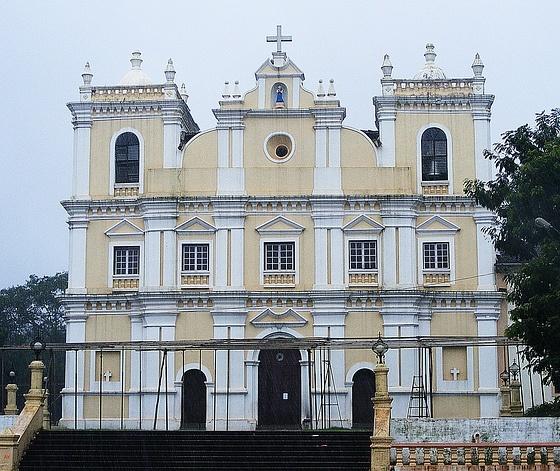
As you approach the church, the striking white facade emerges against a backdrop of swaying coconut palms and traditional Goan homes. The atmosphere in Raia is one of timeless tranquility, where the pace of life slows down, allowing visitors to soak in the spiritual vibrations of centuries of prayer. Our Lady of Snows Church is celebrated for its architectural grandeur, its historical priority in the region, and its unique festivals that blend Catholic liturgy with ancient agrarian rituals. For any traveler seeking to understand the soul of South Goa, a visit to this church is indispensable. It represents the successful synthesis of European Baroque influences with local Goan sensibilities, creating a space that feels both grand and intimately connected to the soil of the land.
The church is dedicated to the Virgin Mary under the title of "Our Lady of Snows," a devotion that traces its origins back to a 4th-century miracle in Rome. In the context of Goa, this dedication brings a sense of cool, divine grace to the tropical heat of the Konkan coast. Whether you are a history buff, an architecture enthusiast, or a pilgrim seeking solace, the Our Lady of Snows Church in Raia offers a profound experience that captures the essence of the "Golden Goa" era.
The history of Our Lady of Snows Church is inextricably linked to the arrival of the Portuguese and the subsequent missionary efforts in the 16th century. Historically, Raia was a significant cultural and religious hub long before the colonial era. The current church site is believed to have been the location of an ancient Hindu temple dedicated to Kama-Vajreshwari. In the mid-1560s, as the Jesuit missionaries expanded their influence into the Salcete province, Raia became the strategic entry point for the Christian faith in this part of Goa.
The winter season in Goa, stretching from November to February, is widely considered the best and most popular tourist season in Goa. This period attracts...
The first church was a modest structure built around 1568. However, as the congregation grew and the importance of Raia as a parish center increased, the need for a more magnificent structure became apparent. The present-day edifice was completed and consecrated in 1699. This makes it one of the oldest standing structures in the region, predating many of the more famous churches in North Goa. The church served as the "Mother Church" for several surrounding villages, and for many years, it held jurisdiction over a vast area, earning it the title of Primeira Comarca (First District) of Salcete.
The religious significance of the church is further highlighted by its role in the Christianization of Salcete. It was here that the first mass in the taluka was celebrated, marking a pivotal moment in the socio-religious history of Goa. Over the centuries, the church has survived various geopolitical shifts, including the Maratha invasions and the eventual decline of Portuguese power, yet it has remained a steadfast beacon of faith for the local community. The church also houses several historical relics and ancient scrolls that document the genealogy of the local families (Gaunkars), bridging the gap between the pre-colonial past and the present day.
Goa is one of India’s most loved travel destinations, attracting millions of tourists every year with its beaches, nightlife, and relaxed vibe. But like...
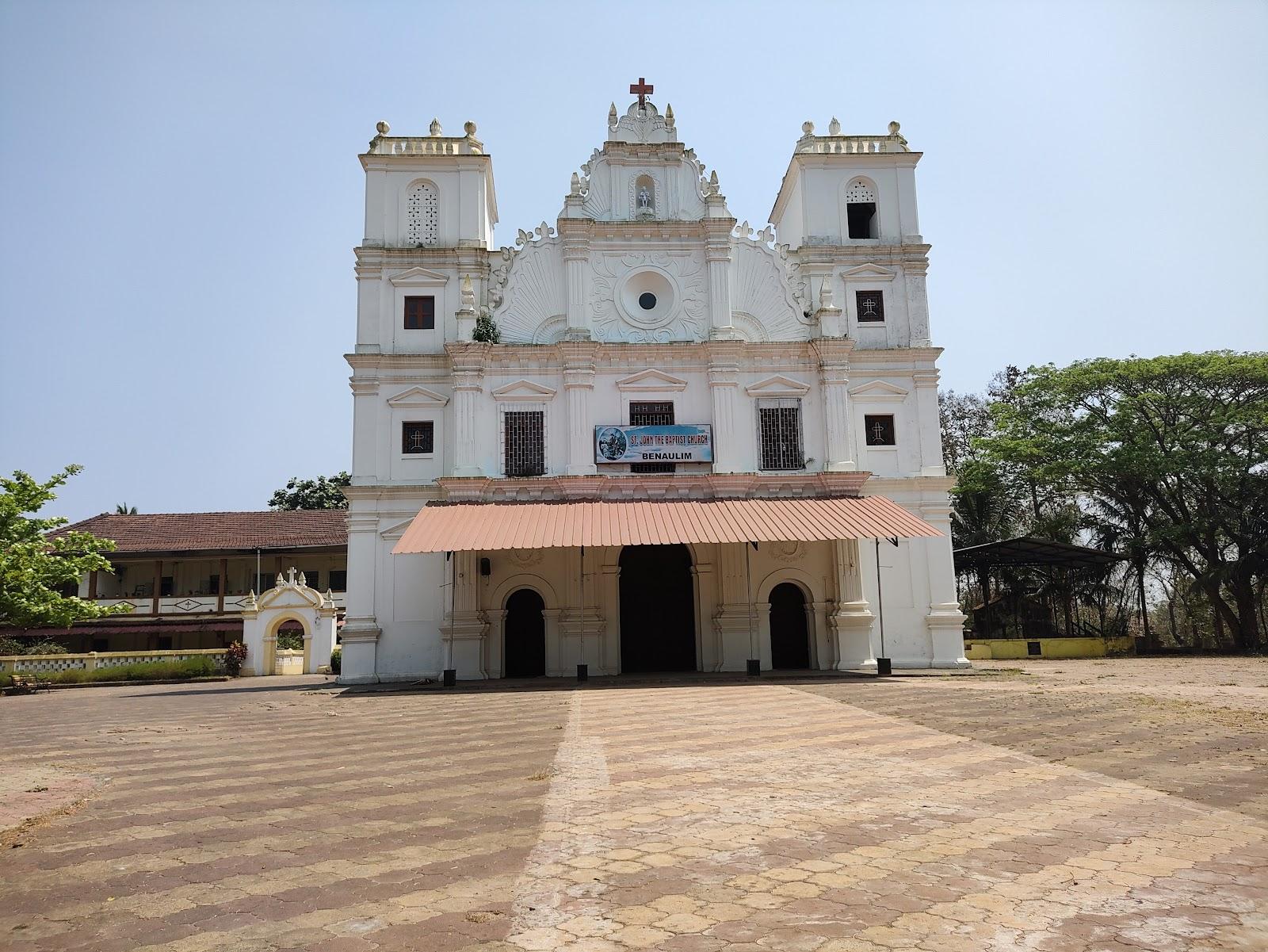
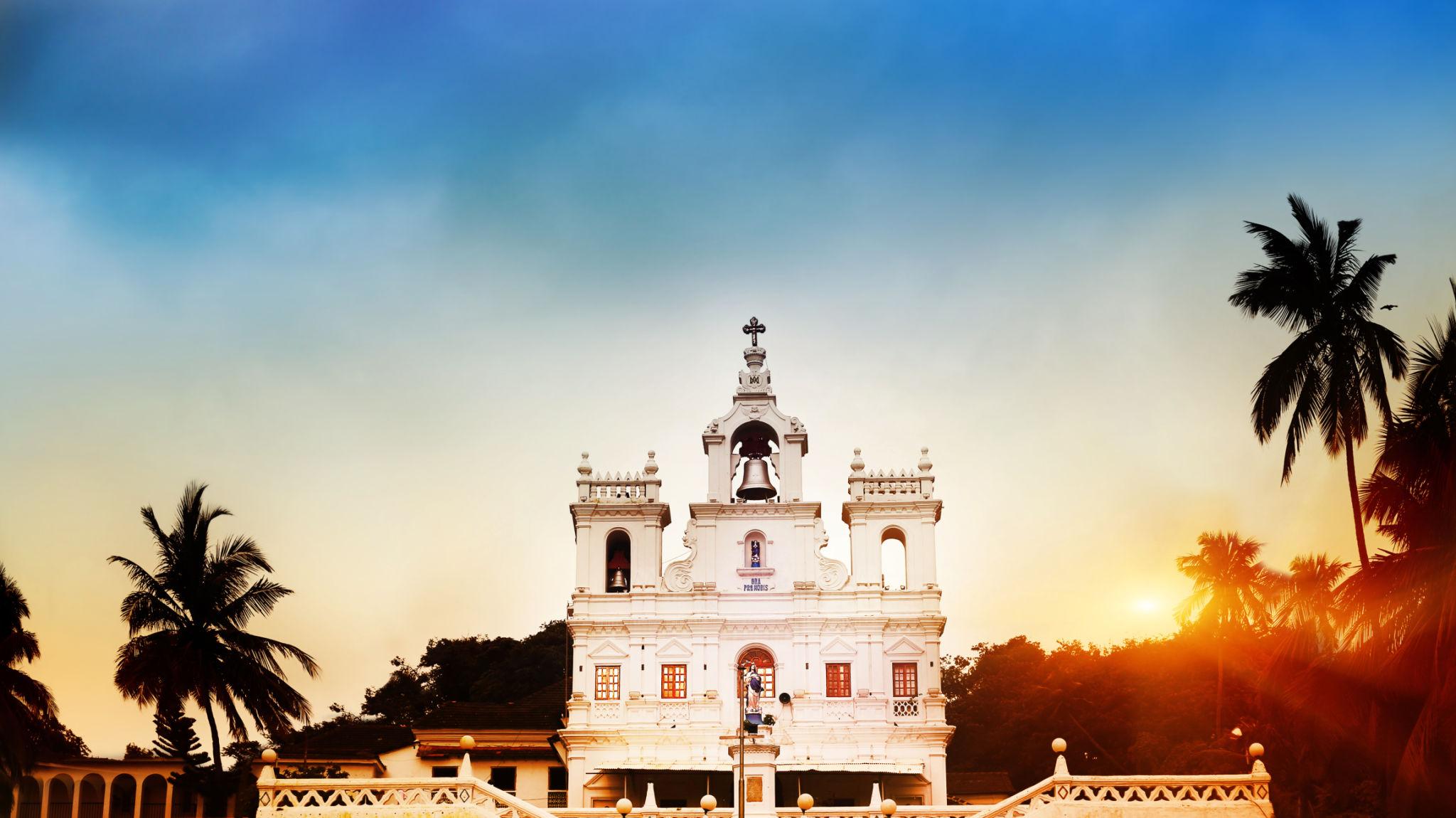
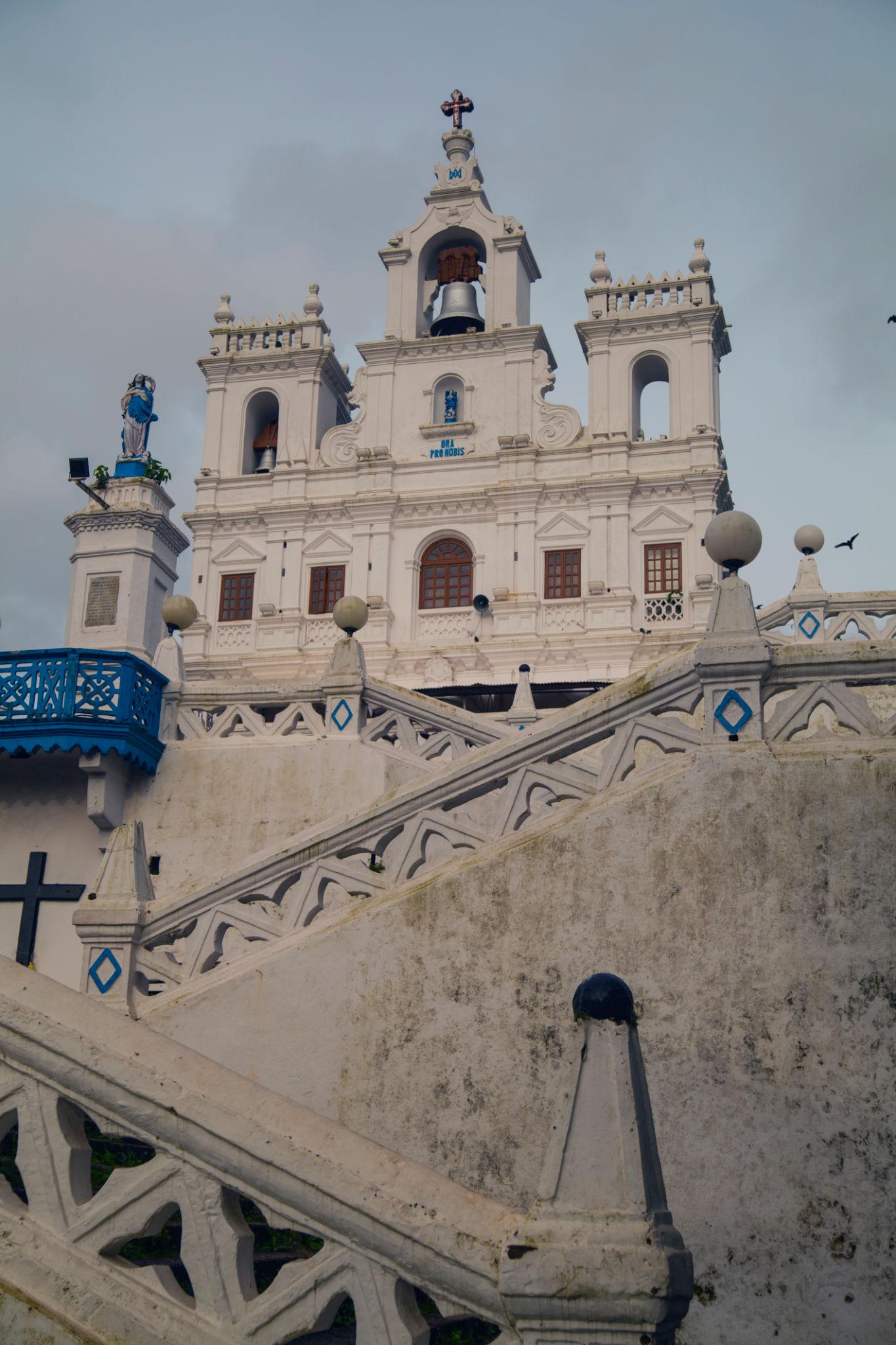
The architecture of Our Lady of Snows Church is a magnificent example of the Mannerist-Baroque style that dominated Goan ecclesiastical design during the 17th century. The facade is a masterclass in symmetry and proportion, featuring three distinct horizontal tiers and a central pediment. The brilliant white lime-wash, a characteristic of Goan churches, serves both an aesthetic and a functional purpose, reflecting the harsh tropical sun and protecting the laterite stone structure from the heavy monsoon rains.
Upon closer inspection, the facade reveals intricate details such as twin bell towers that flank the main body of the church. These towers are capped with cupolas and feature small windows that allow the sound of the massive bronze bells to resonate across the Raia valley. The entrance is marked by a grand portal, often decorated with floral motifs and scrolls carved into the stone. The use of laterite, a local volcanic rock, as the primary building material demonstrates the adaptation of European architectural plans to local resources.
A complete budget breakdown for your next Goa holiday.
The interior of the church is equally breathtaking. The layout follows the traditional cruciform plan, but it is the high altar (Retable) that truly commands attention. Gilded in gold leaf and adorned with ornate wood carvings, the altar features a central niche housing the statue of Our Lady of Snows. The pulpit is another architectural highlight, intricately carved with figures of the Evangelists and tropical flora. The vaulted ceiling and the spacious nave create an acoustic environment perfect for choral music. Large windows high up in the walls allow shafts of natural light to illuminate the gilded surfaces, creating a celestial atmosphere during the morning services. The flooring, a mix of granite and traditional tiles, often covers the graves of prominent local families and clergy, a common practice in historic Goan churches.
The primary deity of the church is Our Lady of Snows (Nossa Senhora das Neves). The devotion is based on the "Miracle of the Snow" which occurred in Rome in the year 352 AD. According to tradition, a wealthy Roman couple who had no children prayed to the Virgin Mary to designate an heir for their wealth. Mary appeared to them in a dream and told them that she would indicate a spot where a church should be built in her honor. On the morning of August 5th, despite it being the height of summer, a miraculous snowfall covered the Esquiline Hill in the shape of a floor plan for a basilica. This led to the construction of the Basilica di Santa Maria Maggiore.
In Raia, this devotion takes on a unique local significance. Our Lady is seen as a protectress of the harvest and a source of purity. The spiritual importance of the church is deeply tied to the agricultural cycle of the village. The parishioners believe that the intercession of Our Lady of Snows ensures a bountiful rice crop and protects the village from natural calamities. The statue of the Virgin, depicted in flowing robes with the infant Jesus, is a focus of intense veneration. Local devotees often bring offerings of flowers, candles, and even the first fruits of their labor to the altar.
The spiritual life of the parish is vibrant, with daily masses and a strong sense of community service. For many Goan Catholics, visiting the Raia church is a way to reconnect with their ancestral roots. The church is also a site of personal pilgrimage for those seeking healing or guidance, with many testifying to the peace and clarity they find within its hallowed walls.
The most significant and vibrant celebration at Our Lady of Snows Church is the Konsachem Fest (Harvest Festival), celebrated annually on August 5th. This festival is a spectacular blend of religious fervor and agrarian tradition, marking the blessing of the new rice crop. Raia has the distinct honor of being the first village in Goa to celebrate the harvest festival each year. The tradition involves a grand procession where the parish priest, accompanied by the village elders and a brass band, heads to a designated field to symbolically cut the first sheaves of corn (paddy) with a special silver sickle.
The blessed sheaves are then brought back to the church in a triumphant procession, where they are offered at the altar and distributed among the devotees. This act symbolizes the community's gratitude to God for the sustenance provided by the earth. The atmosphere in the village during Konsachem Fest is electric, with streets lined with stalls selling traditional Goan sweets like khaje, laddoos, and local handicrafts. Families gather for elaborate feasts featuring traditional Goan dishes, and the village comes alive with music and dance.
Apart from the Harvest Festival, the church also celebrates the Feast of Our Lady of Snows on the same day, which involves a nine-day Novena leading up to the grand feast mass. Other major Catholic celebrations like Easter, Christmas, and the Lenten season are observed with great solemnity and traditional Goan rituals, such as the Passos (reenactments of the Passion of Christ). The church also marks the feast of various saints throughout the year, each accompanied by local traditions and community gatherings.
The best time to visit Our Lady of Snows Church depends largely on what you wish to experience. If you want to witness the church at its most vibrant and culturally rich, then August 5th is the definitive date. Experiencing the Konsachem Fest allows you to see Goan culture in its purest form, though you should be prepared for large crowds and the humid monsoon weather.
For those who prefer a more tranquil and contemplative visit, the winter months (November to February) are ideal. During this period, the weather in Goa is pleasant, with clear blue skies and cool breezes, making it comfortable to explore the church grounds and the surrounding village of Raia. The light during these months is also perfect for photography, especially during the "golden hour" in the late afternoon.
The monsoon season (June to September) offers a different kind of beauty. The surrounding fields are a brilliant shade of green, and the church's white facade contrasts beautifully with the dark rain clouds. While travel can be a bit more challenging due to the rain, the lushness of the Raia countryside is at its peak. Avoid visiting during the peak afternoon heat in April and May if you are sensitive to high temperatures, as the humidity can be quite taxing.
Our Lady of Snows Church is a functioning place of worship, and its timings reflect the daily liturgical schedule. Generally, the church is open to visitors during the following hours:
Entry Fee: There is no entry fee to visit the church. It is open to people of all faiths. However, donations for the upkeep of the historic structure are always appreciated and can be placed in the designated offering boxes.
Dress Code: As with all religious sites in Goa, a modest dress code is strictly enforced. Visitors should ensure that their shoulders and knees are covered. Sleeveless tops, short skirts, and beachwear are considered inappropriate. It is also customary to remove hats and sunglasses before entering the sanctuary. Maintaining silence inside the church is essential to respect the worshippers and the sanctity of the space.
Our Lady of Snows Church is located in Raia, South Goa, about 5-6 kilometers from the bustling city of Margao. Reaching the church is relatively easy due to Goa's well-connected road network.
A visit to Our Lady of Snows Church offers more than just a quick prayer. Here are some activities to enrich your visit:
The area around Raia is rich with historical and natural attractions, making it easy to plan a full day of sightseeing:
To ensure a respectful and pleasant visit for everyone, please adhere to the following guidelines:
Raia and its surrounding areas offer some of the most authentic Goan culinary experiences. Here are a few recommendations:
South Goa offers a range of accommodation options, from luxury resorts to heritage homestays:
To make the most of your visit to Our Lady of Snows Church, keep these tips in mind:
The Our Lady of Snows Church in Raia is far more than an architectural landmark; it is a living chronicle of Goa's complex and beautiful history. From its origins as the first parish of Salcete to its role as the guardian of the annual harvest, the church embodies the spirit of resilience, faith, and community that defines the Goan people. Its Baroque facade, gilded altars, and the rhythmic tolling of its bells offer a sensory journey into the heart of the Portuguese era, while its vibrant festivals keep ancient traditions alive in the modern world.
Visiting this church provides a much-needed contrast to the typical tourist trail of crowded beaches and late-night parties. It invites you to slow down, reflect, and appreciate the nuances of a culture that has successfully navigated the tides of change for over four centuries. Whether you are standing in the quiet nave as sunlight filters through the high windows or joining the joyous crowds during the Konsachem Fest, the Our Lady of Snows Church leaves an indelible mark on your soul. It is a reminder that in the heart of Goa, tradition is not something found only in museums, but something that is breathed, prayed, and celebrated every single day. Make sure to include this spiritual gem in your South Goa itinerary for an experience that is as enlightening as it is enchanting.