Overview of Shantadurga Kunkallikarin Temple
Nestled in the serene and verdant village of Fatorpa, within the Quepem Taluka of South Goa, the Shantadurga Kunkallikarin Temple stands as a monumental symbol of Goan heritage, resilience, and spiritual devotion. This temple is not merely a place of worship; it is a repository of the socio-religious history of the region, specifically reflecting the struggles and the unwavering faith of the people of Cuncolim. While Goa is often associated with its sun-kissed beaches and vibrant nightlife, the hinterlands of the state hold the true essence of its cultural identity, and Fatorpa is at the heart of this spiritual landscape.
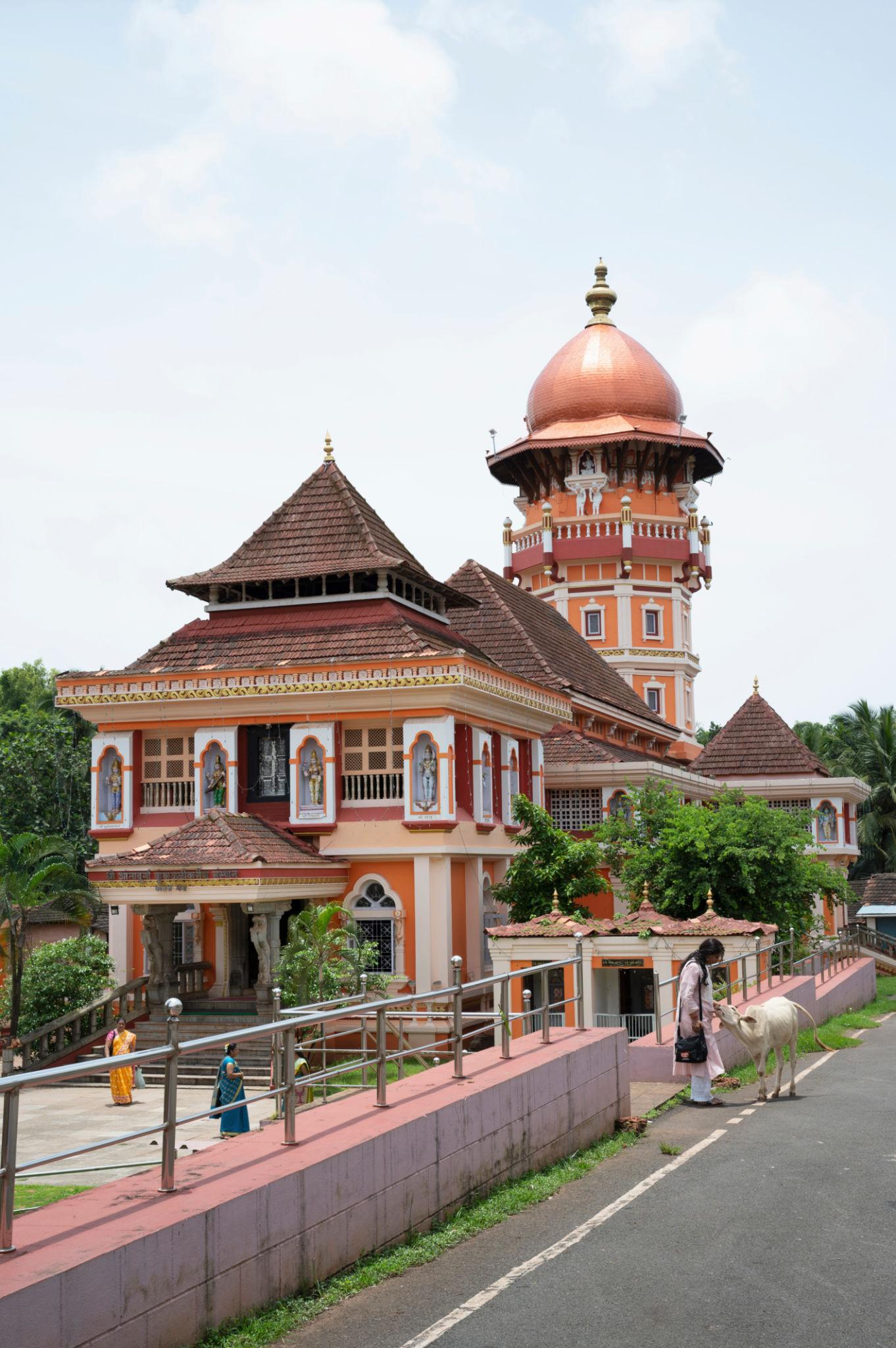
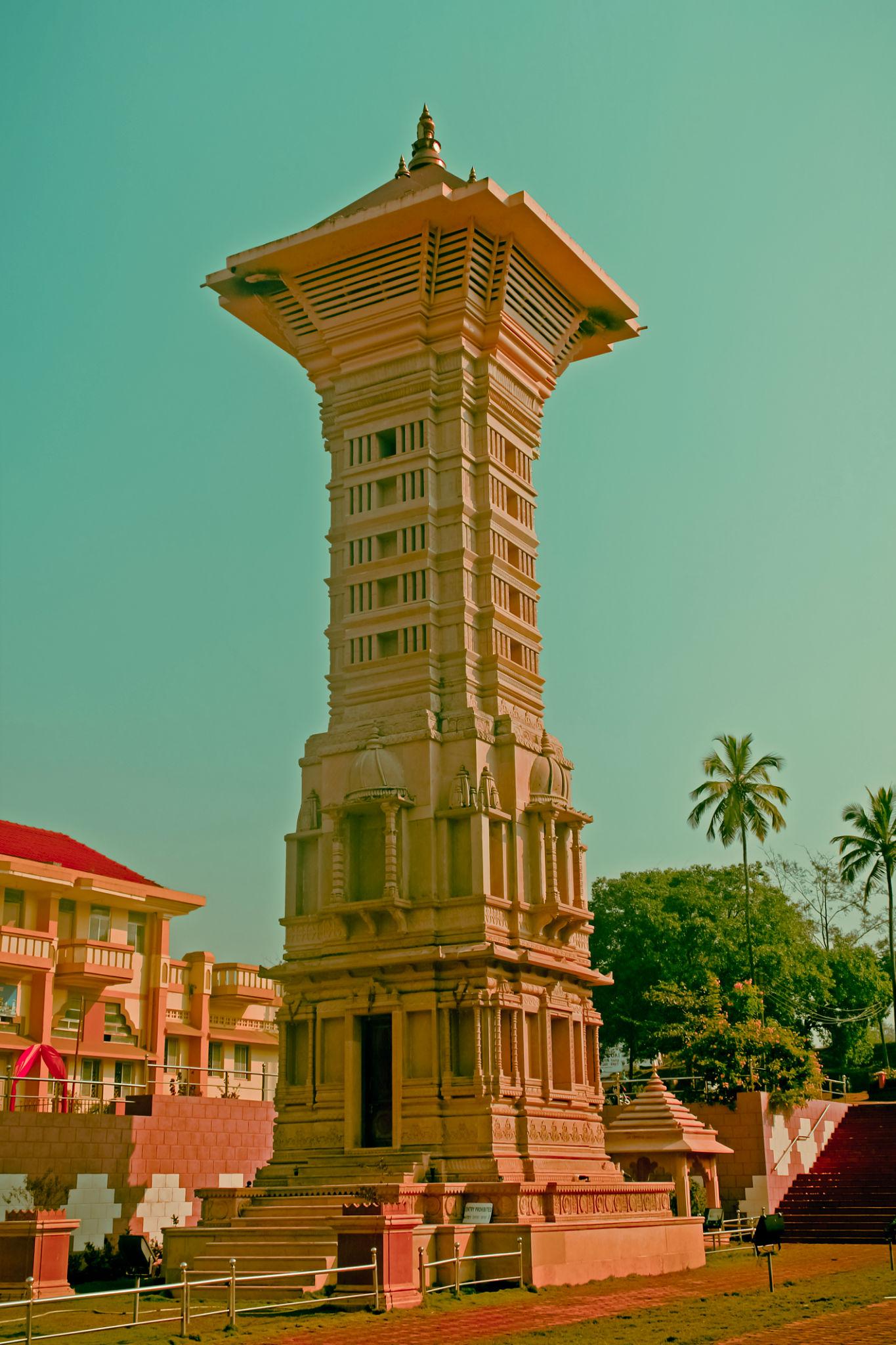
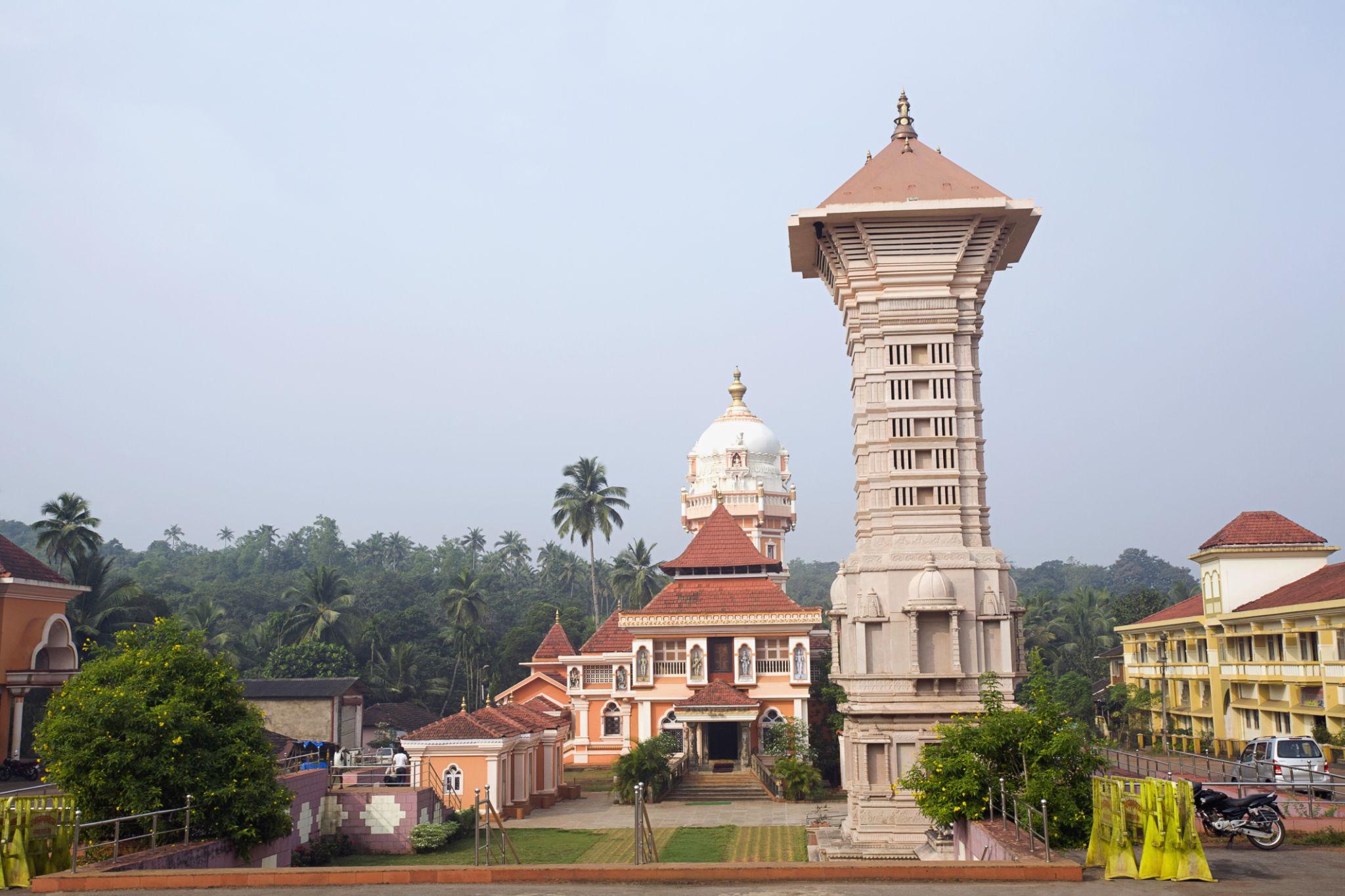
The temple is dedicated to Goddess Shantadurga, an avatar of the mother goddess who is revered for her role as a mediator and a harbinger of peace. The suffix "Kunkallikarin" is deeply significant, as it denotes the deity's original home in the village of Cuncolim (Kunkallim). The temple complex is a sprawling oasis of tranquility, characterized by its distinct Goan-Hindu architectural style, featuring a majestic Deepastambha (lamp tower) and a peaceful courtyard that invites pilgrims and travelers alike to pause and reflect. Unlike the more commercialized tourist spots, the Shantadurga Kunkallikarin Temple offers a profound sense of "Sussegad"—the Goan concept of a relaxed, contented pace of life—infused with divine energy.
For the locals, the deity is the Gramadevi (village goddess) who protects her devotees from misfortune. Interestingly, the temple also serves as a bridge between communities. It is a common sight to see people from various faiths, including the local Catholic community, paying their respects to the Goddess, especially during the annual Zatra. This syncretic tradition is a hallmark of Goan culture, where historical complexities have evolved into a unique form of communal harmony. As you walk through the temple gates, you are greeted by the scent of fresh marigolds and incense, the rhythmic chanting of priests, and an atmosphere that feels both ancient and vibrantly alive.
History & Religious Significance
The history of the Shantadurga Kunkallikarin Temple is a gripping saga of survival and cultural preservation. Originally, the shrine of the Goddess was located in the village of Cuncolim. However, the 16th century brought a period of immense upheaval to Goa with the arrival of the Portuguese and the subsequent Goa Inquisition. During this era, many Hindu temples were targeted for destruction as part of the colonial administration's efforts to enforce religious conversion.
The year 1583 is etched in the annals of Goan history as the year of the Cuncolim Revolt. The local chieftains, known as the Dessais, belonged to twelve clans (Vangods) and were fiercely protective of their land and faith. They resisted the Portuguese attempts to tax them and destroy their religious sites. Following a violent confrontation where several Jesuit priests were killed, the Portuguese retaliated with extreme force, destroying the original temple in Cuncolim. To save their beloved deity from desecration, the devotees managed to clandestinely move the idol of Shantadurga under the cover of night. They trekked through the dense forests and hilly terrain of the Western Ghats, eventually finding sanctuary in the remote village of Fatorpa, which was then outside the immediate control of the Portuguese.
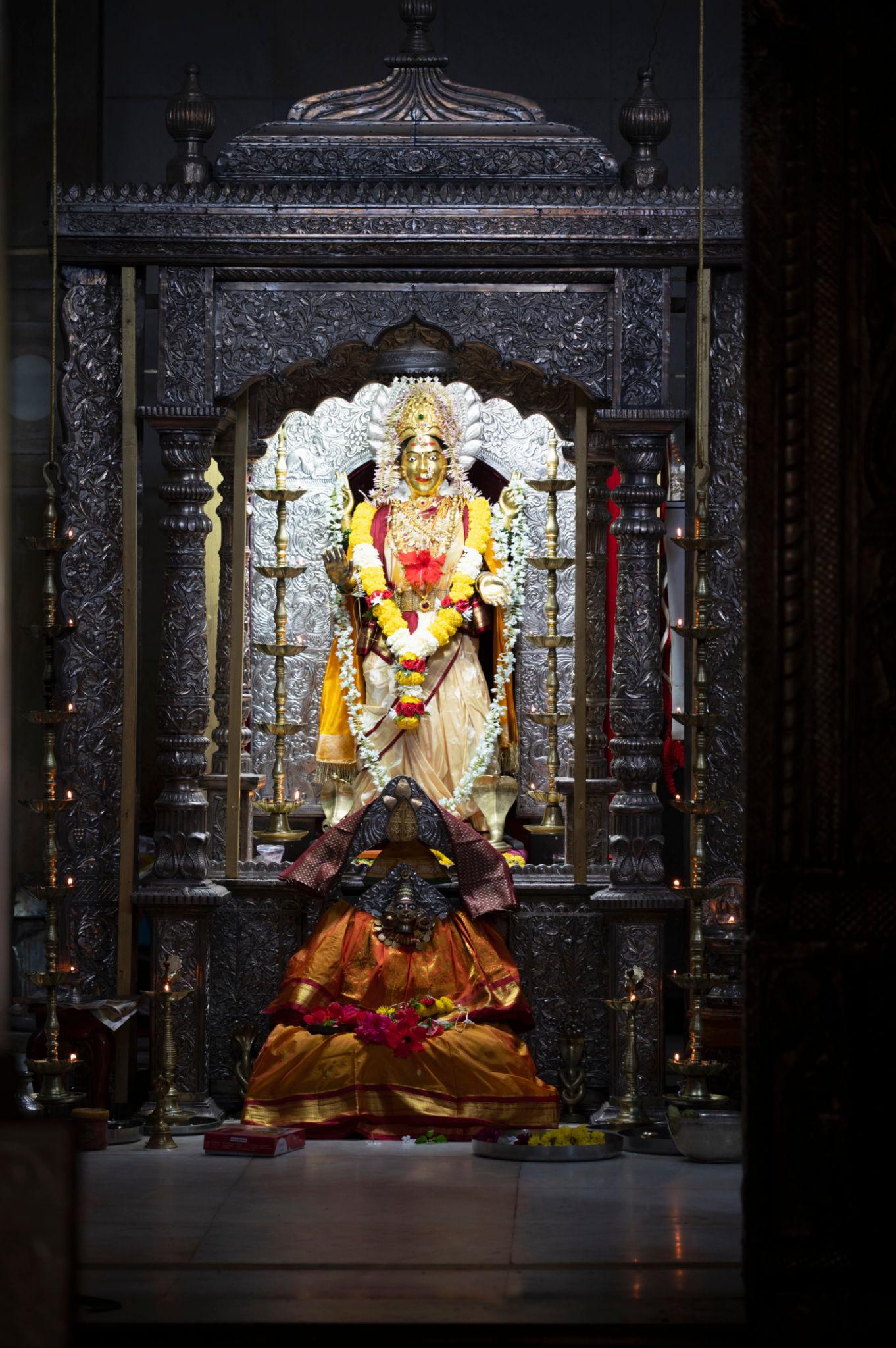
This migration was not just a physical movement of an idol; it was an act of defiance and a testament to the community's resolve to keep their traditions alive. For centuries, the temple remained a humble structure in Fatorpa until it was expanded and renovated into the grand edifice seen today. The religious significance of the temple is tied to the concept of Shantadurga. According to Hindu mythology, a fierce battle once raged between Lord Shiva and Lord Vishnu. The intensity of their combat threatened to destroy the universe. At the request of Lord Brahma, Goddess Durga intervened in a peaceful form (Shanta), placing one hand on Shiva and the other on Vishnu to pacify them. Thus, she is worshipped here as the Goddess of Peace, a quality that resonates deeply in the quiet hills of Fatorpa.
Architecture of Shantadurga Kunkallikarin Temple
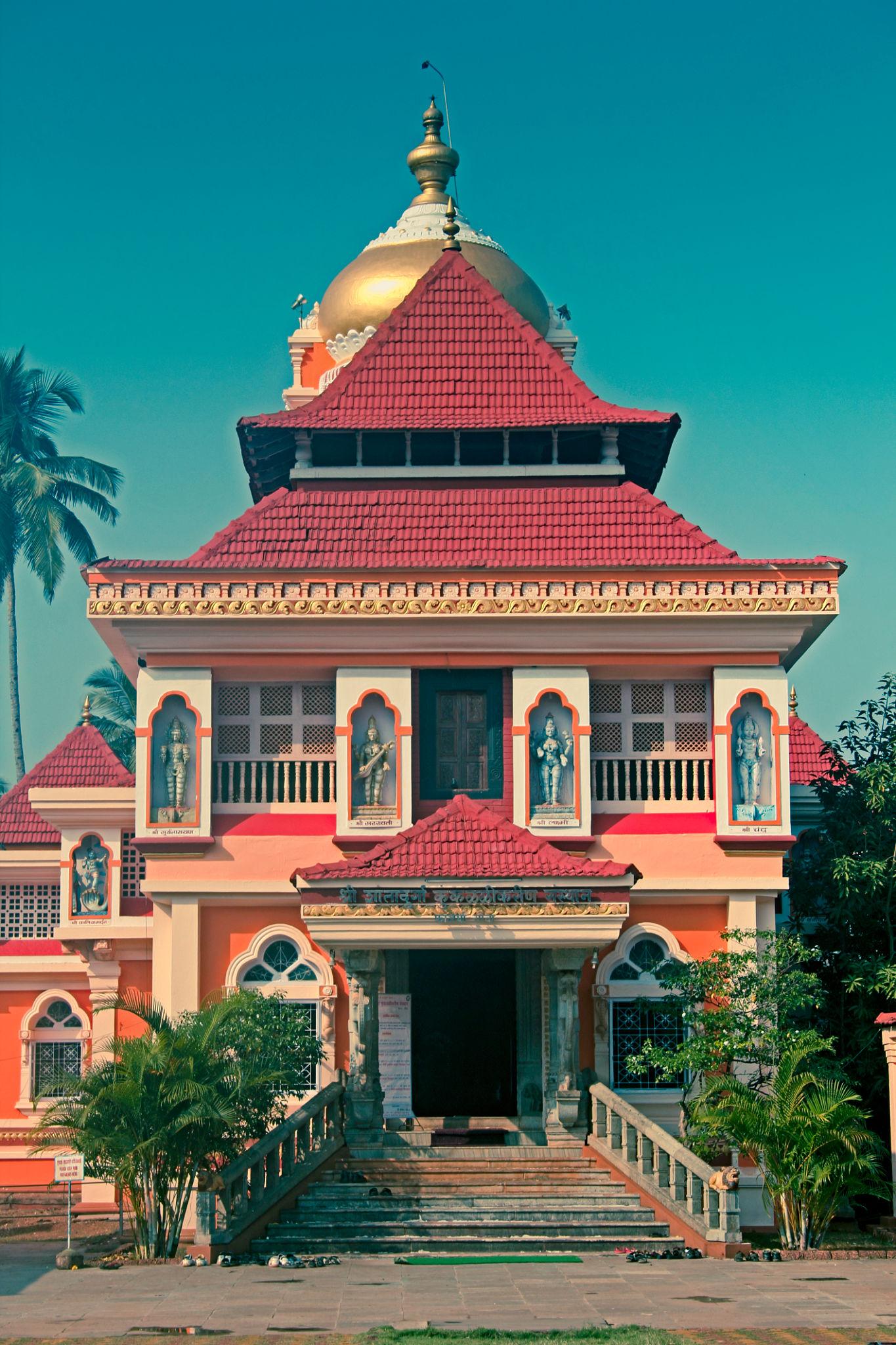
The architecture of the Shantadurga Kunkallikarin Temple is a stunning example of the Goan-Hindu style, which evolved during the 17th and 18th centuries. This style is unique because it incorporates local building materials like laterite stone with aesthetic influences from Maratha, Mughal, and even Portuguese Baroque architecture. The result is a structure that looks distinctly different from the Dravidian temples of South India or the Nagara temples of the North.
As you approach the temple, the first thing that captures your attention is the Deepastambha. This multi-storied octagonal lamp tower is a signature feature of Goan temples. During festivals, hundreds of oil lamps are lit in the niches of this tower, creating a celestial glow that can be seen from a distance. The tower is white-washed, contrasting beautifully with the red-tiled roofs of the main temple building. The main structure consists of a Sabhamandapa (assembly hall) and a Garbhagriha (sanctum sanctorum). The roof is typically Goan, sloping and covered with traditional Mangalore tiles to withstand the heavy monsoon rains of the region.
Inside the Sabhamandapa, the architecture becomes even more intricate. You will find massive wooden pillars, often carved from local teak, supporting the ceiling. The walls are decorated with paintings and murals depicting scenes from the Puranas. The entrance to the inner sanctum is often flanked by silver-plated doors or intricately carved wooden frames. The use of glass chandeliers, a direct influence of the Portuguese era, adds a touch of colonial elegance to the traditional Hindu setting. The dome over the sanctum is another interesting feature; it is often shaped like a simplified version of a church dome or a Maratha-style cupola, showcasing the cultural melting pot that is Goa. The flooring is usually made of cool marble or polished granite, providing a soothing surface for devotees who walk barefoot.
Main Deity / Spiritual Importance
The presiding deity of the temple is Shree Shantadurga Kunkallikarin. The idol is a beautiful representation of the Goddess, depicted in a calm and benevolent posture. She is often shown holding two serpents, one in each hand, representing Shiva and Vishnu, whom she pacified. The spiritual importance of this deity extends beyond the physical idol; she is considered the Mata (Mother) of the twelve clans of Cuncolim. Even today, the descendants of these twelve clans, regardless of where they live in the world, consider this temple their spiritual home.
Spiritually, the Goddess is believed to be the granter of wishes and the protector of the household. Devotees visit the temple to seek her blessings for various life events, such as weddings, the birth of a child, or the starting of a new business venture. The ritual of Prasad (seeking a divine omen) is very popular here. Devotees ask a question to the Goddess, and the priest observes the falling of a flower or a leaf from the deity's idol to interpret her answer. This practice provides a deep sense of personal connection and guidance to the worshippers.
The spiritual energy of the temple is palpable during the Aarti (ritual of light). The rhythmic clanging of bells, the blowing of the conch shell, and the chanting of Vedic hymns create a powerful vibration that is said to cleanse the mind of negative thoughts. For many, the Shantadurga Kunkallikarin Temple is a place of Dhyana (meditation). The quietude of Fatorpa, away from the coastal noise, allows for a deeper inward journey, making it a favored spot for those seeking spiritual solace and mental clarity.
Festivals & Celebrations
The Shantadurga Kunkallikarin Temple is the site of some of Goa's most vibrant and culturally rich festivals. The most famous of these is the Zatra, held annually in the Hindu month of Pausha (usually falling in December or January). This Zatra is unique and is popularly known as the Sontreo or the "Festival of Umbrellas."
- The Sontreo (Umbrella Festival): This is the highlight of the temple's calendar. During this festival, twelve colorful silk umbrellas, representing the twelve original clans (Vangods) of Cuncolim, are carried in a grand procession. The umbrellas are mounted on tall poles and danced through the streets to the beat of traditional drums (Dhol) and trumpets (Taso). It is a sight of incredible energy and devotion. The procession travels from the temple in Fatorpa towards the original site in Cuncolim, symbolizing the deity's symbolic return to her roots.
- Navratri: During the nine nights of Navratri, the temple is beautifully decorated with flowers and lights. Each night, the Goddess is dressed in different traditional sarees and ornaments. Special musical performances, including Bhajans and Kirtans, are held in the Sabhamandapa.
- Shigmo: The Goan version of Holi, Shigmo, is celebrated with great fervor. Traditional folk dances like the Ghode Modni and Romtamel are performed in the temple courtyard. The air is filled with red gulal (powder), and the community comes together in a joyous celebration of spring.
- Vardhapana Din: This is the anniversary of the temple's consecration. It involves elaborate rituals, Homas (fire sacrifices), and a community feast where thousands of devotees are served traditional Goan vegetarian meals on banana leaves.
Best Time to Visit
Choosing the best time to visit the Shantadurga Kunkallikarin Temple depends on whether you are looking for festive excitement or quiet contemplation. Goa’s climate plays a significant role in the overall experience.
Winter (November to February): This is undoubtedly the best time to visit. The weather is pleasant, with cool mornings and evenings, making it comfortable to explore the temple complex and the surrounding village. This period also coincides with the major Zatra (Sontreo), providing a chance to witness the temple in its full glory. The lush greenery of the post-monsoon season is still visible, making the drive to Fatorpa exceptionally beautiful.
Monsoon (June to September): If you enjoy the raw beauty of nature, the monsoon is a magical time to visit. South Goa turns into an emerald paradise. The temple, surrounded by mist-covered hills and rain-washed forests, takes on a mystical aura. However, be prepared for heavy downpours which might limit outdoor exploration. The temple remains open, and the sound of rain on the tiled roofs adds a rhythmic soundtrack to your prayers.
Summer (March to May): The summer months can be quite hot and humid in Goa. If you visit during this time, it is best to go early in the morning or late in the evening to avoid the midday heat. The temple interiors remain relatively cool due to the thick stone walls and traditional architecture.
Timings, Entry Fee & Dress Code
To ensure a respectful and smooth visit, it is important to be aware of the temple’s operational hours and cultural expectations.
- Timings: The temple is generally open from 5:30 AM to 10:00 PM. However, the inner sanctum may be closed briefly during the afternoon (usually between 1:00 PM and 4:00 PM) for the deity's rest. The best times to visit for rituals are during the morning Aarti (around 6:30 AM) and the evening Aarti (around 7:00 PM).
- Entry Fee: There is no entry fee to visit the Shantadurga Kunkallikarin Temple. It is open to all visitors regardless of their background. Donations are voluntary and can be made at the official counters if you wish to contribute to the temple's maintenance or social welfare programs.
- Dress Code: As a place of high religious significance, a modest dress code is strictly encouraged. Men are expected to wear trousers or traditional dhotis/kurtas. Women should wear sarees, salwar kameez, or long skirts. Avoid wearing short skirts, sleeveless tops, or revealing clothing, as this may be considered disrespectful to the local sentiments and the sanctity of the shrine. You will be required to remove your footwear before entering the main temple platform.
How to Reach Shantadurga Kunkallikarin Temple
The temple is located in Fatorpa, which is well-connected by road, though it feels tucked away from the main tourist hubs.
- By Road: This is the most convenient way to reach the temple. Fatorpa is approximately 18 kilometers from Margao, the commercial capital of South Goa. You can hire a taxi or a self-drive car from Margao or the coastal areas like Colva and Palolem. The drive takes you through scenic village roads and rolling hills. If you are coming from Panaji, the distance is about 50 kilometers, roughly a 1.5-hour drive.
- By Bus: Local buses run regularly from the Margao Kadamba Bus Stand towards Quepem or Cuncolim. From Cuncolim, you can find local rickshaws or smaller shuttle buses that go directly to Fatorpa. While this is the most economical option, it requires some navigating and may take longer.
- By Train: The nearest major railway station is Madgaon Junction (MAO). From the station, you can easily find pre-paid taxis or auto-rickshaws to take you to Fatorpa. The station is well-connected to major Indian cities like Mumbai, Bangalore, and Delhi.
- By Air: The Dabolim Airport (GOI) is about 45 kilometers away. You can book a taxi from the airport directly to the temple. The newer Mopa Airport (GOX) in North Goa is quite far (about 85-90 km), so Dabolim is the preferred choice for those visiting South Goa.
Things to Do
A visit to the Shantadurga Kunkallikarin Temple can be a multi-faceted experience. Here are some things you can do to make your visit more meaningful:
- Participate in the Aarti: Experience the spiritual energy by attending the morning or evening Aarti. The synchronization of sound and light is a sensory experience that stays with you long after you leave.
- Explore the Temple Complex: Walk around the Prakara (outer courtyard). Observe the intricate carvings on the wooden doors and the various smaller shrines dedicated to subordinate deities. Don’t miss the chance to photograph the magnificent Deepastambha from different angles.
- Meditation and Reflection: Find a quiet corner in the Sabhamandapa or under the shade of a tree in the courtyard to meditate. The peaceful vibrations of the temple are ideal for introspection.
- Interact with the Locals: If you are lucky to find a local priest or a long-time devotee who speaks your language, ask them about the history of the 12 Vangods. The oral history of the temple is fascinating and provides insights you won't find in guidebooks.
- Attend the Zatra: If your visit coincides with the Sontreo festival, immerse yourself in the local culture. Watch the umbrella dance, try the local sweets from the stalls (fair), and witness the incredible communal spirit.
Nearby Attractions
South Goa is rich in hidden gems. After visiting the temple, you can explore several nearby attractions that offer a mix of nature, history, and relaxation:
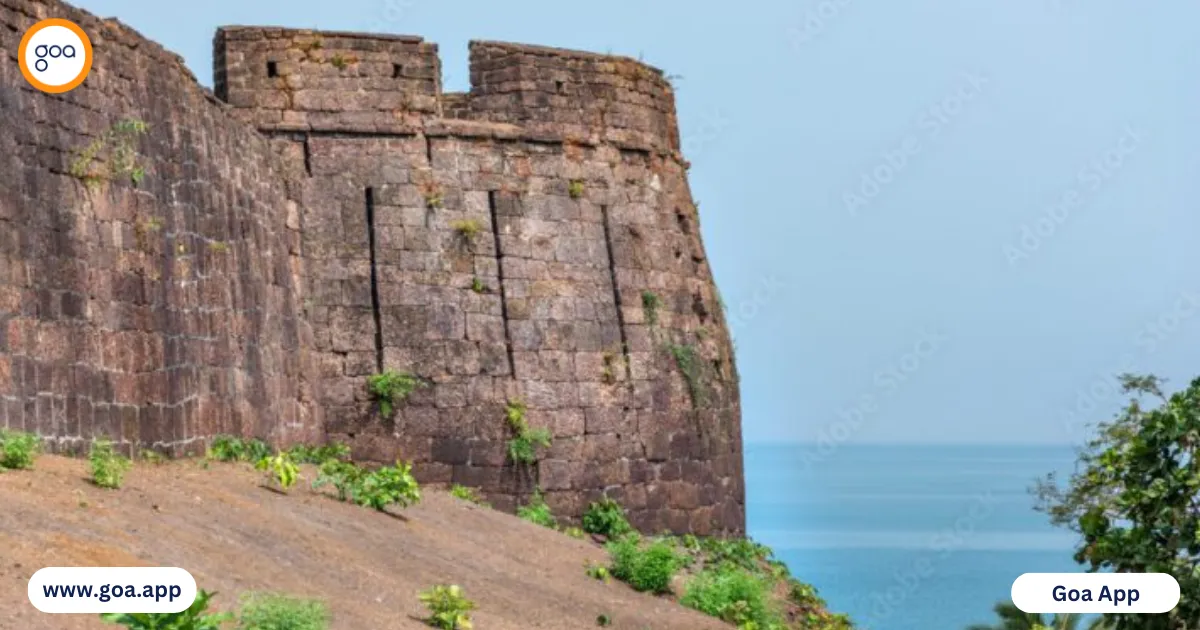
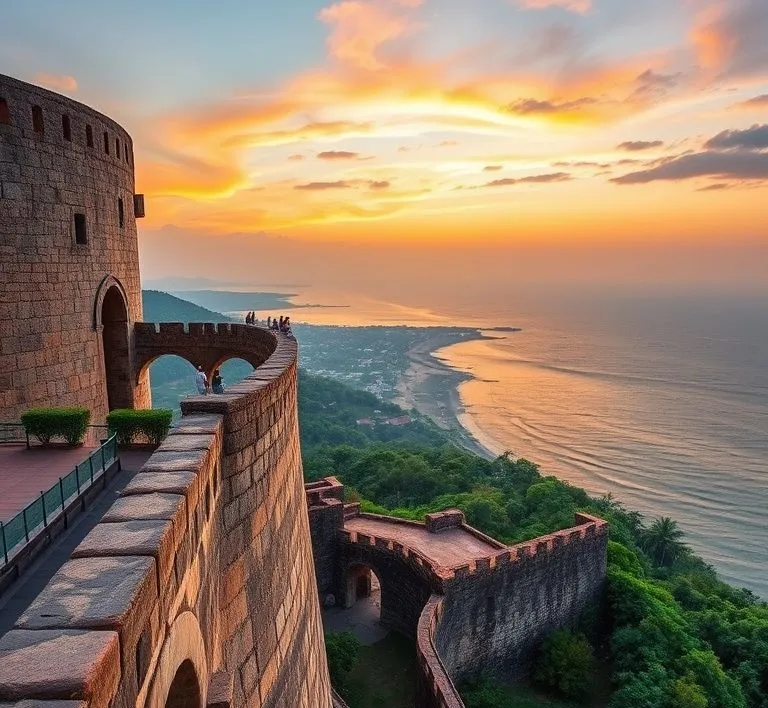
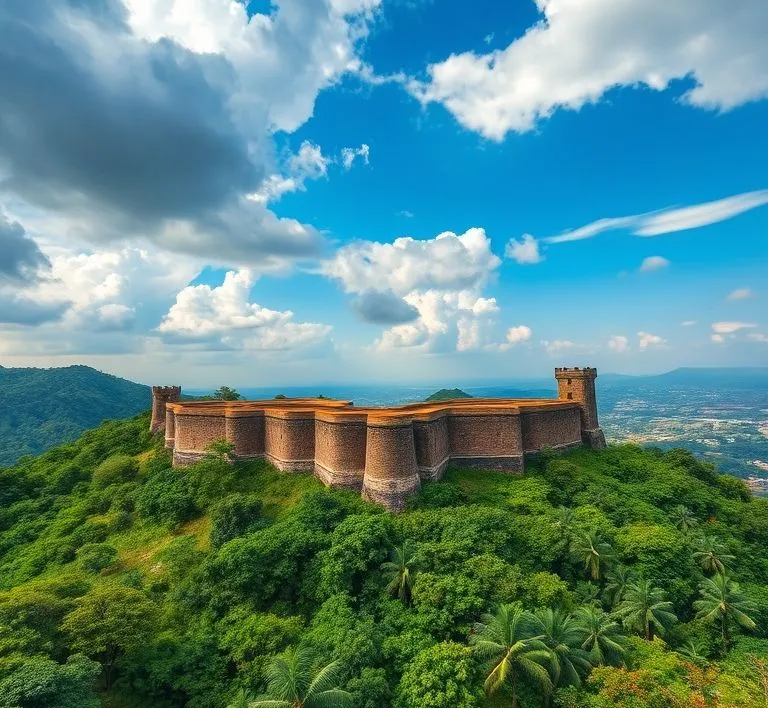
- Cabo de Rama Fort: Located about 20 kilometers from Fatorpa, this ancient fort offers breathtaking views of the Arabian Sea. It has a rich history involving Hindu, Muslim, and Portuguese rulers and houses the Church of Santo Antonio within its walls.
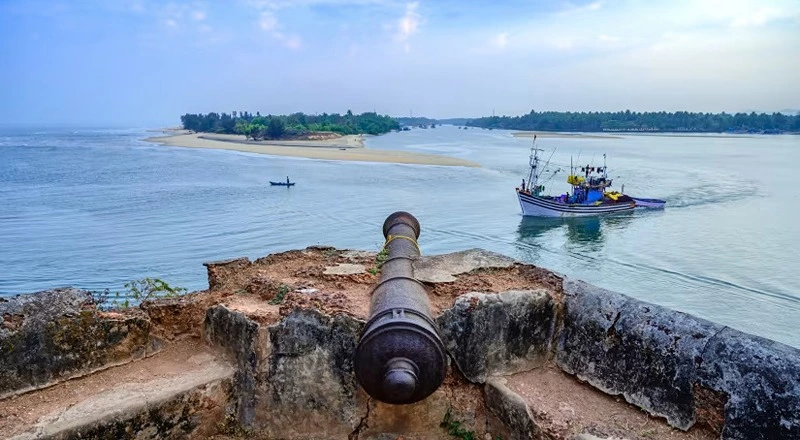
- Betul Beach and Fort: A quiet, secluded beach where the Sal River meets the sea. The nearby Betul Fort is small but offers a panoramic view of the coastline and the fishing jetty.
- Cuncolim Village: Visit the original site of the temple and the Cuncolim Martyrs' Memorial, which commemorates the 1583 revolt against the Portuguese. It’s a great way to connect the historical dots.
- Palolem and Agonda Beaches: These famous South Goan beaches are about a 30-45 minute drive away. They are perfect for a relaxing evening after your spiritual journey.
- Salaulim Dam: Located in Sanguem, this dam is famous for its unique "duckbill spillway" and the beautiful botanical gardens nearby. It is a great spot for nature lovers and photographers.
Photography & Visitor Guidelines
To maintain the sanctity of the temple and ensure a pleasant experience for everyone, please follow these guidelines:
- Photography: While photography is generally allowed in the outer courtyard and of the temple's exterior architecture, it is strictly prohibited inside the Garbhagriha (inner sanctum). Always look for signs or ask a priest before clicking pictures. Avoid using flash inside the prayer halls.
- Silence: Maintain a low volume. The temple is a place of prayer and meditation for many; loud conversations or playing music on phones is discouraged.
- Cleanliness: The temple premises are kept very clean. Please do not litter. Use the designated bins for any waste.
- Offerings: If you wish to offer flowers or coconuts, you can buy them from the small stalls outside the temple. Ensure that your offerings are handled with clean hands.
- Respect Rituals: If a ritual is in progress, stand aside and observe quietly. Do not cross in front of the priest or the deity during the Aarti.
Where to Eat Nearby
Fatorpa is a small village, so dining options within the immediate vicinity are humble but authentic. For more variety, you may need to head towards Cuncolim or Margao.
- Temple Prasad/Bhojan: On certain festival days, the temple serves Mahaprasad—a traditional Goan Hindu vegetarian meal. It is a simple, blessed meal consisting of rice, dal (varan), a vegetable dish (shak), and a sweet (usually khatkhate or payasam).
- Local Small Eateries: Near the temple entrance, you will find small kiosks selling Goan snacks like Batata Vada, Samosas, and Mirchi Bhajis. Don't forget to try the local tea or a refreshing coconut water.
- Restaurants in Cuncolim: A short drive to Cuncolim offers more substantial dining options. You can find restaurants serving traditional Goan fish thalis and Xacuti.
- Margao Dining: For a fine-dining experience, Margao has iconic spots like Ritz Junction or Gaylin. If you want authentic Goan Catholic cuisine, Nostalgia in Raia is a bit of a drive but well worth it for its heritage ambiance and food.
Accommodation Nearby
Since Fatorpa is a pilgrimage site, the accommodation options are geared towards devotees and budget travelers. For luxury, you will need to look at the coastal belt.
- Temple Guest Houses: The temple trust operates Dharamshalas or guest houses for pilgrims. These offer basic, clean rooms at very affordable rates. They are ideal if you want to stay overnight to attend the early morning rituals.
- Boutique Stays in Quepem: The Quepem region has some beautiful heritage homestays and boutique hotels, such as the Palácio do Deão, which offers a glimpse into Goa's colonial past and excellent local hospitality.
- Beach Resorts: If you prefer to stay by the ocean, the resorts at Cavelossim or Mobor (like the Leela or Taj Exotica) are about a 40-minute drive away. This allows you to combine a luxury beach holiday with a spiritual visit.
- Budget Hotels in Margao: Margao has numerous budget and mid-range hotels that are convenient for those traveling by train or bus.
Travel Tips
To make the most of your trip to the Shantadurga Kunkallikarin Temple, keep these professional travel tips in mind:
- Hire a Local Guide: If you are deeply interested in history, hiring a local guide who understands the nuances of the Cuncolim Revolt and the Vangod system will enrich your experience significantly.
- Carry Cash: While digital payments are growing, small stalls around the temple and local transport often prefer cash. There may not be many ATMs in the immediate village area.
- Stay Hydrated: The Goan humidity can be draining. Always carry a bottle of water, especially if you plan to explore the nearby forts or villages.
- Respect Local Customs: Remember that this is a living place of worship, not just a tourist attraction. Be mindful of your actions and follow the lead of the locals.
- Combine Your Visit: Since Fatorpa is in the south, combine your visit with other South Goan landmarks like the Chandreshwar Bhootnath Temple or the Big Foot Museum in Loutolim to make it a full-day cultural tour.
Conclusion
The Shantadurga Kunkallikarin Temple is more than just a religious site; it is a profound testament to the Goan spirit of endurance and the timeless appeal of peace. From its tumultuous history of displacement and survival to its current status as a beacon of faith for thousands, the temple tells a story that is quintessentially Goan. Its unique architecture, the vibrant energy of the Sontreo festival, and the serene beauty of its Fatorpa location make it a must-visit for anyone looking to go beyond the stereotypical beach experience.
Whether you are a devout pilgrim seeking the blessings of the Mother Goddess, a history buff eager to learn about the 1583 revolt, or a traveler looking for a quiet corner of "Old Goa," this temple offers a deeply rewarding experience. As the oil lamps flicker on the Deepastambha and the bells echo through the Quepem hills, you realize that the true heart of Goa beats in these sacred spaces, where history, divinity, and community converge in perfect harmony. Plan your visit to this spiritual sanctuary and discover a side of the "Pearl of the Orient" that is as peaceful as the Goddess Shantadurga herself.