Overview of Our Lady of Succour Church
Nestled in the verdant, rolling hills of the Bardez taluka in North Goa, the Our Lady of Succour Church, locally known as the Socorro Church, stands as a testament to the enduring spiritual legacy and architectural grandeur of the Portuguese era in India. Located in the serene village of Socorro, which is just a short drive from the bustling capital of Panjim and the commercial hub of Porvorim, this church offers a stark and refreshing contrast to the neon lights and crowded beaches of the coastal belt. It is a place where time seems to slow down, allowing visitors to soak in the authentic Goan "susegad" lifestyle—a concept of relaxed contentment that is deeply woven into the fabric of this village.
The Our Lady of Succour Church is not just a religious monument; it is the beating heart of the Socorro community. For centuries, it has served as a sanctuary for the faithful and a focal point for social and cultural gatherings. The church is dedicated to Nossa Senhora do Socorro (Our Lady of Succour), a title of the Blessed Virgin Mary that emphasizes her role as a helper and protector of those in distress. The village itself, originally known as Serula, eventually took on the name of its patroness, becoming "Socorro," which literally translates to "Succour" or "Help" in Portuguese.
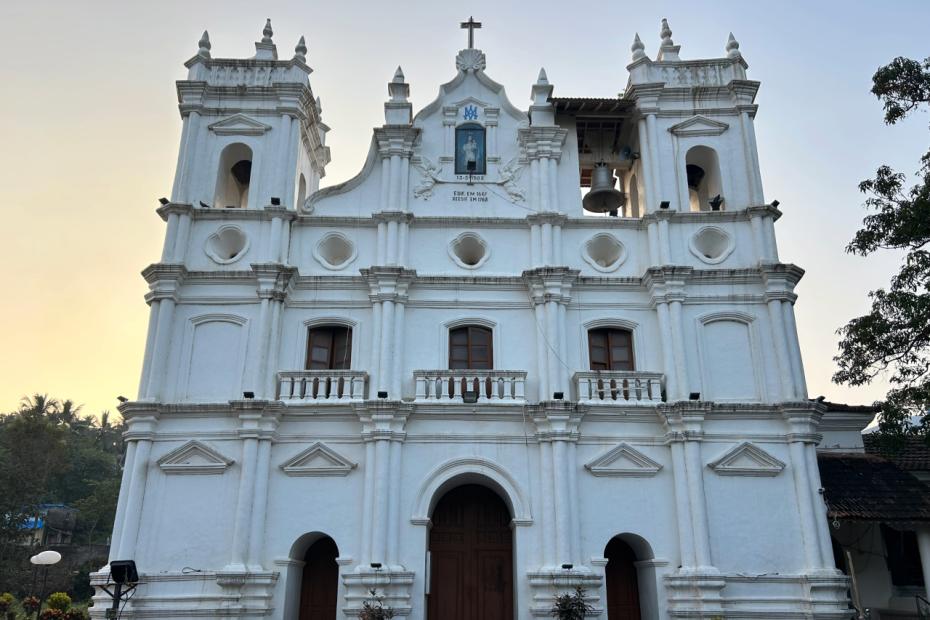
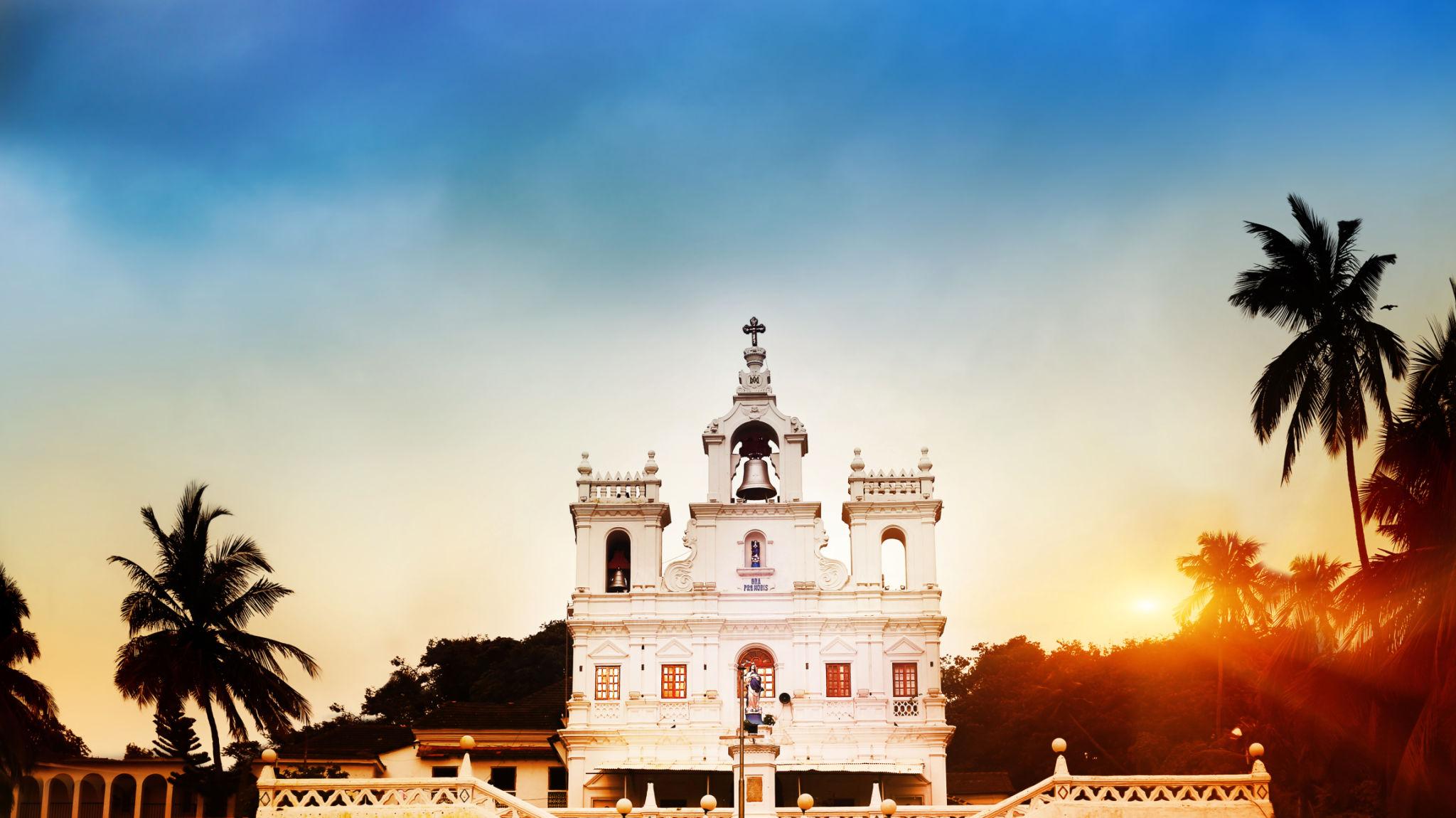
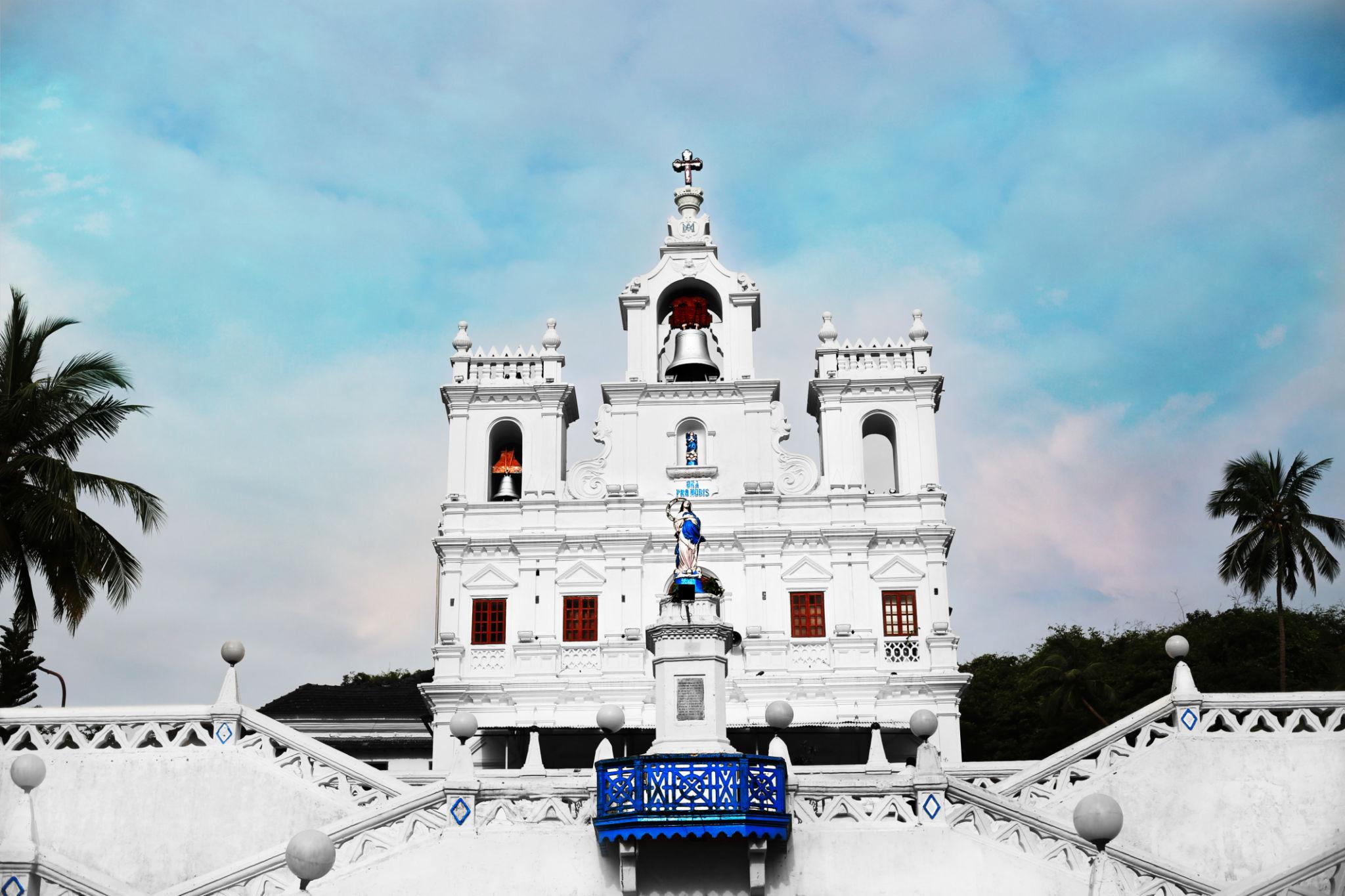
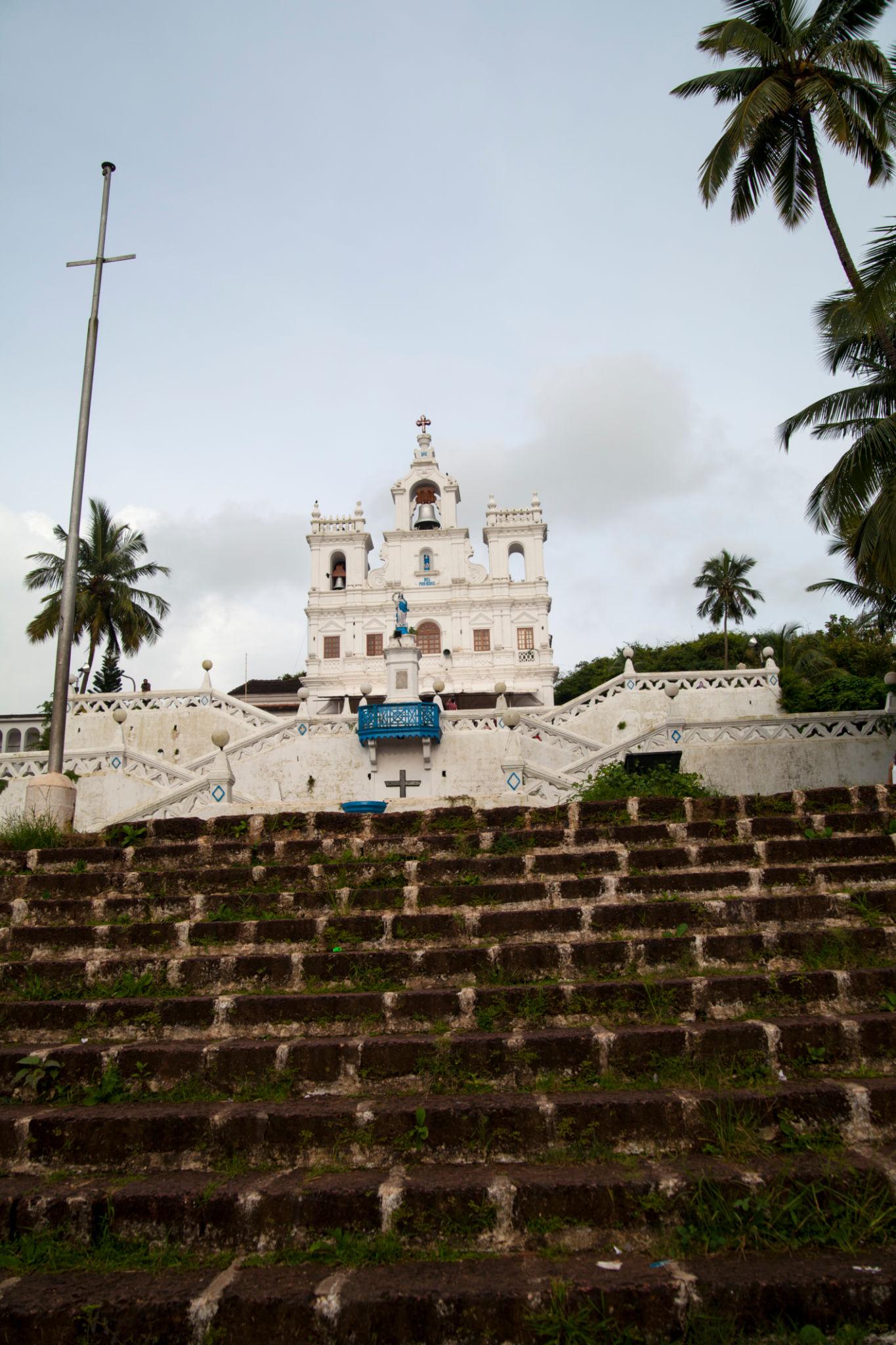
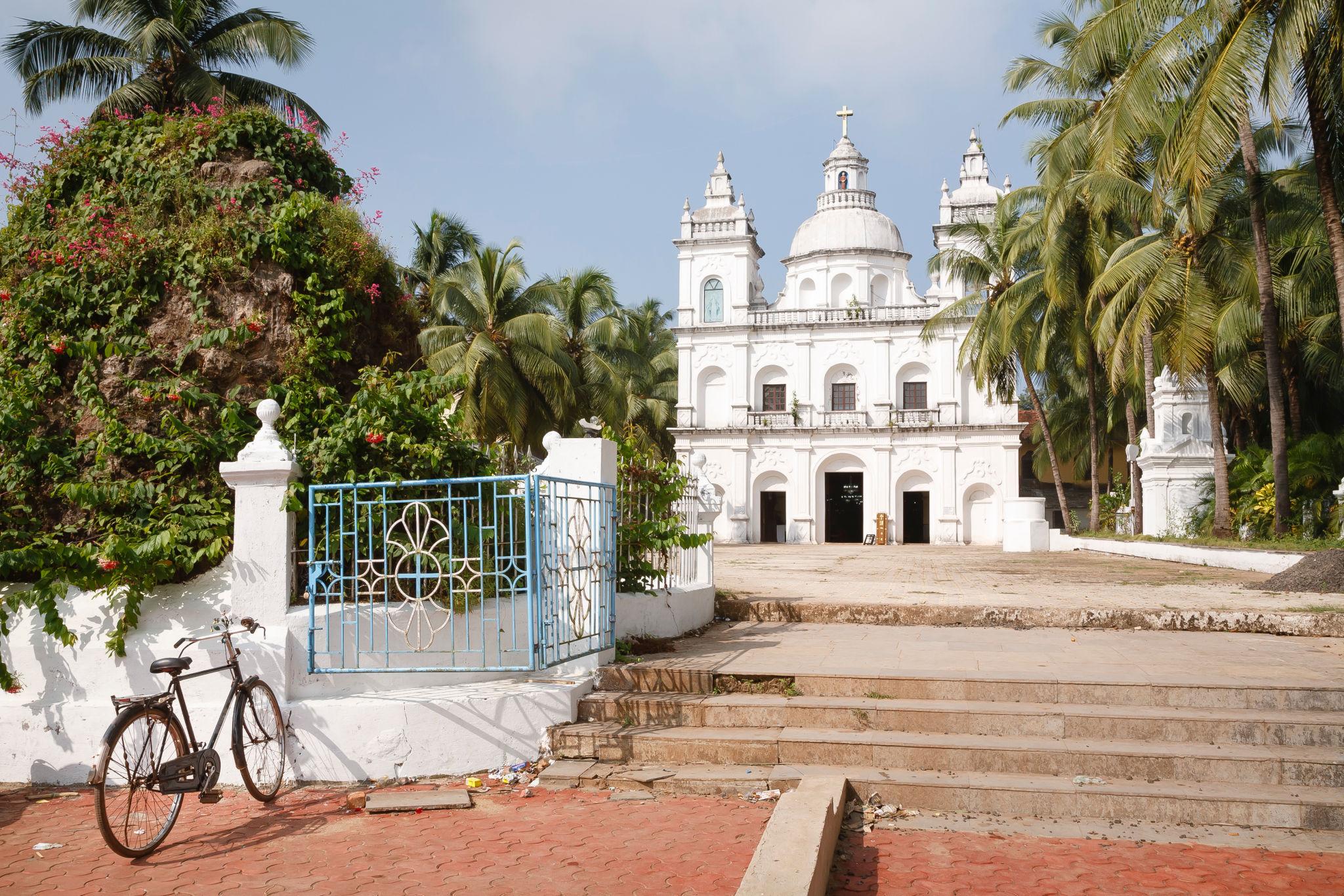
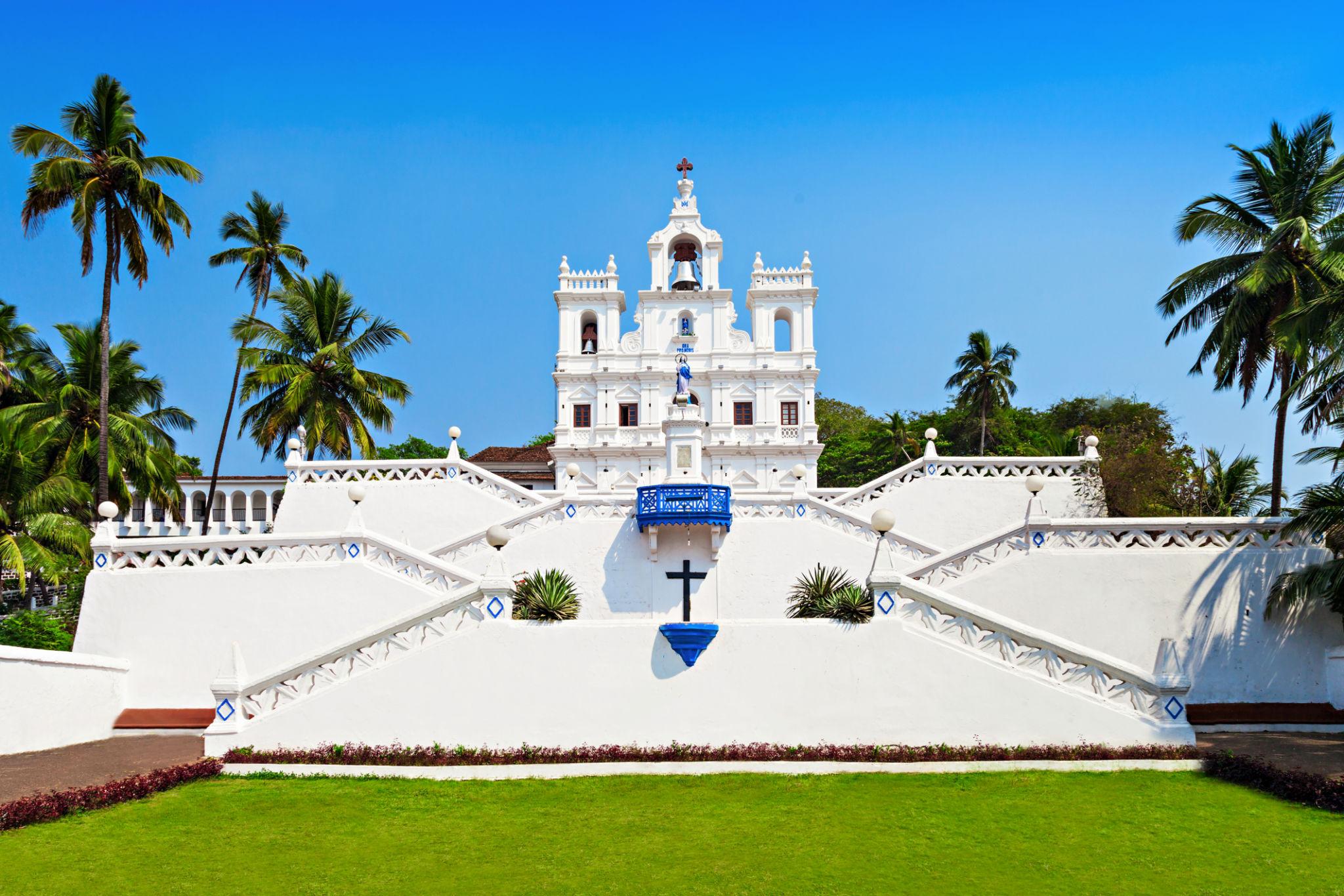
As you approach the church, you are greeted by a sprawling courtyard and a magnificent white facade that gleams under the tropical sun. The surrounding landscape is characterized by lush paddy fields, ancient banyan trees, and traditional Indo-Portuguese villas, making the entire setting look like a scene from a vintage postcard. Whether you are a history buff, an architecture enthusiast, or a spiritual seeker, the Our Lady of Succour Church provides a profound sense of peace and a deep connection to Goa’s colonial past. In this guide, we will explore every facet of this hidden gem, from its intricate altars to its vibrant village festivals.
History & Religious Significance
The history of the Our Lady of Succour Church is inextricably linked to the arrival of the Franciscan Order in Goa. During the 16th and 17th centuries, the Franciscans were tasked with the evangelization of the Bardez province. The parish of Socorro was officially established in 1667, carved out of the larger administrative regions that governed the Serula area. The current structure we see today was built to replace earlier, humbler chapels, reflecting the growing prosperity and population of the village during the mid-17th century.
The religious significance of the church stems from the deep devotion the local "Ganvkars" (original settlers/villagers) had for the Virgin Mary. In the early colonial period, the region of Serula was one of the most prominent and wealthy "Communidades" (traditional village community landholding systems) in Goa. The construction of a grand church was a matter of communal pride and spiritual necessity. Over the centuries, the church has survived various political shifts, from the Portuguese Inquisition to the eventual liberation of Goa in 1961, yet its role as a spiritual anchor has remained unshaken.
One of the most fascinating aspects of its history is the cultural synthesis that occurred here. While the architecture and liturgy were European, the local converts integrated their own traditions into the church’s life. This is evident in the way feasts are celebrated and the specific local hymns sung in Konkani. The church also houses important historical records, including baptismal and marriage registers that date back centuries, providing a genealogical treasure trove for the families of Socorro. To step into this church is to step into a living history book that narrates the tale of faith, resilience, and the blending of East and West.
Architecture of Our Lady of Succour Church
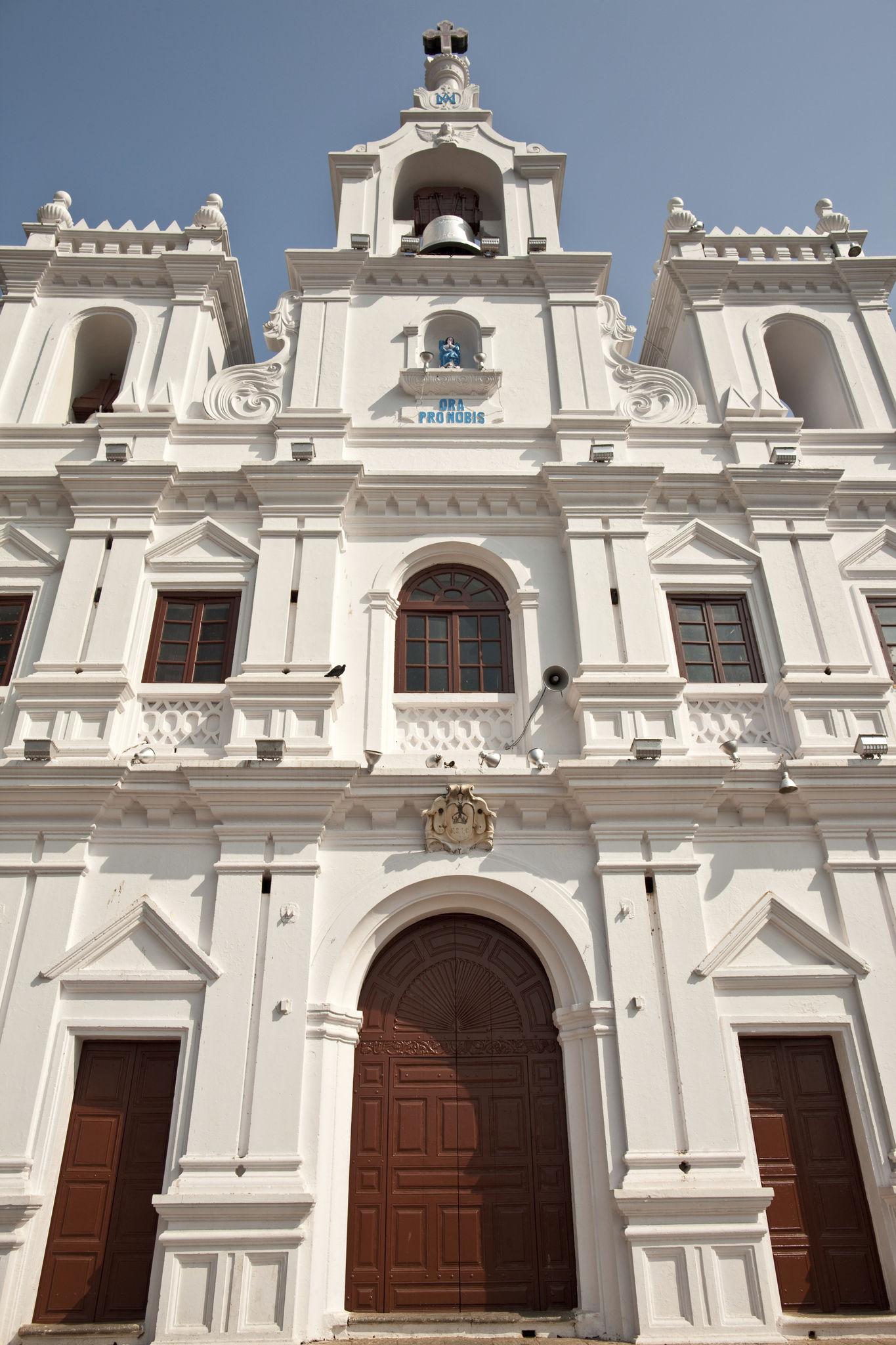
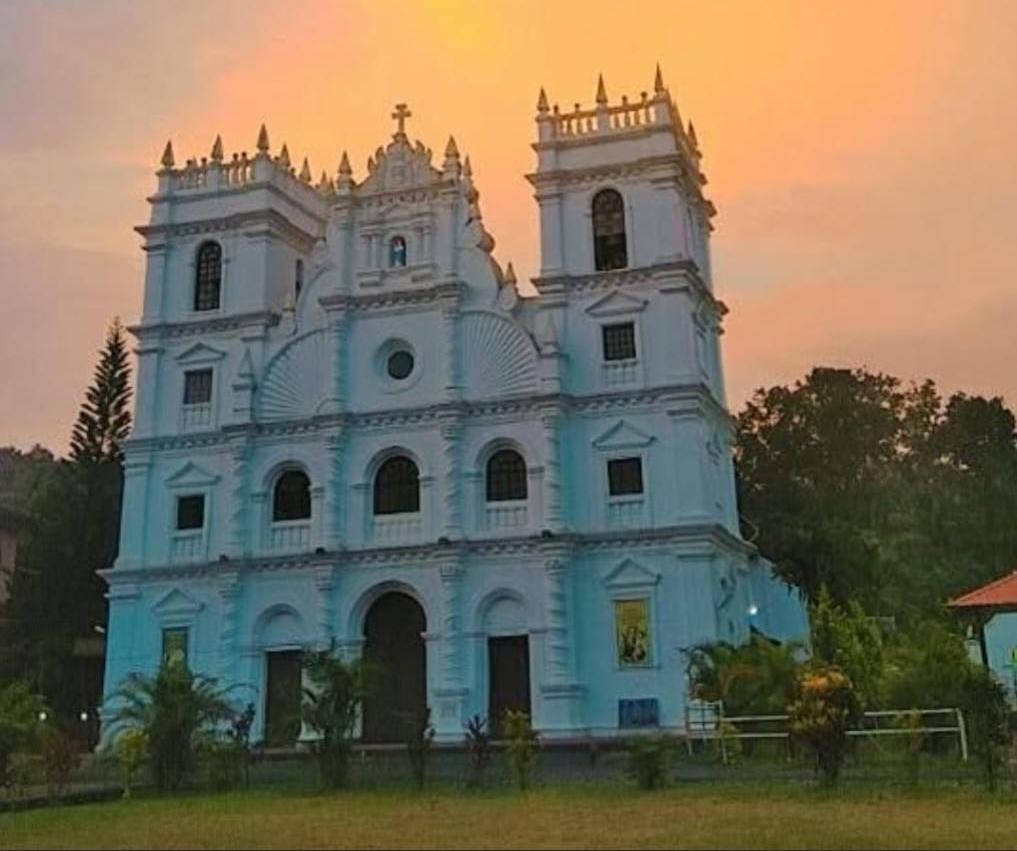
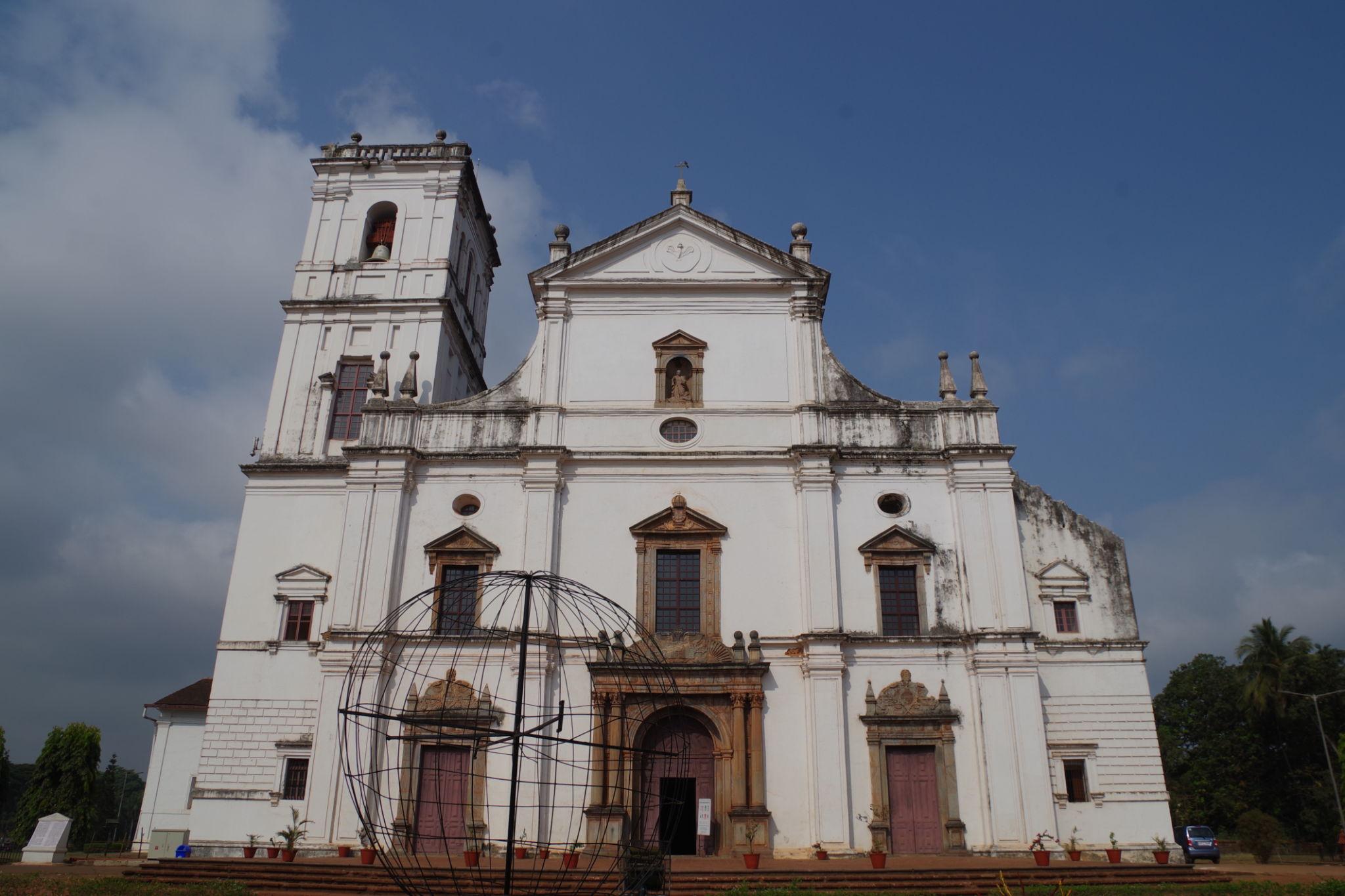
The Our Lady of Succour Church is a quintessential example of the Mannerist Neo-Roman style of architecture that dominated Goan ecclesiastical design during the 17th century. The facade is divided into three distinct horizontal levels (storeys) and five vertical sections, creating a sense of balance and symmetry that is pleasing to the eye. The use of laterite stone, a locally available volcanic rock, provides the structural foundation, which is then covered with a thick layer of lime plaster and painted a brilliant white to reflect heat and signify purity.
The exterior features a grand pediment at the top, adorned with intricate scrollwork and finials. A central niche holds a statue of Our Lady of Succour, welcoming all who enter. The windows are framed with decorative mouldings, and the use of "oculi" (circular windows) allows natural light to filter into the choir loft. One of the most striking features is the twin bell towers that flank the main facade, their domes capped with elegant crosses. These bells have, for generations, signaled the start of mass, announced deaths in the village, and rung out in joy during weddings.
Moving to the interior, the church follows a single-nave layout with a vaulted ceiling, a design intended to focus all attention on the High Altar. The interior is a masterclass in Baroque and Rococo ornamentation. The main reredos (altar piece) is heavily gilded in gold leaf, featuring ornate carvings of floral motifs, angels, and vine leaves. The pulpit, located on the side wall, is another work of art, often featuring intricate woodcarvings that demonstrate the skill of local Goan artisans who worked under the guidance of European masters. The floor is paved with traditional stone slabs, some of which bear the names of prominent families buried within the church precincts in centuries past.
Main Deity / Spiritual Importance
The central figure of devotion at the church is Our Lady of Succour. In Catholic iconography, she is often depicted holding the Infant Jesus in one arm while extending the other in a gesture of protection or holding a symbolic object of aid. The statue at the High Altar is a beautiful representation of maternal grace. For the people of Socorro, "Socormai" (Mother of Succour) is not just a distant religious figure but a motherly presence to whom they turn for everything from healing illnesses to ensuring a good harvest.
The spiritual importance of the church is magnified by its side altars. These are typically dedicated to other significant saints, such as St. Francis of Assisi (reflecting the Franciscan heritage) and St. Anthony of Padua, who is immensely popular in Goa. There is also a strong devotion to the Sacred Heart of Jesus. The atmosphere inside the church is one of profound silence and reverence, broken only by the rhythmic chanting of the Rosary or the melodic strains of the pipe organ during Sunday services.
For many visitors, the spiritual experience is heightened by the "Ex-Voto" offerings—small tokens or plaques left by devotees whose prayers have been answered. This tradition highlights the "living" nature of the faith here; it is a place of active miracles and deep personal connections. The church serves as a reminder of the Catholic belief in the intercession of Mary, acting as a bridge between the divine and the earthly struggles of the villagers.
Festivals & Celebrations
The most significant event in the village calendar is the Feast of Our Lady of Succour, celebrated with immense fervor on the third Sunday of November. The festivities begin nine days prior with the Novenas. Each day of the Novena is hosted by different wards of the village, fostering a sense of community. During these nine days, the church is filled with the scent of incense and fresh flowers, and the evening air resonates with traditional brass bands playing outside the church gates.
The feast day itself starts with a grand "Concelebrated High Mass," often presided over by high-ranking clergy. Following the mass, a solemn procession takes place where the statue of Our Lady is carried on a decorated palanquin around the church square. The streets are lined with stalls selling "Gram" (boiled chickpeas), traditional sweets like "Khaje" (ginger-infused jaggery sticks), and local handicrafts. It is a time for families to reunite, and it is customary for every household in the village to prepare a lavish Goan feast featuring dishes like Sorpotel, Sanna, and Bibinca.
Apart from the main feast, the church also celebrates the Feast of St. John the Baptist (Sao Joao) in June, though this is more of a village-wide celebration involving jumping into wells. The Harvest Feast (Konsachem Fest) in August is another crucial event, where the first sheaves of paddy are blessed, signifying the community's gratitude for the earth's bounty. Christmas and Holy Week are also observed with great solemnity, featuring beautiful cribs during December and moving "Passos" (processions depicting the Passion of Christ) during Lent.
Best Time to Visit
To experience the Our Lady of Succour Church in its full glory, the winter months (November to February) are ideal. The weather in Goa during this period is pleasant, with cool breezes and clear blue skies, making it comfortable to explore the church grounds and the surrounding village. If you synchronize your visit with the annual feast in mid-November, you will witness the peak of cultural and religious vibrancy, although be prepared for larger crowds.
For those seeking peace and quiet, the monsoon season (June to September) offers a different kind of beauty. The village of Socorro turns into a lush green paradise, and the white church stands out dramatically against the dark, rain-heavy clouds. While outdoor exploration might be limited by the rain, the interior of the church feels particularly cozy and atmospheric during a heavy downpour. Early mornings (around 7:00 AM) are the best time of day to visit throughout the year, as you can catch the morning light hitting the altar and perhaps witness a local mass, which is a soulful experience even for non-believers.
Timings, Entry Fee & Dress Code
The Our Lady of Succour Church is a place of active worship, and its timings reflect this. Generally, the church is open for visitors during the following hours:
- Monday to Saturday: 6:30 AM to 12:30 PM and 3:30 PM to 6:30 PM.
- Sunday: 6:00 AM to 12:00 PM (primarily for masses) and 4:00 PM to 7:00 PM.
Entry Fee: There is no entry fee to visit the church. It is free for all regardless of religion or nationality. However, donations for the upkeep of the historical structure are always welcomed and can be placed in the designated boxes inside.
Dress Code: As this is a sacred religious site, visitors are expected to dress modestly. Both men and women should ensure their shoulders and knees are covered. Sleeveless tops, short skirts, and beachwear are strictly discouraged. It is also customary to remove hats or caps before entering the sanctuary. While photography is often allowed, always check for signs or ask the sacristan, especially during prayer services when photography is generally prohibited to maintain the sanctity of the ritual.
How to Reach Our Lady of Succour Church
The church is located in the Socorro village of Bardez, which is well-connected to the rest of North Goa. Here is how you can reach it:
- By Air: The nearest airport is Manohar International Airport (Mopa), located about 25 km away, or the Dabolim Airport, which is approximately 35 km away. From either airport, you can hire a pre-paid taxi directly to Socorro.
- By Rail: The closest major railway station is Thivim (about 12 km away) or Karmali (about 15 km away). Taxis and auto-rickshaws are readily available at these stations.
- By Road: If you are staying in Panjim, the church is just a 15-minute drive (8 km) via the Mandovi Bridge and Porvorim. From Mapusa, it is about a 10-minute drive (5 km).
- Public Transport: Local buses running between Panjim and Mapusa often stop at the Porvorim junction. From there, you can take a local "pilot" (motorcycle taxi) or an auto-rickshaw to the Socorro church.
For those who prefer independence, renting a scooter or a car is the best way to reach the church, as the route takes you through some beautiful internal village roads that are a delight to navigate.
Things to Do
While the primary activity at the Our Lady of Succour Church is prayer and reflection, there are several other things visitors can do to enrich their experience:
- Admire the Altars: Spend time looking at the intricate wood carvings and the gold-leaf work on the main and side altars. The craftsmanship is a rare look into 17th-century artistry.
- Explore the Church Grounds: Walk around the exterior to see the massive buttresses and the historic cemetery located nearby. The cemetery often contains interesting epitaphs and old-style Goan graves.
- Attend a Mass: If you visit on a Sunday morning, attending a mass (usually in Konkani or English) allows you to hear the local choir and experience the community spirit.
- Village Walk: After visiting the church, take a slow walk through the Socorro village. Look out for the traditional "balcaos" (porches) of the old houses and the small roadside crosses that are lit up every evening.
- Visit the Communidade Building: Located near the church, the Serula Communidade building is a historic administrative center that played a vital role in the village's development.
Nearby Attractions
Socorro is strategically located, making it easy to combine a visit to the church with other nearby attractions:
- Houses of Goa Museum: Located in nearby Tiatr Academy area, this unique ship-shaped museum designed by architect Gerard da Cunha explores the history of Indo-Portuguese architecture.
- Mapusa Friday Market: Just a few kilometers away, this vibrant traditional market is the best place to buy local spices, sausages (chorizo), and Goan pottery.
- Saligao Church: Another architectural marvel, the Mae de Deus Church in Saligao is famous for its Gothic style and is only a 15-minute drive from Socorro.
- Mall De Goa: For those looking for modern shopping and dining, this is the largest mall in North Goa, located on the main highway in Porvorim.
- Pilerne Bird Sanctuary: A treat for nature lovers, this nearby wetland area is home to various migratory and resident bird species.
Photography & Visitor Guidelines
Capturing the beauty of the Our Lady of Succour Church is a dream for many photographers. However, it is important to follow these guidelines to remain respectful:
- Interiors: Avoid using flash photography inside the church, as it can damage the ancient pigments of the paintings and altars. During mass, keep your camera away entirely.
- Exteriors: The facade is best photographed during the "Golden Hour"—just after sunrise or just before sunset—when the white walls take on a warm, ethereal glow.
- Silence: Maintain a low volume when speaking inside the church. Even if no service is in progress, there are often individuals there for private prayer.
- No Littering: The church grounds are meticulously maintained by the parishioners. Ensure you carry back any trash.
- Permission: If you intend to do a professional photoshoot (like a pre-wedding shoot), you must obtain prior permission from the Parish Priest's office.
Where to Eat Nearby
After your spiritual tour, you can indulge in some local or international flavors in the Porvorim and Socorro area:
- Copperleaf: A highly-rated restaurant in Porvorim known for its authentic Goan fish thali and seafood preparations.
- The Basil Leaf: Located nearby, offering a mix of Indian and Continental dishes in a comfortable setting.
- O'Coqueiro: A legendary Goan restaurant famous for its Chicken Cafreal and historical connection to the arrest of Charles Sobhraj.
- Local Tavernas: You can find small, local bars and eateries in Socorro village that serve "Urak" (seasonal) or Feni along with local snacks like cutlet bread.
- Yaki Zushi: If you are craving Asian flavors, this spot in Sangolda (adjacent to Socorro) offers excellent sushi and dim sums.
Accommodation Nearby
Since Socorro is close to the main tourist belt but tucked away in a quiet corner, it offers some excellent boutique stay options:
- Boutique Guest Houses: There are several restored Indo-Portuguese villas in Socorro and Sangolda that operate as high-end homestays, offering a luxurious and authentic experience.
- Porvorim Hotels: For budget and mid-range travelers, Porvorim has numerous business hotels like Hotel Orion or Fern Residency.
- Eco-Stays: Look for properties near the Pilerne/Socorro border that focus on sustainable tourism and offer views of the surrounding forest and fields.
- Beach Resorts: If you prefer the ocean, the beaches of Candolim and Calangute are only 20-25 minutes away, offering everything from five-star resorts to backpacker hostels.
Travel Tips
To make the most of your visit to the Our Lady of Succour Church, keep these tips in mind:
- Stay Hydrated: The Goan sun can be intense. Always carry a bottle of water, though try to avoid single-use plastics.
- Hire a Local Guide: If you are deeply interested in the history, hiring a local guide who understands the nuances of Goan Catholic traditions can add immense value.
- Respect Local Customs: If you see a funeral or a wedding taking place, it is best to come back later. These are private community moments.
- Learn a few Konkani words: A simple "Dev Borem Korum" (May God do good to you/Thank you) goes a long way in winning the hearts of the locals.
- Combine with a Sunset Walk: The fields behind the church are perfect for a quiet evening stroll as the sun sets over the hills of Bardez.
Conclusion
The Our Lady of Succour Church is more than just a landmark in North Goa; it is a sanctuary of peace and a repository of the region's rich cultural and spiritual heritage. In a state that is rapidly modernizing, Socorro remains a bastion of traditional Goan life, with the church standing tall as its guardian. Its stunning Mannerist architecture, the golden glow of its Baroque altars, and the rhythmic cycle of its ancient feasts offer a glimpse into a world where faith and community are the cornerstones of existence.
Whether you come to admire the craftsmanship of the 17th-century artisans, to offer a prayer to "Socormai," or simply to find a moment of quiet reflection away from the tourist trails, this church will not disappoint. It invites you to look beyond the surface of Goa and discover the deep, soulful roots that make this land so special. As you leave the church and drive back through the winding lanes of Socorro, you carry with you a sense of "succour" yourself—a feeling of being helped, refreshed, and inspired by the timeless beauty of this sacred space.