Overview of Our Lady of the Sea Church
Nestled in the serene and picturesque village of Oxel, within the larger region of Siolim in North Goa, the Our Lady of the Sea Church (locally known as Nossa Senhora do Mar) stands as a beacon of spiritual solace and historical grandeur. Unlike the more commercialized tourist hubs of Calangute or Baga, this church offers a glimpse into the authentic, soul-stirring heart of Goan village life. It is situated along the banks of the majestic Chapora River, where the salty breeze from the Arabian Sea mingles with the scent of tropical greenery, creating an atmosphere of profound peace.
The Our Lady of the Sea Church is not just a place of worship; it is a cultural landmark that embodies the synthesis of Portuguese colonial influence and indigenous Goan traditions. For the locals, the church is the center of their social and spiritual universe. As a professional travel writer who has traversed the length and breadth of the Konkan coast, I find this particular church to be one of the most underrated gems in North Goa. It lacks the overwhelming crowds of Old Goa but compensates with an intimate, sacred energy that is palpable the moment you step onto its whitewashed adro (church square).
Top Goa Experience • Part 1
Highly Recommended Near Our Lady of the Sea Church
Explore All
The geography of the area plays a significant role in the church’s identity. Being "Of the Sea," the church has historically served as a protector for the seafaring community of Oxel and Siolim. The village itself is a mosaic of lush paddy fields, dense coconut groves, and traditional Indo-Portuguese villas. Visiting this church allows travelers to experience the "Susegad" lifestyle—a Goan concept of relaxed, contented living—while exploring the intricate layers of Catholic heritage that have defined this region for centuries.
History & Religious Significance
The history of the Our Lady of the Sea Church is deeply intertwined with the arrival of the Portuguese and the subsequent Christianization of the Bardez province. The original structure dates back to the late 16th or early 17th century, a period when the Franciscan missionaries were highly active in this part of Goa. Historical records suggest that the parish of Oxel was established to cater to the growing number of converts who sought a dedicated space for liturgy and communal prayer away from the larger, more crowded parishes of Mapusa or Siolim proper.
Recommended Guide
Tourist Season in Goa – Complete Travel Guide for Every Season
The winter season in Goa, stretching from November to February, is widely considered the best and most popular tourist season in Goa. This period attracts...
Read Guide →
During the 17th century, Goa was the "Rome of the East," and the construction of churches like Our Lady of the Sea was a statement of faith and architectural prowess. The church has undergone several renovations over the centuries, most notably in the 19th century when the facade was updated to reflect the prevailing Neo-Gothic and Mannerist styles. Each stone of this edifice tells a story of survival—through the Maratha invasions, the suppression of religious orders in the 1830s, and the eventual liberation of Goa in 1961.
The religious significance of the church is rooted in its dedication to the Virgin Mary under the title of "Lady of the Sea." In a coastal state like Goa, the sea is both a provider and a source of danger. For the Kharvis (fishing community) and the sailors of Oxel, the Virgin Mary is the Stella Maris (Star of the Sea) who guides them safely back to shore. The spiritual lineage of the church is also linked to the Communidade system, a traditional Goan land-holding pattern where the village community collectively maintained the church, ensuring that the bond between the land, the sea, and the divine remained unbreakable.
Recommended Guide
Common Scams in Goa Tourists Still Fall For
Goa is one of India’s most loved travel destinations, attracting millions of tourists every year with its beaches, nightlife, and relaxed vibe. But like...
Read Guide →
Architecture of Our Lady of the Sea Church
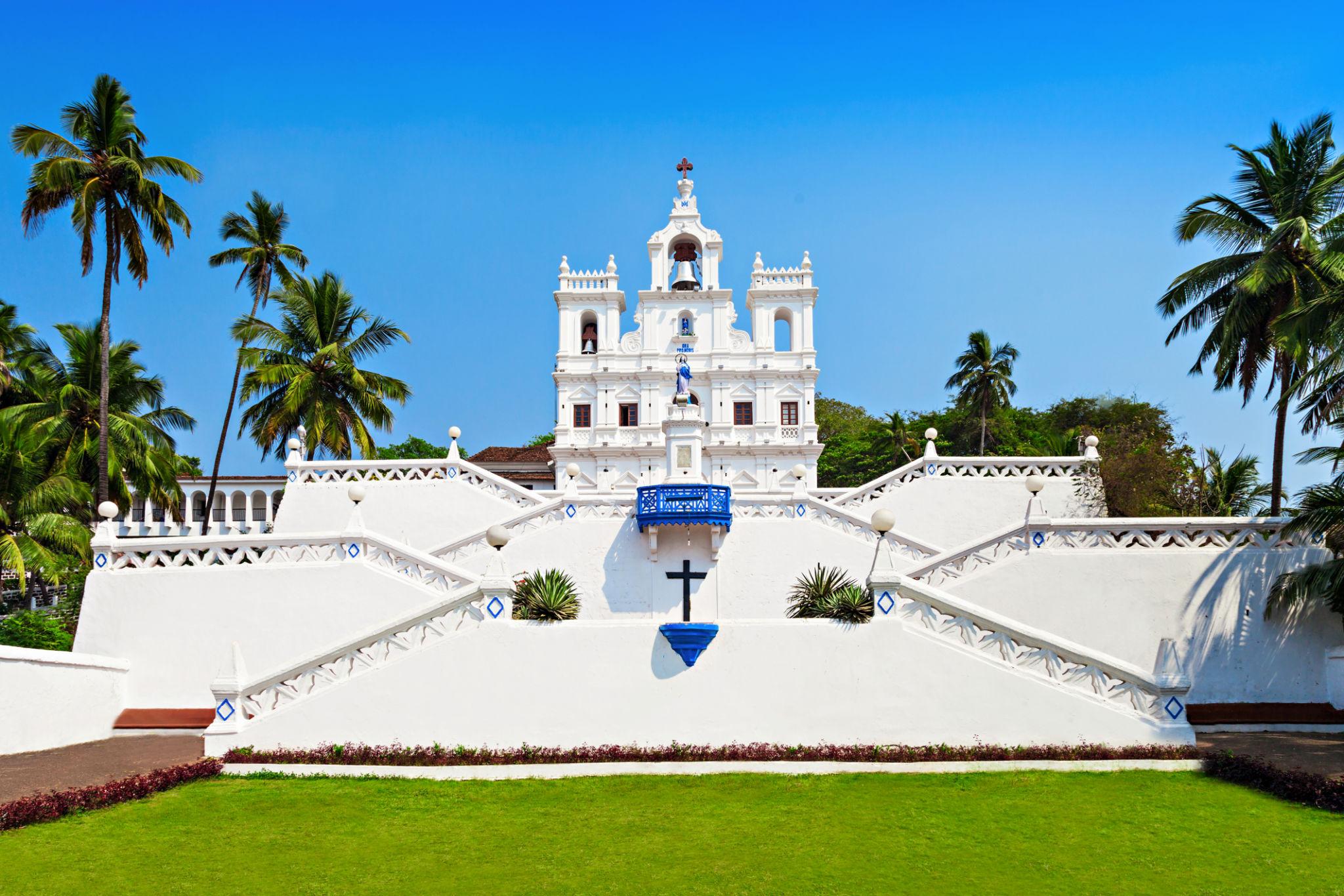
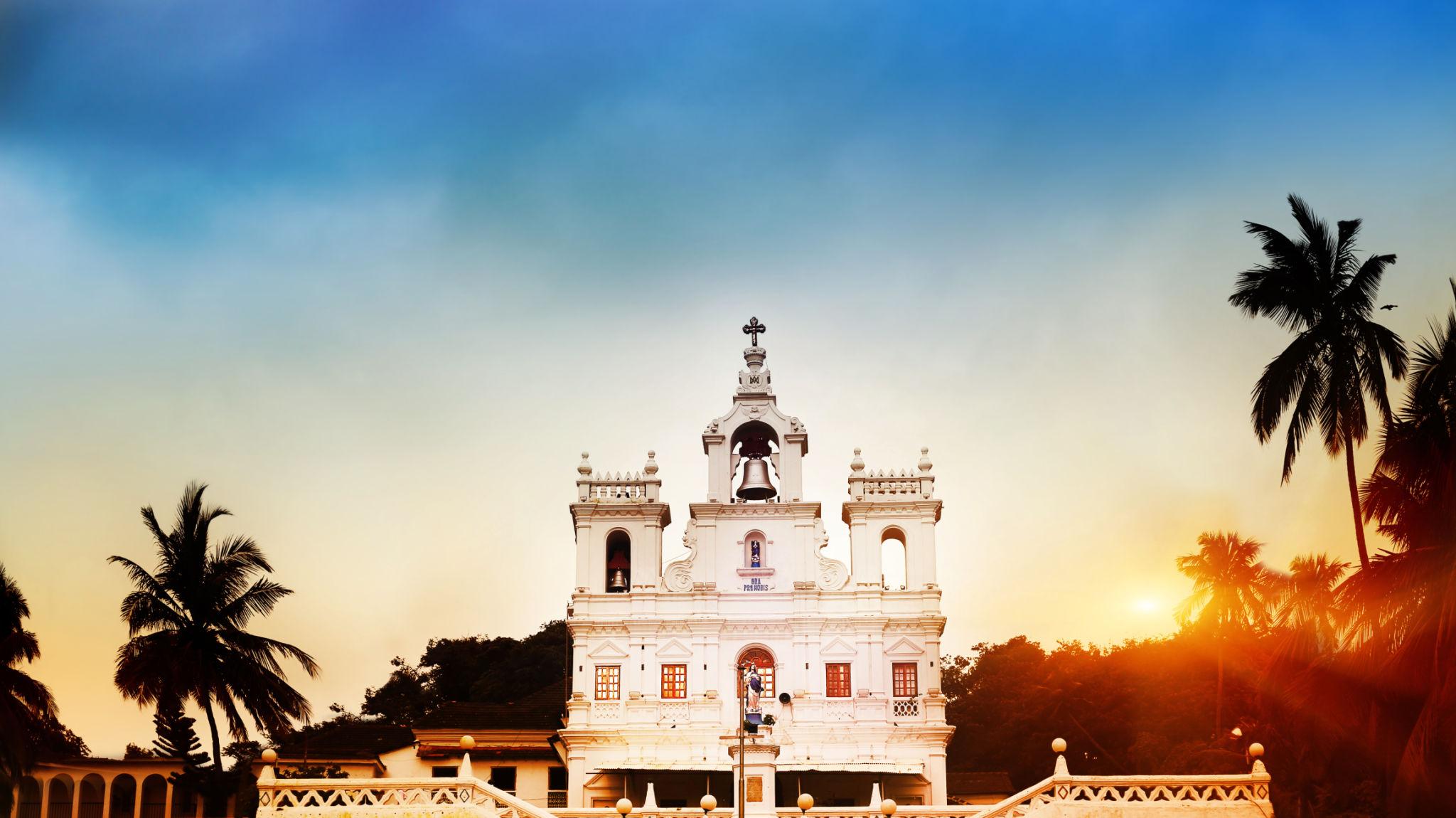
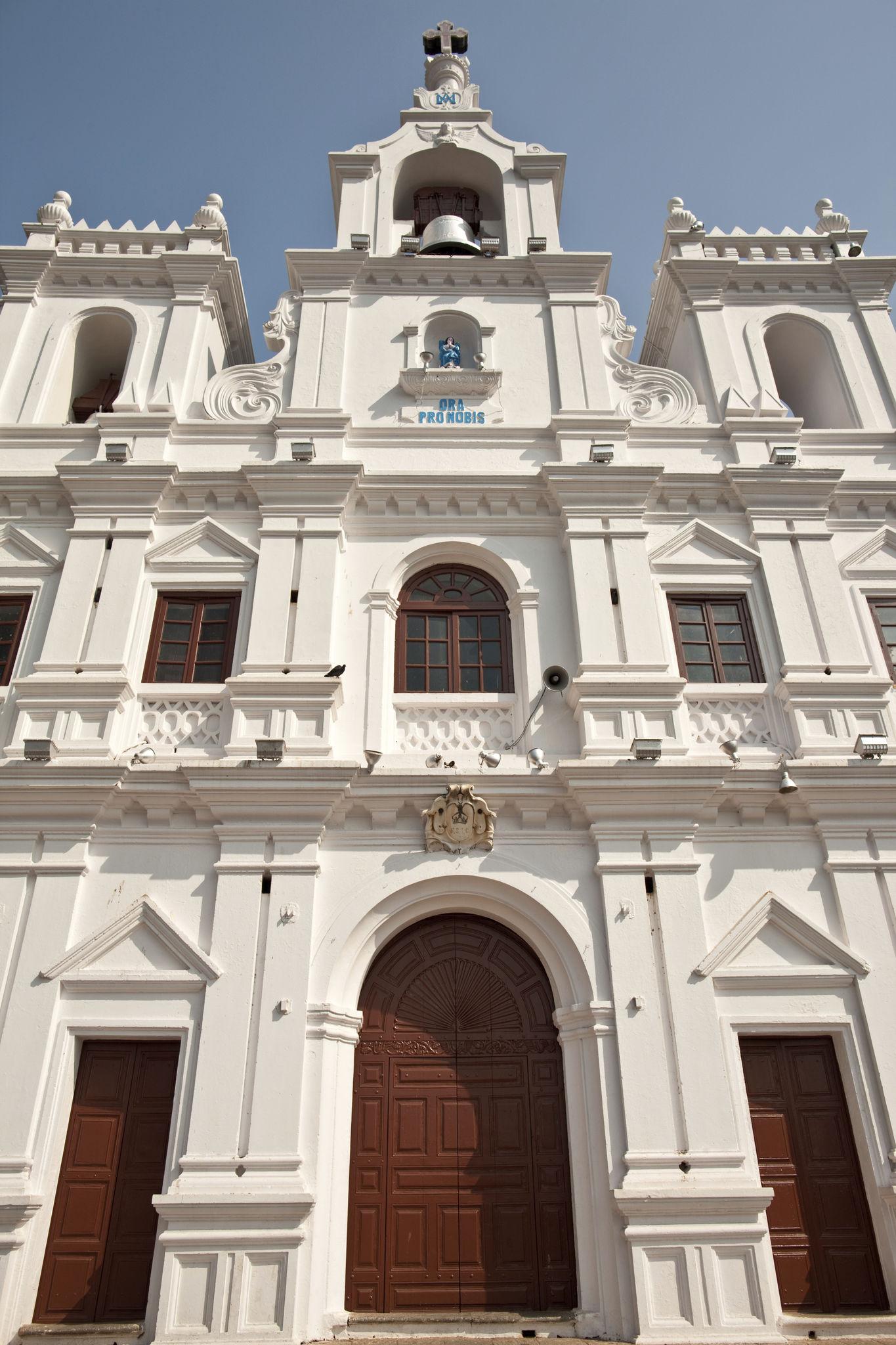
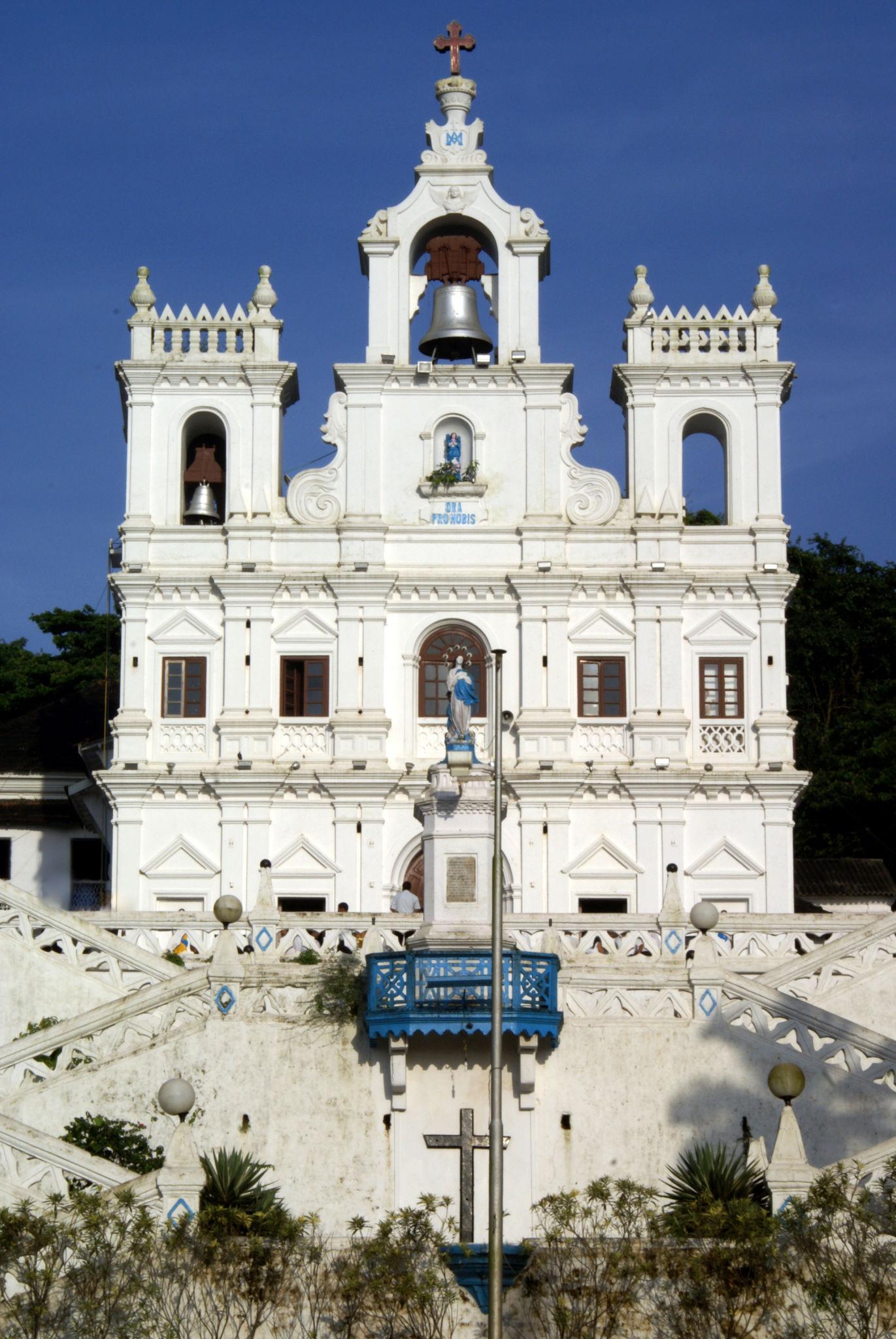
The architecture of the Our Lady of the Sea Church is a masterful blend of European aesthetics and local craftsmanship. As you approach the church, the first thing that strikes you is its pristine white facade, achieved through the traditional use of lime plaster. This wasn't just for aesthetics; lime plaster allowed the laterite stone walls to "breathe" in the humid tropical climate of Goa.
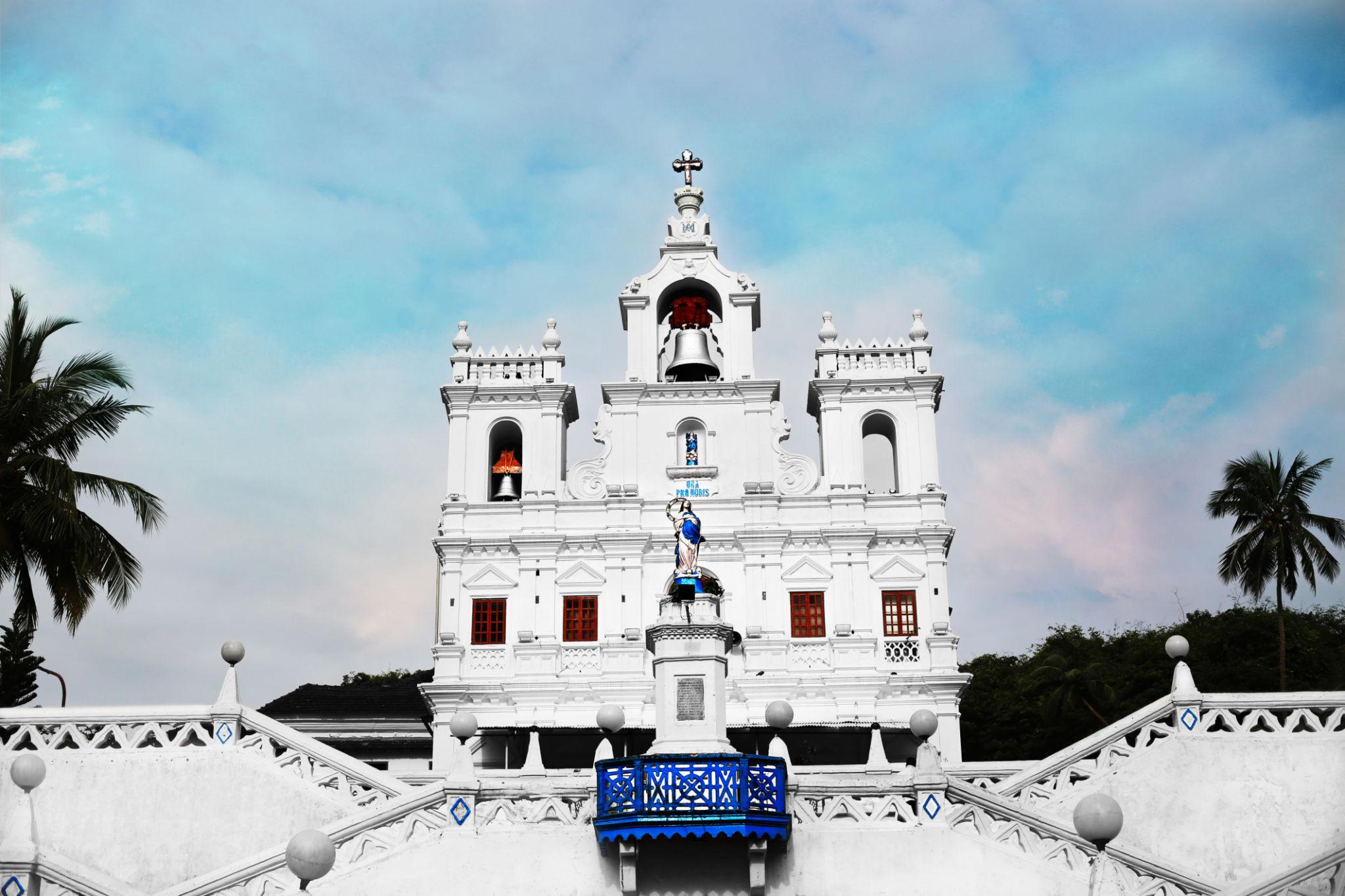
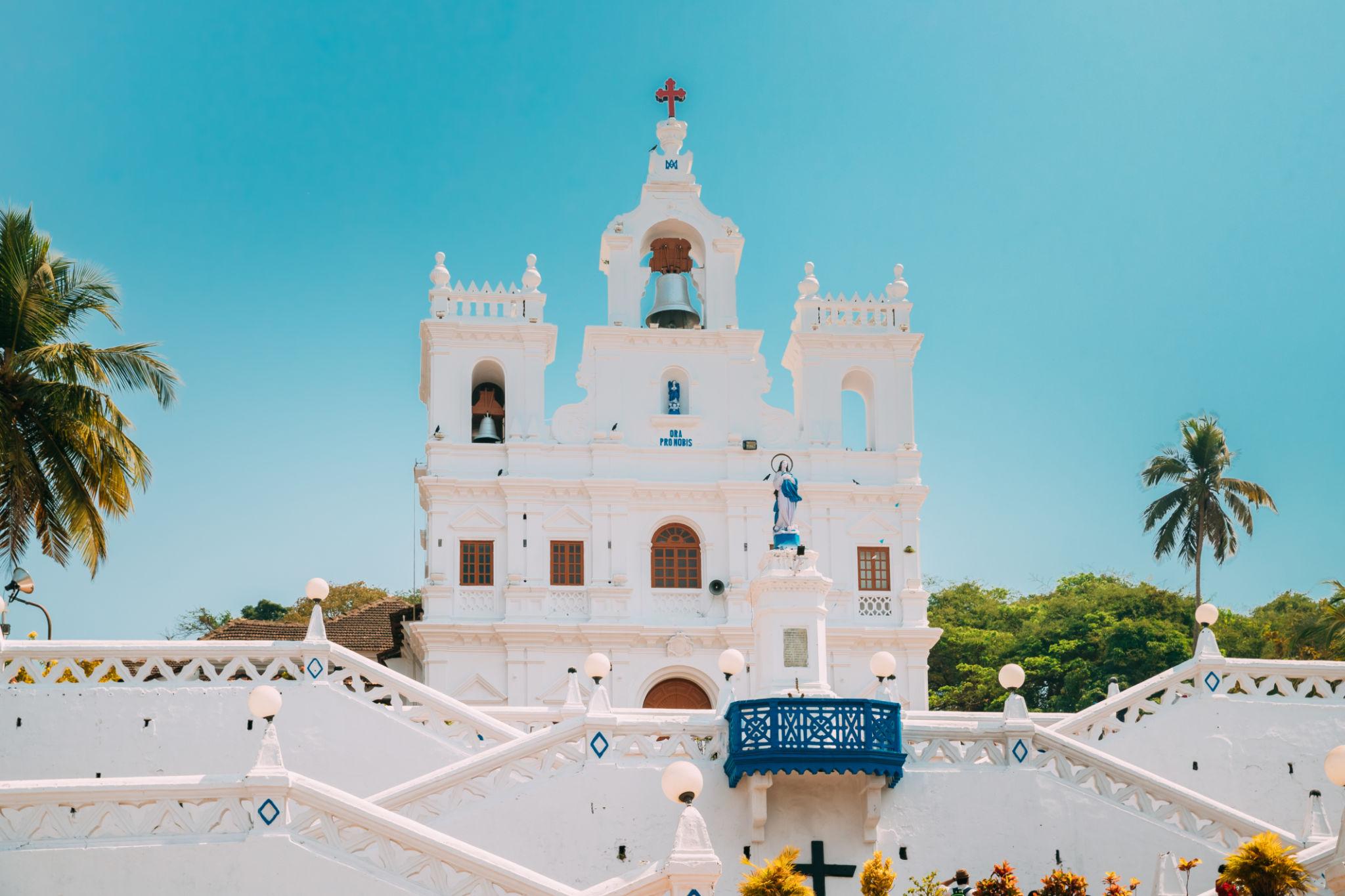
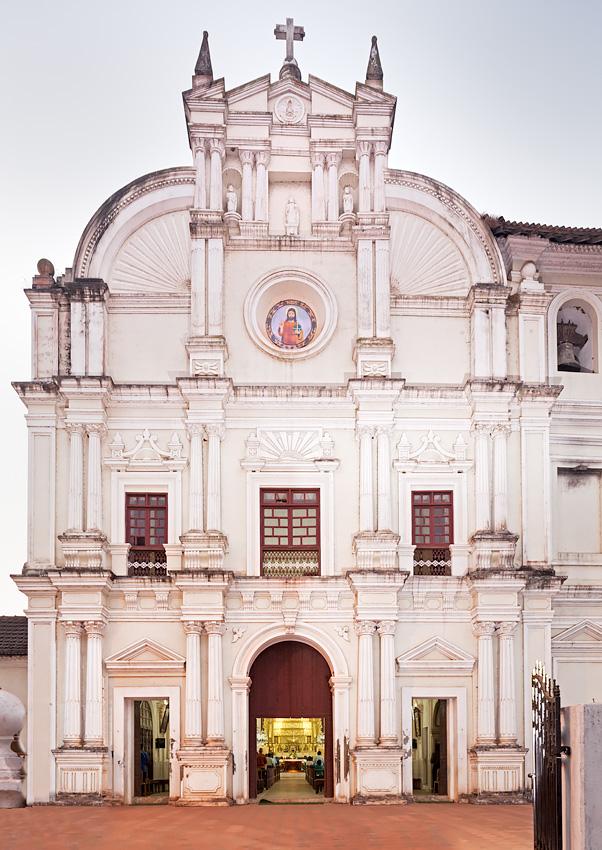
The church features a classic three-story facade characteristic of Goan parish churches. The ground level is dominated by three large arched portals, with the central door being the most ornate. The second level houses the choir loft windows, framed by delicate pilasters and moldings. The top level, or the pediment, is often decorated with a relief of the cross or a statue of the patroness. One of the most striking features is the bell tower, which stands tall and proud, its chimes echoing across the river during the Angelus.
Recommended Guide
Goa Trip Cost Guide: Budgeting Your Vacation
A complete budget breakdown for your next Goa holiday.
Read Guide →
Inside, the church follows a single-nave layout, leading the eye directly to the Main Altar (Reredos). The reredos is a stunning example of Baroque woodcarving, gilded in gold leaf that has softened to a rich, warm patina over time. It features intricate motifs of grapes, vines, and cherubs—symbols of the Eucharist and heaven. The pulpit is another architectural marvel, often cantilevered from the wall and decorated with floral carvings. The flooring usually consists of traditional terracotta tiles or patterned cement tiles, which keep the interiors cool even in the height of summer. The high ceilings and large windows ensure ample natural light and ventilation, creating an ethereal glow during morning mass.
Top Goa Experience • Part 2
Highly Recommended Near Our Lady of the Sea Church
Explore All
Main Deity / Spiritual Importance
The central figure of devotion at the church is Our Lady of the Sea. The statue of the Virgin Mary, located in the central niche of the high altar, is a sight to behold. She is typically depicted holding the infant Jesus, with her robes flowing in a manner that suggests the movement of the waves. In many Goan depictions, she is shown standing upon a crescent moon or a globe, symbolizing her dominion over the earth and the tides.
The spiritual importance of this deity extends beyond the Catholic community. In the syncretic tradition of Goa, many non-Catholics also hold the "Saibin" (Lady) in high regard, often offering flowers or lighting candles in fulfillment of vows (votivos). She is believed to be the protectress against storms, both literal and metaphorical. For the local parishioners, she is a mother figure to whom they bring their sorrows, joys, and petitions.
Secondary altars within the church are often dedicated to Saint Joseph, Saint Anthony of Padua (the patron saint of lost things, who is immensely popular in Goa), and the Sacred Heart of Jesus. The presence of these saints creates a spiritual "court" that provides a comprehensive framework for the devotional life of the village. The "Via Crucis" (Stations of the Cross) lining the walls of the nave serves as a visual narrative of the Passion of Christ, inviting pilgrims into deep meditation.
Festivals & Celebrations
The most vibrant time to visit Our Lady of the Sea Church is during its annual Feast Day, which is usually celebrated in the month of May. The feast is preceded by a nine-day period of prayer known as the Novena. Each day of the novena is organized by a different ward (vaddo) of the village, fostering a sense of healthy competition and communal harmony. During these nine days, the church is filled with the sound of traditional hymns sung in Konkani, accompanied by the organ or a local brass band.
On the day of the feast, the village wakes up to the sound of Alvorada—a musical dawn greeting by the brass band. A High Mass is celebrated with great pomp, often presided over by a visiting Bishop or a high-ranking priest. Following the mass, a solemn procession takes place where the statue of Our Lady is carried on a flower-bedecked palanquin around the church square. The air is thick with the scent of incense and the sound of crackers bursting in the sky.
The secular celebrations are just as exciting. A traditional Fair (Feira) is set up outside the church, featuring stalls selling everything from copperware and hand-woven baskets to local sweets like Khaje (ginger-infused jaggery sticks), Laddoos, and Gram. For the children, there are giant wheels and games, while the adults gather for the Tiatr—a unique form of Goan musical theater that combines comedy, social commentary, and music. The feast is a time of "open houses," where every home in Oxel prepares a lavish spread including Sorpotel, Sanna, and Pulao, welcoming guests with legendary Goan hospitality.
Best Time to Visit
To experience the Our Lady of the Sea Church in its full glory, the winter months from November to February are ideal. The weather in North Goa during this period is pleasant, with daytime temperatures hovering around 28°C and cool evenings. The humidity is low, making it comfortable to explore the church grounds and the surrounding village on foot or by bicycle.
If you are a spiritual seeker or a photography enthusiast, visiting during the Feast in May is highly recommended, though you must be prepared for the Goan summer heat and humidity. The vibrant colors of the fair and the fervor of the devotees provide incredible insights into the local culture. Alternatively, the Lenten season (usually in February or March) offers a different, more somber perspective of the church’s spiritual life, characterized by the "Passos" processions which are deeply moving.
The Monsoon season (June to September) transforms the landscape around the church into a lush, emerald paradise. While the rains can be heavy, there is a certain romantic charm in seeing the whitewashed church set against the dark, rain-laden clouds and the overflowing Chapora River. However, do check the timings as some local activities might be restricted during heavy downpours.
Timings, Entry Fee & Dress Code
The Our Lady of the Sea Church is a place of active worship, and visitors are expected to respect its sanctity. The timings and guidelines are as follows:
- Opening Hours: The church is generally open from 6:30 AM to 12:30 PM and again from 4:00 PM to 7:00 PM. These timings may vary on Sundays and feast days.
- Mass Timings: Weekday masses are usually held at 7:00 AM. Sunday masses are held at 7:00 AM and 8:30 AM (often in Konkani). It is a wonderful experience to attend a Konkani mass to hear the melodic liturgical music.
- Entry Fee: There is no entry fee to visit the church. It is open to people of all faiths and backgrounds. Donations for the maintenance of the church (Fabrica) are welcome but entirely voluntary.
- Dress Code: As with all religious sites in Goa, a modest dress code is strictly enforced. Visitors should ensure their shoulders and knees are covered. Avoid wearing swimwear, sleeveless tops, or short skirts. Taking off your hat when entering the church is a sign of respect.
How to Reach Our Lady of the Sea Church
The church is located in Oxel, which is a quiet suburb of Siolim in North Goa. Reaching here is relatively easy given Goa's well-connected road network.
- By Air: The nearest airport is the Manohar International Airport (Mopa), which is about 25-30 km away. The Dabolim Airport is approximately 50 km away. You can hire a pre-paid taxi from either airport to reach Oxel.
- By Rail: The closest railway station is Thivim, located about 12 km from the church. Thivim is well-connected to major Indian cities like Mumbai, Bangalore, and Delhi. From the station, you can take a taxi or a local bus to Siolim and then a short rickshaw ride to Oxel.
- By Road: If you are staying in popular areas like Anjuna, Vagator, or Mapusa, the best way to reach is by renting a scooter or a car. From Mapusa, follow the road towards Siolim. Once you cross the Siolim Bridge, ask for directions to Oxel. The drive is scenic, passing through winding lanes and coconut groves.
- By Bus: Regular buses ply from Mapusa to Siolim. From the Siolim bus stand, you can take a local "pilot" (motorcycle taxi)—a unique Goan experience—to reach the church directly.
Things to Do
A visit to Our Lady of the Sea Church can be more than just a quick stop. Here are some ways to immerse yourself in the experience:
- Attend a Morning Mass: Even if you are not Catholic, the atmosphere of a morning mass, with the soft light filtering through the windows and the rhythmic Konkani prayers, is incredibly meditative.
- Explore the Cemetery: Located adjacent to or near the church, Goan cemeteries are often beautiful, with ornate tombs and crosses that tell the genealogy of the village families.
- Walk to the Chapora Riverside: The church is close to the river. A short walk will lead you to the banks where you can watch local fishermen in their traditional canoes (canoas).
- Architectural Photography: Capture the intricate details of the facade, the bell tower, and the surrounding walls. The play of light on the white lime plaster is a photographer's delight.
- Interact with the Locals: Goans are friendly and proud of their heritage. Striking up a conversation with the sacristan or a local parishioner can reveal fascinating anecdotes about the church’s past.
- Meditation and Prayer: The silence inside the church, away from the honking horns of the main roads, provides a perfect environment for personal reflection and spiritual rejuvenation.
Nearby Attractions
The location of the church in North Goa makes it a great starting point for exploring other nearby attractions:
- Siolim Bridge: A landmark in itself, offering stunning sunset views over the Chapora River. It connects the Bardez and Pernem talukas.
- St. Anthony’s Church, Siolim: Another architectural marvel nearby, famous for its statue of St. Anthony holding a serpent.
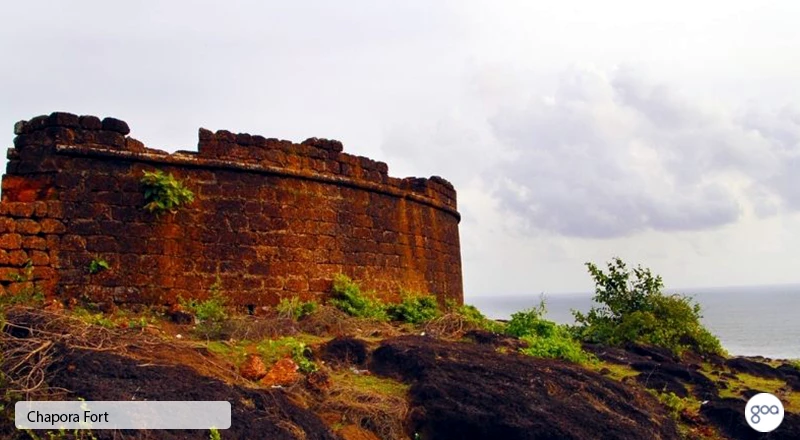
- Chapora Fort: Located about 6 km away, this iconic fort (made famous by the movie Dil Chahta Hai) offers panoramic views of Vagator Beach and the Arabian Sea.
- Vagator and Anjuna Beaches: These world-famous beaches are just a 15-20 minute drive away, offering a mix of rocky cliffs and sandy shores.
- Mapusa Friday Market: A short drive to Mapusa will bring you to this bustling traditional market where you can buy local spices, sausages (chorizo), and handicrafts.
- Morjim Beach: Located across the Siolim Bridge, Morjim is known for its serene environment and as a nesting site for Olive Ridley turtles.
Photography & Visitor Guidelines
To ensure a respectful visit, please keep the following guidelines in mind:
- No Photography during Mass: Taking photos while a religious service is in progress is considered highly disrespectful. Always wait until the mass is over.
- Interior Photography: Some churches in Goa have restrictions on photography inside the main altar area. Always look for signs or ask the resident priest for permission.
- Silence is Golden: Maintain a low volume when speaking inside the church or in the courtyard. Remember that people come here for silent prayer.
- Respect the Rituals: If you happen to visit during a funeral or a wedding, maintain a respectful distance and do not intrude on the private moments of the families.
- Don't Touch the Artifacts: The statues and altars are centuries old and fragile. Avoid touching the gilded surfaces or the wooden carvings.
- Dispose of Trash Responsibly: Keep the church grounds clean. Use the bins provided or carry your trash back with you.
Where to Eat Nearby
Siolim and Oxel offer some of the best culinary experiences in North Goa, ranging from traditional eateries to upscale restaurants:
- Saffron Family Restaurant: A great place for authentic Goan fish thali and seafood. It’s popular with locals and offers a genuine taste of the region.
- Vinayak Family Restaurant: Located a bit further towards Assagao/Vagator, it is legendary for its seafood preparations and traditional Goan flavors.
- Siolim Bakeries: Don't miss the local padaria (bakery). Try the fresh Poi (Goan bread), Pao, and sweet treats like Bolinhos or Bebinca.
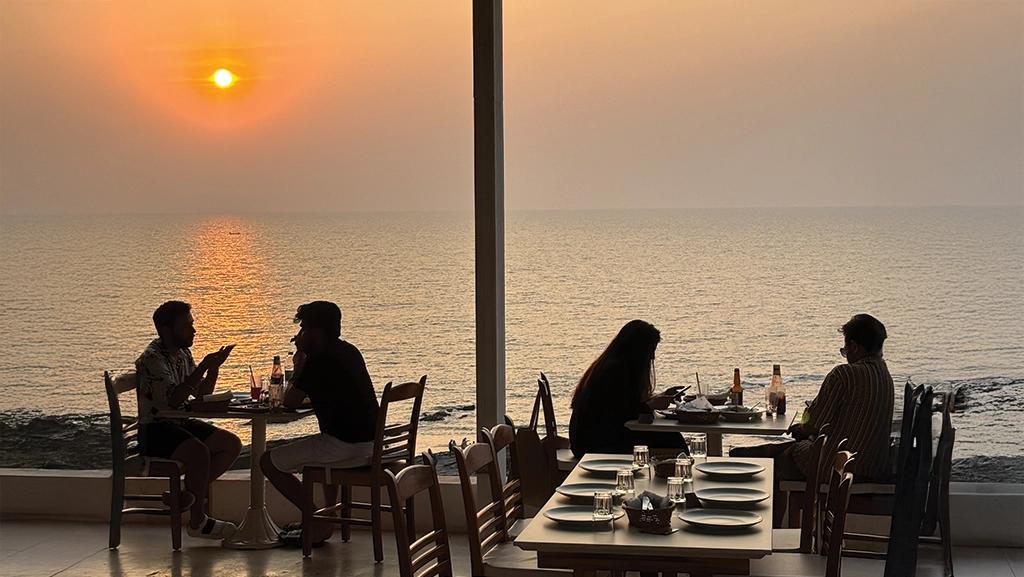
- Thalassa: For those looking for a high-end experience, this famous Greek restaurant moved to Siolim and offers spectacular views of the river along with Mediterranean cuisine.
- Local Shacks: Along the Chapora riverbank, you will find small shacks serving tea, pao-bhaji, and fried fish. These are perfect for a quick, budget-friendly snack.
Accommodation Nearby
Whether you are looking for luxury or a budget stay, the area around Oxel and Siolim has plenty of options:
- Heritage Villas: Siolim is famous for its restored Indo-Portuguese mansions. Staying in one of these provides an immersive historical experience. Look for properties like Siolim House.
- Boutique Guest Houses: There are several charming guesthouses tucked away in the lanes of Oxel that offer a quiet, homely atmosphere.
- Luxury Resorts: Nearby areas like Vagator and Morjim host several 5-star resorts with world-class amenities.
- Eco-Stays: Given the proximity to the river and fields, there are a few eco-friendly stays that focus on sustainable tourism and nature.
- Airbnb Rentals: Many locals rent out beautiful apartments or independent cottages, which is a great option for long-term travelers.
Travel Tips
To make your trip to Our Lady of the Sea Church seamless, consider these professional travel tips:
- Rent a Two-Wheeler: The lanes of Oxel are narrow and winding. A scooter is the most efficient and enjoyable way to explore the hidden corners of the village.
- Carry Water and Sun Protection: The Goan sun can be unforgiving. Always carry a bottle of water, wear a hat, and apply sunscreen.
- Learn a Few Konkani Words: Simple phrases like "Dev boren korum" (God bless you/Thank you) or "Kitem chol’lam?" (What’s going on?) go a long way in winning local hearts.
- Visit Early: To capture the best light and avoid the midday heat, aim to reach the church by 8:00 AM or 9:00 AM.
- Respect Local Customs: If you see a cross on the roadside with candles lit, it’s a local shrine. Respect these small pockets of faith as much as the main church.
- Check Local Calendars: Before visiting, check if there are any local village feasts or "Zatras" happening, as these can affect road access and crowd levels.
Conclusion
The Our Lady of the Sea Church in Oxel, Siolim, is more than just a religious edifice; it is a testament to Goa’s enduring spirit and its unique cultural identity. It stands as a silent witness to the passage of time, watching over the river and the sea, and offering a sanctuary to all who seek it. Whether you are an architecture enthusiast, a history buff, or a spiritual traveler, this church provides a profound sense of connection to the past and a peaceful respite from the modern world.
In the grand tapestry of Goan tourism, it is the smaller, quieter sites like this that often leave the deepest impact. By visiting Our Lady of the Sea, you are not just checking a box on a sightseeing list; you are stepping into a living history, participating in a tradition of faith that has survived for centuries, and experiencing the true, unhurried essence of Goa. So, on your next trip to the sunshine state, take the road less traveled to Oxel, breathe in the river air, and let the serenity of Our Lady of the Sea wash over you.