Overview of Shree Damodar Temple
Nestled in the serene and picturesque village of Zambaulim, within the Sanguem taluka of South Goa, the Shree Damodar Temple stands as a beacon of spiritual solace and cultural heritage. This sacred site is one of the most revered Hindu temples in the coastal state, dedicated to Lord Damodar, a compassionate incarnation of Lord Shiva. Unlike the bustling beaches of North Goa, the atmosphere here is permeated with a profound sense of tranquility, framed by the lush greenery of the Western Ghats and the gentle flow of the Kushavati River. For the local Goan community, particularly the residents of Margao, this temple is not just a place of worship but a spiritual home that carries the weight of centuries of devotion and history.
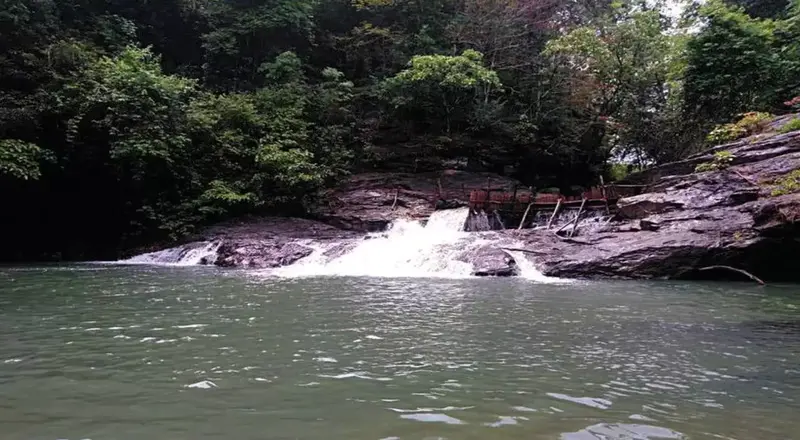
The temple's location is strategically beautiful, situated approximately 22 kilometers from Margao. It serves as a gateway to the hinterlands of Goa, offering a glimpse into the traditional lifestyle that remains untouched by modern commercialism. The Kushavati River, which flows adjacent to the temple, is believed to possess medicinal and purifying properties, drawing thousands of pilgrims who seek to cleanse their sins and heal their ailments in its sacred waters. The temple complex is a sprawling area that includes the main sanctum, various administrative blocks, and spaces for pilgrims to rest, all maintained with meticulous care by the temple trust.
Visiting Shree Damodar Temple is an immersion into the "real" Goa—the Goa of ancient traditions, deep-rooted faith, and communal harmony. Whether you are a spiritual seeker, a history enthusiast, or a traveler looking to explore the hidden gems of the South, this temple offers an experience that is both grounding and uplifting. The vibrant colors of the temple structure against the emerald backdrop of the forest create a visual symphony that stays with visitors long after they have left its gates. In this guide, we will delve deep into every aspect of this magnificent site, from its turbulent historical migration to the ecstatic celebrations of the Gulalutsav festival.
History & Religious Significance
The history of Shree Damodar Temple is a poignant narrative of resilience, faith, and the preservation of identity against the backdrop of colonial expansion. Originally, the deity of Lord Damodar was enshrined in a magnificent temple in Margao (historically known as Mathagram). Margao was a flourishing center of Hindu culture and commerce long before the arrival of the Portuguese. However, the mid-16th century brought a period of intense religious upheaval. In 1567, during the Portuguese Inquisition and the systematic destruction of Hindu temples in the Salcete province, the original temple in Margao was razed to the ground.
Fearing for the safety of their beloved deity, the local devotees and priests undertook a perilous journey under the cover of night. They managed to rescue the sacred Linga and other idols, transporting them across the border of the Portuguese-controlled territory into the neighboring kingdom of the Sonde Rajas, who were vassals of the Vijayanagara Empire and later the Marathas. The village of Zambaulim, being part of the New Conquests and outside the immediate reach of the Portuguese religious authorities at the time, became the new sanctuary for Lord Damodar. This migration is a central theme in the temple's history, symbolizing the triumph of faith over persecution.
The religious significance of the temple is further elevated by its connection to the Kushavati River. Local folklore and ancient texts suggest that the river's path was sanctified by the presence of the deity. The belief that the water can cure skin diseases and other chronic illnesses has persisted for generations, making the river an integral part of the temple's spiritual ecosystem. Even today, the people of Margao maintain a unique and unbreakable bond with the Zambaulim temple. It is a tradition for many families in Margao to visit Zambaulim for every major life event, acknowledging Lord Damodar as their Gramadevata (village deity) despite the geographical distance created centuries ago. This enduring connection serves as a living bridge between the past and the present, ensuring that the legacy of the original Margao temple is never forgotten.
Architecture of Shree Damodar Temple
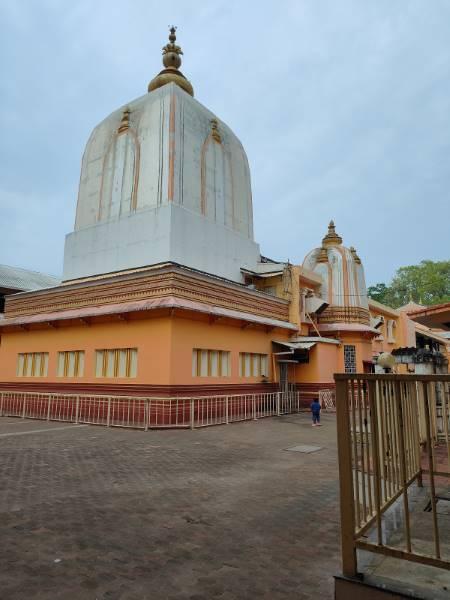
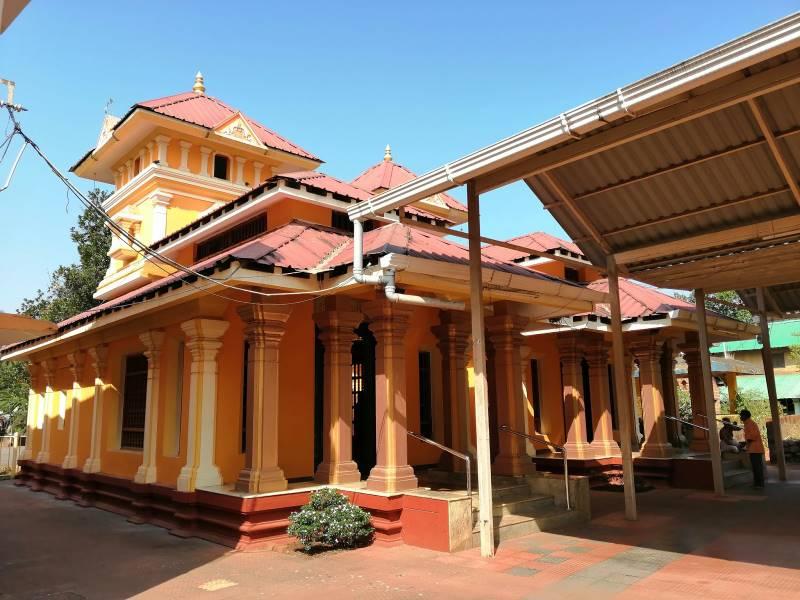
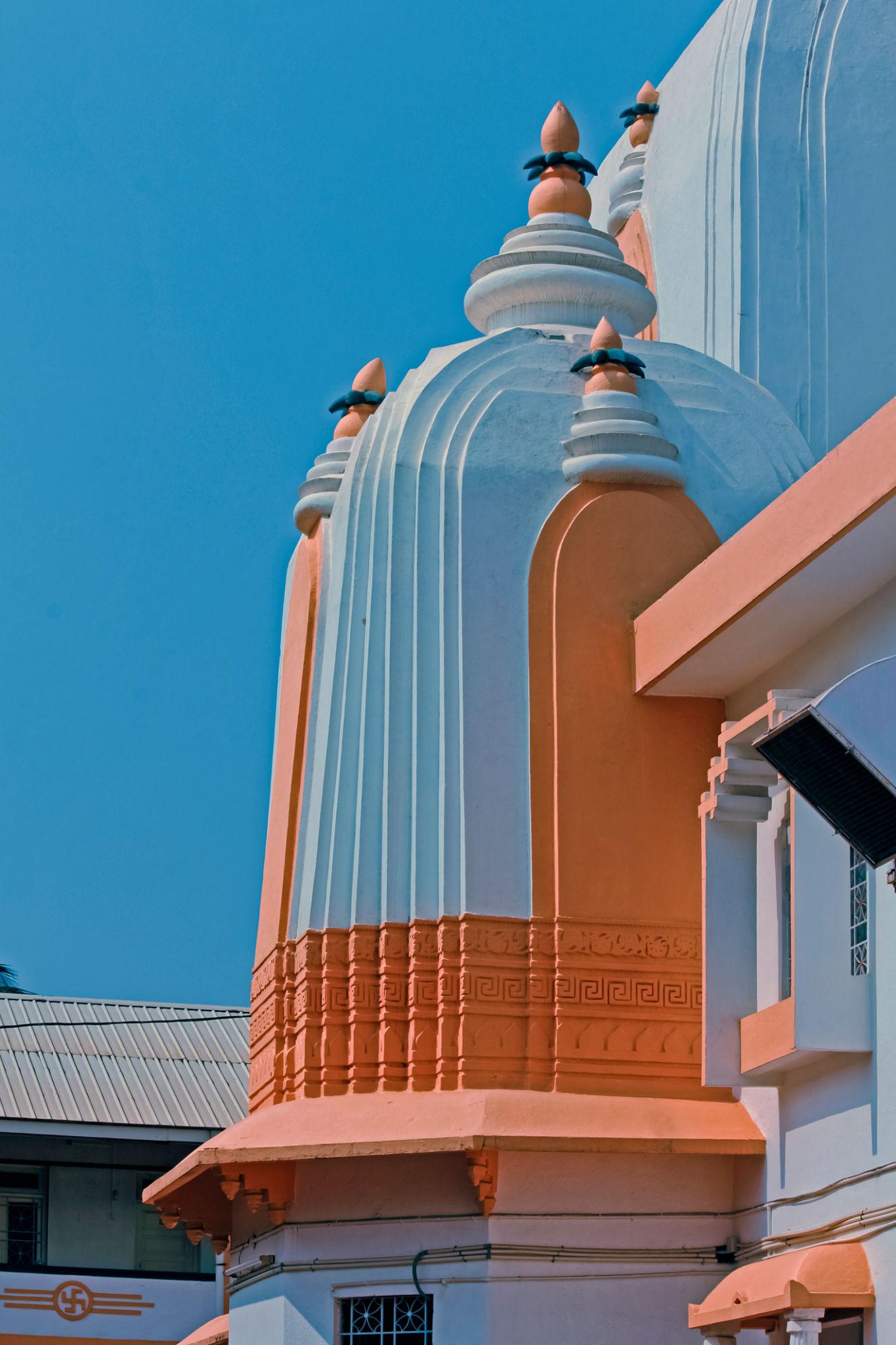
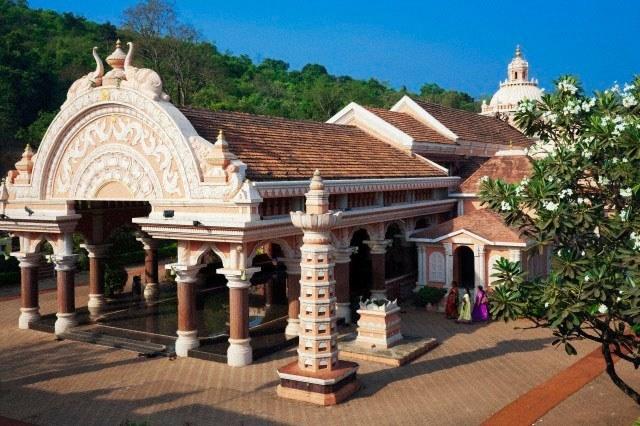
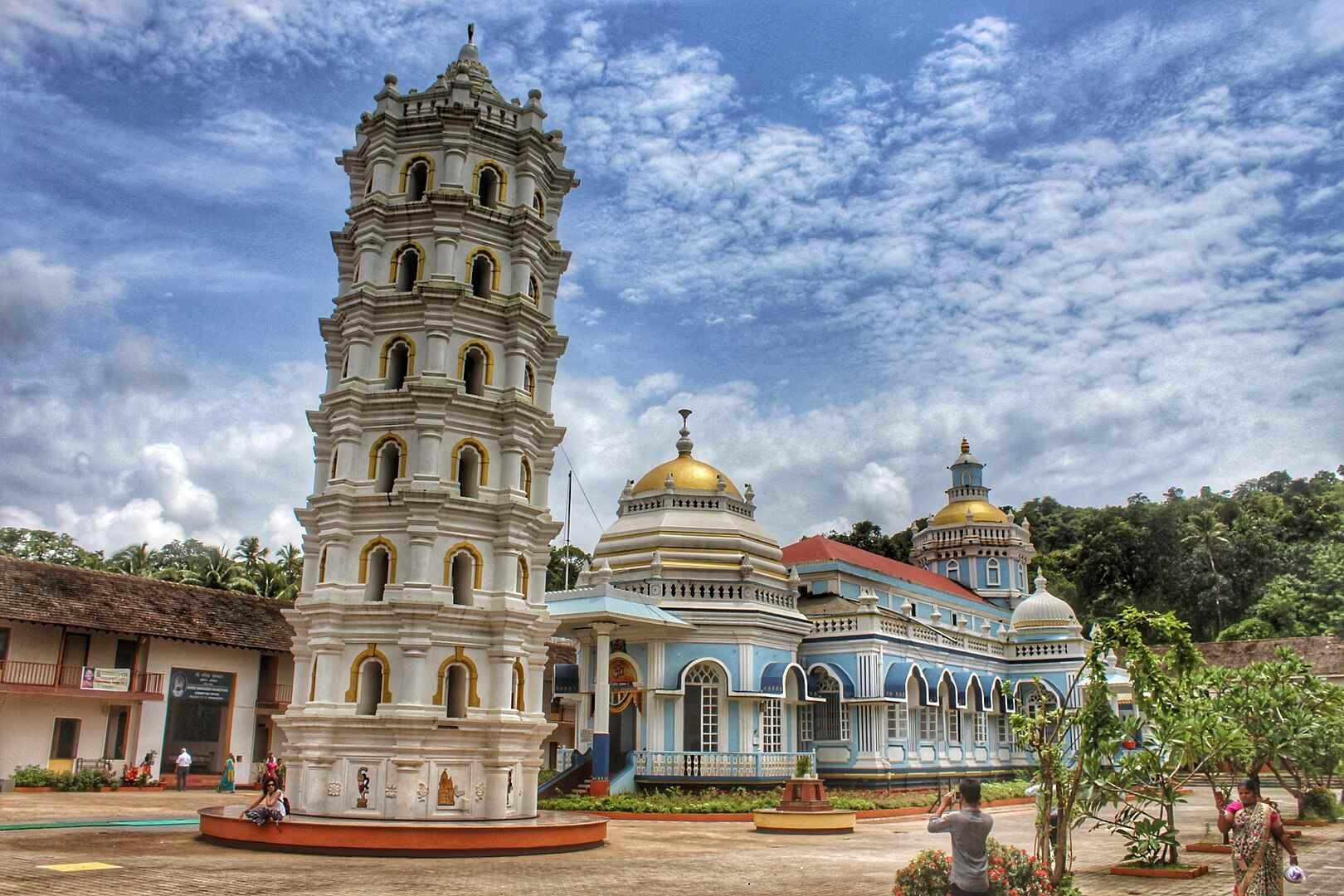
The architecture of Shree Damodar Temple is a fascinating blend of traditional Goan Hindu styles and modern influences, reflecting the evolution of the site over the centuries. While the original structures were likely modest due to the circumstances of the temple's relocation, the current edifice is a grand representation of Goan Temple Architecture. One of the most striking features of the temple is its vibrant color palette. The use of deep reds, bright whites, and ochre yellow creates a visually stunning contrast with the surrounding tropical greenery, a hallmark of temples in this region.
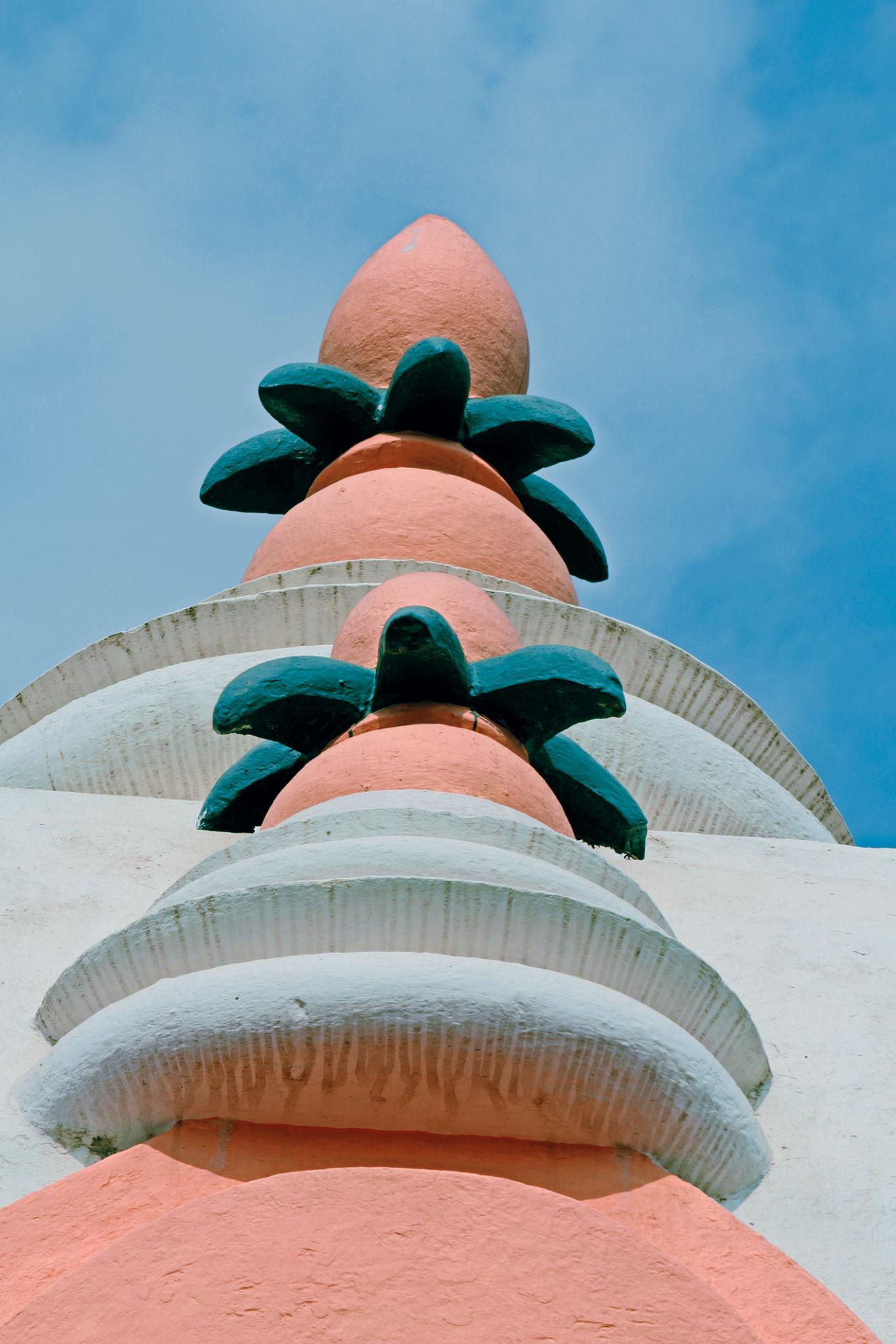
At the entrance, visitors are greeted by a magnificent Deepastambha (lamp tower). This multi-tiered stone structure is a classic element of Goan temples, designed to hold hundreds of oil lamps during festivals, illuminating the entire complex in a warm, golden glow. The main temple building features a sloping roof, traditionally designed to withstand the heavy monsoon rains of the Konkan coast. The Vimana (tower over the sanctum) is intricately carved and painted, showcasing a fusion of Maratha and Kadamba architectural motifs.
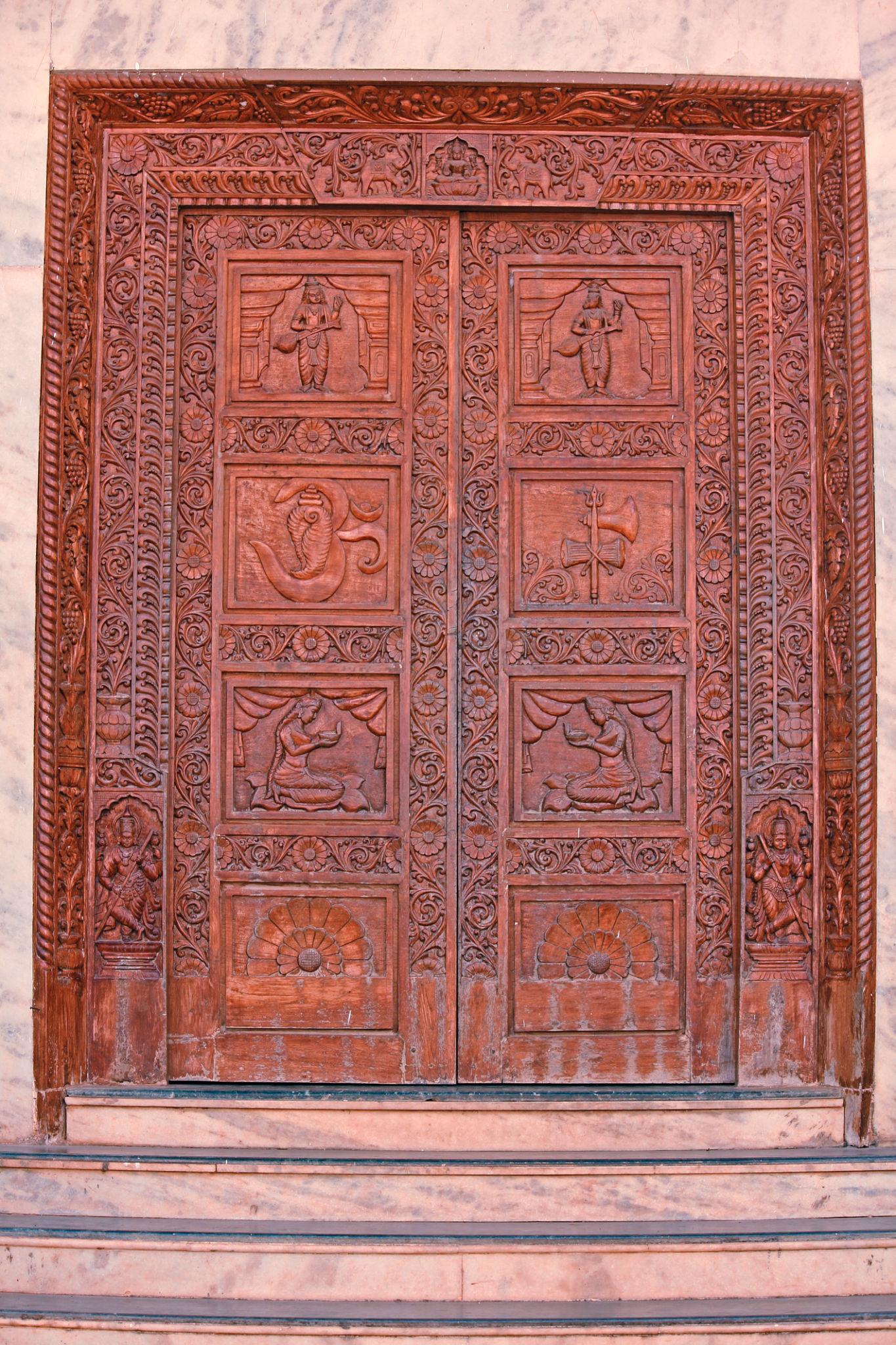
Inside, the Sabhamandapa (assembly hall) is a spacious area where devotees gather for prayers and bhajans. The pillars are often adorned with carvings of various deities and floral patterns. The floor is typically made of cool marble or polished stone, providing a comfortable space for meditation. The Garbhagriha (sanctum sanctorum) is where the primary deity resides. The atmosphere inside is purposefully dim, lit by oil lamps to focus the devotee's attention on the divine presence. The use of wood in the interior ceilings and doors is another traditional touch, often featuring exquisite craftsmanship that highlights the skills of local Goan artisans. The overall layout follows the Panchayatana style in spirit, if not in exact form, ensuring that the primary deity is surrounded by a harmonious spiritual environment.
Main Deity / Spiritual Importance
The presiding deity of the temple is Lord Damodar, who is worshipped here in the form of a Shiva Linga. In the Hindu pantheon, Damodar is often a name associated with Lord Krishna (meaning "one with a rope around his belly"), but in the specific context of Zambaulim, he is unequivocally an incarnation of Lord Shiva. This duality or overlap in nomenclature is a common feature in Goan Hinduism, where various traditions have blended over millennia. Lord Damodar is considered a fierce yet benevolent protector of his devotees, a deity who oversees the well-being of the community and provides refuge to those in distress.
The spiritual importance of the temple is deeply tied to the concept of "Prasad" or divine intervention. Many devotees visit the temple to seek the deity's counsel through a traditional Goan ritual known as 'Kaul'. During this ritual, flower petals are placed on the deity, and their falling is interpreted by the priests as a 'yes' or 'no' from the Lord regarding the devotee's query. This practice underscores the personal and communicative relationship that Goans share with Lord Damodar. He is not a distant figure but a guide who is consulted for weddings, business ventures, and health issues.
Furthermore, the presence of the Kushavati River adds a layer of "Tirtha" (holy water) significance to the site. The river is believed to be the manifestation of the goddess herself, flowing at the feet of Lord Shiva. The act of bathing in the river before entering the temple is considered a form of spiritual purification. The vibrations within the temple, enhanced by the constant chanting of Vedic hymns and the ringing of temple bells, create an aura of high spiritual energy. For many, a visit to Zambaulim is a transformative experience, offering a rare opportunity to disconnect from the material world and reconnect with the inner self in a space that has been sanctified by centuries of continuous prayer.
Festivals & Celebrations
The Shree Damodar Temple is the site of one of Goa's most spectacular and culturally significant festivals: the Gulalutsav. Celebrated during the week-long Shigmo festival (the Goan version of Holi) in the Hindu month of Phalgun, Gulalutsav is a riot of color and devotion. The festival draws tens of thousands of people from all over Goa and beyond. The highlight of the event is the throwing of Gulal (pink powder) over the deity and each other. The entire temple complex and the surrounding village are transformed into a sea of pink, symbolizing joy, equality, and the divine play of the gods.
The celebrations begin with various rituals where the deity is taken out in a grand procession on a Palkhi (palanquin). The atmosphere is electric, with the sounds of traditional Goan instruments like the Dhol, Tasha, and Cansal echoing through the valley. Devotees sing devotional songs, and the air is thick with the scent of incense and the pink powder. It is a unique sight to see people of all ages and backgrounds covered in pink, dancing in a trance-like state of ecstasy. The Gulalutsav of Zambaulim is particularly famous because it is said that the pink powder used here has a special sanctity, and people often take a pinch of it home as a blessing.
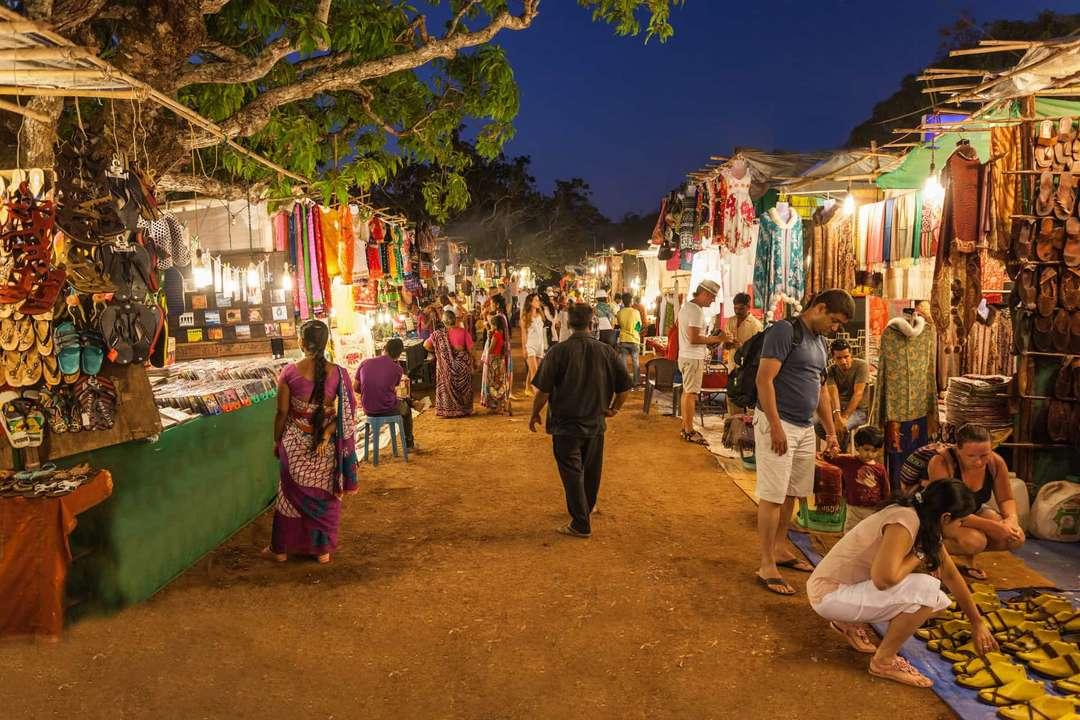
Other significant celebrations include Mahashivratri, where the temple remains open throughout the night for devotees to perform Abhisheka (ritual bathing of the Linga) and offer Bilva leaves. The anniversary of the temple's installation (Vardhapana Din) and the various Zatras (temple fairs) associated with the surrounding shrines are also celebrated with great fervor. During these times, the temple premises host local markets selling traditional Goan sweets like Khaje, handmade toys, and religious artifacts, providing a glimpse into the vibrant rural economy of Goa. These festivals are not just religious events but social gatherings that reinforce the community bonds and keep the ancient Goan traditions alive.
Best Time to Visit
Choosing the right time to visit Shree Damodar Temple depends on what you wish to experience. For those seeking the ultimate cultural immersion, the month of Phalgun (usually March) is the best time, as it coincides with the Gulalutsav. However, be prepared for massive crowds, intense heat, and a very high energy level. It is a time for celebration rather than quiet contemplation.
For the average traveler seeking a peaceful visit, the winter months from November to February are ideal. During this period, the weather in South Goa is pleasant, with cool mornings and evenings, making the journey to Zambaulim comfortable. The lush greenery resulting from the recently concluded monsoon is still vibrant, and the Kushavati River flows steadily. Visiting during the early morning hours (around 7:00 AM) or late afternoon (around 4:30 PM) allows you to witness the Aarti (ritual of light) and enjoy the temple in its most serene state.
The Monsoon season (June to September) offers a different kind of beauty. The Sanguem region, being close to the forests, turns into a verdant paradise. The river swells, and the sound of falling rain on the temple's sloping roofs creates a meditative atmosphere. While traveling might be a bit challenging due to heavy downpours, the sheer natural beauty of the area during the rains is breathtaking. However, avoid visiting during peak monsoon if you plan to bathe in the river, as the currents can become strong and the water murky. Regardless of the season, a midweek visit is generally quieter than weekends, which tend to attract more local devotees.
Timings, Entry Fee & Dress Code
To ensure a respectful and smooth visit to Shree Damodar Temple, it is important to be aware of the operational timings and the expected code of conduct. The temple follows a strict schedule of rituals throughout the day.
- Temple Timings: The temple generally opens at 5:30 AM and remains open until 12:30 PM. It then closes for the afternoon deities' rest and reopens at 4:00 PM, staying open until 8:30 PM. These timings may be extended during major festivals like Gulalutsav or Mahashivratri.
- Entry Fee: There is no entry fee to visit the temple. It is open to people of all faiths, provided they respect the sanctity of the site. Donations are voluntary and can be made at the designated office counters for the temple's upkeep and charitable activities.
- Dress Code: As with most traditional Hindu temples in Goa, a modest dress code is mandatory. Men are encouraged to wear dhoti or formal trousers; wearing shorts or sleeveless shirts is generally discouraged. Women should wear saris, salwar kameez, or long skirts. Shoulders and knees must be covered. Carrying a shawl is a good idea if you are wearing western clothes that might be considered borderline.
- Footwear: All footwear must be removed before entering the temple complex. There are designated areas to leave your shoes safely.
Adhering to these guidelines not only shows respect for the local culture and the deity but also ensures that you are welcomed warmly by the temple priests and the local community. It is also worth noting that non-Hindus are usually allowed in the outer prayer halls but may be restricted from entering the innermost sanctum, depending on the specific rituals being performed at the time.
How to Reach Shree Damodar Temple
Reaching Zambaulim is a journey through some of the most beautiful landscapes of South Goa. The temple is well-connected by road, though it feels tucked away from the main tourist circuits.
- By Road from Margao: Margao is the nearest major city, located about 22 km away. You can hire a taxi or a self-drive car from Margao. The route takes you through the town of Quepem. The roads are generally in good condition, winding through coconut groves and small villages. The drive takes approximately 45 to 60 minutes.
- By Road from Panjim: The capital city, Panjim, is about 55 km from the temple. The drive takes around 1.5 to 2 hours via the NH66. It is a scenic route that crosses the Zuari River and passes through the heart of South Goa.
- By Bus: Regular KTC (Kadamba Transport Corporation) buses and private buses run from Margao to Quepem and Sanguem. From Quepem, you can find local buses or rickshaws that will take you to Zambaulim. While economical, this mode of transport can be time-consuming.
- By Train: The nearest major railway station is Madgaon Junction (MAO). From the station, you can easily find pre-paid taxis to the temple. For those coming from the South, the Sanvordem (Curchorem) railway station is also relatively close.
- By Air: The Dabolim Airport (GOI) is approximately 50 km away, while the newer Manohar International Airport (Mopa) is much further north. From Dabolim, a taxi is the most convenient way to reach the temple directly.
For the best experience, hiring a private vehicle or a scooter is recommended, as it allows you the flexibility to stop at scenic spots along the way and explore nearby attractions at your own pace. The drive itself is part of the spiritual experience, transitioning from the urban bustle to the quietude of the Zambaulim valley.
Things to Do
While the primary purpose of a visit to Shree Damodar Temple is prayer and spiritual reflection, the site and its surroundings offer several activities for visitors:
- Ritual Bath in the Kushavati: Join the locals in taking a holy dip in the Kushavati River. The steps (ghats) leading down to the water are well-maintained. Even if you don't wish to submerge, splashing the water on your face and hands is considered auspicious.
- Attend the Aarti: Try to time your visit with the morning or evening Aarti. The rhythmic chanting, the sound of the bells, and the sight of the large oil lamps being waved in front of the deity create a powerful sensory experience.
- Meditation: The temple precincts, especially near the river or in the quieter corners of the Sabhamandapa, are perfect for meditation. The natural sounds of the river and birds provide a soothing background.
- Explore the Village: Take a walk through Zambaulim village. Observe the traditional Goan houses with their unique porches (balcaos) and the slow-paced life of the locals. It’s a great way to understand the local culture.
- Photography (External): While photography inside the sanctum is prohibited, the exterior of the temple, the Deepastambha, and the river ghats offer excellent opportunities for photography. The vibrant colors and architectural details are a photographer's delight.
- Seek a 'Kaul': If you are a believer, you might observe or participate in the 'Kaul' ritual to seek divine guidance. It is a unique cultural practice that is fascinating to witness even if you are just an observer.
These activities allow you to engage with the temple on multiple levels—spiritual, cultural, and aesthetic—making your visit a holistic experience rather than just a quick stopover.
Nearby Attractions
The area around Zambaulim is rich in natural beauty and historical sites. Combining your visit to Shree Damodar Temple with these nearby attractions makes for a perfect day trip in South Goa:
- Rivona Caves: Located just a few kilometers away, these 6th-century Buddhist caves are carved out of laterite rock. They offer a glimpse into the ancient history of Goa and are believed to have been used by monks for meditation.
- Salaulim Dam: About 15-20 km from the temple, this is one of Goa's most impressive engineering feats. The dam features a unique "duckbill spillway" and is surrounded by a beautiful botanical garden modeled after the Brindavan Gardens in Mysore.
- Budbudyanchi Tali (Bubble Pond): Located in Netravali, this is a mysterious sacred pond where bubbles rise to the surface in response to rhythmic sounds like clapping. It is part of the Gopinath Temple complex and is a fascinating natural phenomenon.
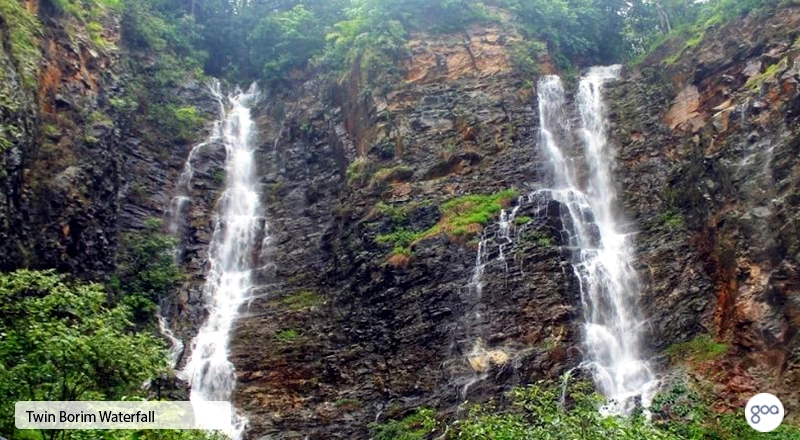
- Netravali Wildlife Sanctuary: For nature lovers, this sanctuary offers trekking trails, waterfalls (like Mainapi and Savari), and a chance to see Goa's diverse flora and fauna. It is a pristine forest area that remains largely unexplored.
- Chandreshwar Bhoothnath Temple: Situated on a hill in Paroda, this ancient temple dedicated to Lord Shiva offers panoramic views of the South Goan landscape. The climb to the top is scenic and spiritually rewarding.
- Quepem Town: Visit the historic Palacio do Deao, a 213-year-old mansion built by a Portuguese nobleman. It features a unique blend of Hindu and Portuguese architecture and has beautiful gardens overlooking the Kushavati River.
Exploring these sites provides a well-rounded perspective of Goa, showing that the state is much more than just its coastline. The hinterlands are where the true soul of Goa resides, hidden in its caves, dams, and ancient temples.
Photography & Visitor Guidelines
To maintain the sanctity of Shree Damodar Temple and ensure a pleasant experience for everyone, visitors are requested to follow these guidelines:
- Photography: Photography and videography are strictly prohibited inside the main sanctum (Garbhagriha) and often within the assembly hall. Always look for signage or ask the temple authorities before taking out your camera. Respect the privacy of devotees who are praying.
- Silence: Maintain silence or speak in low tones within the temple premises. The temple is a place of meditation and prayer; loud conversations and mobile phone usage are discouraged.
- Mobile Phones: Keep your mobile phones on silent or vibrate mode. Avoid taking calls inside the temple buildings.
- Prohibited Items: Do not carry leather items (belts, wallets, bags) into the inner sanctum if possible, as leather is traditionally considered impure in Hindu temples. Alcohol, smoking, and non-vegetarian food are strictly forbidden within the temple complex.
- Respecting Rituals: If a ritual or procession is in progress, stand aside and allow the priests and participants to pass. Do not interrupt any ongoing ceremonies.
- Cleanliness: Do not litter. Use the bins provided. If you are bathing in the river, avoid using soaps or shampoos that could pollute the water, as the river is considered sacred.
- Interacting with Priests: The priests are generally helpful. If you wish to perform a specific puja, approach the temple office for official receipts and guidance. Avoid entertaining unauthorized guides.
By following these simple rules, you contribute to the preservation of the temple's peaceful atmosphere and show respect for the traditions that have been practiced here for centuries.
Where to Eat Nearby
Zambaulim is a small village, so dining options in the immediate vicinity of the temple are limited to small local tea stalls and snack centers. However, within a short drive, you can find excellent Goan food:
- Temple Prasad/Bhojan: On certain festival days or special occasions, the temple serves Prasad (blessed food) to devotees. This is usually a simple, nutritious vegetarian meal served on banana leaves. It is an experience in itself.
- Quepem Town: Located about 5-7 km away, Quepem has several local eateries. Look for places serving "Goan Thali" (fish or veg). Palacio do Deao also offers traditional Goan-Portuguese meals, but these usually require prior booking.
- Margao: Since Margao is only 45 minutes away, many visitors choose to eat there. Margao is a culinary hub offering everything from high-end restaurants like The Verandah to legendary local spots like Bambret or Tataki. Don't miss trying the local Goan snacks like Samosas and Batata Vadas at the local cafes.
- Roadside Dhabas: On the way to Sanguem, you will find small dhabas serving hot Mirchi Bhajis and Ross Omelette (a Goan specialty). These are great for a quick, authentic local snack.
Always carry a bottle of water with you, especially during the summer months, as the heat in the hinterlands can be quite intense. While the local food is generally safe, stick to bottled water if you have a sensitive stomach.
Accommodation Nearby
Most visitors visit Shree Damodar Temple as a day trip from the coastal areas or Margao. However, if you wish to stay overnight to experience the early morning rituals, here are your options:
- Temple Guest Houses: The temple trust maintains basic guest houses (Dharamshalas) for pilgrims. These are clean and very affordable but offer only basic amenities. It is best to contact the temple trust in advance for bookings.
- Margao Hotels: Margao offers a wide range of accommodation, from budget guest houses to luxury hotels like Indismart Woodbourne Resort or Nanutel. Staying in Margao provides easy access to the temple while keeping you close to urban comforts.
- Eco-Resorts in Netravali: For a more immersive nature experience, consider staying at one of the eco-resorts or farmstays in the Netravali/Sanguem area, such as Angad Homestay or Tanshikar’s Working Organic Spice Farm. These offer a serene environment and a chance to live close to nature.
- South Goa Beach Resorts: If you prefer the beach, the resorts in Colva, Benaulim, or Varca are about an hour's drive away. You can easily arrange a taxi for a half-day trip to the temple.
Staying in the hinterlands (Sanguem/Netravali) is highly recommended for those who want to explore the waterfalls and caves in addition to the temple, as it saves significant travel time.
Travel Tips
To make the most of your visit to Shree Damodar Temple, keep these practical tips in mind:
- Language: The local language is Konkani. While many people understand English and Hindi, knowing a few basic Konkani phrases like "Dev barem koru" (Thank you/God bless you) can go a long way in building rapport with the locals.
- Footwear: Wear easy-to-remove footwear like flip-flops or sandals, as you will need to take them off frequently.
- Hydration: Carry plenty of water. The humidity in Goa can be draining, especially when visiting inland areas away from the sea breeze.
- Cash: While digital payments are becoming common, it is always wise to carry enough cash for small donations, parking fees, and local snacks in the village.
- Respect the River: If you decide to enter the Kushavati River, be mindful of the slippery stones and the depth of the water. Supervise children at all times.
- Plan for Festivals: If you are visiting during Gulalutsav, wear old clothes that you don't mind getting stained with pink powder. Protect your eyes and hair, and be prepared for massive crowds.
- Local Etiquette: Always ask for permission before taking photos of people, especially priests or locals engaged in prayer.
Being a mindful traveler ensures that you leave a positive impact on the places you visit and helps maintain the sanctity of these ancient spiritual sites.
Conclusion
The Shree Damodar Temple in Zambaulim is more than just a religious landmark; it is a testament to the enduring spirit of the Goan people. Its journey from the bustling streets of Margao to the quiet banks of the Kushavati River is a story of survival and devotion that resonates in every stone of its architecture and every ripple of its sacred waters. For the traveler, it offers a rare opportunity to step back in time and witness a side of Goa that is deeply spiritual, culturally rich, and naturally stunning.
Whether you are drawn by the legends of the Kushavati's healing powers, the architectural beauty of the Deepastambha, or the sheer joy of the Gulalutsav, a visit to this temple is a journey into the heart of Goan identity. It reminds us that while empires may rise and fall, and landscapes may change, faith and tradition have a way of finding a new home and flourishing against all odds. As you leave the temple, with the scent of incense lingering and perhaps a faint trace of pink gulal on your clothes, you carry with you a piece of Goa's soul—a sense of peace and a deeper understanding of the "Land of the Gods."