Overview of Shri Chamundeshwari Temple
Nestled in the heart of the lush, emerald landscapes of Ponda, Goa, the Shri Chamundeshwari Temple stands as a profound testament to the resilience, faith, and artistic heritage of the Goan people. Located specifically in the serene village of Veling, this temple is not merely a religious site but a cultural cornerstone that has survived the tumultuous tides of history. For the uninitiated, Goa is often synonymous with sun-kissed beaches and vibrant nightlife; however, the "Antruz Mahal" (the traditional name for Ponda) offers a different, more contemplative narrative. The Shri Chamundeshwari Temple is a primary protagonist in this story, drawing thousands of devotees and spiritual seekers who wish to experience the "Ugra" (fierce) yet "Karuna" (compassionate) energy of the Divine Mother.
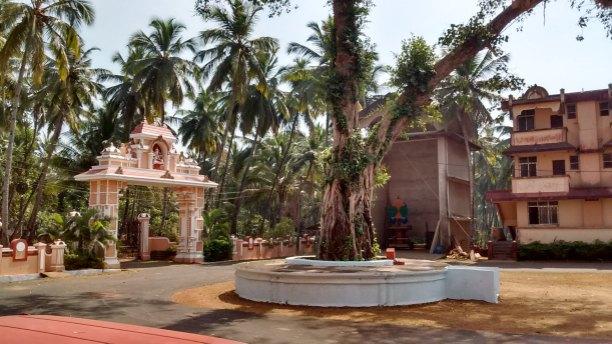
The temple is dedicated to Goddess Chamundeshwari, an avatar of Goddess Durga, who is revered as the slayer of the demons Chanda and Munda. As you approach the temple complex, the air changes—the humid saltiness of the coast gives way to the earthy, cool scent of the Western Ghats' foothills. The temple is surrounded by thick groves of betel nut palms, coconut trees, and spice plantations, creating a natural amphitheater of silence that is only broken by the rhythmic chanting of priests or the occasional chime of a temple bell. This site is part of a larger spiritual circuit in Ponda, which includes the famous Mangueshi and Shanta Durga temples, yet it retains a distinct, intimate atmosphere that sets it apart from its more commercialized neighbors.
Visiting Shri Chamundeshwari Temple is an exercise in sensory immersion. From the sight of the towering Deepastambha (lamp tower) reflecting the golden Goan sun to the tactile feel of the cool laterite stone under your feet, every element is designed to elevate the human spirit. For the traveler, it offers a deep dive into the "Goykarponn" (Goan identity), showcasing a side of the state that remains untouched by the rapid pace of modernization. It is a place where time slows down, allowing one to appreciate the intricate rituals that have remained unchanged for centuries.
History & Religious Significance
The history of the Shri Chamundeshwari Temple is a saga of survival and devotion. Originally, the deity was located in the village of Kushasthali (modern-day Cortalim) in the Salcete taluka. During the 16th century, when the Portuguese colonial administration began its campaign of religious conversion and the destruction of Hindu temples, the devotees of Chamundeshwari faced a harrowing choice: renounce their faith or protect their Goddess. In a daring move that is still celebrated in local folklore, the idol was clandestinely moved across the Zuari River under the cover of darkness to the safety of the Sonde Raja's territory in Veling, Ponda.
Ponda, at the time, was not under Portuguese control, making it a sanctuary for many displaced Goan deities. This period of migration defines the "Pratishthapana" (re-installation) history of most major Goan temples. The current structure in Veling dates back several centuries, though it has undergone various renovations to maintain its grandeur. The religious significance of this temple is deeply tied to the Gaud Saraswat Brahmin community, many of whom consider Chamundeshwari their "Kuldevi" or family deity. However, her appeal transcends caste and community, as she is viewed as the protective matriarch of the entire region.
In Hindu mythology, the story of Chamundeshwari is found in the Devi Mahatmya. She is the fierce warrior who emerged from the brow of Goddess Ambika to destroy the demonic forces that threatened the cosmic order. In the Goan context, this fierce energy is tempered with maternal grace. The temple serves as a reminder of the "Sakti" tradition in Goa, where the female principle of divinity is worshipped with immense fervor. The historical narrative of the temple's relocation also serves as a symbol of cultural resistance, highlighting the deep-rooted spiritual conviction of the Goan Hindus who risked everything to preserve their heritage.
Architecture of Shri Chamundeshwari Temple
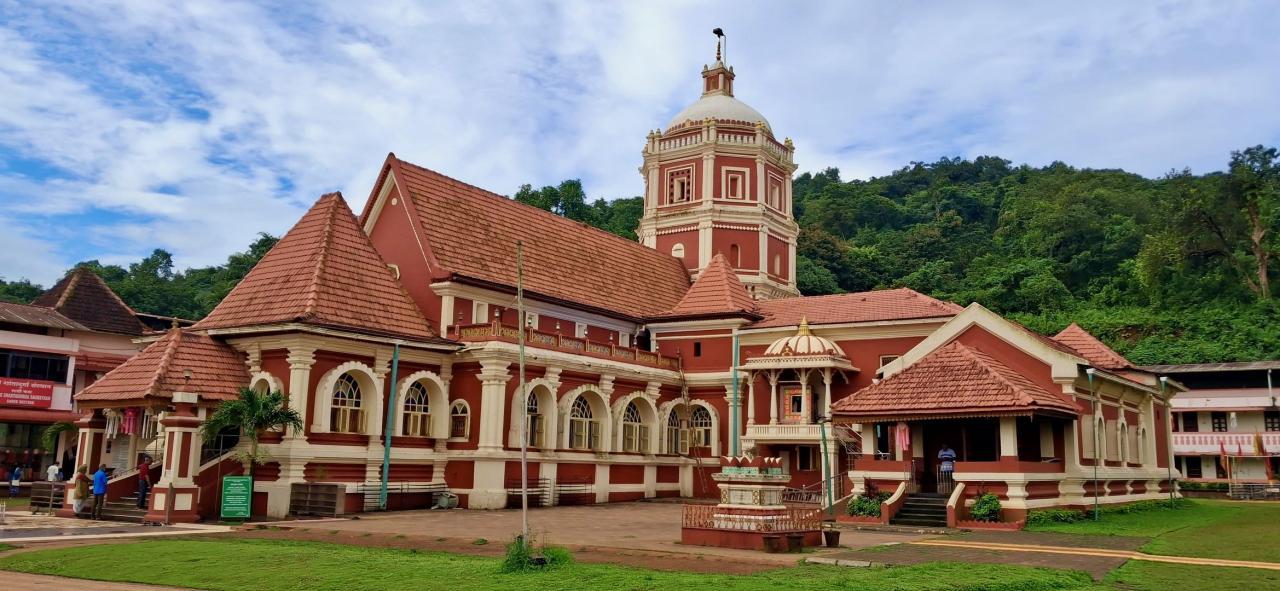
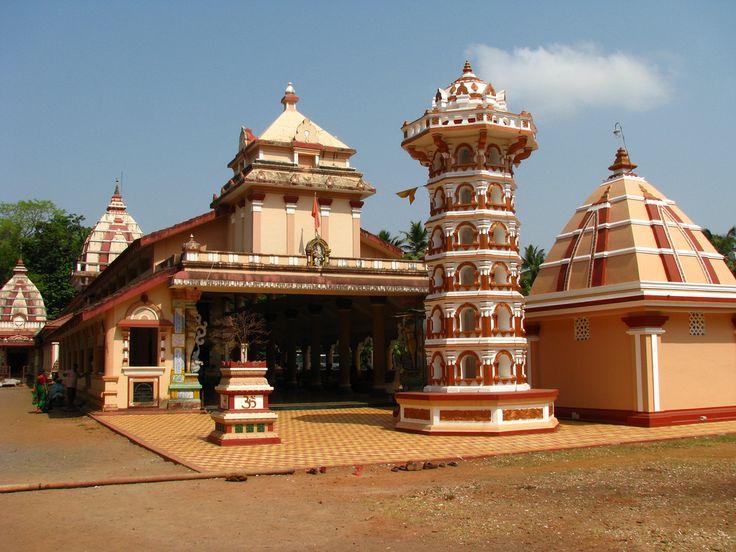
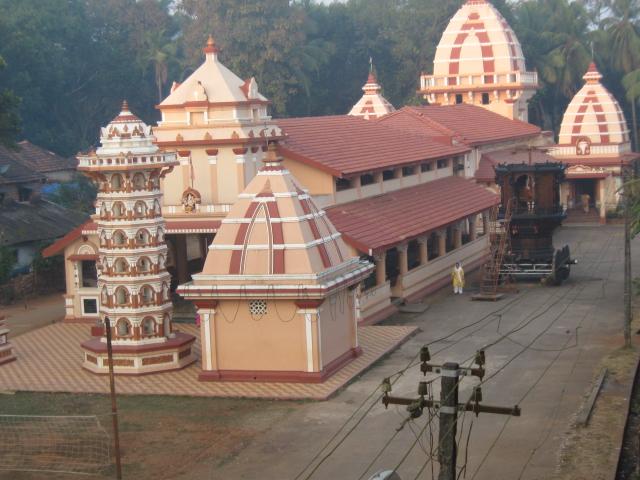
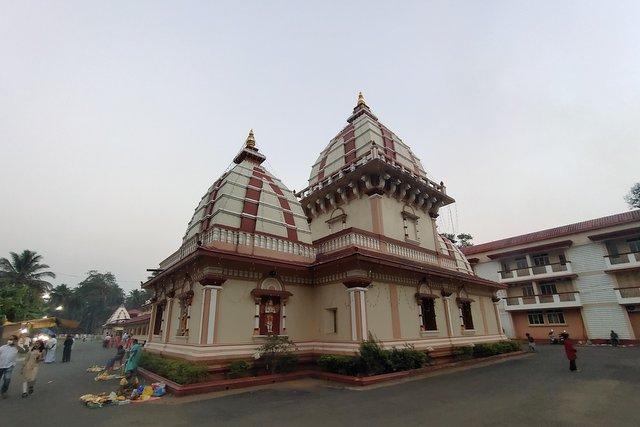
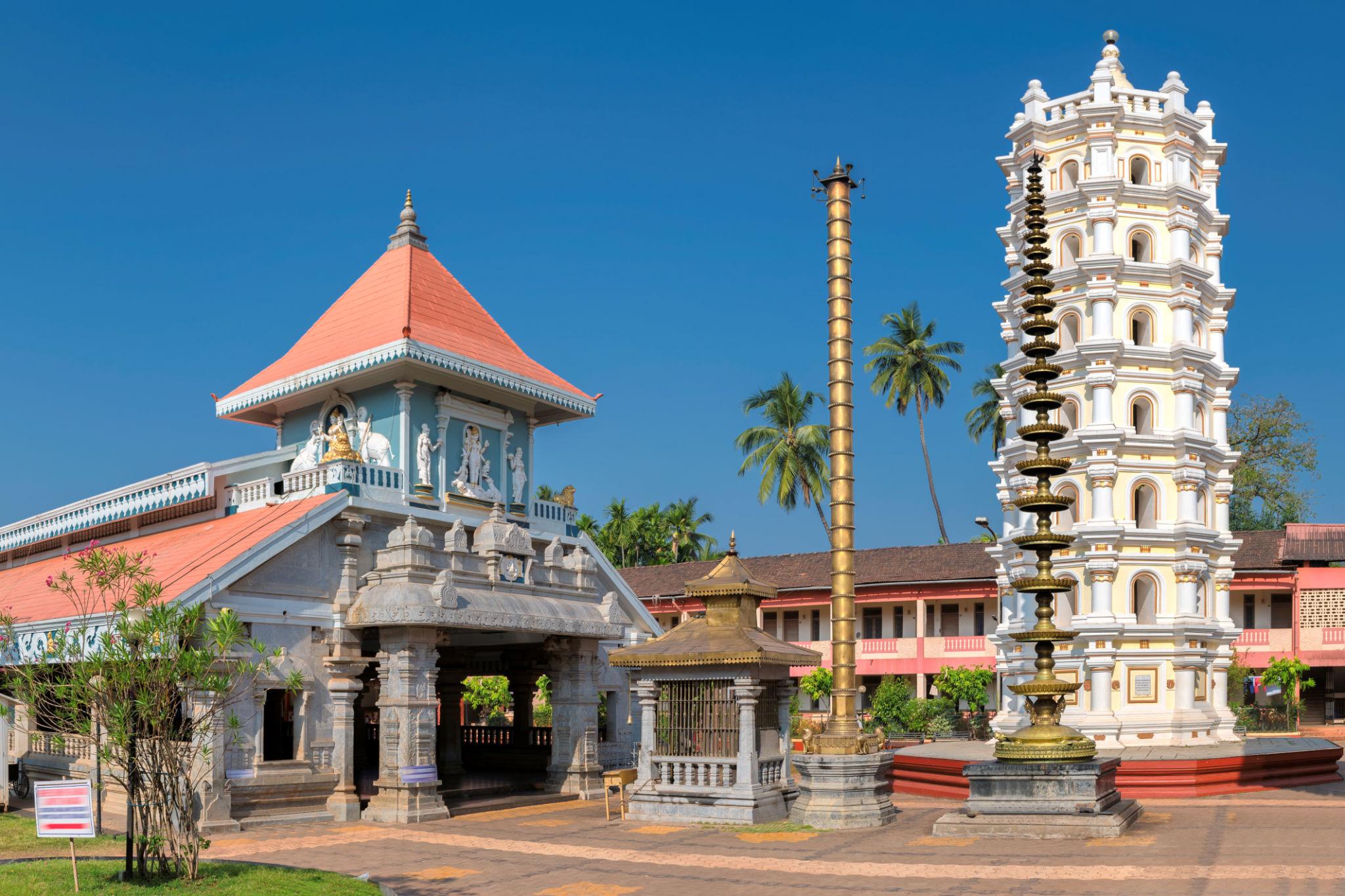
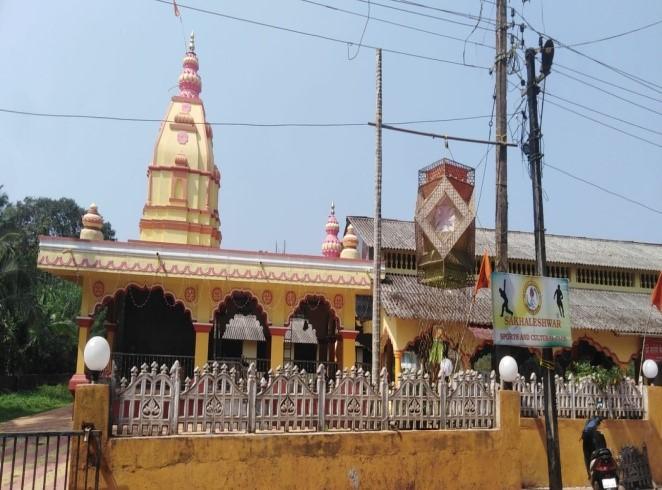
The architecture of the Shri Chamundeshwari Temple is a quintessential example of the Goan Temple Style, which is a unique blend of local, Maratha, and even subtle Portuguese influences. Unlike the soaring stone gopurams of South India or the marble shikharas of the North, Goan temples feature a distinct aesthetic characterized by tiled roofs, octagonal towers, and the iconic lamp towers. The temple complex is built using locally available laterite stone, which is then plastered and painted in vibrant white and terracotta hues.
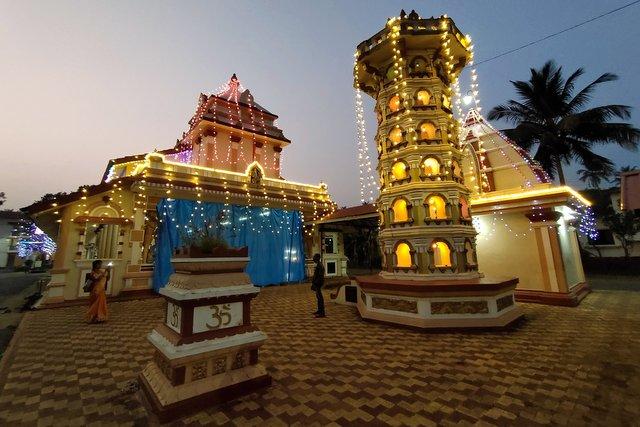
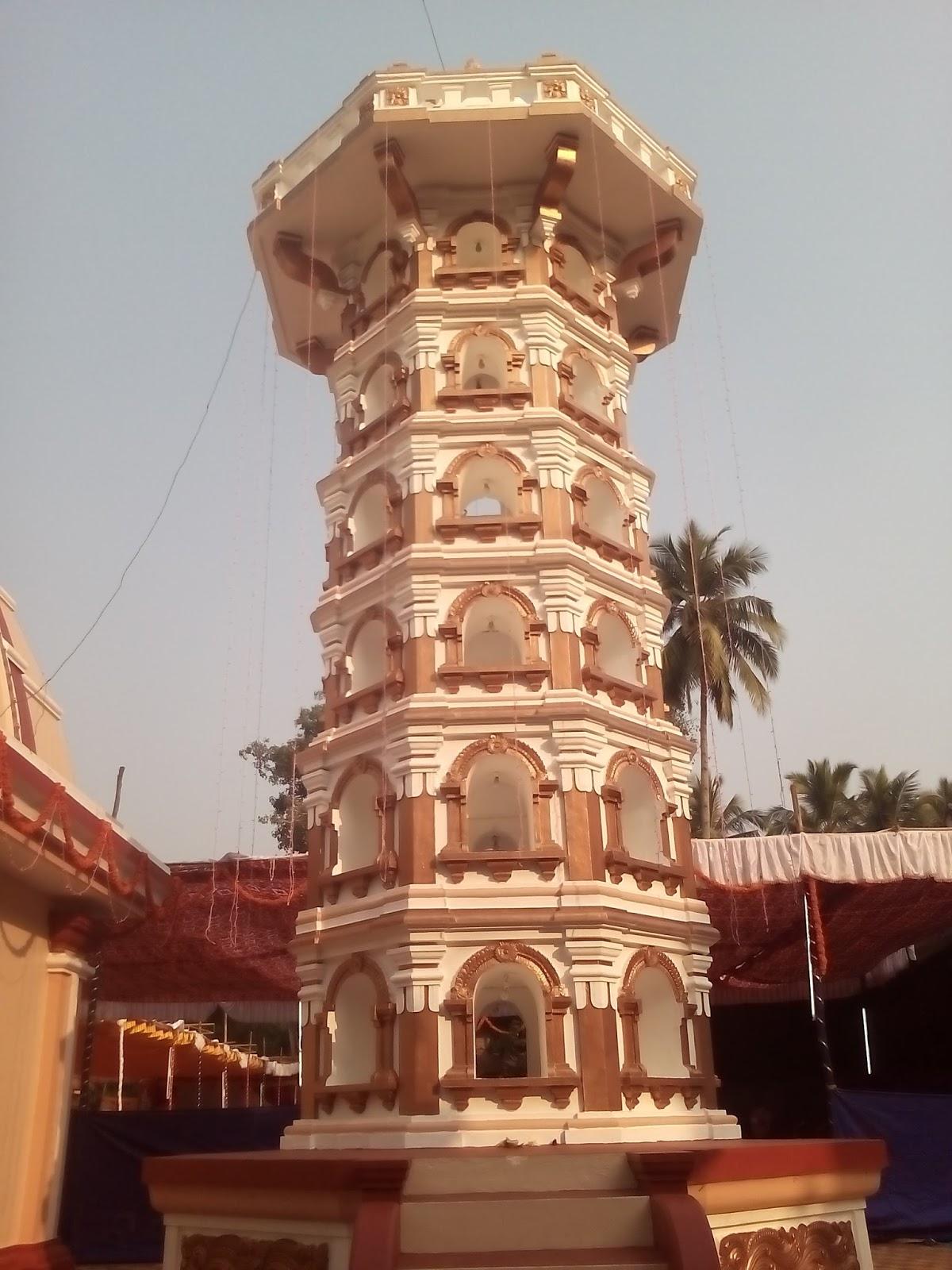
One of the most striking features of the temple is the Deepastambha. This multi-storied octagonal tower stands tall in the courtyard and is used to hold hundreds of oil lamps during festivals. The design of the Deepastambha is unique to Goa and reflects a fusion of indigenous craftsmanship and European architectural sensibilities, particularly in the use of arched niches and decorative mouldings. When lit during the "Jatra" or Navratri, the tower transforms into a pillar of fire, symbolizing the dispelling of spiritual darkness.
The main structure consists of the Garbagriha (sanctum sanctorum), the Antarala (vestibule), and a spacious Sabhamandapa (assembly hall). The roof of the Mandapa is typically covered with red Mangalore tiles, which provide excellent insulation against the tropical heat and heavy monsoons. Inside the hall, one can see beautifully carved wooden pillars and a ceiling adorned with intricate designs. The flooring is often made of polished marble or stone, keeping the interiors cool. Another fascinating element is the "Kaavi" art—a traditional form of monochrome mural art using reddish-brown pigment from laterite soil—which can sometimes be found in the older sections of the temple complex, depicting scenes from the Puranas.
Main Deity / Spiritual Importance
The presiding deity of the temple is Goddess Chamundeshwari, an exceptionally powerful form of the Divine Mother. The idol itself is a masterpiece of religious art, usually depicted with multiple arms, each holding a weapon gifted by the gods to defeat evil. Despite her fierce mythological origins, the idol in Veling radiates a sense of profound calm and protection. She is often adorned with heavy gold jewelry, traditional Goan nose rings (nath), and draped in exquisite silk sarees, which are changed daily according to specific rituals.
The spiritual importance of Chamundeshwari lies in her role as a "Sankat-mochani" or the remover of difficulties. Devotees believe that a single "Darshan" (sighting) of the Goddess can clear the mind of confusion and provide the strength to face life's challenges. The temple follows the Shakta tradition, where the Goddess is seen as the primary source of energy (Shakti) in the universe. The rituals performed here are rigorous and deeply symbolic, involving the offering of flowers, incense, and "Naivedya" (sanctified food).
For many locals, the temple is a place of "Prasad kaul"—a unique Goan tradition where devotees seek divine guidance by placing flower petals on the idol and waiting for them to fall. The direction and timing of the falling petal are interpreted as the Goddess's answer to the devotee's prayer. This practice highlights the intimate, conversational relationship that the people of Goa share with their deities. The spiritual aura of the temple is further enhanced by the presence of subordinate deities (Parivar Devatas) such as Mahalakshmi and Ganapathi, making the complex a holistic spiritual powerhouse.
Festivals & Celebrations
The Shri Chamundeshwari Temple comes alive during its various festivals, which are celebrated with a blend of Vedic rituals and local Goan folk traditions. The most significant of these is the Annual Jatra (temple fair), which usually takes place in the winter months. During the Jatra, the "Utsav Murti" (processional idol) of the Goddess is placed in a grand, decorated chariot known as the "Ratha" and pulled by hundreds of devotees around the temple complex. The atmosphere is electric, filled with the sounds of traditional Goan instruments like the Dhol, Tasha, and Cymbals.
Navratri is another major celebration, spanning nine nights of intense devotion. Each day, the Goddess is decorated in a different "Alankara" (form), representing her various facets. The temple is illuminated with thousands of lamps, and "Bhajans" (devotional songs) are performed throughout the night. The tenth day, Dussehra, marks the victory of the Goddess over the demon Mahishasura, and it is celebrated with the symbolic distribution of "Apta" leaves, representing gold.
Other notable celebrations include Vasant Panchami and the Palki Procession held every Friday. The Friday Palki is a particularly beautiful sight; the Goddess is carried in a silver palanquin around the temple premises, accompanied by priests and devotees singing praises. These festivals are not just religious events but social gatherings that reinforce community bonds. Traditional Goan sweets like Khatkhatem and Laddoos are prepared in the temple kitchen and distributed as "Prasad," ensuring that every visitor leaves with both spiritual and physical sustenance.
Best Time to Visit
To fully appreciate the beauty and spiritual energy of the Shri Chamundeshwari Temple, timing is essential. The best time to visit is between October and March. During these months, the weather in Goa is pleasantly cool and dry, making it ideal for exploring the open-air temple complex and the surrounding village of Veling. This period also coincides with major festivals like Navratri and the annual Jatra, providing a front-row seat to the region's rich cultural tapestry.
If you are a lover of nature and don't mind the humidity, the monsoon season (June to September) offers a different kind of magic. The Ponda region becomes incredibly lush, with the surrounding hills turning a vibrant shade of green. The sight of the whitewashed temple against the dark, rain-heavy clouds and the sparkling emerald foliage is breathtaking. However, be prepared for heavy downpours which might limit your ability to walk around the outdoor areas of the complex.
For those seeking a quiet, meditative experience, visiting during the mid-week (Tuesday to Thursday) is recommended. Weekends and public holidays tend to see a larger influx of local devotees and tourists. To experience the most evocative rituals, aim to arrive early in the morning for the first "Aarti" or in the late evening when the lamps are lit, casting a mystical glow over the entire sanctuary.
Timings, Entry Fee & Dress Code
The Shri Chamundeshwari Temple follows a strict schedule to ensure that all daily rituals are performed with precision. The general timings are as follows:
- Morning: 6:00 AM to 12:30 PM
- Afternoon: 12:30 PM to 4:00 PM (The sanctum may be closed for the deity's rest, though the courtyard remains accessible).
- Evening: 4:00 PM to 8:30 PM
Entry Fee: There is absolutely no entry fee to visit the temple. It is a place of worship open to all, regardless of nationality or background. However, donations for the upkeep of the temple are welcomed and can be made at the official counter inside the complex.
Dress Code: Being a sacred site, a modest dress code is strictly enforced. Visitors should avoid wearing short skirts, sleeveless tops, or beachwear. Men are encouraged to wear trousers or traditional dhotis, while women are advised to wear sarees, salwar kameez, or long skirts. In some inner sanctum areas, men may be required to remove their shirts before entering, although this is usually specific to certain high-ritual periods. Always remember to remove your footwear at the designated stands before entering the main temple hall.
How to Reach Shri Chamundeshwari Temple
Reaching the Shri Chamundeshwari Temple is relatively easy as it is located in the well-connected Ponda taluka. Here are the best ways to get there:
- By Road: Ponda is the transport hub of central Goa. The temple in Veling is approximately 22 km from the capital city, Panaji, and about 20 km from Margao. You can hire a taxi or a self-drive car. The drive is scenic, passing through winding roads lined with traditional Goan houses and dense vegetation.
- By Bus: Regular KTC (Kadamba Transport Corporation) buses and private buses run from Panaji and Margao to Ponda. From the Ponda bus stand, you can take a local bus heading towards Mardol or hire an auto-rickshaw to reach the temple directly.
- By Train: The nearest major railway station is Madgaon Junction (Margao). From there, you can take a taxi or a bus. The Karmali Railway Station is also relatively close (about 15 km away) and is a convenient option if you are coming from North Goa.
- By Air: The Dabolim Airport is approximately 35 km away. Taxis are readily available at the airport to take you directly to Ponda. The newer Mopa Airport (Manohar International Airport) is further away, roughly 60 km, so plan for a longer travel time if landing there.
Things to Do
While the primary purpose of a visit is "Darshan," there are several other activities to enrich your experience at the Shri Chamundeshwari Temple:
- Witness the Evening Aarti: The evening ritual is a choreographed performance of light and sound. The rhythmic ringing of bells and the chanting of Sanskrit shlokas create a powerful vibration that is deeply moving even if you don't understand the language.
- Explore the Temple Courtyard: Take a slow walk around the "Pradakshina patha" (circumambulatory path). Observe the architectural details, the smaller shrines, and the massive Deepastambha.
- Photography (Exterior): The exterior of the temple, with its unique Goan architecture and surrounding greenery, is a photographer's delight. Capture the play of light on the white walls and the intricate carvings on the wooden doors.
- Spiritual Contemplation: Find a quiet corner in the Mandapa or under a tree in the courtyard to sit and meditate. The tranquil environment is perfect for introspection.
- Interact with Locals: If you are respectful, speaking with the temple priests or local devotees can provide fascinating insights into the temple's history and the local way of life.
- Shop for Religious Souvenirs: Outside the temple, there are often small stalls selling "Prasad," flower garlands, incense, and small photos or idols of the Goddess.
Nearby Attractions
The Shri Chamundeshwari Temple is located in a region rich with cultural and natural attractions. You can easily combine your visit with the following sites:
- Shri Mangueshi Temple: Located just a few kilometers away in Priol, this is one of the most famous and largest temples in Goa, dedicated to Lord Shiva. Its architecture and massive seven-story Deepastambha are legendary.
- Shri Shanta Durga Temple: Situated in Kavlem, this temple is dedicated to the Goddess of Peace. It features a unique fusion of Indo-Portuguese architecture and is a must-visit for its historical significance.
- Sahakari Spice Farm: For a change of pace, visit this nearby spice plantation. You can take a guided tour to learn about cardamom, vanilla, cinnamon, and nutmeg, followed by a traditional Goan lunch served on banana leaves.
- Safa Shahouri Masjid: Built in 1560 by Ibrahim Adil Shah, this is one of the oldest mosques in Goa. Its simple yet elegant architecture and the surrounding masonry tank offer a glimpse into Goa's Islamic heritage.
- Farmagudi Fort: A historical site that witnessed battles between the Marathas and the Portuguese. Today, it houses a beautiful stone temple dedicated to Lord Ganapathi.
Photography & Visitor Guidelines
To maintain the sanctity of the temple and ensure a pleasant experience for everyone, visitors are requested to follow these guidelines:
- No Indoor Photography: Taking photographs or videos inside the Garbagriha (inner sanctum) is strictly prohibited. This is to respect the privacy of the deity and the solemnity of the rituals. You may take photos in the outer courtyard and of the temple exterior.
- Maintain Silence: The temple is a place of prayer. Avoid loud conversations, playing music, or using mobile phones inside the main hall.
- No Leather Items: Some traditional temples in Goa request that you do not carry leather bags or wear leather belts inside the main sanctum. It is best to leave such items in your vehicle.
- Respect the Priests: If a ritual is in progress, do not interrupt. If you wish to offer a special "Puja," approach the temple office for guidance.
- Environmental Care: Do not litter the temple premises. Use the dustbins provided for any waste, including plastic bottles or flower remains.
- Menstruation Etiquette: In accordance with traditional Hindu customs followed in many Goan temples, women are requested not to visit the temple during their menstrual cycle.
Where to Eat Nearby
Ponda is known for its authentic Goan cuisine, particularly its vegetarian offerings which are a staple for the local temple-going community. Here are some options:
- Local Thali Places: Near the Ponda bus stand and around the major temples, you will find several small eateries serving the "Goan Hindu Thali." This typically includes rice, "Sol Kadi" (a refreshing kokum and coconut milk drink), vegetable "Xacuti," "Khatkhatem" (a mixed vegetable stew), and fried local greens.
- Spice Farm Restaurants: If you visit the Sahakari or Tropical Spice Plantations nearby, they offer an extensive buffet featuring traditional Goan dishes made with fresh, farm-grown spices.
- Tato’s: A legendary name in Goa, their Ponda outlet is great for local snacks like "Puri Bhaji," "Mirchi Vada," and "Ros Omelette" (though the latter is non-veg, many local cafes serve excellent veg alternatives).
- Home-stays: Some local families in Veling offer traditional meals if informed in advance. This is the best way to taste authentic, home-cooked Goan Saraswat cuisine.
Accommodation Nearby
While many visitors stay in the coastal areas and visit Ponda on a day trip, staying nearby allows for a more immersive experience. Options include:
- Heritage Farmstays: The Ponda region is famous for its eco-resorts and farmstays like Atreya Vedic Farm or Dudhsagar Spa Resort (a bit further away). These offer a serene environment close to nature.
- Budget Hotels in Ponda City: The main town of Ponda has several functional hotels like Hotel Menino or Atish Mahal, which provide comfortable rooms and easy access to all the major temples in the circuit.
- Temple Guest Houses: Some of the larger temples in the area, like Shanta Durga, offer basic accommodation (Dharamshalas) for pilgrims at very nominal rates. While Chamundeshwari is smaller, you can check for availability at the office.
- Boutique Stays: For a more luxurious experience, look for restored heritage villas in the nearby villages of Loutolim or Raia, which are about a 30-minute drive away.
Travel Tips
To make your trip to the Shri Chamundeshwari Temple seamless, keep these practical tips in mind:
- Carry Cash: While many places in Goa now accept digital payments, small shops and temple donation counters often prefer cash.
- Stay Hydrated: The Goan sun can be intense. Always carry a bottle of water, but remember to drink it outside the main temple hall.
- Hire a Local Guide: If you are interested in the deep history and legends, hiring a local guide for the Ponda temple circuit can be very rewarding.
- Combine with Spice Farms: Since the temple is in the heart of the spice belt, it makes sense to dedicate a full day to both spiritual visits and a plantation tour.
- Respect Local Customs: Goans are very protective of their traditions. A respectful attitude, a smile, and following the dress code will go a long way in ensuring a warm welcome.
- Plan for Traffic: The roads in Ponda can be narrow and get congested during peak hours. Factor in extra time if you are traveling from the coastal belt.
Conclusion
The Shri Chamundeshwari Temple in Veling is more than just a destination; it is a journey into the soul of Goa. It represents a bridge between the state’s turbulent past and its peaceful, spiritual present. For the traveler, it offers a rare opportunity to step away from the commercial veneer of modern tourism and connect with a living tradition that is both ancient and vibrant. Whether you are drawn by the architectural beauty, the historical intrigue of the deity’s migration, or a personal spiritual quest, the temple provides a sanctuary of peace and power.
As the sun sets over the palm-fringed horizon and the oil lamps begin to flicker on the Deepastambha, one cannot help but feel a sense of profound gratitude. The Goddess Chamundeshwari, in her quiet corner of Ponda, continues to watch over her devotees, just as she has for centuries. A visit here is a reminder that the true heart of Goa lies not in its crowded beaches, but in these silent, sacred spaces where faith, history, and nature converge in perfect harmony. Make sure to include this hidden gem in your Goan itinerary for an experience that will linger in your heart long after you have left the "Pearl of the Orient."