Overview of Shri Devaki Krishna Temple Goa
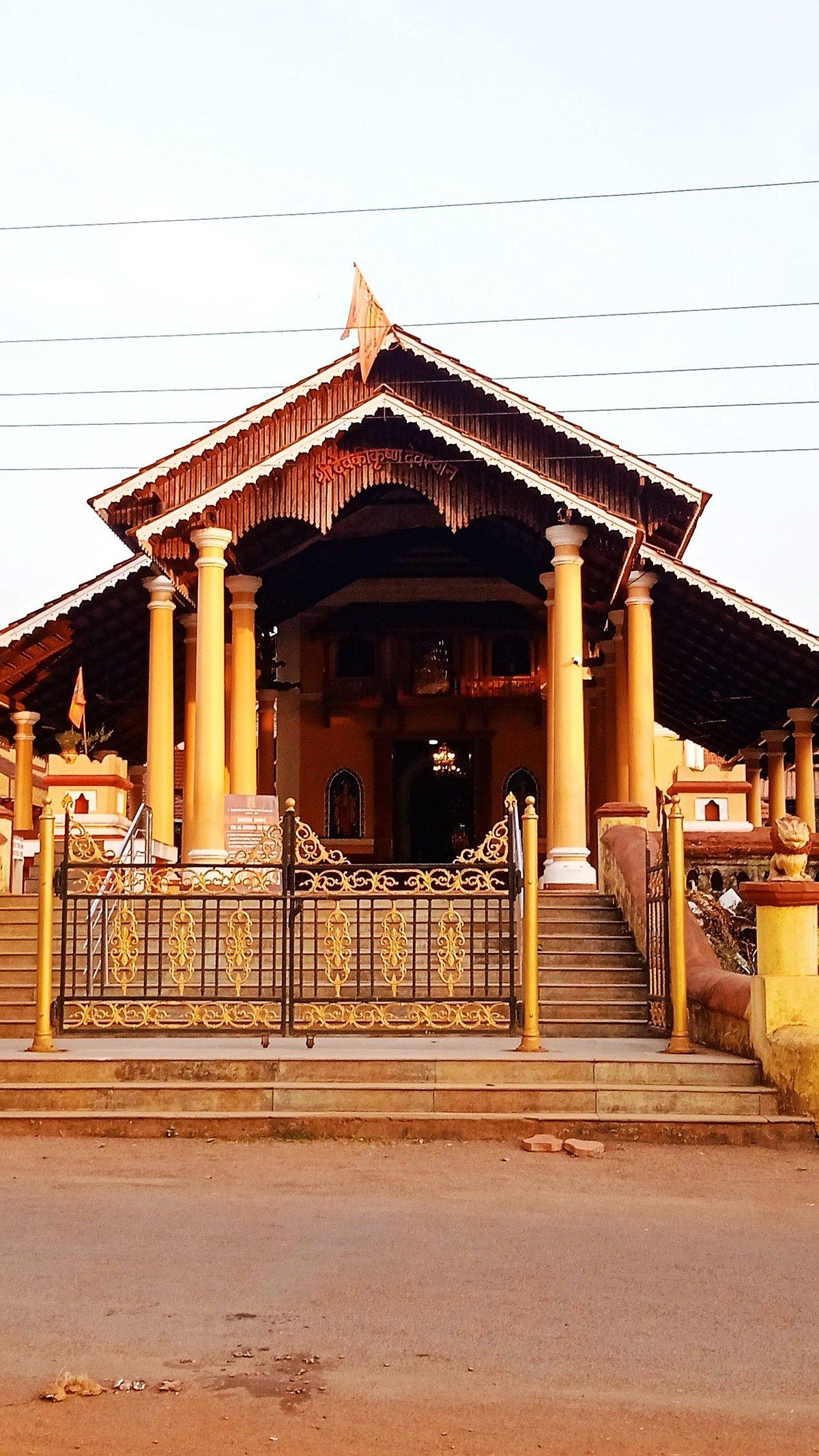
Nestled in the serene and spiritually vibrant village of Marcel, within the Ponda taluka of Goa, stands the Shri Devaki Krishna Temple. This sacred shrine is not merely a place of worship but a profound symbol of the resilient Hindu culture that survived centuries of colonial upheaval. Unlike any other temple in India, this site is uniquely dedicated to the divine bond between Lord Krishna and his mother, Devaki. While Krishna is worshipped across the globe in various forms—as a playful child, a divine lover, or a strategic philosopher—it is only here in the heart of the Goan hinterlands that he is primarily venerated alongside the mother who gave him birth, immortalizing the Vatsalya Rasa (maternal love) in stone and spirit.
Marcel itself is often referred to as a "Temple Village" because it serves as a sanctuary for several deities that were relocated during the 16th-century Portuguese Inquisition. The Shri Devaki Krishna Temple is the most prominent among them, drawing thousands of devotees who seek the blessings of the mother-son duo. The atmosphere in Marcel is a stark contrast to the sun-drenched, party-centric beaches of North Goa. Here, the air is thick with the scent of jasmine and incense, the sound of temple bells punctuates the morning silence, and the pace of life slows down to a rhythmic, meditative crawl. For a traveler or a seeker, this temple offers a deep dive into the cultural soul of Goa, revealing a side of the state that is deeply traditional, fiercely protective of its heritage, and welcoming to all who approach with a pure heart.
The temple serves as the "Gramdevata" (village deity) for several communities and is the focal point of social and religious life in the region. Its importance extends beyond the local populace, as it is a "Kuldevata" (family deity) for many Saraswat Brahmins, Daivadnya Brahmins, and other communities spread across the Konkan coast and beyond. Visiting this temple provides a unique perspective on Goan history, where faith was not just a matter of ritual, but a matter of identity and survival against the tides of time and foreign imposition.
History & Religious Significance
The history of the Shri Devaki Krishna Temple is a gripping saga of displacement, devotion, and eventual restoration. Originally, the idols of Devaki and Krishna were not located in Marcel. They were enshrined in a magnificent temple on the Island of Chorao (then known as Chudamani), located in the Tiswadi taluka. During the early 16th century, when the Portuguese consolidated their power in Goa, they initiated a period of intense religious persecution known as the Goan Inquisition. Temples were demolished, and the practice of Hindu rituals was strictly prohibited in the "Old Conquests" (the initial territories held by the Portuguese).
To save their beloved deities from desecration, the devotees of Chorao embarked on a perilous journey. Under the cover of darkness, the idols were smuggled across the river to the safety of the "New Conquests"—territories that were not yet under Portuguese administrative control. The first stop for the deities was the village of Mayem in Bicholim. However, as the colonial shadow lengthened, the idols were moved again to Narve. Finally, they found a permanent and peaceful home in Marcel, which was then under the rule of the Marathas or local chieftains, providing a safe haven for the Hindu faith to flourish.
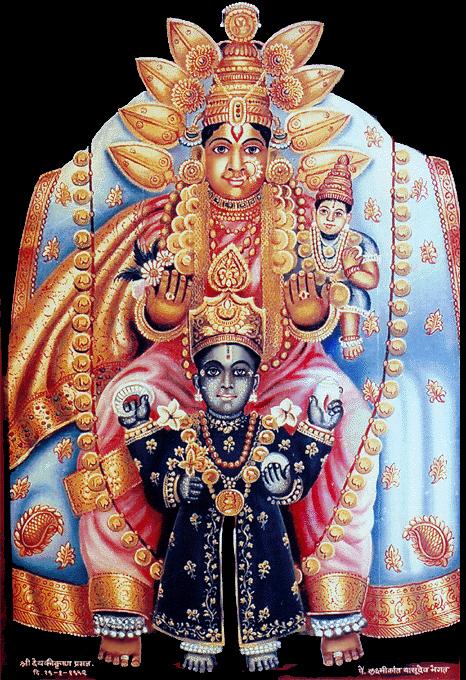
The religious significance of this temple lies in its unique iconography. According to local legends and the Puranas, after Krishna established his kingdom in Dwarka, his mother Devaki expressed a profound sadness that she had missed his childhood exploits in Gokul and Vrindavan. To appease her, Krishna took the form of a small child and sat on her lap, recreating the intimacy of his infancy. It is this specific, tender moment that is captured in the temple’s sanctum. For the people of Goa, the temple represents the unbreakable bond between a mother and her child, making it a site where many parents bring their children to seek protection and wisdom.
Furthermore, the temple is a testament to the "Panchayatana" system of worship, where multiple deities are honored within the same complex. Alongside the main idols, the temple houses deities like Shri Bhumika Devi, Shri Laxmi Narayan, Shri Mallinath, and Shri Katyayani. This historical migration of gods led to Marcel becoming a melting pot of different lineages and traditions, making the Shri Devaki Krishna Temple a cornerstone of Goan Hindu socio-religious structure.
Architecture of Shri Devaki Krishna Temple Goa
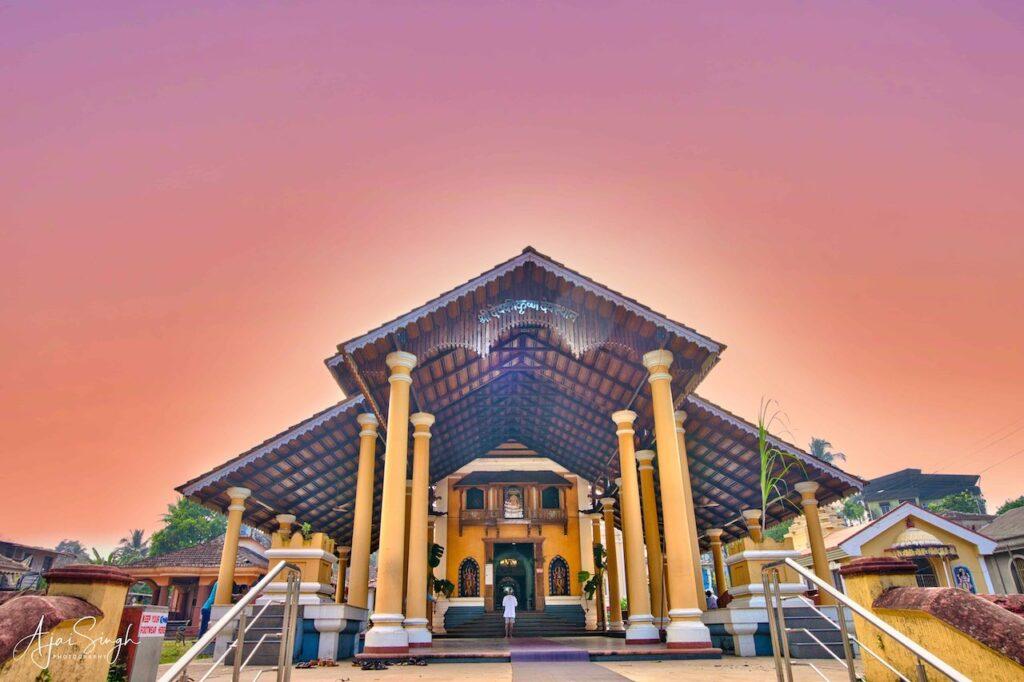
The architecture of the Shri Devaki Krishna Temple is a classic example of the Goan Temple Style, which is a fascinating fusion of traditional Hindu, Islamic, and Portuguese architectural elements. Unlike the towering stone "Gopurams" of South India or the "Shikharas" of the North, Goan temples evolved a distinct aesthetic due to the local climate and the colonial influence that permeated the region for 450 years.
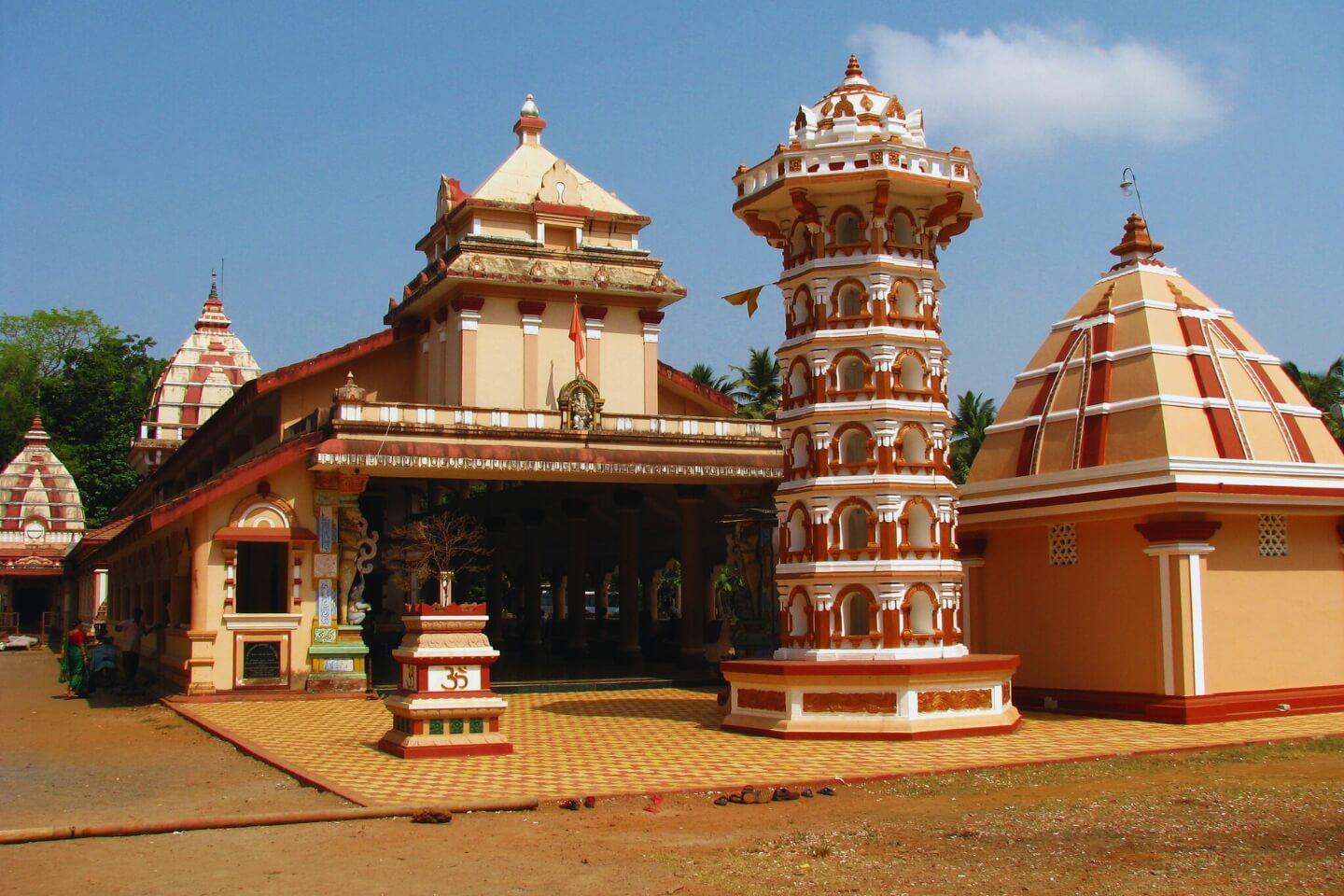
Upon entering the temple complex, the first thing that captures the eye is the Deepstambha (Lamp Tower). This is a quintessential feature of Goan temples. The Deepstambha at Shri Devaki Krishna is a tall, elegant white structure with multiple tiers of niches intended for oil lamps. When lit during festivals, this tower creates a celestial glow that can be seen from a distance. The tower’s design reflects a blend of local craftsmanship and European baroque sensibilities, with its rounded arches and decorative moldings.
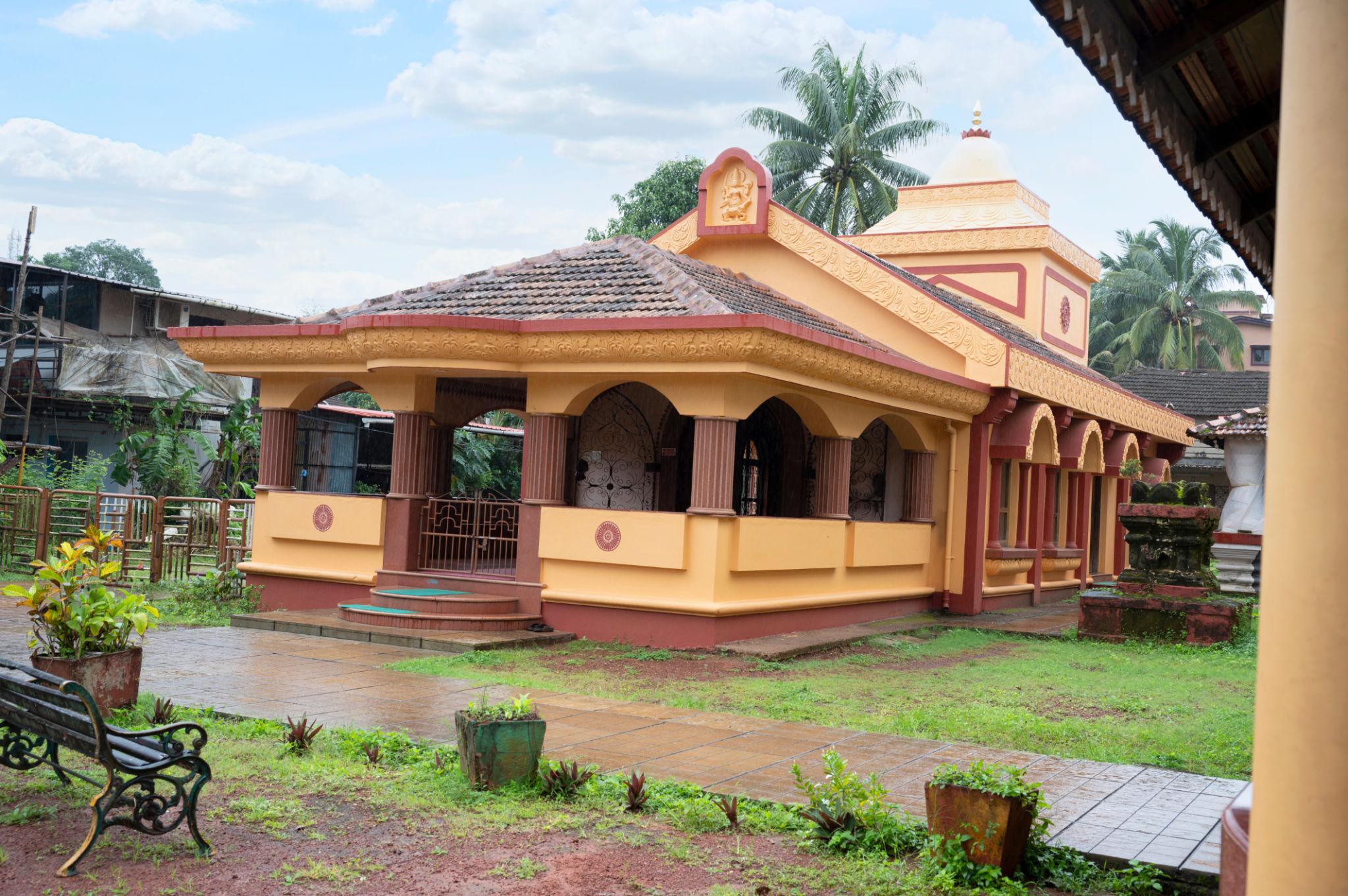
The main structure of the temple features a sloping roof, traditionally tiled with Mangalore tiles to withstand the heavy monsoon rains of the Konkan. The central dome, or Vimana, is another architectural highlight. It is often octagonal or circular, topped with a golden Kalash (finial). The use of lime plaster and laterite stone—the local reddish volcanic rock—gives the temple a sturdy yet graceful appearance. The exterior walls are typically painted in a pristine white with ochre or terracotta accents, a color palette that is synonymous with Goan religious architecture.
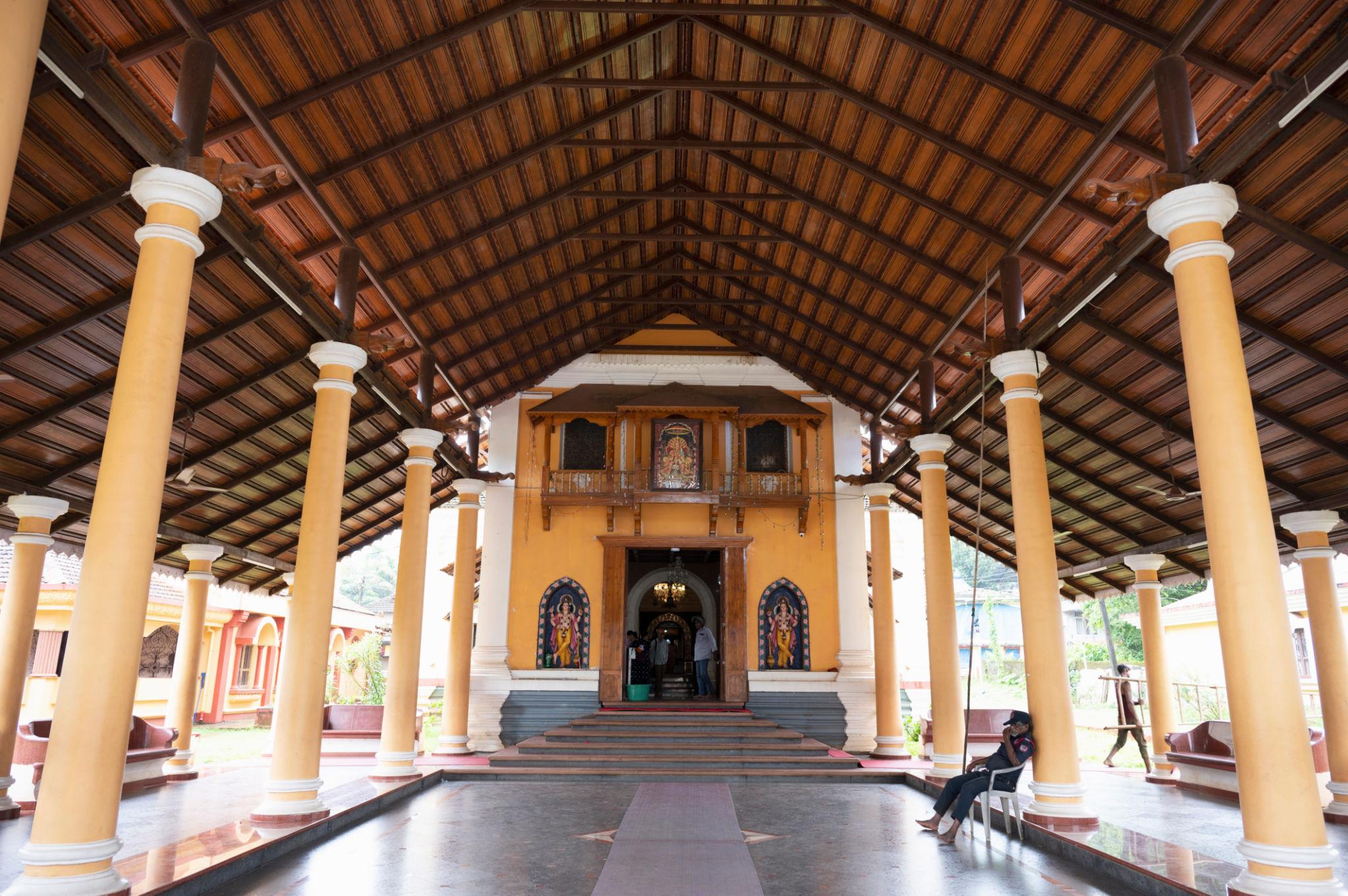
Inside, the temple opens into a spacious Mandapa (assembly hall). The interiors are characterized by heavy wooden pillars, often carved from local teak or rosewood, supporting a ceiling that may feature intricate floral patterns or depictions of mythological scenes. The floor is usually made of cool marble or polished stone, providing a serene environment for meditation. The Garbhagriha (sanctum sanctorum) is where the divine idols reside. The doorway to the sanctum is often plated in silver or gold, featuring intricate relief work of gatekeepers (Jay and Vijay) and floral motifs. The layout is designed to lead the devotee from the expansive outer courtyard into the increasingly intimate and dimly lit spaces of the inner temple, symbolizing the journey from the material world to the spiritual core.
Main Deity / Spiritual Importance
The spiritual heart of the temple is the idol of Devaki Krishna. Carved from a single block of polished black stone (likely basalt), the idol is a masterpiece of ancient Indian sculpture. It depicts Lord Krishna as a young boy standing in front of his mother, Devaki. In some interpretations, he is seen being held by her or standing close to her waist. The craftsmanship is so detailed that one can see the intricate jewelry, the folds of the garments, and the serene, compassionate expressions on their faces.
The spiritual importance of this deity is rooted in the concept of Vatsalya Bhakti. In the Hindu tradition, there are various ways to relate to the Divine—as a servant, a friend, a lover, or a parent. Worshipping Krishna in the arms of Devaki allows devotees to experience God through the lens of parental love. It is believed that praying here helps resolve family conflicts, strengthens the bond between parents and children, and brings peace to the household. For many women, Devaki represents the ultimate symbol of maternal sacrifice and strength, having endured the loss of her previous children to the tyrant Kamsa before finally being reunited with Krishna.
The presence of other deities in the complex, such as Shri Bhumika (the Earth Goddess) and Shri Mallinath, adds layers to the spiritual experience. The temple follows the Agamic traditions of worship, with daily rituals that include the Abhisheka (ritual bathing of the idol), Naivedya (offering of food), and the Aarti (offering of light). The spiritual energy of the temple is said to be particularly potent during the early morning hours when the "Sattvic" vibrations are highest. Devotees often perform "Pradakshina" (circumambulation) around the sanctum, a practice that is believed to align one's personal energy with the divine energy of the deity.
Festivals & Celebrations
The Shri Devaki Krishna Temple comes alive during its various festivals, which are celebrated with immense fervor, traditional music, and elaborate rituals. These events offer a glimpse into the vibrant communal life of Goan Hindus.
- Malni Purnima: This is the most significant festival of the temple, usually falling in the month of January (the month of Pausha in the Hindu calendar). It marks the annual "Zatra" or temple feast. The entire village of Marcel is decorated, and thousands of devotees flock to the temple. The highlight is the Palkhi Procession, where the deities are placed in a beautifully decorated palanquin and carried on the shoulders of devotees around the temple complex.
- Shigmo: The Goan version of Holi, Shigmo is celebrated with great enthusiasm. Traditional folk dances like Ghode Modni and Romtamel are performed in the temple courtyard. The atmosphere is electric with the sound of "Dhol" and "Tasha" (traditional drums).
- Janmashtami: Being a Krishna temple, the birth of Lord Krishna is a major event. The temple is decorated with flowers and lights, and devotional songs (Bhajans) are sung throughout the night. The "Dahi Handi" celebration, though more common in Maharashtra, is also observed in local variations.
- Diwali: The festival of lights is a sight to behold at the temple. The Deepstambha is fully lit with hundreds of oil lamps, creating a mesmerizing spectacle that reflects the triumph of light over darkness.
- Navratri: Dedicated to the female energy (Shakti), Navratri involves special prayers for Shri Bhumika and Shri Katyayani within the temple complex. The nine nights are filled with spiritual discourses and cultural programs.
During these festivals, the traditional Goan Dashavatara (folk theater depicting the ten incarnations of Vishnu) is often performed. The use of traditional masks, vibrant costumes, and rhythmic dialogues makes these celebrations a sensory delight and a vital part of the region's intangible heritage.
Best Time to Visit
Choosing the right time to visit the Shri Devaki Krishna Temple can significantly enhance your experience. Depending on whether you seek spiritual solitude or cultural vibrancy, here are the best periods to plan your trip:
- Winter (November to February): This is arguably the best time to visit. The weather in Goa is pleasant, with cool breezes and low humidity. This period also coincides with the Malni Purnima Zatra (usually in January), allowing you to witness the temple in its full festive glory. The lush greenery of Ponda, following the monsoon, is still vibrant, making the drive to Marcel very scenic.
- Monsoon (June to September): For those who love nature, the monsoon transforms the surroundings of the temple into a verdant paradise. The rain adds a mystical quality to the temple rituals. However, travel can be a bit challenging due to heavy downpours, and some outdoor festival activities might be limited.
- Summer (March to May): The summer months can be quite hot and humid in Goa. If you visit during this time, it is best to go early in the morning or late in the evening to avoid the midday heat. The temple interiors remain relatively cool due to the thick laterite walls and high ceilings.
Regardless of the season, try to visit during the early morning hours (around 7:00 AM) to witness the morning rituals, or during the evening Aarti (around 6:30 PM) when the temple is bathed in the soft glow of lamps and the air is filled with devotional chants.
Timings, Entry Fee & Dress Code
To ensure a respectful and smooth visit, please keep the following logistical details in mind:
- Timings: The temple is generally open from 7:00 AM to 12:30 PM and then from 4:00 PM to 8:30 PM. These timings may vary slightly during festival days or special lunar occasions. It is advisable to reach before 12:00 PM if you wish to see the afternoon Aarti before the temple closes for the midday break.
- Entry Fee: There is no entry fee to visit the Shri Devaki Krishna Temple. Donations are voluntary and can be made at the designated office counters if you wish to contribute to the temple's upkeep or participate in specific "Sevas" (religious services).
- Dress Code: As a place of high religious sanctity, a modest dress code is strictly expected.
- For Men: It is recommended to wear trousers and a shirt or traditional Indian attire like Kurta-Pyjama. Avoid wearing shorts, sleeveless shirts, or caps inside the main prayer hall.
- For Women: Sarees, Salwar-Kameez, or long skirts are appropriate. Shoulders and knees should be covered. Avoid wearing short dresses, beachwear, or transparent clothing.
- Footwear: Like all Hindu temples, footwear must be removed before entering the temple premises. There are designated areas near the entrance to keep your shoes safely.
How to Reach Shri Devaki Krishna Temple Goa
The Shri Devaki Krishna Temple is located in Marcel, which is well-connected to major hubs in Goa. Here are the various ways to reach the site:
- By Road: Marcel is about 17 km from Panjim (the capital city) and about 15 km from Ponda. You can hire a taxi or a self-drive car from North or South Goa. The drive from Panjim takes about 30-40 minutes via the NH748. If you are coming from the beach belt of Calangute or Candolim, expect a journey of about 1 hour and 15 minutes.
- By Bus: Regular kadamba (state) buses and private buses ply between Panjim and Ponda, passing through Marcel. You can board a bus at the Panjim KTC Bus Stand. Ask for a bus that stops at the Marcel Bus Stand. From the bus stand, the temple is just a short 5-minute walk.
- By Train: The nearest major railway station is Karmali (Old Goa), located about 10 km away. From Karmali, you can take a rickshaw or a taxi to Marcel. Madgaon Junction is further away (about 30 km) but is better connected to national trains; from there, you can take a bus or taxi.
- By Air: The Dabolim Airport is approximately 35 km away, while the new Manohar International Airport (Mopa) is about 50 km away. Taxis are readily available at both airports to take you directly to Marcel.
Things to Do
A visit to the Shri Devaki Krishna Temple can be more than just a quick prayer. Here are some things you can do to immerse yourself in the experience:
- Participate in the Aarti: Witnessing the evening Aarti is a spiritual highlight. The rhythmic clanging of bells and the synchronized movement of the lamps create a powerful meditative atmosphere.
- Observe the Architecture: Spend time studying the Deepstambha and the intricate carvings on the temple doors. The fusion of styles is a storyteller in itself.
- Explore the Village of Marcel: Take a leisurely walk through the lanes of Marcel. You will find several other ancient temples within walking distance, each with its own unique history and deity. It’s a great way to understand the "Temple Cluster" layout of Goan villages.
- Seek "Kaul Prasad": This is a unique Goan tradition where devotees ask the deity a question, and the answer is interpreted based on the falling of a flower or a leaf from the idol. It is a deeply personal and fascinating ritual to observe.
- Photography: While photography is usually prohibited inside the sanctum, the exterior of the temple, the Deepstambha, and the surrounding gardens are incredibly photogenic. Capture the play of light on the white walls of the temple.
- Interact with Locals: The temple priests and local devotees are often happy to share stories about the temple’s history and the migration of the idols from Chorao.
Nearby Attractions
Marcel and the surrounding Ponda taluka are the heartland of Goan Hinduism. You can easily combine your visit to Shri Devaki Krishna with these nearby sites:
- Shri Shantadurga Temple, Kavlem: One of the most famous temples in Goa, dedicated to the goddess of peace. It features a stunning Indo-Portuguese architectural style.
- Mangueshi Temple, Priol: Dedicated to Lord Shiva, this temple is famous for its towering 7-story Deepstambha and its elegant white facade.
- Old Goa (Velha Goa): Located just 10-12 km away, this UNESCO World Heritage site houses the Basilica of Bom Jesus and the Se Cathedral, offering a glimpse into Goa’s Christian heritage.
- Spice Plantations: Several spice farms like Sahakari Spice Farm or Tropical Spice Plantation are located near Ponda. You can take a guided tour to learn about exotic spices and enjoy a traditional Goan lunch.
- Banastari Market: If you visit on a Friday, don't miss the traditional Banastari bazaar nearby, where locals sell everything from fresh produce to handmade pottery and traditional Goan snacks.
- Shri Nagesh Temple: An ancient temple dedicated to Lord Shiva, famous for its beautiful water tank (Kund) and wood carvings.
Photography & Visitor Guidelines
To maintain the sanctity of the temple and ensure a pleasant experience for everyone, please adhere to the following guidelines:
- Respect the Sanctum: Photography and videography are strictly prohibited inside the inner sanctum (Garbhagriha). Please respect this rule as it is a matter of religious sensitivity.
- Silence is Golden: Maintain a low volume while talking inside the temple premises. The temple is a place for meditation and prayer; loud conversations can be disruptive.
- Mobile Phones: Keep your mobile phones on silent or switched off while inside the main hall.
- Offerings: If you wish to offer flowers or coconuts, you can buy them from the small stalls outside the temple. Ensure they are handled cleanly.
- Avoid Touching Idols: Only the designated temple priests are allowed to touch the main idols. Devotees should maintain a respectful distance.
- Cleanliness: Do not litter the temple premises. Use the dustbins provided. Many Goan temples are plastic-free zones, so try to minimize your use of disposable plastics.
- Donations: Use the official donation boxes or the temple office for any monetary contributions. Always ask for a receipt for larger donations.
Where to Eat Nearby
While Marcel is a small village, you can find some authentic Goan vegetarian food and snacks in the vicinity:
- Local Eateries: There are several small "Khanavals" (traditional eateries) near the Marcel bus stand that serve authentic Goan Hindu vegetarian thalis. These usually include rice, "Varan" (lentils), "Tondak" (bean curry), and "Solkadhi" (a refreshing kokum-based drink).
- Ponda City: For more variety, head to Ponda (15 mins away). Restaurants like Hotel Menino or Farmagudi Residency offer a wider range of Indian and Goan cuisines.
- Spice Plantation Lunches: If you are visiting a nearby spice farm, they provide a fantastic buffet lunch served on banana leaves, featuring traditional Goan dishes made with farm-fresh spices.
- Tea and Snacks: Don't forget to try the local "Mirchi Vada" (chilli fritters) and "Batata Vada" with a hot cup of tea at the small stalls near the temple entrance.
Accommodation Nearby
Since most people visit Marcel as a day trip from the coastal areas, luxury hotels in the village are scarce. However, there are several comfortable options nearby:
- Farmagudi Residency (GTDC): Located about 10 km away in Ponda, this Goa Tourism development property offers clean, affordable rooms and is very close to several major temples.
- The Postcard Hideaway, Netravali: For a luxury experience tucked away in nature, this is a bit of a drive but offers unparalleled peace.
- Homestays in Ponda: There are several boutique homestays and heritage villas in the Ponda region that allow you to experience local Goan hospitality.
- Panjim Hotels: Since Panjim is only 30-40 minutes away, many travelers prefer to stay in the capital city, which offers everything from budget hostels to 5-star hotels like the Vivanta by Taj or Marriott Resort.
Travel Tips
To make the most of your spiritual journey to the Shri Devaki Krishna Temple, keep these tips in mind:
- Combine Visits: Since Ponda is the temple hub, plan a "Temple Circuit" day. Start early with Shri Devaki Krishna, then move to Mangueshi, Shantadurga, and Nagesh.
- Hire a Local Guide: If you are interested in the deep history and the nuances of the architecture, hiring a local guide can be very rewarding.
- Carry Water: While there are shops nearby, it is always good to carry a bottle of water, especially during the humid months.
- Respect Local Customs: Be mindful of local traditions. For instance, if a ritual is in progress, wait patiently for it to conclude before approaching the deity.
- Check the Calendar: Before visiting, check the Hindu lunar calendar for any local festivals or "Zatras." Visiting during a festival is a completely different (and much busier) experience than a regular day.
- Language: Most locals speak Konkani and Marathi. However, English and Hindi are widely understood, so communication shouldn't be an issue.
Conclusion
The Shri Devaki Krishna Temple in Marcel is far more than an architectural landmark; it is a living repository of Goa’s complex history and its enduring spiritual faith. In a world that is increasingly fast-paced, this temple stands as a sanctuary of Vatsalya—the pure, unconditional love of a mother. Whether you are a devout pilgrim, a history buff, or a traveler seeking the "real" Goa beyond the beaches, a visit to this unique shrine is a deeply enriching experience.
As you stand before the ancient black stone idol of Devaki and Krishna, you aren't just looking at a piece of art; you are witnessing the culmination of a 500-year journey of survival. You are seeing the resilience of a community that refused to let its heritage be erased. The white-washed walls, the soaring Deepstambha, and the gentle chanting of the priests all come together to tell a story of peace, devotion, and the timeless bond of family. When you leave the quiet lanes of Marcel, you carry with you a piece of Goa’s true soul—a soul that is rooted in the earth, protected by the divine, and ever-welcoming to those who seek its light.