Overview of St. Christopher Church
Nestled in the serene and verdant village of Tivim, located in the northern sub-district of Bardez, the St. Christopher Church (locally known as Sao Cristovao Igreja em Tivim) stands as a monumental testament to Goa’s rich colonial heritage and deep-rooted Catholic faith. Unlike the bustling tourist hotspots of Calangute or Baga, Tivim offers a glimpse into the "Real Goa"—a place where time slows down, and the air is thick with the scent of tropical flora and the salty tang of the nearby Chapora river tributaries. The church itself is a beacon of spiritual solace, attracting not just the local parishioners but also travelers from across the globe who seek the protection of its patron saint.
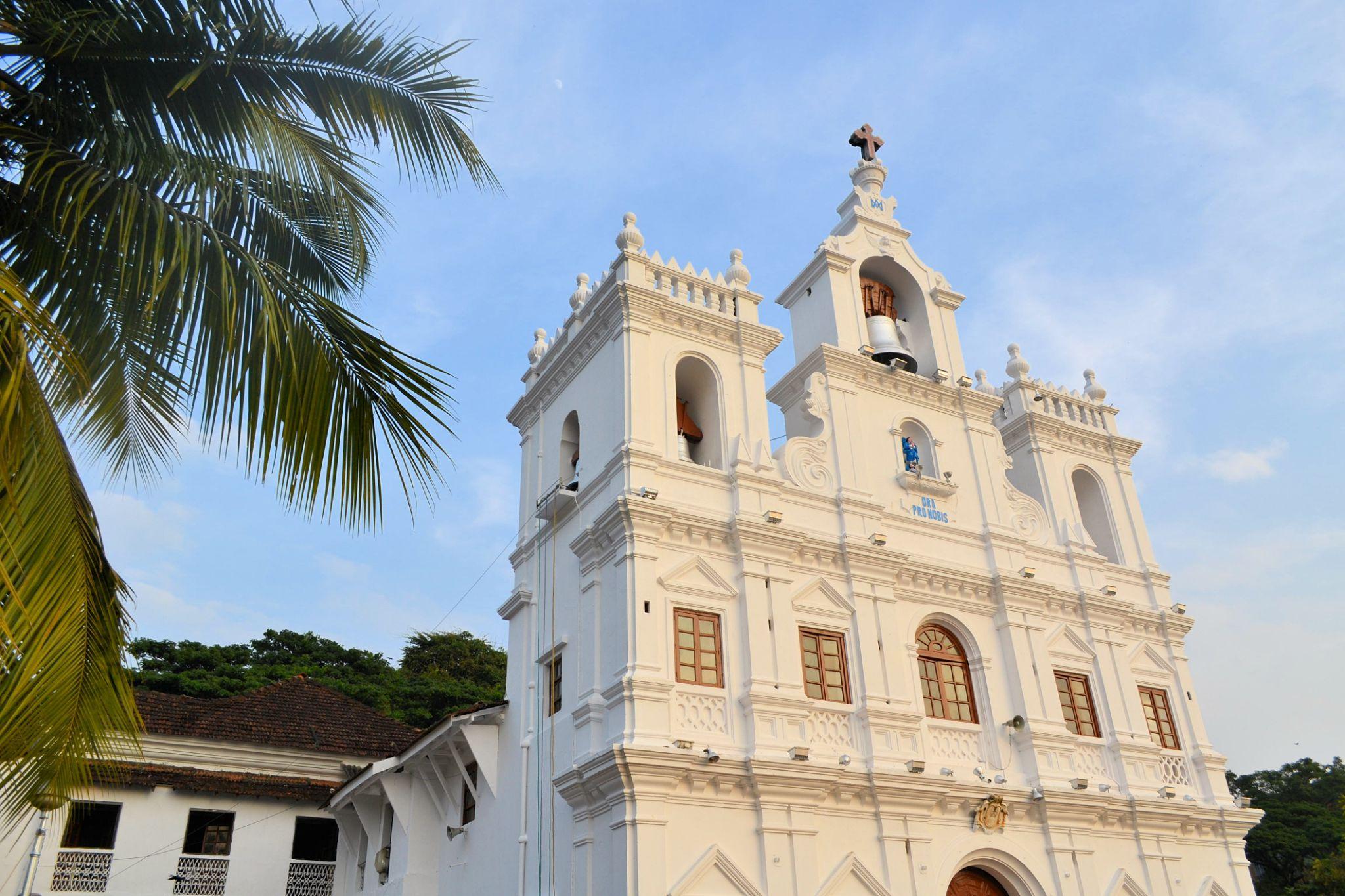
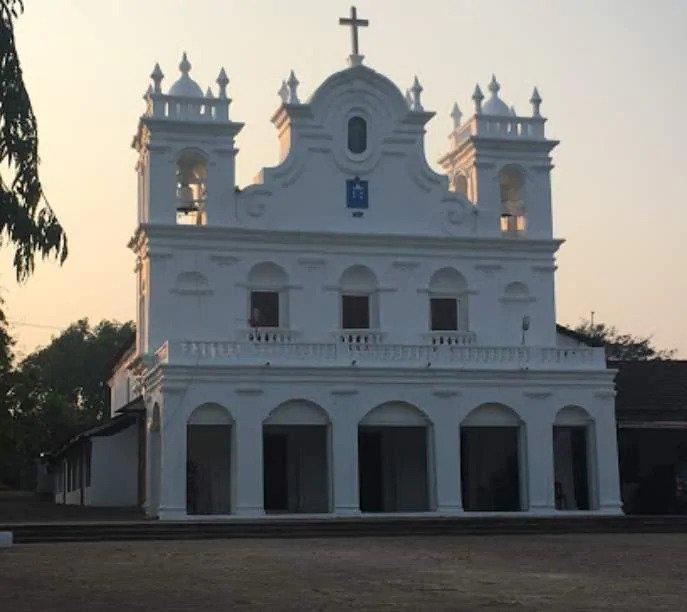
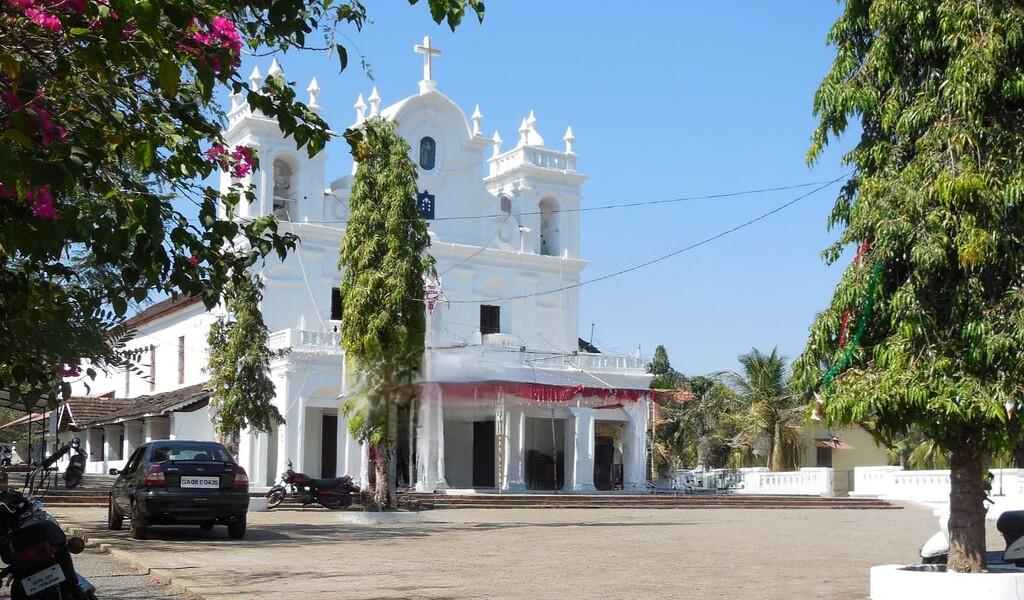
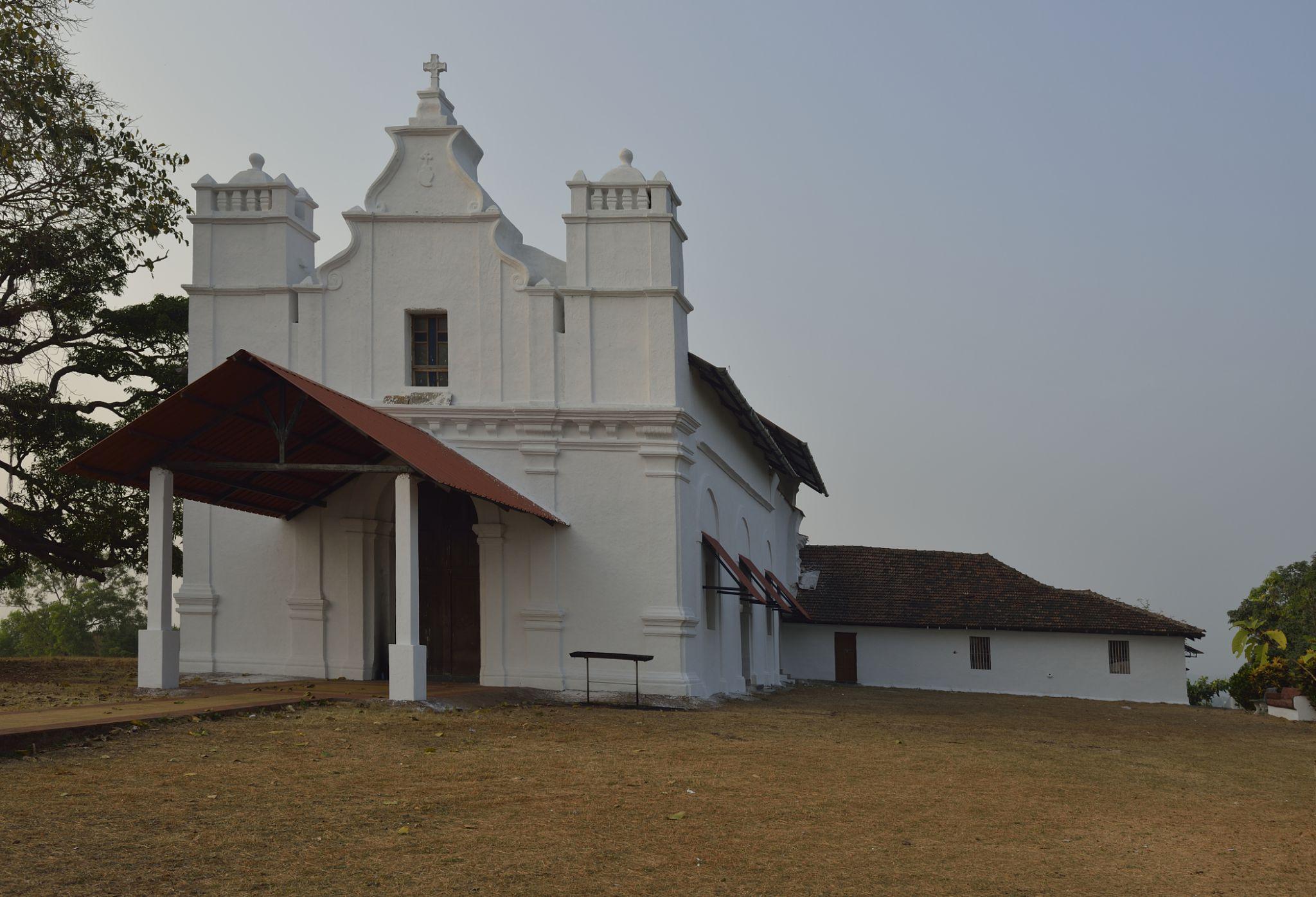
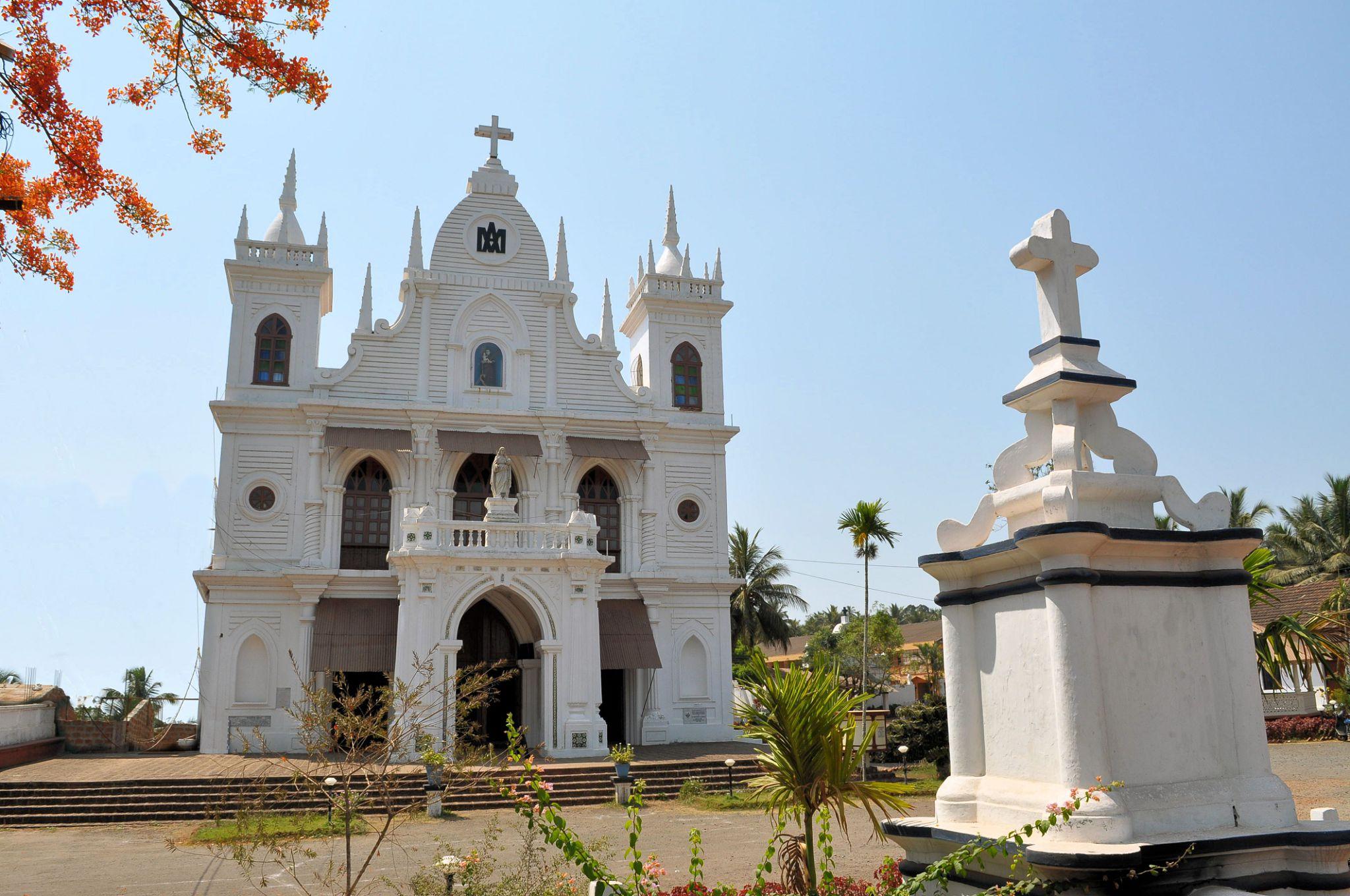
The St. Christopher Church is more than just a place of worship; it is a cultural anchor for the community. Surrounded by emerald-green paddy fields and traditional Goan houses with their distinct red-tiled roofs, the church’s gleaming white facade creates a striking contrast against the azure sky. As a professional travel writer, I find that this specific site encapsulates the Mannerist architectural style that dominated the 17th-century Goan landscape. It serves as a reminder of the era when the Portuguese sought to replicate European grandeur in the heart of the Konkan coast, blending it with local craftsmanship and materials like laterite stone.
For visitors, the church offers an atmosphere of profound tranquility. Whether you are a history buff interested in the nuances of Goan ecclesiastical architecture, a spiritual seeker looking for a quiet corner to meditate, or a photographer aiming to capture the interplay of light and shadow on ancient lime-plastered walls, St. Christopher Church in Tivim is an indispensable stop on any North Goa itinerary. Its location, slightly inland from the coast, ensures that it remains an authentic experience, far removed from the commercialized "shack culture" of the beach belts.
History & Religious Significance
The history of St. Christopher Church is intricately tied to the Franciscan Order, which played a pivotal role in the evangelization of the Bardez province during the 16th and 17th centuries. The parish of Tivim was officially established in 1623, a period when the Portuguese influence was at its zenith in Goa. The original structure, however, faced the trials of time and nature, leading to a significant reconstruction in 1627. This timeline places the church among the older religious institutions in the region, predating many of the more famous structures in the capital city of Panjim.
The religious significance of the church is rooted in its dedication to St. Christopher, one of the most beloved figures in the Catholic hagiography. According to local lore and historical records, the choice of St. Christopher as the patron was deliberate. In an era when travel was perilous—whether by sea from Lisbon to Old Goa or by land across the rugged Western Ghats—the protection of the "Patron Saint of Travelers" was highly sought after. The church became a focal point for those embarking on long journeys, a tradition that persists today in the form of vehicle blessings.
Over the centuries, the church has survived various geopolitical shifts, including the Maratha invasions and the eventual integration of Goa into the Indian Union in 1961. Throughout these changes, the Confraria (the local lay brotherhood) has maintained the church’s traditions with unwavering devotion. The historical records kept within the parish archives offer a fascinating look into the genealogical history of the Tivim villagers, many of whom can trace their ancestry back to the original converts of the 17th century. This continuity of faith and community makes St. Christopher Church a living museum of Goan Catholic identity.
Architecture of St. Christopher Church
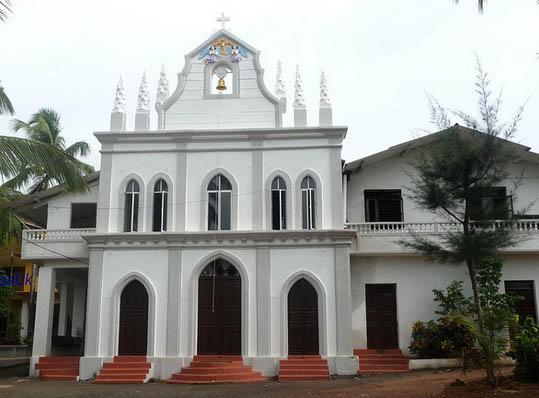
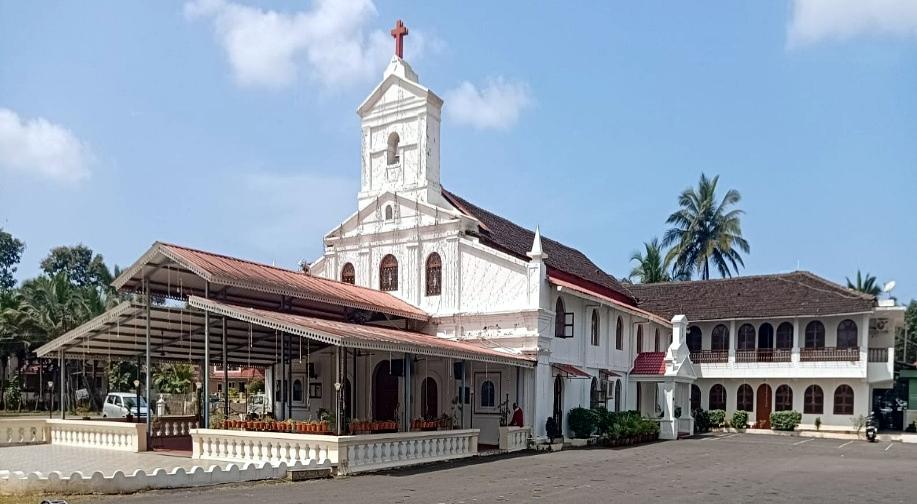
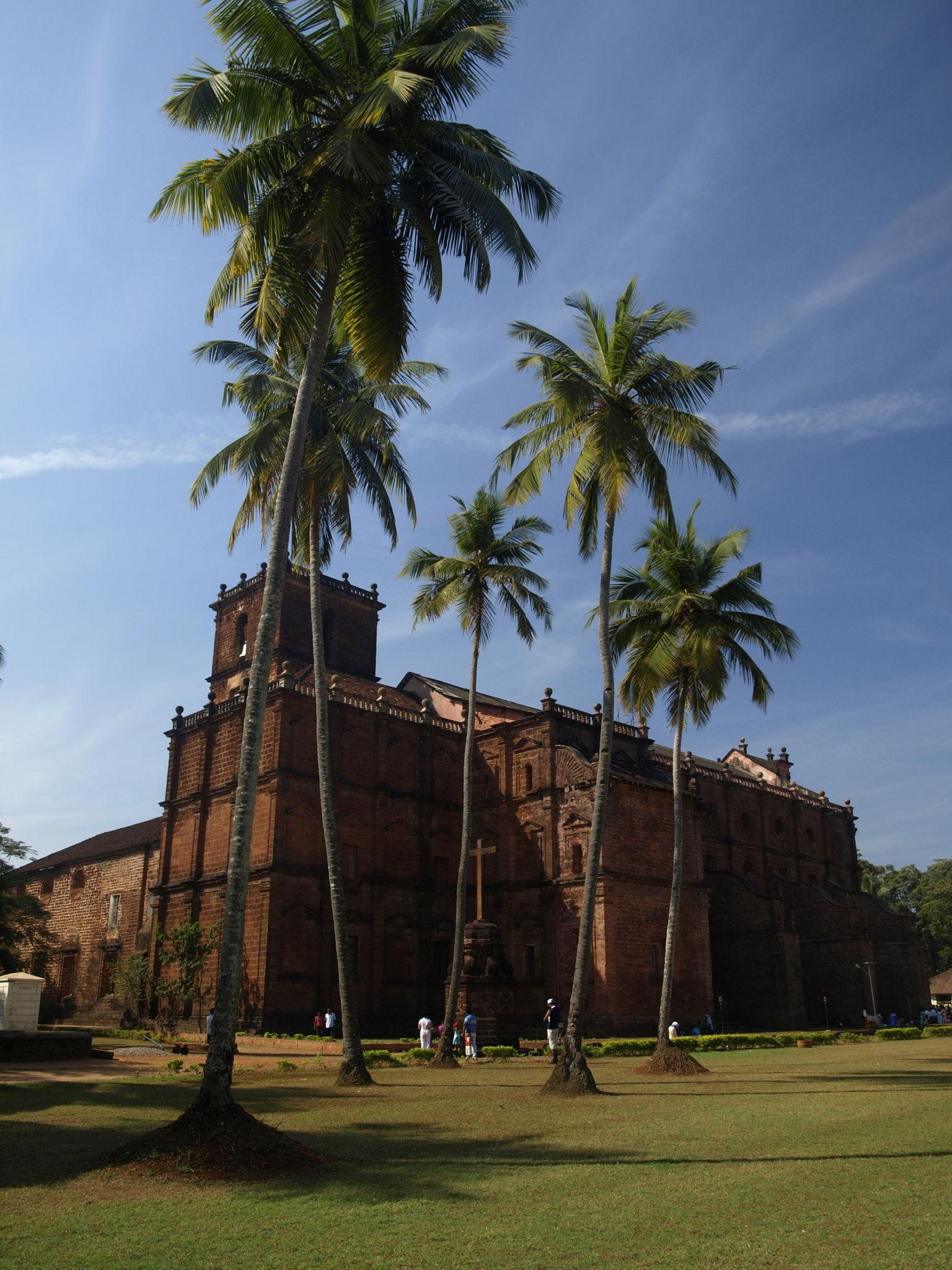
The architecture of St. Christopher Church is a classic example of the Goan Baroque style, influenced by the European Mannerist movement. The facade is divided into three distinct vertical sections, a common feature in Goan churches of that era, which provides a sense of balance and upward movement. The use of laterite stone, a locally available iron-rich rock, forms the core of the structure, which is then covered with thick layers of lime plaster to protect it from the heavy monsoon rains of the Konkan region.
One of the most striking features of the exterior is the triangular pediment that crowns the central section, flanked by two sturdy bell towers. These towers are not merely decorative; they house bells that have echoed through the valley for centuries, announcing masses, funerals, and festive celebrations. The windows are framed with intricate moldings, and the main entrance is marked by a heavy wooden door, often carved with floral motifs and religious symbols that reflect a fusion of European designs and Indian artisanal skills.
Inside, the church opens up into a spacious nave with a high, vaulted ceiling. The main altar (Retable) is a masterpiece of gilded woodcarving. It features the statue of St. Christopher carrying the Christ Child on his shoulders, surrounded by ornate columns and carvings of cherubs and grapevines. The use of gold leaf (talha dourada) on the altars creates a celestial glow when illuminated by the sunlight filtering through the high windows. The side altars, dedicated to various saints and the Virgin Mary, are equally impressive, showcasing the transition from Baroque to Rococo styles in their more delicate and playful ornamentation. The pulpit, projecting from the side wall, is often a highlight for architectural enthusiasts, featuring intricate carvings that represent the four Evangelists.
Main Deity / Spiritual Importance
The central figure of devotion at this church is Saint Christopher. The name "Christopher" literally translates to "Christ-bearer," a name derived from the famous legend where he carried a small child across a raging river. As he reached the middle of the stream, the child became impossibly heavy. The child then revealed himself to be Jesus Christ, carrying the weight of the whole world. This powerful imagery is central to the spiritual experience at the Tivim church.
In the local Goan context, St. Christopher is revered as the protector against sudden death and the guardian of all those on the move. Given Goa’s history as a maritime hub and its current status as a major travel destination, the spiritual importance of this saint cannot be overstated. Locals believe that a prayer to St. Christopher ensures a safe passage, whether you are a fisherman heading out to sea or a modern-day commuter navigating the narrow, winding roads of North Goa.
The spiritual atmosphere inside the church is one of quiet intensity. Unlike some of the larger cathedrals in Old Goa that feel like museums, St. Christopher Church feels like a "living church." You will often see elderly villagers draped in traditional cotton sarees or formal shirts, kneeling in the pews for the midday Angelus or the evening Rosary. This deep, personal connection between the parishioners and their patron saint gives the site an energy that is both grounding and uplifting. For the visitor, the spiritual importance lies in witnessing this raw, unfiltered devotion that has remained unchanged for four hundred years.
Festivals & Celebrations
The most significant event in the parish calendar is the Feast of St. Christopher, celebrated annually in late July. While the monsoon rains are at their peak, the village of Tivim transforms into a hub of religious fervor and communal joy. The feast is preceded by a Novena—nine days of special prayers and masses—during which the local community gathers to prepare for the grand celebration. Each day of the Novena is usually sponsored by a different ward of the village, fostering a sense of healthy competition and unity.
On the day of the feast, the highlight is the Solemn High Mass, often presided over by high-ranking clergy from the Archdiocese of Goa. Following the mass, a grand procession takes place, where the statue of St. Christopher is carried through the village streets on a decorated palanquin. However, the most unique tradition associated with this church is the Blessing of Vehicles. Hundreds of cars, motorcycles, scooters, and even heavy trucks are lined up along the roads leading to the church. The priest walks through the rows, sprinkling holy water and offering prayers for the safety of the drivers and passengers. It is a spectacular sight that blends ancient faith with modern life.
Beyond the religious rituals, the feast is accompanied by a traditional Goan fair (Feria). Stalls are set up selling everything from copperware and traditional sweets like khaje (ginger-infused jaggery sticks) to toys and household items. The air is filled with the sound of brass bands playing Konkani hymns and upbeat tunes. Families host grand lunches featuring Goan delicacies like pork sorpotel, sannas, and beef xacuti. Attending the feast is perhaps the best way to experience the "Goenkarponn" (Goan-ness) that the locals hold so dear.
Best Time to Visit
Determining the best time to visit St. Christopher Church depends on what you wish to experience. For those who want to witness the peak of religious and cultural activity, the last week of July is the ideal time. Despite the heavy rainfall, the Feast of St. Christopher offers an unparalleled look into Goan traditions. The lush greenery of Tivim during the monsoon is breathtaking, making the drive to the church a scenic delight.
For general travelers who prefer pleasant weather, the winter months (November to February) are perfect. The humidity is low, the skies are clear, and the temperature is comfortable for exploring the church grounds and the surrounding village. During this time, the church is often beautifully decorated for Christmas and the New Year, adding another layer of charm to the visit. Early mornings are particularly magical, as the mist rises from the paddy fields and the first rays of sun hit the white bell towers.
The summer months (March to May) can be quite hot and humid in Goa. However, if you visit during the early morning hours or late afternoon, you can still enjoy the peace of the church. The advantage of visiting during the off-season or summer is the lack of crowds, allowing for a more intimate and reflective experience. Avoid visiting during the peak afternoon sun (12:00 PM to 3:00 PM) as the heat can be draining, and the church interiors may be closed for the afternoon break.
Timings, Entry Fee & Dress Code
St. Christopher Church is a place of active worship, and its timings reflect the daily life of the parish. Typically, the church is open from 6:30 AM to 12:30 PM and again from 3:30 PM to 7:00 PM. Mass timings are usually held at 7:00 AM on weekdays and have multiple slots on Sundays (typically 7:00 AM, 8:15 AM, and 9:30 AM). It is always advisable to check local announcements or the church notice board for any changes in schedule due to special feast days or funerals.
There is no entry fee to visit St. Christopher Church. As a religious site, it is open to people of all faiths who come with a spirit of respect. However, donations are always welcome and go toward the maintenance of the historic structure and the various social works undertaken by the parish.
The dress code is an essential consideration. Goan churches maintain a level of decorum that visitors must respect. Modest clothing is mandatory. For men, this means trousers or long shorts and shirts with sleeves. For women, dresses or skirts that cover the knees and tops that cover the shoulders are required. Sleeveless tops, miniskirts, and beachwear are strictly prohibited inside the sanctuary. If you are dressed for the beach, it is recommended to carry a sarong or a shawl to cover up before entering the church premises. Removing hats and sunglasses inside the church is also a standard sign of respect.
How to Reach St. Christopher Church
Reaching Tivim is relatively easy, as it is a well-connected village in North Goa. If you are arriving by train, the Thivim Railway Station is one of the major stops on the Konkan Railway line. The church is just a short 5-10 minute rickshaw or taxi ride from the station. This makes it an excellent first stop for travelers arriving from Mumbai, Mangalore, or Kochi.
If you are staying in the coastal belt of Calangute, Baga, or Anjuna, the drive to Tivim takes approximately 30 to 45 minutes, depending on traffic. The route takes you through the bustling market town of Mapusa. From Mapusa, you follow the road toward Assonora/Bicholim, and clear signage will guide you toward the St. Christopher Church. Renting a scooter or a car is the most convenient way to explore this part of Goa, as it allows you to stop and admire the scenic vistas along the way.
For those using public transport, frequent Kadamba buses and private buses ply between Mapusa and Tivim. Once you get off at the Tivim village center, the church is within walking distance. If you are coming from the Manohar International Airport (MOPA), the church is about a 25-minute drive away, making it a very accessible spiritual landmark for those flying into the northern part of the state.
Things to Do
While the primary activity is visiting the church itself, there are several things to do to enrich your visit to St. Christopher Church:
- Attend a Konkani Mass: Even if you don't understand the language, the rhythmic chanting and the soulful hymns in the local vernacular offer a deep cultural immersion.
- Explore the Cemetery: Located adjacent to the church, the cemetery features unique Goan funerary architecture, with ornate crosses and family vaults that tell the stories of the village's past generations.
- Study the Altars: Spend time observing the intricate details of the gilded woodcarvings on the main and side altars. Look for the symbolic representations of local fruits and flowers integrated into the Baroque designs.
- Photography: Capture the stunning exterior architecture. The best shots are usually taken from the across the road to get the full scale of the facade and the surrounding greenery.
- Village Walk: Take a leisurely stroll through the lanes of Tivim. Observe the traditional Goan houses with their balcaos (porches) and the vibrant gardens filled with hibiscus and bougainvillea.
- Light a Candle: Join the locals in lighting a candle at the shrine of St. Christopher, offering a prayer for your own safe travels or for the well-being of your loved ones.
Nearby Attractions
Tivim is centrally located, allowing you to combine your visit to St. Christopher Church with several other interesting sites:
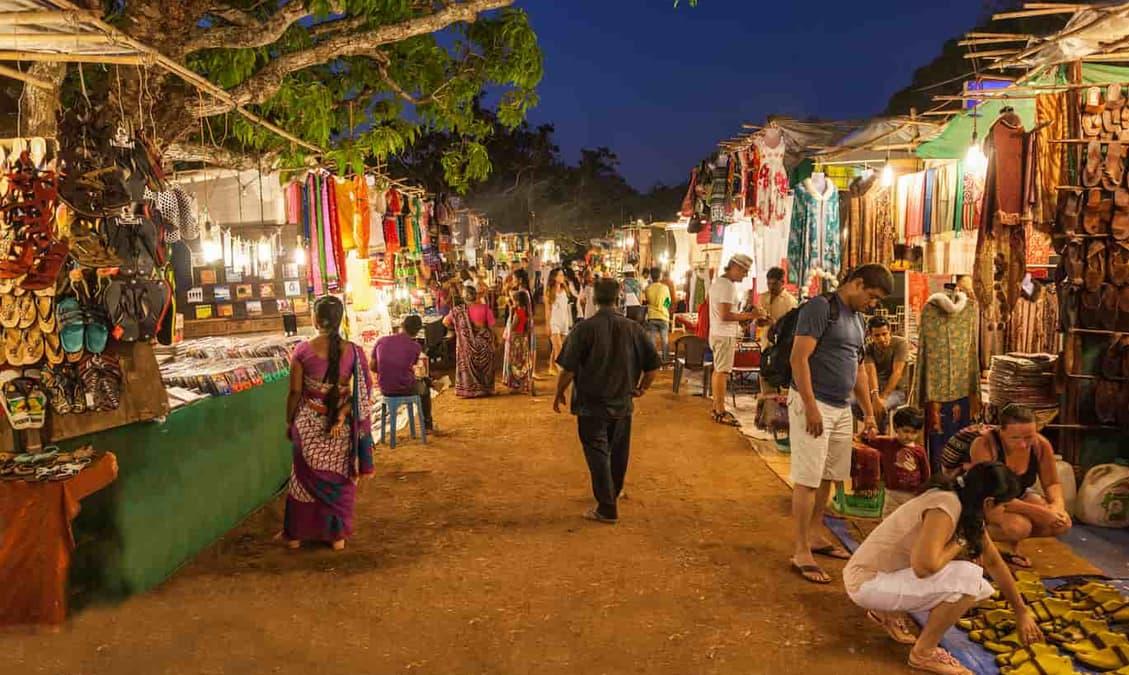
- Mapusa Friday Market: Just a 15-minute drive away, this is one of Goa's most famous traditional markets. It's the best place to buy local spices, dried fish, pottery, and traditional Goan textiles.
- Moira Village: Known as the "village of wise men" and famous for its giant bananas (Moira bananas), this neighboring village is a hub for artists and features beautiful heritage homes and the stunning St. Thomas Church.
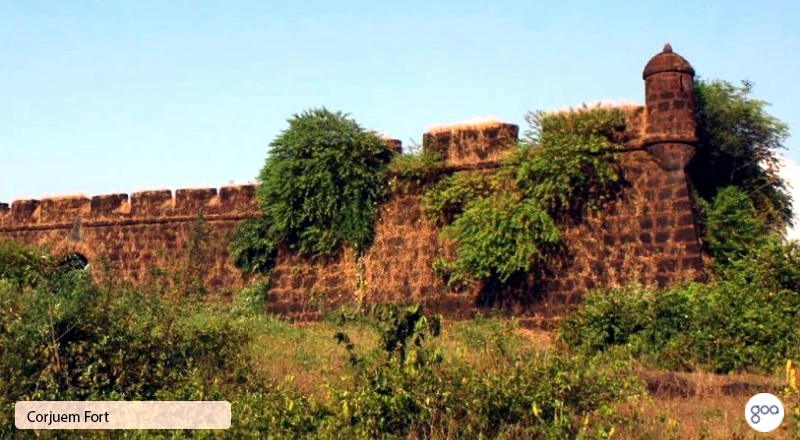
- Corjuem Fort: A small but well-preserved island fort located about 20 minutes away. It offers panoramic views of the river and the surrounding countryside.
- Assonora: A nearby village known for its scenic beauty and the industrial heritage of the old mining era, now turning into a spot for luxury wellness retreats.
- Colvale: A picturesque riverside village located on the banks of the Chapora River, perfect for a quiet evening walk or a sunset view.
Photography & Visitor Guidelines
To ensure a respectful visit, please adhere to the following photography and visitor guidelines:
- No Interior Photography during Mass: Taking photos inside the church while a religious service is in progress is strictly prohibited. It disturbs the worshippers and is considered disrespectful.
- Ask Permission: If you wish to take close-up photos of the altars or artifacts when no mass is going on, it is polite to ask the sacristan or the parish priest for permission.
- Flash Photography: Avoid using flash inside the church as the intense light can damage the ancient pigments and gold leafing on the wooden altars over time.
- Silence: Maintain a low volume. The church is a place of prayer and meditation. Turn off your mobile phones or put them on silent mode.
- Respect the Sacred Space: Do not enter the Sanctuary (the area around the main altar) or climb onto the pulpit. These areas are reserved for the clergy.
- Environmental Care: Do not litter the church grounds. Dispose of any waste in the designated bins.
Where to Eat Nearby
The area around Tivim offers some authentic Goan culinary experiences that are far more traditional than the touristy beach shacks:
- Local Tavernas: You will find small, local tavernas in the village where you can try a Ros Omelette (an omelette served with spicy gravy) or a traditional fish thali for lunch.
- Mapusa Eateries: For a wider variety, head to Mapusa. Ruchira and Spice Goa are excellent choices for authentic Goan seafood and thalis.
- Boutique Cafes in Moira: The nearby village of Moira has several trendy cafes and restaurants located in restored villas, offering a mix of Goan-fusion and international cuisine. Andores Resort often has a great dining setup.
- Street Food: In the evenings, look for small carts near the Tivim market area selling choris pao (Goan sausage bread) and cutlet pao.
Accommodation Nearby
While most tourists stay on the coast, staying near Tivim offers a more peaceful and authentic Goan experience:
- Heritage Homestays in Moira: There are several beautifully restored Portuguese-era villas in Moira that offer luxury homestay experiences. These are perfect for those who appreciate architecture and slow travel.
- Wellness Retreats: The area around Assonora and Tivim is becoming popular for high-end wellness and yoga retreats, providing a sanctuary of calm.
- Budget Guesthouses: Near the Thivim Railway Station, there are several functional guesthouses and hotels suitable for travelers who need a place to stay for a night before catching a train.
- Mapusa Hotels: Mapusa offers a range of mid-range hotels that provide easy access to both the village of Tivim and the northern beaches.
Travel Tips
To make the most of your visit to St. Christopher Church, keep these professional travel tips in mind:
- Hydration: Carry a bottle of water, especially if you plan to walk around the village. The Goan sun can be deceptive even on cloudy days.
- Local Transport: If you are using a taxi or rickshaw, agree on the fare beforehand, as many do not use meters. Better yet, use the Goa Miles app for transparent pricing.
- Language: While most locals speak English and Hindi, knowing a few words of Konkani (like "Dev borem korum" for "Thank you") will go a long way in winning hearts.
- Monsoon Gear: If visiting in July for the feast, a sturdy umbrella and waterproof footwear are non-negotiable.
- Cash: While digital payments are growing, small village shops and local transport often prefer cash. Carry some small change.
Conclusion
The St. Christopher Church in Tivim is a shining jewel in the crown of North Goa’s religious landscape. It is a place where history, architecture, and living faith converge to create an atmosphere that is both awe-inspiring and deeply comforting. For the traveler, it offers a rare opportunity to step away from the commercial noise and connect with the soulful, spiritual heart of Goa. Whether you come to admire the 17th-century Baroque carvings, to seek the protection of the patron saint of travelers, or simply to enjoy the quiet beauty of a Goan village, a visit to this historic church is an experience that lingers in the heart long after you have left its hallowed halls. In the shadow of its white towers, one finds not just a monument of the past, but a vibrant, breathing community that continues to carry its traditions forward with pride and devotion. As you plan your next Goan odyssey, ensure that the road leads you to Tivim—to the sanctuary of St. Christopher.