Explore sections of this guide
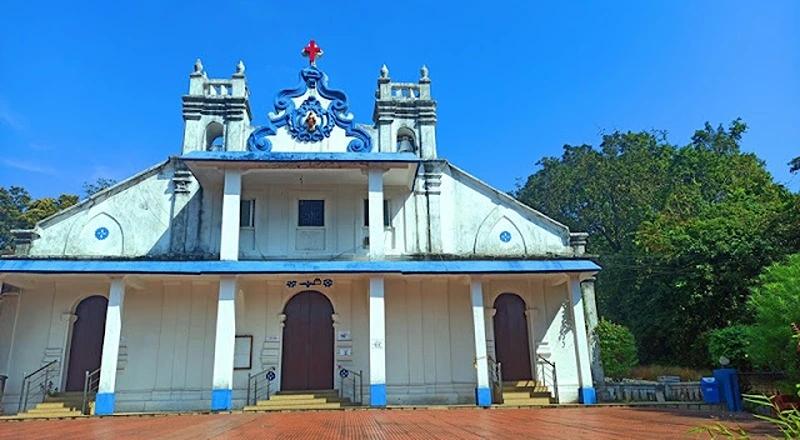
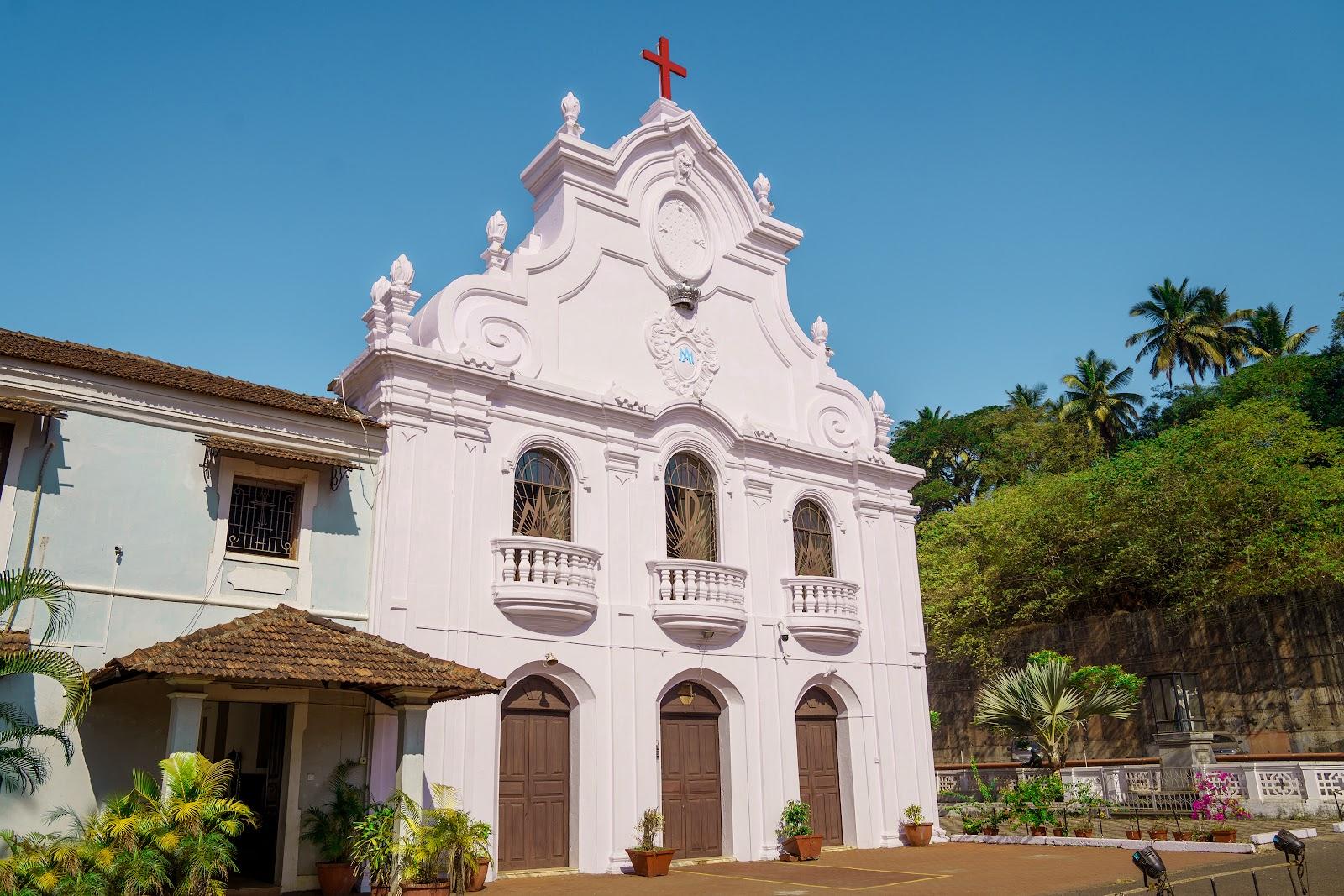
Located in the bustling heart of Margao, the commercial capital of South Goa, Our Lady of Grace Church (Nossa Senhora da Graça) stands as a unique architectural landmark and a vital spiritual sanctuary. Unlike the towering, ornate Baroque structures that dominate the landscape of Old Goa, this church offers a refreshing departure with its sleek, modern lines and functionalist design. Situated directly across from the iconic Margao Municipal Garden, it serves as a silent witness to the rhythmic pulse of Goan life, where the chaos of the city market meets the serenity of divine worship.
For the residents of Margao and the surrounding Salcete taluka, this church is more than just a place of prayer; it is a community hub. Every day, hundreds of devotees, office-goers, and students step inside its cool interiors to find a moment of peace. The church is dedicated to Our Lady of Grace, a title of the Virgin Mary that emphasizes her role as the mediatrix of all graces. This spiritual focus makes the church a popular destination for those seeking solace, guidance, and maternal protection. Its central location makes it one of the most accessible religious sites in South Goa, ensuring that it remains integrated into the daily routine of the local populace.
As a travel writer who has spent years exploring the hidden corners of Goa, I find Our Lady of Grace Church particularly fascinating because it reflects the evolving identity of the state. It represents a transition from the colonial past to a modern, post-liberation era. While the older churches of Goa speak of the Portuguese empire's grandeur, this church speaks of a living, breathing community that continues to grow and adapt. Whether you are a history buff, an architecture enthusiast, or a spiritual seeker, a visit to this church provides a profound insight into the modern Goan soul.
The history of Our Lady of Grace Church is a compelling narrative of growth and transformation. The origins of this sacred site date back to the early 19th century. Initially, it was not a full-fledged parish church but a modest military chapel. Established in 1812, the chapel was primarily intended to serve the spiritual needs of the Portuguese military personnel stationed in Margao. At that time, Margao was expanding as a strategic administrative and military hub for the Salcete region, and the presence of a dedicated place of worship was essential for the troops.
As the population of Margao grew throughout the 19th and early 20th centuries, the chapel's role expanded. It became a focal point for the local Catholic community who lived in the city center and found it more convenient than traveling to the older Holy Spirit Church located in the northern part of the town. Recognizing the increasing spiritual demands of the local residents, the chapel was eventually elevated to the status of a parish church on May 31, 1959, by the then Patriarch of the East Indies. This elevation was a significant milestone, marking the church's independence and its central role in the ecclesiastical structure of South Goa.
The religious significance of the church is deeply tied to the devotion to Our Lady of Grace. In Catholic tradition, Mary is viewed as the "Full of Grace," and this specific invocation highlights her power to intercede for the faithful. Over the decades, the church has become a site of numerous reported spiritual healings and answered prayers. The transition from a military chapel to a parish also symbolizes the "civilianizing" of the space, moving from a restricted military function to an inclusive community space. The current structure, which replaced the older, smaller chapel, was inaugurated in 1977, reflecting the post-Vatican II architectural trends that favored simplicity and communal participation over ornate distance.
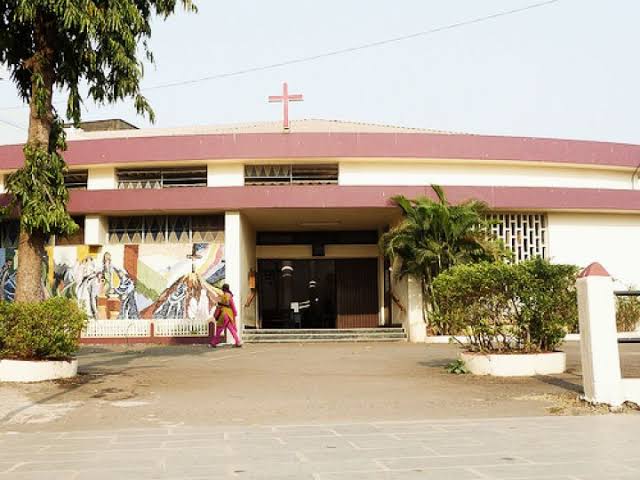
The architecture of Our Lady of Grace Church is often a point of surprise for visitors accustomed to the whitewashed, gabled facades of traditional Goan churches. This structure is a prime example of Modernist architecture in a religious context. Designed in the mid-20th century and completed in the late 70s, the church features clean, geometric lines and a distinct lack of the heavy ornamentation found in Mannerist or Rococo styles. Its most striking feature is its resemblance to a ship, a design choice that many locals believe symbolizes the "Barque of Saint Peter" or the Church as a vessel navigating the stormy seas of the world.
Key architectural elements include:
This architectural shift was part of a larger movement in Goa during the 1960s and 70s, where architects sought to create spaces that were contemporary yet spiritually resonant. The Our Lady of Grace Church stands as a bold statement of this era, proving that sacredness does not always require gold-leafed altars and intricate carvings.
The primary figure of devotion in this church is Our Lady of Grace. In the Catholic faith, this title refers to the Virgin Mary as the source of divine favor. The spiritual importance of this site is rooted in the belief that Mary, as the Mother of Jesus, holds a special place in the hearts of the faithful as a compassionate listener and a powerful advocate. Many Goans refer to her affectionately as "Graç Saibin," and her presence is felt deeply within the walls of this Margao landmark.
The spiritual atmosphere of the church is one of quiet intensity. Unlike the more tourist-heavy churches of North Goa, Our Lady of Grace maintains a deeply local and prayerful vibe. You will often see students placing their pens at the feet of the statue before exams, or businessmen stopping by for a five-minute prayer before opening their shops in the nearby market. This "living faith" is what gives the church its unique spiritual energy. The main statue of Our Lady of Grace, located in the central niche of the altar, depicts Mary with her hands open, symbolizing the outpouring of grace upon those who ask. It is a focal point for meditation and personal petition.
The church also emphasizes the importance of the Eucharist. Adoration of the Blessed Sacrament is a regular feature here, providing a space for silent contemplation in the middle of a noisy city. For the locals, the spiritual importance of the church also extends to the community services it provides, including counseling, youth programs, and support for the marginalized, embodying the very "grace" it is named after.
The calendar of Our Lady of Grace Church is marked by several vibrant celebrations, but the most significant is the Feast of Our Lady of Grace. This feast is celebrated on the first Sunday of February every year. It is a time of immense joy and communal gathering. The celebration is preceded by a nine-day Novena, during which special masses and sermons are held, focusing on different aspects of Mary's life and her role in the modern world.
During the feast day, the church and the surrounding area are transformed. Key highlights of the celebrations include:
To fully appreciate the beauty and spiritual depth of Our Lady of Grace Church, timing is crucial. The best time to visit is between November and February. During these months, the weather in Goa is pleasant, with cool breezes and lower humidity, making it comfortable to explore the church and the adjacent market area on foot. This period also coincides with the major festivals, including Christmas and the annual feast in February.
If you prefer a quiet, contemplative experience, visit during the monsoon season (June to September). While the rains can be heavy, the sight of the church against the backdrop of a stormy Goan sky is quite dramatic, and the interior provides a cozy, dry refuge. For daily visits, the early morning hours (6:30 AM to 8:30 AM) are ideal. You can witness the local community attending the morning mass, which offers a glimpse into the authentic Goan lifestyle. Alternatively, visiting in the late afternoon (4:30 PM to 6:00 PM) allows you to see the stained glass windows illuminated by the setting sun, creating a magical atmosphere inside the nave.
Our Lady of Grace Church is an active place of worship and welcomes visitors of all faiths. However, it is important to adhere to the local customs and schedules.
Mass Timings:
Entry Fee: There is no entry fee to visit the church. It is a public place of worship. Donations for the upkeep of the church and its charitable activities are welcome but entirely voluntary.
Dress Code: As with all religious sites in Goa, a modest dress code is strictly expected. Visitors should ensure that their shoulders and knees are covered. Avoid wearing sleeveless tops, short skirts, or beachwear. If you are not dressed appropriately, you may be asked to remain outside or cover up with a shawl. Removing hats and sunglasses inside the church is also a mark of respect.
The church's location in the center of Margao makes it one of the easiest landmarks to find. Whether you are coming from North Goa or staying in the south, here is how you can reach it:
A visit to Our Lady of Grace Church can be part of a larger exploration of Margao. Here are some things you can do:
Since the church is centrally located, you can easily combine your visit with these nearby attractions:
To ensure a respectful visit, please keep the following guidelines in mind:
Margao is a foodie's paradise, and there are several iconic eateries within walking distance of Our Lady of Grace Church:
Margao offers a range of accommodation options for those who want to stay in the heart of South Goa:
As a seasoned traveler in Goa, here are a few insider tips for your visit to Our Lady of Grace Church:
Our Lady of Grace Church is a testament to the enduring faith and evolving spirit of Margao. It may not have the ancient stones of Old Goa, but it possesses a vibrant, contemporary pulse that is equally captivating. It stands as a bridge between the old and the new, offering a sanctuary of grace amidst the bustling commerce of South Goa's largest city. Whether you come to admire its unique "ship-like" architecture, to participate in the joyous February feast, or simply to find a moment of quiet reflection, the church leaves a lasting impression. It is a reminder that in the heart of our busy lives, there is always a place for grace. Next time you find yourself in South Goa, make sure to step inside this modern marvel—it is an essential chapter in the story of Goa that every traveler should read.