Overview of Shree Samsthana Gokarn Partagali Jeevottam Math
Nestled in the serene and verdant landscapes of Partagali village in the Canacona taluka of South Goa, Shree Samsthana Gokarn Partagali Jeevottam Math stands as a beacon of spiritual enlightenment and cultural preservation. This ancient monastery, or Math, is one of the most significant religious institutions for the Gaud Saraswat Brahmin (GSB) community, specifically those who follow the Madhva Sampradaya (Dvaita school of philosophy). Surrounded by the lush Western Ghats and situated near the banks of the sacred Kushavati River, the Math offers a tranquil retreat from the bustling beach tourism usually associated with Goa.
The Math is not merely a temple but a complex spiritual ecosystem that has survived for over five centuries. It serves as the headquarters for a lineage of Swamijis (spiritual leaders) who have guided the community through periods of colonial rule, social change, and modernization. For a traveler or a seeker, the Partagali Math represents the "other side" of Goa—one rooted in Vedic traditions, Sanskrit scholarship, and a deep-seated connection with nature. The most striking feature of the premises is the massive, ancient Banyan tree, known as the Vatavruksha, which is believed to be over 2,000 years old and serves as a living monument to the site's antiquity. Whether you are a history buff, a spiritual seeker, or a nature lover, this Math provides a profound insight into the ethno-religious fabric of the Konkan coast.
Top Goa Experience • Part 1
Highly Recommended Near Shree Samsthana Gokarn Partagali Jeevottam Math
Explore All
History & Religious Significance
The history of Shree Samsthana Gokarn Partagali Jeevottam Math is inextricably linked to the migration of the Gaud Saraswat Brahmins and the revival of Vaishnavism in the Konkan region. The Math was founded in 1475 AD by Shri Narayan Tirtha Swamiji, who was a disciple of the legendary Shri Ramachandra Tirtha of the Palimar Math (one of the Ashta Maths of Udupi). The lineage follows the Dvaita Vedanta philosophy established by Shri Madhvacharya, which emphasizes the dualistic nature of the soul and the Supreme Being (Lord Vishnu).
The Math takes its name from two significant locations: Gokarn, where the lineage has deep roots and maintains a significant presence, and Partagali, which became the primary seat of the Math. The title "Jeevottam" refers to Shri Jeevottam Tirtha Swamiji, the third pontiff in the lineage, whose spiritual prowess and contributions were so immense that the Math was named in his honor. Throughout the centuries, the Math has faced numerous challenges, particularly during the Portuguese Inquisition in Goa. While many temples were destroyed in the coastal districts, the Partagali Math, located in the "New Conquests" (territories acquired by the Portuguese later in the 18th century), managed to preserve its sanctity and traditional practices with greater autonomy.
Recommended Guide
10 Interesting Facts About Goa That Will Blow Your Mind
Discover 10 fascinating facts about Goa from Portuguese history & architecture to hidden beaches, cheap alcohol secrets, and more.
Read Guide →
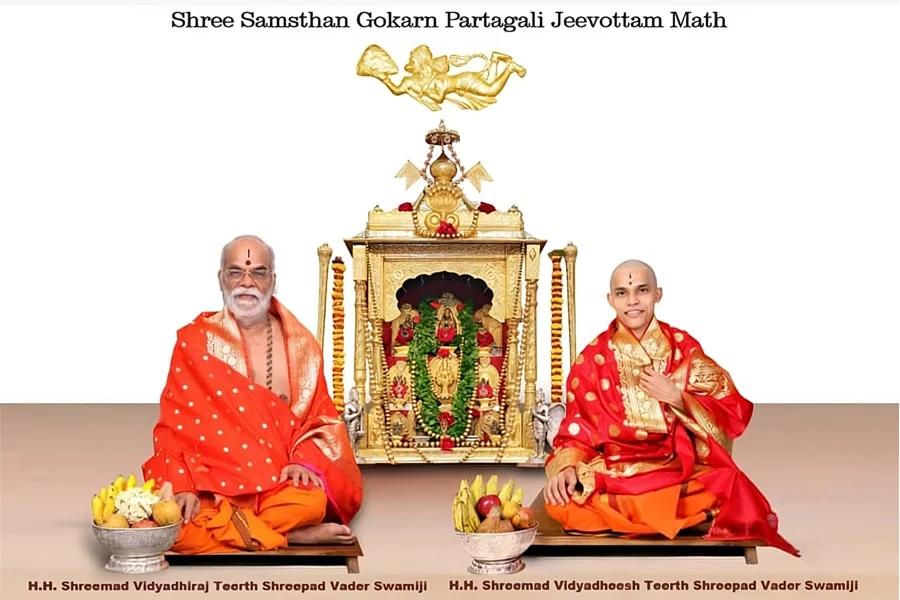
The religious significance of the Math extends beyond its physical boundaries. It is the spiritual heart for thousands of GSB families spread across Goa, Karnataka, Maharashtra, and Kerala. The Math is responsible for the performance of Tapa-Mudradharana (a ritual involving the branding of the body with symbols of Vishnu) and provides guidance on Vedic rituals, education, and social welfare. The succession of Swamijis, currently led by the 24th pontiff, ensures that the lamp of spiritual knowledge remains lit, making it a vital center for the preservation of Konkani culture and Hindu traditions.
Architecture of Shree Samsthana Gokarn Partagali Jeevottam Math
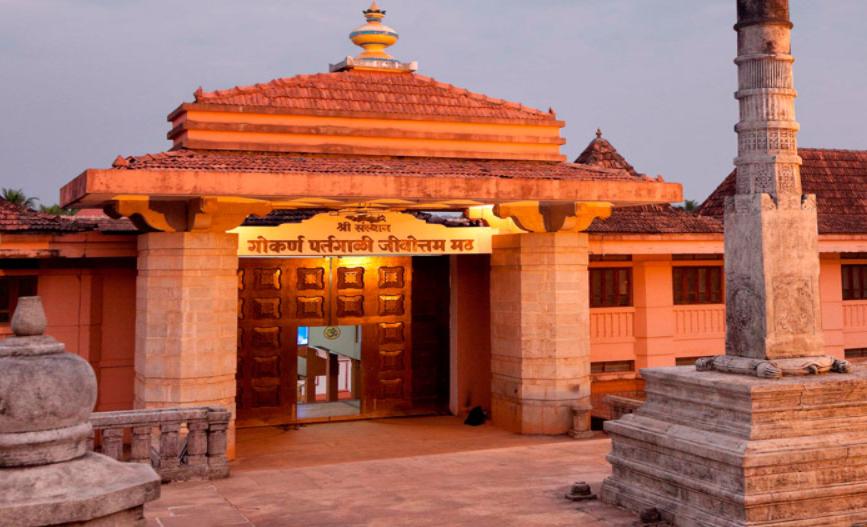
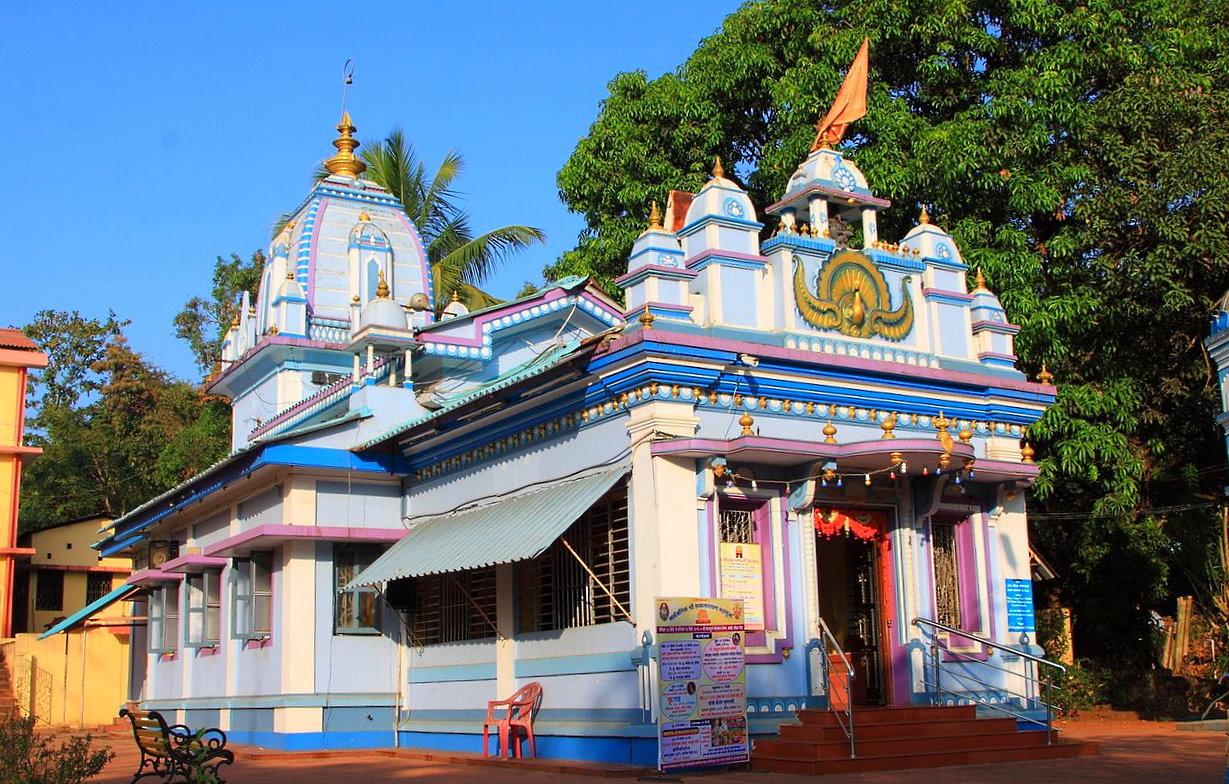
The architecture of the Partagali Math is a quintessential example of the Goan-Hindu temple style, characterized by a blend of indigenous Konkani elements and subtle influences from the Portuguese era. Unlike the grand, towering gopurams of South Indian temples, the Math features a more grounded and sprawling layout that prioritizes communal spaces and climatic adaptation. The primary structure is built around a Rajangana (a central courtyard), which allows for natural light and ventilation, essential for the humid Goan climate.
Recommended Guide
10 Hidden Places in Goa You Must Visit (2026 Guide for Couples, Friends & Family)
Goa is not just about crowded beaches, loud parties, and popular tourist spots. Beyond the usual Baga–Calangute stretch lies a completely different side...
Read Guide →
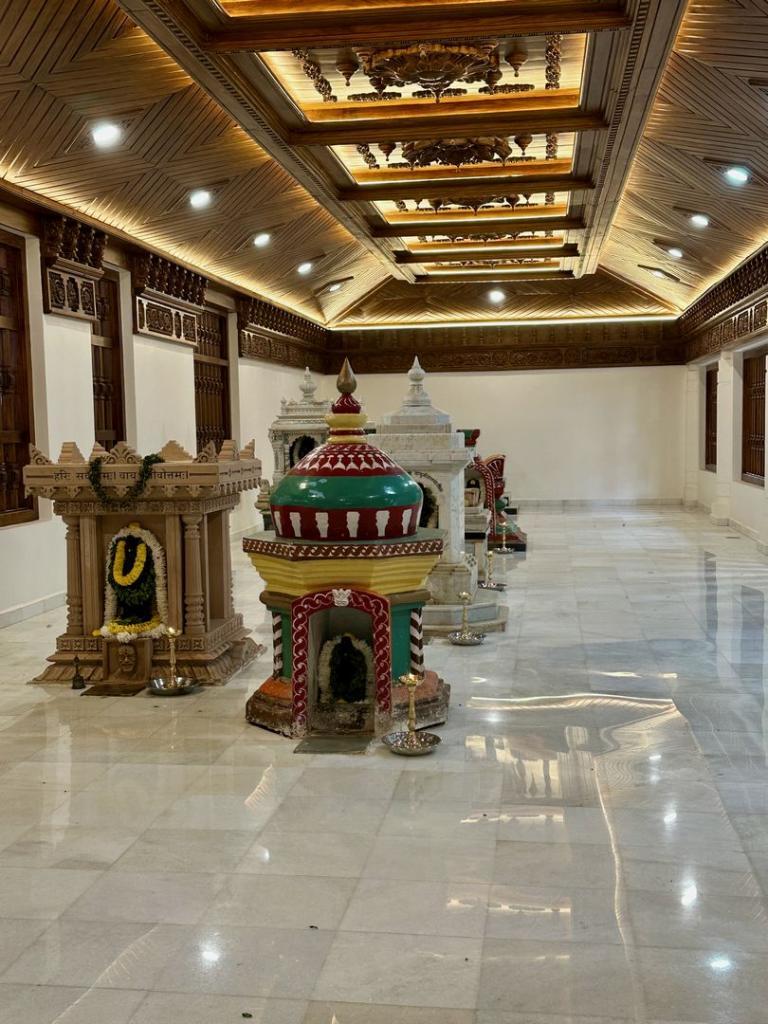
The exterior of the Math is marked by sloping roofs covered in traditional Mangalorean red tiles, designed to shed the heavy monsoon rains typical of South Goa. The walls are thick, often made of local laterite stone, and finished with white lime plaster. One of the most distinctive architectural features is the Deepastambha (lamp tower), a multi-tiered stone pillar located at the entrance. During festivals, this tower is illuminated with hundreds of oil lamps, creating a mesmerizing sight. The entrance to the sanctum sanctorum features intricate wood carvings on the doors and pillars, showcasing the craftsmanship of local Goan artisans. The use of wood—often teak or jackfruit—is extensive throughout the interior, particularly in the heavy rafters and the ornate ceiling of the main prayer hall.
The Math complex also includes a Bhojanshala (dining hall) capable of seating hundreds of devotees, a Yagashala for performing fire rituals, and administrative offices. The residential quarters for the Swamiji are designed with simplicity and austerity in mind. A significant part of the architectural experience is the integration with nature; the Math is built in a way that it wraps around the sacred Banyan tree and opens up toward the Kushavati River, emphasizing the Vedic philosophy of living in harmony with the environment.
Recommended Guide
3 Days Ideal Plan of Goa – Complete Itinerary & Cost Guide
When planning the perfect 3-day Goa itinerary, the very first step is booking your hotel in North Goa. If your goal is to enjoy Goa to the fullest—beache...
Read Guide →
Main Deity / Spiritual Importance
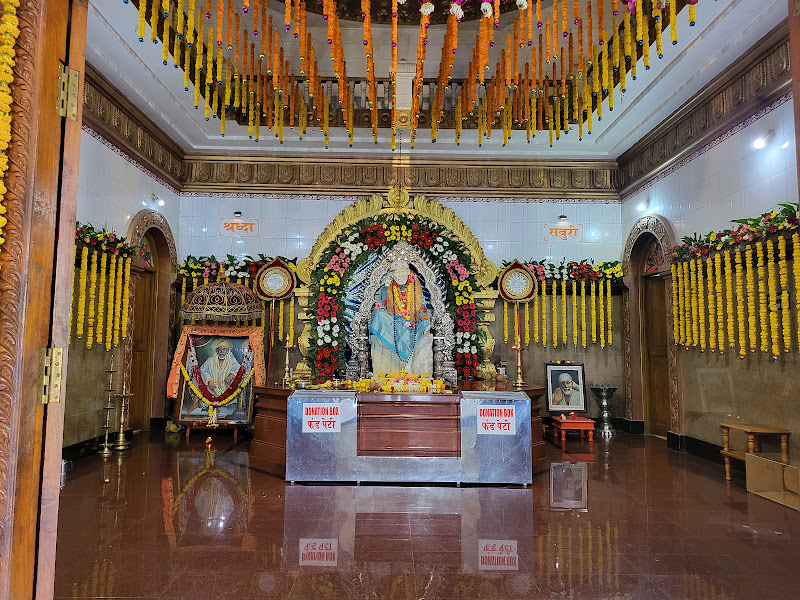
The presiding deities of the Shree Samsthana Gokarn Partagali Jeevottam Math are Shri Ram Dev and Shri Vir Vithal. The idol of Shri Vir Vithal is particularly revered, representing Lord Vishnu in his compassionate form. The worship here follows the Madhva Sampradaya, which is a Vaishnavite tradition. The spiritual core of the Math revolves around the daily "Pooja" performed by the Swamiji himself. This is a rare and highly sacred event where the pontiff offers prayers to the deities using ancient Vedic chants and rituals that have remained unchanged for centuries.
Top Goa Experience • Part 2
Highly Recommended Near Shree Samsthana Gokarn Partagali Jeevottam Math
Explore All
The spiritual importance of the Math is also centered on the Vatavruksha (the Great Banyan Tree). This tree is not just a botanical wonder but is considered a Tapobhoomi—a place of intense penance and meditation. It is believed that several saints and sages have meditated under its expansive canopy, attaining higher levels of consciousness. For devotees, circumambulating (Pradakshina) the Vatavruksha is equivalent to visiting multiple holy sites. The tree symbolizes the eternal nature of the soul and the continuity of the lineage. Furthermore, the Math serves as a center for Sanskrit learning and Vedic studies, housing a library of ancient palm-leaf manuscripts and rare books, making it a "Jnana Peetha" (seat of knowledge) for the entire community.
Festivals & Celebrations
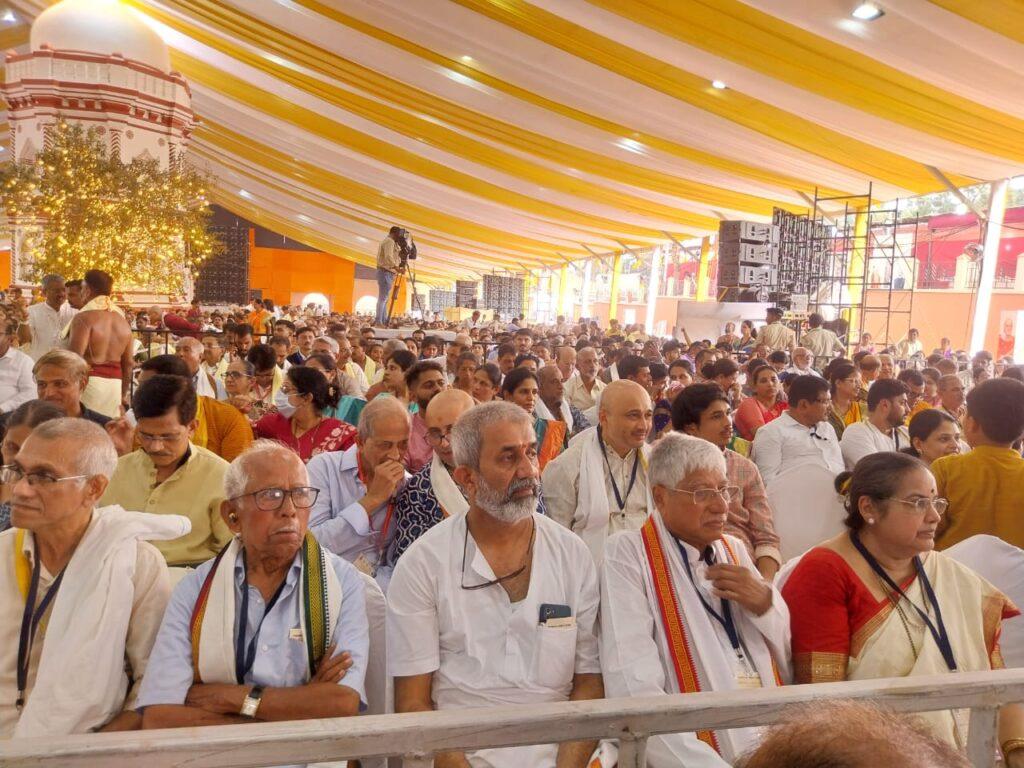
Festivals at Partagali Math are grand affairs that blend intense devotion with vibrant local traditions. These events draw thousands of devotees from all over India, transforming the quiet village into a bustling hub of activity. The most important festivals include:
- Ramanavami: Since the primary deity is Shri Ram Dev, the birth anniversary of Lord Rama is celebrated with immense fervor. The festivities span nine days, involving continuous chanting of the Ramayana, special Abhishekas, and a grand procession of the deity in a silver palanquin.
- Guru Purnima: This is perhaps the most significant day for the GSB community to pay homage to the Swamiji. Devotees gather to perform "Padapooja" (worship of the guru's feet) and seek blessings for the upcoming year.
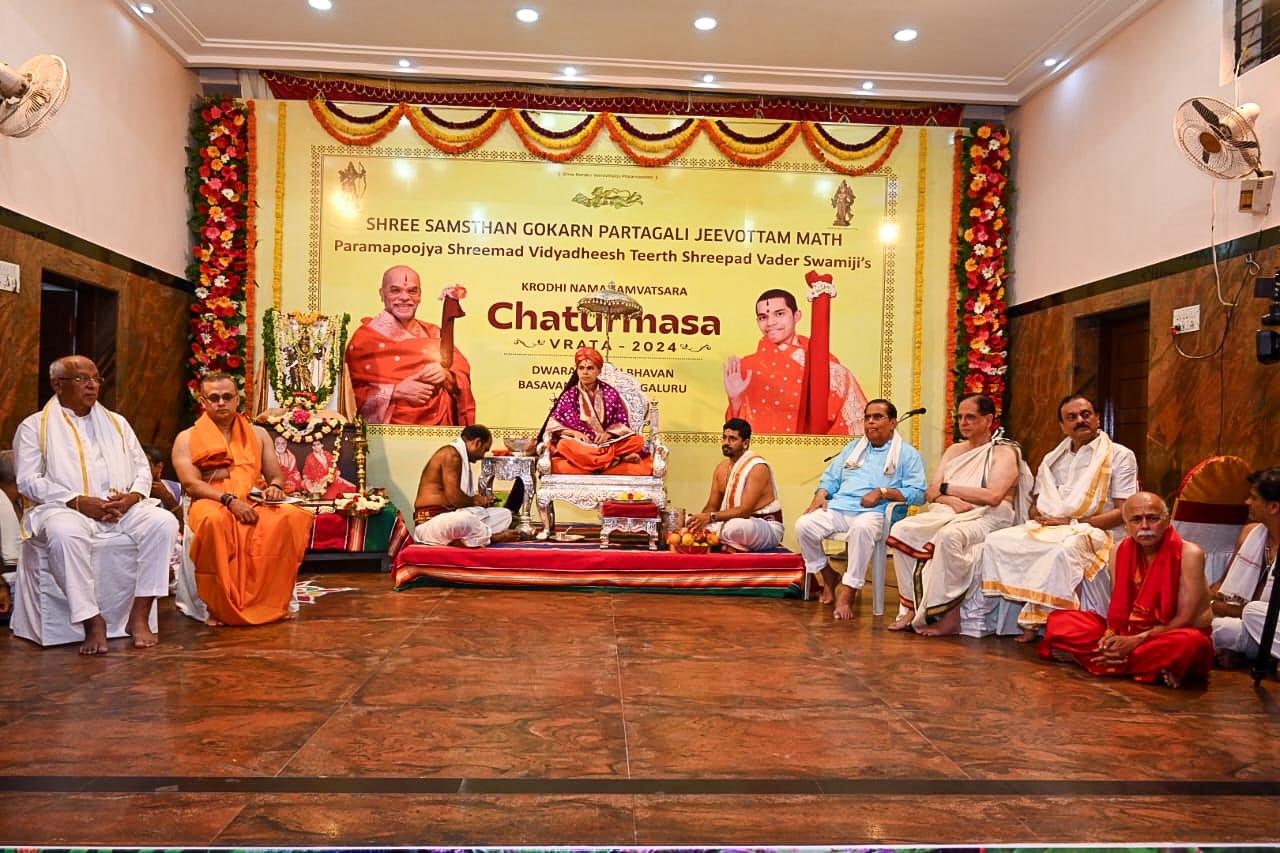
- Chaturmas: This is a four-month period during the monsoon when the Swamiji stays in one location (often the Partagali Math) for intense meditation and study. During this time, various religious discourses, cultural programs, and community feasts are organized daily.
- Rathotsav (Chariot Festival): A massive wooden chariot (Ratha) is decorated and pulled by hundreds of devotees through the village streets. This event symbolizes the journey of the soul toward the divine and is accompanied by traditional music (Panchavadya) and fireworks.
- Anant Chaturdashi: Special prayers are offered to Lord Vishnu in his infinite form, coinciding with the conclusion of certain monsoon rituals.
During these festivals, the tradition of Samaradhana (community lunch) is strictly followed. Thousands of people are served traditional Goan-Saraswat vegetarian meals on banana leaves, emphasizing the spirit of equality and service (Seva).
Best Time to Visit
The best time to visit Shree Samsthana Gokarn Partagali Jeevottam Math depends on the type of experience you are seeking. However, for most travelers, the period from October to March is ideal. During these months, the weather in South Goa is pleasant, with cool breezes and manageable humidity, making it comfortable to explore the sprawling Math complex and the surrounding countryside.
If you wish to experience the spiritual vibrancy of the Math, visiting during the Chaturmas (July to September) is highly recommended. Although this coincides with the heavy Goan monsoon, the Math is at its most active during this period. The lush greenery of Canacona is at its peak, and the sight of the ancient Banyan tree glistening in the rain is truly magical. However, be prepared for heavy downpours and carry appropriate rain gear. For those interested in major celebrations, Ramanavami (usually in March or April) is the best time to witness the full scale of traditional Goan religious festivities.
Timings, Entry Fee & Dress Code
To ensure a respectful and smooth visit, it is essential to adhere to the following guidelines:
- Timings: The Math typically opens early in the morning at 6:00 AM and remains open until 12:30 PM. It closes for the afternoon and reopens around 4:00 PM, closing for the day at 8:30 PM. The best time to witness the main Pooja is usually between 10:00 AM and 12:00 PM.
- Entry Fee: There is no entry fee to visit the Math. It is a place of worship and spiritual retreat. However, devotees are welcome to make voluntary donations (Dakshina) for the upkeep of the Math or for specific Sevas (services).
- Dress Code: As a traditional religious institution, a strict dress code is expected. Men are encouraged to wear dhotis or mundus; however, formal trousers and shirts are acceptable. Men are often required to remove their shirts before entering the innermost sanctum. Women should wear sarees or long ethnic dresses (salwar kameez) with a dupatta. Shorts, sleeveless tops, and revealing clothing are strictly prohibited.
- Footwear: All footwear must be removed at the designated area outside the main temple entrance.
How to Reach Shree Samsthana Gokarn Partagali Jeevottam Math
The Partagali Math is located in the southern tip of Goa, making it a bit of a journey from the northern tourist hubs like Calangute or Baga. However, the route is scenic and well-connected.
- By Air: The nearest airport is Manohar International Airport (Mopa) in North Goa or Dabolim Airport in Central Goa. Dabolim is closer, approximately 65-70 km away. From the airport, you can hire a pre-paid taxi or use the Goa Miles app to reach Partagali. The drive takes about 1.5 to 2 hours.
- By Rail: The nearest major railway station is Madgaon Junction (Margao), which is about 35 km away. There is also a smaller station at Canacona, which is just 5-7 km from the Math. Local trains and some express trains stop here. From Canacona station, you can easily find an auto-rickshaw or a local taxi to the Math.
- By Road: If you are driving from Margao, take the NH66 highway heading south towards Karwar. After passing through the town of Canacona (Chaudi), look for the signs for Partagali. The Math is located a few kilometers off the main highway. The roads are well-maintained and offer beautiful views of the Goan countryside.
- By Bus: Regular KTC (Kadamba Transport Corporation) buses and private buses run from Margao to Canacona. From the Canacona bus stand, you can take a local bus or a rickshaw to Partagali.
Things to Do
While the primary purpose of a visit to Partagali is spiritual, there are several activities that can enrich your experience:
- Meditate under the Vatavruksha: Spend at least 20-30 minutes sitting quietly under the massive Banyan tree. The energy of this ancient tree is palpable and provides a perfect environment for mindfulness.
- Attend the Mahapooja: Witnessing the Swamiji perform the daily rituals is a sensory experience involving the sound of bells, the fragrance of incense, and the rhythmic chanting of Sanskrit shlokas.
- Explore the Museum and Library: The Math houses a collection of ancient artifacts, coins, and manuscripts. Inquire with the administrative office if you can view some of the historical records.
- Walk by the Kushavati River: A short walk from the Math leads you to the banks of the river. It is a peaceful spot for reflection and observing the local flora and fauna.
- Participate in Seva: If you are staying for the day, you can volunteer for small tasks like helping in the kitchen or cleaning the premises, which is considered a form of spiritual service.
- Photography (Exterior): Capture the stunning Goan-Hindu architecture and the intricate details of the Deepastambha. (Note: Always ask for permission before photographing people or rituals).
Nearby Attractions
The location of the Math in Canacona makes it a great base for exploring the relatively untouched parts of South Goa:
- Cotigao Wildlife Sanctuary: Located about 10 km from the Math, this is Goa's second-largest sanctuary. It features dense multi-story forests and is perfect for hiking and birdwatching.
- Palolem and Patnem Beaches: Just 10-12 km away, these are some of Goa's most beautiful crescent-shaped beaches, known for their relaxed vibe and sunset views.
- Shree Mallikarjun Temple: Situated in nearby Shristhal, this is one of the oldest temples in Goa, dedicated to Lord Shiva. Its wooden carvings are world-renowned.
- Galgibaga Beach: Known as the "Turtle Beach," this is a pristine, quiet stretch of sand where Olive Ridley turtles come to nest. It is about 15 km from Partagali.
- Cabo de Rama Fort: A historical fort overlooking the Arabian Sea, offering panoramic views. It is roughly 25 km away and provides a great historical excursion.
Photography & Visitor Guidelines
To maintain the sanctity of the Math, visitors are requested to follow these guidelines strictly:
- Photography: Photography is generally allowed in the outer courtyards and the garden area. However, photography and videography inside the sanctum sanctorum (Garbhagriha) are strictly prohibited. Always seek permission before photographing the Swamiji or any ongoing rituals.
- Silence: Maintain silence within the prayer halls. The Math is a place of meditation and study; loud conversations are discouraged.
- Mobile Phones: Keep your mobile phones on silent or switched off while inside the main temple complex.
- Respect Traditions: If you are unfamiliar with the rituals, observe quietly from a distance. Do not touch the idols or the ritual items.
- Cleanliness: The Math premises are kept spotlessly clean. Do not litter, and avoid bringing plastic items inside.
- Interaction: If you wish to speak with the Swamiji or the administrative staff, approach them respectfully. They are usually very helpful in explaining the history and significance of the Math.
Where to Eat Nearby
The best place to eat is often the Math’s Bhojanshala, where traditional, satvik (pure vegetarian) meals are served as "Prasadam." These meals are free, though donations are appreciated. The food is simple, nutritious, and cooked according to traditional GSB recipes, often featuring local ingredients like coconut, kokum, and indigenous vegetables.
If you are looking for restaurants outside the Math:
- Canacona Town (Chaudi): You will find several local Goan eateries serving vegetarian thalis and snacks like Batata Vada and Misal Pav.
- Palolem/Patnem: These beach areas offer a wide variety of cuisines, from Italian and Israeli to traditional Goan seafood. However, note that most beach shacks are seasonal (October to May).
- Tattvam: A well-known vegetarian restaurant in the Canacona area that serves clean and delicious Indian food.
Accommodation Nearby
For those who wish to stay close to the Math for spiritual reasons, the Math itself provides Yatri Niwas (guest houses) for devotees. These rooms are basic, clean, and affordable, but they should be booked in advance, especially during festival seasons.
For more conventional accommodation:
- Luxury: The Lalit Golf & Spa Resort is located about 12 km away at Rajbagh Beach and offers world-class amenities.
- Boutique/Eco-stays: There are several eco-resorts near Cotigao and Palolem that offer a blend of comfort and nature, such as Bhakti Kutir.
- Budget: Canacona town has numerous budget hotels and guesthouses catering to travelers who want to stay near the railway station.
Travel Tips
- Plan for Half a Day: To truly soak in the atmosphere, dedicate at least 3-4 hours to the Math.
- Stay Hydrated: South Goa can be hot. Carry a reusable water bottle, but remember to drink water only outside the main prayer hall.
- Local Language: While English and Hindi are widely understood, knowing a few words of Konkani (the local language) like "Dev Borem Karu" (Thank you/God bless you) will go a long way in building rapport with the locals.
- Cash is King: While the Math office might accept digital payments for donations, local transport and small shops in Partagali primarily deal in cash.
- Respect the Monsoon: If visiting in the rains, be careful of slippery stone floors and leeches if you venture into the nearby forest areas.
Conclusion
The Shree Samsthana Gokarn Partagali Jeevottam Math is more than just a religious site; it is a living repository of Goa’s rich spiritual heritage. In a state that is often defined by its colonial past and beach culture, the Partagali Math serves as a vital reminder of the ancient Vedic traditions that have flourished here for millennia. The sight of the 2,000-year-old Banyan tree, the rhythmic chanting of the Vedas, and the profound peace that pervades the complex offer a unique experience that stays with you long after you leave.
Visiting this Math is a journey into the heart of the Konkan, offering a rare glimpse into the disciplined and devoted life of the GSB community. Whether you are seeking divine blessings from Shri Ram Dev and Shri Vir Vithal, looking to study the intricate Goan-Hindu architecture, or simply wishing to find a moment of stillness under the Vatavruksha, the Partagali Math is a destination that promises spiritual rejuvenation. It is a testament to the fact that Goa’s true beauty lies not just in its shores, but in the deep-rooted traditions and the timeless wisdom preserved within its sacred groves and ancient monasteries.