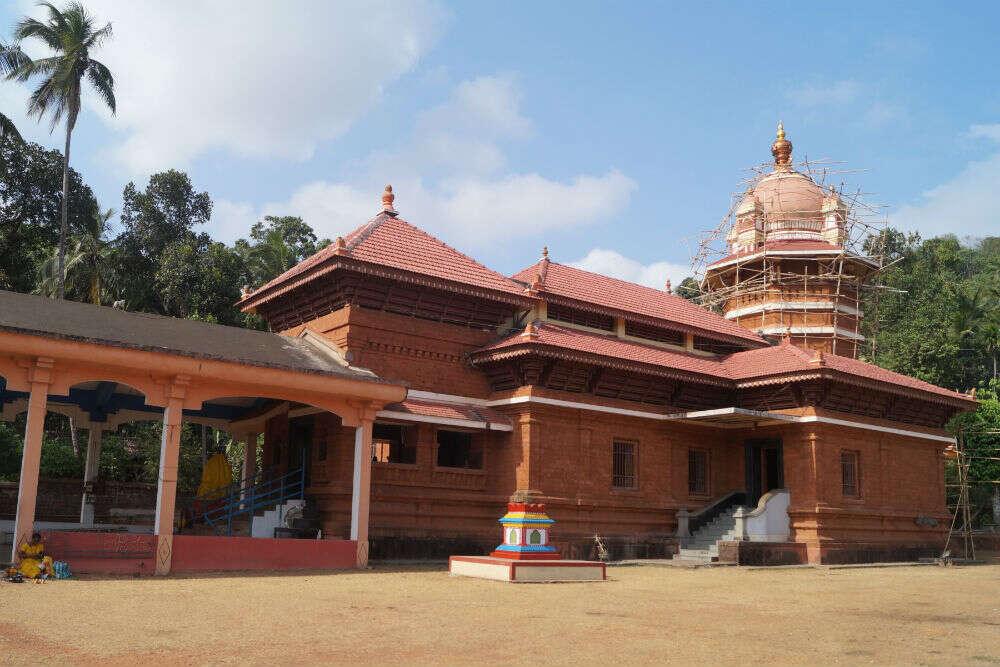
Overview of Shri 1008 Adinath Digambar Jain Mandir
Nestled in the serene and verdant landscapes of South Goa, the Shri 1008 Adinath Digambar Jain Mandir stands as a beacon of peace, spirituality, and architectural brilliance. Located specifically in the Mugali area near Margao (Madgaon), this temple is a significant spiritual landmark for the Jain community and a fascinating site for travelers seeking a deeper understanding of India’s diverse religious fabric. While Goa is globally renowned for its sun-kissed beaches and historic Portuguese-era churches, the presence of this magnificent Jain temple highlights the state's pluralistic culture and its long-standing tradition of religious harmony.
The temple is dedicated to Lord Adinath, also known as Rishabhdev, the first of the 24 Tirthankaras in Jainism. As you approach the temple, the first thing that strikes you is the profound silence that envelops the area, a stark yet welcome contrast to the bustling markets of nearby Margao. The temple complex is meticulously maintained, featuring gleaming white marble that reflects the tropical Goan sun, creating an ethereal glow that beckons devotees and tourists alike. This site is not just a place of worship but a center for spiritual learning and reflection, offering a glimpse into the ascetic and disciplined lifestyle prescribed by the Digambar sect of Jainism.
For a visitor, the Shri 1008 Adinath Digambar Jain Mandir offers an experience that transcends mere sightseeing. It is an invitation to slow down, breathe, and appreciate the intricate details of spiritual devotion. Whether you are a follower of Jainism or a curious traveler, the temple provides a sanctuary where the mind can find stillness. The lush greenery surrounding the white structure enhances its aesthetic appeal, making it one of the most photogenic yet soulful spots in the southern part of the state. It serves as a reminder that Goa’s spiritual identity is multi-layered, extending far beyond the popular narratives of its colonial past.
History & Religious Significance
The history of the Shri 1008 Adinath Digambar Jain Mandir is intertwined with the presence of the Jain community in the Konkan region. While Jainism in Goa dates back several centuries—with historical evidence suggesting Jain influence during the Kadamba and Vijayanagara periods—many of the original structures were lost to time and historical upheavals. The modern Shri 1008 Adinath Digambar Jain Mandir represents a revival and a steadfast commitment to preserving Jain heritage in the heart of Goa. It was established to serve the growing needs of the Digambar Jain community residing in and around Margao, providing them with a dedicated space for Nitya Puja (daily worship) and communal gatherings.
The religious significance of this temple is rooted in the life and teachings of Lord Adinath. In Jain cosmology, Adinath is credited with establishing the foundations of human civilization, teaching people the arts of agriculture, trade, and social organization before renouncing his worldly kingdom to seek ultimate truth. By dedicating this temple to him, the founders sought to ground the local community in the values of Ahimsa (non-violence), Satya (truth), and Aparigraha (non-attachment). For the Digambar (sky-clad) sect, which emphasizes extreme asceticism and the shedding of all worldly possessions, this temple serves as a vital "Tirth" or pilgrimage point within the coastal state.
Over the years, the temple has become more than just a local shrine; it is a symbol of the Jain philosophy’s endurance. It plays a crucial role during the Chaturmas (the four-month monsoon retreat for monks), where spiritual discourses and rigorous fasting are observed. The presence of such a temple in Goa also serves an educational purpose, informing the local Goan population and international tourists about the ancient tenets of Jainism, which emphasize the sanctity of all life forms. This historical continuity, from ancient roots to this modern marble marvel, makes the temple a cornerstone of Goan religious diversity.
Architecture of Shri 1008 Adinath Digambar Jain Mandir
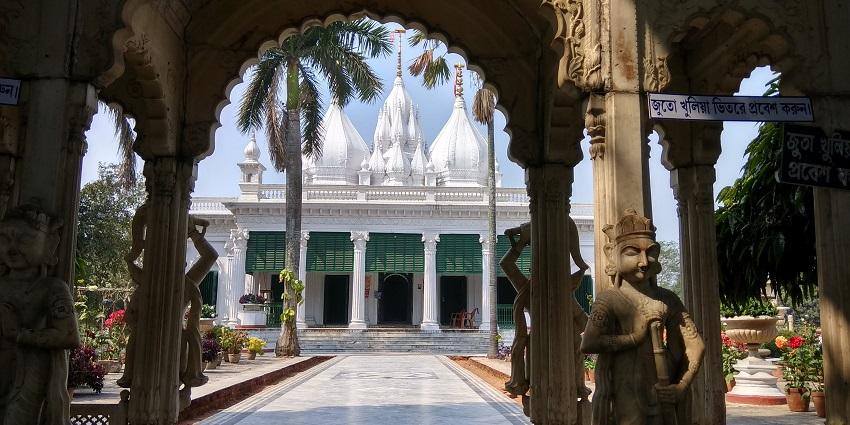
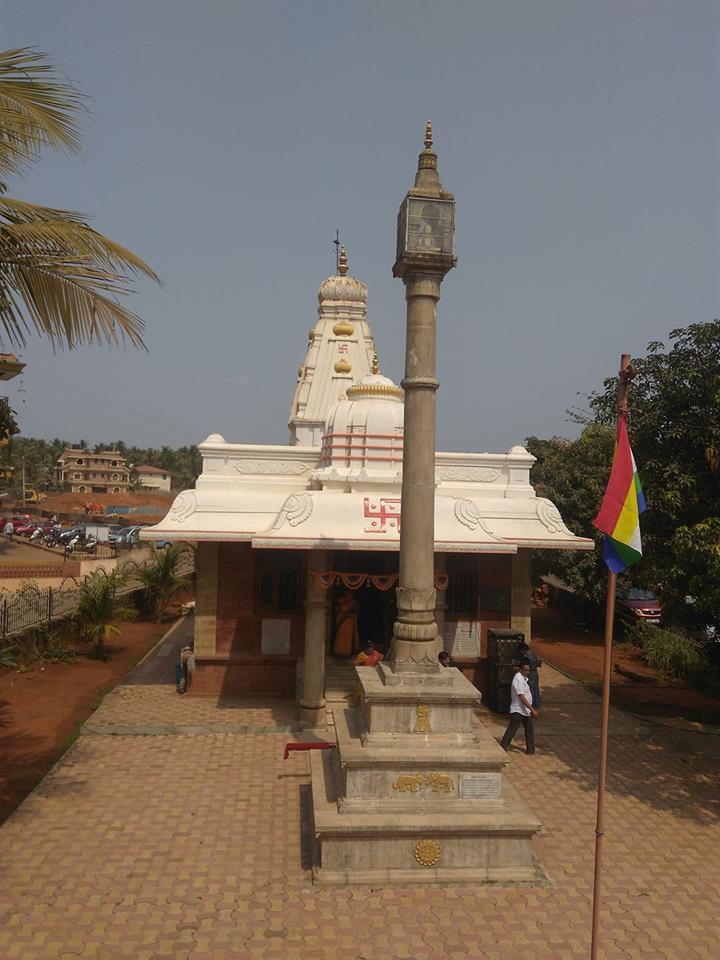
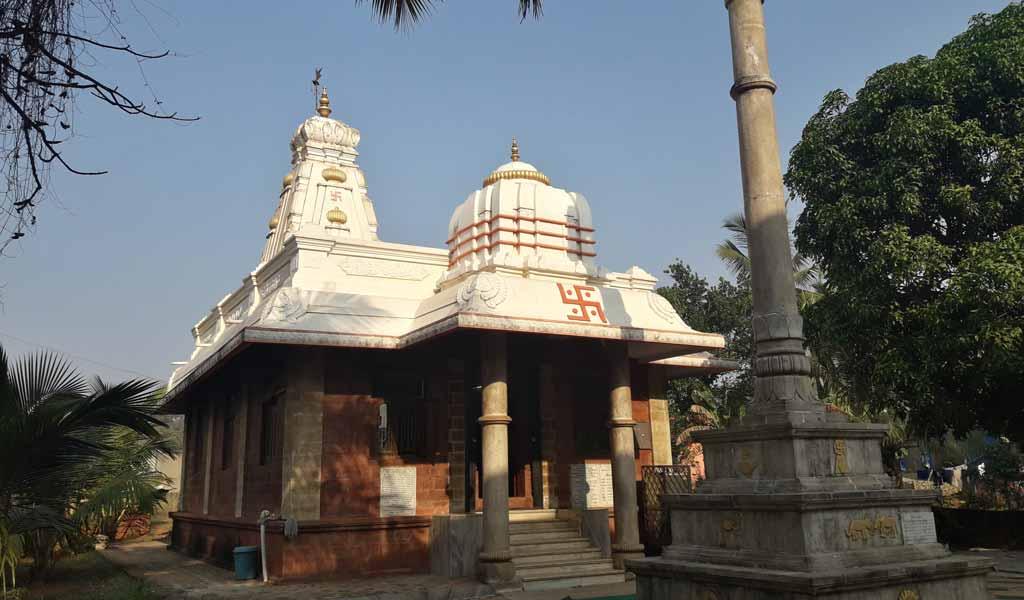
The architecture of the Shri 1008 Adinath Digambar Jain Mandir is a masterclass in traditional Jain temple design, blended with modern structural precision. Constructed primarily using high-quality white marble, the temple follows the Nagara style of architecture, which is characterized by a towering spire or Shikhara. The Shikhara is intricately carved with various geometric patterns and miniature representations of the temple itself, symbolizing the ascent toward spiritual liberation. As you walk through the main entrance, you are greeted by a spacious Mandapa (assembly hall) supported by pillars that feature delicate carvings of celestial beings, floral motifs, and scenes from Jain mythology.
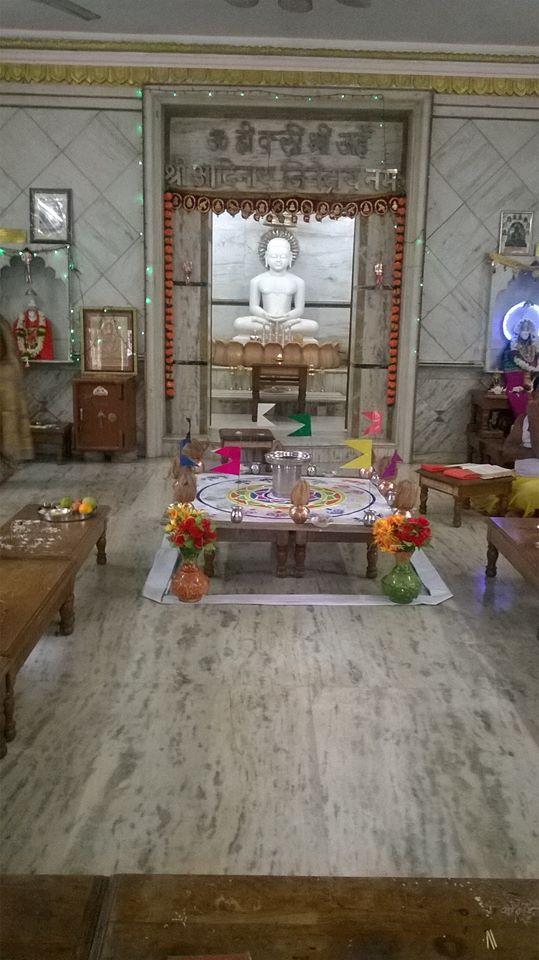
One of the most striking features of the architecture is the Garbhagriha (sanctum sanctorum). The entrance to the inner sanctum is often framed by ornate silver or marble doorways, signifying the transition from the material world to the divine realm. Inside, the idol of Lord Adinath is placed on a raised pedestal, designed to allow devotees to perform Darshan from a respectful distance. The use of marble is not merely aesthetic; in Jain tradition, the coolness and purity of marble are believed to facilitate meditation and keep the mind calm. The flooring often features intricate inlay work, using colored stones to create Mandala patterns that represent the universe's spiritual order.
Furthermore, the temple layout is designed to facilitate Pradakshina (circumambulation). The outer corridors are airy and well-ventilated, allowing the coastal breeze to circulate, which is essential given Goa's humid climate. The ceilings are often decorated with carvings of the 16 Vidyadevis (goddesses of knowledge) and the 24 Tirthankaras, ensuring that every corner of the temple serves as a visual reminder of the path to enlightenment. The integration of traditional Rajasthani marble craftsmanship with the local Goan landscape creates a unique visual harmony that makes this temple an architectural gem in South Goa.
Main Deity / Spiritual Importance
The presiding deity of the temple is Lord Adinath, the first Tirthankara of the current time cycle in Jainism. He is depicted in a state of deep meditation, usually in the Padmasana (lotus) or Kayotsarga (standing) posture. The idol at Shri 1008 Adinath Digambar Jain Mandir is typically carved from a single block of stone or marble, radiating a sense of profound tranquility and "Vairagya" (detachment). In Jain iconography, Adinath is identified by the symbol of a Bull carved at the base of his pedestal and his long locks of hair falling over his shoulders—a unique feature among Tirthankaras, symbolizing his transition from a king to an ascetic.
The spiritual importance of Lord Adinath lies in his role as the "Adipurush" or the first teacher. He is believed to have taught the six essential professions (Asi, Masi, Krishi, Vidya, Vanijya, and Shilp) to humanity, enabling the transition from a nomadic life to a settled society. However, his greatest contribution was the path of Dharma. For devotees visiting this temple, the deity represents the possibility of conquering one's inner enemies—anger, pride, deceit, and greed. The "1008" in the temple's name is a sacred number in Jainism, representing the 1008 auspicious attributes of a Tirthankara.
Worship at the temple involves rituals like Abhishek (ceremonial bathing of the idol) and Pujan, where offerings of rice, flowers, and incense are made while chanting sacred mantras. These rituals are not meant to please a god but to purify the soul of the devotee by reflecting on the virtues of the Tirthankara. The spiritual vibration of the temple is particularly strong during the early morning hours, when the Samayik (meditation) sessions take place. For the residents of Goa and visitors, the presence of Lord Adinath serves as a spiritual compass, guiding them toward a life of simplicity, compassion, and non-violence.
Festivals & Celebrations
The Shri 1008 Adinath Digambar Jain Mandir becomes a hub of vibrant energy and profound devotion during various Jain festivals. The most significant of these is Paryushan Parva, the festival of forgiveness and self-purification. Lasting for ten days for the Digambar sect (known as Das Lakshana Parva), this period involves rigorous fasting, intensive meditation, and the recitation of the Tattvartha Sutra. The temple is crowded with devotees who come to listen to discourses by visiting monks or scholars. The final day, Kshamavani, is particularly touching, as individuals ask for forgiveness from all living beings for any harm caused knowingly or unknowingly.
Mahavir Jayanti, the birth anniversary of the 24th Tirthankara, Lord Mahavira, is another major celebration. The temple is decorated with flags and flowers, and a grand procession or Rath Yatra is often organized through the streets of Margao. During this time, the message of Ahimsa Paramo Dharma (Non-violence is the highest religion) is spread through bhajans and community service activities. Another important occasion is the Moksha Kalyanak of Lord Adinath, commemorating his attainment of liberation. Special Ladoo offerings are made, and the temple atmosphere is filled with the rhythmic chanting of "Jai Jinendra."
Deepawali is also celebrated with great fervor, though with a different significance than in Hinduism. For Jains, it marks the day Lord Mahavira attained Nirvana. The temple is illuminated with thousands of oil lamps, and a special Nirvana Ladoo is offered at dawn. During these festivals, the local Jain community organizes Bhojanshala (community kitchens) serving "Satvik" Jain food, emphasizing the communal bond. Visiting the temple during these times offers a unique opportunity to witness the rich cultural traditions, the melodious Jain bhajans, and the disciplined yet joyful way the community celebrates its faith.
Best Time to Visit
The best time to visit the Shri 1008 Adinath Digambar Jain Mandir is during the winter months, from November to February. During this period, the weather in Goa is exceptionally pleasant, with clear blue skies and a cool breeze, making it ideal for exploring the temple complex and its surroundings. The humidity is at its lowest, which allows visitors to spend more time in the open-air Mandapa or the gardens without discomfort. Early mornings (between 7:00 AM and 9:00 AM) are particularly magical, as the soft morning light hits the white marble, and the air is filled with the scent of incense and the sound of morning prayers.
If you are interested in the cultural and religious aspects of Jainism, visiting during Paryushan Parva (usually in August or September) is highly recommended. Although this falls during the monsoon season, the spiritual intensity of the temple is at its peak. The rain-washed greenery of Mugali provides a stunning backdrop to the pristine white temple, creating a serene and contemplative environment. However, be prepared for heavy Goan downpours during this time. The summer months (March to May) can be quite hot and humid, so if you visit then, it is best to plan your trip for the early morning or late evening to avoid the midday heat.
For those who prefer a quiet, meditative experience, weekdays are better than weekends. On Sundays and public holidays, the temple sees a higher footfall of local devotees from Margao and Vasco. Regardless of the season, the time of the Sandhya Aarti (evening prayer) is a wonderful time to be present. As the sun sets over the Goan horizon, the temple is lit up, and the rhythmic clanging of bells creates a powerful spiritual atmosphere that resonates with everyone present, irrespective of their personal beliefs.
Timings, Entry Fee & Dress Code
Understanding the logistics is key to a respectful and fulfilling visit to the Shri 1008 Adinath Digambar Jain Mandir. The temple generally follows the standard timings of most Jain shrines in India. It is usually open from 6:30 AM to 12:30 PM and then again from 5:00 PM to 8:30 PM. These timings may vary slightly during major festivals or special lunar occasions, so it is always a good idea to check locally if you are planning a visit for a specific ritual. There is no entry fee to visit the temple; it is open to people of all faiths and backgrounds who wish to experience its peace and beauty.
As this is a place of high spiritual significance, a strict dress code is expected. Visitors should dress modestly. For men, this means wearing trousers or traditional dhotis/kurta-pyjamas; shorts and sleeveless shirts are discouraged. For women, sarees, salwar kameez, or long skirts are appropriate; short skirts and revealing tops should be avoided. If you intend to enter the Garbhagriha for performing specific rituals like Abhishek, men are often required to wear a clean dhoti and be bare-chested or wear a simple stole, while women must be in traditional attire. It is customary to remove your footwear before entering the temple premises; there is a designated area for shoe storage.
In accordance with Jain principles of Ahimsa, visitors are requested not to carry or wear any leather items (belts, wallets, bags) inside the main temple hall. Additionally, consumption of food and beverages is strictly prohibited within the temple sanctum. Maintaining silence and turning off mobile phones are essential to preserve the meditative environment. If you are visiting during the evening Aarti, try to arrive 15 minutes early to find a quiet spot to sit and observe the rituals without causing any disruption to the devotees.
How to Reach Shri 1008 Adinath Digambar Jain Mandir
The Shri 1008 Adinath Digambar Jain Mandir is conveniently located in Mugali, which is on the outskirts of Margao, the commercial capital of South Goa. Reaching the temple is relatively easy due to its proximity to major transport hubs. If you are arriving by air, the Dabolim Airport is approximately 25 to 30 kilometers away. You can easily hire a pre-paid taxi from the airport, which will take about 45 to 60 minutes depending on the traffic. The route takes you through the scenic internal roads of South Goa, offering glimpses of traditional Goan villages and paddy fields.
For those traveling by train, the Madgaon Railway Station (MAO) is the closest major railhead, located just 5 to 7 kilometers from the temple. From the station, you can take an auto-rickshaw or a local taxi. Ensure you mention "Mugali Jain Mandir" to the driver, as it is a well-known landmark in the area. If you are coming from Panjim or North Goa, the drive takes about an hour and a half via the NH66. The roads are well-maintained, and the drive across the Zuari Bridge offers stunning views of the river and the surrounding mangroves.
Local buses also ply regularly between Margao Bus Stand and the surrounding villages. You can board a bus heading toward Curtorim or Macasana and ask to be dropped off at the Mugali junction. From the junction, the temple is a short walk or a quick rickshaw ride away. For those who prefer the flexibility of their own transport, renting a scooter or a car is a popular option in Goa. The temple has ample parking space for private vehicles. Using a GPS navigation app like Google Maps is highly recommended, as the internal roads of Mugali can sometimes be a bit winding, though the temple is well-signposted as you get closer.
Things to Do
While the primary purpose of visiting the Shri 1008 Adinath Digambar Jain Mandir is spiritual, there are several ways to engage with the site and its teachings. Here are some things you can do during your visit:
- Perform Darshan and Meditation: Spend time in the main hall sitting in silence. The energy of the temple is conducive to meditation. Even 15 minutes of quiet reflection can be deeply rejuvenating.
- Observe the Rituals: If you visit during the morning, you can witness the Abhishek and Shantidhaara. These are ancient rituals that are performed with great precision and devotion. Watching the rhythmic movements and hearing the Sanskrit chants is a meditative experience in itself.
- Study the Architecture: Take a slow walk around the temple to admire the marble carvings. Look for the different symbols of the Tirthankaras and the intricate patterns on the pillars and ceilings. It’s a great way to appreciate Indian craftsmanship.
- Engage with the Community: If there are temple authorities or scholars present, you can politely ask questions about Jain philosophy or the history of the temple. The community is generally very welcoming and happy to share their knowledge.
- Photography (External): The exterior of the temple, with its white marble against the blue sky and green trees, is a photographer's delight. Capture the play of light on the Shikhara and the peaceful surroundings.
- Circumambulation (Pradakshina): Follow the traditional practice of walking around the sanctum in a clockwise direction. This is believed to center your energy and show respect to the deity.
Nearby Attractions
The location of the Shri 1008 Adinath Digambar Jain Mandir in South Goa makes it an excellent starting point for exploring other cultural and natural attractions. Within a 10 to 15-kilometer radius, you can find a variety of sites that showcase the diversity of the state:
- Colva Beach: Just a 20-minute drive away, this is one of South Goa's most famous beaches, known for its fine white sand and vibrant shack culture. It’s a great place to relax after a spiritual morning.
- Holy Spirit Church, Margao: A magnificent example of Baroque architecture, this 17th-century church is located in the heart of Margao and offers a look into Goa’s Christian heritage.
- Rachol Seminary: Located in the nearby village of Rachol, this historic institution is one of the oldest seminaries in Asia. The drive to Rachol through the fields is incredibly scenic.
- Monte Hill: For a panoramic view of Margao city and the coastline, head to Monte Hill. There is a small chapel at the top and it’s a popular spot for sunset views.
- Margao Market: Experience the local Goan life at the bustling New Market or Gandhi Market. You can shop for local spices, cashews, traditional Goan pottery, and textiles.
- Braganza House, Chandor: About 30 minutes away, this is one of the most grand Portuguese-style mansions in Goa, now a museum showcasing colonial-era furniture and artifacts.
Photography & Visitor Guidelines
To ensure a respectful visit to the Shri 1008 Adinath Digambar Jain Mandir, it is important to adhere to the following photography and behavioral guidelines. Photography is generally prohibited inside the inner sanctum (Garbhagriha) and of the main idol of Lord Adinath. This is to maintain the sanctity of the deity and to avoid distracting those in deep meditation. However, you are usually allowed to take photographs of the temple's exterior, the gardens, and the assembly hall, provided you do not use a flash or a tripod which might disturb other visitors. It is always polite to ask the temple priest or administrative staff for permission before you start clicking.
Beyond photography, general visitor etiquette is crucial. Maintain a low volume when speaking; the temple is a place for silence and prayer. If you are traveling with children, ensure they do not run around the prayer halls. Respect the personal space of those who are performing rituals or meditating. Additionally, avoid touching the idols or the decorative carvings, as the oils from human skin can damage the marble over time. If you wish to make a donation, use the designated Hundi (donation boxes) rather than offering money directly to the priests. These funds are used for the maintenance of the temple and the various charitable activities run by the trust.
Lastly, be mindful of the local environment. The temple is located in a quiet residential and agricultural area. Avoid littering and keep the surroundings clean. If you are visiting as part of a large group, try to move in smaller batches so as not to overwhelm the quiet atmosphere of the shrine. By following these simple guidelines, you contribute to the preservation of the temple's peaceful aura and ensure that it remains a sanctuary for future generations.
Where to Eat Nearby
Finding food near the Shri 1008 Adinath Digambar Jain Mandir is easy, especially if you are looking for vegetarian options. Since the temple is located near Margao, you have access to some of the best culinary experiences in South Goa. For those following a strict Jain diet (no onion, garlic, or root vegetables), it is best to check with restaurants in Margao city, as many traditional Udupi-style eateries are happy to customize meals upon request.
- Kamats (Margao): A reliable spot for South Indian breakfast and North Indian thalis. They are familiar with vegetarian requirements and offer a clean, family-friendly environment.
- Navtara (Margao): One of the most popular vegetarian chains in Goa. They have an extensive menu ranging from Dosas to Chinese and North Indian dishes. It’s located in the heart of Margao.
- Tato’s (Margao): Famous for its local Goan snacks like Patal Bhaji and Buns. While they serve onion and garlic, they have many vegetarian options that are a must-try for any foodie.
- Sharda Classic: Located near the railway station, this place offers great vegetarian thalis and a variety of Indian dishes.
- Local Cafes in Curtorim: For a more local experience, you can find small cafes in the nearby village of Curtorim that serve tea, coffee, and local Goan bread (Pao) with vegetable curry.
Remember that most Jain devotees prefer to eat before sunset, in accordance with the principle of Chauvihar. If you are looking for a meal after your evening visit, Margao offers several fine-dining and casual options that stay open until 10:30 PM.
Accommodation Nearby
Since the temple is located near Margao, visitors have a wide range of accommodation options, from budget guest houses to luxury resorts. If your primary goal is to spend significant time at the temple, staying in Margao or Fatorda is the most convenient choice. For those who want to combine their spiritual visit with a beach holiday, the coastal belt of Colva and Benaulim is just a short drive away.
- Nanutel Margao: A well-established hotel in the city center, offering comfortable rooms and good amenities. It is about 15 minutes away from the temple.
- The Golden Crown Hotel & Spa (Colva): A great option if you want to stay near the beach but remain within easy reach of the Jain Mandir.
- Indismart Woodbourne Resort: Located in Nuvem, this resort offers a more secluded and green environment, fitting for the peaceful vibe of your trip.
- Budget Guest Houses: Margao has numerous budget-friendly guest houses near the railway station and the old bus stand, suitable for solo travelers or pilgrims.
- Heritage Stays: For a unique experience, look for restored Portuguese villas in the Curtorim or Loutolim area. These offer a glimpse into Goa's aristocratic past and are located in very quiet, scenic settings.
Many Jain pilgrims also inquire about Dharamshalas. While the temple complex itself might have limited rooms for visiting devotees, it is advisable to contact the temple trust in advance to check for availability, especially during the festival seasons of Paryushan or Mahavir Jayanti.
Travel Tips
To make the most of your visit to the Shri 1008 Adinath Digambar Jain Mandir, keep these practical travel tips in mind:
- Plan for Early Morning: The temple is most peaceful and spiritually vibrant in the early morning. Aim to arrive by 7:30 AM to experience the morning rituals.
- Respect the Sanctity: Remember that this is a living place of worship, not just a tourist attraction. Dress modestly and maintain silence.
- Stay Hydrated: Goa can be very humid. Carry a bottle of water, but remember to drink it outside the main temple hall.
- Footwear: Wear easy-to-remove footwear like sandals or flip-flops, as you will need to take them off before entering the temple.
- Combine Your Visit: Since the temple is in South Goa, plan to visit the Rachol Seminary or Colva Beach on the same day to make the most of your travel time.
- Local Interaction: Don't hesitate to greet locals with "Jai Jinendra," a traditional Jain greeting. It is a sign of respect and is always well-received.
- Transport: If you are using local transport, keep the contact number of a reliable taxi or auto-rickshaw driver, as finding a return ride from the Mugali area in the late evening can sometimes take a bit of time.
Conclusion
The Shri 1008 Adinath Digambar Jain Mandir is a testament to the enduring spirit of Jainism and its harmonious existence within the vibrant culture of Goa. It offers a rare space of profound stillness in a state often characterized by its high-energy tourism. The temple’s stunning white marble architecture, its deep-rooted spiritual significance, and the peaceful aura of its location in Mugali make it a must-visit for anyone looking to explore the "other side" of Goa—the side that is contemplative, ancient, and deeply spiritual.
Whether you are drawn by the architectural beauty, the desire to learn about the Tirthankaras, or simply the need for a quiet place to meditate, this temple provides a fulfilling experience. It stands as a reminder that the essence of travel lies in discovery—not just of new places, but of the diverse ways in which humanity seeks the divine. As you leave the temple premises, the sense of peace you carry with you is perhaps the greatest souvenir you can take from your Goan journey. A visit to the Shri 1008 Adinath Digambar Jain Mandir is not just a stop on a map; it is a step into a world of timeless values and serene devotion.