Overview of St. Rita Church Camurlim
Nestled in the serene and verdant landscape of the Bardez taluka in North Goa, the St. Rita Church Camurlim stands as a testament to the enduring faith and architectural grace of the Goan Catholic community. Unlike the massive cathedrals of Old Goa that draw thousands of tourists daily, this charming parish church offers a more intimate, soulful experience of Goan spirituality. It is located in the quaint village of Camurlim, a place where time seems to slow down, and the rhythmic tolling of church bells still dictates the pace of daily life. The church is dedicated to Saint Rita of Cascia, popularly known as the "Saint of the Impossible," making it a significant pilgrimage site for those seeking solace and divine intervention in their most challenging moments.
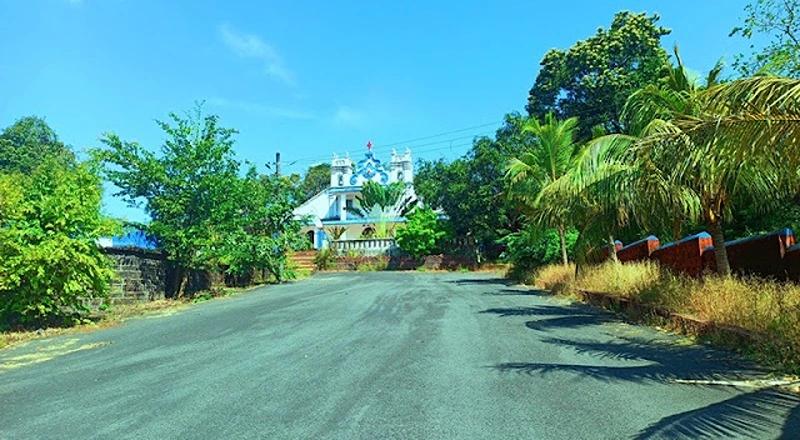
The village of Camurlim itself is a picturesque tapestry of emerald green paddy fields, swaying coconut groves, and traditional Goan homes with their distinct red-tiled roofs. The St. Rita Church serves as the spiritual heart of this community, acting not just as a place of worship but as a social anchor for the villagers. For a traveler, visiting this church is an opportunity to step away from the commercialized coastal belts of Baga and Calangute and immerse oneself in the authentic hinterland culture of Goa. The atmosphere here is one of profound peace, characterized by the scent of incense, the sight of flickering candles, and the gentle breeze blowing in from the nearby Chapora River. Whether you are a history buff, an architecture enthusiast, or a spiritual seeker, the St. Rita Church in Camurlim offers a unique glimpse into the religious fabric that binds the people of Goa together.
History & Religious Significance
The history of St. Rita Church Camurlim is relatively modern compared to the centuries-old edifices of Velha Goa, yet its story is deeply intertwined with the expansion of the Catholic faith in the Bardez region. Originally, the spiritual needs of the people of Camurlim were met by the neighboring parishes. However, as the local population grew and the desire for a local sanctuary intensified, the community rallied to establish their own place of worship. The structure began its journey as a chapel, which was constructed in the early 20th century. Specifically, the chapel was founded in 1944, a period when Goa was still under Portuguese colonial rule. The dedication to Saint Rita of Cascia was a deliberate choice, reflecting the deep-seated local devotion to the Italian saint who lived in the 14th and 15th centuries.
Recognizing the growing importance of the chapel and the devotion of the villagers, the ecclesiastical authorities elevated the status of the chapel to a full-fledged parish church on May 22, 1948. This elevation was a momentous occasion for the villagers of Camurlim, marking their spiritual independence and the formal establishment of the Parish of St. Rita. The religious significance of the church is rooted in the life of its patroness. Saint Rita is revered for her immense patience, her role as a peacemaker, and her unwavering faith through domestic struggles and religious life. In the Goan context, where family and community are paramount, the virtues of St. Rita resonate deeply. Devotees from across the state often visit this church to pray for reconciliation in families, for the health of their children, and for help in situations that seem hopeless. The church acts as a beacon of hope, carrying forward the legacy of the "Saint of the Impossible" in the heart of rural Goa.
Architecture of St. Rita Church Camurlim
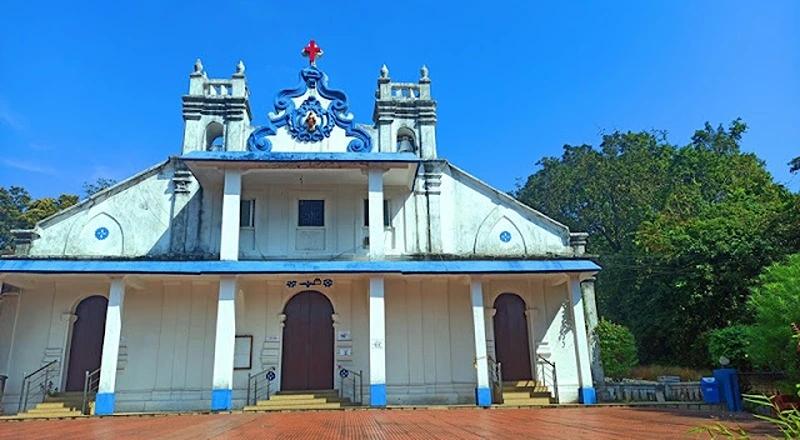
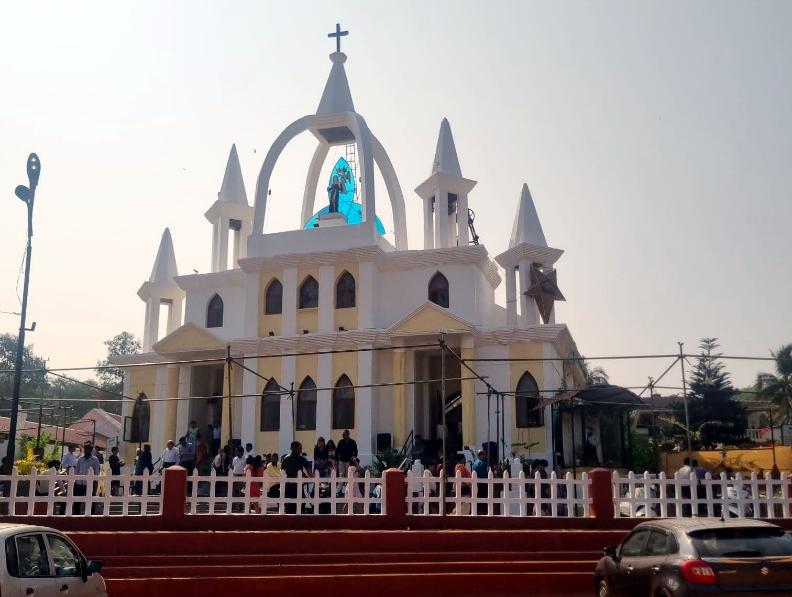
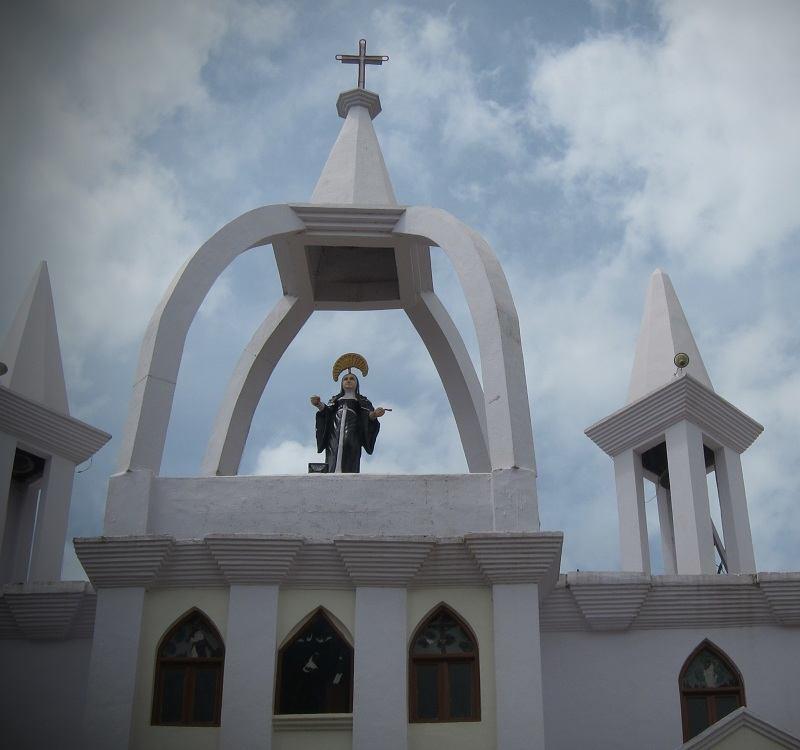
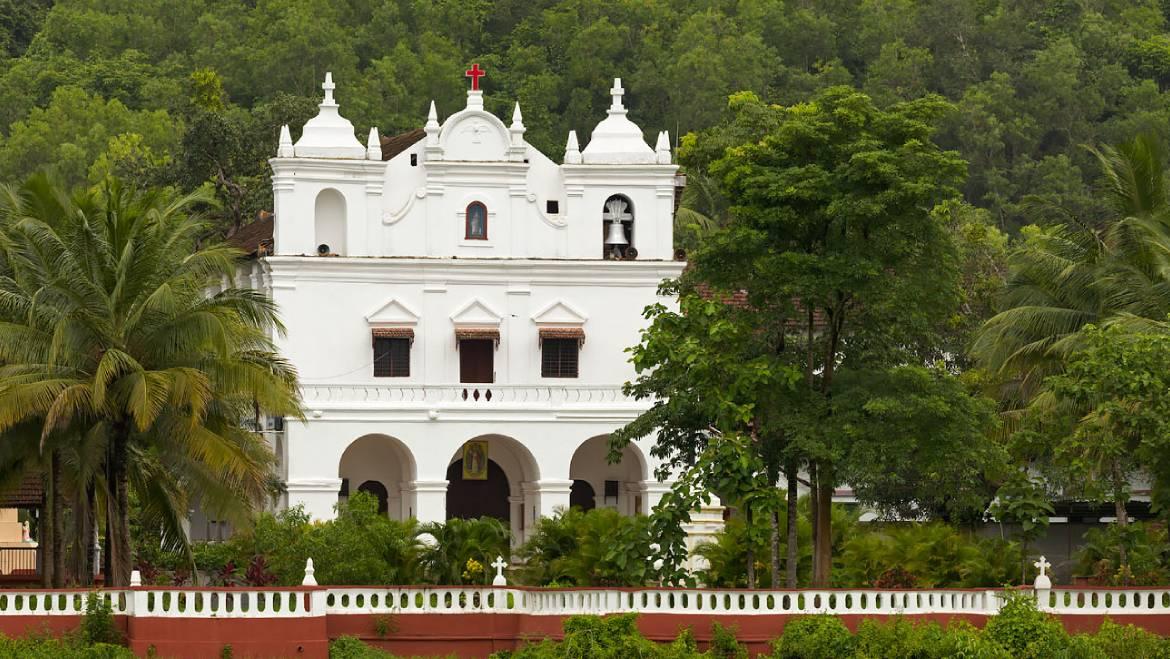
The architecture of St. Rita Church Camurlim is a beautiful example of the Neo-Roman style, which was widely adopted in Goan church construction during the later periods of Portuguese influence. While it lacks the overwhelming scale of the Se Cathedral, its beauty lies in its proportions and the harmony it maintains with its natural surroundings. The facade of the church is characterized by its clean lines and white-washed exterior, a hallmark of Goan ecclesiastical architecture intended to reflect the tropical sun and symbolize purity. The frontispiece is typically divided into several tiers, featuring a central doorway flanked by decorative pilasters. Above the main entrance, one can often find a niche housing a statue of the patron saint, welcoming the faithful into the sanctuary.
One of the most striking features of the church is its bell tower, which rises elegantly to one side of the main structure. The bells of Goan churches are not merely functional; they are considered the "voice of God," and in Camurlim, their resonance carries across the fields, signaling the Angelus or the start of a liturgical service. Inside, the church follows a traditional single-nave layout, leading the eye directly toward the high altar. The interior is often adorned with exquisite woodwork and gilded altarpieces known as retablos. The main altar is dedicated to St. Rita, featuring her image prominently. The use of local materials, such as laterite stone for the walls and lime plaster for the finish, showcases the integration of European design with Goan craftsmanship. The windows, often fitted with translucent oyster shells (mother-of-pearl) in older sections, allow a soft, ethereal light to filter into the prayer hall, creating an atmosphere conducive to meditation and quiet reflection.
Main Deity / Spiritual Importance
The primary figure of devotion at this church is Saint Rita of Cascia. Born in Italy in 1381, Margherita Lotti (St. Rita) had a life marked by significant hardship, which she bore with exemplary Christian fortitude. She was a wife, a mother, a widow, and eventually an Augustinian nun. Her journey from a difficult marriage to a life of consecrated service has made her a relatable and powerful figure for many Goan Catholics. The spiritual importance of St. Rita in Camurlim is manifested in the "Novena" and the "Feast," where her virtues are extolled. She is often depicted with a wound on her forehead, symbolizing her mystical participation in the suffering of Christ, and holding a crucifix and roses.
For the parishioners of Camurlim, St. Rita is more than just a historical figure; she is a living presence in their lives. The spiritual importance of the church also extends to its role as a center for the Sacraments. It is here that generations of Camurlim residents have been baptized, married, and eventually bid farewell. The spiritual energy of the church is palpable during the daily masses, where the local Konkani language adds a layer of cultural richness to the liturgy. The devotion to the Sacred Heart of Jesus and the Blessed Virgin Mary are also prominent, with secondary altars dedicated to them, reflecting the broader Christocentric and Marian devotion characteristic of Goan Catholicism. The church serves as a "spiritual hospital" where the weary find rest and the troubled find counsel, embodying the compassionate spirit of its patroness.
Festivals & Celebrations
The most significant event in the liturgical calendar of the parish is the Feast of St. Rita, celebrated annually on May 22nd. This is not just a religious event but a grand socio-cultural celebration that brings the entire village to life. The festivities begin nine days prior with the Novenas, a series of special prayers and masses held daily. Each day of the Novena is usually organized by a different ward of the village, fostering a sense of community participation and healthy competition in decorating the church and organizing the choir. During these nine days, the church is beautifully illuminated, and the air is thick with the sound of traditional Goan hymns and the aroma of local snacks sold by vendors outside the gates.
On the feast day itself, a High Mass is concelebrated by several priests, often including visitors from the Archdiocese. The church is packed to capacity, with many standing in the courtyard. Following the mass, a grand procession takes place, where the statue of St. Rita is carried on a flower-bedecked palanquin through the streets of Camurlim. The procession is accompanied by a brass band playing traditional tunes, a sight that is quintessentially Goan. The "Festa" atmosphere is completed by the fair (feira) that springs up around the church. Here, you can find stalls selling everything from traditional copperware and clay pots to sweets like khaje, laddoos, and gram. In the evenings, the village often hosts a "Tiabr" (Goan musical theater) or a communal dance, making the Feast of St. Rita a vibrant display of Goan joy and faith.
Best Time to Visit
To experience St. Rita Church Camurlim in its full spiritual and aesthetic glory, the best time to visit is between October and May. During these months, the weather in Goa is pleasant, with lower humidity and cooler evenings, making it ideal for exploring the village and spending time at the church. If you wish to witness the pinnacle of local devotion and cultural vibrancy, planning your visit around May 22nd for the annual feast is highly recommended. However, be prepared for the summer heat, as May is one of the warmest months in Goa. The morning hours during the feast are particularly energetic, while the evening processions offer a more reflective experience.
For those seeking peace and solitude, the monsoon season (June to September) offers a different kind of beauty. The village of Camurlim turns into a lush, vibrant green, and the church stands out strikingly against the dark rain clouds. Visiting during the monsoons allows you to see the "Green Goa" that many tourists miss, though you should be prepared for heavy downpours. The Christmas season (December) is also a wonderful time to visit, as the church and the surrounding houses are decorated with stars and cribs, reflecting the festive spirit that permeates the entire state. Regardless of the month, visiting during the early morning (around 7:00 AM) or late afternoon (around 4:30 PM) provides the best lighting for photography and a chance to witness the local community in prayer.
Timings, Entry Fee & Dress Code
St. Rita Church Camurlim is a place of active worship, and its timings are primarily governed by the schedule of masses and liturgical services. Generally, the church doors are open to visitors during the following hours:
- Monday to Saturday: 6:30 AM to 8:30 AM (Morning Mass) and 4:30 PM to 6:30 PM.
- Sunday: 7:00 AM to 10:00 AM (Multiple masses are held on Sunday mornings).
Please note that the church may remain closed during the mid-afternoon hours. There is no entry fee to visit the church; it is open to people of all faiths and backgrounds who wish to pray or admire its architecture. As this is a sacred site, a strict dress code is encouraged to show respect for the local traditions and the sanctity of the space. Visitors should avoid wearing sleeveless tops, short skirts, or beachwear. Men are encouraged to wear trousers or long shorts and shirts, while women are advised to wear dresses, skirts, or trousers that cover the knees and shoulders. It is also customary to remove your hat or cap upon entering the church. Maintaining silence inside the sanctuary is mandatory, especially if a mass or private prayer is in progress.
How to Reach St. Rita Church Camurlim
Camurlim is located in North Goa, approximately 12 to 15 kilometers from the city of Mapusa. Reaching the St. Rita Church is relatively easy, though it requires a bit more effort than reaching the coastal hotspots. Here are the best ways to get there:
- By Scooter/Bike: This is the most popular way for travelers to reach Camurlim. Renting a scooter from nearby areas like Siolim, Anjuna, or Vagator allows you to enjoy the scenic ride through the winding village roads. The route from Siolim to Camurlim is particularly beautiful, passing through lush fields and along the river.
- By Car/Taxi: You can hire a private taxi or use app-based services like GoaMile to reach the church. If you are driving yourself, use GPS navigation for "St. Rita Church, Camurlim." There is usually ample parking space near the church square.
- By Bus: Local buses run from the Mapusa Bus Stand towards Siolim and Colvale. You can take a bus that passes through Camurlim or get off at a nearby junction and take a short pilot (motorcycle taxi) ride to the church. However, bus timings can be irregular, so it’s best to check locally.
- From the Airport: The Manohar International Airport (Mopa) is relatively close to North Goa. From the airport, it is about a 30-40 minute drive to Camurlim. Dabolim Airport is further away, approximately a 1.5 to 2-hour drive.
Things to Do
A visit to St. Rita Church Camurlim can be more than just a quick stop; it can be an afternoon of cultural exploration. Here are some things you can do:
- Attend a Konkani Mass: Even if you do not understand the language, attending a mass allows you to experience the rhythmic beauty of the Konkani liturgy and the soulful singing of the local choir. It provides a deep insight into the local culture.
- Architectural Photography: The exterior of the church, with its white walls against the blue sky and green palms, is a photographer's delight. Capture the details of the bell tower and the intricate carvings on the main door.
- Village Walk: After visiting the church, take a leisurely walk through the village of Camurlim. Observe the traditional Goan houses, many of which are painted in vibrant hues of yellow, blue, and red. The village is peaceful and offers great opportunities for candid street photography.
- Meditation and Prayer: The interior of the church is incredibly peaceful. Spend some time sitting in the pews, away from the noise of the world, and soak in the spiritual ambiance. Many visitors find the quietude of this rural church very healing.
- Visit the Parish Cemetery: Located nearby, the parish cemetery with its unique tombstones and crosses offers another perspective on the village's history and the artistic styles of funerary monuments in Goa.
Nearby Attractions
Camurlim is strategically located near several other interesting sites in North Goa, allowing you to combine your visit to St. Rita Church with other attractions:
- Chapora River: The river flows close to the village. You can find quiet spots along the riverbank for bird watching or simply to enjoy the sunset. Some local operators offer boat rides or kayaking in the calmer stretches of the river.
- Siolim Church (St. Anthony's Church): Located just a few kilometers away, the Siolim Church is famous for its unique statues and its location near the Siolim bridge. It is another architectural gem in the Bardez taluka.
- Colvale: The neighboring village of Colvale is the birthplace of the famous Goan writer Abbé Faria. It has its own beautiful church and a sense of old-world charm.
- Thivim: Known for its railway station, Thivim also has beautiful countryside and the historic St. Christopher Church.
- Vagator and Anjuna Beaches: If you want to head back to the coast, the popular beaches of Vagator and Anjuna are about a 20-30 minute drive away, offering a stark contrast to the quietude of Camurlim.
- Mapusa Market: If you visit on a Friday, the Mapusa Friday Market is a must-visit for an authentic Goan shopping experience, located about 12 km from Camurlim.
Photography & Visitor Guidelines
To ensure a respectful and pleasant visit for everyone, please adhere to the following guidelines when visiting St. Rita Church Camurlim:
- Photography Inside: Generally, photography is discouraged or prohibited inside the church during mass or if people are praying. Always look for signs or ask the sacristan for permission before taking photos of the interior. If allowed, never use flash as it can damage the old paintings and altars.
- Respect the Worshipers: If a service is in progress, do not walk around the church or take photos. Stand or sit quietly at the back.
- Silence: Maintain a low volume when speaking. Turn off your mobile phone or put it on silent mode before entering the sanctuary.
- Donations: While there is no entry fee, you can leave a small donation in the boxes provided to help with the maintenance of the church.
- Environmental Respect: Camurlim is a clean, green village. Do not litter around the church premises or in the village lanes. Carry your trash back with you.
- Interaction with Locals: The people of Camurlim are friendly and hospitable. A simple "Dev borem korum" (May God do good to you/Thank you) goes a long way in establishing a friendly rapport.
Where to Eat Nearby
While Camurlim itself is a quiet residential village with few commercial restaurants, you can find excellent dining options in the neighboring areas of Siolim and Colvale:
- Local Tavernas: You might find small, local bars or tavernas in the village where you can get a cold beverage and perhaps some local snacks like samosas or cutlet pao.
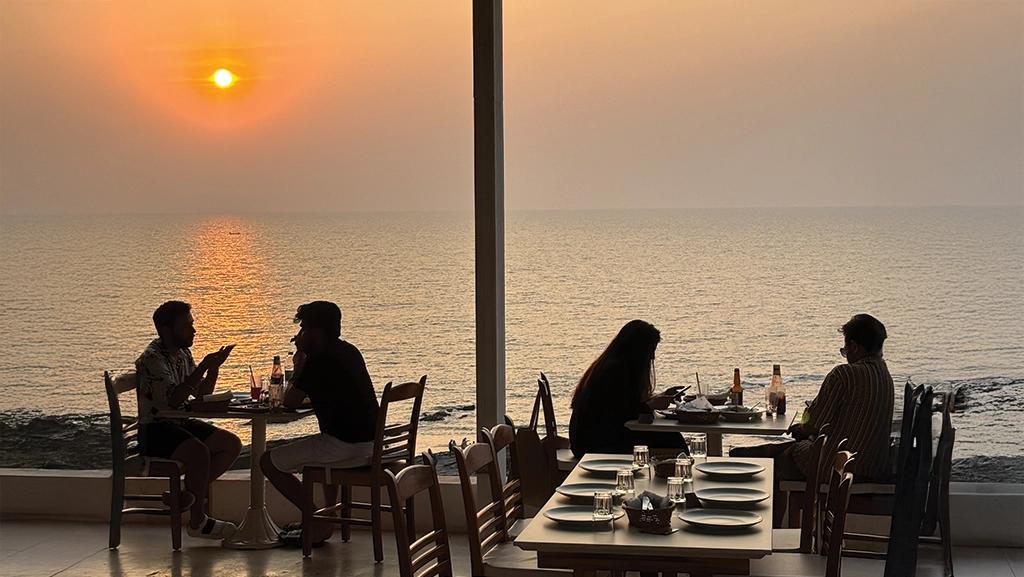
- Siolim Eateries: Siolim, just a short drive away, has a variety of restaurants ranging from traditional Goan fish thali places to upscale cafes. Look for places like Thalassa (for Greek cuisine with a view) or smaller local joints serving authentic Goan pork sorpotel and vindaloo.
- Riverfront Dining: There are several restaurants along the Chapora River that offer beautiful views and fresh seafood. These are perfect for a relaxed lunch after your church visit.
- Home-based Kitchens: Sometimes, local families offer home-cooked meals if informed in advance. This is the best way to experience authentic Goan Catholic cuisine, including dishes like Arroz Doce (rice pudding) or Sannas (steamed rice cakes).
Accommodation Nearby
If you wish to stay close to the tranquil environment of Camurlim, you have several options in the surrounding North Goa region:
- Heritage Homestays: The areas of Siolim and Aldona are famous for beautifully restored Portuguese-era villas that function as boutique homestays. Staying in one of these gives you a true sense of Goan heritage.
- Boutique Resorts in Siolim: There are several high-end boutique resorts in Siolim that offer luxury amidst nature, providing a peaceful alternative to the crowded beach resorts.
- Eco-Stays: Given the lush greenery of the Bardez hinterland, you can find eco-friendly cottages and farmstays that focus on sustainable tourism and offer activities like organic farming and bird watching.
- Budget Guesthouses: Near the Mapusa and Thivim areas, you can find more budget-friendly guesthouses and hotels if you are looking for a simple place to rest.
Travel Tips
To make the most of your trip to St. Rita Church Camurlim, keep these travel tips in mind:
- Carry Water and Sun Protection: The Goan sun can be quite strong, even in the "cooler" months. Carry a water bottle, wear a hat, and apply sunscreen.
- Learn Basic Konkani Phrases: Knowing a few words like "Namaskar" (Hello) or "Bore asa?" (How are you?) will endear you to the locals.
- Check the Mass Schedule: If you specifically want to see the interior of the church, try to arrive just before or after a scheduled mass when the doors are guaranteed to be open.
- Combine with a River Cruise: Consider booking a backwater cruise on the Chapora River for later in the day to see the village from a different perspective.
- Drive Carefully: The roads in Camurlim are narrow and winding. If you are riding a scooter, be cautious of local traffic and stray animals.
- Respect Local Customs: Remember that you are in a living village, not a tourist attraction. Respect the privacy of the villagers and their daily routines.
Conclusion
St. Rita Church Camurlim is more than just a religious landmark; it is a symbol of the quiet, resilient spirit of rural Goa. In its white walls and ringing bells, one finds a connection to a past that valued community, faith, and a deep harmony with nature. For the traveler who seeks to go beyond the surface-level attractions of Goa, a journey to this parish church offers a profound sense of peace and a chance to witness the "Saint of the Impossible" in the hearts of her devotees. Whether you come to seek a miracle, to admire the Neo-Roman architecture, or simply to enjoy the stillness of a Goan afternoon, St. Rita Church in Camurlim remains a hidden gem waiting to be discovered. It reminds us that sometimes, the most meaningful travel experiences are found in the quiet corners of the world, away from the crowds, in the simple beauty of a village church.