Overview of Sada Waterfall
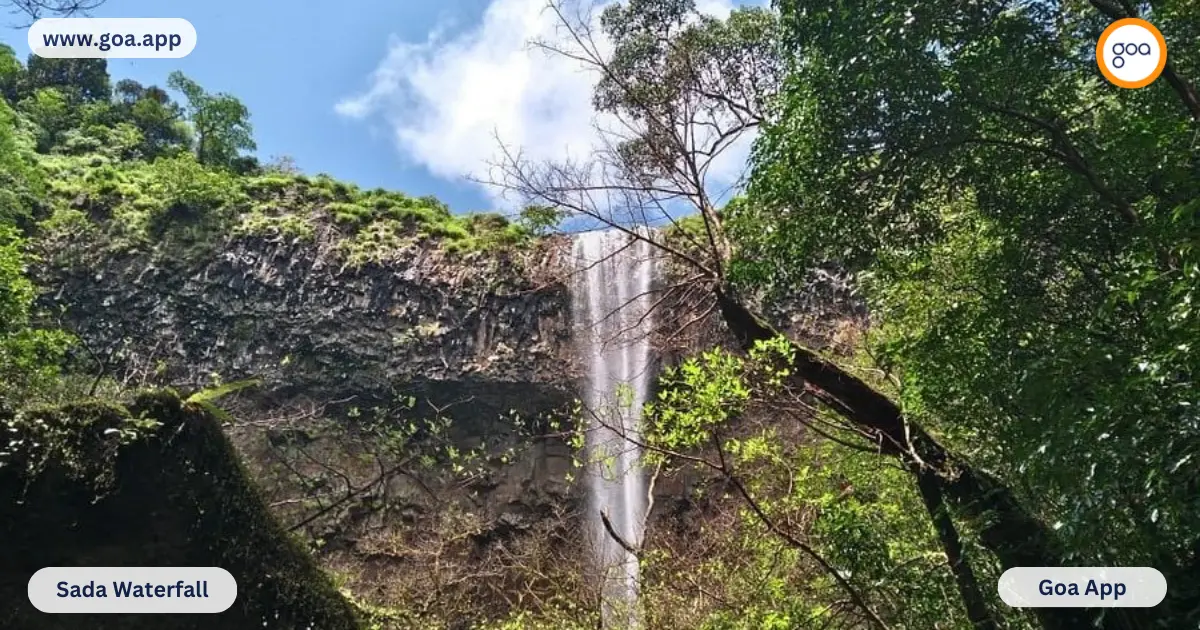
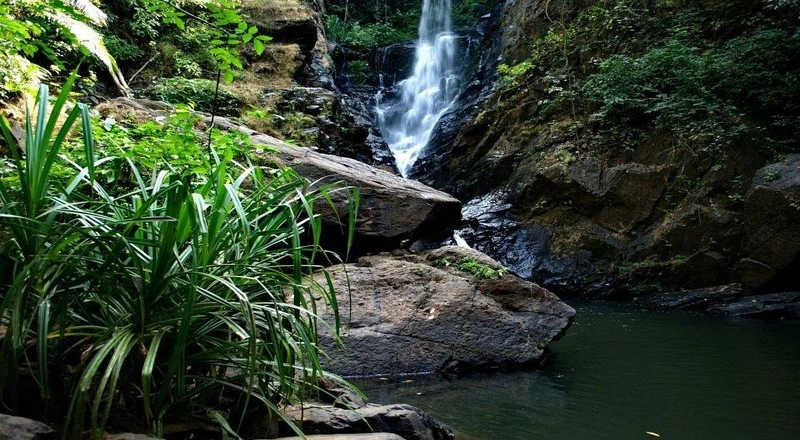
Deep within the verdant embrace of the Western Ghats, where the borders of Goa, Karnataka, and Maharashtra converge, lies one of the region's best-kept secrets: the Sada Waterfall. While Goa is globally renowned for its sun-kissed beaches and vibrant nightlife, the hinterlands of the Sattari taluka offer a completely different narrative—one of mist-covered peaks, ancient volcanic formations, and cascading white waters. Sada Waterfall is not just a destination; it is a sensory journey into the heart of the Mhadei Wildlife Sanctuary. This majestic waterfall is characterized by its unique "V" shaped valley and a dramatic double-drop that plunges into the depths of a lush jungle ravine. Unlike the more accessible Dudhsagar Falls, Sada remains a sanctuary for serious trekkers and nature enthusiasts who seek solitude and raw, unfiltered beauty.
The geography of the area is fascinating. The waterfall is situated near the small, remote village of Sada, which sits at an elevation of approximately 3,000 feet above sea level. This high-altitude location ensures a cooler microclimate, often making it feel worlds away from the humid coastal plains of North Goa. Geologically, the region is significant for its volcanic rock formations and ancient caves, which add a layer of mystery to the trek. As a professional travel writer who has traversed the length and breadth of the Goan hinterlands, I can confidently state that Sada Waterfall represents the "Grand Canyon of Goa" due to the sheer scale of the rock faces and the deep gorges carved by the water over millennia. For those looking to escape the commercialized tourist circuits, Sada offers a glimpse into the primordial soul of the Sahyadri mountains.
Top Goa Experience • Part 1
Highly Recommended Near Sada Waterfall
Explore All
The waterfall itself is a seasonal wonder that transforms with the rhythms of the Indian monsoon. During the peak rainy season, the roar of the water can be heard from kilometers away, and the spray creates a constant veil of mist that nourishes a dense ecosystem of ferns, mosses, and rare orchids. The Sada Waterfall is also culturally significant, as the trail passes through lands that have been inhabited by local tribes for generations, people who live in harmony with the tigers, leopards, and king cobras that call this sanctuary home. When you visit Sada, you are stepping into a landscape that remains largely unchanged by the passage of time, making it a must-visit for anyone who values authentic wilderness experiences.
How to Reach Sada Waterfall
Reaching Sada Waterfall is an adventure in itself, requiring a mix of driving through scenic mountain passes and a dedicated trek. The waterfall is located approximately 80 kilometers from Panaji, the capital of Goa, and about 50 kilometers from Belagavi (Belgaum) in Karnataka. Most travelers choose to approach the site via the Chorla Ghat road, which is one of the most picturesque driving routes in Western India, featuring 30+ hairpin bends and breathtaking views of the Anjunem Dam reservoir.
Recommended Guide
15 Best Hill Stations Near Goa distance & Travel Tips
Discover the 15 best hill stations near Goa to visit in 2026. Our guide covers distances, trekking trails, and local highlights.
Read Guide →
- By Road from North Goa: If you are starting from popular hubs like Calangute or Mapusa, head toward Sanquelim. From Sanquelim, follow the signs for Chorla Ghat. The drive takes you through the dense forests of the Mhadei region. You will need to reach the village of Sada, which is the base for the trek. Note that the last few kilometers into the village involve narrow, winding roads that can be challenging for larger vehicles.
- By Road from Belagavi: For those coming from Karnataka, the drive is shorter but equally steep. Follow the SH54 toward the Goa border. The village of Sada is accessible via a small diversion near the Goa-Karnataka border check post.
- By Rail: The nearest major railway station is Thivim in North Goa or Belagavi in Karnataka. From either station, you will need to hire a private taxi or use local buses to reach Sanquelim or the border area, and then arrange for a local jeep to take you to Sada village.
- By Air: The Manohar International Airport (Mopa) in North Goa is the closest airport, located about 65 kilometers away. From the airport, hiring a self-drive car or a private taxi is the most convenient way to reach the trailhead.
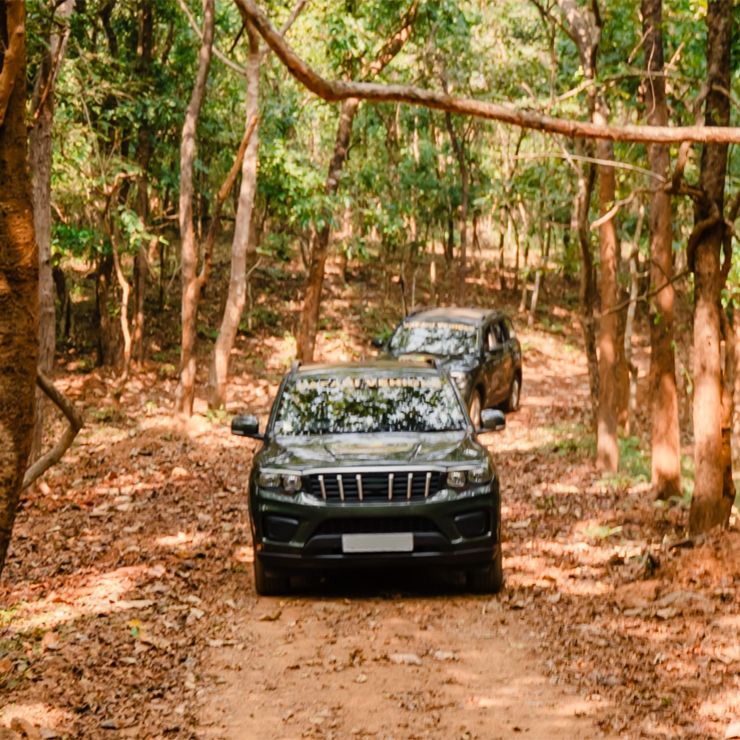
It is important to note that public transport to Sada village is extremely limited. Local buses run from Sanquelim to nearby villages like Keri, but they do not frequently reach the remote heights of Sada. Renting a sturdy SUV or a high-clearance vehicle is highly recommended, especially during the monsoon when the roads can become slippery and prone to minor landslides. Always ensure your fuel tank is full before leaving Sanquelim or Belagavi, as there are no petrol pumps in the immediate vicinity of the waterfall.
Best Time to Visit
Timing your visit to Sada Waterfall is crucial to ensure you see the falls in their full glory while maintaining safety. The region experiences distinct seasonal changes that dramatically alter the trekking experience.
Recommended Guide
Why Foreigners Love Arambol, Morjim, and Agonda
Goa has long been one of India’s most famous beach destinations, attracting millions of travelers from around the world every year. While bustling beache...
Read Guide →
- Monsoon (June to September): This is arguably the most beautiful time to visit, but also the most challenging. The waterfall is at its most powerful, and the entire landscape turns an electric shade of green. However, the trek becomes difficult due to slippery rocks, thick mud, and a high population of leeches. The visibility can also be low due to heavy fog. Only experienced trekkers should attempt the full descent during peak monsoon.
- Post-Monsoon (October to January): This is the ideal window for most visitors. The rains have subsided, but the waterfall still maintains a healthy flow. The trails are drier and safer, and the weather is pleasantly cool. The clear skies during these months provide the best views of the surrounding valleys and the distant Arabian Sea on exceptionally clear days.
- Winter (December to February): The weather is perfect for trekking, with chilly mornings and mild afternoons. The water volume starts to decrease, but the natural pools at the base remain inviting. This is also the best time for birdwatching, as many migratory species visit the Western Ghats.
- Summer (March to May): It is generally advised to avoid Sada Waterfall during the peak summer months. The waterfall often dries up to a mere trickle, and the heat in the open patches of the trek can be punishing. The lush greenery turns to a dusty brown, and the "magic" of the hidden waterfall is largely absent.
For the best experience, aim for a visit in late September or early October. You will catch the tail end of the monsoon beauty without the extreme weather risks, allowing for a more relaxed exploration of the volcanic caves and the fort ruins.
Trek Details for Sada Waterfall
The trek to Sada Waterfall is classified as moderate to difficult, depending on your fitness level and the weather conditions. It is not a casual stroll; it requires stamina, balance, and a spirit of adventure. The total distance of the trek is approximately 8 to 10 kilometers (round trip) from the Sada village base.
Recommended Guide
Water Sports in Candolim Goa | Best Prices, Packages & Booking Guide
Candolim Beach, located in North Goa, is one of the most popular destinations for water sports in Goa. Known for its clean shoreline, less crowded environm...
Read Guide →
Phase 1: The Village and Plateau
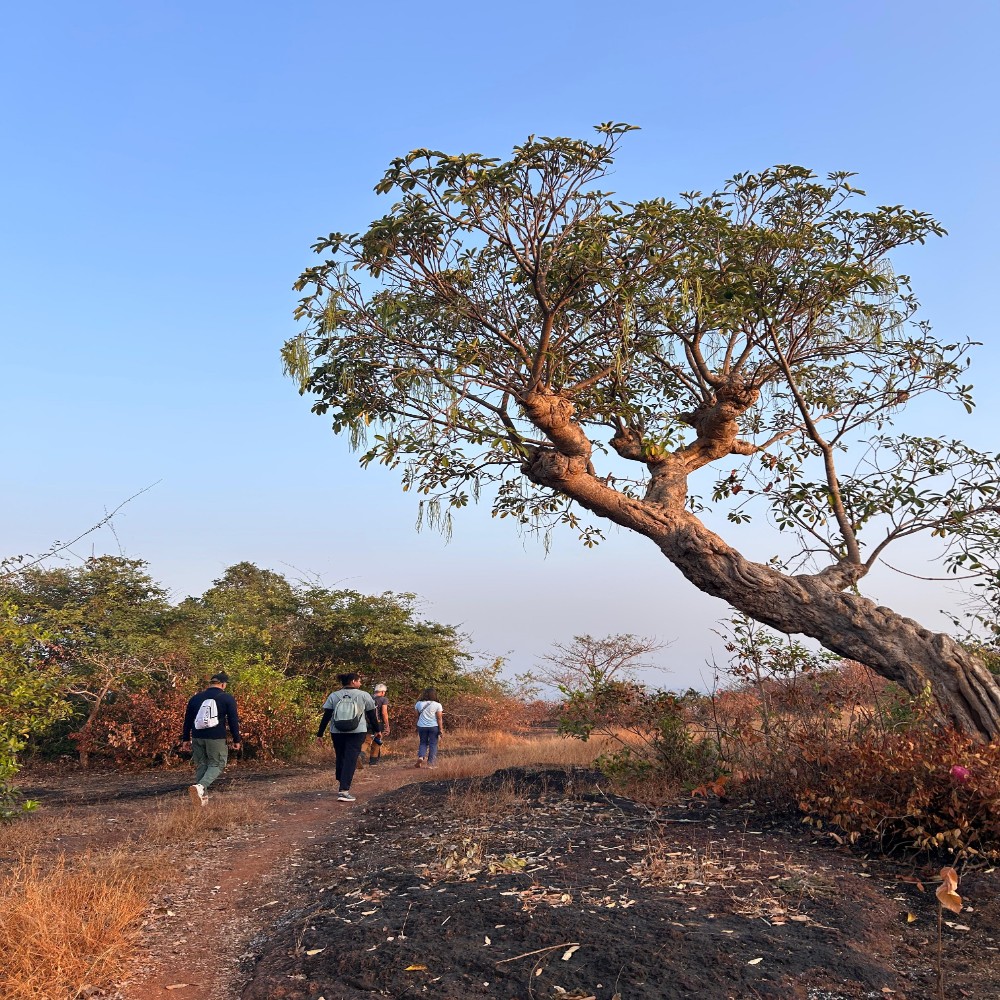
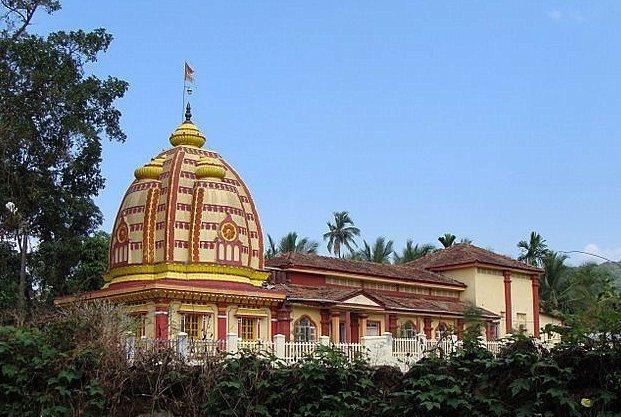
The journey begins at Sada village. The initial part of the trek involves walking across a high-altitude plateau. This section is relatively flat but exposed to the sun. You will pass by local houses and small patches of cultivation. Keep an eye out for the Sada Fort ruins—ancient boundary walls and a small temple dedicated to a local deity. The plateau offers panoramic views of the Chorla Ghat mountains.
Top Goa Experience • Part 2
Highly Recommended Near Sada Waterfall
Explore All
Phase 2: The Forest Canopy
As you leave the plateau, the trail plunges into a dense semi-evergreen forest. This is where the real adventure begins. The canopy is so thick in places that it blocks out the sun, creating a cool, damp environment. You will encounter various species of flora, including giant creepers and ancient buttress-root trees. This section is notorious for leeches during the monsoon, so be prepared.
Phase 3: The Descent and Stream Crossing
To reach the base of the waterfall, you must navigate a steep descent. The trail can be treacherous, with loose soil and slippery volcanic rocks. There are points where you might need to use your hands for balance. Along the way, you will need to cross a few mountain streams. During the monsoon, these streams can be knee-deep and have a strong current, so extreme caution is required. Following a local guide is invaluable here to find the safest crossing points.
Phase 4: The Final Reveal
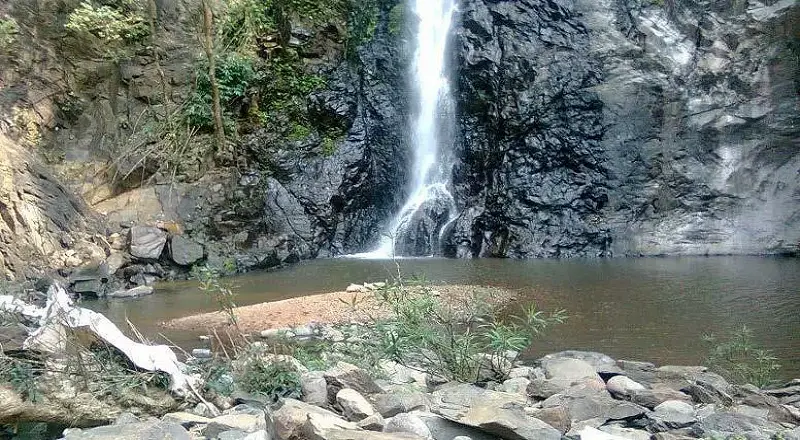
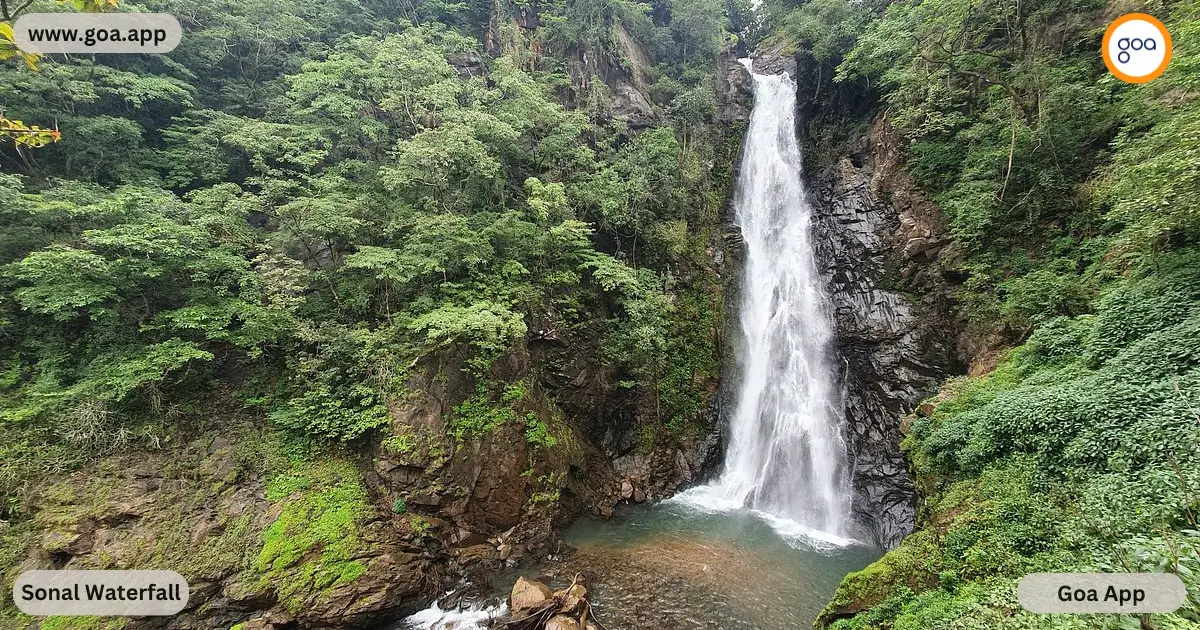
As you approach the end of the trek, the sound of crashing water becomes deafening. You will emerge from the forest into a massive rocky amphitheater. The Sada Waterfall reveals itself in two spectacular stages, dropping down a sheer cliff face into a deep pool. The sight of the water framed by the "V" of the valley is one of the most iconic images of the Goan wilderness.
The return journey is an uphill climb, which can be exhausting. Ensure you pace yourself and take frequent breaks. The total time taken for the trek, including time spent at the falls, is usually 5 to 7 hours.
Things to Do
While the waterfall is the primary draw, the Sada region offers several other activities that make the long journey worthwhile. A visit here is a multi-faceted experience that combines nature, history, and geology.
- Explore Volcanic Caves: Near the village of Sada, there are fascinating volcanic caves and rock formations. These are natural structures created by ancient geological activity. Exploring these small caves adds a sense of "Indiana Jones" style adventure to your trip.
- Visit the Sada Fort Ruins: Though mostly in ruins, the fort was once a strategic outpost. You can still see the remnants of the stone walls and the ancient "Sada Paik" temple. It is a great spot to learn about the history of the Kadamba dynasty and the local resistance against colonial powers.
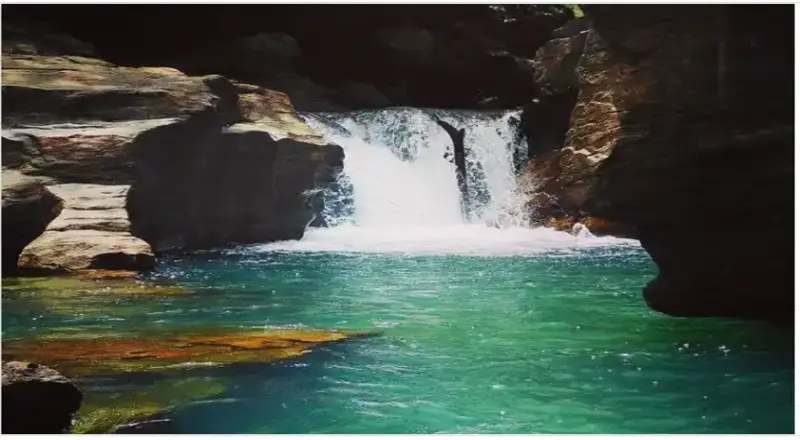
- Swimming in Natural Pools: If the current isn't too strong (usually in the post-monsoon months), the pools at the base of the waterfall are perfect for a refreshing dip. The water is crystal clear and incredibly cold, providing a natural hydrotherapy session after the long trek.
- Wildlife and Birdwatching: The Mhadei Wildlife Sanctuary is a biodiversity hotspot. Carry a pair of binoculars to spot the Malabar Whistling Thrush (known as the "Whistling Schoolboy"), the Great Indian Hornbill, and various species of colorful butterflies like the Blue Mormon. If you are lucky, you might even see tracks of the elusive Black Panther.
- Picnicking: There are several flat rock surfaces near the falls where you can sit and enjoy a packed lunch. Remember to carry all your trash back with you, as this is a strictly no-plastic zone.
Safety Tips
Adventure in the Western Ghats comes with its own set of risks. To ensure your trip to Sada Waterfall is memorable for the right reasons, follow these essential safety guidelines.
- Hire a Local Guide: This is my number one recommendation. The trails are not well-marked and can be confusing, especially inside the dense forest. Local guides from Sada village know the terrain intimately and can help you avoid dangerous paths and identify wildlife.
- Leech Protection: During the monsoon, leeches are unavoidable. Wear long socks and tuck your trousers into them. Carrying a small pouch of salt or tobacco water can help in removing leeches if they latch onto you. Applying Odomos or a similar repellent can also help.
- Footwear Matters: Do not attempt this trek in flip-flops or smooth-soled sneakers. You need high-grip trekking shoes with good ankle support. The volcanic rocks are notoriously slippery when wet.
- Stay Hydrated and Energized: Carry at least 2 liters of water per person and high-energy snacks like granola bars, dates, and nuts. There are no shops once you leave the village.
- Inform Someone: Mobile network is virtually non-existent at the waterfall. Inform your hotel or a friend about your trekking plans and your expected return time.
- Respect the Current: Never attempt to cross the streams or swim during heavy downpours. Flash floods are a real possibility in the Ghats.
- First Aid: Carry a basic first aid kit containing antiseptic cream, bandages, and any personal medication. A whistle and a torch are also good additions to your pack.
Nearby Attractions
The area surrounding Sada Waterfall is rich with other natural wonders. If you have an extra day or two, consider exploring these nearby gems:
- Vazira Sakla Falls: Another stunning waterfall located in the same region. It is often visited along with Sada, though it requires a separate trek. It is known for its height and the dramatic way it falls through the forest.
- Chorla Ghat: Spend some time exploring the viewpoints along this mountain pass. The Surla Waterfall can be seen from the roadside during the monsoon, looking like a silver thread draped over the mountains.
- Anjunem Dam: Located near Sanquelim, this dam offers a peaceful setting and beautiful views of the reservoir surrounded by hills. It’s a great spot for photography.
- Hivre Waterfalls: Located near Valpoi, this is another offbeat trekking destination featuring a series of smaller cascades and a challenging forest trail.
- Arvalem Caves and Waterfall: On your way back to the coast, you can stop at the Arvalem (Pandava) Caves, which date back to the 6th century, and the nearby Arvalem Waterfall.
Entry Fees & Timings
Sada Waterfall is located within a protected wildlife area, and there are certain regulations to follow:
- Entry Fees: There is usually no formal "ticket counter" at the waterfall itself, but the Goa Forest Department may require an entry fee at the check post entering the Mhadei Wildlife Sanctuary. This fee is typically nominal (around INR 50-100 per person).
- Guide Fees: Expect to pay a local guide between INR 500 to INR 1,000 for a group, depending on the duration of the trek. This is a direct way to support the local village economy.
- Timings: Trekking is strictly allowed during daylight hours only. It is recommended to start the trek no later than 9:00 AM to ensure you are back at the village before sunset. The forest becomes dangerously dark and difficult to navigate after 6:00 PM.
- Permissions: Occasionally, during periods of extreme rainfall, the Forest Department may temporarily close the trek for safety reasons. It is always wise to check with local authorities in Sanquelim or Valpoi before heading out.
Where to Eat Nearby
Being a remote location, your dining options at Sada are limited but authentic. This is a chance to taste real Goan-Kannada border cuisine.
- Sada Village Homestays: Some families in the village offer traditional home-cooked meals for trekkers. You can expect Pithla Bhakri (a chickpea flour dish with millet bread), local vegetable stir-fries, and spicy pickles. This is the most authentic meal you can get.
- Chorla Ghat Resorts: Upscale resorts like Wildernest and Swapnagandha have in-house restaurants that serve incredible buffet spreads featuring local Goan and Maharashtrian dishes like Ghat-style chicken curry and Sol Kadi. Note that these usually require prior booking.
- Sanquelim Town: This is the nearest town with standard restaurants. You can find local Udupi-style eateries serving South Indian breakfast or Goan thalis. Look for small "Khanavals" (local eateries) for a budget-friendly and delicious meal.
- Carry Your Own: For the trek itself, pack sandwiches, fruits, and plenty of water. Avoid carrying heavy meals that might make you sluggish during the climb.
Accommodation Nearby
If you want to fully immerse yourself in the mountain experience, I recommend staying overnight in the Chorla Ghat region rather than driving back to the coast.
- Wildernest Nature Resort: This is the premier eco-resort in the area. It offers luxury eco-cottages with stunning views of the Vazira Sakla Falls and the valley. It’s an immersive experience with guided nature walks and traditional folk performances.
- Swapnagandha Resort: A sister property to Wildernest, it offers similar views and comfort but is slightly more focused on tranquility and spectacular infinity pool views of the Sahyadris.
- Sada Village Homestays: For the budget-conscious and the culturally curious, staying with a local family in Sada village is an option. Accommodations are basic (floor bedding, shared toilets), but the hospitality is unmatched.
- Belagavi Hotels: If you prefer city comforts, Belagavi has a range of 3-star and 4-star hotels. It is about a 1.5-hour drive from the village.
- Valpoi Forest Guest House: Managed by the government, this offers a basic but clean stay in the heart of the forest. Booking usually needs to be done through the Forest Department office in Panaji or Valpoi.
Photography Spots
For photographers, Sada Waterfall is a dream. The interplay of light, water, and ancient stone provides endless opportunities.
- The "V" Perspective: Frame the waterfall from the trail just as you emerge from the forest. The way the mountains frame the falling water creates a perfect natural composition.
- Long Exposure at the Base: Use a tripod and a Neutral Density (ND) filter at the base of the falls to capture the "silky" effect of the moving water against the dark volcanic rocks.
- Macro Photography: The forest floor is a world of its own. Look for colorful fungi, rare insects, and the intricate patterns of moss on old tree trunks.
- The Caves: The entrance to the volcanic caves, with the light filtering through the ferns, makes for a moody and atmospheric shot.
- Drone Shots: If you have a drone (and the necessary permits), the aerial view of the Sada plateau and the sudden drop of the waterfall is breathtaking. However, be mindful of the wind and the birds of prey in the area.
Hidden Gem Score & Crowd Level
Hidden Gem Score: 9.5/10
Sada Waterfall is the definition of a hidden gem. While Dudhsagar is the "king" of Goan waterfalls, Sada is the "hermit"—quiet, powerful, and deeply spiritual. Its location on the border and the moderate trek required to reach it act as a natural filter, keeping the casual tourist crowds at bay. It remains one of the few places in Goa where you can experience true silence, broken only by the sounds of nature.
Crowd Level: Very Low to Low
Even during weekends in the peak season, you are unlikely to encounter more than a handful of trekking groups. On weekdays, you might have the entire waterfall to yourself. Unlike the crowded beaches of Baga or Anjuna, Sada offers a sense of exclusivity that is becoming increasingly rare in Goa. This low footfall helps in maintaining the pristine condition of the site, but it also means there are no facilities, so you must be self-sufficient.
Conclusion
Sada Waterfall is a testament to the fact that Goa is much more than its coastline. It is a destination for the soul, offering a blend of physical challenge and spiritual rejuvenation. The journey through the Chorla Ghat, the trek through the Mhadei Wildlife Sanctuary, and the final sight of the water plunging into the abyss is an experience that stays with you long after the mud has been washed off your boots.
As a travel writer, I often tell people that to truly "know" Goa, you must leave the beach behind at least once. You must breathe the thin air of the Sahyadris, hear the call of the Malabar Whistling Thrush, and stand in the spray of a hidden giant like Sada. It is a place of raw power and delicate beauty, a reminder of the ancient geological forces that shaped this land. Whether you are an avid trekker, a photography enthusiast, or someone simply looking for a quiet corner of the world to reconnect with nature, Sada Waterfall is a destination that promises and delivers an unforgettable adventure. Pack your bags, lace up your boots, and go discover the "Grand Canyon of Goa"—just remember to tread lightly and leave nothing but footprints.