Explore sections of this guide
Nestled in the serene and verdant village of Kansarpal, located within the Bicholim Taluka of North Goa, the Shri Mahamaaya Kalika Devasthan stands as a beacon of spiritual solace and architectural splendor. Unlike the bustling beach destinations that define the typical Goan tourist circuit, Kansarpal offers a glimpse into the "Antaruz" or the inner heart of Goa, where ancient traditions remain vibrantly alive. This temple is dedicated to the Goddess Kalika, an incarnation of the Divine Mother, and serves as the Kuldevta (family deity) for the Daivadnya Brahmin community, who are traditionally renowned as goldsmiths and jewelers.
The atmosphere surrounding the Shri Mahamaaya Kalika Devasthan is one of profound tranquility. As you approach the temple complex, the air is filled with the scent of tropical flora and the distant sound of temple bells. The temple is not just a place of worship but a cultural hub that preserves the unique syncretic heritage of Goa—a blend of Vedic rituals, local folklore, and historic resilience. For a traveler seeking more than just a tan, this site offers a deep dive into the spiritual psyche of the Goan people. The temple complex is expansive, featuring traditional rest houses, a majestic water tank, and a towering lamp pillar that dominates the skyline. It is a place where time seems to slow down, allowing visitors to reflect, meditate, and witness the rhythmic beauty of Hindu temple life in the Konkan region.
The history of Shri Mahamaaya Kalika Devasthan is a testament to the enduring faith of its devotees across centuries of upheaval. Historical records and oral traditions suggest that the temple has ancient roots, dating back at least 800 years. During the Kadamba dynasty era, Goa saw a flourishing of temple construction, and it is believed that the original foundations of this shrine were laid during that golden age of Goan Hindu culture. However, the path of the deity was not without challenges. During the period of Portuguese colonization and the subsequent Goa Inquisition in the 16th and 17th centuries, many Hindu temples in the coastal "Old Conquests" were destroyed. To protect their sacred idols, many communities fled to the "New Conquests"—areas like Bicholim and Ponda which remained under the control of local Maratha rulers or the Sawantwadi Kingdom for a longer duration.
The Goddess Kalika was eventually established in Kansarpal, where she found a permanent home safe from the iconoclastic fervor of the colonial era. The current structure, while having undergone several renovations, retains the spirit of the 18th-century reconstruction. The religious significance of the temple is deeply tied to the identity of the Daivadnya community. For them, the Goddess is the supreme protector and the source of their craftsmanship and prosperity. The name "Mahamaya" signifies the Great Illusion or the creative power of the universe, while "Kalika" represents the fierce aspect of the Goddess who destroys evil and ignorance. This dual nature—nurturing mother and fierce protector—makes the temple a powerful center for Shakti worship in Western India. Over the years, the temple has also become a site of pilgrimage for people of all castes and creeds, symbolizing the inclusive nature of Goan spirituality.
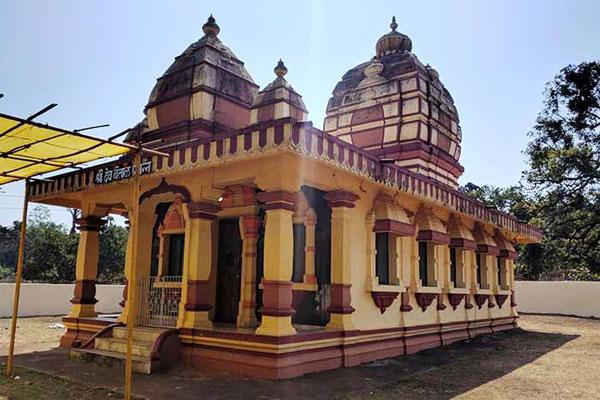
The architecture of Shri Mahamaaya Kalika Devasthan is a stunning example of the Goan Temple Style, which is a unique fusion of Indian, Islamic, and European architectural influences. As you enter the main gate, your eyes are immediately drawn to the Deepastambha (tower of light). This multi-storied, white-washed octagonal tower is a hallmark of Goan Hindu architecture. During festivals, hundreds of oil lamps are placed in its niches, creating a celestial glow that can be seen from miles away. The main temple building features a sloping roof, traditionally designed to withstand the heavy torrential rains of the Konkan monsoon. The roof is often covered with red Mangalore tiles, which provide a striking contrast against the pristine white walls of the structure.
Inside the temple, the Mandapa (assembly hall) is supported by intricately carved wooden pillars. The wood carvings often depict scenes from the Puranas and the life of Goddess Durga. The ceiling is frequently adorned with floral motifs and geometric patterns, showcasing the skill of local artisans. The Garbhagriha (sanctum sanctorum) is where the deity resides. The entrance to the sanctum is often plated with silver or gold, featuring elaborate repoussé work—a nod to the goldsmithing heritage of the patron community. The Shikhara (dome) above the sanctum is typically influenced by the "Maratha" style, with a bulbous shape and a decorative finial. Surrounding the main temple are the Agrashalas (pilgrim hostels), which are built in a traditional courtyard style, ensuring a cool and airy environment for travelers. The use of local laterite stone for the foundation and walls adds to the structural integrity and thermal comfort of the entire complex.
The presiding deity of the temple is Goddess Mahamaya Kalika. The idol is a sight of immense spiritual power and artistic beauty. Carved from dark stone or occasionally cast in metal (copper/bronze), the Goddess is depicted in a posture that exudes both authority and grace. She is often seen with multiple arms, holding various weapons to signify her power over the forces of darkness, while one hand is typically held in the Abhaya Mudra (gesture of fearlessness), reassuring her devotees. The idol is meticulously adorned with traditional Goan jewelry, including the Nath (nose ring), Galsari (necklace), and heavy gold ornaments that reflect the community's devotion and skill.
The spiritual importance of the deity extends beyond the physical idol. In the Goan tradition of Shaktism, the Goddess is viewed as the "Gramadevta" (village deity) who protects the boundaries of Kansarpal and the "Kuldevta" who watches over the lineages of her devotees. Daily rituals include Abhishek (ceremonial bathing of the idol), Archana (offering of flowers), and the Aarti (ritual of light). The evening Aarti is particularly moving, as the sound of the Ghumot (local percussion instrument), cymbals, and bells creates a meditative resonance. Devotees believe that a visit to the Kalika Devasthan cleanses the mind of negative thoughts and provides the strength to face life's challenges. The presence of the "Kaal Bhairav" shrine within the complex further emphasizes the protective and transformative energy of the site.
The Shri Mahamaaya Kalika Devasthan comes alive during its various festivals, which are celebrated with immense fervor and traditional Goan pomp. The most significant event is the Shishirotsav, popularly known as the Zatra. This annual festival usually takes place in the Hindu month of Magha (January or February). The Zatra is a week-long celebration that attracts thousands of devotees from across Goa and neighboring states. The highlight of the Zatra is the Ratha Yatra (chariot procession), where the deity is placed in a massive, intricately carved wooden chariot and pulled through the village by devotees. The air is thick with the sounds of traditional music, and the streets are lined with stalls selling local sweets, toys, and handicrafts.
Another major celebration is Navratri, the nine nights dedicated to the Divine Mother. During this time, the temple is decorated with fresh flowers and lights. Each night, the Goddess is dressed in different "Alankaras" (ornaments and garments) representing her various forms. Cultural programs, including Dashavatara (traditional folk theater) and Bhajans, are organized in the temple courtyard. Other important days include Vasant Panchami and the anniversary of the temple's installation. These festivals are not just religious events but social gatherings that reinforce community bonds and keep Goan folk traditions alive. Witnessing a "Palki" (palanquin) procession, where the deity is carried on the shoulders of devotees to the rhythmic beat of drums, is an unforgettable experience for any traveler.
The best time to visit Shri Mahamaaya Kalika Devasthan is during the winter months, from November to February. During this period, the weather in Goa is pleasant, with clear blue skies and cool breezes, making it ideal for exploring the temple complex and the surrounding countryside. This window also coincides with the major festival of Shishirotsav (Zatra), allowing visitors to experience the temple in its full glory. The vibrant energy during the festival season is unparalleled, though it does come with larger crowds.
Alternatively, the monsoon season (June to September) offers a different kind of beauty. The village of Kansarpal turns into a lush green paradise, and the temple, surrounded by rain-washed trees and mist-covered hills, looks incredibly ethereal. While the humidity is high, the lack of crowds provides a more contemplative and private experience. However, travelers should be prepared for heavy downpours. The summer months (March to May) can be quite hot and humid, so if you visit during this time, it is best to plan your trip for the early morning or late evening to avoid the midday sun.
To ensure a respectful and smooth visit, it is important to be aware of the temple's operational hours and etiquette:
Reaching Kansarpal is an enjoyable journey through the scenic landscapes of North Goa. Here are the best ways to get there:
A visit to Shri Mahamaaya Kalika Devasthan offers several enriching activities beyond the primary act of worship:
Bicholim Taluka is rich in natural and historical sites. You can combine your visit to the temple with these nearby attractions:
To ensure a respectful experience for yourself and the local community, please follow these guidelines:
Kansarpal is a small village, so dining options within the immediate vicinity are limited to small tea stalls serving local snacks like Samosas, Batata Vada, and Bhajias. For a more substantial meal, you should head to Bicholim town (7-8 km away):
For those wishing to stay close to the temple, there are a few options:
To make the most of your spiritual journey to Shri Mahamaaya Kalika Devasthan, keep these tips in mind:
The Shri Mahamaaya Kalika Devasthan is more than just a religious site; it is a living monument to Goa’s resilient spirit and its rich cultural tapestry. A visit here offers a profound sense of peace that is hard to find in the more commercialized parts of the state. Whether you are a devout pilgrim seeking the blessings of the Mother Goddess, an architecture enthusiast marveling at the unique Goan style, or a traveler looking for the "authentic" Goa, this temple provides an experience that is both grounding and uplifting.
As the lamps on the Deepastambha flicker in the evening breeze and the chants of the priests echo through the carved wooden halls, one cannot help but feel a connection to the centuries of faith that have built and sustained this sacred space. Leaving Kansarpal, you carry with you not just the memories of a beautiful temple, but a piece of the quiet, spiritual soul of Goa. It is a reminder that amidst the changing tides of time, some things—like the devotion to the Divine Mother—remain eternal and unchanging. Make sure to include this hidden gem in your Goan itinerary for a journey that nourishes the soul as much as it delights the eyes.