Overview of Satrem Waterfall
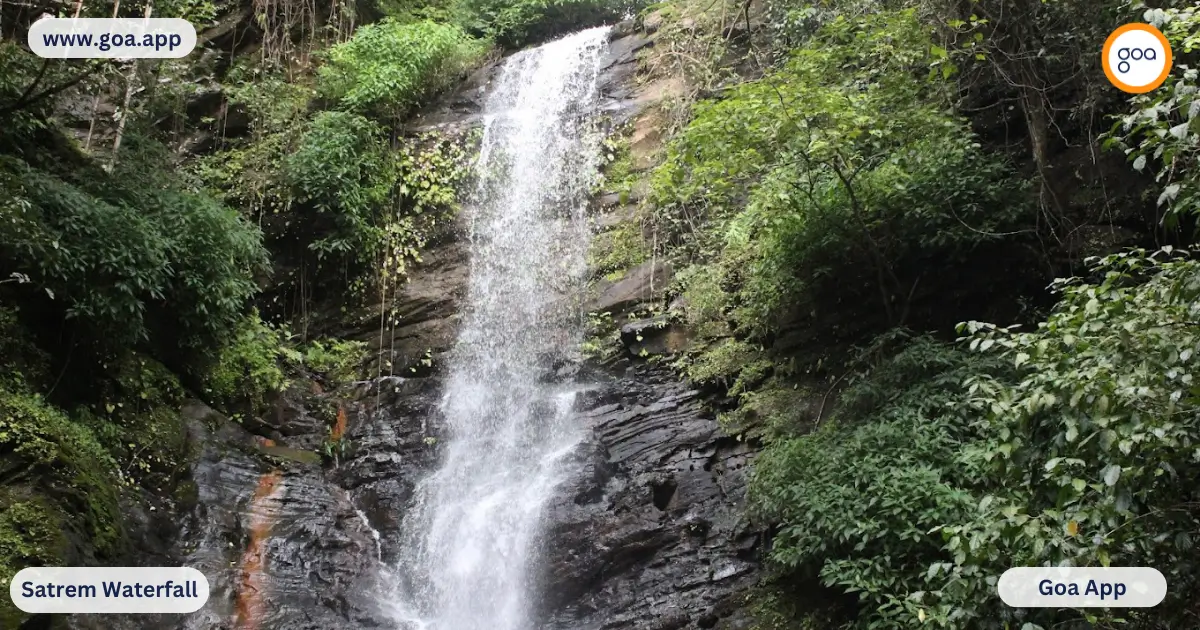
Deep within the emerald embrace of the Mhadei Wildlife Sanctuary lies one of Goa’s most captivating yet underrated natural wonders: the Satrem Waterfall. While the coastal belt of Goa is synonymous with sun-kissed sands and vibrant nightlife, the hinterlands of the Sattari taluka offer a different kind of intoxication. Satrem is not just a waterfall; it is a sensory journey into the heart of the Western Ghats, a UNESCO World Heritage site known for its staggering biodiversity and ancient geological formations. Located near the border of Goa and Karnataka, this seasonal marvel cascades down rugged rock faces, fed by the torrential rains of the Indian monsoon.
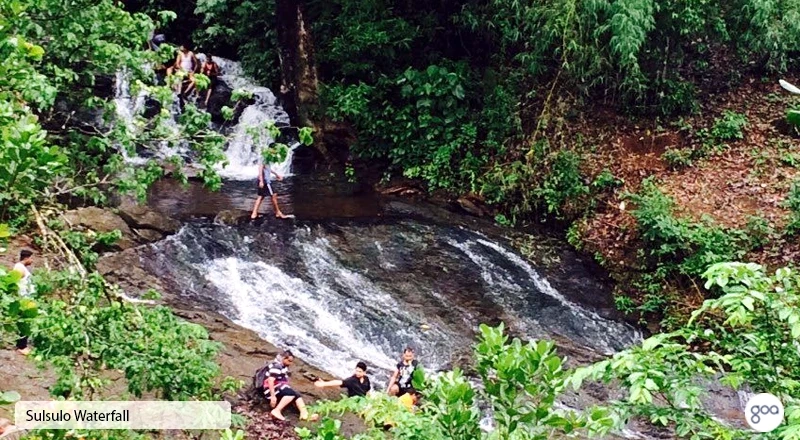
The village of Satrem itself is a picture of pastoral serenity. Here, life moves at the pace of the flowing Mhadei River. The waterfall is a multi-tiered spectacle, hidden behind a dense curtain of tropical semi-evergreen and moist deciduous forests. Unlike the commercialized Dudhsagar Falls, Satrem remains a sanctuary for those seeking solitude. The air here is noticeably cooler, infused with the scent of wet earth, wild orchids, and the moss that clings to every available surface. For the eco-traveler, Satrem represents the "other Goa"—a place where the roar of the ocean is replaced by the rhythmic drumming of falling water and the calls of the Malabar Whistling Thrush.
Top Goa Experience • Part 1
Highly Recommended Near Satrem Waterfall
Explore All
The significance of Satrem Waterfall extends beyond its beauty. It is part of a vital ecological corridor that supports a variety of wildlife, including the elusive black panther, the Bengal tiger, and numerous endemic bird species. The waterfall serves as a primary water source for the local flora and fauna, making it a cornerstone of the region's environmental health. Visitors to Satrem are often struck by the sheer purity of the landscape; there are no concrete viewing decks or plastic-strewn paths here. Instead, you find raw, unfiltered nature that demands respect and offers profound peace in return. As you approach the falls, the sound of the water grows from a distant hum to a thundering crescendo, signaling your arrival at one of the most pristine spots in the Sahyadri Mountain Range.
How to Reach Satrem Waterfall
Reaching Satrem Waterfall is an adventure in itself, requiring a transition from the bustling coastal highways to the winding, canopy-covered roads of the Sattari district. The journey is approximately 55 to 60 kilometers from the capital city of Panaji and about 75 kilometers from the popular beach hubs of North Goa like Calangute or Baga. The most effective way to reach the starting point is by private vehicle—either a hired car or a powerful scooter—as public transport to the remote village of Satrem is infrequent and may not align with a trekker's schedule.
Recommended Guide
15 Best Hill Stations Near Goa distance & Travel Tips
Discover the 15 best hill stations near Goa to visit in 2026. Our guide covers distances, trekking trails, and local highlights.
Read Guide →
Step-by-Step Route from North Goa:
- Start your journey early to avoid the midday heat and traffic. Head towards the town of Valpoi, which serves as the gateway to the Mhadei Wildlife Sanctuary.
- From Panaji, take the route via Old Goa and Ponda, or head through Sanquelim. The road through Sanquelim is particularly scenic, passing by the historic Arvalem Caves.
- Once you reach Valpoi, you will need to navigate towards the village of Nagargao and then proceed further towards the Satrem village. The roads become narrower and more winding as you approach the village, offering stunning views of the surrounding hills.
- Look for local landmarks such as the forest department checkposts. It is highly recommended to stop and ask locals for "Satrem Waterfalls" as GPS signals can become erratic once you enter the deep forest zones.
Travel from South Goa: If you are traveling from Margao, the distance is roughly 65 kilometers. You should head towards Ponda, then follow the state highway towards Valpoi. The drive through the Mollem region is breathtaking, especially during the monsoon when every hillside is covered in a dozen shades of green. For those arriving by air, the Manohar International Airport (Mopa) is about 60 kilometers away, while the Dabolim Airport is slightly further at 75 kilometers. The nearest railway station is Thivim, but you will still need a taxi to cover the remaining 45 kilometers to the village.
Recommended Guide
Where to Party in Goa? (Ultimate 2026 Nightlife Guide)
Goa is not just a destination—it’s an experience. When the sun sets over the Arabian Sea, the state transforms into India’s ultimate nightlife capita...
Read Guide →
The final stretch of the drive involves navigating through the village of Satrem. The road ends at a clearing near the forest edge, where you can park your vehicle. From this point, the mechanical world ends, and the foot journey begins. It is crucial to ensure your vehicle is in good condition, especially the brakes and tires, as the terrain can be slippery and steep in parts during the rainy season.
Best Time to Visit
The timing of your visit to Satrem Waterfall is the single most important factor in determining the quality of your experience. Because the waterfall is rain-fed, its majesty is directly tied to the Indian monsoon cycle. However, each season offers a different perspective on this hidden gem.
Recommended Guide
Water Sports in Candolim Goa | Best Prices, Packages & Booking Guide
Candolim Beach, located in North Goa, is one of the most popular destinations for water sports in Goa. Known for its clean shoreline, less crowded environm...
Read Guide →
The Peak Monsoon (June to September): This is when Satrem Waterfall is at its most powerful. The volume of water is immense, and the surrounding forest is a lush, vibrant green. The trek during this time is challenging due to the mud and the presence of leeches, but the sight of the roaring falls is unparalleled. If you enjoy the raw power of nature and don't mind getting wet, this is the time for you. July and August are the months of maximum flow, though heavy downpours can sometimes lead to forest trail closures for safety reasons.
Top Goa Experience • Part 2
Highly Recommended Near Satrem Waterfall
Explore All
Post-Monsoon (October to December): Many seasoned trekkers consider this the absolute best time to visit. The rains have subsided, making the trails safer and more manageable. The waterfall still maintains a significant flow, and the water in the natural pools is crystal clear. The weather is pleasant—warm during the day and cool in the evenings—and the humidity levels are lower than in the peak monsoon. This period also offers the best visibility for photography and bird watching.
Winter (January to February): By this time, the waterfall begins to thin out. While it is still a beautiful spot for a forest hike, the "wow" factor of the cascading water is diminished. However, this is an excellent time for those who want to explore the deep forest without the hassle of slippery mud or leeches. The pools at the base of the falls remain refreshing, and the trek is much easier on the legs.
Summer (March to May): It is generally advised to avoid Satrem during the peak summer months. The waterfall often dries up to a mere trickle, and the intense heat of the Goan hinterlands can make the trek exhausting. The forest loses its vibrant green hue, turning a dusty brown, and the humidity within the sanctuary can be stifling. Save your visit for when the clouds gather and the first rains begin to fall.
Trek Details for Satrem Waterfall
The trek to Satrem Waterfall is an immersive experience that tests your stamina while rewarding your senses. It is classified as a moderate difficulty trek, primarily due to the uneven terrain and the river crossings involved. The total distance is approximately 3 to 4 kilometers one way, depending on the specific path taken through the forest.
The Trailhead: The trek begins from Satrem village. You will initially walk through local spice plantations and betel nut groves. The local villagers are friendly and often guide trekkers toward the forest entrance. As you leave the village behind, the path narrows into a forest trail marked by the passage of previous hikers and forest guards.
Forest Navigation: The trail winds through the dense canopy of the Mhadei Wildlife Sanctuary. You will encounter massive teak trees, tangled lianas, and ancient ferns. The ground is often covered in a thick layer of leaf litter, which can be slippery when wet. One of the highlights of the trek is the crossing of small streams that feed into the Mhadei River. During the height of the monsoon, these streams can be knee-deep, requiring careful footing on submerged rocks. It is essential to wear shoes with excellent grip—standard sneakers will not suffice on the mossy stones.
The Final Ascent: As you get closer to the falls, the terrain becomes more vertical. You will need to scramble over boulders and navigate through narrow gaps in the vegetation. The sound of the waterfall acts as your primary guide. The last 500 meters are the most strenuous, but as the trees clear and the mist from the falls hits your face, the fatigue vanishes instantly. The trail opens up to a massive rock amphitheater where the water plunges from a height of about 30-40 meters into a natural pool below.
The trek usually takes about 1.5 to 2 hours to reach the falls and another hour to return. It is highly recommended to hire a local guide from the village. Not only do they know the safest paths, but they can also point out rare flora and fauna that an untrained eye would easily miss. Furthermore, hiring a guide supports the local economy and ensures you don't accidentally wander off into the restricted zones of the sanctuary.
Things to Do
Satrem Waterfall offers a variety of activities for nature lovers and adventure seekers alike. While the waterfall is the main attraction, the surrounding ecosystem provides ample opportunities for exploration.
- Wild Swimming: The natural pool at the base of the waterfall is perfect for a refreshing dip. The water is cool and incredibly pure. However, always check the depth and current before jumping in, especially during the monsoon when the force of the water can create dangerous undercurrents.
- Nature Photography: From macro shots of rare forest insects and vibrant fungi to wide-angle landscapes of the cascading water, Satrem is a photographer's paradise. The play of light through the forest canopy creates ethereal scenes that are perfect for capturing the essence of the Western Ghats.
- Bird Watching: The Mhadei Wildlife Sanctuary is a birding hotspot. Keep an eye out for the Malabar Grey Hornbill, the Ruby-throated Yellow Bulbul (Goa's state bird), and the Emerald Dove. The early morning hours are best for spotting these feathered residents.
- Mindfulness and Meditation: The sheer isolation of Satrem makes it an ideal spot for meditation. Find a flat rock, sit back, and let the white noise of the waterfall wash away your stress. It is a powerful place for "forest bathing" (Shinrin-yoku).
- Herping: For those interested in reptiles and amphibians, the Satrem trek offers glimpses of various frog species and the occasional vine snake or pit viper. Always maintain a safe distance and never disturb the wildlife.
- Picnicking: You can carry light snacks and water to enjoy by the falls. However, it is strictly a "Leave No Trace" zone. Every piece of plastic or waste you bring in must be carried back out with you.
Safety Tips
Exploring the wilderness of Goa requires a balance of enthusiasm and caution. Satrem Waterfall is a wild location, and help is not immediately available if things go wrong. Follow these safety guidelines to ensure a smooth trip:
- Beware of Leeches: During the monsoon, the forest floor is teeming with leeches. While they are harmless, their bites can be annoying. Wear long socks, tuck your trousers into them, and carry a small pouch of salt or tobacco water to deter them.
- Footwear is Key: Invest in high-quality trekking shoes with "Vibram" or similar high-traction soles. The rocks around the waterfall are notoriously slippery due to algae growth.
- Stay Hydrated: The humidity can cause rapid dehydration. Carry at least 2 liters of water per person. Avoid drinking directly from the streams unless you have a portable water filter.
- Check Weather Forecasts: Avoid trekking during extremely heavy rainfall or when there are red alerts issued by the IMD. Flash floods in the Ghats are a real danger, and stream levels can rise within minutes.
- Wildlife Awareness: You are entering a wildlife sanctuary. While animal attacks are extremely rare, it is important to stay on the path and avoid making excessive noise. If you encounter a snake, stop, stay calm, and let it pass.
- Go in a Group: Never trek to Satrem alone. Always have at least one companion, and ideally, a local guide who knows the terrain.
- First Aid: Carry a basic first aid kit containing antiseptic wipes, bandages, pain relievers, and any personal medications.
Nearby Attractions
The Sattari taluka is rich in natural and cultural landmarks. If you have a full day, you can combine your visit to Satrem with these nearby spots:
- Hivre Waterfall: Another stunning waterfall located in the same region. It offers a slightly more challenging trek and is equally beautiful.
- Nanuz Fort: Built by Shivaji Maharaj and later occupied by the Portuguese, this fort in Valpoi has a rich history related to the Rane revolts. Though mostly in ruins, it offers a glimpse into Goa's martial past.
- Chorla Ghat: A scenic mountain pass that connects Goa, Karnataka, and Maharashtra. The drive up the ghats offers panoramic views of the Anjunem Dam and the surrounding valleys.
- Brahma Karmali Temple: Located near Valpoi, this is one of the few temples in India dedicated to Lord Brahma. The idol dates back to the 12th century and is a masterpiece of Kadamba architecture.
- Surla Waterfall: Located further up the ghats, this waterfall is visible from the road and is a popular spot for quick photos and enjoying the mountain air.
- Anjunem Dam: A massive dam situated on the Sanquelim-Belgaum highway. The reservoir is surrounded by lush greenery and is a great spot for a scenic halt.
Entry Fees & Timings
Satrem Waterfall falls under the jurisdiction of the Goa Forest Department. As of the current regulations:
- Entry Fee: There is usually a nominal entry fee collected at the forest checkpost or at the entrance of the Mhadei Wildlife Sanctuary. This typically ranges from INR 50 to INR 100 per person.
- Guide Fees: While not mandatory, hiring a local guide is highly encouraged. Expect to pay between INR 500 to INR 1000 for a group, depending on the duration of the trek.
- Timings: The forest department generally allows entry between 9:00 AM and 3:00 PM. You are expected to exit the forest area by 5:00 PM. Trekking after dark is strictly prohibited and dangerous due to the presence of nocturnal predators.
- Permits: For large groups or professional filming, prior permission from the Wildlife Warden’s office in Panaji or the Forest Office in Valpoi may be required.
Where to Eat Nearby
Since Satrem is a remote village, do not expect cafes or restaurants at the waterfall site. You must plan your meals around the town of Valpoi or carry your own food.
- Local Eateries in Valpoi: Valpoi has several small restaurants serving authentic Goan cuisine. Look for places serving a Goan Fish Thali, which includes rice, fish curry (Hooman), fried fish, and various vegetable side dishes.
- Ros Omelette Stalls: In the evenings, the streets of Valpoi come alive with carts selling Ros Omelette—a Goan street food staple consisting of an omelette drenched in spicy chicken or chickpea gravy.
- Spice Plantation Lunches: If you visit a nearby spice plantation, they often provide traditional Goan buffet lunches served on banana leaves, featuring locally grown spices and organic vegetables.
- Self-Catering: It is wise to pack energy bars, fruits, sandwiches, and plenty of water before leaving Valpoi for Satrem. There are small kiosks in Satrem village where you can buy basic items like biscuits and soda.
Accommodation Nearby
To fully experience the beauty of the Sattari region, consider staying overnight in the area rather than rushing back to the coast.
- Eco-Resorts: There are several high-end eco-resorts in the Chorla Ghat area, such as Wildernest Nature Resort and Swapnagandha Resort. These offer stunning views of the Vazira Falls and provide guided treks and bird-watching tours.
- Homestays: For a more authentic experience, look for homestays in Valpoi or Nagargao. These allow you to experience local Goan hospitality and taste home-cooked meals.
- Forest Guest Houses: The Goa Forest Department maintains guest houses in the sanctuary area. These are basic but clean and affordable. Bookings usually need to be made in advance through the Forest Department headquarters in Panaji.
- Budget Hotels: Valpoi town has a few basic lodges and hotels for travelers who need a simple place to crash after a long day of trekking.
Photography Spots
If you want to capture the perfect shot of Satrem, keep these spots in mind:
- The River Crossing: The points where the trail crosses the streams offer a great perspective of the dense forest reflecting in the moving water. Use a slow shutter speed for a silky water effect.
- The Bamboo Groves: Parts of the trail are lined with towering bamboo stalks. The way the sunlight filters through the thin leaves creates a beautiful, dappled lighting effect.
- The Main Falls: For the best shot of the entire waterfall, stand on the large boulders about 50 meters back from the base. This allows you to capture the height of the falls and the surrounding greenery in one frame.
- Macro Details: Don't forget to look down. The moss-covered rocks, colorful wild mushrooms, and intricate spider webs covered in morning dew are excellent subjects for macro photography.
Hidden Gem Score & Crowd Level
Hidden Gem Score: 9.5/10
Satrem Waterfall remains one of the best-kept secrets in Goa. While Dudhsagar is overrun with thousands of tourists daily, Satrem rarely sees more than a handful of visitors at a time, even on weekends. During the weekdays, you might find yourself completely alone with nature.
Crowd Level: Very Low to Moderate
- Weekdays: Extremely quiet. You are likely to meet only local villagers or forest guards.
- Weekends: A small number of local Goan trekkers and adventure groups visit on Sundays, but it never feels "crowded."
- Public Holidays: There might be a slight uptick in visitors, but the difficulty of the trek naturally thins out the crowds.
Conclusion
Satrem Waterfall is a testament to the raw, pulsating beauty of Goa’s hinterlands. It is a place that rewards the effort of the trek with a sense of wonder that is increasingly hard to find in today’s over-touristed world. By visiting Satrem, you are not just seeing a waterfall; you are connecting with an ancient landscape that has remained largely unchanged for centuries. Whether you are an avid trekker, a photography enthusiast, or someone simply looking to escape the noise of the modern world, Satrem offers a sanctuary of green and gold. As you stand at the base of the falls, feeling the spray on your skin and hearing the roar of the Mhadei, you realize that the true heart of Goa isn't found on its beaches, but in the silent, powerful depths of its forests. Plan your journey with respect for the environment, embrace the challenge of the trail, and let Satrem Waterfall leave an indelible mark on your soul.