Overview of Bhati Netravali Waterfall
Deep within the emerald embrace of the Netravali Wildlife Sanctuary in South Goa lies a pristine natural marvel known as the Bhati Netravali Waterfall. While the coastal charms of Goa, with its sun-kissed beaches and vibrant nightlife, often steal the spotlight, the hinterlands offer a different kind of magic—one that is whispered by the rustling leaves of the Western Ghats and sung by the cascading waters of hidden falls. Bhati Netravali is not just a destination; it is an experience that transports you away from the commercial noise of North Goa into the raw, pulsating heart of nature. This waterfall is part of the larger Netravali river system, which is a vital lifeline for the Sanguem Taluka, ensuring the lush greenery that defines this region remains vibrant throughout the year.
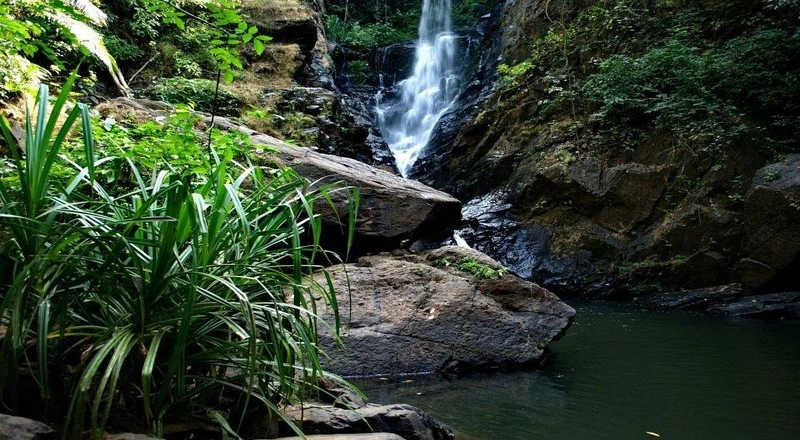
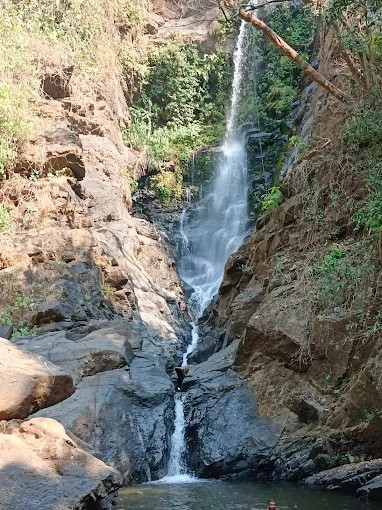
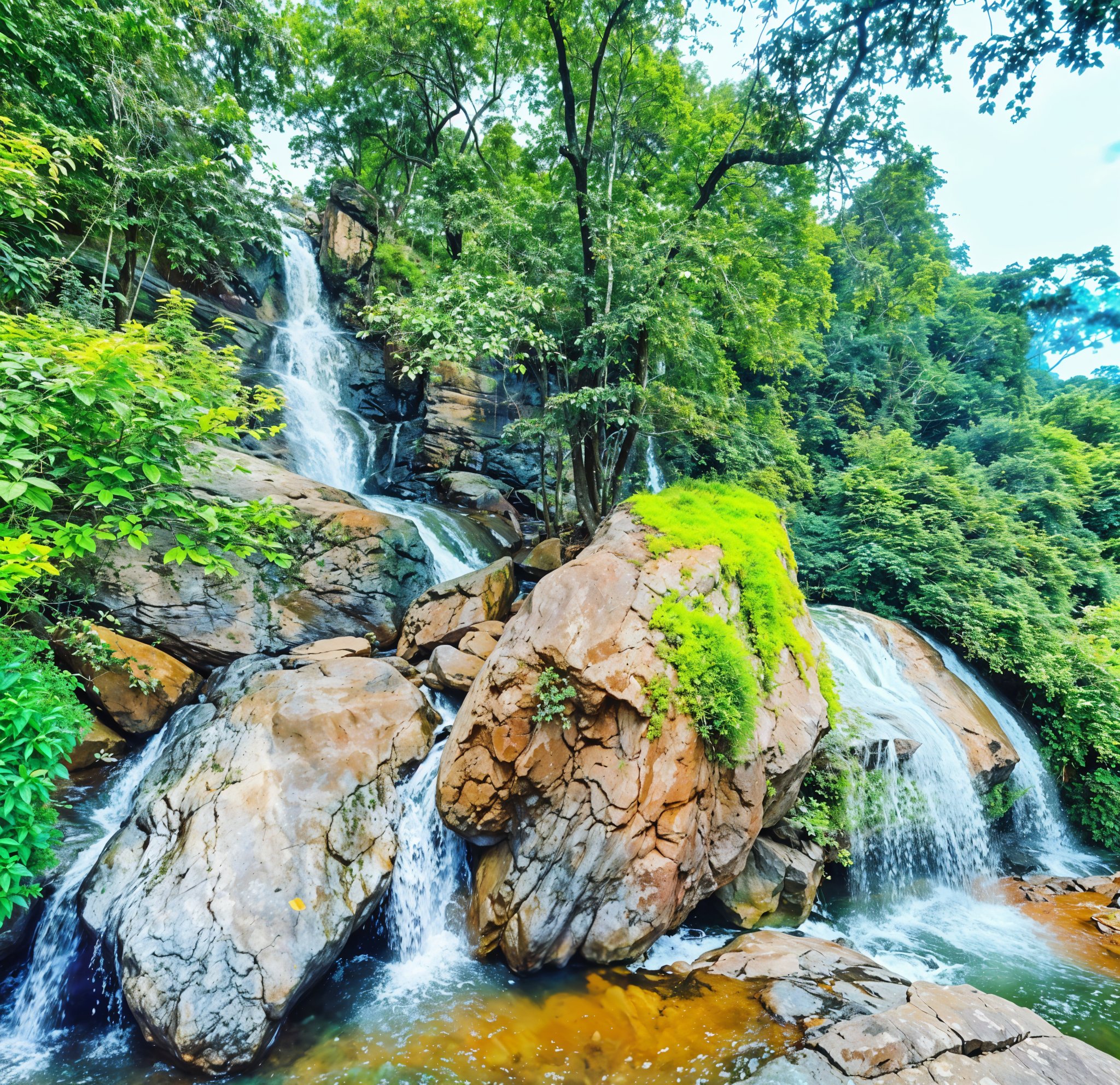
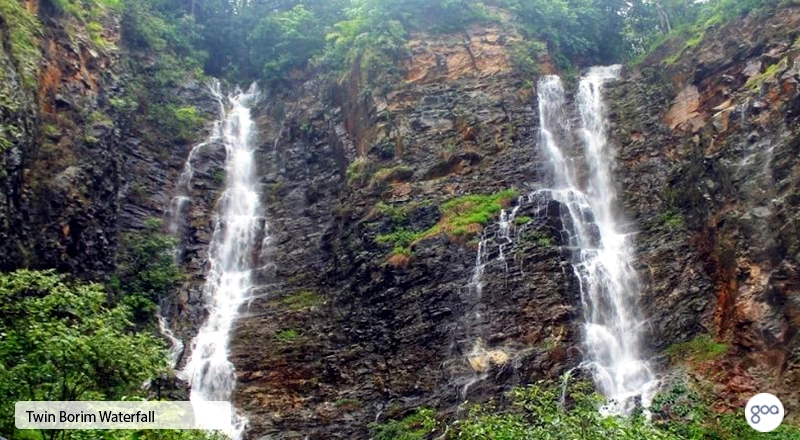
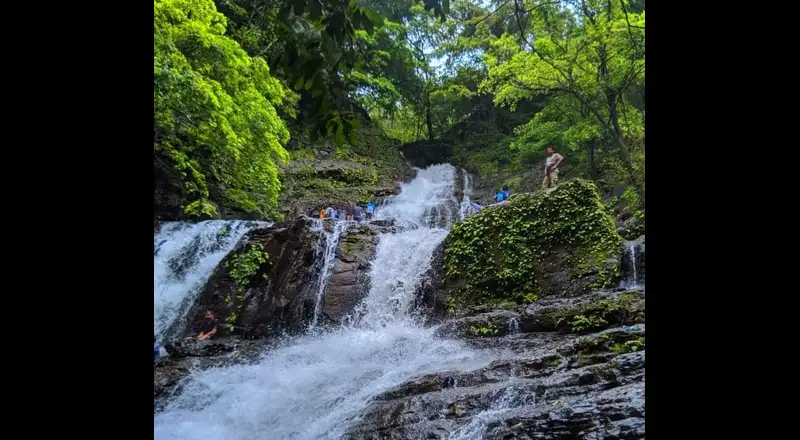
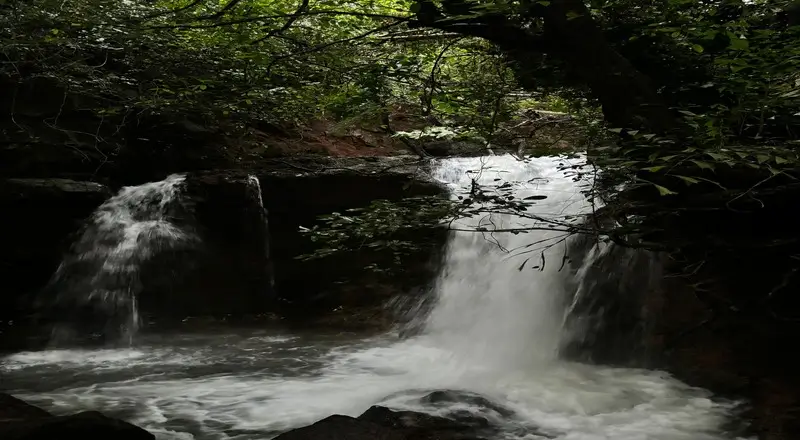
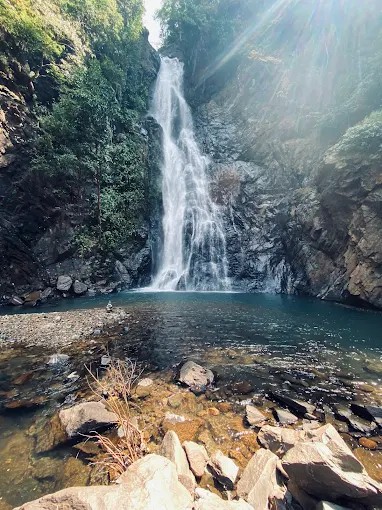
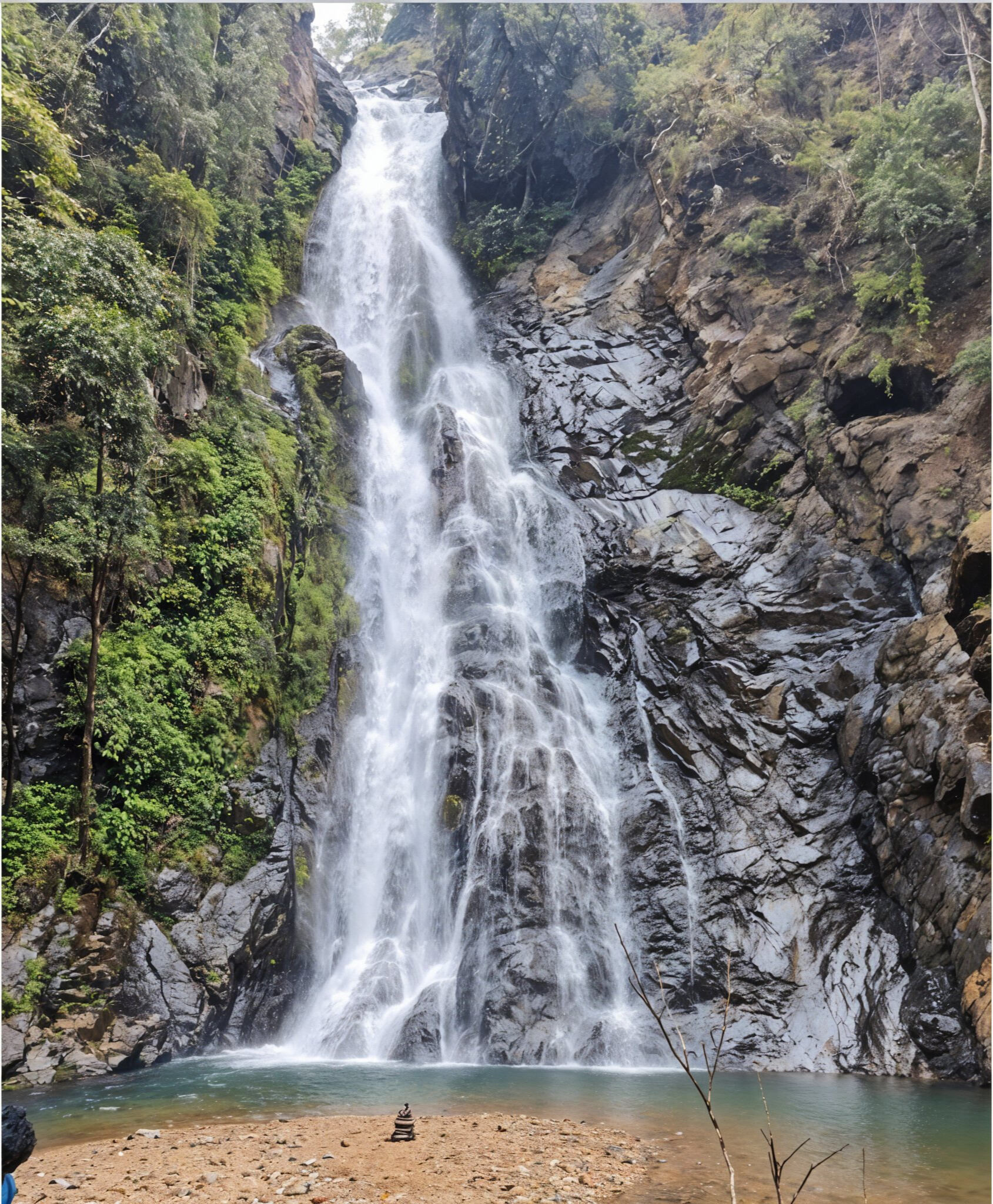
The Bhati Netravali Waterfall is often overshadowed by its more famous neighbor, the Dudhsagar Falls, but for the discerning traveler, this is its greatest strength. It offers a sense of solitude and intimacy that is increasingly hard to find in India's most popular tourist state. The waterfall is characterized by its multi-tiered descent, where crystal-clear water plunges over ancient basalt rock formations, collecting in a refreshing natural pool at the base. Surrounded by a dense canopy of semi-evergreen and moist deciduous forests, the air here is thick with the scent of damp earth and wild orchids. This area is a biodiversity hotspot, home to rare species of flora and fauna, making it a sanctuary for naturalists, hikers, and those seeking spiritual rejuvenation through nature. When you stand at the base of Bhati Netravali, you are standing in one of the most ecologically sensitive and beautiful parts of the Sahyadri Mountain Range.
Top Goa Experience • Part 1
Highly Recommended Near Bhati Netravali Waterfall
Explore All
How to Reach Bhati Netravali Waterfall
Reaching Bhati Netravali Waterfall is an adventure in itself, requiring a journey through some of Goa's most scenic rural landscapes. The waterfall is located in the Sanguem Taluka of South Goa, approximately 80 kilometers from the capital city, Panjim, and about 50 kilometers from Margao, the cultural capital of the state. Because of its remote location within a protected wildlife sanctuary, public transport is limited, and private transport is highly recommended.
- By Road from Margao: This is the most common route. You will head towards Quepem and then proceed to Savordem. From there, follow the signs toward the Netravali Wildlife Sanctuary. The drive takes you through winding village roads lined with traditional Goan houses and vast cashew plantations. The landmark to look for is the Netravali Forest Check Post.
- By Road from Panjim: If you are coming from the north or central Goa, the route via Ponda is the most efficient. You will travel through the industrial and mining belts before transitioning into the lush forest zones of Sanguem. The journey takes approximately 2.5 to 3 hours depending on traffic and road conditions.
- By Air: The nearest airport is Manohar International Airport (Mopa) in the north or Dabolim Airport in the south. Dabolim is significantly closer, being about 70 kilometers away. From the airport, hiring a pre-paid taxi for a full-day trip is the most convenient option.
- By Rail: The closest major railway station is Madgaon Junction (Margao). From the station, you can rent a self-drive car or a scooter, though a sturdy vehicle is recommended as the terrain near the sanctuary can be rugged.
Once you reach the Netravali Wildlife Sanctuary gate, you will need to register your vehicle and pay the entry fees. From the gate, there is a further drive of several kilometers on a forest road that can be quite bumpy, especially during the monsoon season. The road ends at a designated parking area from where the trek to the waterfall begins. It is advisable to reach the sanctuary early in the morning, ideally by 9:00 AM, to ensure you have enough time to explore and return before the forest gates close in the evening.
Recommended Guide
15 Best Hill Stations Near Goa distance & Travel Tips
Discover the 15 best hill stations near Goa to visit in 2026. Our guide covers distances, trekking trails, and local highlights.
Read Guide →
Best Time to Visit
The timing of your visit to Bhati Netravali Waterfall is crucial to the type of experience you will have. Because the waterfall is rain-fed, its volume and accessibility vary significantly across the seasons.
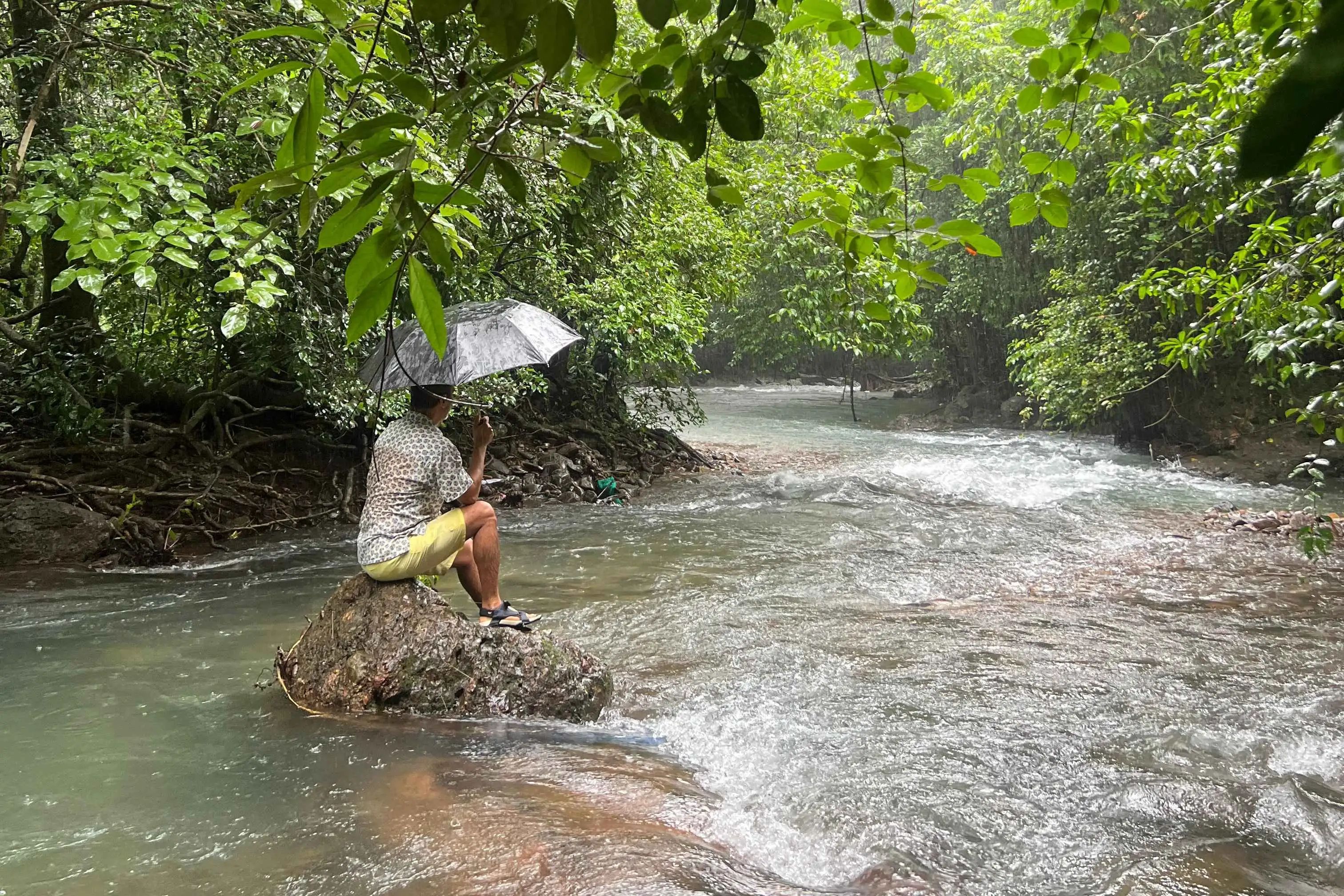
The Monsoon Season (June to September): This is when the waterfall is at its most thunderous and majestic. The entire Netravali forest turns into a vibrant shade of neon green, and the air is filled with the mist of falling water. However, trekking during the peak monsoon can be challenging. The trails become slippery, and the river crossings can be dangerous due to sudden surges in water levels. Additionally, leeches are very active during this time. If you are an experienced trekker who loves the raw power of the rains, this is the time for you.
Recommended Guide
Where to Party in Goa? (Ultimate 2026 Nightlife Guide)
Goa is not just a destination—it’s an experience. When the sun sets over the Arabian Sea, the state transforms into India’s ultimate nightlife capita...
Read Guide →
The Post-Monsoon Season (October to January): This is widely considered the best time to visit. The monsoon rains have subsided, but the vegetation remains lush and the waterfall still flows with significant force. The weather is cooler and more pleasant for trekking, and the natural pools are clear enough for a refreshing dip. This period also offers the best visibility for birdwatching and photography.
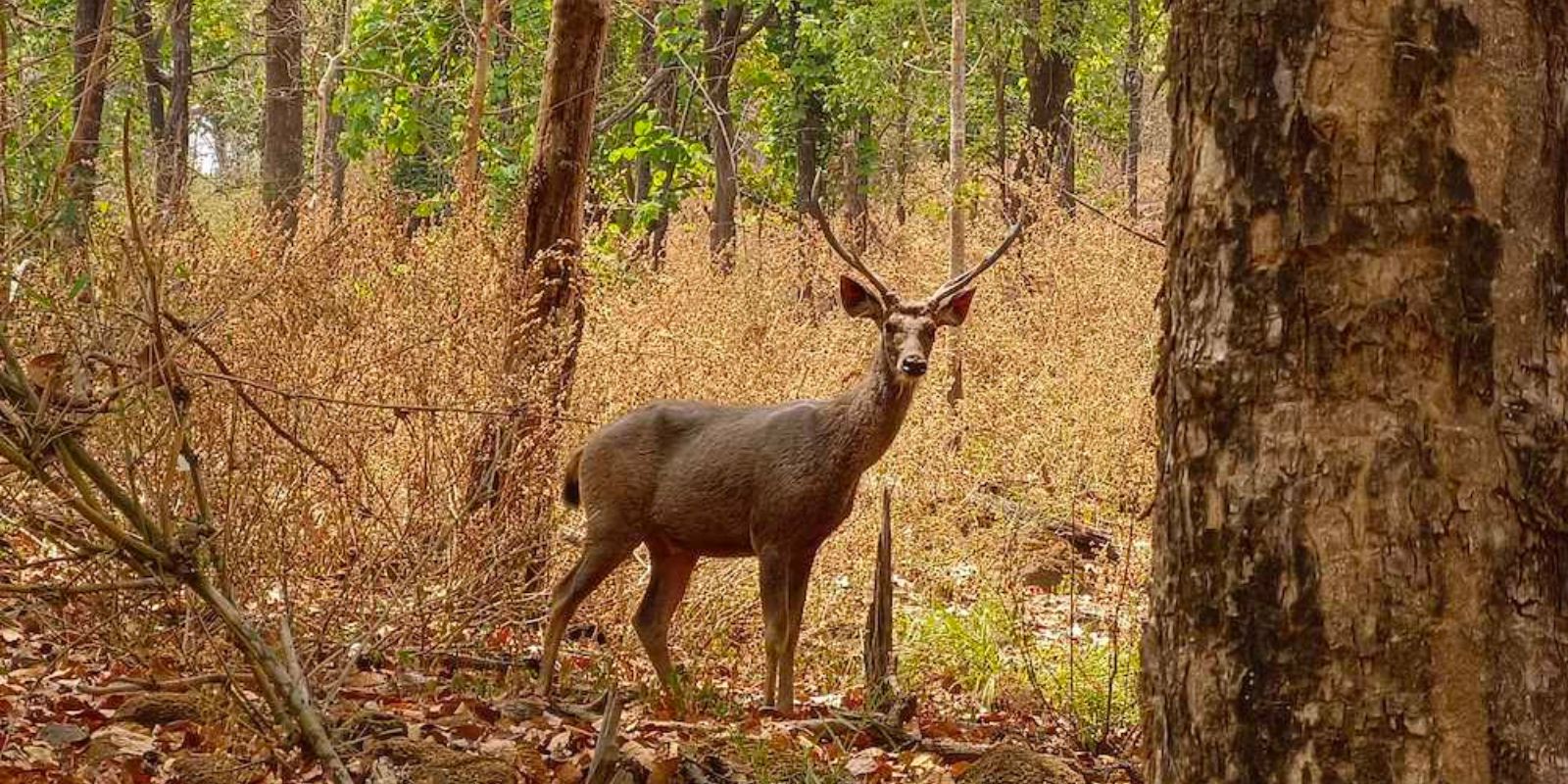
The Summer Season (February to May): During the late spring and summer, the flow of the Bhati Netravali Waterfall diminishes considerably. While the forest remains a cool retreat from the coastal heat, the waterfall may be reduced to a gentle trickle. However, this is an excellent time for those interested in spotting wildlife, as many animals come down to the remaining water sources within the sanctuary. The trek is also much easier as the paths are dry and firm.
Recommended Guide
Water Sports in Candolim Goa | Best Prices, Packages & Booking Guide
Candolim Beach, located in North Goa, is one of the most popular destinations for water sports in Goa. Known for its clean shoreline, less crowded environm...
Read Guide →
Trek Details for Bhati Netravali Waterfall
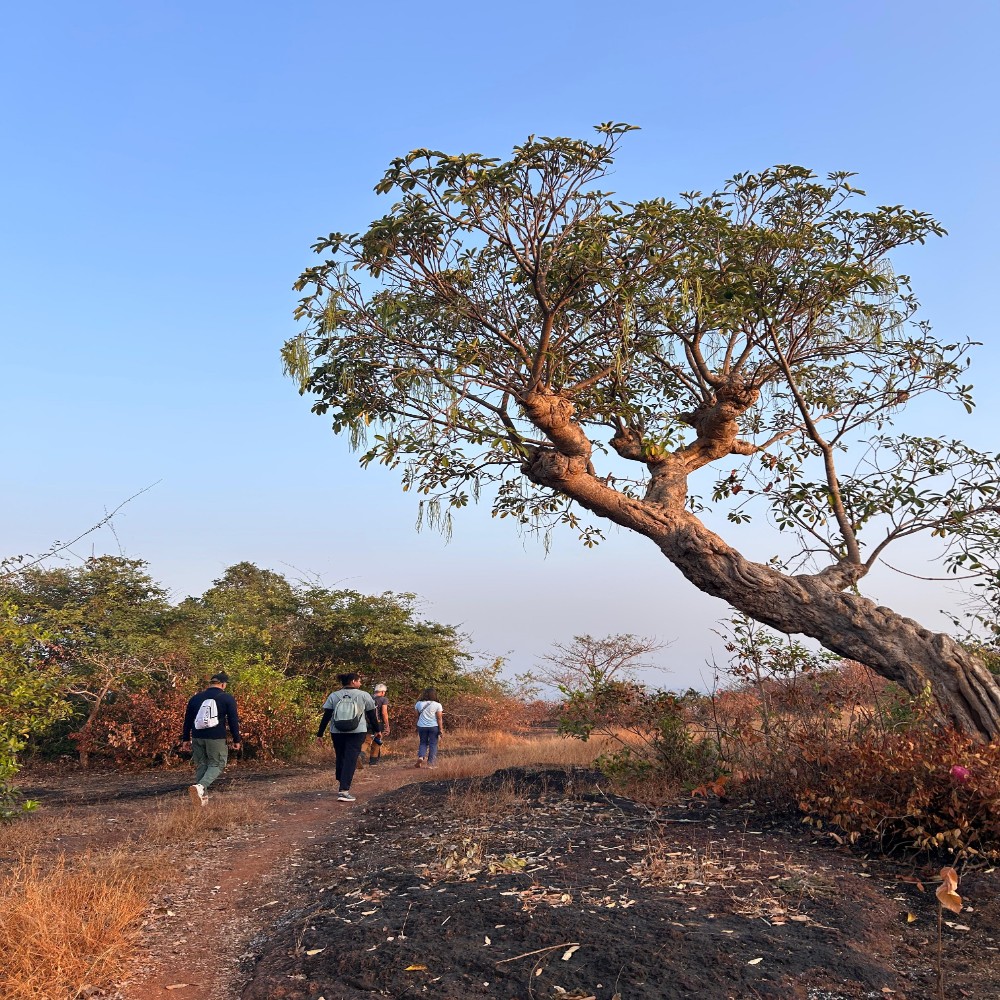
The trek to Bhati Netravali Waterfall is a moderate journey that appeals to both casual hikers and seasoned trekkers. The trail is approximately 3 to 4 kilometers long (one way) and takes about 1 to 1.5 hours to complete, depending on your pace and how often you stop to admire the surroundings.
Top Goa Experience • Part 2
Highly Recommended Near Bhati Netravali Waterfall
Explore All
The trek begins from the forest clearing where vehicles are parked. Initially, the path is relatively flat, winding through dense bamboo thickets and towering teak trees. As you move deeper into the sanctuary, the terrain becomes more uneven. You will encounter several small streams that need to be crossed. During the monsoon, these streams can reach knee-height, requiring careful footing on the submerged rocks. Strong trekking shoes with good grip are an absolute necessity here to avoid slipping on moss-covered stones.
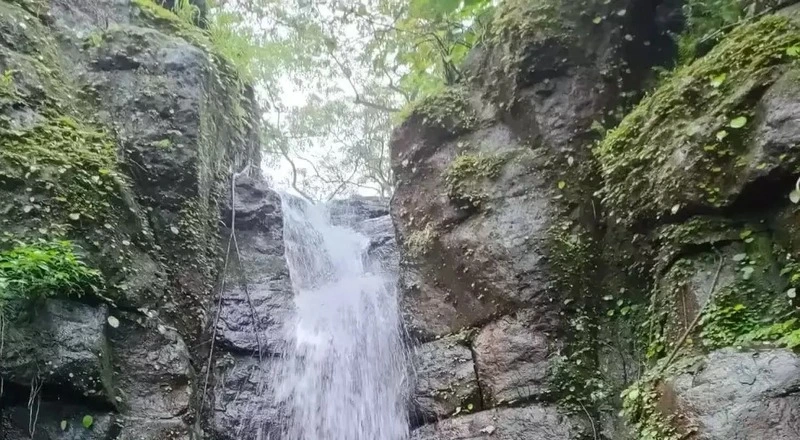
One of the highlights of the trek is the incredible biodiversity you encounter along the way. Keep an eye out for the Malabar Giant Squirrel, which is frequently spotted leaping between the high canopies. The forest is also home to a variety of butterflies, including the Southern Birdwing, India's second-largest butterfly. The sounds of the forest—the rhythmic chirping of cicadas and the distant call of the Malabar Whistling Thrush—provide a natural soundtrack to your hike. The final stretch of the trek involves a slight ascent over rocky terrain, after which the sound of crashing water signals that you have reached your destination. The sight of the water cascading down the dark rocks into a turquoise pool is a rewarding end to the hike.
Things to Do
While the waterfall itself is the primary attraction, the area around Bhati Netravali offers a variety of activities for nature lovers and adventurers:
- Swimming in the Natural Pool: The pool at the base of the waterfall is relatively safe for swimming during the post-monsoon months. The water is cool, clear, and incredibly refreshing after the trek. Always check the depth and current before jumping in.
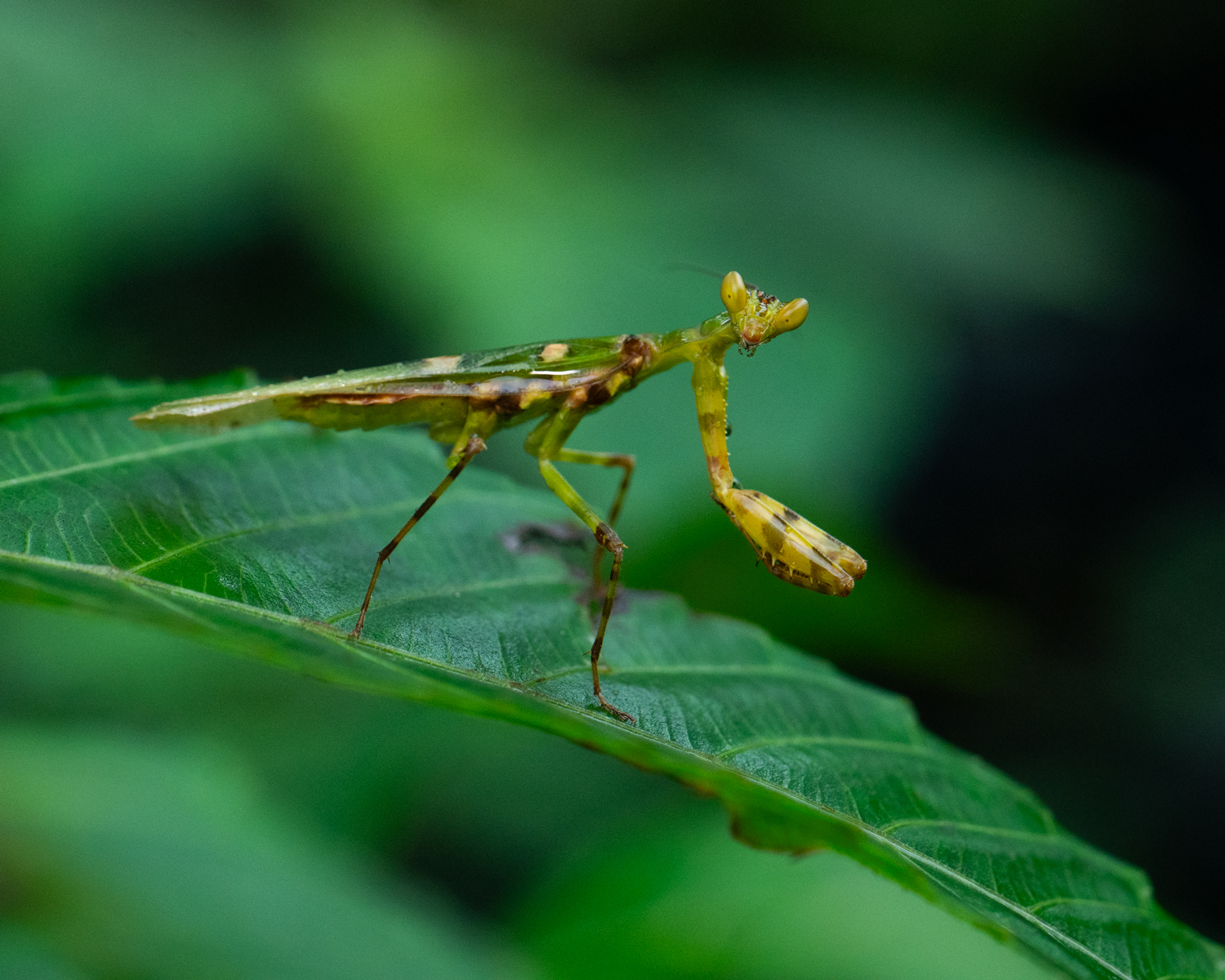
- Nature Photography: With its dramatic drops, lush greenery, and filtered sunlight, the waterfall is a paradise for photographers. Use a tripod and a slow shutter speed to capture the "silky" effect of the falling water. The surrounding forest also offers endless opportunities for macro photography of insects and wild flora.
- Bird Watching: Netravali is an Important Bird Area (IBA). Carry a pair of binoculars to spot endemic species like the Grey-headed Bulbul, the Malabar Trogon, and various species of kingfishers and hornbills.
- Picnicking: There are several flat rock surfaces near the falls where you can sit and enjoy a packed lunch. However, it is vital to follow a "Leave No Trace" policy—carry all your trash back with you to keep the sanctuary pristine.
- Meditation and Mindfulness: The relative isolation of Bhati Netravali makes it a perfect spot for meditation. The white noise of the waterfall and the fresh forest air provide an ideal environment for grounding oneself.
Safety Tips
Visiting a remote waterfall in a wildlife sanctuary requires careful preparation. Here are some essential safety tips to ensure a smooth trip:
- Beware of Leeches: During the monsoon and early post-monsoon, leeches are prevalent on the forest floor. Wear long socks, tuck your trousers into them, and carry a small pouch of salt or tobacco water to deter them.
- No Mobile Connectivity: Be prepared for a total lack of mobile signal once you enter the sanctuary. Inform someone of your plans before you head out and do not rely on GPS for navigation once inside the forest; follow the marked trails or hire a local guide.
- Stay Hydrated: The humidity in the Goan jungle can be draining. Carry at least two liters of water per person. Avoid drinking directly from the streams unless you have a portable water filter.
- Travel in Groups: It is never advisable to trek alone in the Netravali Wildlife Sanctuary. Travel with at least one companion or hire a local guide from the Bhati village.
- Footwear: Do not wear flip-flops or smooth-soled sandals. The rocks near the waterfall are incredibly slippery due to algae. High-quality trekking boots or sandals with high-traction rubber soles are mandatory.
- Wild Animals: While sightings of large predators like leopards or bison are rare during the day, remember that you are in their territory. Stick to the trails and avoid making excessive noise that might startle wildlife.
Nearby Attractions
A trip to Bhati Netravali can be combined with several other fascinating sites in the vicinity, making for a full day of exploration in South Goa:
- Savari Waterfall: Another stunning waterfall within the sanctuary, Savari is known for its dramatic height and the beautiful trek required to reach it. It is often visited alongside Bhati.
- Mainapi Waterfall: For the more adventurous, Mainapi offers a more strenuous trek but rewards you with a secluded and powerful waterfall that feels completely untouched by civilization.
- Budbudyanchi Tali (The Bubble Lake): Located near the Gopinath Temple in Netravali, this ancient stepped masonry tank is famous for its mysterious bubbles. When you clap your hands or make a sound, bubbles rise from the bottom of the lake to the surface. It is a fascinating geological and cultural site.
- Usgalimal Rock Carvings: Located on the banks of the Kushavati River, these petroglyphs date back to the Upper Paleolithic or Mesolithic periods. They are among the most important prehistoric sites in Western India, featuring carvings of animals and geometric patterns.
- Tanshikar Spice Farm: A visit to this organic spice farm offers a deep dive into Goa’s agricultural heritage. You can take a guided tour to see how vanilla, pepper, and cocoa are grown, and enjoy a traditional Goan lunch served on banana leaves.
Entry Fees & Timings
To maintain the ecological balance of the sanctuary, the Goa Forest Department regulates entry to the Bhati Netravali Waterfall. As of the latest updates, the following fees and timings apply:
- Entry Fee: Approximately ₹20 to ₹50 per adult. There are additional charges for vehicles (around ₹50 to ₹100 depending on the type) and cameras (professional cameras may incur a higher fee).
- Timings: The sanctuary typically opens at 9:00 AM and closes by 5:00 PM. It is mandatory to start your trek back from the waterfall by 3:30 PM to ensure you reach the exit gate before dark.
- Permits: You do not usually need a prior permit for a day visit; you can pay the entry fee at the check post. However, for overnight stays in forest rest houses, prior booking through the Forest Department office in Margao or Panjim is required.
Where to Eat Nearby
Since the waterfall is located deep within a protected area, there are no food stalls or restaurants at the site itself. You must plan your meals accordingly:
- Bhati Village: The small village of Bhati has a few local "Gado" (small tea stalls) where you can get basic snacks like biscuits, tea, and sometimes Samosas or Batata Vadas.
- Netravali Village: This is the closest hub for food. You can find small eateries serving authentic Goan Catholic or Hindu style Fish Thalis. These meals are usually home-cooked, featuring fresh catch from the local rivers and locally grown vegetables.
- Angadi Heritage Stay: If you are looking for a more structured dining experience, some of the local homestays and heritage properties offer traditional Goan meals to visitors if informed in advance.
- Pack Your Own: The best option is to carry a packed lunch. Traditional Goan snacks like Pao with Bhaji or Poli (Chappatis) with a dry vegetable preparation are easy to carry. Avoid carrying plastic-heavy packaging.
Accommodation Nearby
If you wish to spend more than a day exploring the wonders of Netravali, there are several accommodation options ranging from rustic to heritage:
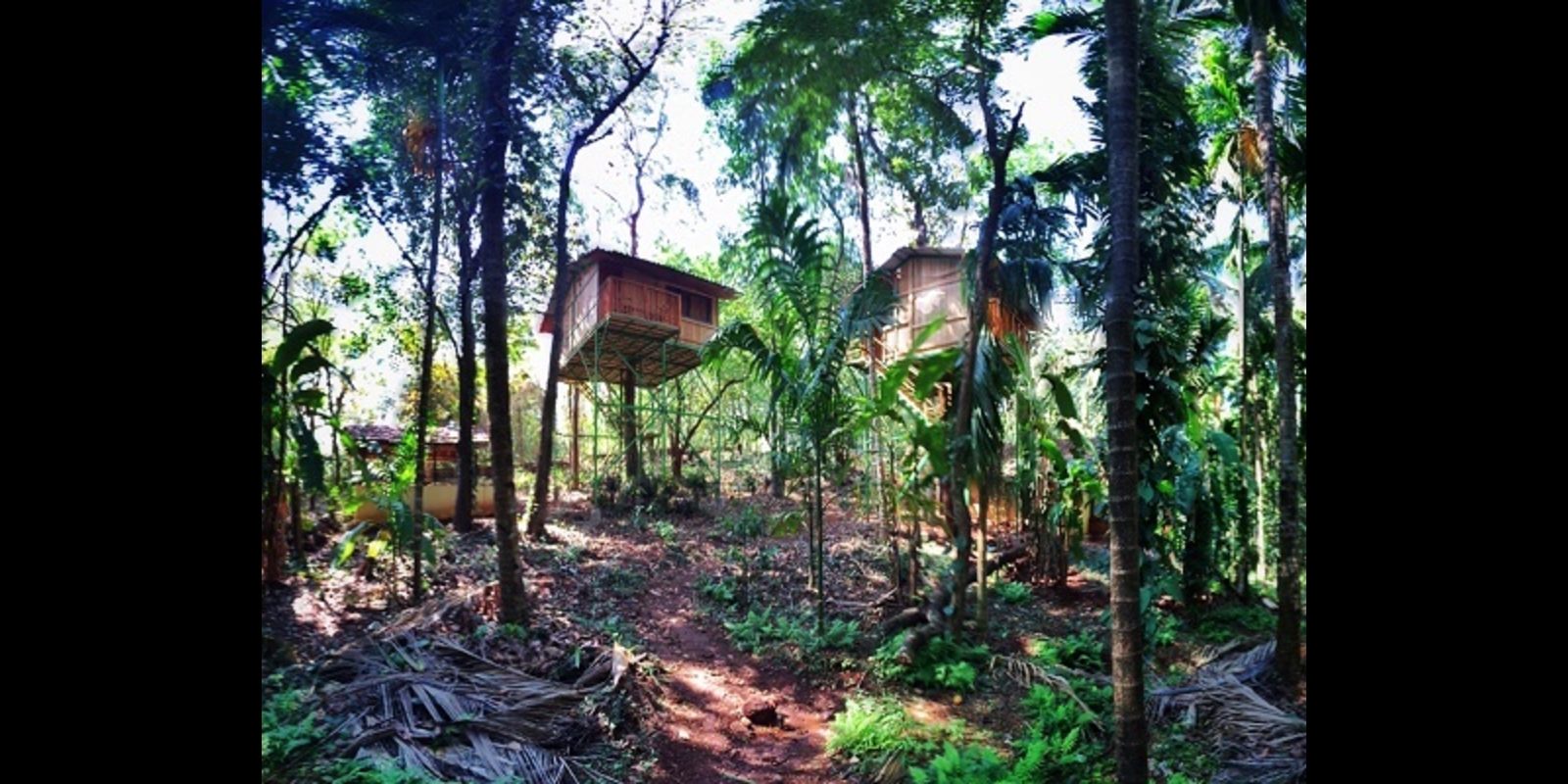
- Tanshikar Spice Farm: They offer eco-friendly cottages and a chance to live in the middle of a working spice plantation. It is a great way to experience the "Susegad" lifestyle of rural Goa.
- Angadi Heritage Stay: A beautifully restored traditional Goan house that offers a glimpse into the lifestyle of the landed gentry of yore. It provides a peaceful and culturally rich stay.
- Forest Rest Houses: The Goa Forest Department maintains basic rest houses within the sanctuary. These are perfect for hardcore nature enthusiasts and birdwatchers. They are clean but very basic, and bookings must be made in advance through the government portals.
- Palolem/Agonda: If you prefer staying by the beach, the popular South Goan beaches of Palolem and Agonda are about a 1.5 to 2-hour drive away. Many travelers choose to stay at the beach and make a day trip to Netravali.
Photography Spots
For those looking to capture the essence of Bhati Netravali, certain spots offer the best compositions:
- The Mid-Trek Stream Crossing: About halfway through the trek, there is a picturesque stream crossing with mossy boulders and overhanging ferns. This provides a perfect "jungle" backdrop for portraits.
- The First Viewpoint: As you approach the waterfall, there is a clearing where you can see the top tiers of the fall peeking through the trees. It’s a great spot for a telephoto shot.
- The Base of the Fall: This is the classic shot. Position yourself on one of the large rocks in the pool to get a wide-angle shot of the entire cascade. The contrast between the white water and the dark rocks is stunning.
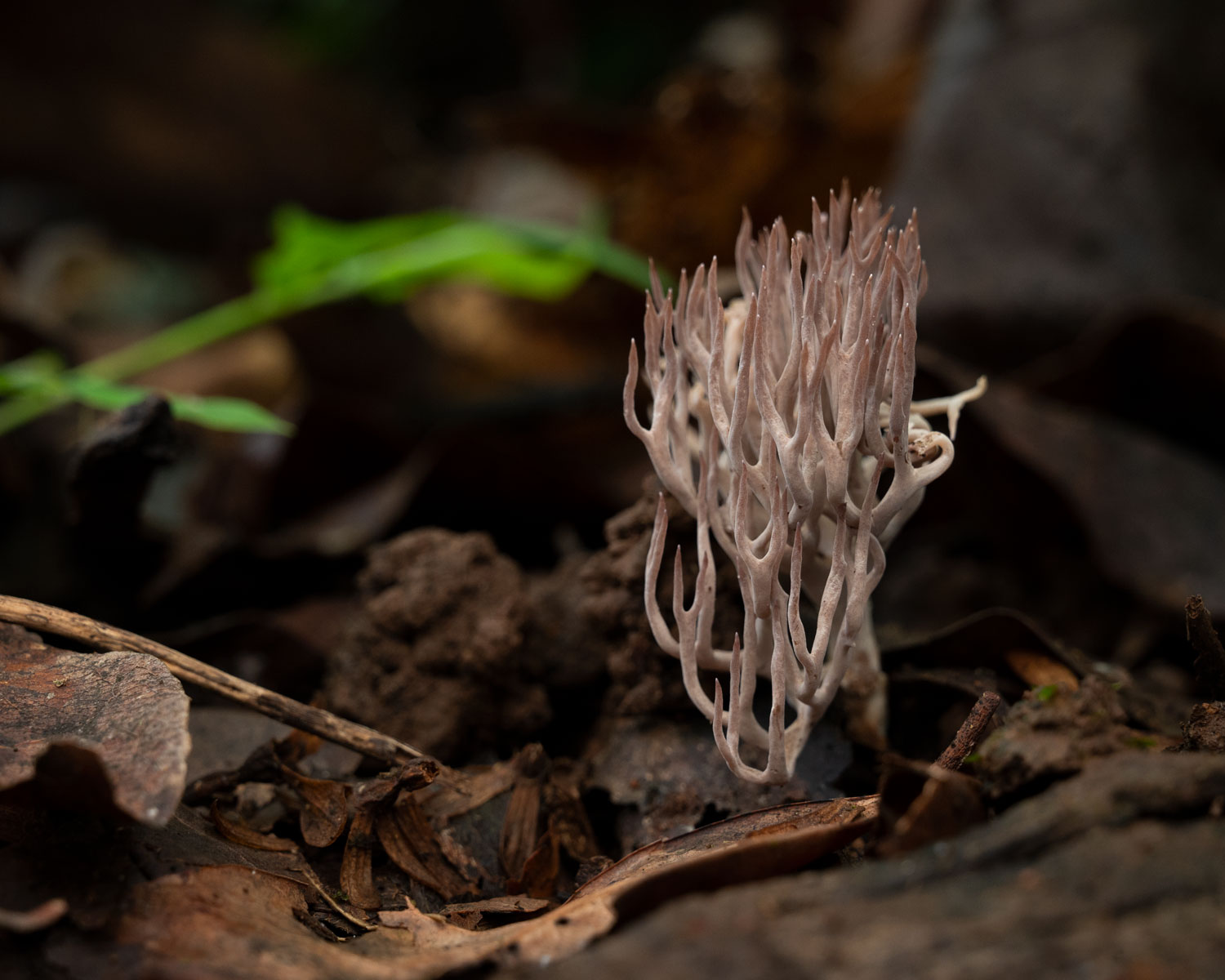
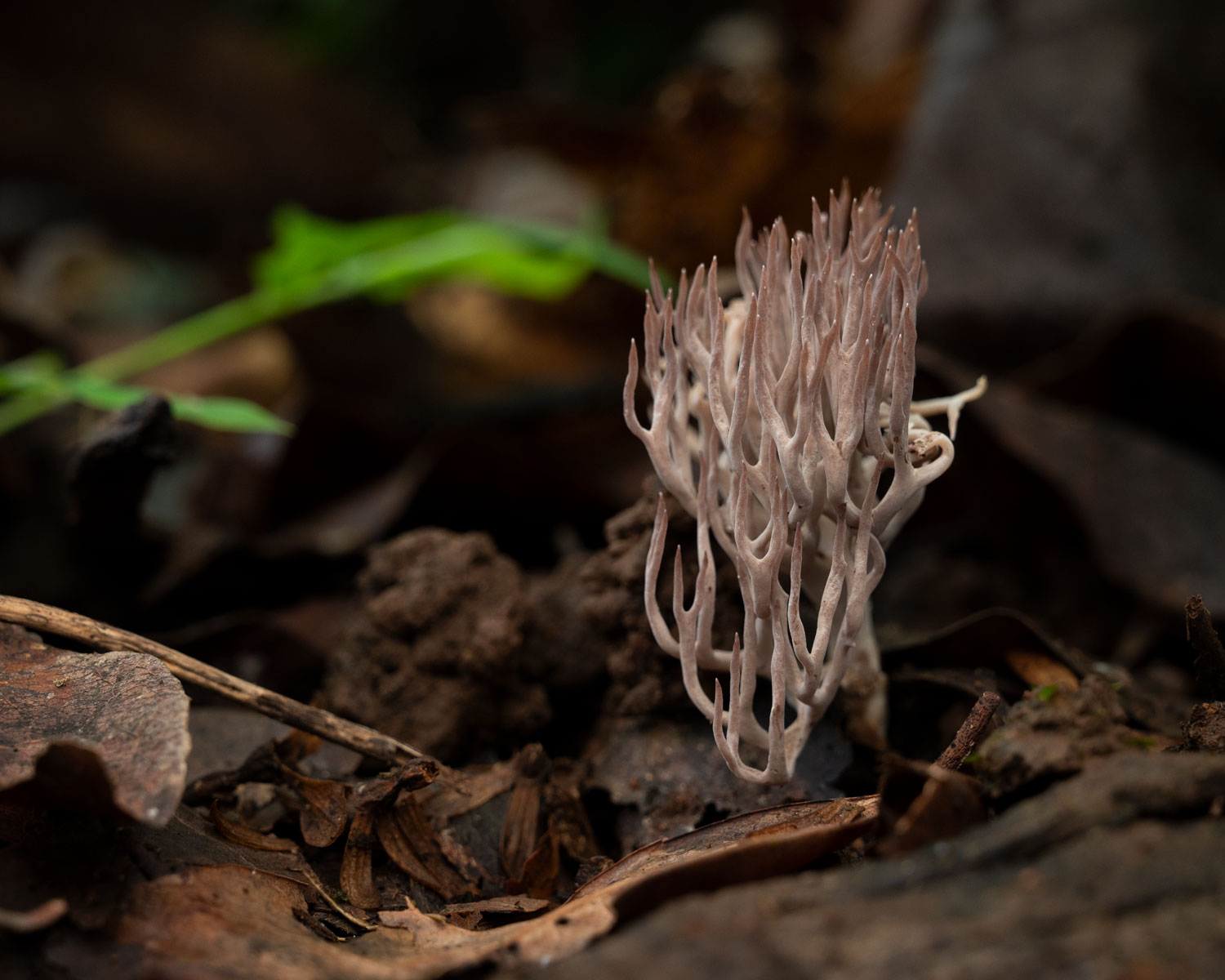
- Macro Details: Don't forget to look down. The forest floor is teeming with life—vibrant fungi, intricate spider webs glistening with dew, and colorful wild berries.
Hidden Gem Score & Crowd Level
Hidden Gem Score: 9.5/10
Bhati Netravali remains one of the most underrated spots in Goa. While North Goa's beaches are teeming with thousands of tourists, Bhati Netravali often sees fewer than fifty visitors a day, even during the weekends. On weekdays, you might have the entire waterfall to yourself. It is a "hidden gem" in the truest sense of the word, offering an authentic connection with the Western Ghats without the commercial clutter of souvenir shops or loud music.
Crowd Level: Very Low to Moderate
The crowd level is consistently low. The only time you might see a slight increase in visitors is during public holidays or the peak of the monsoon when local Goan families head to the hinterlands for a picnic. Even then, the atmosphere remains respectful and quiet. Unlike Dudhsagar, where you have to wait in long queues for jeeps, Bhati Netravali offers a peaceful, self-paced exploration.
Conclusion
The Bhati Netravali Waterfall is a testament to the fact that Goa’s beauty extends far beyond its coastline. It is a place where time seems to slow down, and the only clock that matters is the movement of the sun across the forest canopy. For the eco-conscious traveler, the trekker, and the soul-searcher, Bhati Netravali offers a rare opportunity to witness the Western Ghats in their most pristine form. It challenges the "party" stereotype of Goa and replaces it with a profound sense of wonder and respect for the natural world.
As you plan your journey to this hidden sanctuary, remember that you are a guest in a delicate ecosystem. By traveling responsibly—minimizing waste, respecting the local culture, and staying on the designated paths—you help ensure that the Bhati Netravali Waterfall remains a pristine paradise for generations to come. Whether you are looking for an adrenaline-pumping trek through the monsoon rains or a quiet afternoon by a clear mountain pool, Bhati Netravali is a Goan treasure that promises to leave an indelible mark on your heart. Pack your bags, lace up your boots, and head south to discover the secret side of Goa that most tourists never see.