Introduction to Terkhol fort
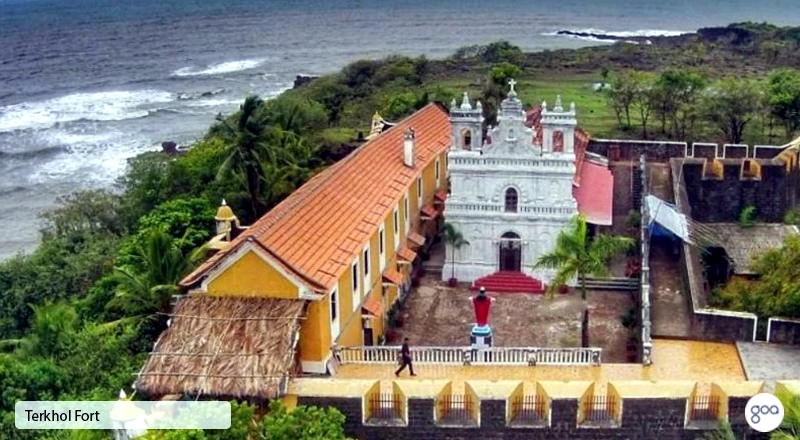
Perched majestically on the northernmost tip of Goa, where the emerald waters of the Terekhol River meet the vast, azure expanse of the Arabian Sea, stands the historic and evocative Terkhol Fort (often spelled Tiracol). This sentinel of the past offers a unique blend of rugged military history and serene coastal beauty, making it one of the most enchanting destinations in the sunshine state. Unlike the more crowded forts of North Goa like Aguada or Chapora, Terkhol Fort offers a sense of profound isolation and tranquility. It is a place where the wind whispers tales of ancient maritime battles and the air is thick with the scent of salt and history. Geographically, the fort is an anomaly; while it belongs to the Pernem taluka of Goa, it is physically separated from the rest of the state by the Terekhol River, requiring a charming ferry ride to reach its gates. This physical separation has preserved its old-world charm, keeping the frantic pace of modern tourism at a distance.
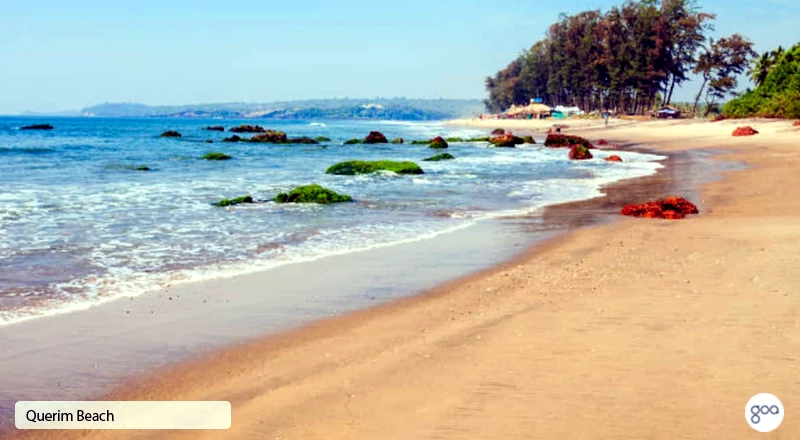
As you approach the fort, the first thing that strikes you is its commanding position on a limestone cliff. The panoramic views from the ramparts are nothing short of breathtaking, encompassing the golden sands of Querim Beach (Keri) to the south and the rugged coastline of Maharashtra to the north. For the discerning traveler, Terkhol Fort is not just a monument; it is an experience that begins with a scenic drive through the cashew-covered hills of Pernem and culminates in a journey across the water. Today, the fort serves a dual purpose: it is a revered historical site and a luxury boutique hotel known as the Fort Tiracol Heritage Hotel. This adaptive reuse has allowed the structure to be meticulously maintained, offering visitors a chance to dine or stay within walls that have stood for centuries. Whether you are a history buff, a photography enthusiast, or someone seeking a quiet corner of Goa to reflect, Terkhol Fort promises a deep dive into the soul of the Konkan coast.
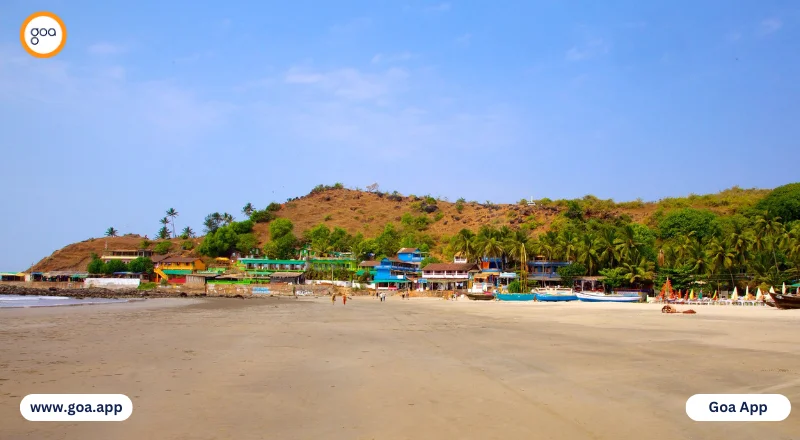
The surrounding landscape is a vibrant tapestry of Goan life. You will see local fishermen casting their nets in the river, traditional outrigger boats bobbing in the surf, and dense groves of coconut palms swaying in the breeze. The fort acts as a silent guardian over this idyllic scene, a role it has played for over three hundred years. In this guide, we will explore every facet of this magnificent structure, from its blood-soaked history and architectural nuances to the practicalities of planning your visit. Terkhol Fort is a testament to Goa’s resilience and its complex colonial past, standing as a bridge between the era of warring kings and the modern-day pursuit of peace and beauty.
History of Terkhol fort
The history of Terkhol Fort is a riveting saga of conquest, rebellion, and strategic maneuvering. The fort was originally constructed in the 17th century by Maharaja Khem Sawant Bhonsle, the Raja of Sawantwadi. At the time, it served as a crucial defense post for the Sawantwadi kingdom, protecting the mouth of the river against naval incursions and providing a lookout over the Arabian Sea. The fort originally housed a fleet of native vessels intended to protect the local trade and assert dominance over the northern Goan waters. However, its strategic value did not go unnoticed by the expanding Portuguese Empire, which was looking to consolidate its hold over the "Novas Conquistas" (New Conquests).
In 1746, the Portuguese, under the command of the 44th Viceroy of India, Pedro Miguel de Almeida Portugal e Vasconcelos (the Count of Ega), launched a decisive military campaign against the Raja of Sawantwadi. On November 23, 1746, the Portuguese fleet successfully bombarded the fort into submission. This victory was considered so significant that it was celebrated with great pomp in Old Goa. After the capture, the Portuguese extensively remodeled the fort, transforming it from a Maratha-style stronghold into a sophisticated European colonial fortification. They added a chapel dedicated to St. Anthony within the courtyard, symbolizing the spiritual and political takeover of the site. For the next two centuries, the fort remained an integral part of the Portuguese maritime defense system, acting as a northern sentinel against the Marathas and the British.
The 19th century brought internal strife. In 1825, the fort became the epicenter of a significant rebellion against the Portuguese administration. Dr. Bernardo Peres da Silva, the first Goan-born Prefect (Governor), led an uprising that sought greater autonomy for the local population. Although the rebellion was eventually suppressed, it marked a turning point in the Goan struggle for self-determination. The fort’s history took a heroic turn during the 20th-century Indian independence movement. On August 15, 1954, a group of Indian Satyagrahis (non-violent protesters) led by Hirve Guruji entered the fort and hoisted the Indian national flag, defying Portuguese authority. This act of bravery resulted in a tragic confrontation where Hirve Guruji and his companion were martyred by Portuguese forces. Today, a memorial stands near the fort entrance to honor these freedom fighters, ensuring that their sacrifice is never forgotten. The fort finally became a part of liberated India in 1961, transitioning from a site of conflict to a cherished national heritage site.
Architecture
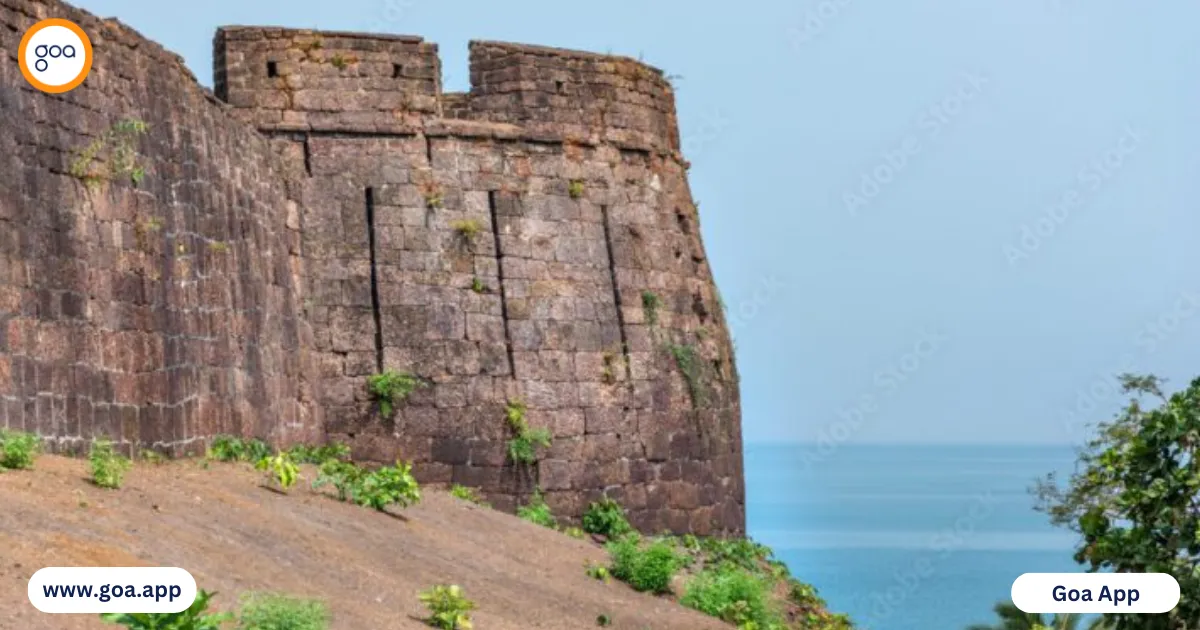
The architecture of Terkhol Fort is a fascinating study in the evolution of military engineering on the Konkan coast. While the original Maratha foundations are largely obscured, the current structure is a prime example of 18th-century Portuguese colonial military design. The fort is built using locally sourced laterite stone, which gives it a distinctive reddish-brown hue that glows warmly during sunset. The walls are thick and formidable, designed to withstand heavy artillery fire from the sea. The layout is somewhat irregular, following the natural contours of the cliffside, which added to its defensive capabilities by making it difficult for invaders to scale the heights.
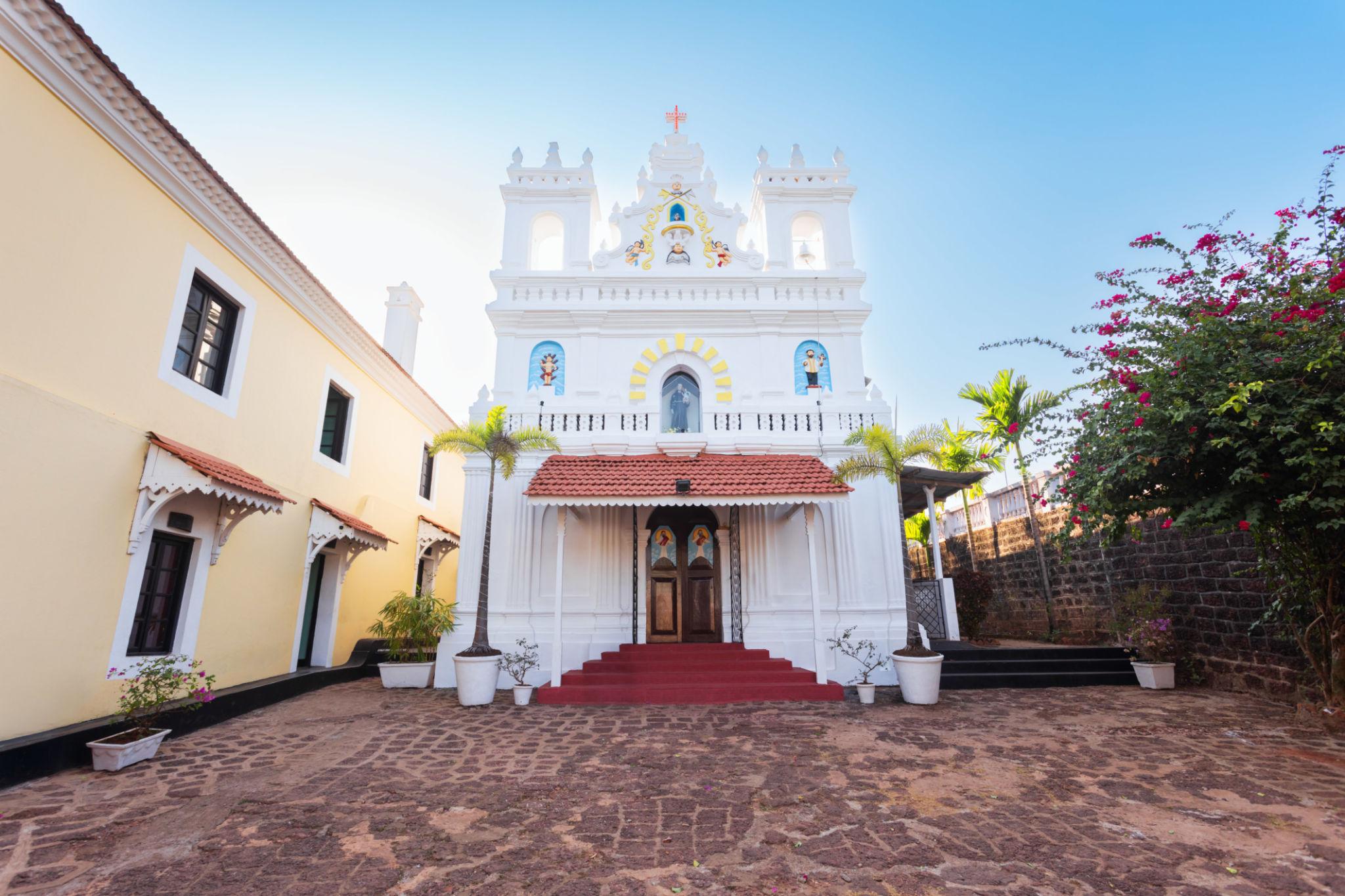
One of the most striking architectural features is the Church of St. Anthony, located right in the center of the fort's courtyard. Built in the late 1740s, the church features a classic Mannerist facade, typical of the Goan-Portuguese style. It has a simple yet elegant bell tower and a whitewashed exterior that contrasts beautifully with the rugged stone walls of the surrounding barracks. Inside, the church is adorned with wood-carved altars and religious iconography that have been preserved through the generations. However, the church is generally only open to the public during special occasions, such as the annual feast day in May.
The fort’s defensive elements include several circular bastions that offer 360-degree views of the surrounding terrain. These bastions were once equipped with heavy cannons, some of which can still be seen resting on the ramparts, aimed toward the river mouth. The barracks, which once housed Portuguese soldiers, have been expertly converted into the guest rooms of the heritage hotel. This conversion was done with great sensitivity to the original architecture, maintaining the high ceilings, thick walls, and small windows that characterize the fort. The central courtyard is paved with stone and provides a sense of openness amidst the heavy fortifications. The entrance to the fort is marked by a sturdy wooden gate and a winding pathway that forces any visitor to approach slowly, a classic defensive tactic to prevent a direct charge. The integration of the natural cliffside into the fort's walls makes it appear as though the structure is an organic extension of the earth itself.
Why Terkhol fort is Famous
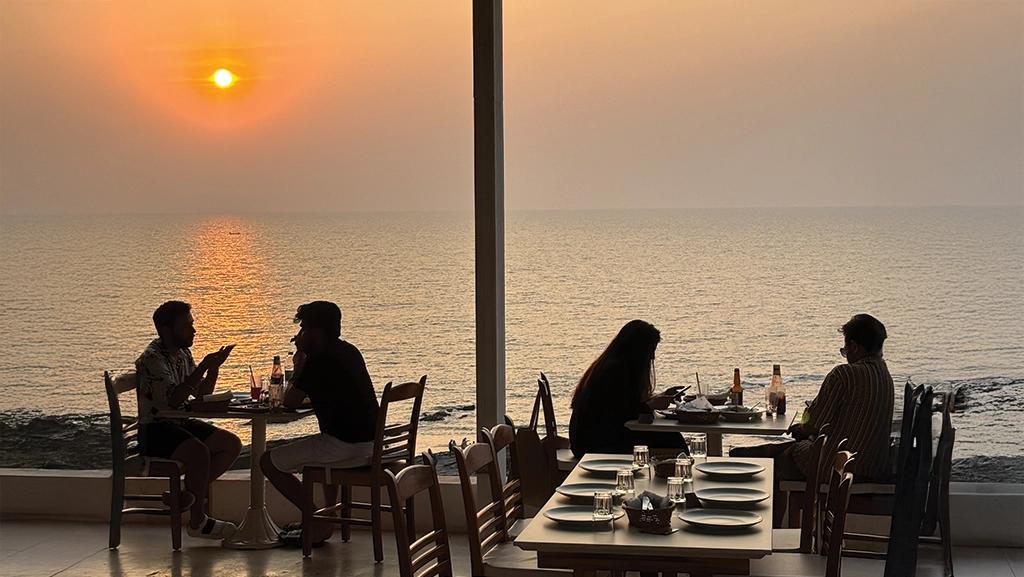
Terkhol Fort is famous for several reasons, making it a "must-visit" for travelers who want to see a different side of Goa. Firstly, it is renowned for its unparalleled panoramic views. There is perhaps no other spot in North Goa that offers such a dramatic vantage point. From the ramparts, you can see the confluence of the river and the sea, the endless stretch of the Arabian Sea, and the pristine, casuarina-lined shores of Querim Beach. The sight of the sun dipping below the horizon from this height is a legendary experience among Goan travelers.
Secondly, the fort is famous for its transformation into a boutique heritage hotel. While many forts in India lie in ruins, Terkhol has been given a new lease on life. The Fort Tiracol Heritage Hotel is one of the most exclusive and romantic stays in India. It has gained international acclaim for its "slow travel" philosophy, offering guests a chance to live within history while enjoying modern luxuries. Even if you aren't staying at the hotel, its restaurant, Taverna, is famous for serving some of the best contemporary Goan cuisine, blending traditional flavors with modern culinary techniques. Dining on the terrace with the sea breeze in your hair is a quintessential Terkhol experience.
Furthermore, the fort holds a special place in the hearts of Indians due to its role in the Goa Liberation Movement. It is a symbol of resistance and patriotism. The story of Hirve Guruji and the Satyagrahis who hoisted the tricolor here is taught in local schools and is a point of pride for the people of Pernem. Lastly, the fort is famous for the ferry ride required to reach it. This short but scenic journey across the Terekhol River on a government-run ferry is a nostalgic experience that harks back to an era before Goa was heavily bridged. It adds an element of adventure and "island-hopping" to the visit, making the journey as memorable as the destination itself.
Strategic Importance
The strategic importance of Terkhol Fort cannot be overstated. In the centuries before modern aviation and long-range missiles, controlling the mouth of a river was the key to controlling the inland territory. The Terekhol River served as a vital artery for trade and communication, leading deep into the heart of the Sawantwadi and Bijapur territories. By occupying the heights at the river's mouth, the rulers of Terkhol could monitor every vessel that attempted to enter or exit the waterway. This made the fort a primary tool for customs collection and a deterrent against piracy, which was rampant along the Konkan coast in the 17th and 18th centuries.
For the Portuguese, Terkhol was the northernmost anchor of their "Old Conquests." It acted as a buffer zone between Portuguese Goa and the Maratha-controlled lands of the north. The fort’s elevation allowed for early detection of approaching naval fleets, giving the authorities in Panjim and Old Goa ample time to prepare their defenses. The fort was also strategically linked to other nearby fortifications, such as the Redi Fort (Yashwantgad) in Maharashtra, creating a chain of coastal watchpoints. The deep waters at the river mouth allowed for the anchoring of larger warships, making it a base for offensive naval operations when necessary. Even the internal layout of the fort, with its secure water cisterns and grain storage areas, was designed to withstand long sieges, highlighting its role as a self-sustaining military outpost. Its location on a high cliff also made it nearly immune to land-based attacks from the north, as the terrain was rugged and easily defensible by a small garrison.
Best Time to Visit
Planning the timing of your visit to Terkhol Fort is essential to ensure you get the most out of the experience. The ideal window is during the winter months, from November to February. During this period, the weather in North Goa is absolutely delightful, with clear blue skies, mild temperatures ranging from 20°C to 30°C, and a refreshing sea breeze. This is the best time for photography, as the visibility is high, and the colors of the laterite stone against the blue sea are most vibrant. It is also the perfect time to enjoy the outdoor seating at the fort’s restaurant without the discomfort of heat or humidity.
The Monsoon season (June to September) offers a completely different but equally captivating experience. The entire Pernem region turns a lush, vibrant green, and the Terekhol River flows with renewed vigor. Watching a thunderstorm roll in from the Arabian Sea while standing on the fort’s ramparts is a dramatic and humbling sight. However, visitors should be aware that the ferry service can occasionally be disrupted during heavy swells or high winds. Also, the outdoor terrace of the hotel may be closed. If you enjoy the "romantic" side of Goa—gloomy skies, rain-washed stones, and solitude—the monsoon is for you.
The Summer months (March to May) can be quite hot and humid. If you visit during this time, it is best to arrive early in the morning (around 9:00 AM) or late in the afternoon (after 4:00 PM) to avoid the midday sun. One special highlight of the summer is the Feast of St. Anthony held in May. This is the only time the interior of the church is fully accessible to the public, and the fort comes alive with local devotees and traditional festivities. Regardless of the season, sunset is the "golden hour" at Terkhol, and arriving about an hour before the sun goes down is highly recommended.
Timings & Entry Fee
Understanding the access rules for Terkhol Fort is important because it functions as both a public monument and a private hotel. The general timings for visitors are from 9:00 AM to 7:00 PM daily. However, if you are planning to dine at the restaurant, you can stay later, provided you have a reservation. It is important to note that while the outer ramparts and the courtyard are generally accessible, some areas of the fort are reserved exclusively for hotel guests to ensure their privacy. This includes the upper balconies and certain room corridors.
- Entry Fee: Currently, there is no formal entry fee to enter the fort grounds. You are free to walk through the main gate and explore the courtyard and the accessible ramparts.
- Ferry Charges: To reach the fort, you must take the ferry from Querim. The ferry is free for pedestrians. If you are bringing a two-wheeler or a car, there is a nominal fee (usually between ₹10 to ₹40), which is collected by the ferry staff.
- Church Access: The Church of St. Anthony is usually closed to the general public for daily visits. You can admire its architecture from the outside, but the interior is only open during the annual feast in May or during specific Sunday services for the local community.
- Restaurant Reservations: If you wish to visit the Taverna restaurant, especially during the peak season, it is highly recommended to call ahead and book a table. Non-residents are welcome, but the seating is limited, and the hotel prioritizes its staying guests and those with reservations.
Things To Do at Terkhol fort
Despite its small size, Terkhol Fort offers a variety of activities that can easily fill half a day. The experience begins even before you reach the fort. The ferry ride from Querim is a highlight in itself. Standing on the deck of the ferry as it chugs across the river, watching the fort grow larger on the horizon, is a peaceful and scenic introduction to the site. Once inside the fort, the primary activity is exploring the ramparts. Walking along the perimeter walls allows you to see the old cannons and find the best vantage points for looking out over the sea. The sheer drop from the walls to the rocks below is a reminder of the fort's formidable defenses.
For food lovers, dining at the Fort Tiracol Heritage Hotel is a must. The restaurant offers a curated menu that features Goan-Portuguese fusion dishes. Trying the Prawns Balchão or a traditional Goan Fish Curry while overlooking the ocean is a sensory delight. They also have an excellent selection of wines and spirits, making it a great spot for a long, lazy lunch. If you are looking for something lighter, the Garden Cafe offers coffee and snacks in a more casual setting.
Another popular activity is watching for dolphins. The waters around the mouth of the Terekhol River are known habitats for Indo-Pacific humpback dolphins. From the height of the fort, especially on calm mornings, you can often spot their fins breaking the surface of the water. For those interested in spirituality and history, a quiet moment in the courtyard of the St. Anthony Church offers a sense of peace. While you may not be able to go inside, the exterior details and the quiet atmosphere of the courtyard are very meditative. Finally, you can combine your visit with a walk on Querim Beach after you take the ferry back. The beach is famous for its "Sweet Water Lake" nearby and its quiet, non-commercial vibe, providing a perfect natural bookend to your historical tour.
Photography Spots
For photographers, Terkhol Fort is a goldmine of textures, colors, and perspectives. The play of light on the weathered laterite walls creates deep shadows and rich tones that are perfect for architectural photography. Here are some specific spots you shouldn't miss:
- The Main Ramparts (Sea View): This is the classic shot. Frame the old iron cannons in the foreground with the vast blue Arabian Sea in the background. During sunset, the sky turns shades of orange and pink, reflecting off the water.
- The Church of St. Anthony Facade: The stark white walls of the church against the deep blue sky or the red stone of the fort provide a beautiful color contrast. Capture the intricate details of the bell tower and the wooden doors.
- The View of Querim Beach: From the southern bastions, you get a bird's-eye view of the long curve of Querim Beach and the casuarina trees. This perspective highlights the geographical beauty of the river meeting the sea.
- The Winding Entrance Path: The path leading up to the main gate, flanked by high walls and greenery, offers a great sense of depth and mystery. It’s an excellent spot for portrait photography.
- The Ferry Crossing: Capture the fort from the water as you approach on the ferry. This "low-angle" shot shows the fort's dominance over the cliffside.
- The Courtyard Shadows: In the late afternoon, the shadows cast by the fort's walls and the church create dramatic geometric patterns on the stone floor, ideal for black-and-white photography.
Nearby Attractions
A visit to Terkhol Fort can be easily integrated into a broader exploration of North Goa and even the neighboring state of Maharashtra. Since the fort is at the northern tip, there are several hidden gems nearby that most tourists overlook.
- Querim Beach (Keri): Located just across the river, this is one of Goa’s most northern and quietest beaches. It is famous for its pine-like casuarina trees instead of the usual palm trees, giving it a unique look. It’s perfect for a quiet stroll or a dip in the sea.
- Arambol Beach: About a 20-minute drive south of the ferry point, Arambol is famous for its bohemian vibe, paragliding, and the Sweet Water Lake. It is a hub for yoga, live music, and alternative lifestyles.
- Paliem Sweet Water Lake: A short hike from Arambol, this fresh-water lake is nestled right next to the sea, separated only by a sandbar. It’s a great spot for a refreshing swim after visiting the fort.
- Redi Fort (Yashwantgad): Located just across the border in Maharashtra, this fort is being slowly reclaimed by nature. Roots of massive banyan trees wrap around the stone walls, giving it an "Angkor Wat" feel. It is only about 15-20 minutes from the Terekhol side.
- Redi Ganpati Temple: Also in Maharashtra, this temple houses a massive, beautiful statue of Lord Ganesha that was discovered buried in the sand. It is a major pilgrimage site in the region.
- Mandrem and Ashwem Beaches: Further south, these beaches are known for their upscale resorts, quiet waters, and excellent beachfront restaurants. They offer a more sophisticated atmosphere compared to the party hubs of Baga or Calangute.
How To Reach Terkhol fort
Reaching Terkhol Fort is an adventure in itself, involving a mix of road travel and a short water crossing. The fort is approximately 50 kilometers from Panjim, the capital of Goa, and about 32 kilometers from Mapusa.
By Road: If you are driving from Panjim or the popular beach belt of Calangute/Baga, you need to head north on the NH66. Follow the signs toward Pernem and then toward Querim (Keri). The drive through the Pernem countryside is beautiful, passing through small villages, cashew plantations, and lush forests. If you are coming from the Manohar International Airport (Mopa), the fort is much closer, taking only about 45 to 60 minutes to reach.
The Ferry Crossing: Once you reach the end of the road at Querim Beach, you will find the ferry ramp. The Querim-Tiracol Ferry is a government-operated service that runs every 15 to 30 minutes from early morning until late at night. The ferry can accommodate pedestrians, two-wheelers, and four-wheelers. The crossing takes about 10 minutes and offers great views of the fort. Once you disembark on the other side, it is a short, steep drive or a 10-minute walk up the hill to reach the fort entrance.
By Bus: While there are local buses from Mapusa to Pernem and occasionally to Querim, they are infrequent and can be time-consuming. For a more comfortable trip, it is highly recommended to rent a scooter or a car. This gives you the flexibility to explore the nearby beaches and Maharashtra border areas at your own pace. If you prefer not to drive, you can hire a private taxi for the day, but ensure you negotiate the rate beforehand, as Terkhol is considered a "long-distance" trip by most Goan taxi unions.
Travel Tips
To make your trip to Terkhol Fort as smooth and enjoyable as possible, keep these practical tips in mind:
- Check Ferry Timings: While the ferry generally runs every 30 minutes, there can be breaks during lunch hours or late at night. It’s always a good idea to arrive at the ferry point with a bit of time to spare.
- Carry ID Proof: Since the fort is located very close to the Goa-Maharashtra border, you might encounter police checkpoints. If you are driving a rental vehicle, always carry your driving license and the vehicle's original documents.
- Dress Comfortably: The walk up from the ferry to the fort is a bit steep. Wear comfortable walking shoes. Also, since you will be visiting a church (even if only from the outside), it is respectful to dress modestly.
- Sun Protection: The Goan sun can be intense, especially on the open ramparts of the fort. Carry sunscreen, a hat, and plenty of water.
- Cash is King: While the hotel and restaurant accept cards and UPI, the local ferry and small shacks at Querim Beach may only accept cash. Keep some small change handy for the ferry fee.
- Book Dining in Advance: As mentioned before, the Fort Tiracol Heritage Hotel is a popular spot for lunch. To avoid disappointment, call them a day in advance to reserve a table on the terrace.
- Respect the Hotel Guests: Remember that part of the fort is a private hotel. Be mindful of noise levels and avoid entering areas marked as "Residents Only."
- Combine with Redi Fort: If you have an extra hour, cross the border into Maharashtra to see Redi Fort. It’s a stark contrast to the well-maintained Terkhol Fort and offers a more "Indiana Jones" style experience.
Conclusion
Terkhol Fort stands as a magnificent bridge between the past and the present. It is a place where the echoes of Portuguese cannons have been replaced by the clinking of wine glasses and the gentle roar of the Arabian Sea. Its journey from a Maratha stronghold to a Portuguese sentinel, and finally to a luxury heritage destination, mirrors the complex and colorful history of Goa itself. While many visitors to Goa never make it this far north, those who do are rewarded with a sense of discovery and a perspective of the coastline that is truly unmatched.
Whether you are standing on the ramparts watching the dolphins play in the river mouth, exploring the quiet courtyard of the St. Anthony Church, or enjoying a world-class meal at the heritage hotel, Terkhol Fort leaves a lasting impression. It is a reminder that history is not just found in books, but in the very stones and winds of places like this. As the sun sets over the Terekhol River, casting long shadows across the laterite walls, you realize that this fort is more than just a monument—it is a living, breathing testament to the enduring spirit of the Konkan coast. Make the journey to this northern tip of Goa; the ferry ride, the history, and the views await to tell you a story you won't soon forget.