Overview of Chapel of St. Catherine
The Chapel of St. Catherine, located in the historic precinct of Old Goa (Velha Goa), stands as a silent yet powerful sentinel of the region's tumultuous and transformative past. As one of the oldest ecclesiastical structures in the Indian subcontinent, this chapel is not merely a building but a foundational stone of the Christian faith in Asia. Nestled amidst the lush greenery and the grander, more imposing cathedrals of Old Goa, the Chapel of St. Catherine offers a sense of profound serenity and historical gravity that is often missed by the casual tourist. It is part of the UNESCO World Heritage Site collective of "Churches and Convents of Goa," representing the dawn of the Portuguese era in India.
While the nearby Se Cathedral and Basilica of Bom Jesus draw massive crowds with their architectural opulence and the relics of St. Francis Xavier, the Chapel of St. Catherine holds a unique distinction: it marks the exact spot where the Portuguese general Afonso de Albuquerque entered the city of Goa in 1510. This modest structure serves as a gateway to understanding the religious, political, and cultural shifts that defined Goa for over 450 years. For the discerning traveler and the spiritual seeker, a visit to this chapel is a journey back in time to the very moment when the "Rome of the East" was born. The atmosphere here is one of quiet contemplation, far removed from the bustling markets and beaches of North Goa, making it a sanctuary for those who appreciate the intersection of history and spirituality.
Top Goa Experience • Part 1
Highly Recommended Near Chapel of St. Catherine
Explore All
History & Religious Significance
The history of the Chapel of St. Catherine is inextricably linked to the Portuguese conquest of Goa. In 1510, Afonso de Albuquerque led his forces to capture the city from the Adil Shahi dynasty of Bijapur. The decisive victory occurred on November 25, 1510, which happened to be the feast day of St. Catherine of Alexandria. In a gesture of gratitude for his success, Albuquerque vowed to build a chapel dedicated to the saint on the very spot where he broke through the city's defenses at the gate of the Muslim wall.
The original structure was a simple mud and thatch building, erected almost immediately after the conquest. It was the first Christian place of worship built by the Portuguese in Goa. Over the following decades, as the Portuguese solidified their presence and Goa became the capital of the Estado da Índia, the need for a more permanent structure became evident. In 1550, under the orders of Governor Jorge Cabral, the chapel was rebuilt using more durable materials like laterite stone and lime mortar. It was during this period that the chapel took on the Renaissance architectural features that we see today.
Recommended Guide
10 Interesting Facts About Goa That Will Blow Your Mind
Discover 10 fascinating facts about Goa from Portuguese history & architecture to hidden beaches, cheap alcohol secrets, and more.
Read Guide →
The religious significance of the chapel is profound. For centuries, it served as the primary site for official ceremonies celebrating the Portuguese victory. Every year on November 25, the Governor and the high clergy would lead a grand procession from the Se Cathedral to this chapel to offer prayers. Even after the Se Cathedral was completed and became the seat of the Archdiocese, the Chapel of St. Catherine remained a symbol of the "Conquista" (the Conquest). It represents the planting of the first seeds of Catholicism in a land that would eventually become a major center for the Jesuit and Franciscan orders. Today, it stands as a reminder of the complex legacy of colonialism—a mix of military triumph, religious fervor, and the blending of European and Indian cultures.
Architecture of Chapel of St. Catherine
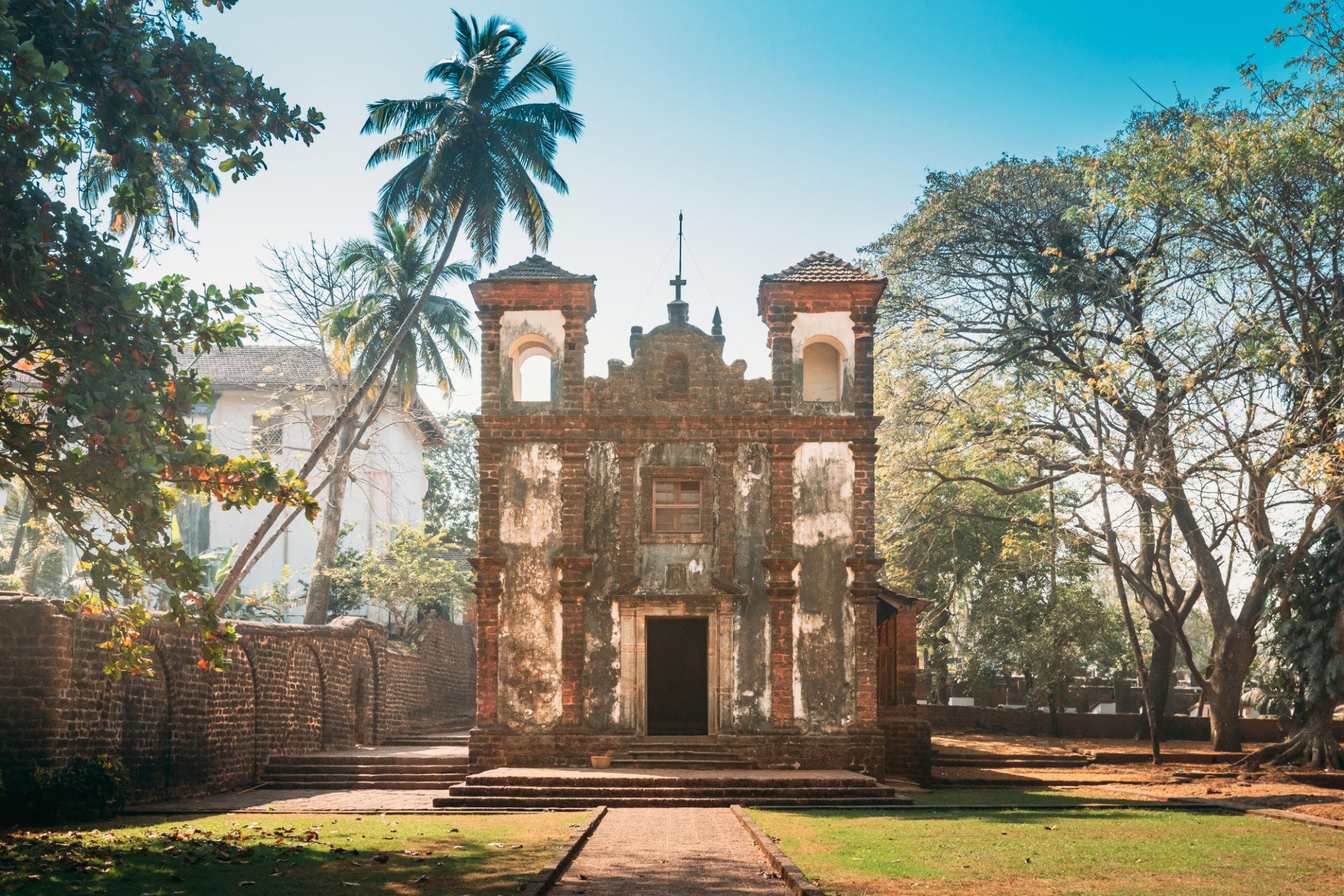
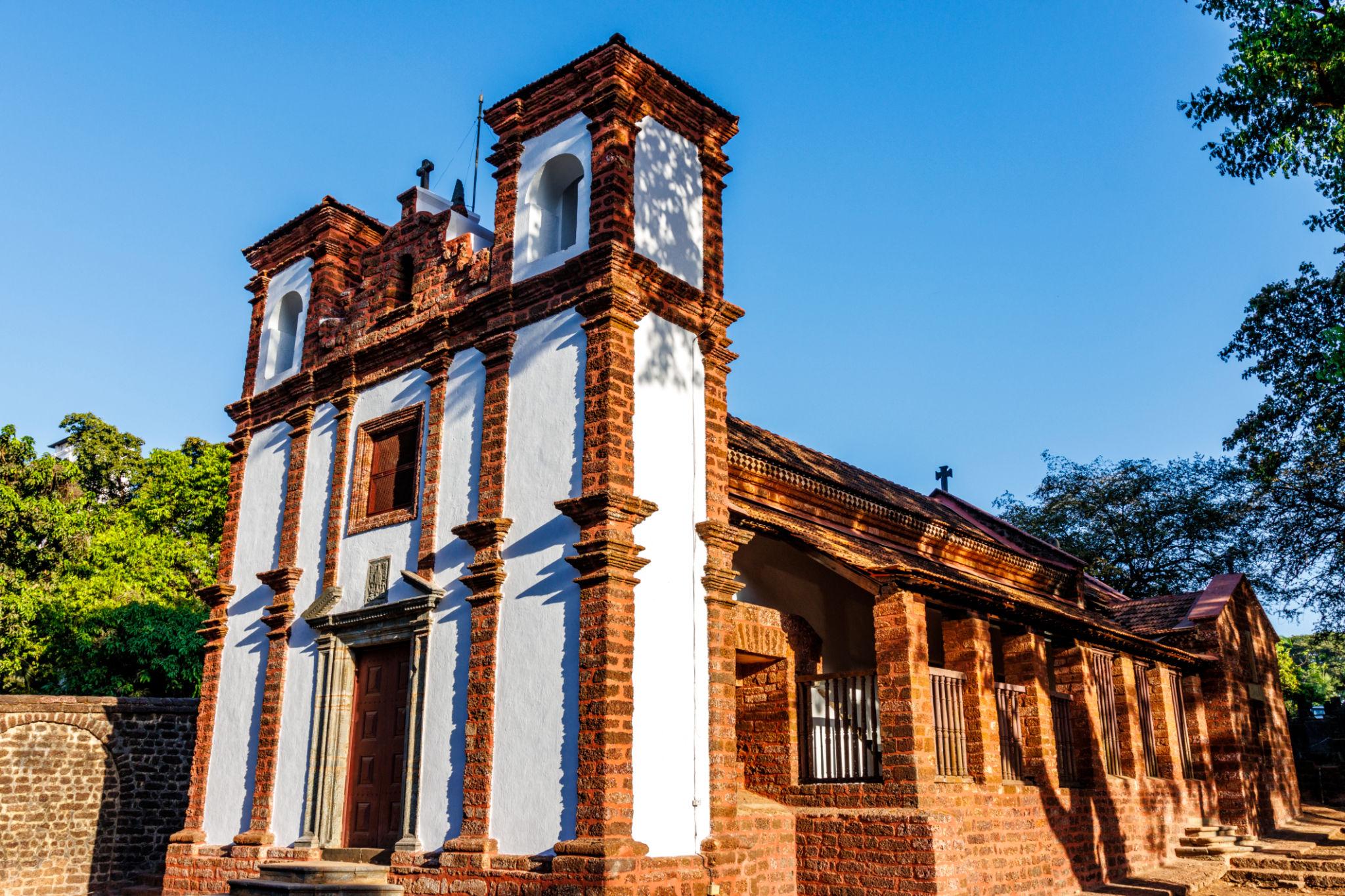
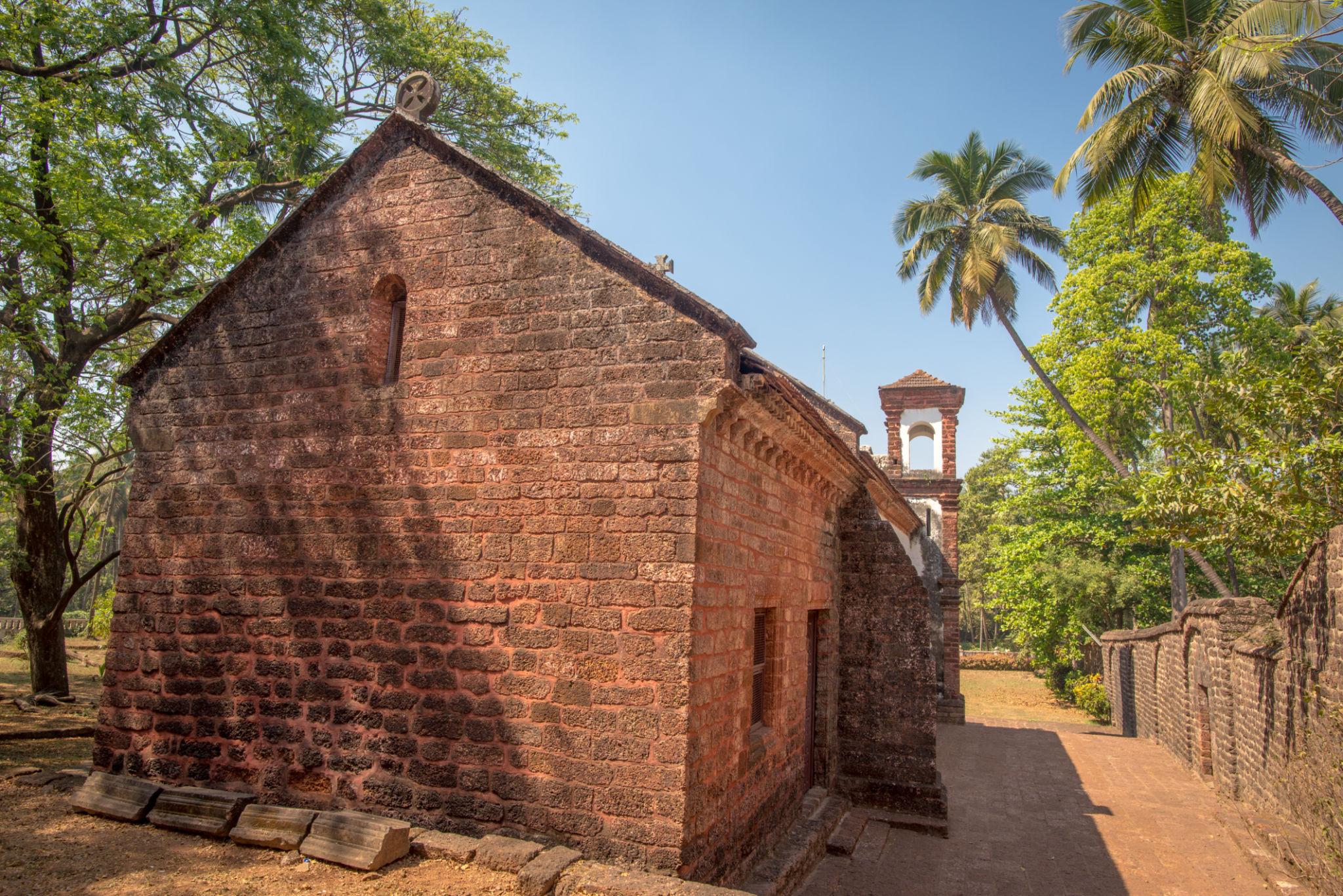
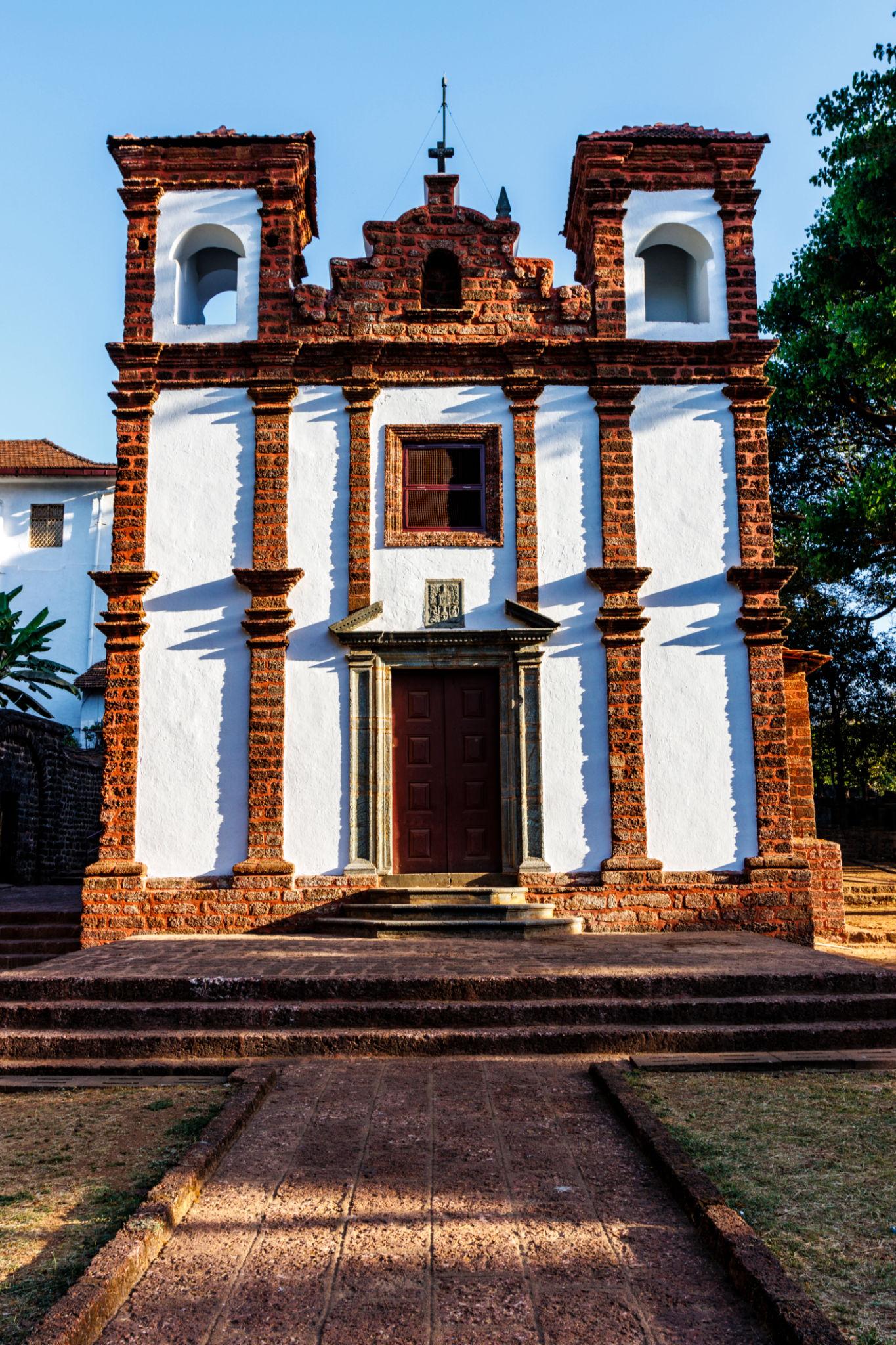
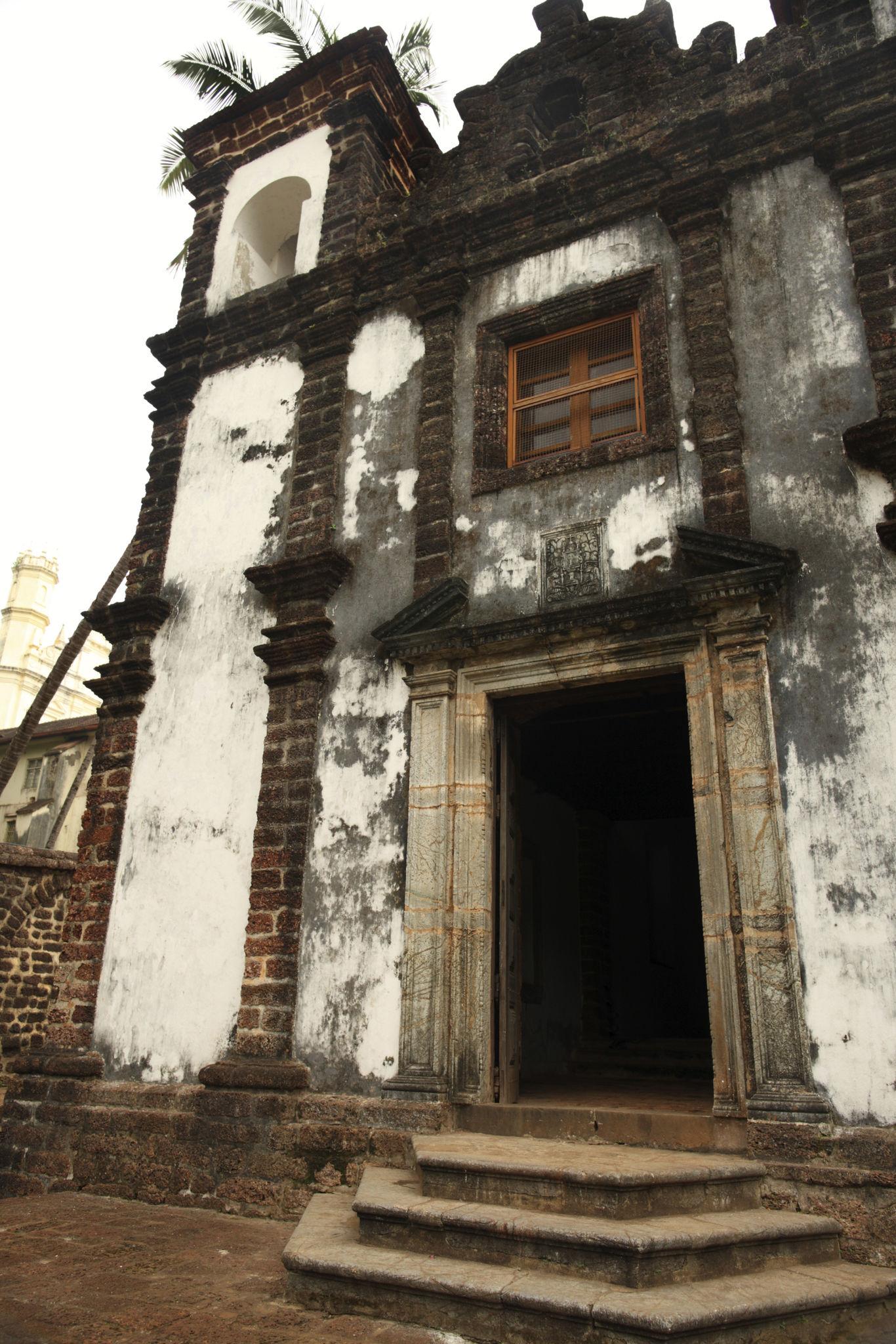
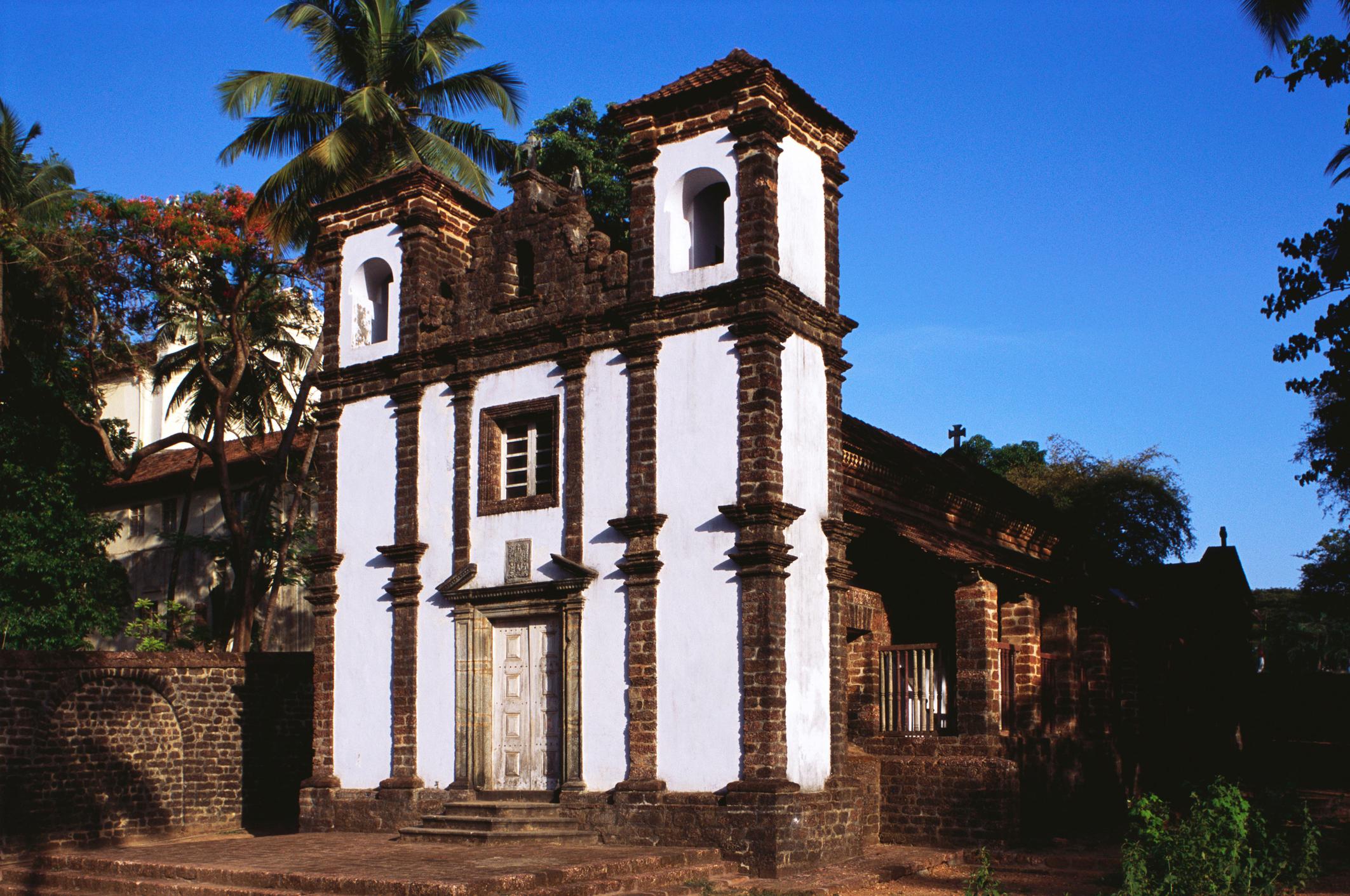
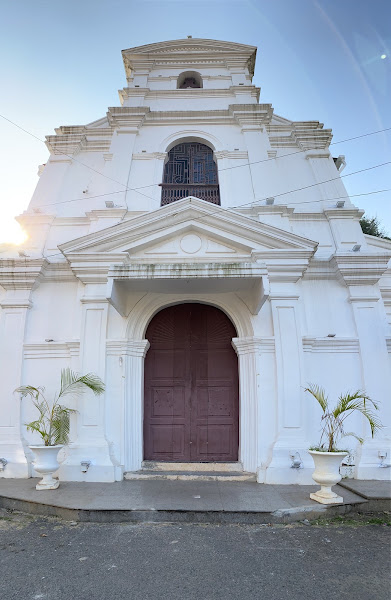
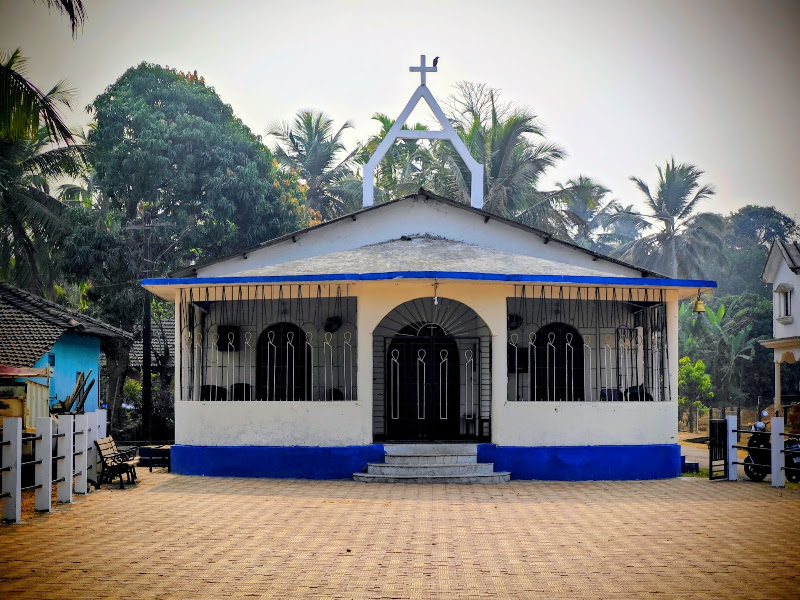
Architecturally, the Chapel of St. Catherine is a masterpiece of Renaissance simplicity, offering a stark contrast to the flamboyant Baroque and Manueline styles found in other Old Goa churches. Its design reflects the early period of Portuguese influence before the more decorative and ornate styles became popular in the 17th century. The facade of the chapel is clean and balanced, featuring a rectangular shape with a triangular pediment at the top. The use of laterite stone, a local volcanic rock common in Goa, gives the building a sturdy and grounded appearance, while the lime plaster coating provides a smooth, white finish that glows under the Goan sun.
Recommended Guide
Water Sports in Candolim Goa | Best Prices, Packages & Booking Guide
Candolim Beach, located in North Goa, is one of the most popular destinations for water sports in Goa. Known for its clean shoreline, less crowded environm...
Read Guide →
Key architectural features include:
- The Facade: The front of the chapel is divided into three horizontal sections. The central doorway is flanked by two smaller windows, and above it sits a niche that once housed a statue of St. Catherine. The simplicity of the lines is characteristic of the Renaissance aesthetic, focusing on proportion and harmony.
- The Bell Towers: Unlike the massive towers of the Se Cathedral, the Chapel of St. Catherine features two modest, square towers on either side of the facade. These towers are capped with small domes and provide a sense of verticality to the otherwise low-slung building.
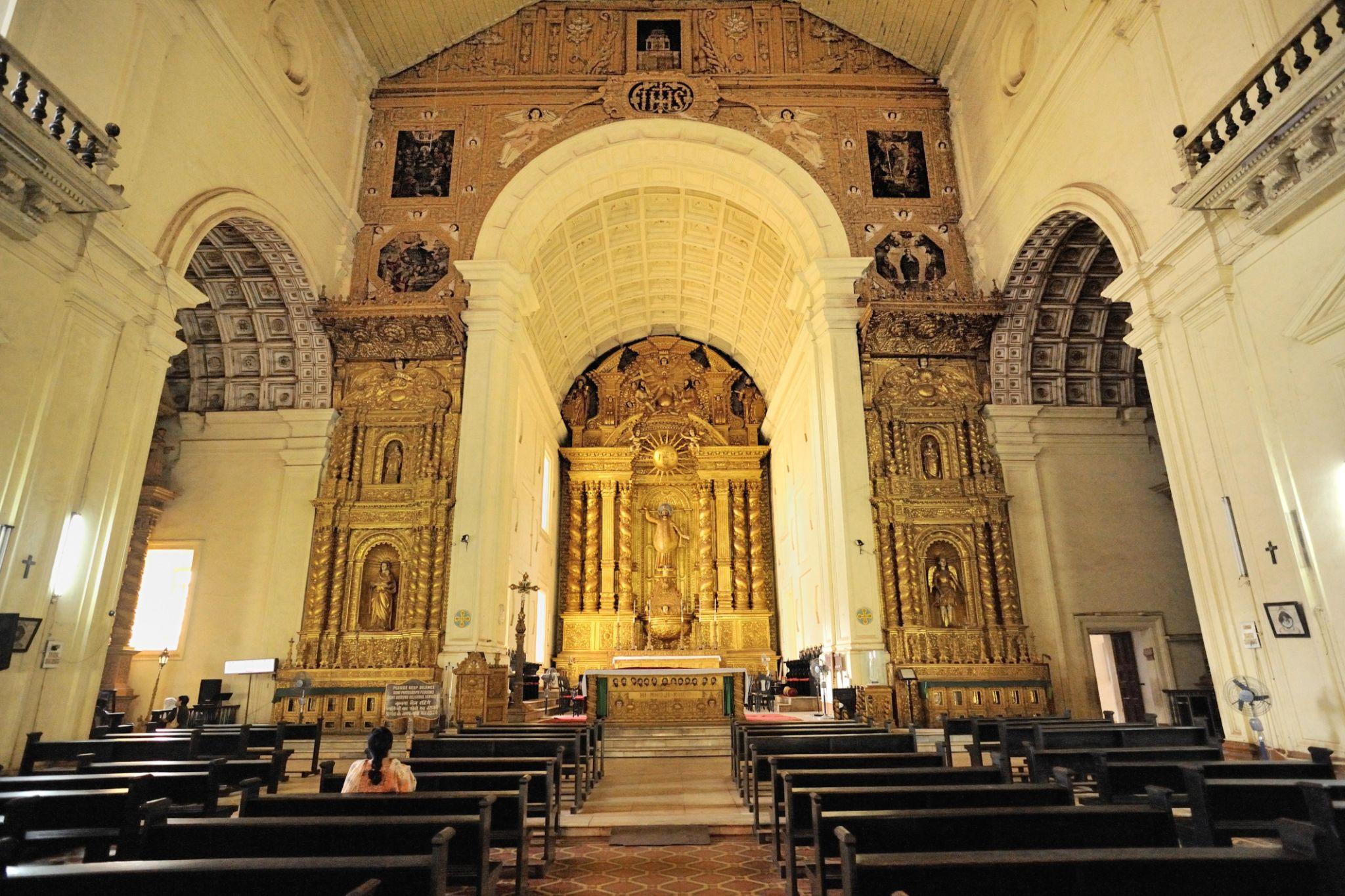
- The Interior: The interior consists of a single nave with a barrel-vaulted ceiling. The space is intimate and lacks the sprawling side chapels found in larger basilicas. The walls are thick, designed to keep the interior cool during the sweltering Goan summers.
- The Altar: The main altar is dedicated to St. Catherine. While much of the original interior ornamentation has been lost to time, the remaining stone carvings and the layout of the sanctuary reflect the sober religious atmosphere of the 16th century.
- Inscriptions: On the interior walls, one can find stone plaques with inscriptions in Portuguese, detailing the chapel's history and the various renovations it underwent over the centuries. These serve as a "stone record" for historians and visitors alike.
The chapel’s architecture is a testament to the "Indo-Portuguese" style in its infancy, where European designs were adapted to the local climate and materials, creating a unique aesthetic that is found nowhere else in the world.
Main Deity / Spiritual Importance
The chapel is dedicated to St. Catherine of Alexandria, a 4th-century martyr and one of the most revered saints in the Catholic Church. Known for her wisdom, eloquence, and unwavering faith, St. Catherine is often depicted with a broken wheel (the "Catherine Wheel"), symbolizing the instrument of torture that miraculously shattered when she touched it. For the Portuguese, she was a patroness of learning and a protector of soldiers, making her an apt choice for a chapel built to commemorate a military victory.
Recommended Guide
Water Sports in Calangute Goa | Best Activities, Prices & Booking Guide
Calangute Beach, often called the “Queen of Beaches” in Goa, is one of the most popular destinations for water sports in India. Known for its vibrant a...
Read Guide →
The spiritual importance of the chapel extends beyond the figure of St. Catherine. It serves as a site of primacy—the "Mother Church" in a symbolic sense for the Catholic community in Goa. For many local Goan Catholics, the chapel is a place of historical pilgrimage. It represents the historical roots of their faith, a physical link to the early evangelization efforts in the region. The silence within the chapel encourages a different kind of spiritual experience compared to the grand liturgical celebrations of the neighboring cathedrals. Here, the focus is on solitude, reflection, and historical continuity. Visitors often feel a sense of "sacred time," where the centuries-old stones seem to whisper stories of the saints and soldiers who once walked these floors.
Top Goa Experience • Part 2
Highly Recommended Near Chapel of St. Catherine
Explore All
Festivals & Celebrations
The most significant event associated with the Chapel of St. Catherine is her Feast Day on November 25. Historically, this was one of the most important dates on the Goan calendar, marked by massive state-sponsored celebrations. In the colonial era, the "Dia de Santa Catarina" involved military parades, ringing of church bells across the city, and a solemn High Mass attended by the Portuguese Viceroy.
In modern times, the celebrations are more subdued but no less meaningful.
- The Feast Mass: A special mass is held to honor the saint, usually attended by local residents and history enthusiasts. The liturgy emphasizes the virtues of St. Catherine and the historical importance of the site.
- The Procession: Occasionally, a small procession is organized, winding through the historic paths of Old Goa, connecting the chapel with other nearby religious landmarks.
- Cultural Programs: Sometimes, the local parish or cultural organizations host small events or lectures about the history of the chapel and the preservation of Old Goa’s heritage.
While it doesn't attract the millions of pilgrims that the Feast of St. Francis Xavier (December 3) does, the Feast of St. Catherine offers a more intimate and traditional experience of Goan religious life.
Best Time to Visit
To fully appreciate the beauty and spiritual aura of the Chapel of St. Catherine, timing is crucial.
- Winter (November to February): This is the ideal time to visit. The weather is pleasant, with cool breezes and clear skies, making it comfortable to walk between the various monuments in Old Goa. This period also coincides with the Feast of St. Catherine (Nov 25) and the Feast of St. Francis Xavier (Dec 3), allowing you to witness the area's religious fervor.
- Monsoon (June to September): Goa takes on a magical, emerald-green hue during the rains. Visiting the chapel during a light drizzle can be a very poetic experience, as the wet laterite stones turn a deep, dark red. However, be prepared for heavy downpours and high humidity.
- Summer (March to May): The heat can be intense, with temperatures often exceeding 35°C. If you visit during these months, it is best to arrive early in the morning (before 9:00 AM) or late in the evening (after 4:30 PM) to avoid the midday sun.
In terms of the time of day,
early morning is highly recommended. The soft morning light hitting the white facade of the chapel provides excellent opportunities for photography, and the site is usually much quieter before the tour buses arrive.
Timings, Entry Fee & Dress Code
Planning your visit requires attention to these practical details:
- Timings: The Chapel of St. Catherine is generally open to visitors from 7:30 AM to 6:00 PM daily. However, please note that since it is a smaller chapel, it may occasionally be closed for maintenance or private services.
- Entry Fee: There is no entry fee to visit the chapel. It is free for both domestic and international tourists, as are most of the religious sites in Old Goa.
- Dress Code: As this is an active religious and historical site, a modest dress code is strictly enforced. Both men and women should ensure that their shoulders and knees are covered. Avoid wearing sleeveless tops, short skirts, or beachwear. It is a sign of respect for the local culture and the sanctity of the site.
- Footwear: While you don't always need to remove shoes to enter the chapel grounds, it is customary to do so if you are entering the main prayer area. Follow the lead of the local devotees.
How to Reach Chapel of St. Catherine
The Chapel of St. Catherine is located in Old Goa, approximately 10 kilometers east of the capital city, Panaji.
- By Taxi/Auto-Rickshaw: This is the most convenient way to reach the site. You can hire a taxi from Panaji, Candolim, or Baga. A round trip can be negotiated, or you can use app-based services like Goa Miles.
- By Bus: Frequent local buses run from the Panaji KTC Bus Stand to Old Goa. The ride takes about 20-30 minutes and is very affordable. Once you get off at the Old Goa bus stop, the chapel is a short 5-minute walk away.
- By Scooter/Bike Rental: Many tourists prefer renting a scooter to explore Goa. The drive from Panaji to Old Goa along the Mandovi River is scenic and straightforward. There is ample parking available near the Se Cathedral complex.
- From the Airport: Dabolim Airport is about 25 kilometers away, while Mopa (Manohar International Airport) is roughly 50 kilometers away. Pre-paid taxis are available from both airports.
- By Train: The nearest railway station is Karmali (KRMI), which is just 2 kilometers from Old Goa. You can take a quick rickshaw ride from the station to the chapel.
Things to Do
While the chapel itself is small, the experience of visiting it can be enriched by several activities:
- Historical Exploration: Spend time reading the plaques and observing the architectural nuances. Notice the transition from the exterior laterite to the interior lime-plastered walls.
- Photography: The chapel’s simple Renaissance lines and the surrounding manicured lawns make for excellent photographic subjects. Capture the play of light on the white facade.
- Meditation and Prayer: The quiet atmosphere is perfect for a few moments of silent reflection or meditation. Unlike the busier Se Cathedral, you can often find a corner here for personal prayer.
- Walking Tour: Use the chapel as a starting point for a self-guided walking tour of Old Goa. Because it marks the "entry point" of the Portuguese, it is the logical place to begin your historical journey.
- Sketching: If you are artistically inclined, the chapel’s clear geometric shapes make it a wonderful subject for architectural sketching.
Nearby Attractions
Old Goa is a treasure trove of historical landmarks, all within walking distance of the Chapel of St. Catherine:
- Se Cathedral: Located right next to the chapel, this is one of the largest churches in Asia, famous for its "Golden Bell" and stunning Tuscan architecture.
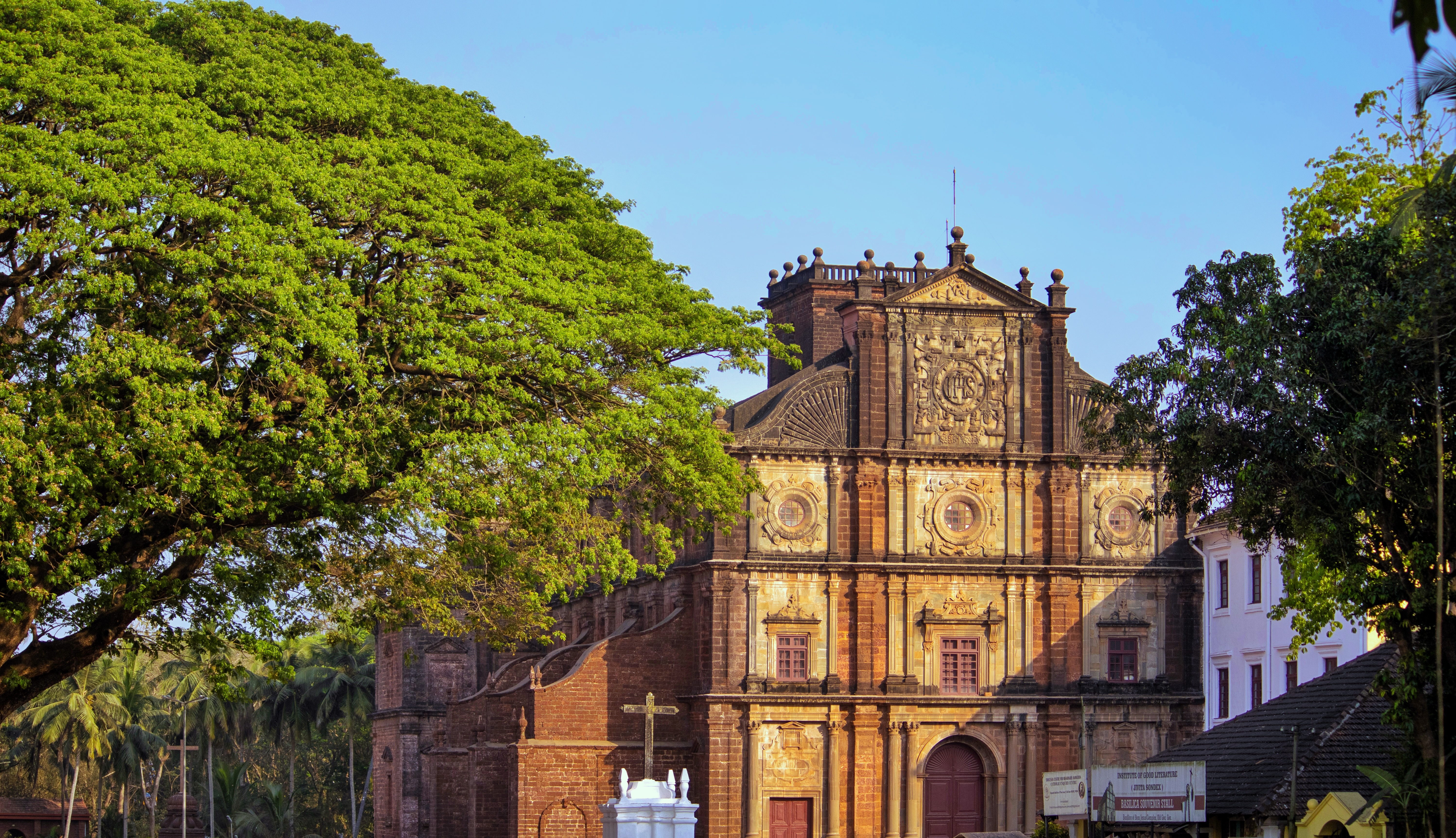
- Basilica of Bom Jesus: A short walk away, this Jesuit church holds the mortal remains of St. Francis Xavier and is a masterpiece of Baroque architecture.
- Church of St. Francis of Assisi: Known for its beautiful gilded main altar and a museum housed in the former convent.
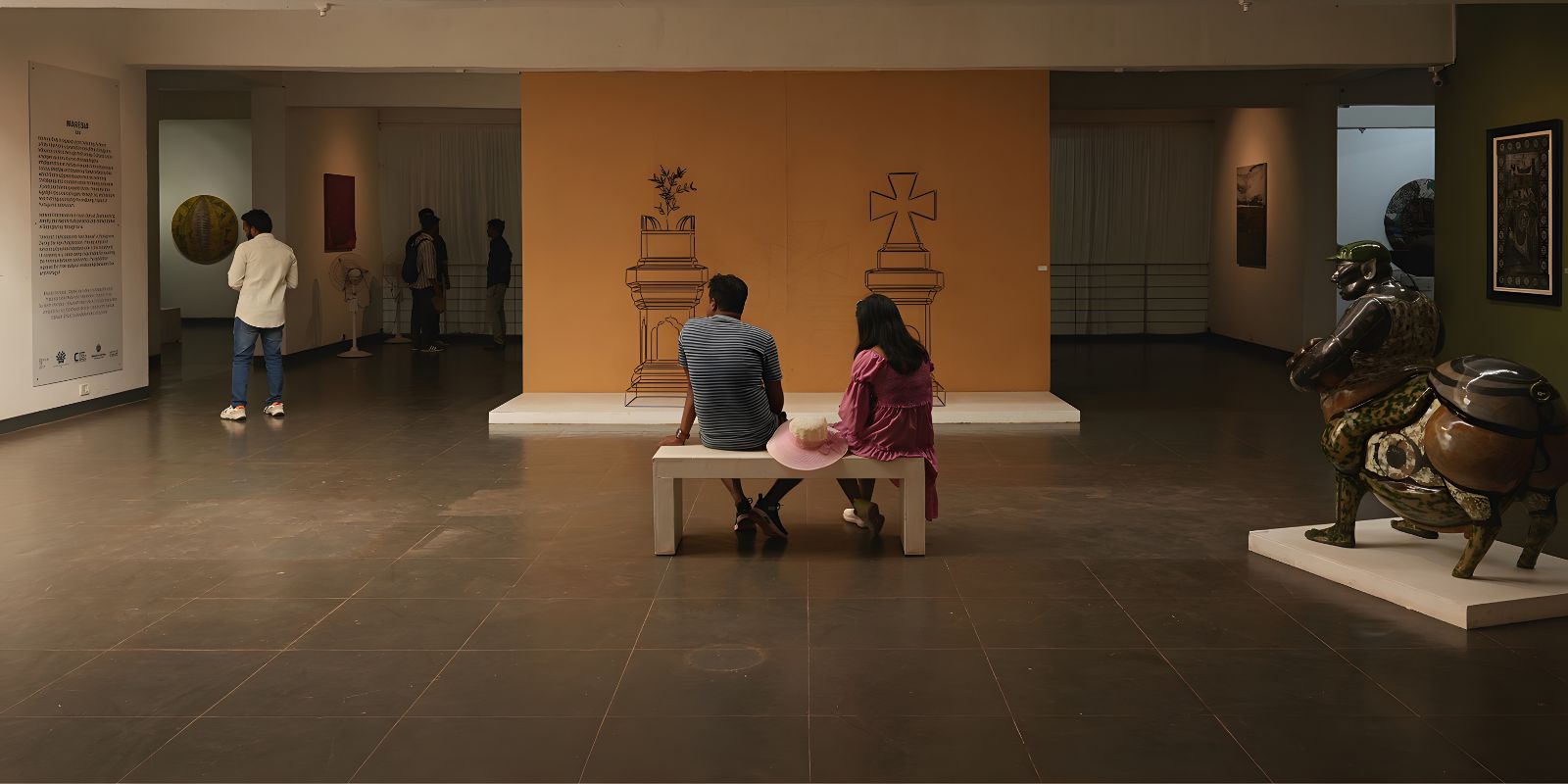
- Archaeological Museum of Goa: Located in the convent of St. Francis of Assisi, it displays artifacts from the Hindu, Muslim, and Portuguese periods of Goan history.
- Viceroy’s Arch: The ceremonial gateway through which Portuguese Viceroys used to enter the city, located near the Mandovi River pier.
- Church of St. Cajetan: Modeled after St. Peter’s Basilica in Rome, this church is a stunning example of Corinthian architecture.
- Mount Mary Church: Located on a hill overlooking Old Goa, it offers panoramic views of the entire church complex and the Mandovi River.
Photography & Visitor Guidelines
To ensure a respectful and pleasant visit, please adhere to these guidelines:
- Interior Photography: While photography is generally allowed outside, always check for signs regarding photography inside the chapel. If you do take photos inside, disable your flash to protect any remaining frescoes or delicate surfaces.
- Silence: Maintain a low volume when speaking. Many visitors come here for spiritual reasons, and loud conversations can be disruptive.
- No Littering: Old Goa is a heritage zone. Ensure you dispose of any trash in designated bins.
- Respect the Clergy: If a service or prayer meeting is in progress, wait until it concludes before exploring the interior. Do not enter the altar area.
- Drones: The use of drones in the Old Goa heritage complex is strictly regulated and usually requires prior permission from the Archaeological Survey of India (ASI).
Where to Eat Nearby
After exploring the history of Old Goa, you can find various dining options nearby:
- The Rasoda: Located a short drive away, it offers authentic North Indian and Rajasthani cuisine in a clean, family-friendly environment.
- Cafe Tinto: A charming spot for quick snacks, Goan patties, and coffee. It captures the local "Sussegad" vibe perfectly.
- Hotel Viva Goa: A great place to try traditional Goan fish thali and other local delicacies like Chicken Cafreal or Fish Recheado.
- Street Food Stalls: Near the main parking area, you will find several stalls selling fresh coconut water, roasted corn, and local Goan snacks like 'Ros Omelette.'
- Panaji Restaurants: Since Panaji is only 15-20 minutes away, many visitors head to the capital for high-end dining at places like The Verandah or Mum's Kitchen.
Accommodation Nearby
While most tourists stay in the beach belts, staying near Old Goa offers a more peaceful experience:
- The Postcard Velha: A luxury boutique hotel located on a hillock, offering stunning views and a colonial-era charm.
- Old Goa Residency: Managed by the Goa Tourism Development Corporation (GTDC), this offers comfortable, budget-friendly rooms right in the heart of the heritage zone.
- Heritage Village Resorts: Located a few kilometers away, perfect for families looking for a mix of heritage and modern amenities.
- Guesthouses in Ribandar: The nearby village of Ribandar has several traditional Goan houses converted into charming guesthouses overlooking the river.
Travel Tips
To make the most of your trip to the Chapel of St. Catherine, consider these expert tips:
- Hire a Guide: While you can explore on your own, hiring an ASI-certified guide will provide you with deep insights into the hidden symbols and historical anecdotes of the chapel.
- Stay Hydrated: The Goan sun can be unforgiving. Always carry a bottle of water with you.
- Combine with a River Cruise: Many river cruises on the Mandovi River offer a stop at Old Goa, providing a unique perspective of the churches from the water.
- Wear Comfortable Shoes: You will be doing a lot of walking between the various monuments. Opt for breathable, walking-friendly footwear.
- Visit the Museum First: Visiting the Archaeological Museum before the chapel can give you a better context of the era in which the chapel was built.
Conclusion
The Chapel of St. Catherine is far more than just a small white building in a field of giants. It is a profound historical marker that captures the very essence of Goa’s transition from a regional sultanate to a global colonial hub. Its simple Renaissance architecture, its deep religious roots, and its location at the site of the 1510 conquest make it an essential stop for anyone wishing to truly understand the soul of Goa. Whether you are a history buff, a spiritual seeker, or a traveler looking for a quiet moment of beauty, the chapel offers a unique and moving experience. As you stand before its modest facade, you aren't just looking at a church; you are looking at the beginning of an era that shaped the culture, language, and faith of millions. A visit here is a tribute to the enduring power of history and the serene spirit of Golden Goa.