Overview of Palacio Do Deao
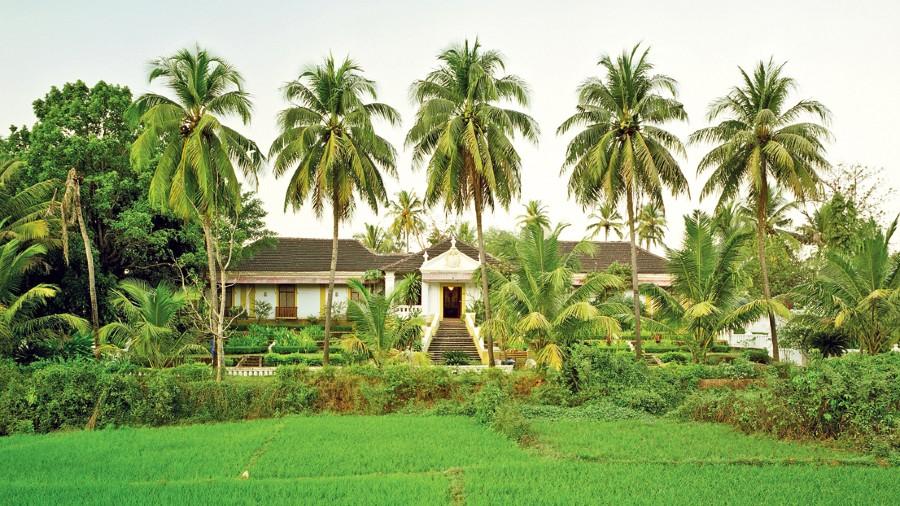
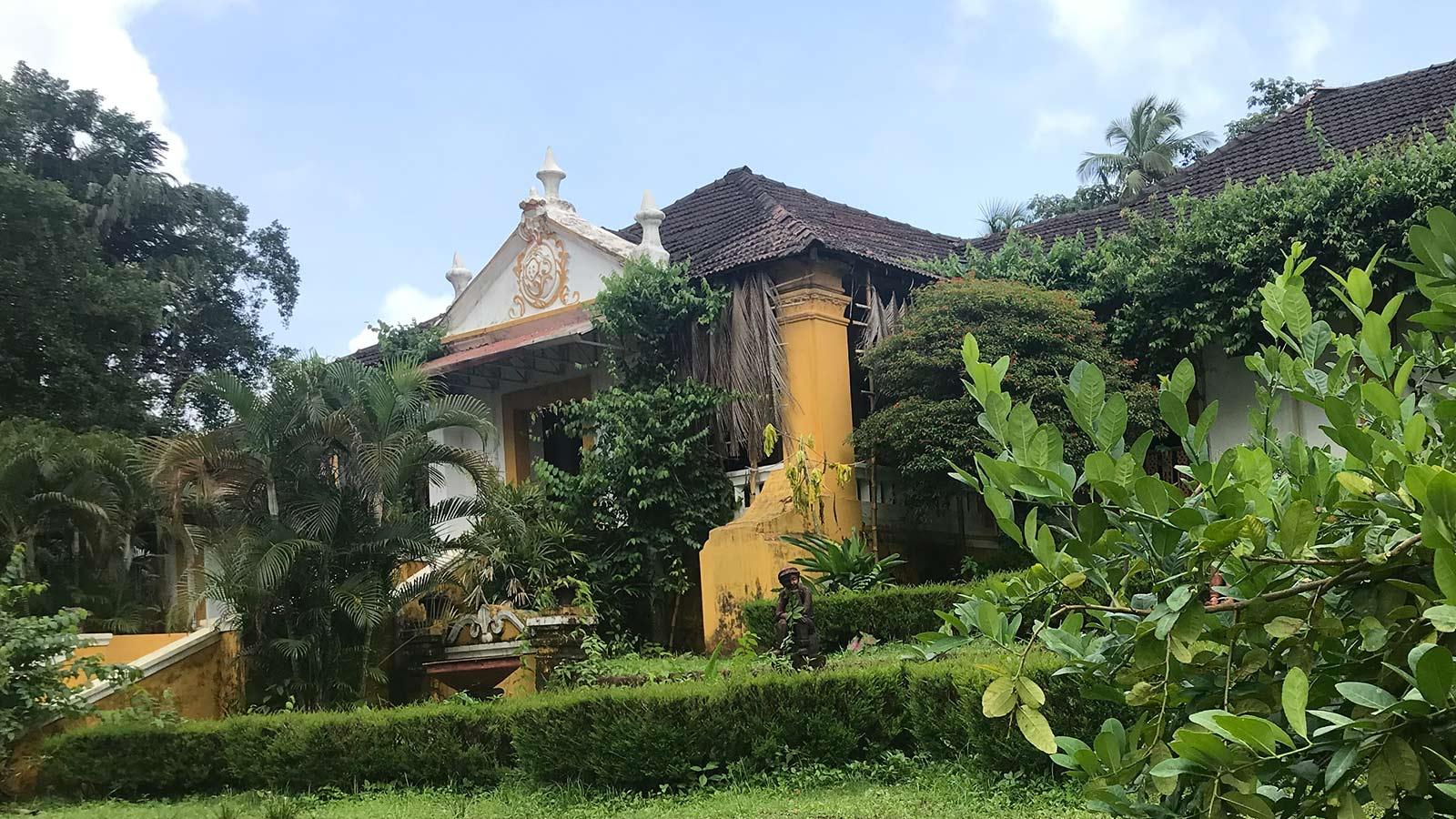
Nestled in the serene and verdant town of Quepem in South Goa, the Palacio Do Deao (The Dean’s Palace) stands as a monumental testament to the grandeur of the Portuguese era. Far removed from the bustling, neon-lit beaches of North Goa, this 18th-century heritage mansion offers a profound journey into the soul of Goan history, culture, and spirituality. Built on the banks of the gently flowing Kushavati River, the palace is not merely a residence but a symbol of the socio-religious transformation that South Goa underwent during the colonial period.
The Palacio Do Deao is widely regarded as one of the most unusual and captivating heritage homes in the Indian subcontinent. It was built by a high-ranking Portuguese nobleman and clergyman, which gives the structure a unique dual identity—part aristocratic manor and part spiritual retreat. Spanning over 11,000 square feet, the mansion is surrounded by five acres of lush, terraced gardens that are often cited as some of the most beautiful in the state. For the modern traveler, a visit here is an immersive experience that combines architectural appreciation, historical inquiry, and a deep sense of tranquility that only a centuries-old spiritual site can provide.
Top Goa Experience • Part 1
Highly Recommended Near Palacio Do Deao
Explore All
Today, the palace has been painstakingly restored by its current custodians, Ruben and Celia Vasco da Gama, who have breathed new life into its weathered walls. Unlike many other heritage sites that feel like stagnant museums, Palacio Do Deao is a living, breathing home. It serves as a bridge between the past and the present, where visitors are treated not as tourists, but as guests of the house. Whether you are a history buff, a spiritual seeker, or a lover of fine Indo-Portuguese cuisine, the Palacio Do Deao offers a multi-sensory experience that captures the essence of "Goenkarponn" (Goan identity).
History & Religious Significance
The history of Palacio Do Deao is inextricably linked to the life of its founder, Jose Paulo de Almeida. Born in Lisbon, Almeida arrived in Goa in the late 18th century and rose to the position of Dean of the Cathedral and a high-ranking official of the Portuguese crown. In 1787, he was granted a vast tract of forested land in what was then a remote part of the Quepem taluka. His mission was twofold: to establish a colonial outpost and to spread the influence of the Catholic Church in the hinterlands of Goa.
Recommended Guide
Things to Do in Goa with Kids
Planning a Goa trip with kids and wondering if it’s just about beaches and nightlife? That’s a common misconception. The truth is, **Goa is one of the...
Read Guide →
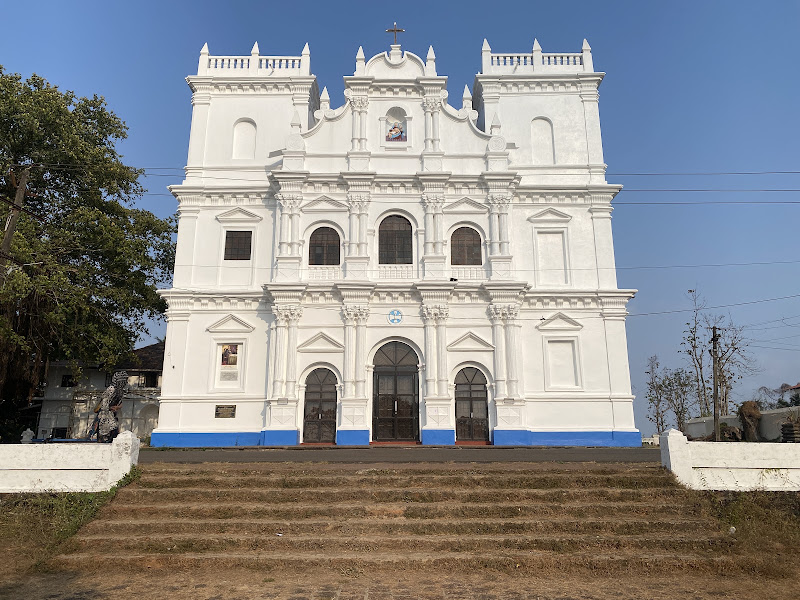
Almeida was a man of extraordinary vision. He didn't just build a house; he founded an entire town. He cleared the dense jungles, built the Holy Cross Church (Igreja de Santa Cruz) directly opposite his palace, and established a marketplace, a cemetery, and administrative buildings. The Palacio Do Deao was the administrative and spiritual nerve center of this new settlement. The religious significance of the site is profound, as the Dean functioned as both a spiritual shepherd and a temporal ruler. The palace was designed to face the church, creating a symbolic axis of power and faith that defined the community of Quepem.
Throughout the 19th and early 20th centuries, the palace hosted numerous dignitaries, bishops, and colonial administrators. It was a place where religious decrees were discussed alongside agricultural reforms. However, following the liberation of Goa in 1961 and the subsequent departure of the Portuguese, many such palatial homes fell into ruin. The Palacio Do Deao suffered decades of neglect until the late 1990s when the Vasco da Gama family took up the Herculean task of restoration. Their work has preserved a vital piece of Goa’s Catholic heritage, ensuring that the legacy of the Dean—a man who sought to create a "New Lisbon" in the heart of the Goan jungle—continues to inspire visitors.
Recommended Guide
Best Things to Do Near Palolem Beach, Goa
[Palolem Beach](https://goanearby.in/beaches/palolem-beach) is one of the most beautiful and popular beaches in South Goa. Known for its crescent-shaped sh...
Read Guide →
Architecture of Palacio Do Deao
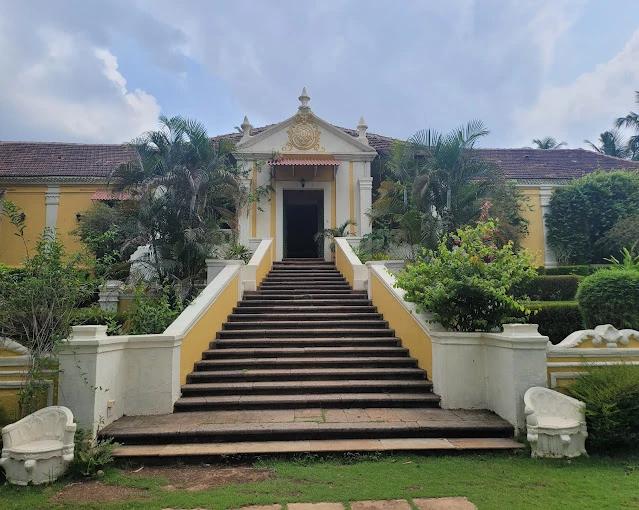
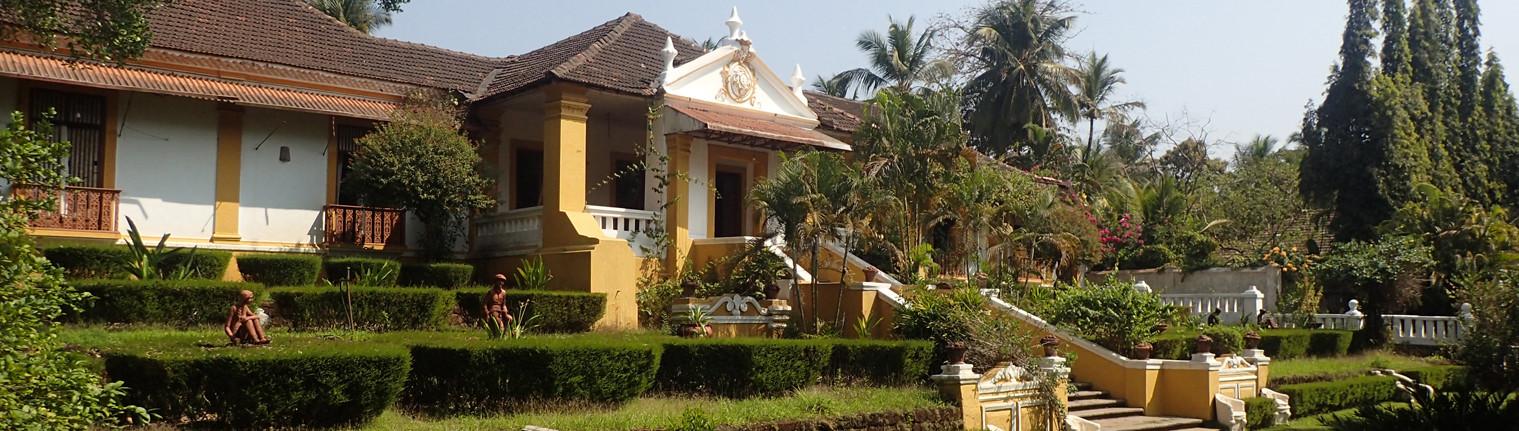
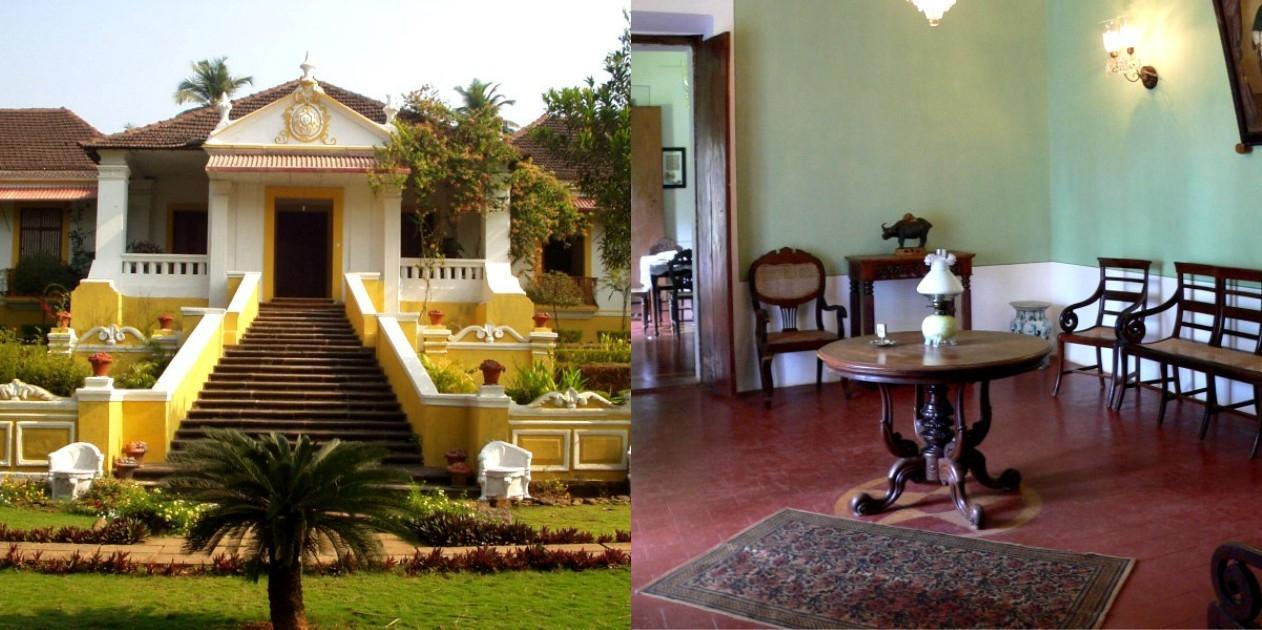
The architecture of Palacio Do Deao is a masterful blend of Hindu and Portuguese styles, a characteristic often referred to as Indo-Portuguese architecture. This fusion was born out of necessity and artistic evolution, as local Goan craftsmen integrated traditional Indian building techniques with European aesthetic sensibilities. The mansion is constructed primarily of laterite stone, a porous red rock native to the region, which is then plastered with lime and painted in a striking pale yellow with white accents.
One of the most striking features of the palace is its balcão (porch). In Goan architecture, the balcão is more than just an entryway; it is a social space where the residents interact with the outside world. The Palacio’s balcão is particularly grand, featuring ornate columns and built-in stone benches (sopas). As you move inside, the house reveals a series of interconnected halls with high ceilings designed to facilitate natural ventilation—a crucial feature in Goa's tropical climate. The windows are another architectural marvel, utilizing mother-of-pearl oyster shells (Capiz shells) instead of glass. These shells filter the harsh tropical sunlight, casting a soft, ethereal glow into the rooms, a technique that was common in 18th-century Goan noble houses.
Recommended Guide
Best Non-Party Things to Do in Goa?
Goa is often marketed as India’s party capital. Social media feeds are filled with beach clubs, neon lights, DJs, and late-night celebrations that make i...
Read Guide →
The interior is filled with period furniture, intricate wood carvings, and blue-and-white Azulejos (Portuguese tiles). The palace also features a private chapel, which was a standard requirement for high-ranking clergy members. The most celebrated aspect of the architecture, however, is the pleasure garden. Spread across five levels, the garden follows a classical European layout but is filled with indigenous tropical flora. It features stone pathways, water bodies, fountains, and "follies" (decorative garden structures). The garden was designed to be a place of meditation and recreation, reflecting the Dean's appreciation for the natural beauty of the Kushavati valley.
Top Goa Experience • Part 2
Highly Recommended Near Palacio Do Deao
Explore All
Main Deity / Spiritual Importance
While the Palacio Do Deao is technically a residential manor, its spiritual importance is rooted in its association with the Holy Cross Church and the clerical status of its founder. The Dean was a representative of the Catholic Church, and his home was often used for religious gatherings and theological discussions. Inside the palace, there is a small, beautifully preserved private oratory or chapel dedicated to the Virgin Mary. This space served as the spiritual heart of the household, where the Dean and his residents would gather for daily prayers and the Rosary.
The spiritual aura of the palace is also tied to its location. It sits on a hillock overlooking the Kushavati River, a river that holds immense sacred value in Goan culture, both for Hindus and Christians. The proximity to the Holy Cross Church, which the Dean himself built, creates a sacred geography. The church houses a revered image of the Crucified Christ, and for centuries, the local community has looked toward the palace and the church as the twin pillars of their faith. For visitors, the palace offers a sense of "sacred domesticity"—an understanding of how faith was integrated into every aspect of life for the Goan Catholic elite. The quiet, meditative atmosphere of the gardens further enhances this spiritual experience, making it a popular spot for those looking to escape the noise of modern life.
Festivals & Celebrations
The Palacio Do Deao comes alive during the traditional Goan Catholic festivals, reflecting the vibrant liturgical calendar of the region. The most significant celebration is the Feast of the Holy Cross (Santa Cruz), the patron saint of the town, which is celebrated in May. During this time, the palace is often decorated, and the Vasco da Gama family continues the tradition of hospitality that the Dean started centuries ago. Processions from the nearby church often pass by the palace, creating a festive atmosphere filled with brass band music and traditional hymns.
Another important occasion is the Feast of St. John the Baptist (Sao Joao) in June. Given the palace's proximity to the river and its numerous garden ponds, the spirit of Sao Joao—which involves jumping into water bodies to celebrate the baptism of Christ—is felt deeply here. Additionally, the palace celebrates Christmas and Easter with great fervor. During Christmas, the house is adorned with a traditional Goan crib (presépio) and stars, and special heritage lunches are hosted on the veranda. The palace has also become a venue for cultural festivals, including classical music concerts and garden parties that aim to revive the "festa" culture of old Goa. These events provide a rare opportunity for visitors to witness Goan traditions in an authentic, historical setting.
Best Time to Visit
To fully appreciate the beauty of Palacio Do Deao, timing is essential. The best time to visit is between November and February. During these winter months, the weather in South Goa is pleasant, with cool breezes and clear skies, making it ideal for exploring the five-acre garden and the outdoor architectural features. The humidity is at its lowest, allowing for a comfortable walk through the terraced levels of the estate.
However, the monsoon season (June to September) offers a different, more mystical charm. The gardens turn into a vibrant, emerald green, and the Kushavati River flows in full glory. While the rain might limit your time in the open garden, sitting on the palace’s balcão or in the dining area while watching the rain fall over the tropical landscape is a quintessential Goan experience. The summer months (March to May) can be quite hot, but this is also the time when many tropical flowers are in bloom. If you visit in May, you might catch the local village feast, which adds a layer of cultural richness to your trip. Regardless of the season, it is highly recommended to visit during the daytime to appreciate the play of light through the oyster shell windows.
Timings, Entry Fee & Dress Code
The Palacio Do Deao is generally open to visitors from 10:00 AM to 5:00 PM daily. However, since it is a private residence and a popular venue for heritage lunches, it is always advisable to call ahead or book in advance, especially if you plan to dine there. The owners are often present to give personal tours, which adds immense value to the visit.
- Entry Fee: There is a nominal entry fee (usually around INR 100-200) which goes toward the maintenance and ongoing restoration of the heritage property. If you book a meal, the entry fee is often included in the cost of the lunch.
- Dress Code: While there is no strict religious dress code like in a temple, visitors are expected to dress modestly and respectfully. Since the palace is a private home and has a sacred history, avoid extremely revealing beachwear. Comfortable walking shoes are a must, as the garden paths can be uneven and involve some climbing.
- Bookings: For the famous Indo-Portuguese lunch, a prior booking (at least 24-48 hours in advance) is mandatory.
How to Reach Palacio Do Deao
Palacio Do Deao is located in Quepem, South Goa, approximately 15 kilometers from the city of Margao. Reaching this hidden gem requires a bit of planning as it is tucked away from the main tourist hubs.
- By Road: The most convenient way to reach the palace is by hiring a private taxi or driving a self-rented car/scooter. From Margao, take the road toward Quepem. The drive is scenic, passing through traditional Goan villages and paddy fields. The palace is located right opposite the Quepem Church, making it easy to find once you enter the town.
- By Bus: Regular buses run from the Margao Kadamba Bus Stand to Quepem. From the Quepem bus stop, the palace is a short walk or a quick rickshaw ride away.
- By Rail: The nearest major railway station is Madgaon Junction (MAO). From the station, you can take a taxi directly to the palace, which takes about 30 to 40 minutes.
- By Air: The Dabolim Airport is approximately 45 kilometers away. A pre-paid taxi from the airport will take about an hour and fifteen minutes to reach Quepem.
Things to Do
A visit to Palacio Do Deao is not a rushed affair; it is an experience to be savored. Here are the top things to do during your visit:
- Guided House Tour: Take a tour of the mansion, ideally led by Ruben or Celia. Listen to the stories of the Dean, the architectural secrets of the house, and the challenges of restoring a 200-year-old ruin. Pay close attention to the antique library and the master bedroom.
- Explore the Gardens: Spend at least an hour wandering through the five levels of the garden. Look for the stone "pavilions," the historical irrigation system, and the variety of exotic plants. It is a paradise for botanists and nature lovers.
- Indulge in a Heritage Meal: This is arguably the highlight of the visit. The palace serves an exquisite Indo-Portuguese lunch on the breezy veranda. The menu usually includes traditional items like Arroz Doce, Prawn Curry, Frijolada, and fresh garden salads, all cooked with a home-style touch.
- Bird Watching: The garden’s proximity to the river makes it a hotspot for local bird species. Bring your binoculars to spot kingfishers, hornbills, and various tropical songbirds.
- Photography: Capture the stunning interplay of light and shadow in the oyster shell windows and the symmetrical beauty of the facade. (Ensure you ask for permission before photographing private living quarters).
- Relaxation: Simply sit on the balcão with a book or enjoy the silence. The palace offers a rare opportunity to experience "Susegad"—the Goan concept of relaxed, contented living.
Nearby Attractions
Quepem and its surrounding areas are rich in heritage and natural beauty. You can easily combine your visit to Palacio Do Deao with these nearby attractions:
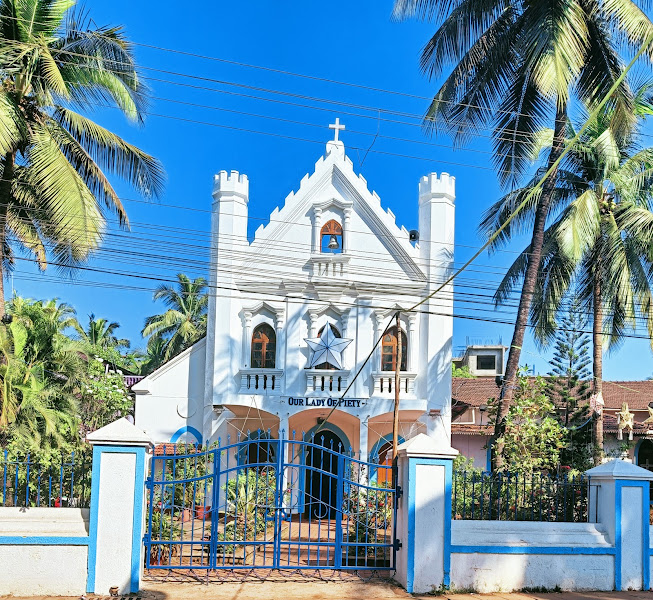
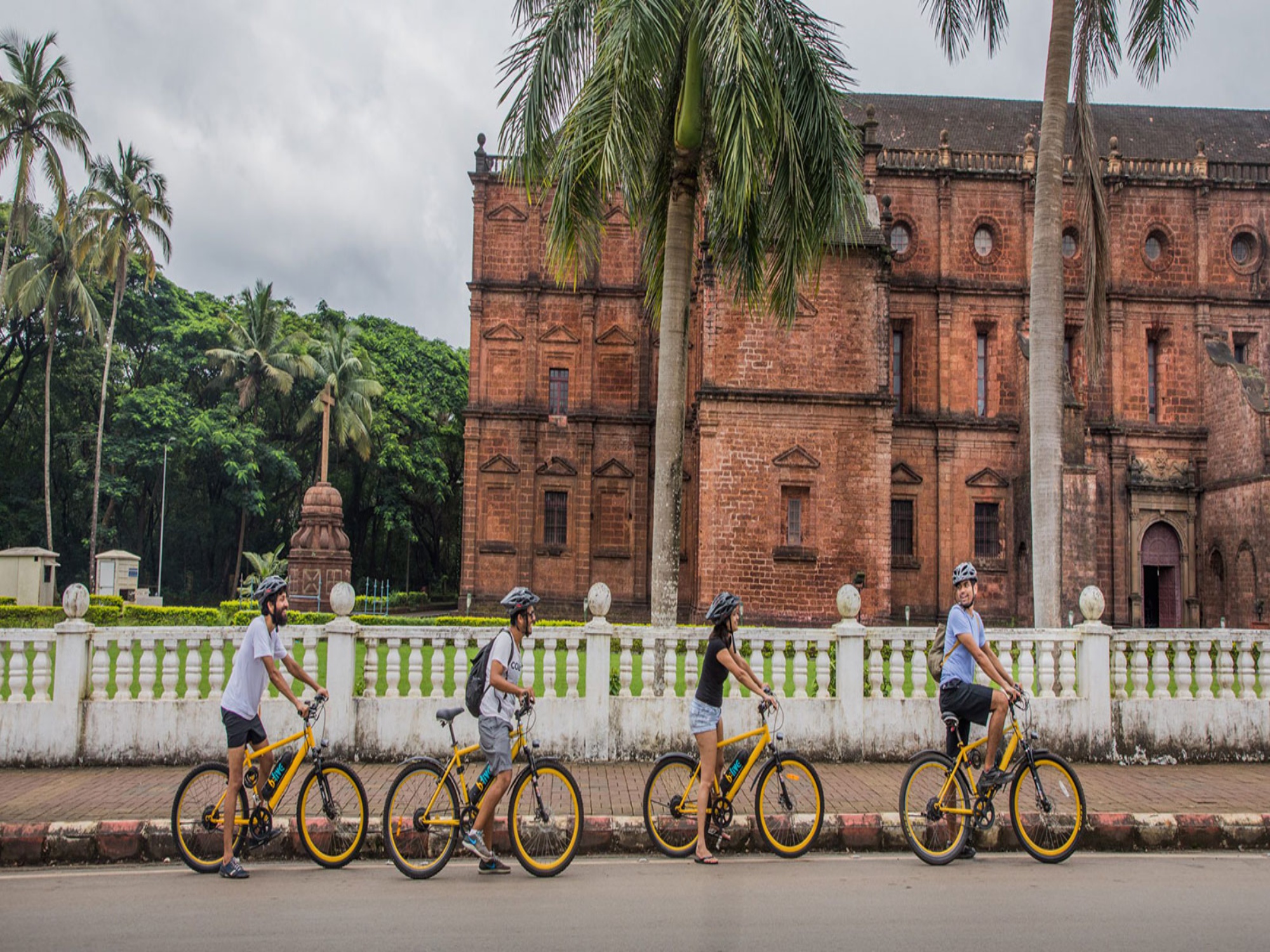
- Holy Cross Church (Igreja de Santa Cruz): Located directly opposite the palace, this church was also built by the Dean. Its simple yet elegant white facade is a classic example of Goan church architecture.
- Chandor (Heritage Village): Just a 15-minute drive away, Chandor is home to the famous Braganza House and Fernandes House. Visiting these along with Palacio Do Deao provides a comprehensive look at Goan aristocratic life.
- Kushavati River: You can take a walk down to the riverbanks to enjoy the peaceful scenery. The river is also home to the Usgalimal Rock Carvings, which are prehistoric petroglyphs (though these are a bit further away).
- Paroda Hill (Chandranath Hill): For those who enjoy a bit of a climb, the Chandranath Temple offers panoramic views of the South Goan countryside and is a significant spiritual site for Hindus.
- Quepem Market: Visit the local market to see the daily life of the townspeople and buy local produce like Goan chillies, jaggery, and vinegar.
Photography & Visitor Guidelines
To ensure a pleasant experience for everyone, visitors are encouraged to follow these guidelines:
- Photography: Photography is generally allowed in the gardens and the main halls. However, please be respectful and avoid using flash near delicate antiques. Always ask the hosts before filming or taking professional-grade photos.
- Respect Privacy: Remember that Palacio Do Deao is a private residence. Stay within the designated guest areas and avoid entering rooms that are marked as private.
- Silence: Maintain a quiet demeanor, especially in the chapel area and the upper floors, to preserve the tranquil atmosphere of the home.
- Environmental Care: Do not pluck flowers or disturb the wildlife in the gardens. The ecosystem here is carefully maintained.
- Feedback: The hosts appreciate feedback and entries in their guestbook. It is a lovely way to show appreciation for their restoration efforts.
Where to Eat Nearby
While the in-house dining at Palacio Do Deao is the most recommended option, there are other local eateries if you are looking for something different:
- Palacio Do Deao (Heritage Dining): As mentioned, their multi-course Indo-Portuguese lunch is legendary. It features fresh ingredients from their own garden and local markets.
- Local Quepem Eateries: The town center has several small "cafés" where you can try Goan snacks like samosas, batata vadas, and ros omelette.
- Margao Restaurants: Since Margao is only 15km away, you can head there for a wider variety. Martin’s Corner (further toward the coast) or Viva Goa are popular choices for authentic Goan seafood.
- The Southern Deck (Benaulim): If you want to head toward the beach after your heritage tour, this place offers great views and a mix of cuisines.
Accommodation Nearby
Quepem is a quiet town, so most visitors stay in nearby Margao or the coastal belt. However, there are some charming options for those who want to stay close to the heritage heart of South Goa:
- Heritage Stays in Chandor: There are a few boutique homestays in the neighboring village of Chandor that offer a similar historical vibe.
- Margao Hotels: Options like The Soul Vacation or Hotel All Seasons provide comfortable stays with easy access to Quepem.
- South Goa Beach Resorts: If you prefer luxury, the resorts in Cavelossim and Benaulim (like The Leela or Taj Exotica) are about a 30-40 minute drive away.
- Eco-Resorts: There are several eco-friendly farmstays in the South Goa hinterlands that cater to travelers looking for a spiritual and nature-oriented experience.
Travel Tips
To make the most of your visit to Palacio Do Deao, keep these expert tips in mind:
- Advance Booking is Crucial: Especially for lunch. The kitchen only prepares food for the number of guests expected, ensuring zero waste and high quality.
- Talk to the Owners: Ruben Vasco da Gama is a wealth of knowledge. Engaging in a conversation with him will give you insights that no guidebook can provide.
- Carry Cash: While digital payments are becoming more common, having cash for the entry fee or small purchases in Quepem town is advisable.
- Combine with Chandor: Plan a full "Heritage Day." Start with Palacio Do Deao in the morning, have lunch there, and then visit the Braganza House in Chandor in the afternoon.
- Stay Hydrated: Even in the winter, the Goan sun can be strong. Carry a water bottle as you explore the extensive gardens.
- Respect the "Susegad" Hours: Many places in rural Goa close for a few hours in the afternoon (1 PM to 4 PM). Plan your travel accordingly.
Conclusion
The Palacio Do Deao is more than just a beautiful building; it is a sanctuary of Goan history and a testament to the enduring spirit of heritage preservation. In a world where historical sites are often commercialized beyond recognition, the palace remains an authentic, intimate, and deeply spiritual destination. It offers a rare glimpse into the life of a Portuguese Dean who sought to harmonize his European roots with his Indian surroundings, creating a legacy that still flourishes in the gardens and halls of his mansion.
Whether you are standing in the soft light of the oyster-shell windows, walking through the terraced gardens overlooking the Kushavati River, or savoring a traditional meal on the veranda, the Palacio Do Deao leaves an indelible mark on your soul. It reminds us that history is not just about dates and battles, but about the homes people built, the faith they practiced, and the beauty they left behind. For anyone seeking to discover the "real" Goa—the one that lies beyond the sand and the surf—a pilgrimage to the Palacio Do Deao in Quepem is an absolute necessity. It is a place where time slows down, and the whispers of the past are still very much audible in the rustling of the palm leaves and the gentle flow of the river.