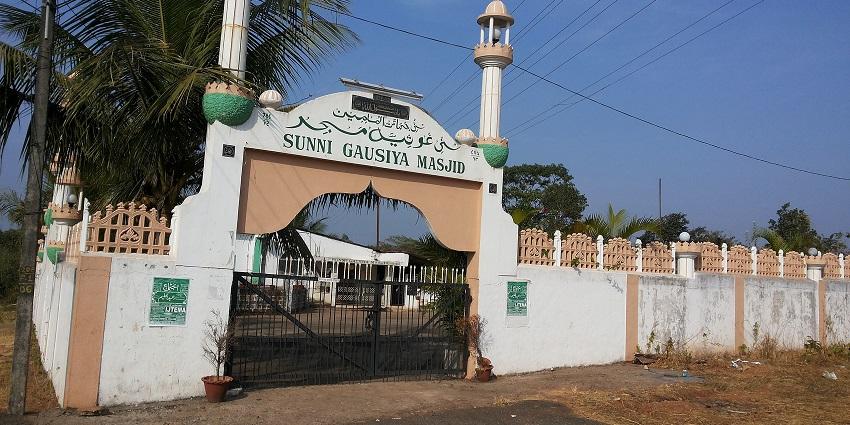
Overview of Sunni Al Madina Masjid Wa Madrasa
Goa, a land synonymous with sun-kissed beaches, vibrant nightlife, and colonial-era churches, holds within its emerald folds a rich tapestry of multiculturalism that often goes unnoticed by the casual traveler. Amidst the swaying palms and the rhythmic pulse of the Arabian Sea lies the Sunni Al Madina Masjid Wa Madrasa, a significant spiritual landmark that stands as a testament to the enduring presence of the Islamic faith in the coastal state. Located primarily in the bustling port town area of Vasco da Gama in South Goa, this institution is more than just a place of worship; it is a sanctuary of peace, a center for theological learning, and a cornerstone for the local Muslim community. As a professional travel writer, I have seen many facets of Goa, but the serenity found within the walls of Sunni Al Madina offers a profound contrast to the high-energy tourist hubs nearby.
The Sunni Al Madina Masjid Wa Madrasa serves a dual purpose that is central to the Islamic way of life in Goa. The Masjid (mosque) provides a sacred space for the five daily prayers (Salah), Friday congregational prayers (Jumu'ah), and meditative reflection. Simultaneously, the Madrasa (educational wing) functions as a vital hub for religious instruction, where young students are taught the nuances of the Quran, the Hadith, and Islamic jurisprudence (Fiqh). This integration of worship and education ensures that the spiritual heritage of the community is passed down through generations. For visitors, the mosque represents the inclusive and harmonious nature of Goan society, where different faiths have coexisted for centuries, contributing to the state's unique "Goenkarponn" (Goan identity).
Stepping into the precincts of Sunni Al Madina Masjid Wa Madrasa, one is immediately struck by the atmosphere of disciplined devotion. While the exterior may reflect the modern architectural trends of South Asia, the soul of the place is deeply rooted in ancient traditions. It is a location where the Adhan (call to prayer) resonates through the salt-tinged air, inviting the faithful to pause their worldly labors and reconnect with the Divine. Whether you are a spiritual seeker, an architecture enthusiast, or a traveler looking to understand the "Real Goa" beyond the shacks and parties, this masjid offers a window into the lived reality of a significant portion of Goa’s population.
History & Religious Significance
The history of Islam in Goa is a fascinating narrative that predates the Portuguese conquest. Long before the first European sails appeared on the horizon, the coastal regions of Goa were thriving hubs of trade between India and the Arab world. The Adil Shahi dynasty of Bijapur once ruled Goa, and it was during this era that Islamic culture and architecture first took firm root in the region. Although much of the early Islamic heritage was suppressed or transformed during the subsequent centuries of colonial rule, the community remained resilient. The establishment of institutions like the Sunni Al Madina Masjid Wa Madrasa in the modern era is a continuation of this historical presence, marking a period of revival and consolidation for the Sunni community in South Goa.
The religious significance of Sunni Al Madina is rooted in its adherence to the Sunni branch of Islam, specifically following the traditions of the Ahl-e-Sunnat Wal-Jama'at. This school of thought emphasizes the importance of following the Sunnah (the practices and sayings of Prophet Muhammad) and the consensus of the community. In the context of Goa, this masjid serves as a lighthouse for those seeking spiritual guidance. The Madrasa attached to the mosque is particularly significant as it preserves the linguistic and cultural nuances of the community, teaching Arabic for liturgical purposes and Urdu as a medium of cultural expression. This dual role makes it a pivotal institution for the preservation of minority heritage in a state that is often viewed through a purely Euro-centric or Hindu-centric lens.
Furthermore, the mosque plays a critical role in the social fabric of Vasco da Gama. It is not merely a building but a community center where social issues are discussed, charity (Zakat and Sadaqah) is organized, and communal harmony is fostered. In a state that prides itself on its communal peace, Sunni Al Madina stands as a guardian of these values. The history of this specific site is intertwined with the growth of the local labor force and trading families who settled in the port area, bringing with them their faith and a desire to build a space that reminded them of the spiritual centers of Northern and Western India.
Architecture of Sunni Al Madina Masjid Wa Madrasa
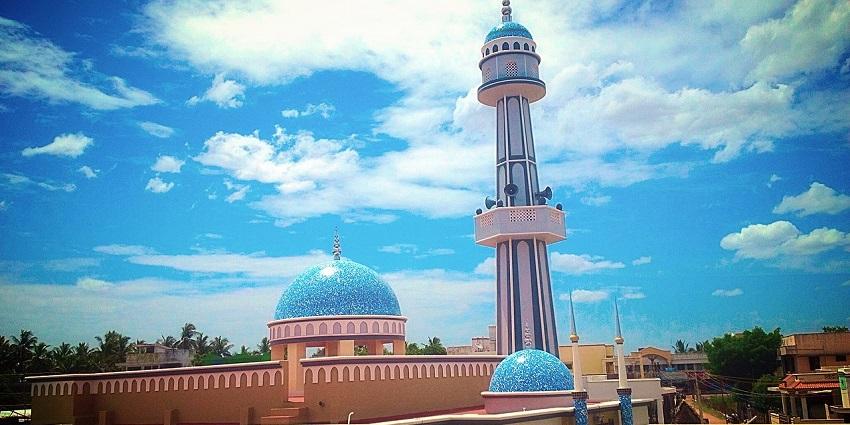
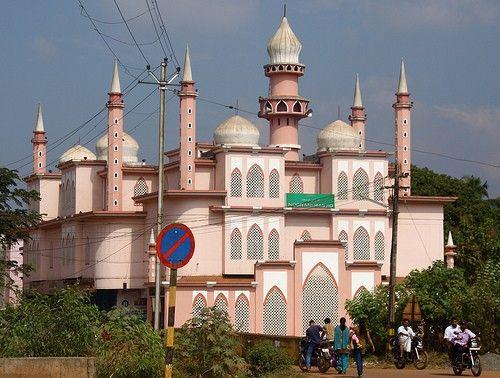
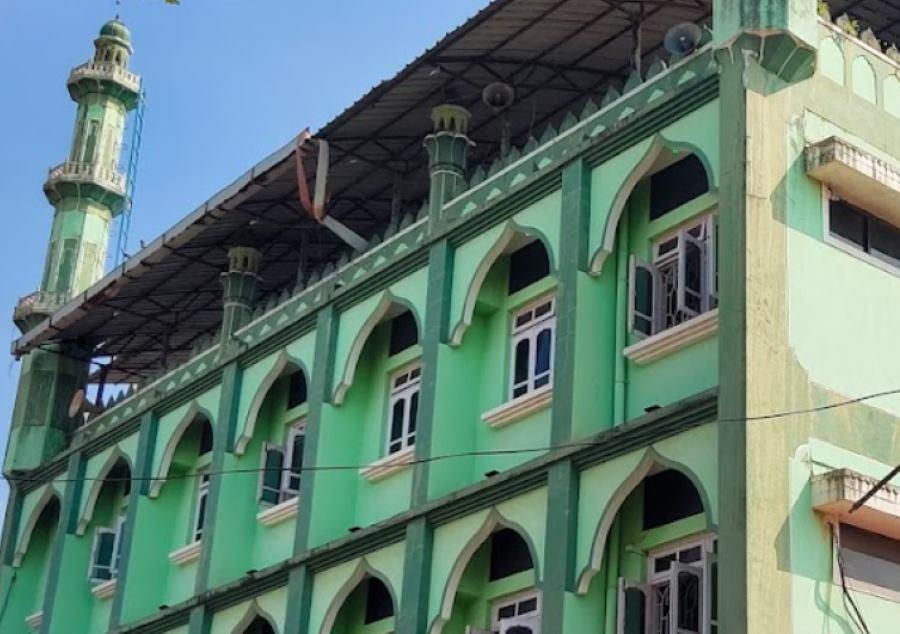
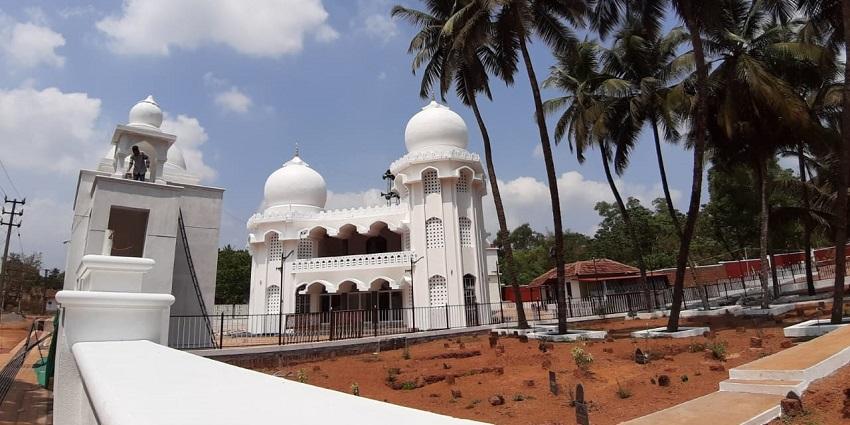
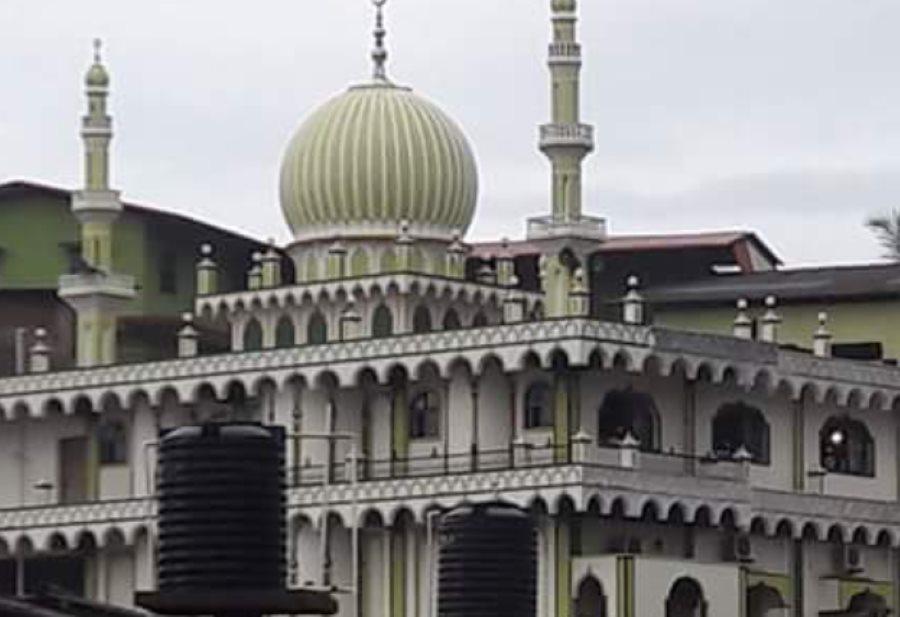
The architecture of the Sunni Al Madina Masjid Wa Madrasa is a compelling blend of functional modern design and traditional Islamic aesthetics. Unlike the ancient stone mosques of the Deccan, this structure utilizes modern materials to accommodate a growing congregation while maintaining the symbolic elements essential to Islamic sacred spaces. The most prominent feature of the masjid is its minaret, which rises elegantly above the surrounding urban landscape of Vasco. These minarets are not just decorative; they serve the historical purpose of providing a high point for the Muezzin to call the faithful to prayer, though today, modern speaker systems are used.
The mosque’s facade is often finished in a pristine white or light-colored palette, symbolizing purity and peace. The use of geometric patterns and calligraphy is a hallmark of the interior and exterior decoration. In Islam, the use of human or animal figures is avoided in religious spaces, leading to the development of intricate "Arabesque" designs. Visitors will notice the beautifully crafted windows that allow for natural ventilation—a necessity in the humid tropical climate of Goa. The prayer hall, or Musalla, is a large, open space designed to foster a sense of equality; there are no pews or hierarchical seating, as every worshipper stands shoulder to shoulder on the prayer mats, facing the Qibla (the direction of the Kaaba in Mecca).
Special attention should be paid to the Mihrab, the semicircular niche in the wall of the mosque that indicates the Qibla. At Sunni Al Madina, the Mihrab is often the most ornately decorated part of the hall, featuring fine tile work or carved inscriptions from the Quran. The Minbar, the pulpit from which the Imam delivers the Friday sermon (Khutbah), is another significant architectural element, usually made of polished wood or marble. The Madrasa section of the complex is designed for utility, with classrooms that are airy and conducive to learning, reflecting a traditional layout where students often sit on the floor in a circle (Halaqa) around their teacher, embodying the humble pursuit of knowledge.
Main Deity / Spiritual Importance
In Islam, the concept of a "deity" is strictly monotheistic. The Sunni Al Madina Masjid Wa Madrasa is dedicated solely to the worship of Allah (God), the Almighty and the One. There are no idols, statues, or pictures of divine figures within the premises. The spiritual focus is entirely on the unseen presence of God and the teachings of the final Prophet, Muhammad (peace be upon him). This absolute monotheism (Tawhid) creates a unique spiritual atmosphere within the mosque—one of profound simplicity and direct connection between the creator and the created.
The spiritual importance of this site is elevated by its role as a Madrasa. In Islamic tradition, the pursuit of knowledge is considered an act of worship. By housing a school within the mosque complex, Sunni Al Madina emphasizes that spiritual growth and intellectual development are inseparable. The students who memorize the Quran (becoming Hafiz) or study Islamic law contribute to the spiritual "Nur" (light) of the community. For the local residents, the mosque is the heart of their spiritual life; it is where newborns are blessed, where the youth are educated, and where the final funeral prayers (Janazah) are offered for the departed. It is a space that encompasses the entire cycle of human life under the umbrella of divine grace.
For the visitor, the spiritual importance lies in the peace (Sakina) that pervades the hall. Even during the heat of a Goan afternoon, the interior of the masjid remains cool and quiet. The rhythmic recitation of the Quran, often heard from the Madrasa classrooms, adds a melodic and meditative layer to the environment. It is a place that encourages introspection, reminding everyone—regardless of their personal faith—of the universal human quest for meaning and the importance of discipline, humility, and community service.
Festivals & Celebrations
The Sunni Al Madina Masjid Wa Madrasa becomes a focal point of immense joy and vibrant activity during Islamic festivals. These celebrations are not just religious events but are deeply integrated into the local Goan culture, often involving the wider community.
- Eid-ul-Fitr: Marking the end of the holy month of Ramadan, this "Festival of Breaking the Fast" is celebrated with great fervor. The mosque is packed with worshippers for the special Eid prayers. Men dress in new Kurta-Pyjamas and Topis (caps), and the air is filled with the scent of Attar (traditional perfume). In Goa, this festival is incomplete without the preparation of Sheer Khurma, a sweet vermicelli pudding that is shared with neighbors of all faiths.
- Eid-ul-Adha: Known as the "Festival of Sacrifice," it commemorates Prophet Ibrahim’s willingness to sacrifice his son as an act of obedience to God. The mosque coordinates the distribution of meat to the poor, ensuring that the spirit of charity is upheld. This is a time of intense communal bonding in the Vasco area.
- Milad-un-Nabi: The birth anniversary of Prophet Muhammad is celebrated with special lectures, poetry recitations (Naats), and processions. The Sunni Al Madina Masjid is often illuminated with green lights (the color traditionally associated with Islam), and the Madrasa students participate in competitions showcasing their knowledge of the Prophet’s life.
- Ramadan: While a month of fasting rather than a single festival, Ramadan is the most spiritually charged time at the masjid. Every evening, the mosque hosts Iftar (the meal to break the fast), where dates, fruits, and local Goan snacks like Samosas and Batata Vadas are served. The late-night Taraweeh prayers see a huge turnout, with the entire Quran being recited over the course of the month.
These festivals highlight the "Ganga-Jamuni Tehzeeb" (syncretic culture) of India, where Goan Muslims celebrate their faith while maintaining strong social ties with their Hindu and Christian neighbors, who often visit to convey their greetings.
Best Time to Visit
To experience the Sunni Al Madina Masjid Wa Madrasa in its full spiritual and aesthetic glory, timing is crucial. From a weather perspective, the winter months (November to February) are the most pleasant for visiting Goa. During this time, the humidity is significantly lower, and the temperatures are mild, making it comfortable to explore the mosque and the surrounding areas of Vasco da Gama on foot. The clear blue skies provide a stunning backdrop for the white architecture of the masjid, perfect for those interested in the visual aspects of the site.
However, if you wish to experience the spiritual heart of the institution, visiting during the Holy Month of Ramadan is highly recommended. Although the weather may be hotter, the atmosphere is unparalleled. Watching the community come together for Iftar at sunset is a moving experience. It is important to note that during Ramadan, the mosque is very busy, so visitors should be extra mindful of the worshippers' space and time. Another excellent time is during Friday afternoons for the Jumu'ah prayer. While non-Muslims generally do not participate in the prayer itself, observing the disciplined gathering of thousands of people from a respectful distance offers a deep insight into the community's cohesion.
Avoid visiting during the peak of the monsoon season (June to September) if you plan on extensive sightseeing, as the heavy Goan rains can make travel difficult. However, the rain-washed greenery around the mosque has its own charm. For a quiet, meditative visit, a weekday morning (between 9:00 AM and 11:00 AM) is ideal, as the morning prayers are over, the Madrasa is in session, and the main prayer hall is usually peaceful and less crowded.
Timings, Entry Fee & Dress Code
Understanding the practicalities of visiting a religious site is essential for a respectful and smooth experience.
- Timings: The mosque is generally open from the Fajr (pre-dawn) prayer until the Isha (night) prayer. For visitors, the best time to enter is between 9:00 AM and 12:00 PM or between 2:30 PM and 4:30 PM. It is advisable to avoid visiting during the actual prayer times (Salah) unless you are there to pray, as the hall will be occupied by worshippers.
- Entry Fee: There is no entry fee to visit the Sunni Al Madina Masjid Wa Madrasa. As a place of worship, it is open to all who come with a spirit of respect and sincerity. Donations (Sadaqah) are accepted for the upkeep of the mosque and the education of the Madrasa students but are entirely voluntary.
- Dress Code: Modesty is the golden rule when visiting any religious site in Goa, and this is especially true for a masjid.
- Men: Should wear long trousers and shirts that cover the shoulders. Avoid shorts or sleeveless tank tops.
- Women: Should wear loose-fitting clothing that covers the arms and legs. A headscarf (Hijab) or a dupatta to cover the hair is mandatory as a mark of respect within the mosque precincts.
- Footwear: All visitors must remove their shoes before entering the prayer hall. There are designated racks available for footwear near the entrance.
By adhering to these guidelines, you show respect for the local traditions and ensure that the sanctity of the prayer space is maintained.
How to Reach Sunni Al Madina Masjid Wa Madrasa
The Sunni Al Madina Masjid Wa Madrasa is located in the Vasco da Gama region of South Goa, making it very accessible due to the town's status as a major transport hub.
- By Air: The Dabolim International Airport is the closest airport, located just about 4-5 kilometers away from the heart of Vasco. You can easily take a pre-paid taxi or an app-based cab (like GoaMiles) from the airport to reach the mosque in less than 15 minutes.
- By Train: The Vasco da Gama Railway Station is one of the major termini in Goa. If you are traveling from other parts of India or from North Goa (via the local passenger trains), arriving at this station puts you within a 2-kilometer radius of the masjid. Auto-rickshaws and taxis are readily available at the station exit.
- By Road: Vasco is well-connected by a network of National Highways (NH 66 and NH 566).
- From Panjim: It is a roughly 30-kilometer drive via the Cortalim bridge, taking about 45-60 minutes.
- From Margao: The distance is about 25 kilometers, a 40-minute drive through scenic coastal roads.
- Local Buses: Frequent "Kadamba" (government) and private buses run from the Panjim and Margao bus stands to the Vasco bus stand. From the Vasco bus stand, the mosque is a short rickshaw ride away.
- By Scooter/Bike: For the quintessential Goan experience, many tourists rent scooters. The ride to Vasco offers beautiful views of the Zuari River and the harbor, but be cautious of the heavy vehicle traffic near the port area.
The mosque is a well-known landmark in the community, so most local drivers will know the location if you mention "Al Madina Masjid" in Vasco.
Things to Do
A visit to the Sunni Al Madina Masjid Wa Madrasa can be a multi-faceted experience if approached with an open mind.
- Spiritual Reflection: The primary activity is, of course, prayer or silent meditation. The tranquility of the prayer hall is perfect for those looking to escape the noise of the city and find a moment of inner peace.
- Observe the Madrasa: If you visit during school hours, you might be able to observe (from a respectful distance) the traditional methods of Islamic education. Seeing the dedication of the teachers and the focus of the students is a culturally enriching experience.
- Architectural Photography: While photography inside the prayer hall during prayers is strictly prohibited, the exterior of the mosque and the architectural details of the minarets and windows are worth capturing. Always ask for permission from the mosque authorities before taking photos of the interior or the people.
- Engage with the Imam: If the Imam or the mosque administrators are available, they are often happy to answer questions about Islam, the history of the mosque, and the role of the Madrasa. This provides a firsthand perspective that no guidebook can offer.
- Explore Vasco’s Local Markets: The area surrounding the mosque is a bustling commercial zone. After your visit, take a walk through the Vasco municipal market to see the local produce, fresh fish (a Goan staple), and traditional spices. It is a great way to see the daily life of the locals.
- Attend a Lecture: Occasionally, the mosque hosts public lectures or "Bayaans" in Urdu or the local language. Even if you don't understand the language perfectly, the oratorical style and the community's engagement are fascinating to witness.
By participating in these activities, visitors can move beyond being mere tourists and become temporary participants in the local culture.
Nearby Attractions
Vasco da Gama and its outskirts offer several attractions that can be combined with a visit to the Sunni Al Madina Masjid for a full day of exploration.
- Japanese Garden: Located on a cliffside in Sada, Vasco, this garden offers breathtaking views of the Arabian Sea and the Mormugao Port. It is a beautifully maintained spot, perfect for a sunset stroll. The remains of a small fort (Fortaleza de Sao Tiago) are also nearby.
- Bogmalo Beach: Just a 15-minute drive from Vasco, Bogmalo is a relatively quiet, sandy cove. It is ideal for a quick dip in the sea or a relaxed lunch at one of the beachside shacks. It is much less crowded than the beaches of North Goa.
- Naval Aviation Museum: This is the only museum of its kind in Asia. Located near the airport, it features a fantastic collection of vintage aircraft, engines, and maritime memorabilia. It is a must-visit for history buffs and families.
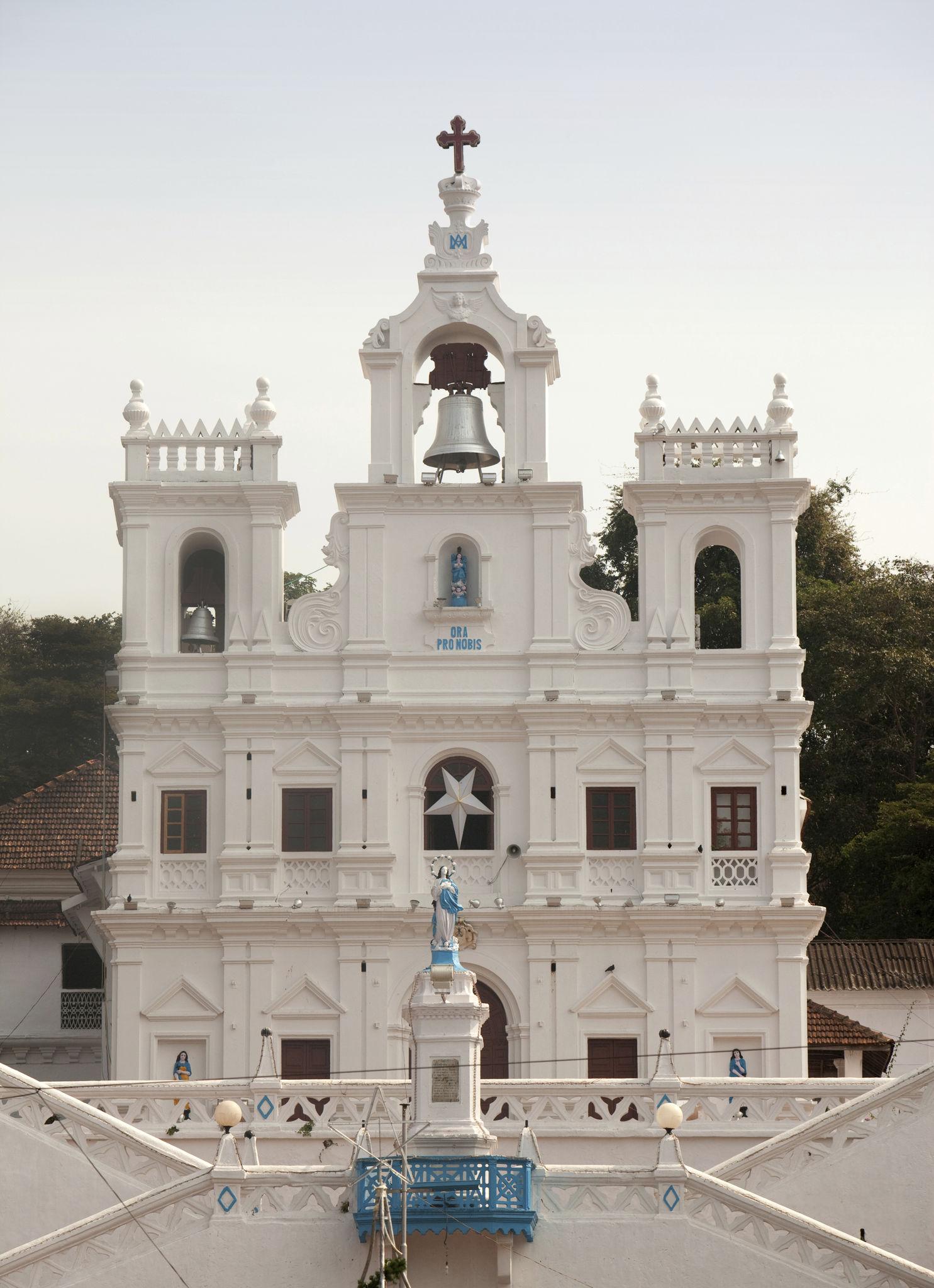
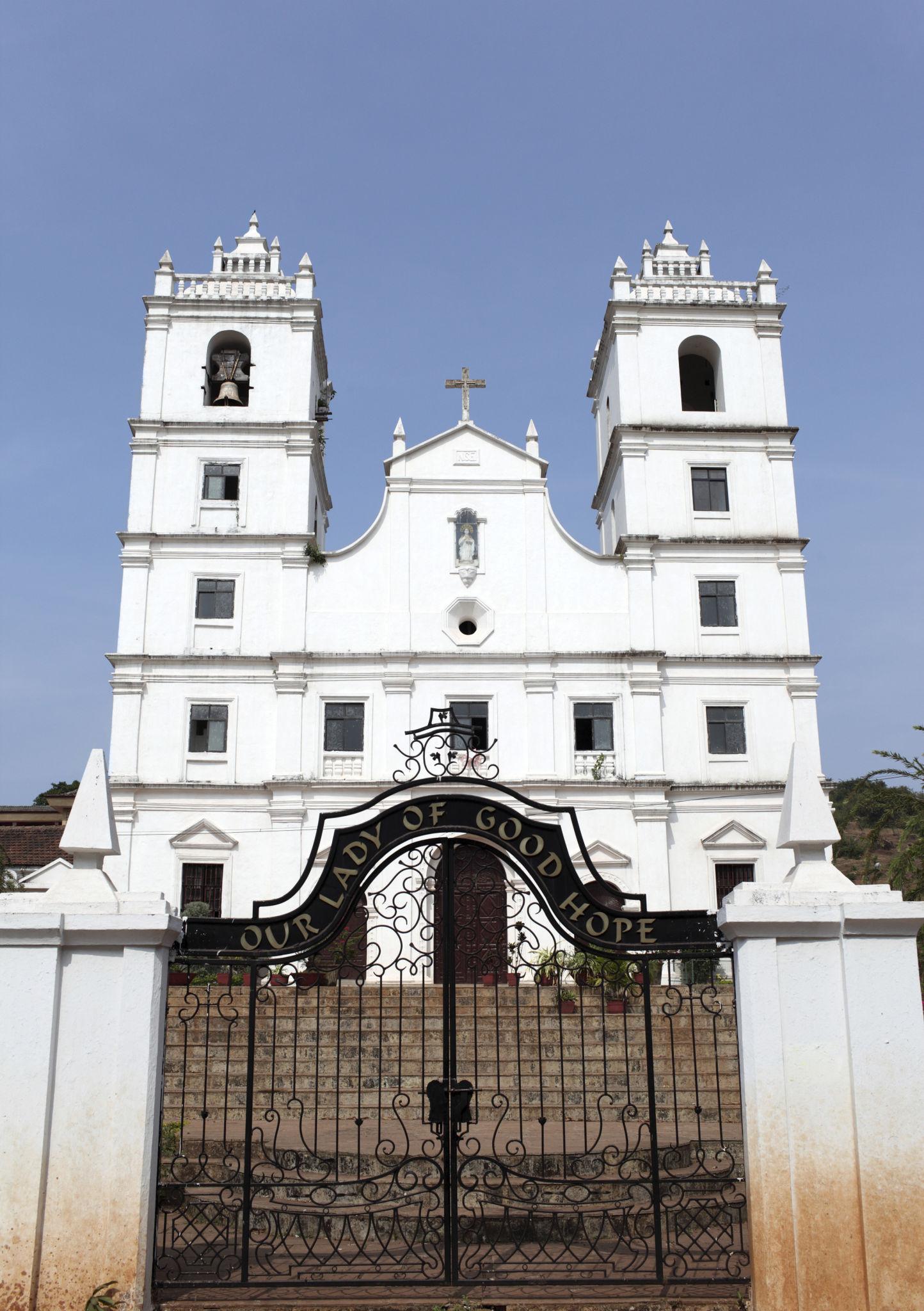
- St. Andrew’s Church: A stunning example of Neo-Gothic architecture, this church in the heart of Vasco is one of the oldest in Goa. Its white facade and elegant interiors provide a beautiful contrast to the Islamic architecture of the masjid, showcasing Goa's religious diversity.
- Mormugao Port: While access to the actual port is restricted, the drive along the harbor road offers a glimpse into Goa's industrial side, with massive ships and iron ore terminals that have driven the state's economy for decades.
- Velsao Beach: For those who want even more peace, Velsao Beach is a short drive away. It is famous for its vast stretches of white sand and the iconic Chapel of Three Kings on a nearby hill.
These sites ensure that your trip to South Goa is well-rounded, covering spiritual, historical, and natural landmarks.
Photography & Visitor Guidelines
To maintain the sanctity of the Sunni Al Madina Masjid Wa Madrasa and ensure a positive experience for everyone, visitors should adhere to the following guidelines:
- Photography: Ask before you click. While the exterior is usually fine to photograph, the interior is a sacred space. Never take photos of people while they are praying, as Salah is a private and solemn act. Avoid using flash inside the building.
- Silence: Maintain a low volume. The mosque is a place of study and prayer. Loud conversations, ringing cell phones, or music are highly inappropriate. Ensure your phone is on silent mode before entering.
- Gender Segregation: Like most traditional mosques, there are often separate areas or designated times for men and women. Please follow the signs or ask a local for guidance on where you are permitted to go.
- Avoid Prayer Times: Try not to walk in front of someone who is praying. In Islam, the space immediately in front of a person praying is considered private. If you need to move, walk behind the worshippers.
- Interacting with Students: The Madrasa is a school. While the children may be curious, avoid disrupting their classes or taking photos of them without explicit permission from their teachers or guardians.
- General Conduct: Do not bring food or drinks into the prayer hall. Smoking is strictly prohibited on the entire mosque premises. Treat the space with the same reverence you would give to any cathedral or temple.
Following these simple rules of etiquette demonstrates cultural sensitivity and helps build bridges of understanding between different communities.
Where to Eat Nearby
Vasco da Gama is a hidden gem for foodies, offering everything from traditional Goan Catholic cuisine to authentic Muslim flavors.
- Local Muslim Eateries: Near the masjid, you will find several small hotels and "Khanawals" that serve authentic Goan Biryani. Unlike the spicy Hyderabadi version, Goan Biryani is often more fragrant and uses local spices. Don't miss the Beef or Mutton Cutlets and Samosas.
- Anantashram: A legendary spot in Vasco, famous for its authentic Goan Hindu fish thali. If you want to taste the real flavors of the Goan coast—think Fish Recheado and Sol Kadhi—this is the place to go.
- The Vasco Municipal Market: For street food lovers, the market area offers various stalls selling Chorizo Pao (pork sausage bread) and Gadbad Ice Cream, a local favorite.
- Joet’s Bar & Restaurant: Located at Bogmalo Beach, this is perfect for a more upscale dining experience with your feet in the sand. They serve excellent seafood and continental dishes.
- Good Luck Restaurant: A classic "Irani-style" cafe in Vasco known for its Bun Maska and Chai, as well as hearty Mughlai dishes. It’s a great spot for a quick and affordable breakfast.
Whether you are looking for a quick snack or a full traditional meal, the area around Sunni Al Madina provides a diverse range of culinary options that reflect the multicultural spirit of the town.
Accommodation Nearby
Since the masjid is located in Vasco da Gama, visitors have a variety of accommodation options ranging from transit hotels near the airport to beach resorts.
- The HQ: A luxury business hotel located in the heart of Vasco. It offers modern amenities, multiple restaurants, and is within walking distance of the railway station and a short drive from the mosque.
- Coconut Creek Resort: Located near Bogmalo Beach, this boutique resort offers a more relaxed, tropical vibe. It’s perfect for those who want to stay close to the airport but still enjoy a "vacation" feel.
- Bogmallo Beach Resort: A larger, full-service resort situated right on the beach. It offers stunning sea views and is ideal for families.
- Hotel Maharaja: A reliable mid-range option in Vasco town that is clean, comfortable, and very close to the Sunni Al Madina Masjid.
- Guest Houses in Bogmalo: For budget travelers, the village of Bogmalo has numerous guest houses and homestays that offer a more personal and affordable Goan experience.
Staying in Vasco is particularly convenient if you have an early morning flight or a late-night train, allowing you to explore the local spiritual sites without the stress of long commutes from the northern beach belt.
Travel Tips
To make the most of your visit to Sunni Al Madina Masjid Wa Madrasa, keep these expert travel tips in mind:
- Carry a Scarf: Ladies, keeping a light pashmina or scarf in your bag is always a good idea when exploring Goa, as it allows you to visit mosques and traditional temples on a whim.
- Stay Hydrated: The Goan sun can be intense. Always carry a bottle of water, but remember to consume it outside the prayer hall.
- Use Local Transport: While taxis are available, auto-rickshaws in Vasco are a fun and efficient way to navigate the narrow streets near the market and the mosque.
- Learn a Few Words: Knowing basic greetings in Konkani (like "Dev borem korum" - May God do good to you) or Urdu ("Assalamu Alaikum" - Peace be upon you) goes a long way in building rapport with the locals.
- Respect the Sabbath: Remember that Friday is the most important day for Muslims. While it’s a great day to see the community in action, many local shops owned by Muslims may close for a few hours in the afternoon for prayers.
- Combine with Transit: If you are flying out of Dabolim, consider visiting the masjid and the Naval Aviation Museum on your final day, as they are very close to the airport.
Being a mindful traveler not only enriches your own experience but also leaves a positive impression on the host community.
Conclusion
The Sunni Al Madina Masjid Wa Madrasa is a shining example of the quiet, spiritual side of Goa that many visitors miss. It represents the resilience, faith, and educational dedication of the Goan Muslim community. By visiting this site, you aren't just seeing a building; you are engaging with a living tradition that has contributed to the state's history for centuries. The blend of the Adhan with the sound of temple bells and church chimes in the distance is the true melody of Goa—a melody of coexistence and mutual respect. Whether you come for the architecture, the history, or a moment of quiet reflection, Sunni Al Madina offers a profound and authentic experience. It reminds us that even in a world-famous tourist destination, there are sacred spaces where time slows down, and the focus remains on the eternal values of peace, knowledge, and devotion. As you leave the cool confines of the masjid and head back into the vibrant streets of Vasco, you carry with you a deeper understanding of the diverse soul of Goa.