Overview of Netravali Waterfalls
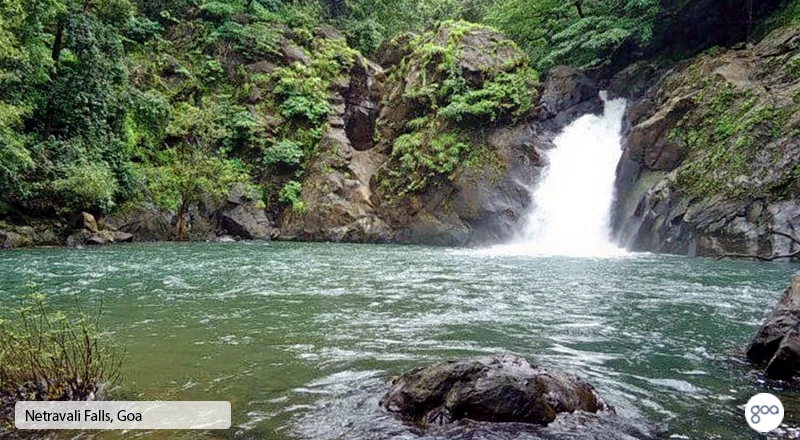
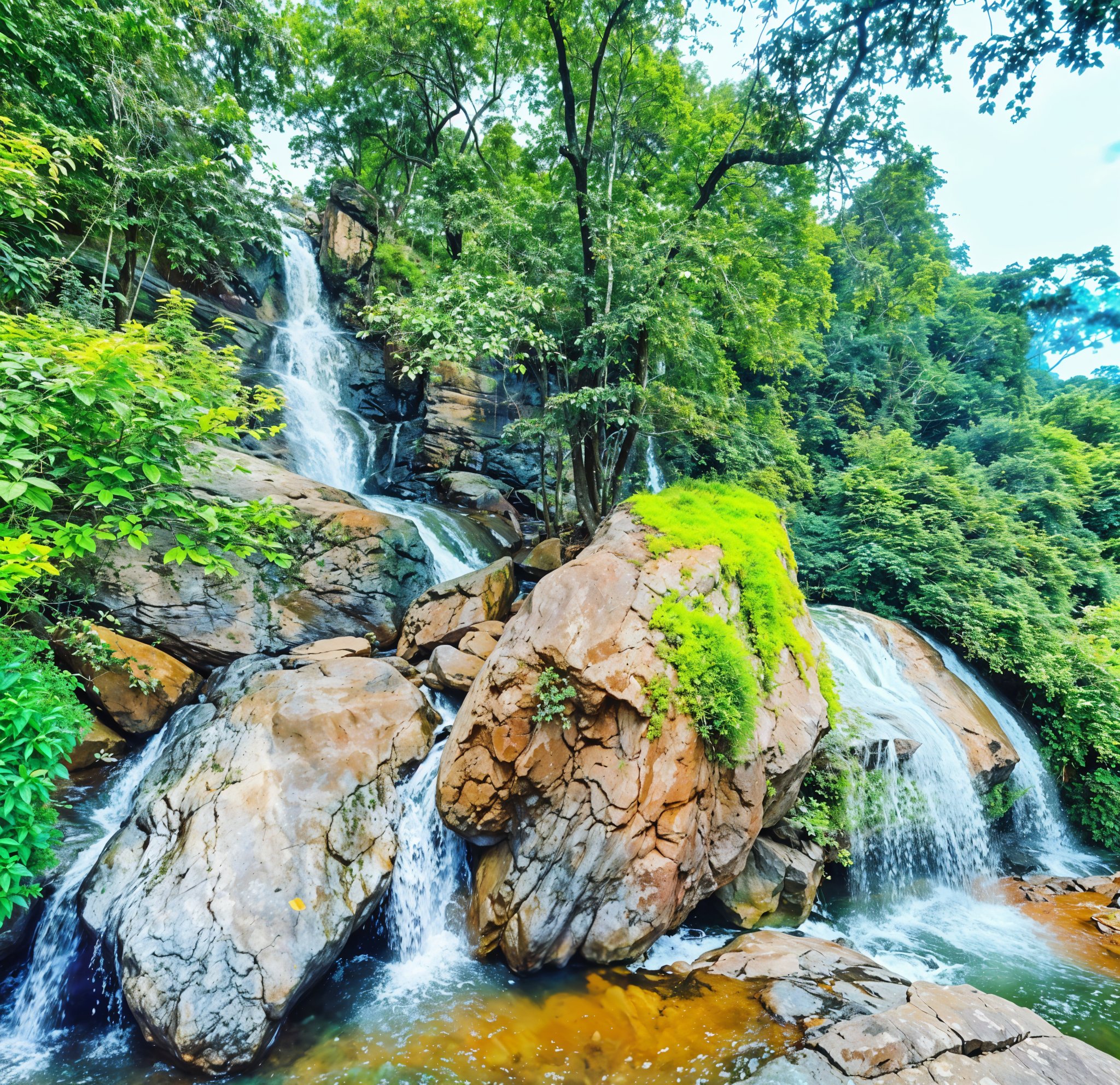
Deep within the heart of the Sanguem Taluka in South Goa lies a pristine wilderness that remains largely untouched by the neon lights and thumping bass of the northern coastal belt. This is the Netravali Wildlife Sanctuary, a sprawling expanse of approximately 211 square kilometers that forms a vital corridor of the Western Ghats. At the very core of this emerald kingdom are the Netravali Waterfalls, specifically the twin wonders known as Savari and Mainapi. These waterfalls are not just tourist spots; they are the lifeblood of the local ecosystem, fed by the perennial springs of the Sahyadri mountain range.
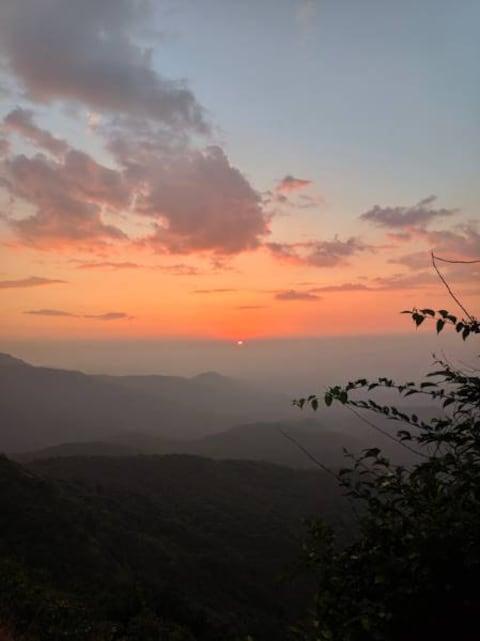
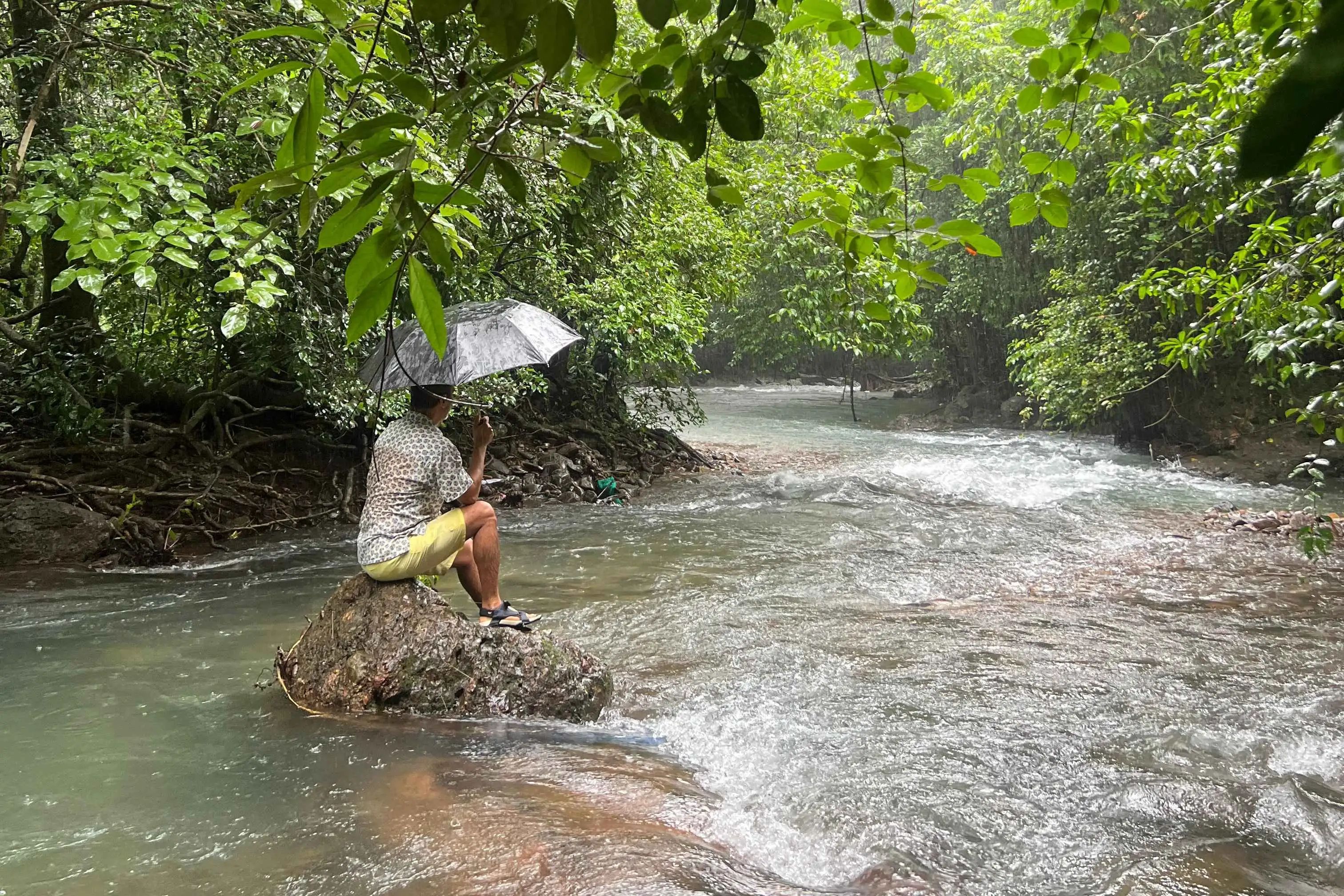
The Netravali Waterfalls represent the "Other Goa"—a land of ancient trees, rare endemic species, and a silence so profound it is only broken by the rhythmic call of the Malabar Whistling Thrush. Unlike the famous Dudhsagar Falls, which attracts thousands of tourists daily, Netravali offers a more intimate, raw, and spiritual connection with nature. The sanctuary itself was notified by the Government of Goa to protect the catchment area of the Netravali (or Netravati) river, which is a crucial source of fresh water for South Goa. As you step into this region, the air grows cooler, the humidity carries the scent of damp earth and wild orchids, and the canopy overhead thickens to create a natural cathedral of green.
Top Goa Experience • Part 1
Highly Recommended Near Netravali Waterfalls
Explore All
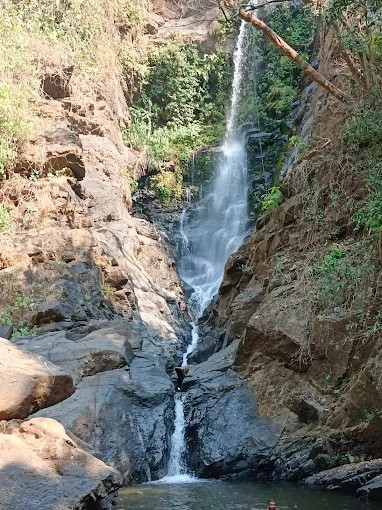
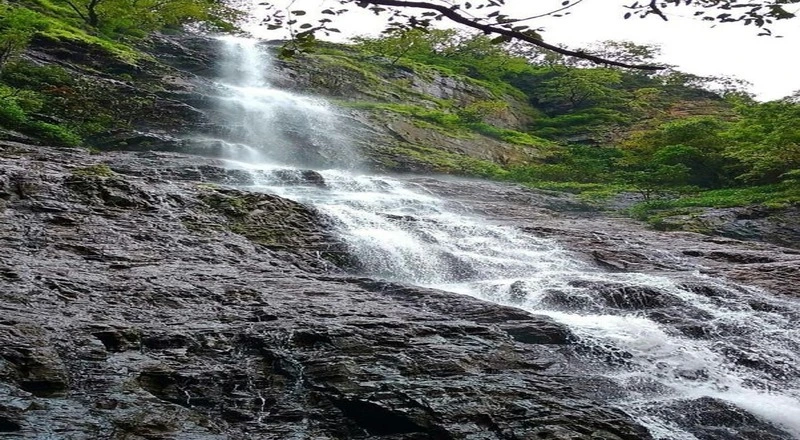
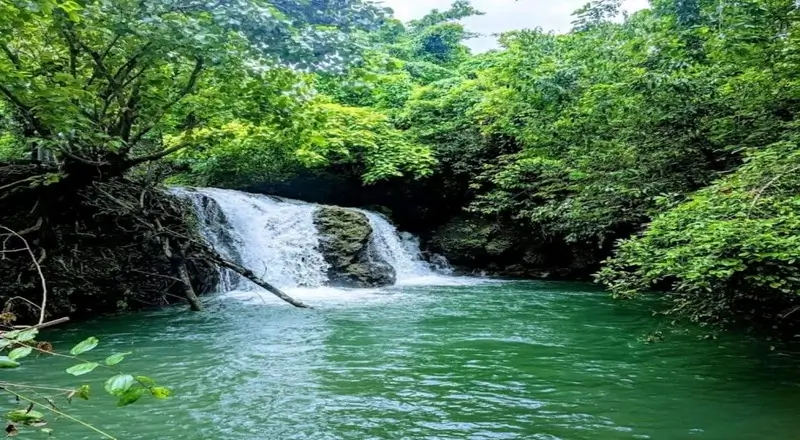
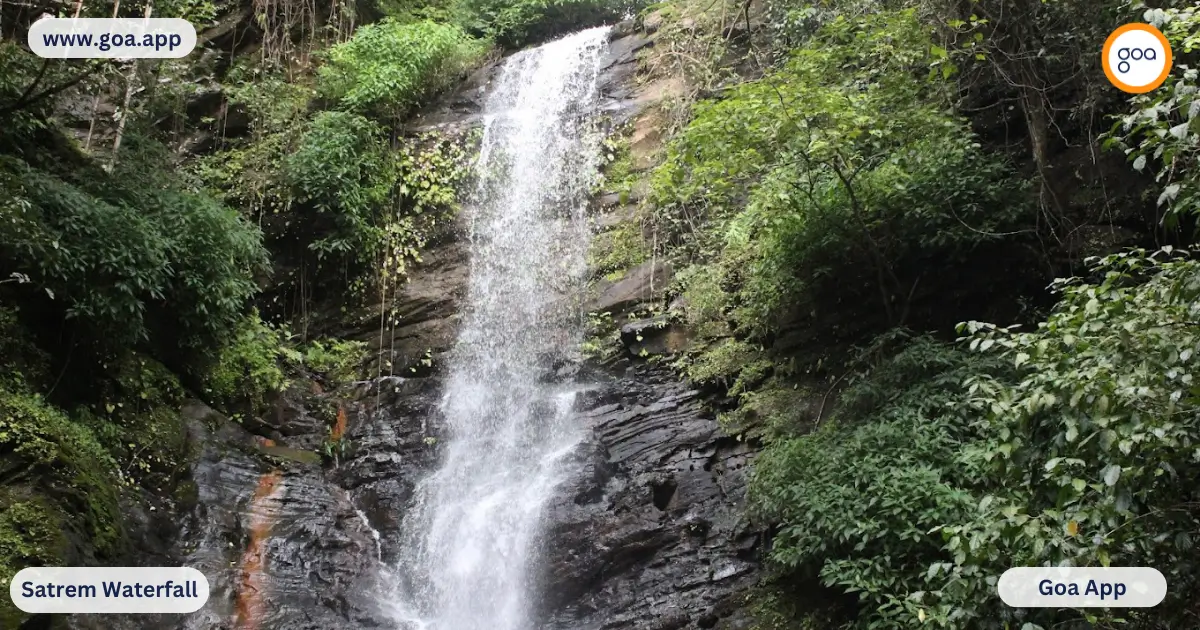
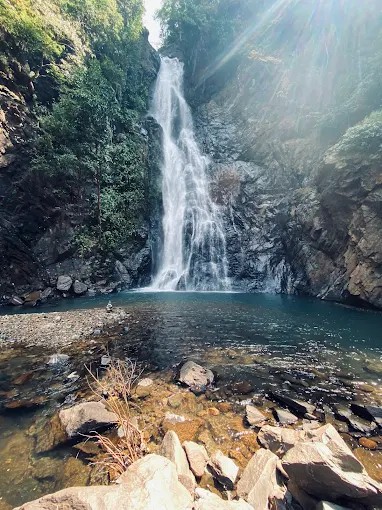
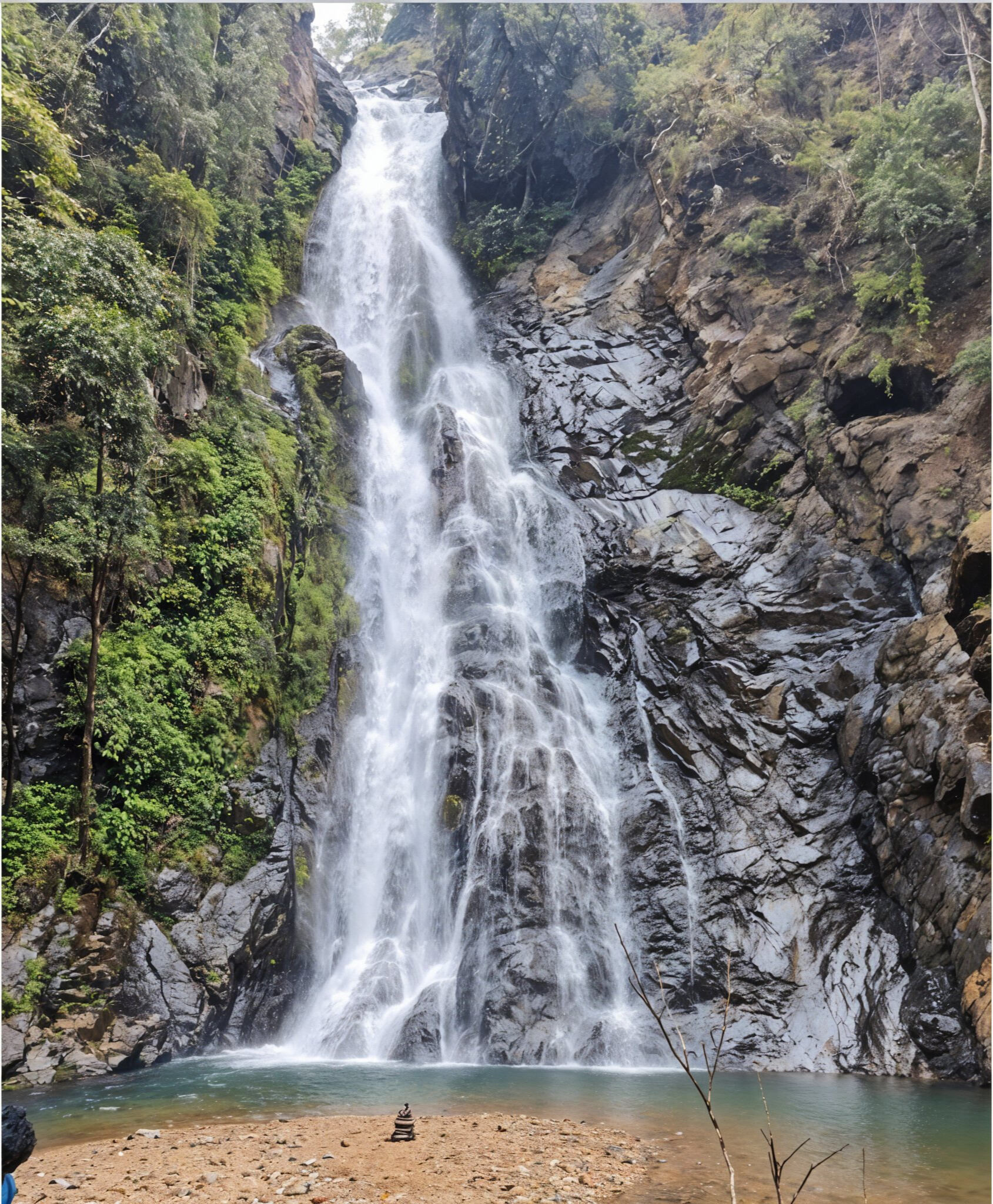
The waterfalls are characterized by their dramatic drops over basaltic rock formations, typical of the Deccan Traps. Savari Waterfall is known for its multi-tiered cascade and a challenging yet rewarding trek, while Mainapi Waterfall is a shorter, more powerful drop that plunges into a deep, turquoise pool. For the traveler seeking solace, the trekker looking for a challenge, or the photographer hunting for the perfect long-exposure shot of cascading white silk against dark stone, Netravali is the ultimate Goan destination. It is a place where time slows down, and the majesty of the Indian monsoon is felt in its most potent form.
How to Reach Netravali Waterfalls
Reaching Netravali Waterfalls is an adventure in itself, requiring a journey through some of the most scenic rural landscapes in India. The sanctuary is located about 75 to 80 kilometers from Panjim (the capital city) and approximately 50 kilometers from Margao, the commercial hub of South Goa. Because of its remote location, public transport is limited, and private vehicles are highly recommended.
Recommended Guide
15 Best Hill Stations Near Goa distance & Travel Tips
Discover the 15 best hill stations near Goa to visit in 2026. Our guide covers distances, trekking trails, and local highlights.
Read Guide →
- By Private Car or Bike: This is the most popular way to reach the sanctuary. From Margao, you should head towards Quepem and then proceed to Vichundrem. The roads are generally well-maintained but become narrow and winding as you approach the sanctuary. Riding a Royal Enfield or a sturdy scooter through these ghats is a favorite activity for local enthusiasts. Ensure your fuel tank is full, as petrol pumps become scarce once you leave the main towns.
- By Taxi: You can hire a private taxi from Margao or Canacona. A round trip might cost anywhere between ₹2,500 to ₹4,000 depending on your negotiation skills and the type of vehicle. It is essential to book the taxi for the full day, as finding a return ride from the Netravali village is nearly impossible.
- By Bus: For the budget traveler, there are KTC (Kadamba Transport Corporation) buses and private shuttles running from Margao to Sanguem or Quepem. From there, you may find local buses heading towards Netravali village, but they are infrequent. You might have to rely on local "pilot" (motorcycle taxi) services for the last leg of the journey.
- The Final Leg: Once you reach the Netravali Wildlife Sanctuary check-post, you will need to register your details. From the check-post, there is a further drive of about 2 to 3 kilometers on a mud track to reach the starting point of the treks. Only vehicles with good ground clearance are advised for this section during the monsoon.
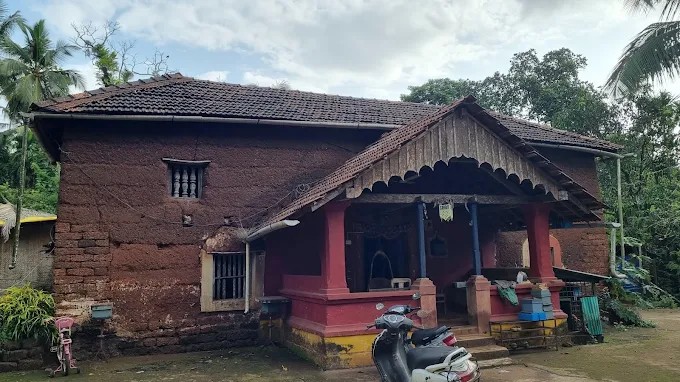
The journey takes you through quaint Goan villages like Rivona and Curdi, where you can see traditional mud houses and vast cashew plantations. The transition from the coastal plains to the mountainous forest is stark and beautiful, making the drive an integral part of the Netravali experience.
Best Time to Visit
Timing is everything when visiting the waterfalls of the Western Ghats. Depending on what you want to experience—roaring cascades or a safe trekking environment—your choice of month will vary significantly.
Recommended Guide
Where to Party in Goa? (Ultimate 2026 Nightlife Guide)
Goa is not just a destination—it’s an experience. When the sun sets over the Arabian Sea, the state transforms into India’s ultimate nightlife capita...
Read Guide →
- The Monsoon Season (June to September): This is when Netravali is at its most spectacular. The rains turn the forest into a vibrant, neon green landscape. The waterfalls are in full flow, creating a thunderous sound that can be heard from miles away. However, this is also the most challenging time. The trekking paths become extremely slippery, river crossings can be dangerous due to sudden flash floods, and leeches are highly active.
- Post-Monsoon (October to February): This is widely considered the best time to visit. The rains have subsided, but the waterfalls still retain a significant volume of water. The weather is pleasant, with cool breezes and clear skies, making the 4-5 kilometer trek much more manageable. The forest is also teeming with butterflies and birds during these months.
- The Summer Season (March to May): While the sanctuary remains open, the waterfalls may shrink to a mere trickle. The heat in the forest can be intense, though the canopy provides some shade. This period is better for wildlife spotting (like the Malabar Giant Squirrel) rather than waterfall chasing.
It is important to note that during heavy rainfall, the Forest Department may occasionally close access to the waterfalls for safety reasons. Always check local weather reports and, if possible, contact a local guide before heading out from the coastal areas.
Trek Details for Netravali Waterfalls
The trek to Netravali Waterfalls is a sensory journey through a biodiversity hotspot. There are two primary treks, and depending on your fitness level, you can choose one or attempt both in a single day.
Recommended Guide
Water Sports in Candolim Goa | Best Prices, Packages & Booking Guide
Candolim Beach, located in North Goa, is one of the most popular destinations for water sports in Goa. Known for its clean shoreline, less crowded environm...
Read Guide →
The Savari Waterfall Trek: This is the more popular of the two. The trek is approximately 3 to 4 kilometers long (one way) and is categorized as moderate. The trail takes you through dense semi-evergreen forests. You will encounter several small streams that need to be crossed. In recent years, the forest department has built small wooden or cement bridges over the larger streams, but during the peak monsoon, you might still find yourself wading through knee-deep water. The final approach to Savari involves a steep descent down natural stone steps. The sight of the multi-tiered fall crashing into a pool surrounded by ferns is breathtaking.
Top Goa Experience • Part 2
Highly Recommended Near Netravali Waterfalls
Explore All
The Mainapi Waterfall Trek: This trek is slightly more strenuous and less crowded. It involves navigating through narrower paths and thicker undergrowth. The total distance is about 4.5 kilometers. Mainapi is a straight drop waterfall, and the force of the water creates a misty spray that cools the entire clearing. The trek requires a good pair of hiking boots with excellent grip, as the laterite stones can be incredibly deceptive when wet.
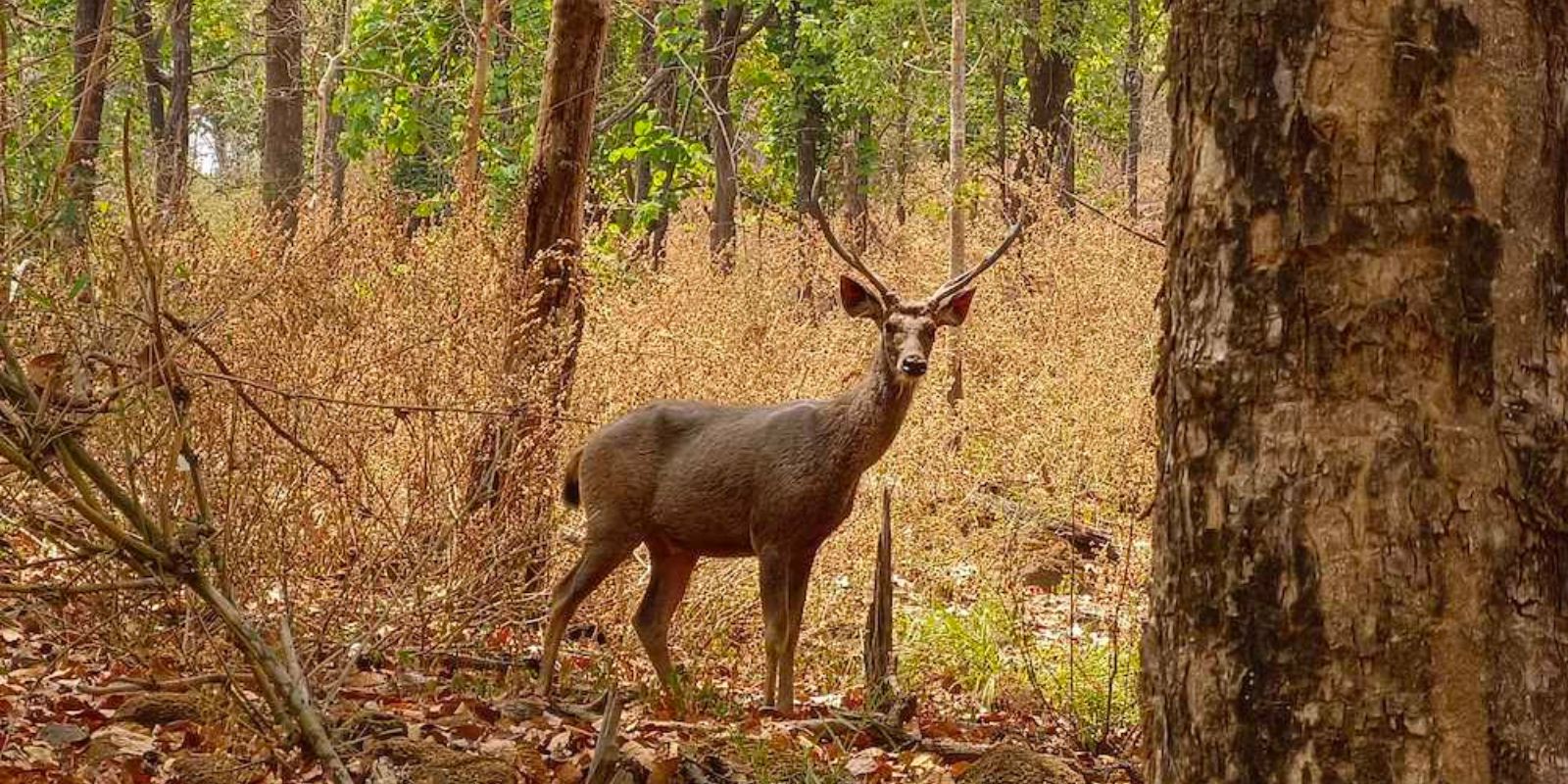
Flora and Fauna Along the Way: As you trek, keep an eye out for the Malabar Giant Squirrel with its distinctive maroon fur. The sanctuary is also home to the rare Black Panther, though sightings are extremely rare. You will certainly see a variety of butterflies, including the Southern Birdwing (India's largest butterfly). The trees are draped in lianas and epiphytes, creating a scene straight out of a jungle movie. Strong emphasis should be placed on hiring a local guide. Not only do they know the safest paths, but they also point out hidden medicinal plants and ensure you don't lose your way in the dense fog that often rolls in.
Things to Do
While the waterfall is the main attraction, the Netravali region offers a plethora of activities for nature lovers and adventure seekers.
- Birdwatching: Netravali is a paradise for ornithologists. You can spot the Grey-headed Bulbul (the state bird of Goa), Malabar Trogon, and various species of Hornbills. Early morning is the best time for this activity.
- Natural Fish Spa: At the base of the waterfalls, the small pools are often filled with tiny fish that nibble at your feet if you stay still. It’s a natural, refreshing experience that beats any luxury spa in the city.
- Mindfulness and Meditation: The sheer isolation of Netravali makes it a perfect spot for meditation. The "white noise" of the falling water and the absence of cellular network allow for a deep digital detox.
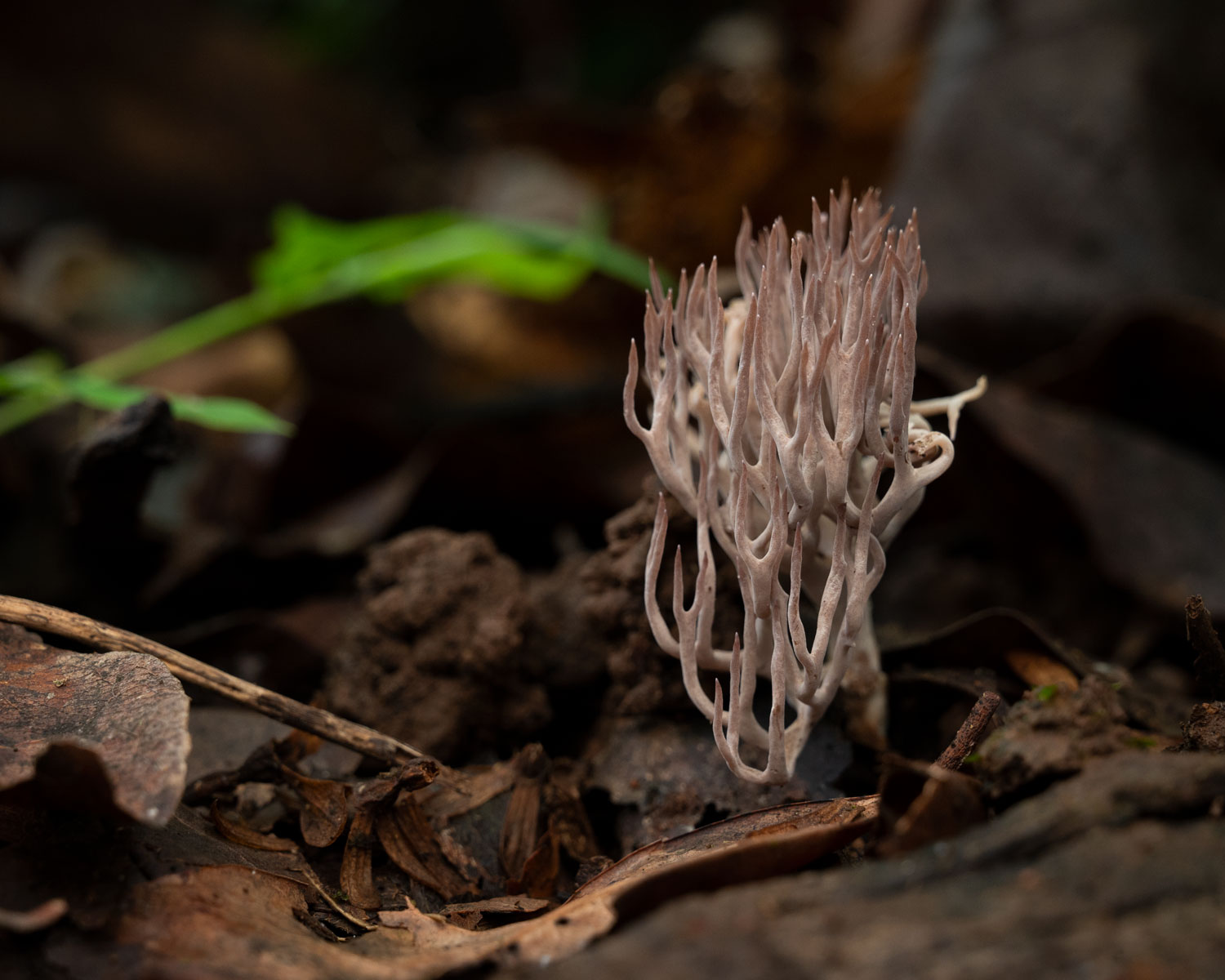
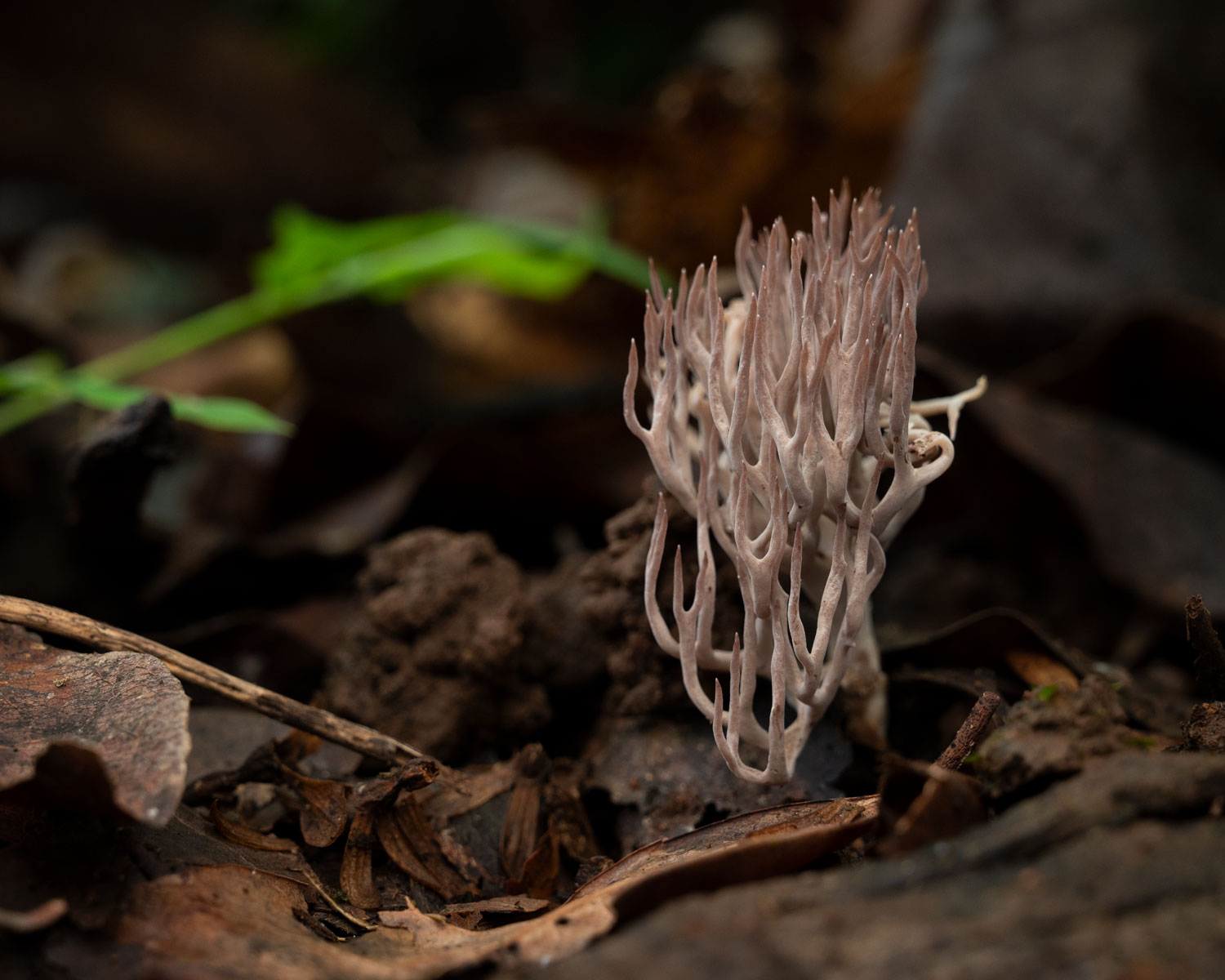
- Botanical Exploration: The sanctuary is home to a variety of wild orchids and rare fungi. If you are interested in botany, the diversity of the Western Ghats here will keep you occupied for hours.
- Exploring Netravali Village: After your trek, take a walk through the village. Observe the traditional Goan Hindu architecture, the sacred groves (Devrai), and the way of life that has remained unchanged for decades.
Safety Tips
Safety should be your top priority when venturing into a wildlife sanctuary. Netravali is beautiful but can be unforgiving to the unprepared.
- Beware of Leeches: During the monsoon and post-monsoon, the forest floor is crawling with leeches. Carry a small packet of salt or tobacco powder to rub on your legs. Wearing long socks and tucking your trousers into them is a wise move.
- Footwear: Do not attempt the trek in flip-flops or smooth-soled sandals. Sturdy trekking shoes with deep lugs are mandatory to navigate the slippery rocks and muddy slopes.
- Hydration and Snacks: There are no shops inside the forest. Carry at least 2 liters of water and some energy-dense snacks like nuts, fruit, or energy bars. Remember to carry all your trash back with you.
- No Swimming in High Flow: During peak monsoon, the currents in the waterfall pools can be deceptively strong. Avoid swimming if the water looks muddy or if the flow is too intense.
- Mobile Connectivity: Expect zero mobile network inside the sanctuary. Inform your hotel or a friend about your plans and your expected return time before you enter the forest.
- Wildlife Encounters: If you encounter a snake or any other wild animal, maintain a safe distance. Do not try to feed or provoke the wildlife. The sanctuary is their home; you are just a guest.
Nearby Attractions
The area surrounding Netravali is rich in geological and cultural wonders. If you have a full day, consider visiting these spots:
- Budbudyanchi Tali (The Bubble Lake): Located at the Gopinath Temple in Netravali village, this is a mysterious ancient lake where bubbles continuously rise to the surface. Legend says the bubbles react to the sound of clapping, though it is likely a geological phenomenon involving sulfur or methane.
- Salaulim Dam: About 20 kilometers from Netravali, this dam is famous for its unique duckbill spillway. During the monsoon, the water dropping into the semi-circular abyss creates a mesmerizing sight. The surrounding botanical garden is also worth a stroll.
- Usgalimal Rock Carvings: Located on the banks of the Kushavati River, these are petroglyphs dating back to the Upper Paleolithic/Mesolithic era (over 20,000 years old). The carvings of animals and labyrinths on the laterite floor are a testament to the ancient civilizations of Goa.
- Tanshikar Spice Farm: A great place to learn about organic farming. You can see how vanilla, pepper, and cardamom are grown and enjoy an authentic Goan vegetarian lunch served on banana leaves.
Entry Fees & Timings
To maintain the sanctity of the wildlife sanctuary, the Goa Forest Department has implemented strict regulations.
- Timings: The sanctuary is generally open from 8:00 AM to 5:00 PM. Entry is usually stopped after 3:00 PM to ensure trekkers can return before dark.
- Entry Fee: There is a nominal entry fee per person (usually around ₹20 - ₹50 for Indians and higher for foreigners). There are also separate charges for vehicles (approx ₹50 - ₹100) and cameras.
- Plastic Ban: Netravali is a zero-plastic zone. The guards at the check-post may count the number of plastic bottles you are carrying and ensure you bring the same number back. Avoid carrying disposable plastic wrappers.
- Permits: For most casual visitors, a spot permit at the check-post is sufficient. However, if you plan on professional filming or research, you will need prior permission from the Chief Wildlife Warden in Panjim.
Where to Eat Nearby
Don't expect fine dining in this remote corner of Goa. Instead, prepare for authentic, soul-satisfying local flavors.
In Netravali village, there are a few small "Ghar-shala" style eateries where local families serve Goan Fish Thalis. A typical meal includes rice, a spicy fish curry (usually mackerel or kingfish), "tisreo" (clams), a vegetable side dish, and "sol kadi" (a refreshing drink made from kokum and coconut milk). For vegetarians, the "Xitt-Kodi" made with drumsticks or raw mango is equally delicious.
Tanshikar Spice Farm is highly recommended for a traditional lunch. They use ingredients grown right on their farm, and the flavors are incredibly fresh. If you are looking for a quick snack, try the local Ross Omelette or "Mirchi Bhaji" (chili fritters) at one of the small tea stalls near the Sanguem market on your way back.
Accommodation Nearby
To truly soak in the atmosphere of Netravali, staying overnight is a great idea. There are several eco-friendly options:
- Angadi Heritage Stay: A beautifully restored ancestral home that offers a glimpse into Goan history. It’s perfect for those who want comfort mixed with heritage.
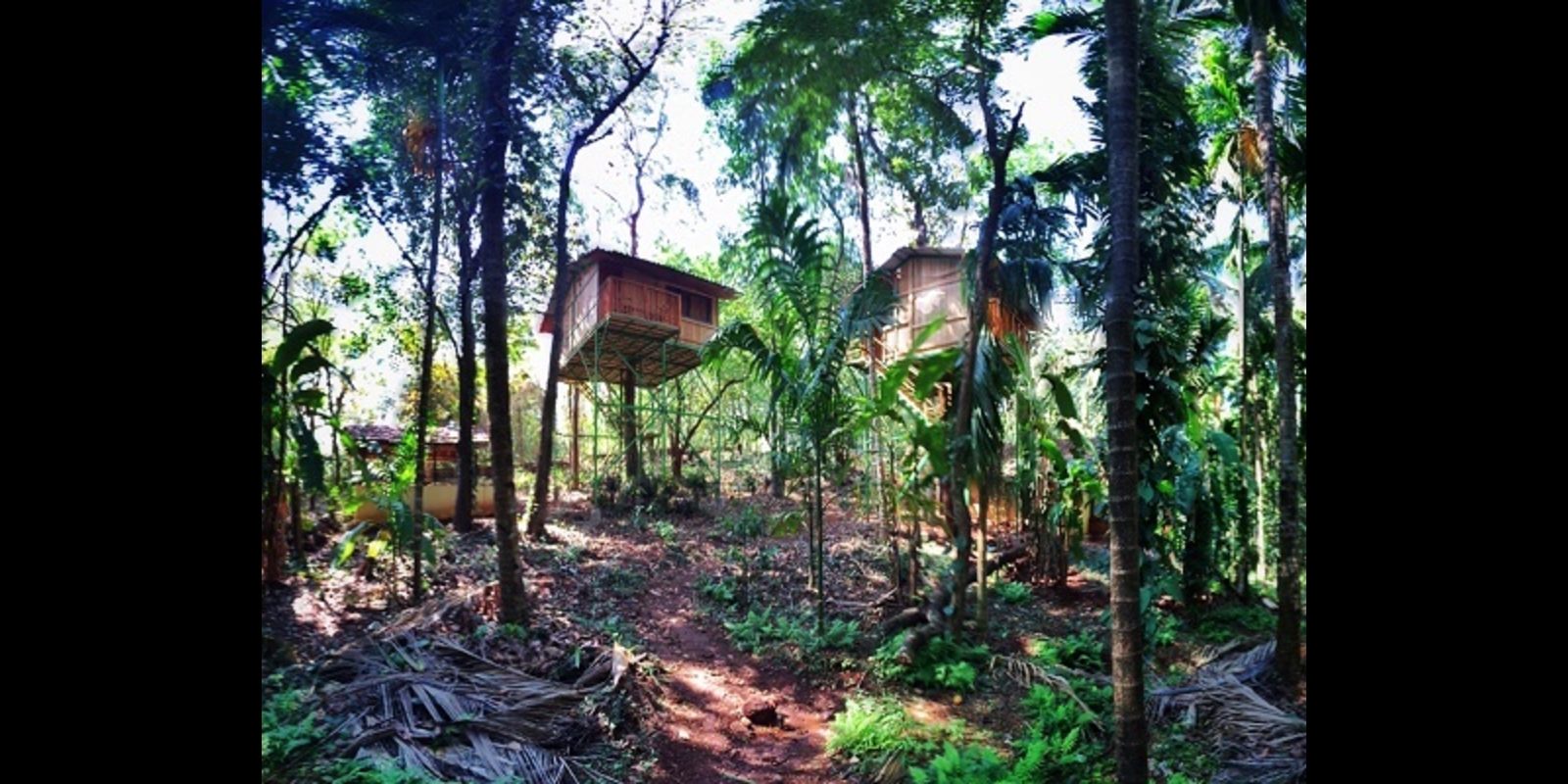
- Tanshikar Spice Farm: They offer rustic eco-cottages. Staying here allows you to wake up to the sound of birds and the smell of fresh spices.
- Forest Rest Houses: The Forest Department has basic guest houses. These must be booked in advance through the Forest Department office in Margao or Panjim. They are very basic but offer the best proximity to the wilderness.
- Canacona/Agonda: If you prefer the beach, you can stay in South Goa’s Agonda or Palolem beach (about 1.5 hours away) and make a day trip to Netravali.
Photography Spots
Netravali is a dream for landscape and macro photographers. Here are the best spots to capture its beauty:
- The Savari Cascade: Use a tripod and a slow shutter speed (around 1-2 seconds) to capture the "milky" effect of the water. The dark basalt rocks provide a perfect contrast.
- The River Crossings: These offer great opportunities for "adventure lifestyle" shots. Capturing a trekker navigating a stream with the dense forest in the background is a classic shot.
- Macro Photography: The forest floor is a world of its own. Look for colorful fungi, iridescent beetles, and the intricate patterns of fern leaves.
- The Canopy: Looking straight up through the giant Teak and Rosewood trees provides a sense of scale and the sheer height of the Western Ghats forest.
Hidden Gem Score & Crowd Level
Hidden Gem Score: 9.5/10
Netravali remains one of Goa’s best-kept secrets. While North Goa’s beaches are teeming with tourists, Netravali offers a sanctuary for those who value peace and authenticity. Even during weekends, the crowd level is low to moderate, mostly consisting of local Goans or serious trekkers. During weekdays, you might find yourself completely alone at the waterfall, a luxury that is becoming increasingly rare in India’s most popular tourist state.
The lack of commercialization—no loud music, no souvenir shops, no rowdy crowds—makes it a high-value destination for responsible travelers. It is a place that rewards those who are willing to put in the effort to reach it.
Conclusion
Netravali Waterfalls is more than just a destination; it is a reminder of the raw, untamed beauty that Goa possesses beyond its famous coastline. It is a place where the Western Ghats whisper stories of ancient times, and where every drop of water tells a tale of life and renewal. A trip to Netravali is a journey into the soul of the land, requiring physical effort but offering immense spiritual and mental rewards.
As travelers, it is our responsibility to ensure that such places remain pristine. By following the "Leave No Trace" principles, respecting local customs, and supporting the local economy, we can ensure that the emerald canopy of Netravali continues to thrive for generations to come. Whether you are standing under the misty spray of Mainapi or watching the mysterious bubbles of Gopinath Tali, Netravali will leave an indelible mark on your heart. It is the definitive Goan experience for those who dare to wander off the beaten path.