Overview of Holy Spirit church
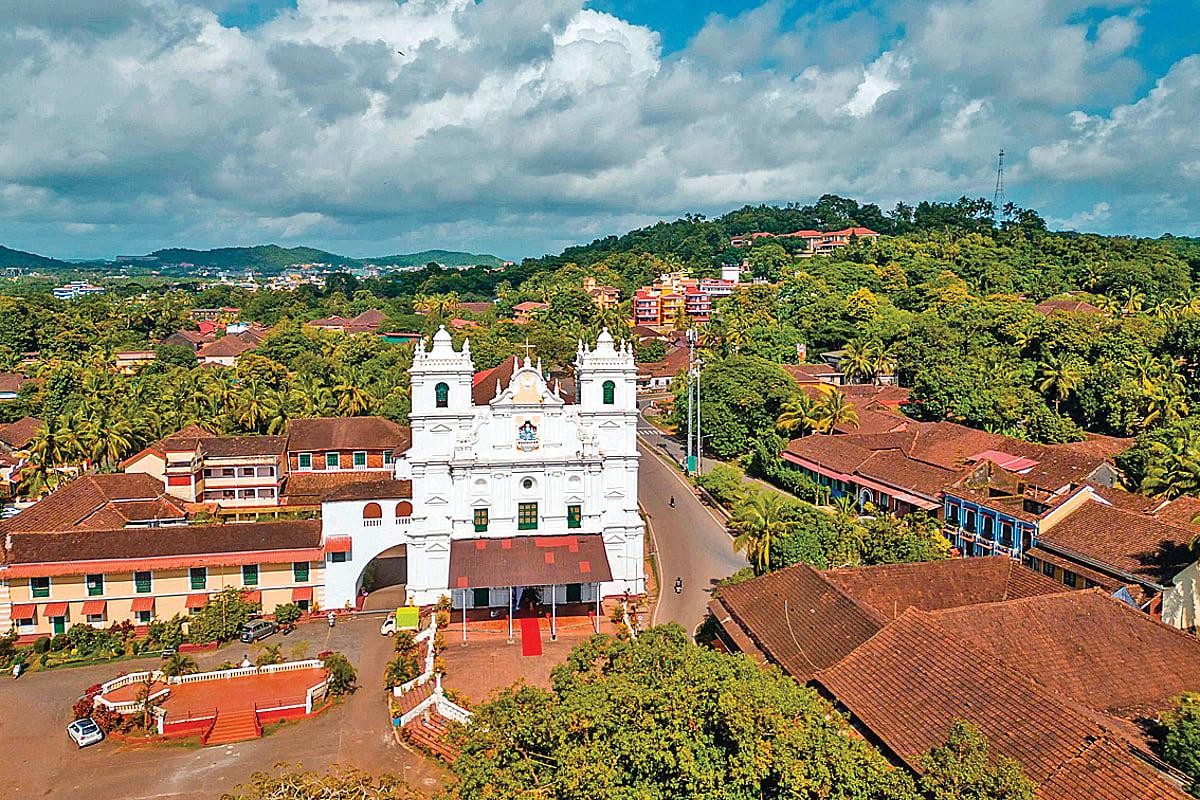
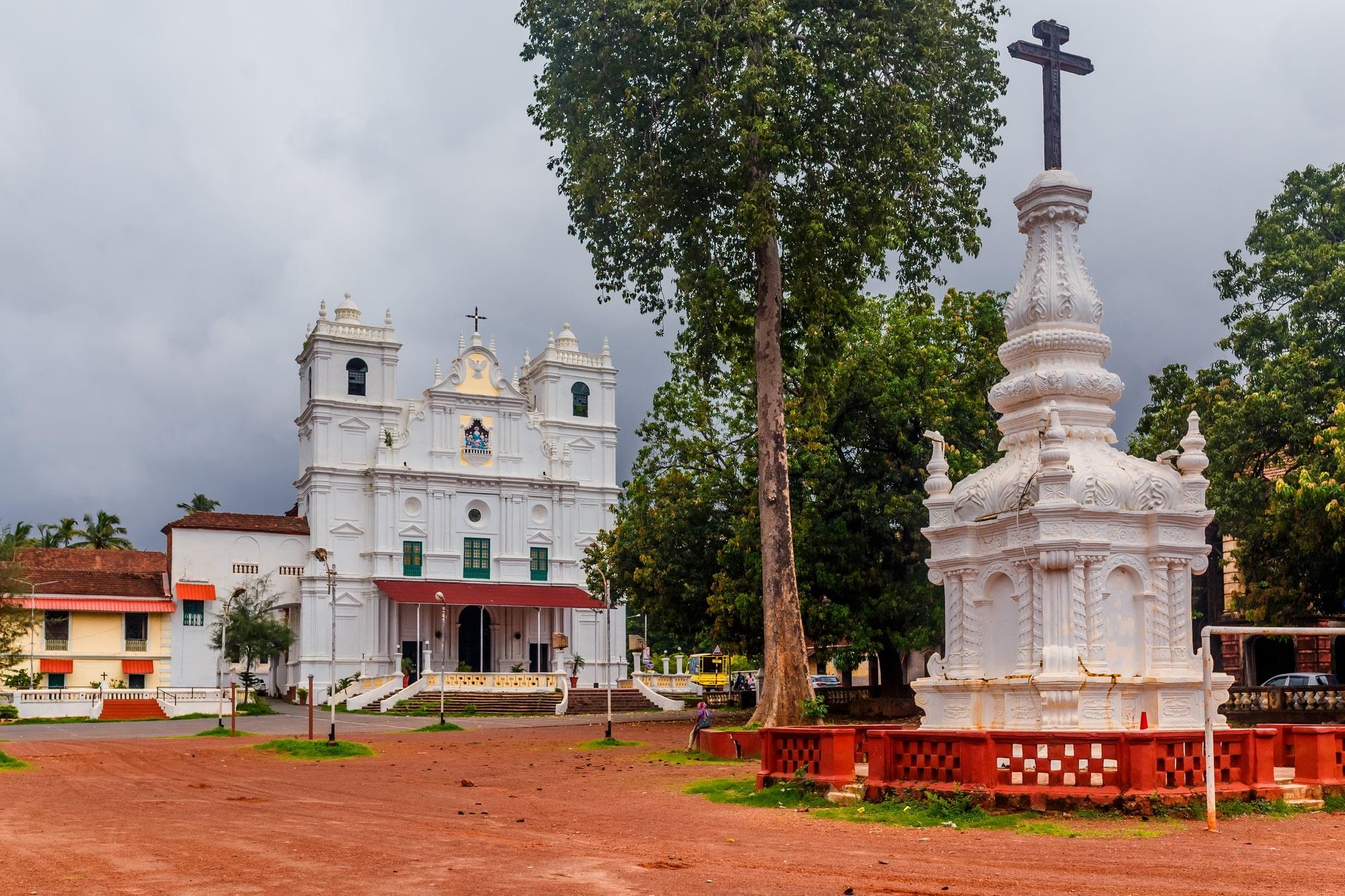
The Holy Spirit Church, located in the bustling heart of Margao, South Goa, stands as a monumental testament to the region's rich colonial history and its enduring Catholic faith. Known locally as the Igreja do Espírito Santo, this magnificent structure is not just a place of worship but a central landmark that defines the cultural and architectural identity of Margao, often referred to as the cultural capital of Goa. Situated at the end of a long, palm-lined square known as the Largo de Igreja, the church dominates the landscape with its pristine white facade and imposing presence. For any traveler or pilgrim visiting Goa, the Holy Spirit Church offers a profound glimpse into the 16th-century Jesuit influence and the subsequent evolution of Goan-Portuguese religious art.
The church is surrounded by a historic district characterized by grand, centuries-old mansions that once belonged to the elite Catholic families of Margao. This setting provides a unique atmospheric experience, transporting visitors back to an era when the church was the epicenter of social and spiritual life. As one of the oldest and most significant churches in South Goa, it serves as the parish church for a large community, maintaining traditions that have survived for over 450 years. Whether you are an architecture enthusiast, a history buff, or a spiritual seeker, the Holy Spirit Church provides a serene sanctuary away from the modern chaos of the Margao market, offering a space for reflection amidst stunning Baroque aesthetics.
The significance of this site extends beyond its physical walls. It represents the synthesis of European architectural styles and Indian craftsmanship, a hallmark of the "Goan Baroque" style. The church's location is also strategically important, marking the transition from the commercial center of Margao to the more residential and historic quarters. Its vast courtyard often hosts local community gatherings, making it a living monument that continues to breathe with the rhythm of Goan life.
History & Religious Significance
The history of the Holy Spirit Church is a saga of destruction, resilience, and reconstruction. Originally established by the Jesuit missionaries in 1564, the first structure was built on the site of an ancient Hindu temple dedicated to Lord Damodar. This transition period was marked by significant religious upheaval as the Portuguese sought to establish Christianity in the Salcete taluka. However, the initial church was short-lived; it was razed to the ground in 1571 during a series of raids by Muslim forces. Undeterred, the Jesuits rebuilt the structure, only for it to be destroyed again in subsequent conflicts. The current magnificent edifice that we see today is the fifth iteration, completed in 1675.
The religious significance of the Holy Spirit Church is deeply rooted in the Jesuit mission's efforts to centralize the Christian faith in South Goa. During the 17th century, Margao became a focal point for missionary activities, and the church served as a "Mother Church" for the surrounding villages. The dedication to the Holy Spirit is symbolic of the "Pentecost," representing the descent of the Holy Spirit upon the Apostles, which is a cornerstone of Catholic theology. This theme of divine inspiration and communal strength is reflected in the church's various altars and artistic depictions.
Over the centuries, the church has witnessed the changing political tides of Goa, from the height of Portuguese colonial power to the liberation of Goa in 1961. It has remained a constant beacon for the local Catholic population. The historical records of the parish, some of which date back hundreds of years, provide invaluable insights into the genealogical and social history of the region. For the locals, the church is more than a historical monument; it is the spiritual home where generations have been baptized, married, and laid to rest. The cemetery adjacent to the church, with its ornate tombs, further underscores the deep historical and familial connections the community shares with this hallowed ground.
Architecture of Holy Spirit church
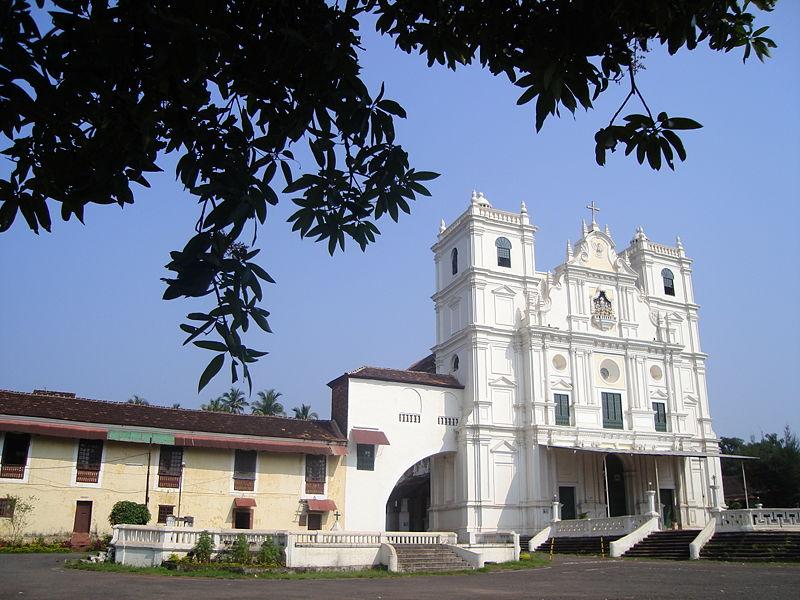
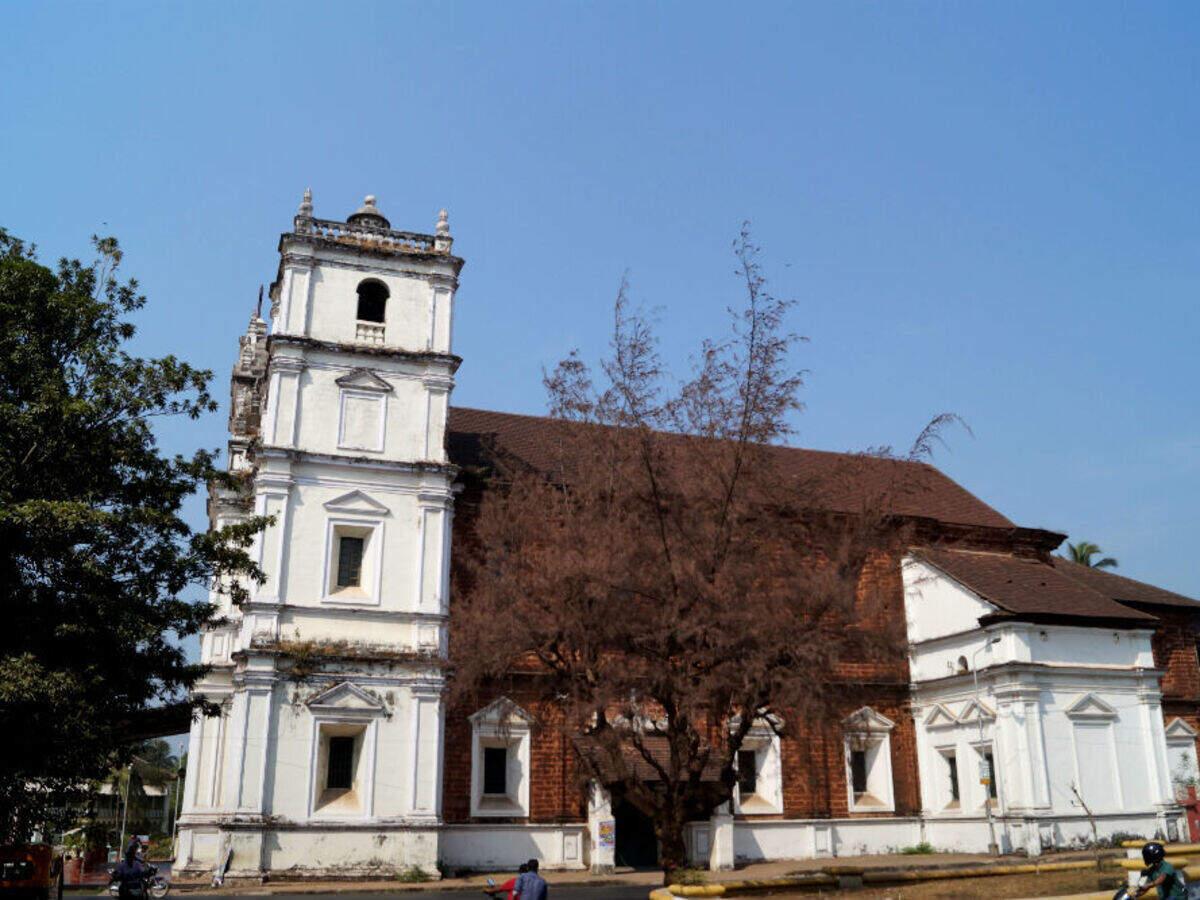
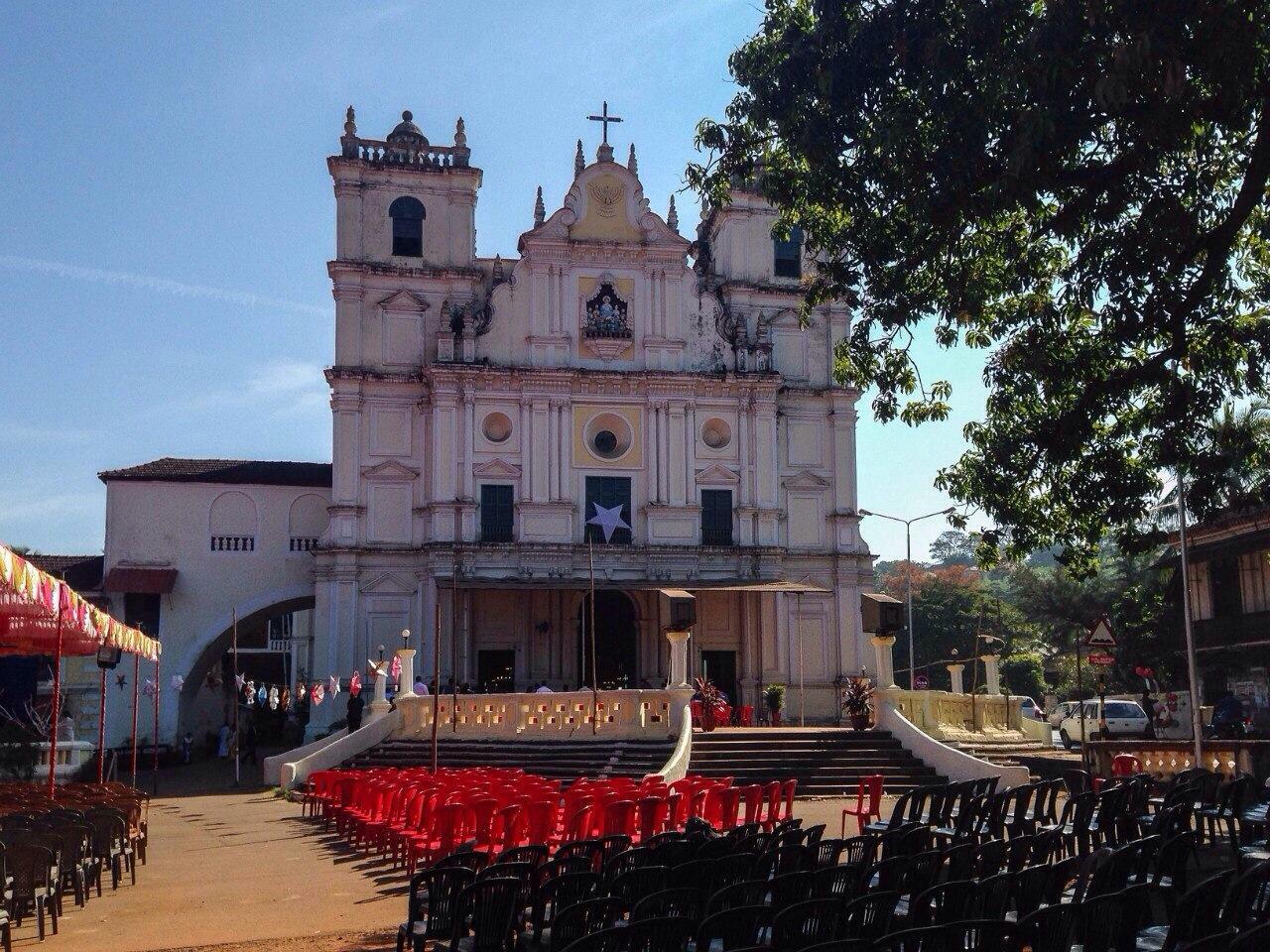
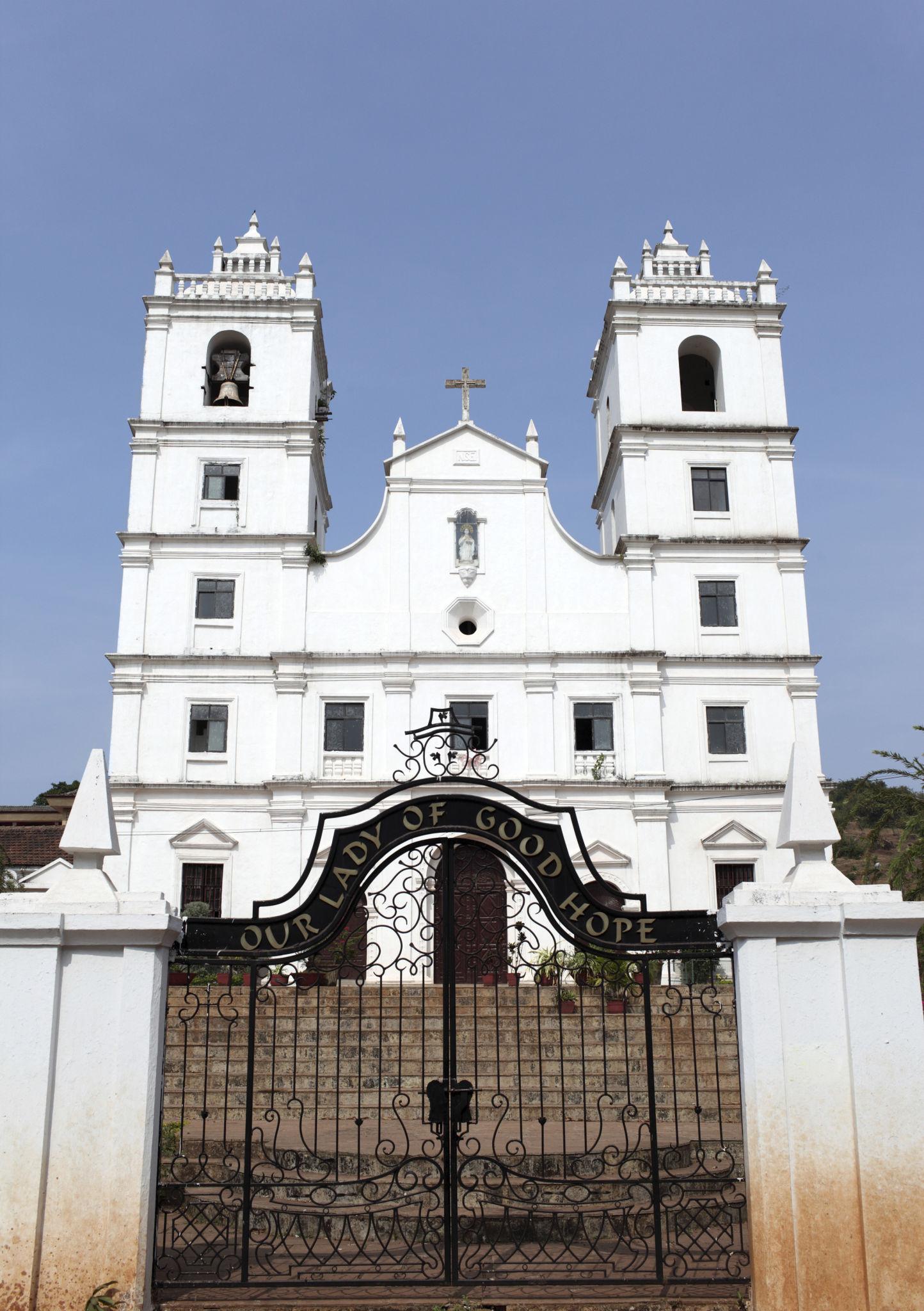
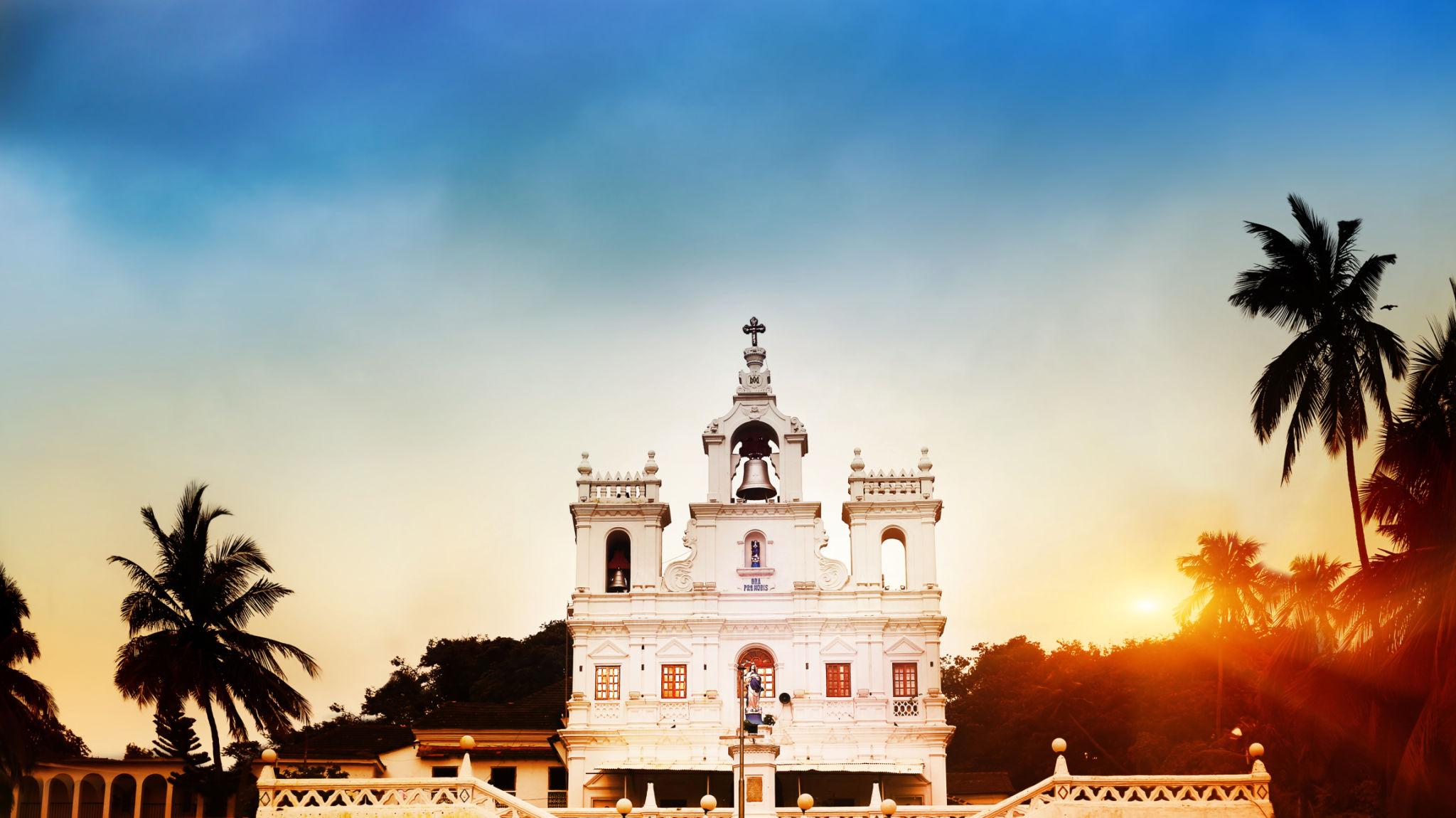
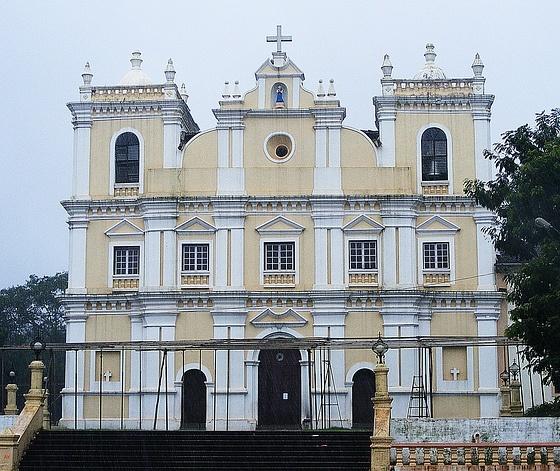
The architecture of the Holy Spirit Church is a masterful example of the Indian Baroque style, blended with Mannerist influences that were popular in Europe during the late 16th and 17th centuries. The exterior is characterized by its classic whitewashed finish—a common feature in Goan churches to protect the laterite stone from the harsh monsoon rains. The facade is divided into three distinct horizontal tiers, with two soaring bell towers flanking the central gable. The use of basalt stone for the decorative elements provides a sharp, elegant contrast against the white lime plaster.
Upon entering the church, visitors are greeted by a vast, barrel-vaulted nave that creates an immediate sense of grandeur and spatial openness. The interior is a treasure trove of Rococo and Baroque artistry. The High Altar is the piece de resistance, featuring intricate wood carvings gilded in gold leaf. It is dedicated to the Virgin Mary, while the top of the retable depicts the Holy Spirit. The craftsmanship is exceptionally detailed, showcasing the skill of local artisans who adapted European designs to local materials and sensibilities.
- The Facade: Features a central medallion and a series of niches holding statues, reflecting the Jesuit architectural tradition of "preaching through imagery."
- The Retablos: There are several side altars, each a masterpiece of gilded woodwork. One is dedicated to St. Michael, another to Our Lady of the Immaculate Conception, and another to St. Peter.
- The Pulpit: A stunning example of wood carving, the pulpit is adorned with floral motifs and figures, elevated to ensure the priest's voice reached the entire congregation in the pre-amplification era.
- The Pipe Organ: One of the few remaining functional traditional pipe organs in Goa, often played during major feast days, adding a celestial acoustic layer to the liturgical services.
- The Windows: Large windows high up in the nave allow natural light to flood the interior, highlighting the golden hues of the altars and creating a divine atmosphere during the morning hours.
The flooring consists of traditional granite slabs and decorative tiles, many of which mark the burial sites of prominent local figures. The overall layout follows the Latin Cross plan, common in Jesuit churches, which emphasizes the path toward the altar as a spiritual journey. The sheer scale of the church, combined with its delicate artistic details, makes it one of the most architecturally significant religious buildings in all of India.
Main Deity / Spiritual Importance
The primary spiritual focus of the church is the Holy Spirit, the third person of the Holy Trinity in Christian doctrine. Unlike many churches dedicated to specific saints, the dedication to the Holy Spirit emphasizes the universal presence of God and the "breath of life" that sustains the faithful. The spiritual importance of this dedication is most visible during the Pentecost Sunday, which celebrates the birth of the Church. The imagery of the Dove, representing the Holy Spirit, is a recurring motif throughout the building's interior, most notably above the high altar.
In addition to the Holy Spirit, the church holds deep devotion to Our Lady of the Immaculate Conception. The central altar prominently features her image, reflecting the profound Marian devotion that is characteristic of Goan Catholicism. For the parishioners, the church is a place of "Intercession," where they seek the guidance of the Holy Spirit and the protection of the Virgin Mary. The spiritual atmosphere is one of solemnity and deep-rooted tradition. Even on ordinary weekdays, you will find locals sitting in quiet prayer, lighting candles, and seeking solace within its cool, thick walls. The church serves as a moral and spiritual compass for Margao, fostering a sense of community and shared faith that transcends the individual.
Festivals & Celebrations
The Holy Spirit Church is the site of some of the most vibrant and culturally significant festivals in South Goa. These events are a blend of religious solemnity and festive joy, drawing crowds from across the state.
- The Feast of the Holy Spirit (Pentecost): This is the titular feast of the church, celebrated 50 days after Easter. It is a grand affair featuring a solemn High Mass followed by a traditional procession. The church is beautifully decorated with flowers and lights, and the atmosphere is electric with spiritual fervor.
- Purimentachem Fest (Provisions Feast): This is perhaps the most unique aspect of the church's celebrations. Occurring during the Feast of the Holy Spirit, it is a massive fair where locals stock up on provisions for the upcoming monsoon season. You will find stalls selling dried fish, spices, onions, traditional Goan sweets (like bebinca and dodol), and handmade household items. It is a sensory delight and a vital part of Goan cultural heritage.
- The Feast of the Immaculate Conception: Celebrated on December 8th, this feast involves novenas (nine days of prayer) and a festive mass. The church square comes alive with stalls and local music.
- Lent and Holy Week: The period leading up to Easter is observed with great devotion. The "Passos" (processions depicting the passion of Christ) are particularly moving, with life-sized statues carried through the streets of Margao, accompanied by somber hymns.
- Christmas: The Midnight Mass at Holy Spirit Church is a legendary experience. The choir’s performance, combined with the illuminated Baroque architecture and the traditional "crib" (nativity scene) in the courtyard, creates a magical festive environment.
Best Time to Visit
The best time to visit the Holy Spirit Church is during the winter months, specifically from November to February. During this period, the weather in Goa is pleasant and cool, making it ideal for exploring the church and the surrounding heritage district of Margao. The humidity is low, and the clear blue skies provide a perfect backdrop for photography of the whitewashed facade.
If you wish to experience the church in its full spiritual and cultural glory, plan your visit to coincide with the Feast of the Holy Spirit (Pentecost), which usually falls in May or June. While this coincides with the beginning of the monsoon or the peak of summer heat, the Purimentachem Fest fair is an unmissable cultural experience. For those who prefer a quieter, more contemplative visit, early mornings on weekdays are best. The soft morning light entering through the high windows creates a serene ambiance that is perfect for meditation and appreciating the intricate details of the gilded altars without the distraction of large crowds.
Timings, Entry Fee & Dress Code
To ensure a respectful and smooth visit, it is important to be aware of the following logistical details:
- Timings: The church is generally open to visitors from 7:00 AM to 12:00 PM and again from 4:00 PM to 7:00 PM. However, these timings can vary on Sundays and feast days due to multiple mass services.
- Mass Timings: On weekdays, masses are usually held at 6:30 AM, 7:15 AM, and 8:00 AM. On Sundays, there are several services, including masses in Konkani and occasionally in English, starting from 6:00 AM through 9:00 AM.
- Entry Fee: There is no entry fee to visit the Holy Spirit Church. It is a place of worship open to people of all faiths. Donations for the maintenance of the historic structure are always welcome.
- Dress Code: As this is a sacred religious site, a modest dress code is strictly enforced. Visitors should ensure their shoulders and knees are covered. Avoid wearing sleeveless tops, short skirts, or beachwear. Removing hats before entering the church is also a mark of respect.
How to Reach Holy Spirit church
The Holy Spirit Church is centrally located in Margao, making it highly accessible from various parts of Goa.
- By Air: The Manohar International Airport (Mopa) or the Dabolim Airport are the nearest airports. From Dabolim, the church is approximately 25-30 km away. You can hire a pre-paid taxi or use the Goa Miles app for a comfortable ride.
- By Rail: The Madgaon Junction Railway Station is one of the major railheads in Goa and is located just about 3-4 km from the church. You can easily find auto-rickshaws or taxis outside the station to take you to the "Largo de Igreja" area.
- By Bus: Margao has a major KTC (Kadamba Transport Corporation) bus stand. Frequent buses ply from Panjim, Vasco da Gama, and Ponda to Margao. From the bus stand, a local rickshaw or a short 10-minute taxi ride will bring you to the church.
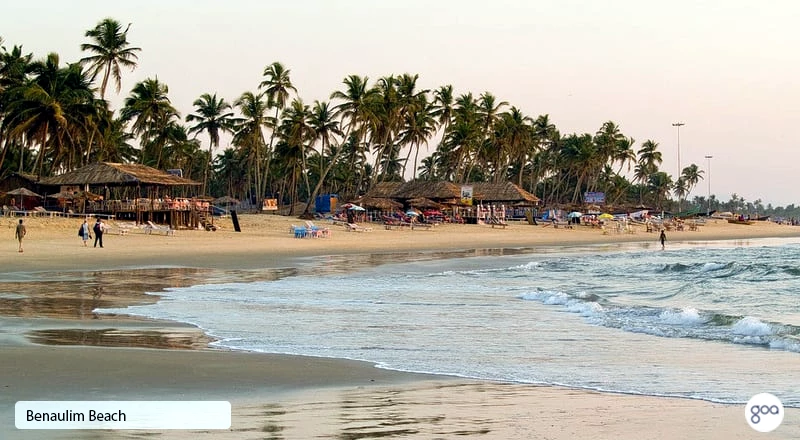
- By Road/Self-Drive: If you are staying in South Goa (Colva, Benaulim, or Palolem), you can drive to Margao. The church is a well-known landmark, and most GPS services will lead you directly to the square. Parking is available in the vicinity, though it can get crowded during peak hours.
Things to Do
A visit to the Holy Spirit Church offers several engaging activities for travelers:
- Admire the Altars: Spend time looking at the intricate details of the seven altars. The gold leaf work and the carvings of saints are world-class examples of religious art.
- Attend a Mass: Even if you are not Catholic, attending a Konkani mass is a soulful experience. The liturgical music and the devotion of the locals provide a deep cultural insight.
- Explore the Largo de Igreja: Walk around the massive square in front of the church. This space has been the site of historical gatherings and remains a beautiful example of colonial urban planning.
- Visit the Parish Cemetery: Located adjacent to the church, the cemetery contains beautiful old graves and family vaults that reflect the history of Margao’s prominent families.
- Photography: Capture the stunning architecture of the facade and the surrounding heritage houses. The play of light on the white walls is a photographer's dream.
- Heritage Walk: Use the church as a starting point to walk through the Abade Faria Road and the surrounding lanes to see the grand Portuguese-style mansions.
Nearby Attractions
Margao is rich in heritage and natural beauty. After visiting the church, you can explore several nearby sites:
- Sat Burzam Ghor (Seven Gables House): Located very close to the church, this is one of Goa’s most famous heritage houses. Although only three gables remain today, it is a stunning example of 18th-century architecture.
- Monte Hill: A short drive or a bit of a climb will take you to the Chapel of Our Lady of Mercy on Monte Hill. It offers a panoramic view of Margao city and the Arabian Sea in the distance.
- Colva Beach: Just 6 km away, this is one of South Goa’s most popular beaches, known for its white sands and vibrant shacks.
- Margao Market (Mercado de Afonso de Albuquerque): Experience the local life at this bustling market where you can buy everything from fresh produce to traditional Goan garments and spices.
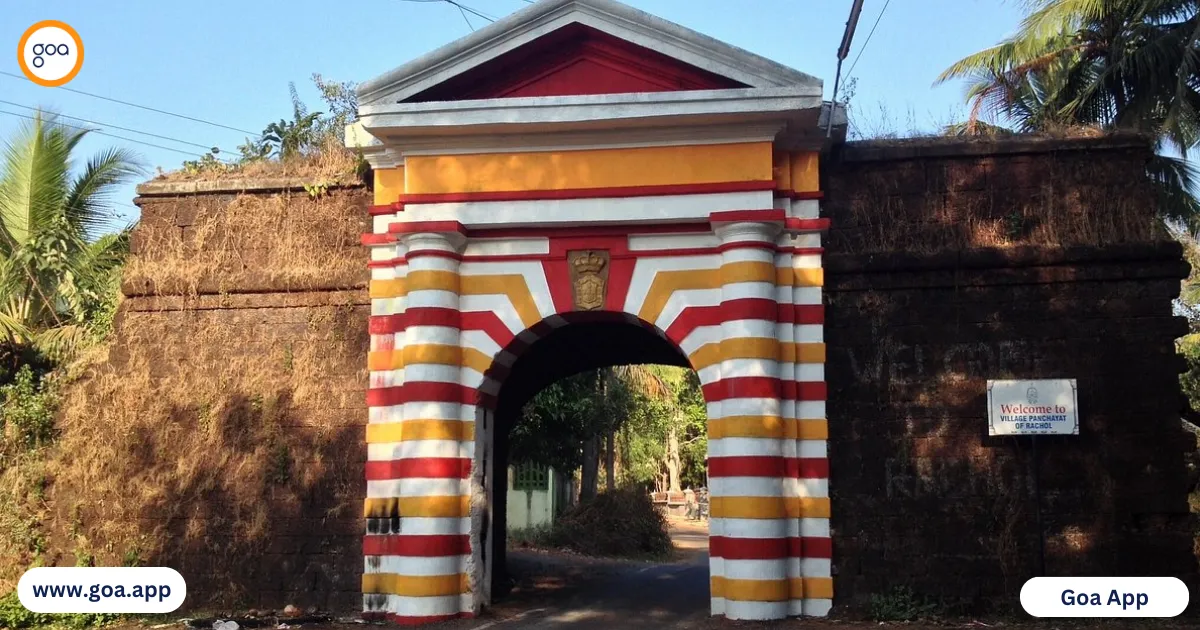
- Rachol Seminary: About 7 km from Margao, this historic seminary is another architectural marvel and a center for theological studies in Goa.
- San Thome Museum: A unique museum dedicated to Goan antiques and heritage, located in nearby Varca/Benaulim area.
Photography & Visitor Guidelines
To preserve the sanctity and the physical integrity of the Holy Spirit Church, visitors are requested to follow these guidelines:
- No Photography during Mass: Taking photos or videos while a religious service is in progress is strictly prohibited. It disturbs the worshippers and is considered disrespectful.
- Flash Photography: Inside the church, avoid using flash as it can damage the ancient gilded paint and sensitive wood carvings over time.
- Maintain Silence: The church is a place of prayer. Even when a mass is not in progress, please speak in whispers and avoid making loud noises.
- Do Not Touch: Refrain from touching the altars, statues, or paintings. The oils from human skin can cause deterioration of these centuries-old artifacts.
- Mobile Phones: Switch off your mobile phone or put it on silent mode before entering the sanctuary.
- Respect the Clergy: If you wish to speak with a priest or explore restricted areas, always ask for permission from the parish office located within the complex.
Where to Eat Nearby
Margao is a foodie's paradise, offering everything from traditional Goan fare to modern international cuisine. Here are some recommendations near the church:
- Ritz Classic: Famous for its authentic Goan fish thali, this is a must-visit for anyone wanting to taste the local flavors of the sea.
- Longuinhos: A legendary establishment in Margao, known for its Goan snacks, beef cutlets, and traditional desserts like bebinca. It has a nostalgic, old-world charm.
- Cherry Tomato: If you are craving burgers or Western comfort food, this place is highly rated for its gourmet burgers and cozy atmosphere.
- Gaylin: A popular spot for Indo-Chinese cuisine, which is a favorite among the local Margao residents.
- Banjara: Offers a wide range of North Indian and Mughlai dishes in a comfortable, air-conditioned setting.
- Local Bakeries: Don't forget to visit the small bakeries near the church square for fresh Poi (Goan bread) and tea-time snacks.
Accommodation Nearby
Whether you prefer luxury or budget stays, the area around Margao provides several options:
- Indismart Woodbourne Resort: A beautiful property located a short drive from the city center, offering a tranquil environment and modern amenities.
- The Southern Vista: A premium hotel offering comfortable rooms and excellent service, suitable for families and business travelers.
- Nanutel Margao: Centrally located, this hotel is convenient for those who want to be in the heart of the city and close to the transport hubs.
- Heritage Homestays: There are several boutique homestays in the old quarters of Margao that allow you to live in a restored Portuguese-era mansion, providing an immersive cultural experience.
- Beach Resorts in Colva: Since Colva is only 15 minutes away, many visitors choose to stay at beachside resorts like Beleza By The Beach or Soul Vacation and visit the church as a day trip.
Travel Tips
To make the most of your visit to the Holy Spirit Church, keep these tips in mind:
- Plan for the Market: Combine your church visit with a trip to the Margao market. It’s best to do the church early in the morning and the market afterward.
- Hydration: Goa can be hot and humid. Always carry a bottle of water, especially if you plan to walk around the heritage district.
- Footwear: Wear comfortable walking shoes as the area around the church and the nearby heritage houses is best explored on foot.
- Local Transport: Use the "Pilot" (motorcycle taxi) service for short distances within Margao. It’s a unique Goan experience and very efficient.
- Respect Local Customs: If you see a funeral or a wedding taking place, it is polite to wait until the ceremony is over before entering the church for sightseeing.
- Language: While English is widely understood, learning a few basic Konkani words like "Dev Borem Korum" (God bless you/Thank you) will endear you to the locals.
Conclusion
The Holy Spirit Church in Margao is more than just a religious building; it is a profound symbol of Goan history, art, and community spirit. Its towering presence at the Largo de Igreja serves as a reminder of the complex cultural tapestry that defines this beautiful coastal state. From the intricate Baroque carvings and the golden glow of its altars to the vibrant energy of the Purimentachem Fest, the church offers a multi-sensory journey through time. It stands as a silent witness to the evolution of Margao from a colonial outpost to a thriving modern city, all while maintaining its sacred role as a sanctuary of peace and faith. Whether you come to pray, to admire the architecture, or to soak in the heritage, a visit to the Holy Spirit Church is an essential experience for anyone seeking to understand the true heart and soul of South Goa. As you leave the cool shadows of the nave and step back into the bright Goan sun, you carry with you a piece of history and a sense of the divine that has lingered here for centuries.