St. Anthony Church

St. Anthony Church

4.9 1,670 Verified
Church North Goa

Quick Navigation

Explore sections of this guide

Overview of St. Anthony Church

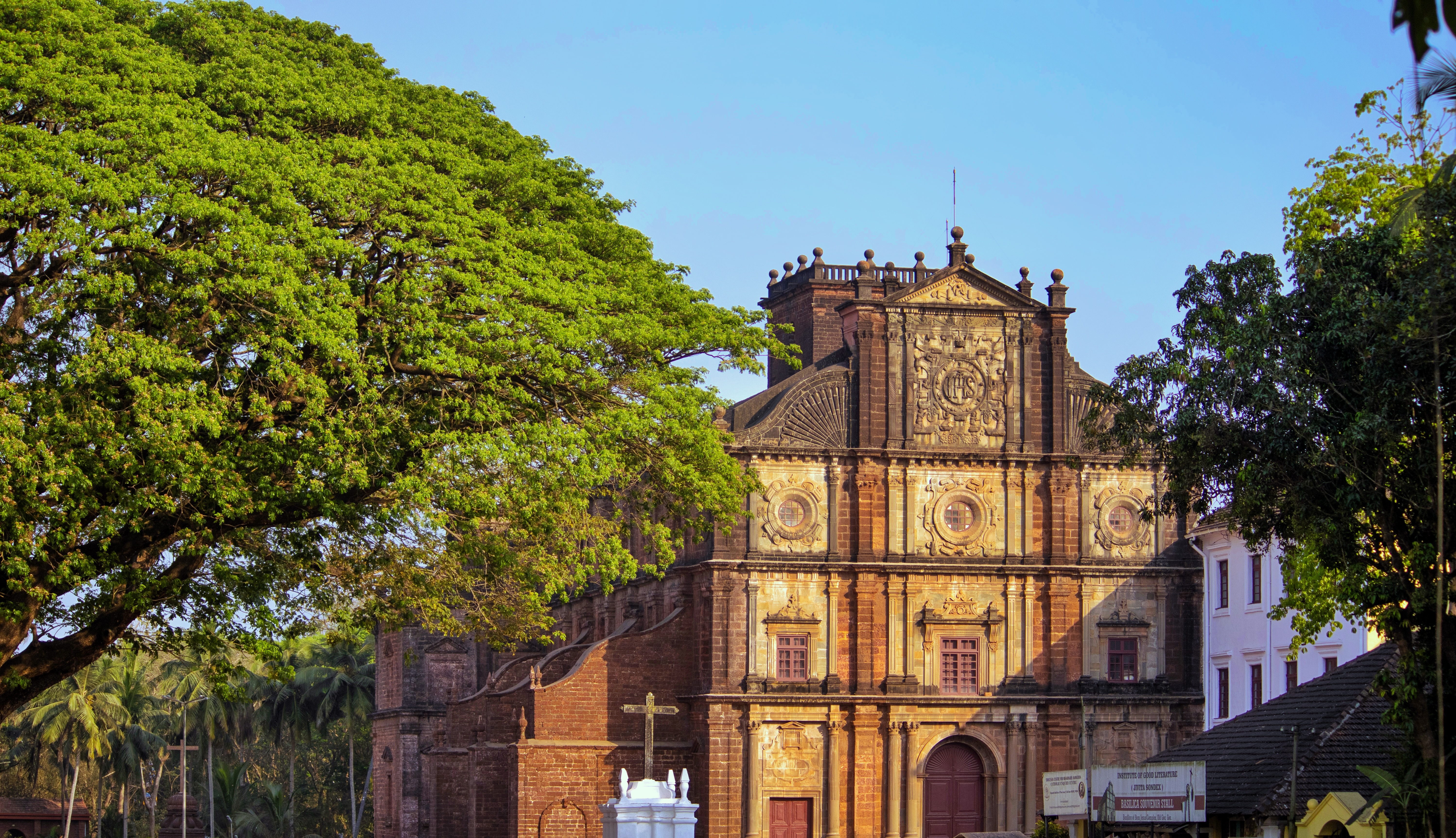
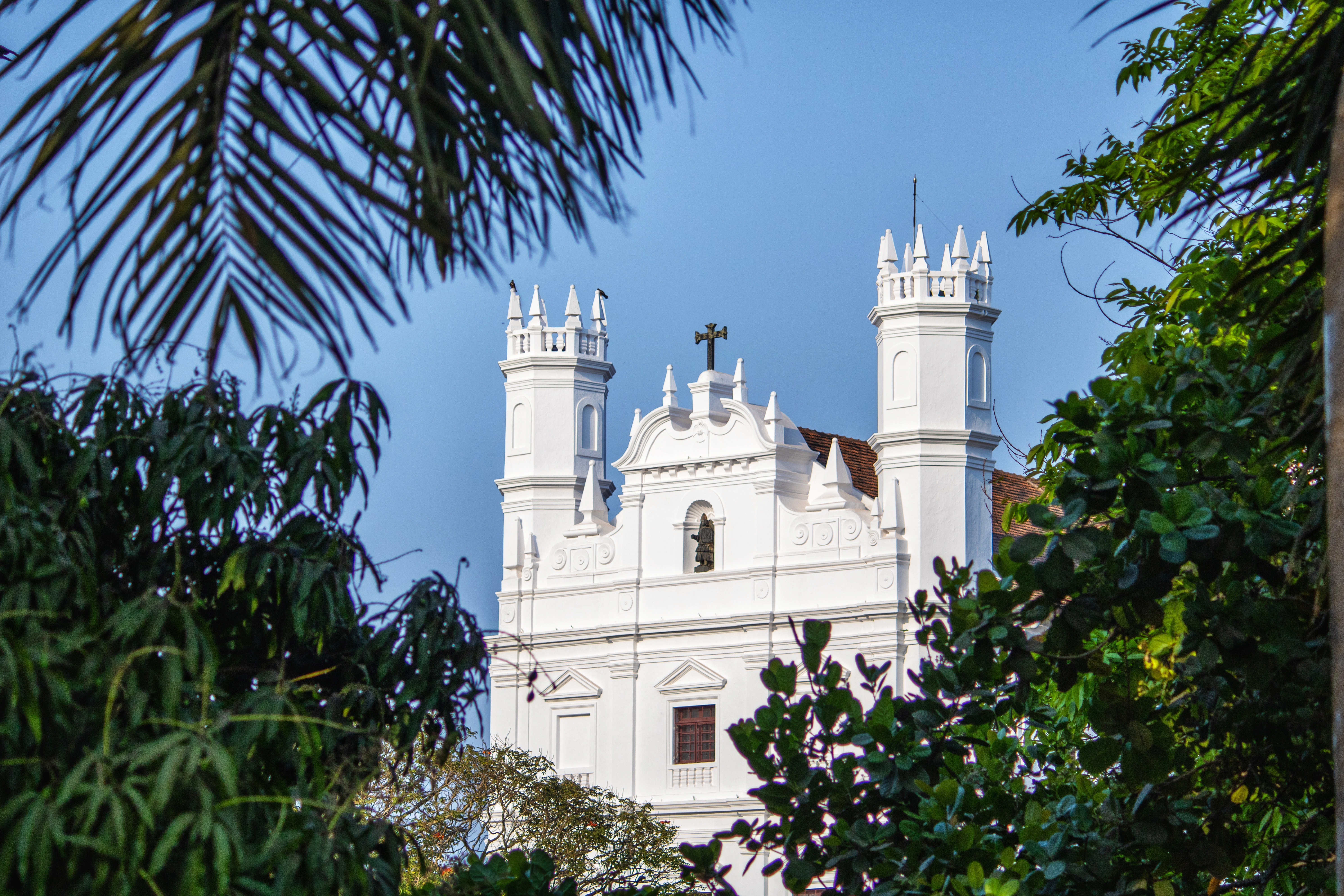
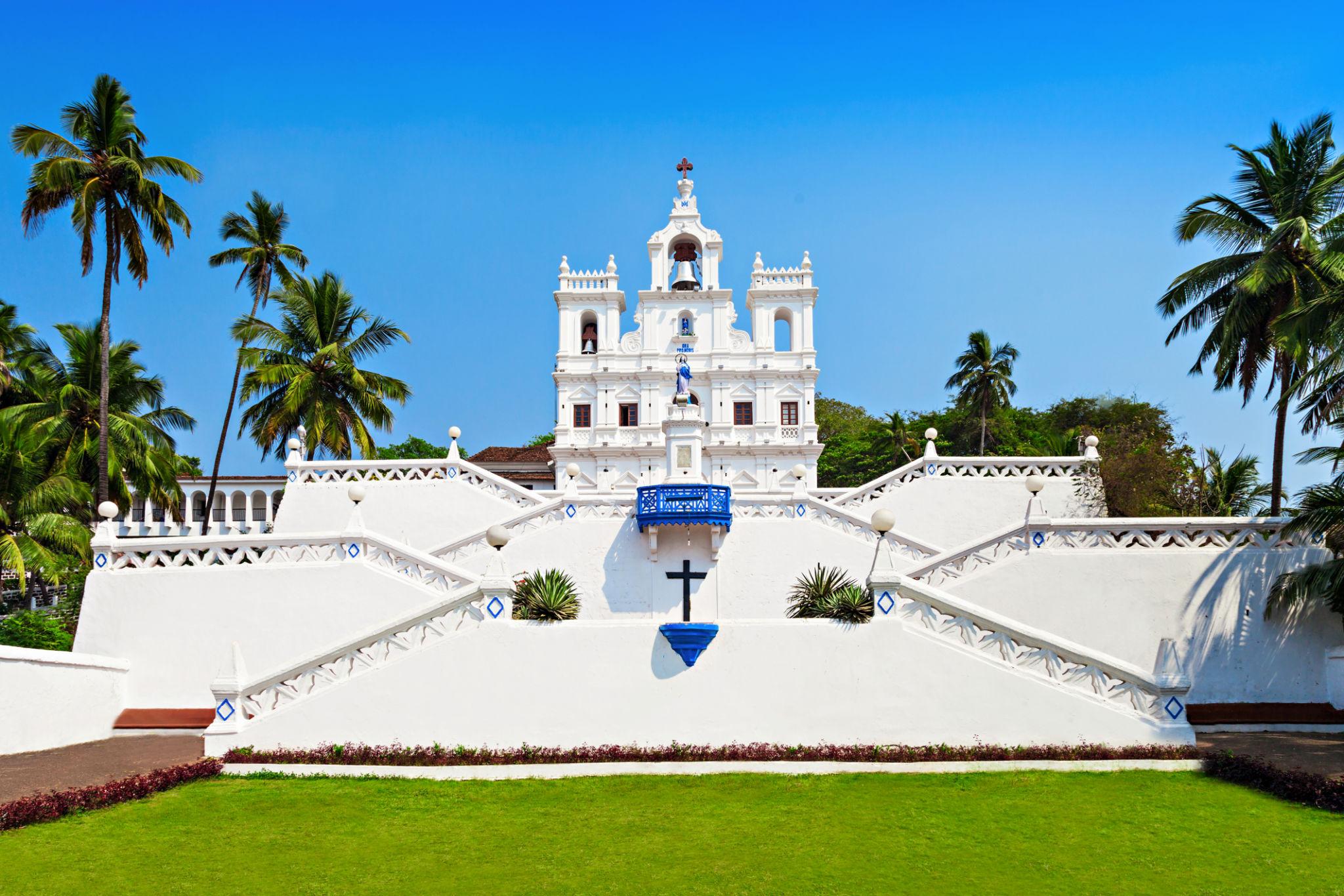
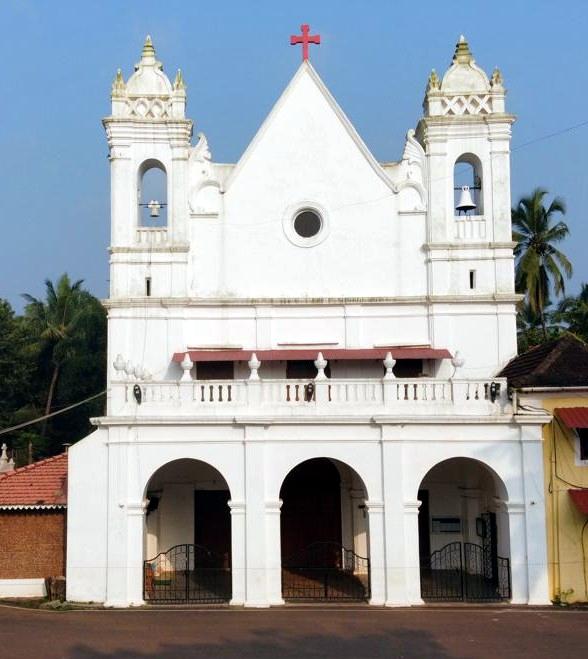
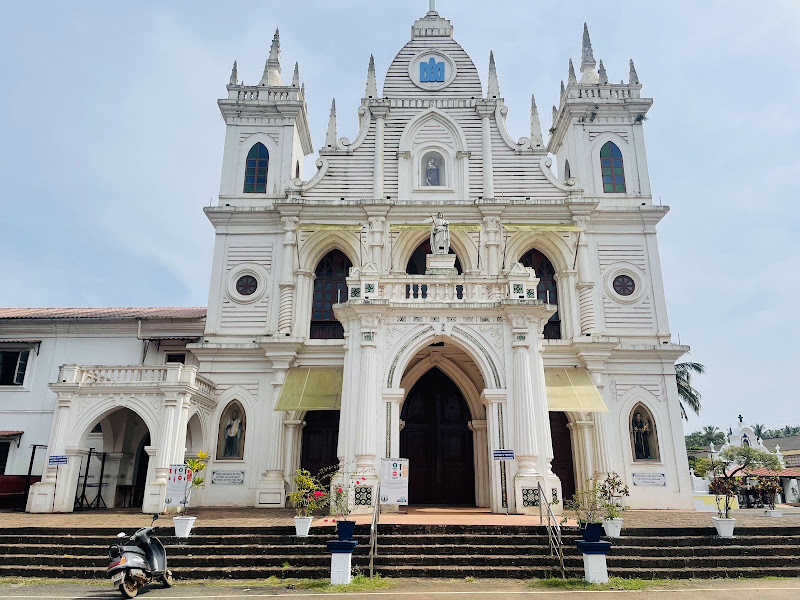
Nestled in the picturesque and serene village of Siolim in North Goa, the St. Anthony Church stands as a magnificent sentinel of faith, history, and architectural brilliance. Siolim itself is a village that bridges the gap between the bustling coastal belts of Vagator and the quiet, palm-fringed backwaters of the Chapora River. The church, dedicated to St. Anthony of Padua, is not just a place of worship but a cultural landmark that defines the identity of the local "Siolcar" (residents of Siolim). As you approach the church, the first thing that strikes you is its commanding presence, characterized by its striking white facade and twin towers that pierce the Goan sky.

The St. Anthony Church is renowned across the state for its unique history, particularly the legendary tale of the "Miracle of the Snake," which is immortalized in the iconography found within the premises. Unlike many other churches in Goa that follow a strictly Baroque or Mannerist style, this church showcases a beautiful blend of Neo-Gothic elements, making it a favorite for architecture enthusiasts and historians alike. For the traveler seeking a spiritual experience away from the commercialized tourist tracks, a visit here offers a glimpse into the soul of Christian Goa, where traditions are preserved with immense pride and devotion.

The church overlooks a sprawling courtyard and is surrounded by traditional Indo-Portuguese homes, old bakeries, and the gentle flow of the nearby river. It serves as the focal point for the community, hosting vibrant feasts, solemn masses, and local gatherings that have remained unchanged for centuries. Whether you are a pilgrim seeking the blessings of the "Miracle Worker" or a traveler looking to capture the essence of Goan heritage, the St. Anthony Church in Siolim provides an immersive experience that resonates with peace and antiquity.

History & Religious Significance

The history of St. Anthony Church is a fascinating journey through time, dating back to the late 16th century. The roots of Christianity in Siolim were planted by the Franciscan missionaries, who were among the first religious orders to arrive in Goa following the Portuguese conquest. The first church in Siolim was actually a small chapel built around 1568. However, as the population of converts grew, the need for a larger parish church became evident. The foundation for the dedicated St. Anthony Church was laid in 1606, and it was officially completed and consecrated in the early 17th century.

One cannot discuss the history of this church without mentioning the Legend of the Snake, a story that is central to the religious identity of the parish. According to local lore, during the construction of the church, the workers were constantly harassed by a large, venomous cobra that resided in the foundation area. This hindered the progress and terrified the locals. The Franciscan friars and the villagers turned to St. Anthony, the patron saint, for protection. It is said that the snake was eventually found dead, strangled by the cord of the statue of St. Anthony. This miracle is the reason why, to this day, the statue of St. Anthony in Siolim is depicted holding a snake tied with a cord—a unique iconographical detail not found anywhere else in the world.

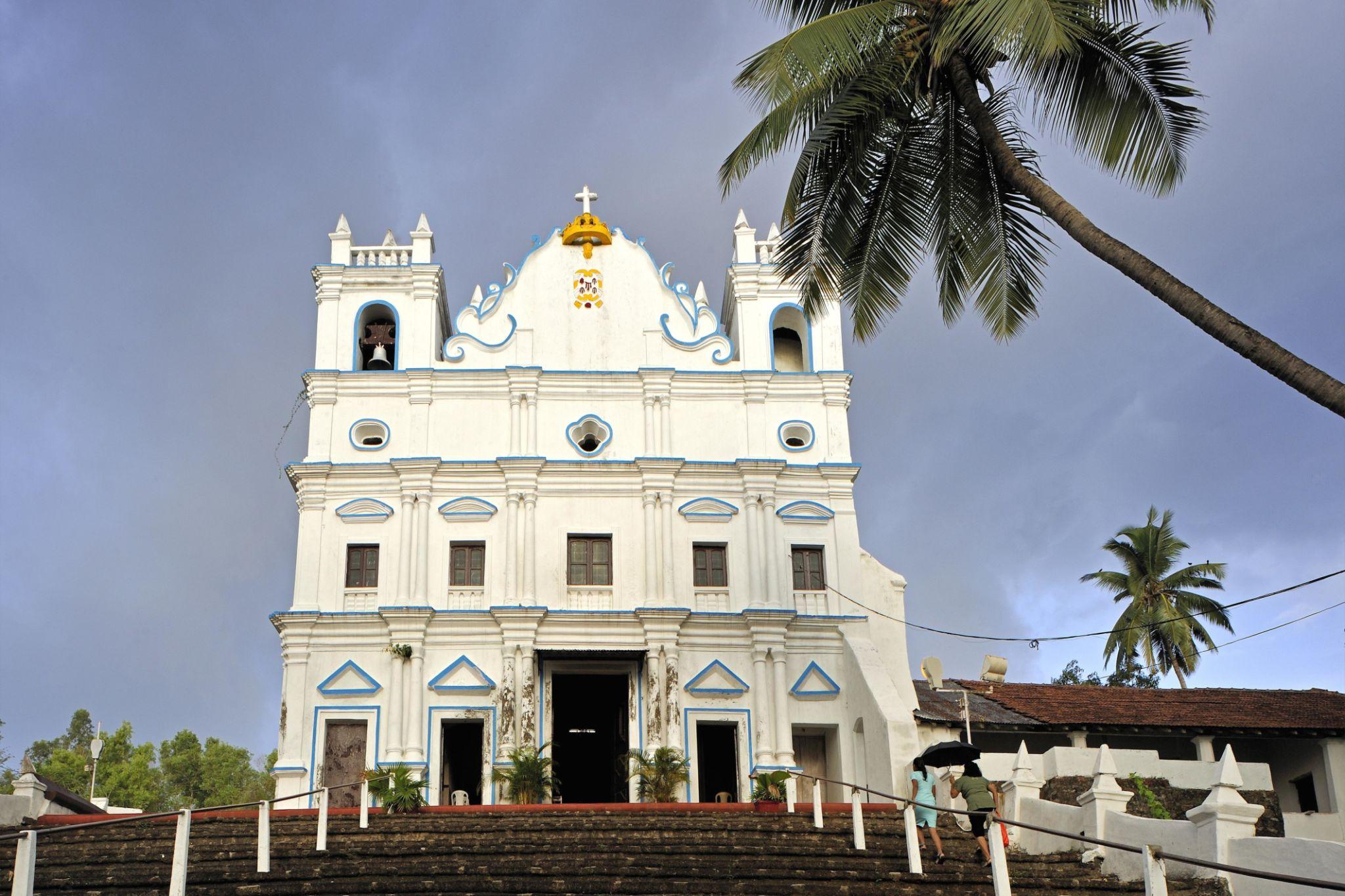
Over the centuries, the church underwent several renovations. The original structure was heavily influenced by the simplistic Franciscan style, but as the centuries rolled by, the church was expanded. The most significant reconstruction took place in 1902, which gave the church its current Neo-Gothic appearance. This period of reconstruction reflected the changing aesthetic preferences in Goa, moving away from the heavy Baroque of Old Goa toward the more vertical and pointed lines of the Gothic revival. The church has survived various political shifts, from the Portuguese colonial era to the liberation of Goa in 1961, remaining a steadfast pillar of the Catholic faith in the Bardez taluka.

Architecture of St. Anthony Church

The architecture of St. Anthony Church is a masterclass in the Neo-Gothic style, infused with local Goan craftsmanship. While the majority of Goan churches built during the early colonial period followed the Romanesque or Baroque styles (characterized by thick walls and rounded arches), the 1902 renovation of the Siolim church introduced the soaring aspirations of Gothic design. The facade is divided into three vertical sections, with the central bay flanked by two majestic bell towers. These towers are topped with pointed steeples, a hallmark of Gothic architecture, which draw the eye upward toward the heavens.

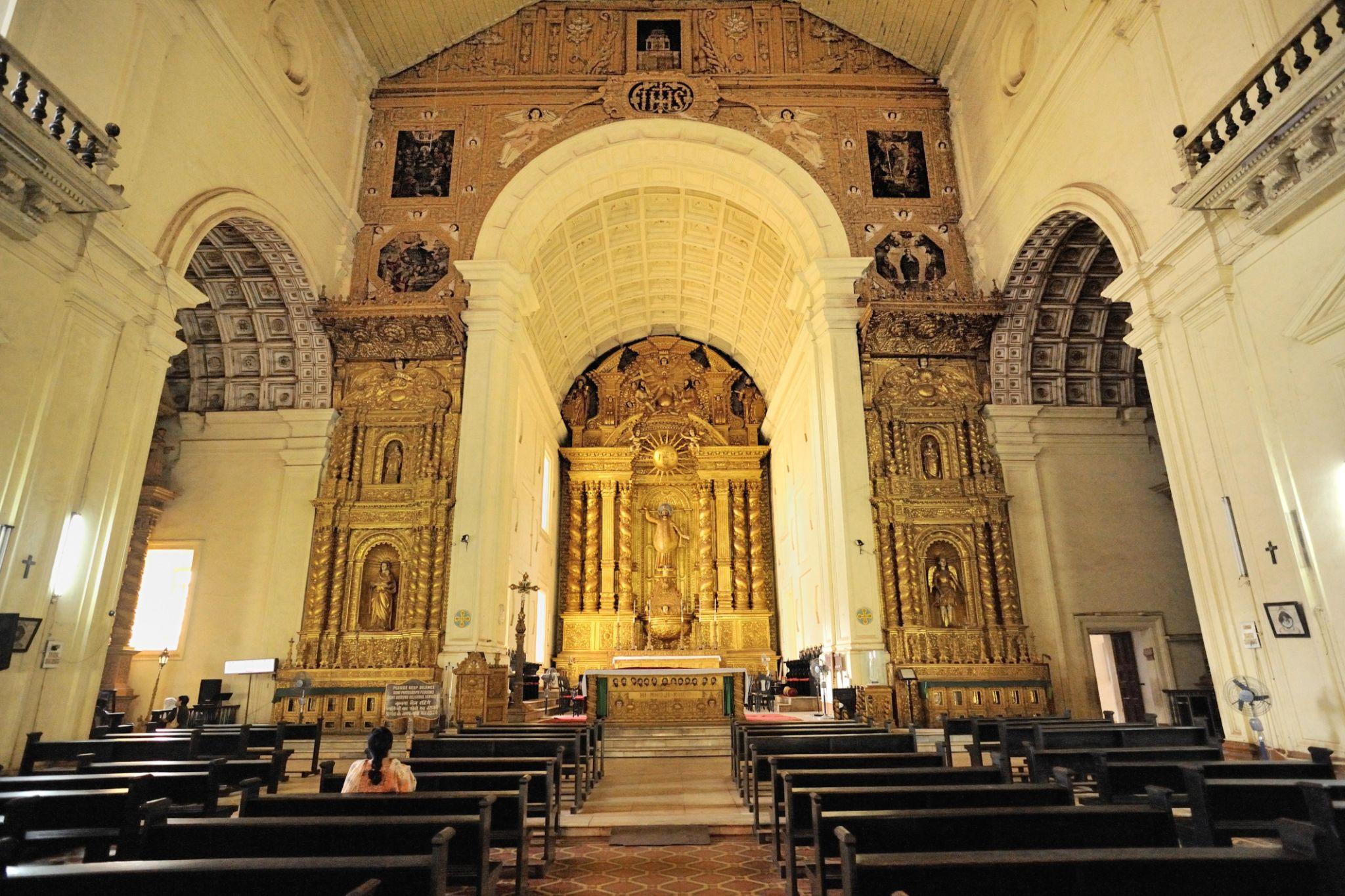
The exterior is finished in a brilliant white lime wash, which is traditionally used in Goa to protect the laterite stone structure from the heavy monsoon rains. As you enter through the main portal, you are greeted by a spacious nave that exudes an aura of solemnity. The ceiling is vaulted, and the interior walls are adorned with intricate plasterwork. One of the most striking features of the interior is the High Altar. It is a stunning example of wood carving, gilded in gold leaf, featuring the statue of St. Anthony at the center. The altar is flanked by smaller niches housing statues of various saints, all carved with meticulous detail.

The windows are another architectural highlight. They are designed as pointed arches, some featuring stained glass that filters the sunlight into a kaleidoscope of colors, illuminating the nave during the morning mass. The choir loft, located above the main entrance, is a sturdy wooden structure that continues to host the local parish choir, whose hymns resonate beautifully due to the church's excellent acoustics. The flooring consists of traditional patterned tiles, common in Goan heritage buildings, which add a touch of warmth to the grand space. Every element, from the heavy wooden doors to the delicate ironwork on the balconies, speaks of a time when art and faith were inextricably linked.

Main Deity / Spiritual Importance

The main deity of the church is St. Anthony of Padua, one of the most beloved saints in the Catholic world, known as the "Saint of Miracles" and the "Patron of Lost Things." In Goa, St. Anthony holds a special place in the hearts of the people, and the Siolim church is the epicenter of his devotion in North Goa. Devotees believe that St. Anthony never fails to answer a sincere prayer, whether it is for the recovery of a lost item, the healing of an illness, or the resolution of family disputes.

The spiritual importance of the church is magnified by the presence of the unique statue of the saint holding a snake. This representation symbolizes the triumph of faith over evil and the protection of the community from physical and spiritual harm. For the locals, St. Anthony is not just a distant figure of the past; he is a living presence who guards the village. Many families in Siolim have "Anthony" as a common name among their members, signifying their deep-rooted devotion.

The church also serves as a center for the Sacraments, where generations of Siolcars have been baptized, married, and laid to rest. The spiritual life here is vibrant, with daily masses in Konkani and English. The Tuesday devotions to St. Anthony are particularly popular, drawing pilgrims from neighboring villages like Assagao, Anjuna, and Oxel. During these devotions, the "Trezenas" (thirteen days of prayer) leading up to the feast day are observed with great fervor, reflecting the deep theological and emotional connection the community shares with their patron saint.

Festivals & Celebrations

The most significant event in the church calendar is the Feast of St. Anthony, celebrated annually on June 13th. This feast coincides with the arrival of the monsoon in Goa, adding a unique atmospheric layer to the celebrations. The feast is preceded by a nine-day novena, during which the village comes alive with spiritual preparation. On the day of the feast, a grand High Mass is celebrated, often presided over by the Archbishop of Goa or high-ranking clergy. The church is decorated with fresh flowers, and the statue of St. Anthony is adorned with exquisite vestments.

Following the religious services, the celebration spills out into the streets. A traditional "Feria" or fair is set up around the church square. Here, you can find stalls selling everything from traditional Goan sweets like bebinaca, dodol, and doce to handmade copperware and clay pottery. The air is filled with the aroma of chorico (Goan sausages) and roasted gram. However, the most unique aspect of the Siolim feast is the Sangodd. Since Siolim is a riverside village, the local fishing community celebrates by tying two or more boats together to create a floating stage. These boats are decorated with coconut palms and flowers, and performers stage plays, sing traditional mandos, and dance on the river as the procession moves along the water.

Another important celebration is the Feast of Our Lady of Hope, though St. Anthony remains the primary focus. During the Christmas season, the church is beautifully illuminated, and a large "Crib" (Nativity scene) is constructed by the youth of the parish, often incorporating themes of social relevance or local village life. The participation of the local brass bands during these festivals is a quintessential Goan experience, with the trumpets and drums echoing through the salt-marshes and coconut groves of Siolim.

Best Time to Visit

The best time to visit St. Anthony Church depends on the type of experience you are seeking:

  • For the Feast Experience (June): If you want to witness the peak of religious fervor and the unique riverside celebrations, June 13th is the time to be there. Be prepared for the rain, as the Goan monsoon is in full swing, which adds a lush, romantic green backdrop to the village.
  • For Pleasant Weather (November to February): This is the peak tourist season in Goa. The weather is cool and dry, making it ideal for exploring the architectural details of the church and walking around the village of Siolim without the humidity.
  • For Spiritual Solitude (Weekdays): If you prefer quiet contemplation, visit on a weekday morning. The church is peaceful, and you can observe the local devotees in their daily prayer rituals.
  • Lent and Holy Week: Visiting during the period leading up to Easter allows you to witness the solemn traditional processions and the "Motetos" (sacred songs) that are unique to Goan Catholic tradition.

Timings, Entry Fee & Dress Code

To ensure a respectful and smooth visit to St. Anthony Church, please keep the following details in mind:

  • Timings: The church is generally open from 6:00 AM to 12:30 PM and again from 3:30 PM to 7:00 PM. Mass timings usually occur at 6:30 AM and 7:30 AM on weekdays, with multiple services on Sunday mornings starting from 6:00 AM.
  • Entry Fee: There is no entry fee to visit the church. It is a place of worship, and everyone is welcome. However, donations for the upkeep of the church are appreciated and can be placed in the designated offering boxes.
  • Dress Code: As this is a sacred religious site, visitors are expected to dress modestly. Both men and women should ensure their shoulders and knees are covered. Avoid wearing swimwear, sleeveless tops, or short skirts. It is customary to remove hats and sunglasses before entering the nave.
  • Silence: Maintaining silence inside the church is mandatory, especially if a mass or prayer service is in progress.

How to Reach St. Anthony Church

St. Anthony Church is located in the heart of Siolim, North Goa, and is well-connected by various modes of transport:

  • By Air: The nearest airport is the Manohar International Airport (MOPA) in Pernem, which is approximately 25-30 minutes away by road. The Dabolim Airport is further away, about 1.5 to 2 hours depending on traffic.
  • By Rail: The closest railway station is Thivim, located about 12 kilometers away. From Thivim, you can easily hire a taxi or take a local bus to Siolim.
  • By Road: Siolim is centrally located in North Goa. If you are staying in Mapusa, it is a short 15-minute drive. From the beach areas of Calangute or Baga, it takes about 30-40 minutes.
  • Local Transport: Renting a scooter or a car is the most popular way to reach the church. The ride to Siolim is scenic, passing through the lush fields of Parra and the hills of Assagao. Local buses also ply frequently from the Mapusa Bus Stand to Siolim.

Things to Do

A visit to St. Anthony Church can be more than just a quick stop. Here are some things you can do to enrich your visit:

  • Attend a Konkani Mass: Even if you don't understand the language, the melodic cadence of a Konkani mass and the communal singing offer a deep cultural insight into the Goan way of life.
  • Admire the Woodwork: Spend time looking at the intricate carvings on the pulpits and the altars. The craftsmanship is a testament to the skill of Goan artisans who blended European designs with local motifs.
  • Light a Candle: Follow the local tradition of lighting a candle at the side altar of St. Anthony. It is a moment of personal reflection and prayer.
  • Explore the Church Cemetery: Located nearby, the cemetery features beautiful old graves with ornate crosses and epitaphs that tell the stories of the families of Siolim.
  • Walk to the Siolim Bridge: After your visit, take a short walk to the iconic Siolim-Chopdem bridge. The view of the Chapora River at sunset, with the church towers visible in the distance, is breathtaking.
  • Visit the Local Bakery: Just outside the church, you will find small local bakeries selling fresh pao and poie. Trying these traditional breads is a must-do "Siolim" experience.

Nearby Attractions

Siolim is strategically located, making it a great base for exploring other nearby attractions:

  • Chapora River & Backwaters: You can book a sunset cruise or a houseboat stay to explore the tranquil waters that flow right past the village.
  • Vagator & Anjuna Beaches: These famous beaches are just a 15-20 minute drive away, offering a mix of rocky cliffs, sandy shores, and a vibrant nightlife.
  • Chapora Fort: The "Dil Chahta Hai" fort is close by, offering panoramic views of the Vagator coastline and the Arabian Sea.
  • Assagao Village: Known as the "Village of Flowers," Assagao is home to beautiful heritage villas, upscale boutiques, and some of Goa's best restaurants.
  • Morjim Beach: Cross the Siolim bridge to reach Morjim, a quiet beach known for its nesting Olive Ridley turtles and "Little Russia" vibe.
  • St. Cajetan Church: While in the area, you can visit other smaller chapels and shrines that dot the landscape of Bardez.

Photography & Visitor Guidelines

Capturing the beauty of St. Anthony Church is a desire for many, but it must be done respectfully:

  • Interior Photography: Photography inside the church is often restricted, especially during mass. Always look for signage or ask the parish priest for permission before clicking photos of the altars.
  • Flash Photography: The use of flash is strictly discouraged as it can damage ancient paintings and disturb worshippers.
  • Drone Usage: Flying drones over the church property requires prior permission from the church authorities and potentially the local police, given the religious sensitivity.
  • Respect the Devotees: Do not stand in the way of people praying or interrupt their devotions for the sake of a photograph.
  • Exterior Shots: The best shots of the church facade are taken from the main gate or the courtyard during the "golden hour" (just before sunset) when the white walls glow with a warm hue.

Where to Eat Nearby

Siolim has evolved into a culinary hotspot, offering everything from traditional Goan fare to international cuisine:

  • Saffron Family Restaurant: Located very close to the church, it offers authentic Goan fish thalis and local seafood specialties.
  • Vinayak Family Restaurant: A short drive away in Assagao, this is a legendary spot for Goan food lovers, known for its fresh fish fry.
  • Thalassa: For a more upscale experience, this famous Greek tavern is located on the banks of the river in Siolim, offering stunning views and great food.
  • Local Tavernas: Scattered around the church are small tavernas where you can enjoy a cold beverage and snacks like rissois or croquettes.
  • Home-grown Cafes: Explore the small cafes in the lanes of Siolim that serve organic coffee and homemade cakes.

Accommodation Nearby

Whether you are looking for luxury or a budget stay, Siolim and its surrounding areas have plenty of options:

  • Heritage Villas: Siolim is famous for its restored Portuguese-era villas that offer a boutique stay experience. Places like Siolim House provide a glimpse into the aristocratic life of the past.
  • Boutique Hotels: There are several stylish boutique hotels in the Siolim-Assagao belt that offer modern amenities in a rustic setting.
  • Guesthouses: For budget travelers, many local families offer clean and comfortable rooms as guesthouses, providing a more personal look into Goan hospitality.
  • Eco-Resorts: Near the river, you can find eco-friendly resorts that focus on wellness and nature.

Travel Tips

To make the most of your visit to St. Anthony Church and Siolim, consider these tips:

  • Language: While Konkani is the local language, English and Hindi are widely understood. Learning a few Konkani words like "Dev borem korum" (May God do good to you/Thank you) will endear you to the locals.
  • Stay Hydrated: The Goan sun can be intense. Carry a water bottle, especially if you are walking around the village.
  • Respect Local Customs: Goans are very protective of their traditions. Always be polite and seek permission before entering private property to take photos.
  • Cash & Connectivity: While digital payments are growing, keep some cash handy for small purchases at the church fair or local bakeries. Mobile connectivity is generally good in Siolim.
  • Safety: Siolim is a very safe village, but always be cautious when driving on the narrow winding roads, especially during the monsoon.

Conclusion

The St. Anthony Church in Siolim is more than just a religious structure; it is a living testament to the enduring spirit of Goan culture and faith. Its unique Neo-Gothic architecture, the fascinating legend of the snake, and the vibrant celebrations of the Sangodd make it one of the most significant spiritual sites in North Goa. A visit here offers a rare opportunity to step back in time and experience the quiet, soulful side of the state that remains untouched by the frantic pace of modern tourism.

As you stand before the towering steeples or sit quietly in the hallowed pews, you can feel the layers of history and the collective prayers of generations. Whether you come for the architectural beauty, the historical intrigue, or a personal spiritual quest, St. Anthony Church leaves an indelible mark on your heart. It reminds us that in the heart of Goa's emerald landscapes, faith continues to flourish, anchored by tradition and celebrated with joy. Make sure to include this magnificent church in your Goan itinerary for an experience that is as enlightening as it is beautiful.

Photo Gallery

St. Anthony Church Gallery Image

User Reviews

4.9
1670 Reviews
5
85%
4
10%
3
3%
2
1%
1
1%

Login to post a review

Join the community to share your spiritual experiences.

Login / Sign Up

Location Details

Address
St Anthony Church, Siolim, Bardez, Goa 403517, India
Visiting Hours
All year round

Share Peace

Share this spiritual guide with your friends and family on WhatsApp!

Share Now

Nearest Beaches from St. Anthony Church

Nearest Forts from St. Anthony Church

Nearest Waterfalls from St. Anthony Church

Nearby Nightlife from St. Anthony Church