Overview of Our Lady of Hope Church Goa
Located in the heart of the serene village of Chinchinim in South Goa, the Our Lady of Hope Church (locally known as Nossa Senhora da Esperança) stands as a monumental testament to Goa’s rich colonial history, spiritual fervor, and architectural brilliance. This magnificent structure is not just a place of worship but a cultural anchor for the Salcete taluka, drawing pilgrims and history enthusiasts from across the globe. As one of the most significant religious landmarks in South Goa, the church embodies the "Hope" it is named after, offering a sanctuary of peace amidst the tropical lushness of the Goan countryside.
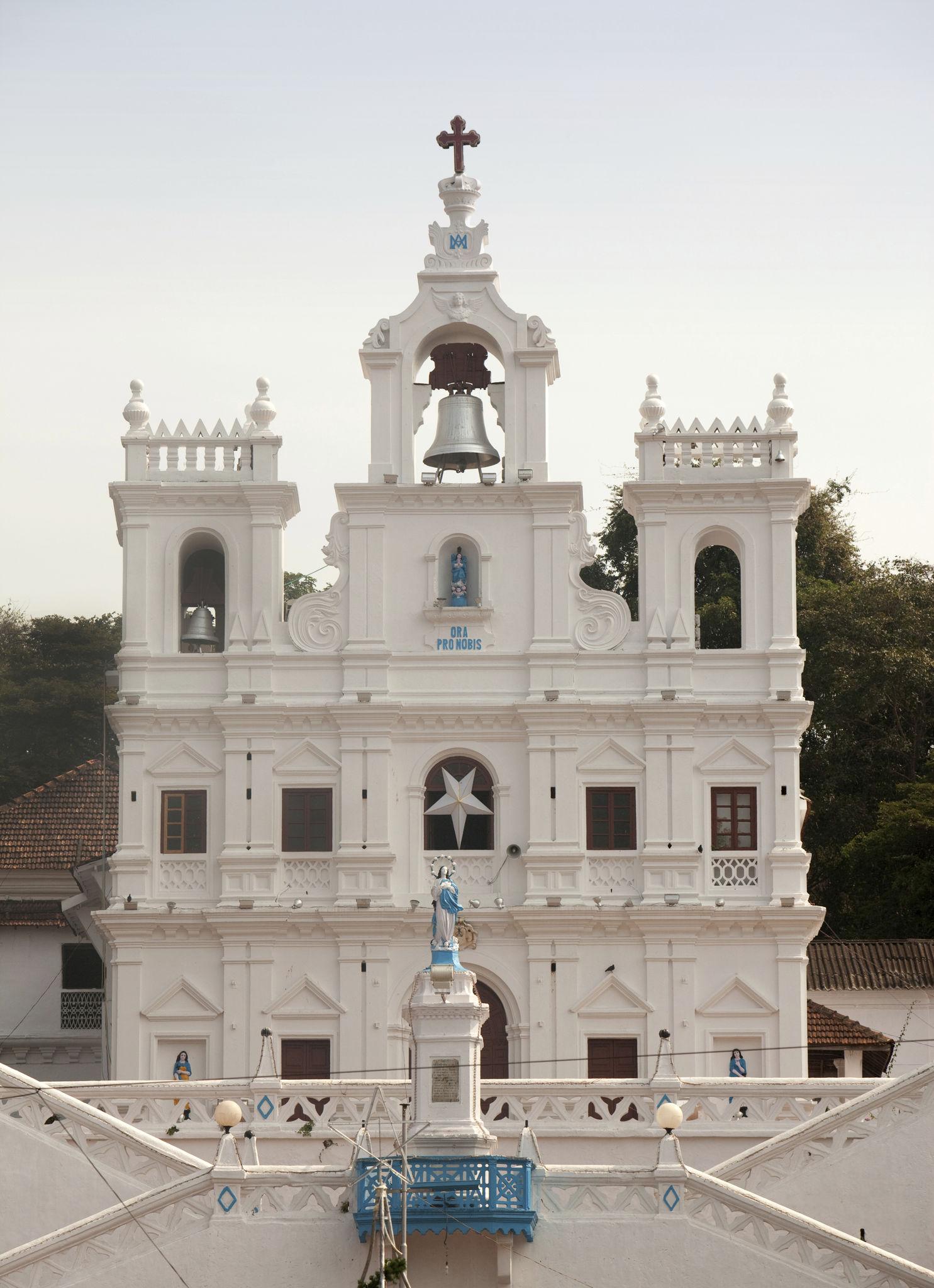
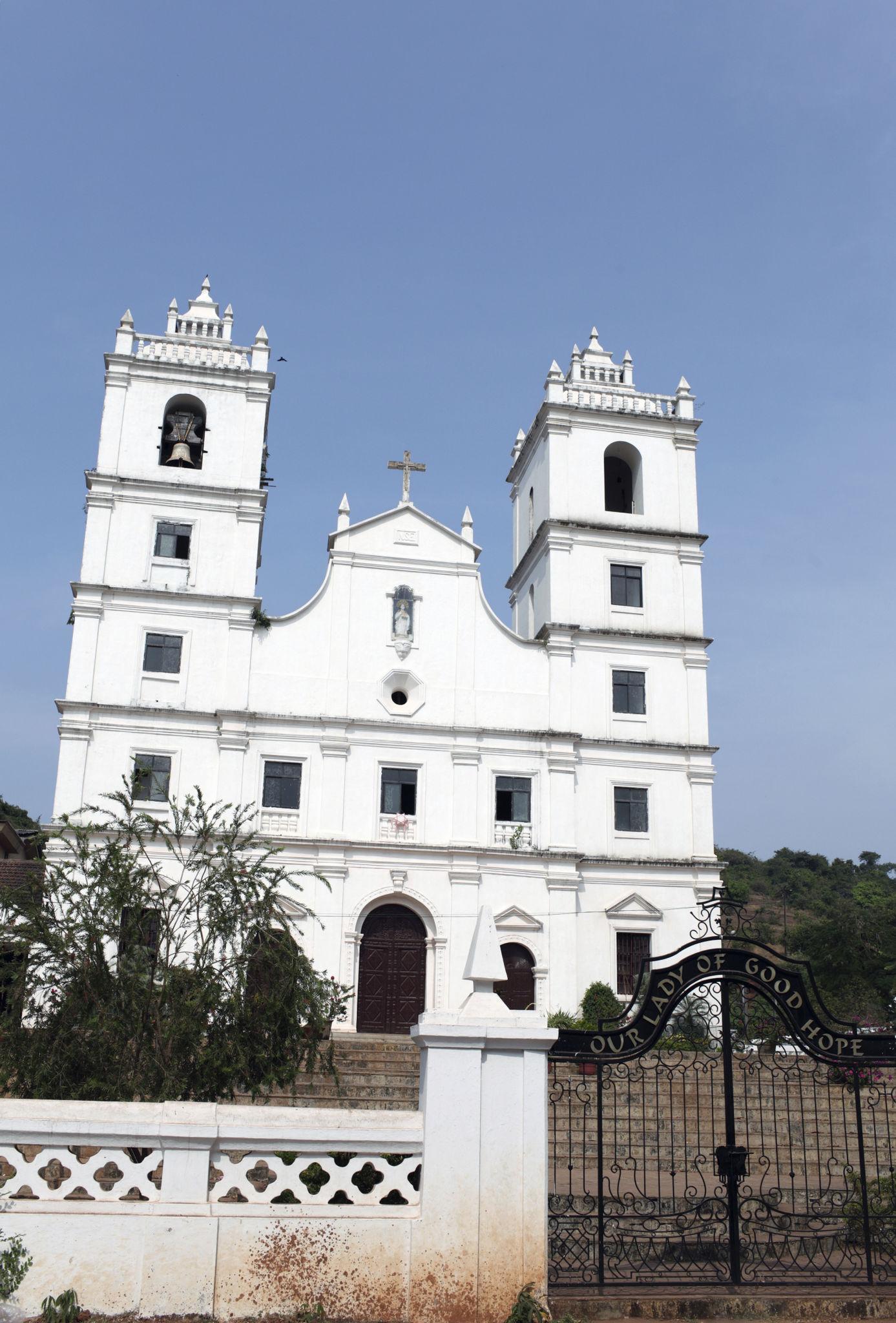
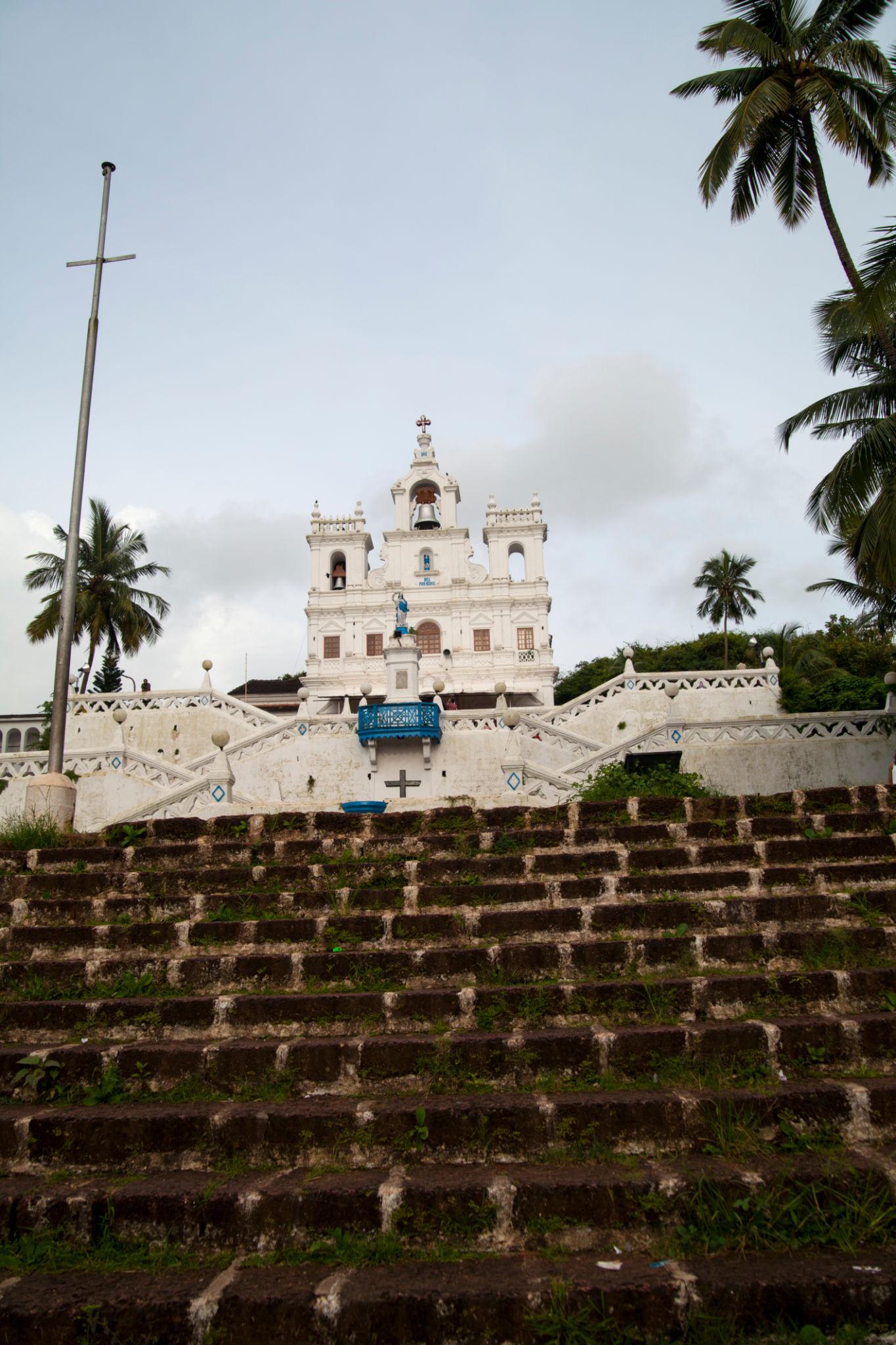
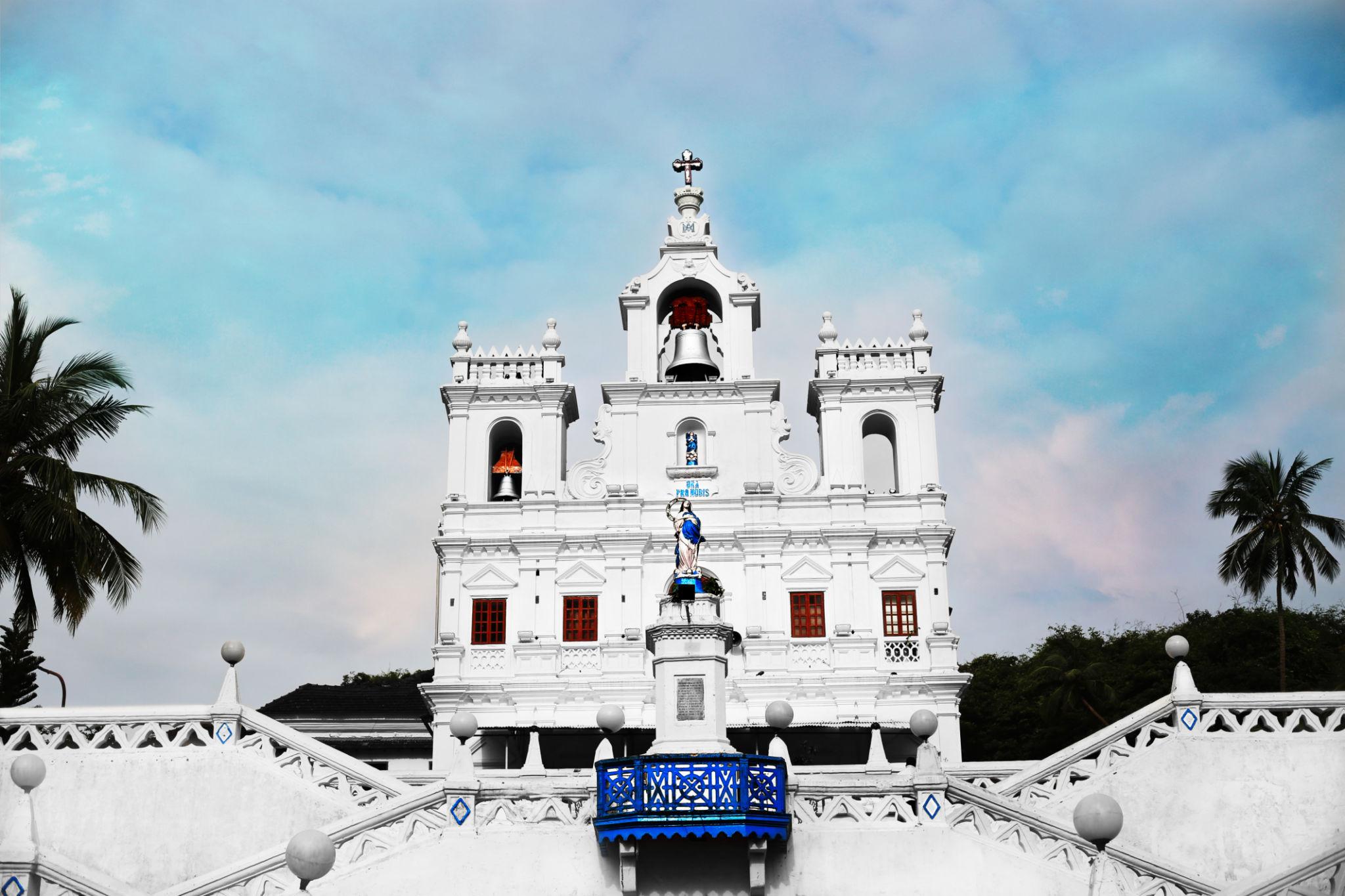
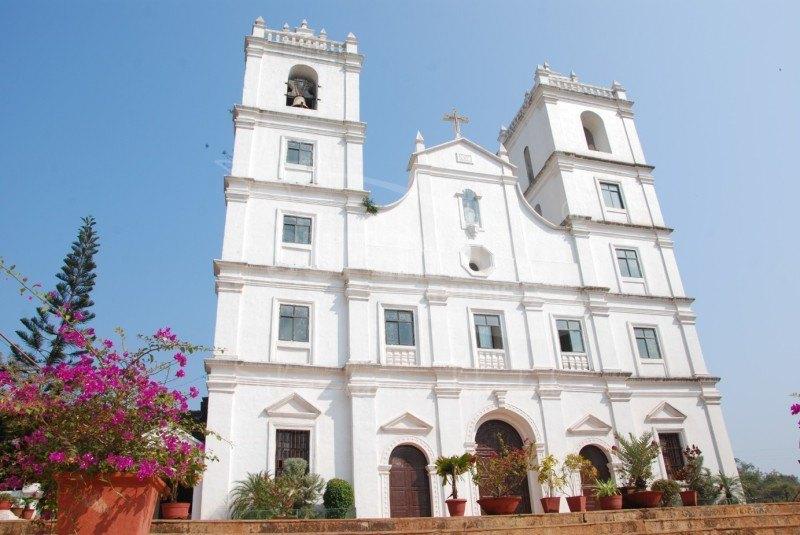
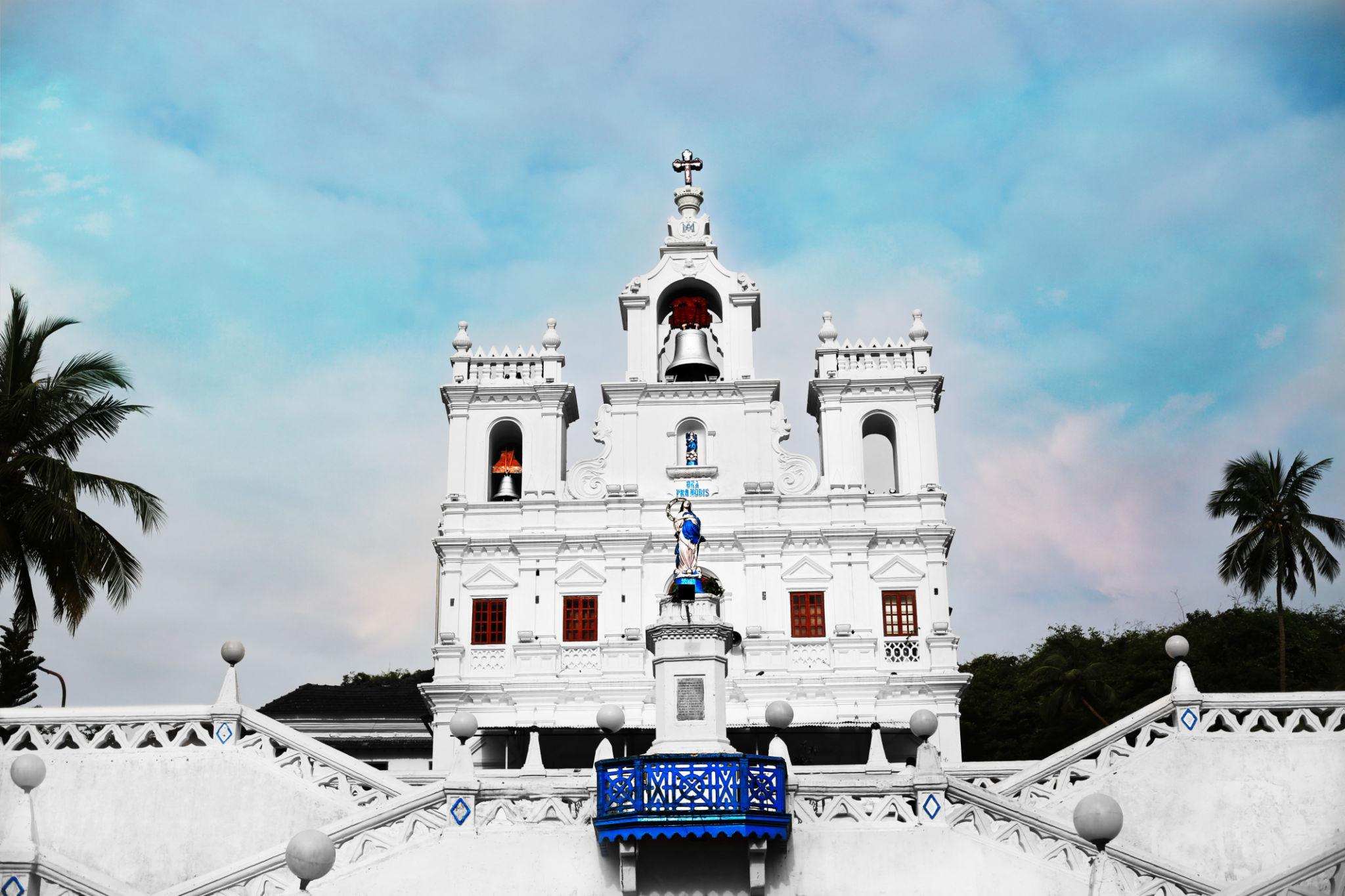
The Our Lady of Hope Church Goa is distinguished by its imposing white facade, a characteristic feature of Goan Catholic architecture, which glows brilliantly under the coastal sun. For the local community, the church is the center of social and spiritual life, having witnessed centuries of baptisms, weddings, and traditional feasts. Visitors to this site are often struck by the sheer scale of the building and the meticulous preservation of its historical elements. Whether you are a seeker of spiritual solace or a connoisseur of 16th-century ecclesiastical art, this church offers a profound experience that captures the essence of "Old Goa" charm in a contemporary setting.
The surrounding landscape of Chinchinim adds to the allure of the church. Nestled near the banks of the River Sal, the area is characterized by emerald green paddy fields, swaying coconut groves, and traditional Indo-Portuguese villas. This setting provides a picturesque backdrop for the church, making it a favorite spot for photographers and travelers looking to explore the "offbeat" side of Goa. In this guide, we will delve deep into the historical layers, architectural nuances, and the vibrant spiritual life that makes the Our Lady of Hope Church a must-visit destination in the sunshine state.
History & Religious Significance
The history of the Our Lady of Hope Church Goa is intrinsically linked to the arrival of the Jesuit missionaries in the Salcete region during the late 16th century. The original structure was established around 1590, making it one of the older parishes in South Goa. However, the history of religious sites in Goa often involves layers of transformation. Like many other churches in the region, the site where the church stands today is believed to have been the location of an ancient local temple, which was replaced during the Christianization period led by the Portuguese crown and the Jesuit Order.
The first church was a modest structure, but as the Catholic population in Chinchinim grew, the need for a more grand and permanent edifice became apparent. The current structure largely dates back to a major reconstruction completed in 1627. Over the centuries, the church has undergone several renovations, each adding a layer of stylistic evolution while maintaining its core Baroque and Mannerist identity. The Jesuits, known for their architectural prowess, designed the church to be a fortress of faith, intended to inspire awe and devotion among the local converts.
Religiously, the church is dedicated to Our Lady of Hope, a title of the Virgin Mary that resonates deeply with the local seafaring and agricultural community. In the 17th and 18th centuries, when life was fraught with the uncertainties of monsoons and maritime trade, the "Lady of Hope" became a beacon of divine protection. The church served as a "Mother Church" for several surrounding villages, playing a pivotal role in the administration of the Catholic faith in South Goa. The historical significance is also marked by the presence of the Parochial House, which served as a residence for priests and a center for community governance during the Portuguese era.
Architecture of Our Lady of Hope Church Goa
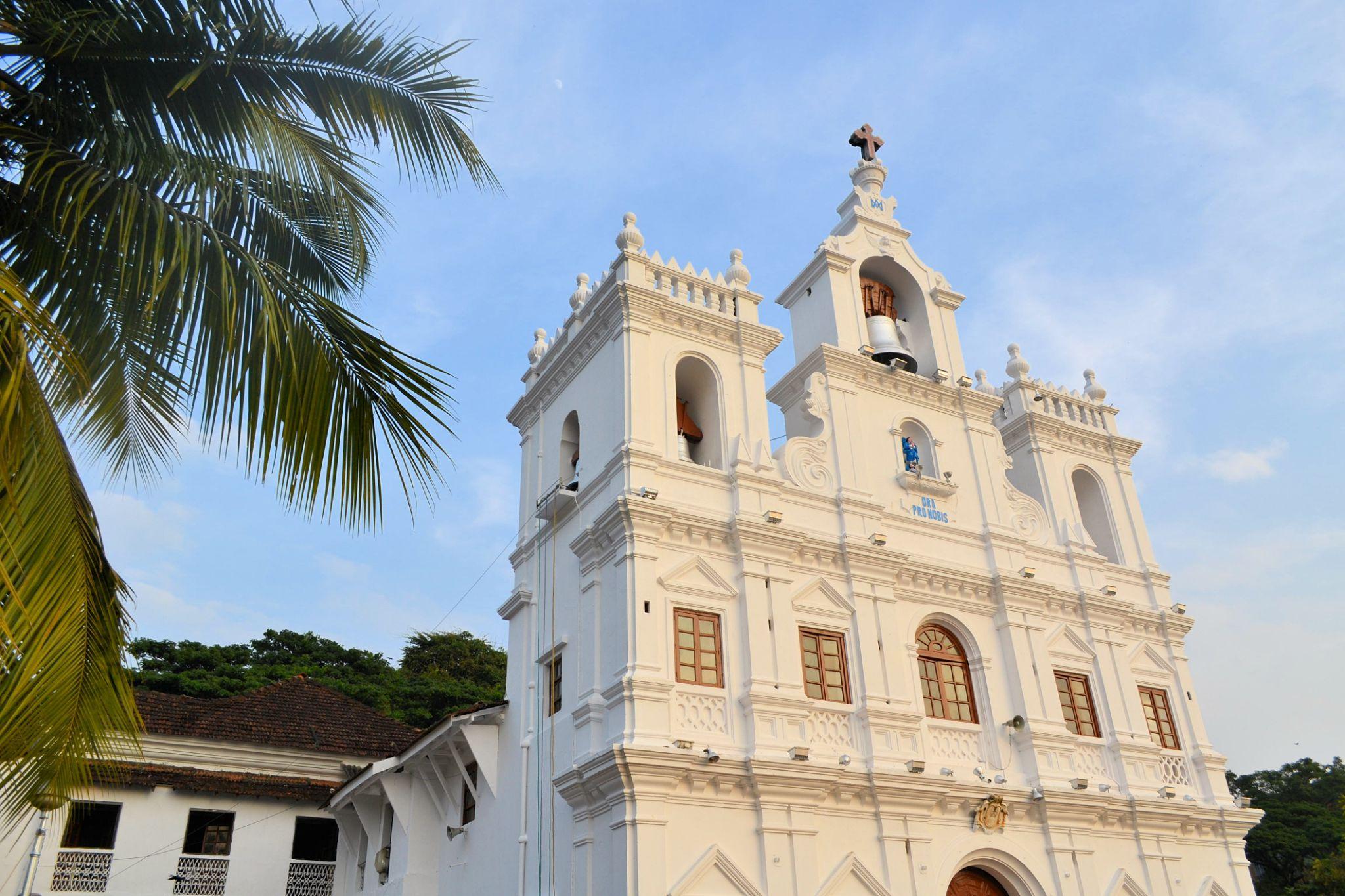
The architecture of the Our Lady of Hope Church Goa is a stunning example of the Mannerist-Baroque style that dominated Goan church construction during the 17th century. The facade is divided into three vertical sections and four horizontal tiers, creating a sense of balanced proportion and grandeur. The use of local laterite stone, plastered with thick layers of white lime, ensures the building remains cool while standing out against the blue Goan sky.
The following architectural features are particularly noteworthy:
- The Facade: The front of the church features twin bell towers that flank a central pediment. The pediment is adorned with intricate scrolls and a niche housing a statue of the Virgin Mary. The towers are topped with small domes, a common feature in Goan ecclesiastical design.
- The Interior: Upon entering, visitors are greeted by a vast, high-ceilinged nave. The church follows a single-nave layout, which was typical of Jesuit churches to ensure that the congregation’s focus remained entirely on the main altar. The vaulted ceilings are a marvel of colonial engineering, designed to amplify the acoustics for liturgical chants.
- The Altars: The church houses several altars, but the High Altar is the piece de resistance. It is a magnificent example of gilded woodcarving (talha dourada). The retable is intricately carved with floral motifs, cherubs, and vine leaves, surrounding the central statue of Our Lady of Hope. There are also side altars dedicated to various saints, each showcasing the transition from Baroque to Rococo styles.
- The Pulpit: One of the most artistic elements inside is the wooden pulpit, located on the left side of the nave. It features detailed carvings of the Evangelists and is supported by a bracket shaped like a mythical creature, showcasing the blend of European techniques and local Goan craftsmanship.
- The Choir Loft: Located above the main entrance, the choir loft provides a panoramic view of the interior. The old wooden organ, though aged, still adds a sense of historical gravity to the space.
The exterior courtyard of the church is equally impressive. It is paved with stones and features a traditional Votive Cross (Cruzeiro) in the center. These crosses were often the focal point for outdoor processions and community gatherings. The overall architectural language of the Our Lady of Hope Church is one of "sober grandeur," avoiding the excessive ornamentation of the Late Baroque while maintaining a powerful presence.
Main Deity / Spiritual Importance
The primary deity of the church is Our Lady of Hope. In Catholic theology, this title refers to the expectation and hope associated with the Virgin Mary during her pregnancy with Jesus. However, in the Goan context, the devotion to Our Lady of Hope takes on a more localized spiritual flavor. For the people of Chinchinim, she is the "Amchem Maie" (Our Mother), a protector who provides hope during times of personal and communal crisis.
The spiritual importance of the church extends beyond its walls. It is considered a place of "miraculous intervention." Local legends tell of sailors who, caught in storms off the coast of South Goa, prayed to Our Lady of Hope and were safely guided back to the shores of the Sal River. This connection to the sea is a recurring theme in the spiritual life of the parish. The statue of the Virgin Mary, placed high on the main altar, is depicted with a serene expression, often holding the infant Jesus, symbolizing the fulfillment of hope for the world.
For the residents, the church is a "Living Heritage." It is not just a monument to be admired but a spiritual home where every major milestone of life is celebrated. The presence of the Blessed Sacrament in the side chapel offers a space for silent meditation and perpetual adoration, attracting those seeking a deeper connection with the divine. The spiritual atmosphere is further enhanced by the daily ringing of the church bells, which signal the Angelus and call the faithful to prayer, maintaining a rhythm of life that has remained unchanged for centuries.
Festivals & Celebrations
The Our Lady of Hope Church Goa comes alive during its various feasts and festivals, which are celebrated with a unique blend of religious solemnity and Goan "Joie de vivre." The most important celebration is the Feast of Our Lady of Hope, traditionally held on the 8th of September (the Nativity of Mary) or on a Sunday following the date.
The festivities are characterized by several traditional elements:
- The Novenas: For nine days leading up to the feast, the village engages in "Novenas." Each day, different wards of the village take responsibility for the liturgy. The mornings start with the firing of traditional crackers (fovos) and the playing of the village brass band.
- The Feast Day Mass: On the final day, a grand Solemn High Mass is held, often presided over by high-ranking clergy. The church is decorated with fresh flowers, and the statue of Our Lady is draped in fine silk and gold ornaments.
- The Procession: Following the Mass, a grand procession carries the statue of the patroness around the church square. Devotees walk behind the palanquin, singing hymns in Konkani and Latin, accompanied by the soulful music of the brass band.
- The Traditional Fair (Feria): No Goan feast is complete without a fair. The church grounds are filled with stalls selling traditional sweets like khaje, laddoos, and revdie. You will also find stalls selling household items, copperware, and toys, making it a major social event for the entire district.
- Cultural Programs: In the evenings, the church square often hosts "Tiatrs" (traditional Goan musical theater) or Konkani music concerts, bringing the community together in celebration.
Another significant celebration is Lent and Holy Week. The church follows ancient rituals, including the "Passos" (processions of the Passion of Christ), which are deeply moving and attract thousands of devotees who come to witness the dramatic reenactments of the Way of the Cross.
Best Time to Visit
The best time to visit the Our Lady of Hope Church Goa depends on what you wish to experience. For those looking for spiritual vibrancy and cultural immersion, the month of September is ideal, as it coincides with the main feast. The weather is also pleasant during this time, as the monsoon begins to recede, leaving the landscape lush and green.
For a more quiet and contemplative visit, the Winter Months (November to February) are the most comfortable. The Goan sun is less harsh, and the cool breeze from the Sal River makes exploring the church grounds a delight. Early mornings are particularly magical, as the church is often shrouded in a light mist, and the sound of morning hymns creates a heavenly atmosphere.
If you are interested in the architectural details and photography, visit during the Golden Hour (late afternoon). The setting sun hits the white facade of the church, turning it into a brilliant shade of gold, providing perfect lighting for photography. Avoid visiting during the peak of the monsoon (June to August) if you plan to explore the nearby outdoor attractions, although the church itself remains open and offers a cozy refuge from the heavy rains.
Timings, Entry Fee & Dress Code
As a functioning place of worship, the Our Lady of Hope Church Goa maintains specific timings to accommodate both parishioners and tourists. It is essential to respect these timings to avoid disturbing religious services.
- General Timings: The church is usually open from 6:30 AM to 12:30 PM and again from 3:30 PM to 7:00 PM.
- Mass Timings:
- Weekdays: 6:30 AM and 7:15 AM (Konkani).
- Sundays: 6:00 AM, 7:15 AM, 8:30 AM, and sometimes an evening Mass at 5:00 PM. (Timings may vary, so it is best to check locally).
- Entry Fee: There is no entry fee to visit the church. It is open to people of all faiths and backgrounds. Donations for the maintenance of the church are welcomed but not mandatory.
- Dress Code: As this is a sacred site, a modest dress code is strictly enforced. Visitors should ensure their shoulders and knees are covered. Sleeveless tops, short skirts, and beachwear are not permitted inside the sanctuary. It is also customary to remove hats and sunglasses before entering.
How to Reach Our Lady of Hope Church Goa
The Our Lady of Hope Church is located in Chinchinim, South Goa, and is well-connected by various modes of transport. Chinchinim is situated along the main highway (NH66) that connects Margao to Canacona.
- By Air: The nearest airport is Dabolim Airport (approx. 35 km away). From the airport, you can hire a pre-paid taxi or take a bus to Margao and then a local bus to Chinchinim. The new Mopa Airport is much further away (approx. 85 km), so Dabolim is the preferred choice.
- By Rail: The closest major railway station is Madgaon Junction (Margao), which is about 10 km from the church. From the station, you can take an auto-rickshaw, a taxi, or a local bus heading towards Cuncolim or Canacona.
- By Bus: Chinchinim is a major stop for local buses plying the Margao-Canacona route. Buses are frequent and very affordable. Simply ask the conductor for the "Chinchinim Church" stop.
- By Private Vehicle/Rental: If you are staying in North Goa or the coastal belt of South Goa (like Colva or Benaulim), renting a scooter or a car is the most convenient option. The drive to Chinchinim is scenic, passing through traditional Goan villages and paddy fields.
Things to Do
While the primary activity is visiting the church itself, the Our Lady of Hope Church Goa and its surroundings offer several engaging experiences:
- Architectural Photography: Capture the intricate details of the Baroque facade and the gilded altars. The play of light inside the church during the morning hours is particularly stunning for interior shots.
- Attend a Konkani Mass: Even if you do not understand the language, attending a local Mass is a powerful way to experience the local culture and the rhythmic beauty of Konkani hymns.
- Explore the Village of Chinchinim: Take a walk through the lanes of Chinchinim. You will see beautiful Indo-Portuguese houses, many of which are centuries old and feature traditional red-tiled roofs and "balcaos" (porches).
- Visit the Parochial House: If permitted, take a look at the attached parochial house, which often contains old records and historical artifacts related to the parish.
- River Sal Walk: The River Sal flows close to the village. A short walk to the riverbanks offers a peaceful environment for nature lovers and birdwatchers.
- Engage with Locals: The people of Chinchinim are known for their hospitality. Striking up a conversation with the elders near the church square can yield fascinating stories about the village's history and folklore.
Nearby Attractions
A visit to the Our Lady of Hope Church Goa can be easily combined with other popular tourist spots in South Goa. Its central location in Salcete makes it a great base for exploration.
- Mobor and Cavelossim Beach (8-10 km): These are some of the most pristine and upscale beaches in Goa. Known for their white sands and luxury resorts, they are perfect for a relaxing afternoon after your church visit.
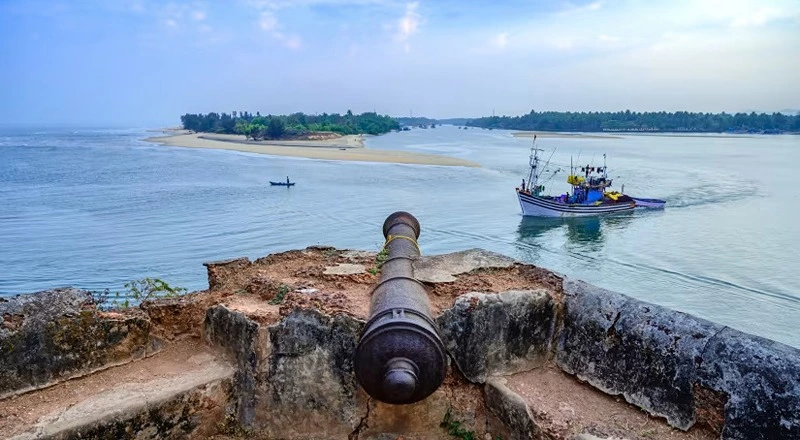
- Betul Fort and Lighthouse (12 km): Located at the mouth of the Sal River, the ruins of Betul Fort offer panoramic views of the Arabian Sea. The nearby lighthouse is a great spot for sunset views.
- Margao City (10 km): Explore the cultural capital of Goa. Visit the Holy Spirit Church, the bustling Margao Market, and the historic houses in the Abade Faria district.
- Cuncolim Revolt Memorial (5 km): Visit the nearby village of Cuncolim to see the memorial dedicated to the first uprising against colonial rule in Goa, a significant site for history buffs.
- Sal River Cruise: Many operators near Cavelossim offer boat cruises along the Sal River, where you can spot crocodiles, fruit bats, and various migratory birds.
Photography & Visitor Guidelines
To ensure a respectful and pleasant visit to the Our Lady of Hope Church Goa, please adhere to the following guidelines:
- Photography: Photography is generally allowed outside the church. Inside the church, photography is often restricted, especially during Mass. Always look for signage or ask the sacristan for permission before taking photos of the altars. Never use flash, as it can damage the ancient gold leaf on the retables.
- Silence: Maintain strict silence inside the church. It is a place of prayer, and loud conversations are considered disrespectful.
- Mobile Phones: Switch off your mobile phone or put it on silent mode before entering the sanctuary. Avoid taking calls inside the church.
- Touching Artifacts: Do not touch the statues, paintings, or the gilded altars. The oils from human skin can cause long-term damage to these delicate historical artifacts.
- Donations: If you wish to light a candle or make a donation, use the designated boxes. Avoid giving money to unauthorized persons around the church premises.
Where to Eat Nearby
South Goa is famous for its culinary heritage, and the area around Chinchinim offers some excellent dining options ranging from local eateries to fine-dining restaurants.
- Local Eateries: Around the Chinchinim market, you will find small "cafes" serving traditional Goan snacks like Pao com Chourico (chorizo bread), Samosas, and Batata Vada. These are perfect for a quick, authentic bite.
- Fisherman’s Wharf (Cavelossim): A short drive away, this iconic restaurant offers a fantastic range of Goan seafood, including Fish Recheado and Prawn Curry, in a beautiful riverside setting.
- Martin’s Corner (Betalbatim): Though about 15 km away, this is a legendary spot for Goan food lovers. It’s famous for its pork sorpotel and seafood platters.
- The Riverside (Mobor): For a more romantic or upscale experience, the restaurants along the Sal River in Mobor offer international cuisines and fresh catch-of-the-day options.
- Home-style Goan Thalis: Look for small, family-run restaurants in the Chinchinim-Assolna belt that serve "Fish Thalis." These are affordable, filling, and give you a true taste of local Goan flavors.
Accommodation Nearby
Whether you are looking for luxury or budget-friendly options, there are several places to stay near the Our Lady of Hope Church Goa.
- Luxury Resorts: The nearby Cavelossim and Mobor belt is home to some of Goa's finest resorts, such as The Leela Goa, St. Regis Goa Resort, and Radisson Blu. These offer world-class amenities and private beach access.
- Boutique Guest Houses: Chinchinim and the neighboring village of Assolna have several restored heritage homes that function as boutique guest houses. Staying here provides a more intimate and authentic Goan experience.
- Budget Hotels: Margao city has numerous budget hotels and lodges that are convenient for travelers who want to be close to the railway station and bus stand.
- Homestays: Many local families in Chinchinim offer homestay facilities, which are excellent for long-term travelers or those interested in learning about the local Goan lifestyle.
Travel Tips
To make the most of your visit to the Our Lady of Hope Church Goa, keep these tips in mind:
- Hire a Local Guide: If you are interested in the deep history and architectural nuances, hiring a local guide who specializes in Goan heritage can be very rewarding.
- Stay Hydrated: The Goan humidity can be taxing. Always carry a bottle of water, especially if you plan to walk around the village.
- Combine with Assolna: The neighboring village of Assolna is just across the bridge and is famous for its history and ferry rides. It’s worth a quick detour.
- Respect Local Customs: Goans are very protective of their religious traditions. Be respectful during processions and avoid interfering with any ongoing rituals.
- Check the Calendar: Before visiting, check if there are any local feast days or public holidays, as this might affect transport and the accessibility of the church.
Conclusion
The Our Lady of Hope Church Goa is more than just a historical monument; it is a vibrant, breathing symbol of Goa’s enduring faith and artistic legacy. Its towering facade and golden interiors tell a story of a time when East met West, creating a unique cultural synthesis that defines the Goan identity today. For the traveler, it offers a moment of profound stillness and a chance to step back in time, away from the crowded beaches and neon lights of the north.
Whether you come to admire the 17th-century woodcarvings, to seek blessings from Our Lady of Hope, or simply to soak in the peaceful atmosphere of a Goan village, this church leaves a lasting impression on every soul. It stands as a reminder that "Hope" is a universal language, and in the heart of Chinchinim, that hope is beautifully preserved in stone, wood, and spirit. As you leave the church and look back at its white towers against the green palms, you carry with you a piece of Goa’s "Susegad" (contented) lifestyle and a renewed sense of wonder for the spiritual heritage of this coastal paradise.