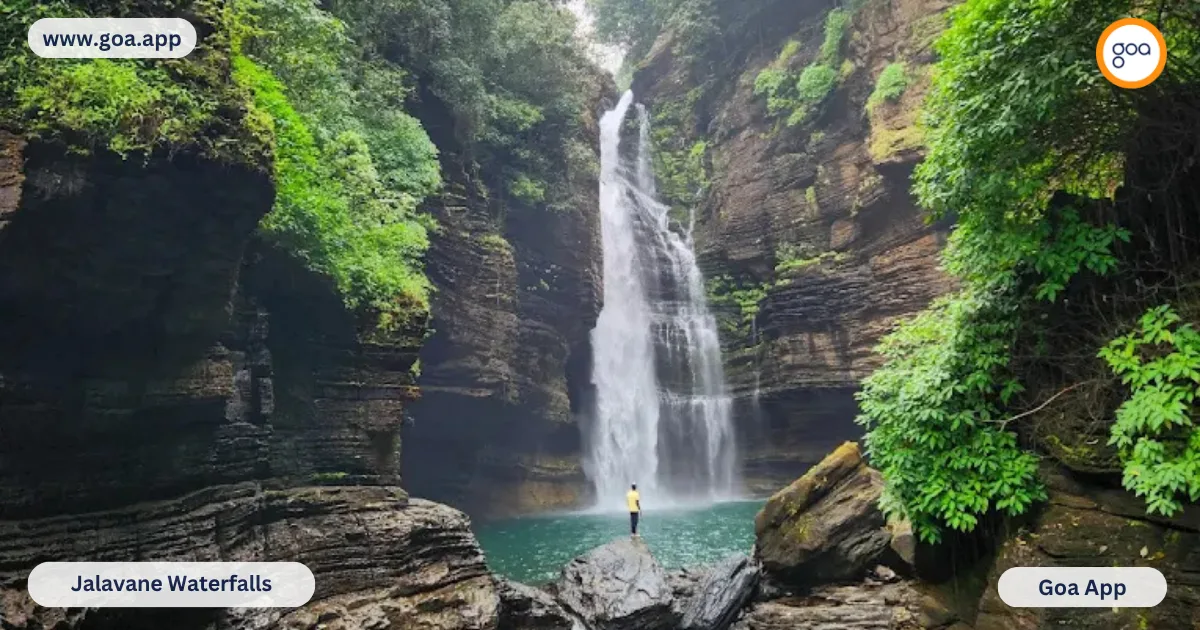
Jalavane Waterfalls

Jalavane Waterfalls

5 1,505 Verified
Nature Spot Trekking North Goa

Quick Navigation

Explore sections of this guide

Overview of Jalavane Waterfalls

Deep within the emerald embrace of the Sattari Taluka in North Goa lies a spectacle of nature that remains blissfully tucked away from the thumping bass of coastal parties and the crowded shores of Baga or Calangute. Jalavane Waterfalls, often referred to by locals as Jalvane or Zalavane, is a multi-tiered seasonal marvel that represents the raw, untamed beauty of the Western Ghats. This region, part of the Mhadei Wildlife Sanctuary, is a biodiversity hotspot where the air is thick with the scent of wild orchids and the rhythmic call of the Malabar Whistling Thrush.

Unlike the famous Dudhsagar Falls, which attracts thousands of tourists daily, Jalavane offers a more intimate and spiritual connection with nature. The waterfall is characterized by its white, frothy curtains of water that cascade over ancient basalt rock formations, creating a series of natural pools and smaller rivulets that meander through the dense canopy. To visit Jalavane is to step back in time to a Goa that existed long before the tourism boom—a land of sacred groves, mist-covered peaks, and hidden water sources that the locals have revered for generations.

The significance of Jalavane extends beyond its aesthetic appeal. It is a vital part of the local ecosystem, feeding the tributaries of the Mandovi River. For the adventure seeker, it represents one of the most rewarding treks in the hinterlands of Goa. The journey to the falls is as much about the destination as it is about the trek itself, involving river crossings, steep climbs through tropical forests, and the constant thrill of being in a habitat shared with leopards, sloth bears, and an array of endemic bird species. Whether you are a seasoned trekker, a landscape photographer, or someone looking to escape the digital noise of modern life, Jalavane Waterfalls serves as a sanctuary for the soul.

How to Reach Jalavane Waterfalls

Reaching Jalavane Waterfalls requires a bit of planning, as it is located in the remote interior of North Goa, specifically near the village of Ghoteli or Zalavane in the Sattari district. The journey is an experience in itself, taking you through winding roads flanked by cashew plantations and traditional Goan villages. Here is a detailed breakdown of how to reach this hidden gem:

  • By Road from Panjim: The capital city, Panjim, is approximately 55 to 60 kilometers away from the base village. The most efficient route is to head towards Old Goa, then proceed to Bicholim, and finally reach the town of Valpoi. Valpoi serves as the major landmark and the gateway to the Sattari hinterlands. From Valpoi, you will need to travel towards the Ghoteli village area. The drive takes about 1.5 to 2 hours depending on road conditions and traffic.
  • By Road from North Goa Beaches: If you are staying in the Calangute or Anjuna belt, the distance is roughly 65 to 70 kilometers. You should aim for the Mapusa-Bicholim road. Expect a travel time of at least 2.5 hours. It is highly recommended to start your journey as early as 6:00 AM to avoid the coastal traffic and to reach the forest before the midday heat.
  • By Public Transport: While there are state-run Kadamba buses and private buses operating from Panjim and Mapusa to Valpoi, the frequency to the actual base village of Ghoteli is very low. Once you reach Valpoi, you might need to hire a local pilot (motorcycle taxi) or a private rickshaw to take you to the starting point of the trek. However, having your own vehicle (car or a powerful scooter like an Activa or Himalayan) is the most practical option.
  • Navigational Landmarks: Use GPS to reach Valpoi first. Once in Valpoi, ask locals for directions to the Mhadei Wildlife Sanctuary entrance or the Ghoteli village route. Be aware that mobile network coverage can be patchy once you enter the deep forest zones, so downloading offline maps is a wise move.
  • Hiring a Local Guide: This is arguably the most important step. The trail to Jalavane is not clearly marked and can be confusing due to multiple animal tracks and thick undergrowth. It is best to hire a local guide from the village who can navigate the terrain safely and provide insights into the local flora and fauna.

Best Time to Visit

Timing your visit to Jalavane Waterfalls is crucial, as the experience varies dramatically with the seasons. Being a forest-fed waterfall, its volume and accessibility are dictated by the monsoon cycles of the Western Ghats.

  • Monsoon (June to September): This is the peak season for Jalavane. During these months, the waterfall is at its most majestic, with a thunderous roar and a heavy mist that blankets the entire canyon. The surrounding forest turns a vibrant, almost neon green. However, this is also the most challenging time to visit. The trails become muddy and extremely slippery, and the river crossings can be dangerous if the water level rises suddenly due to heavy rainfall in the upper reaches of the Sahyadris. Leeches are also highly active during this period.
  • Post-Monsoon (October to November): Many regular trekkers consider this the ideal time. The rains have subsided, making the trek safer and more manageable, yet the waterfall still retains a significant volume of water. The weather is pleasant, and the humidity is lower than in the peak monsoon. The clear skies also provide better lighting for photography.
  • Winter (December to February): During the winter months, the water flow begins to thin out. While the waterfall might not be as dramatic, the trek is very enjoyable due to the cool, crisp air. This is an excellent time for bird watching, as many migratory species visit the Mhadei sanctuary. The natural pools at the base of the falls are also calmer and clearer for a dip.
  • Summer (March to May): It is generally not recommended to visit Jalavane in the summer. The waterfall often dries up to a mere trickle or disappears entirely. The heat in the Goan hinterlands can be oppressive, and the forest loses its lushness, making the long trek quite taxing without the reward of a cascading fall at the end.

Trek Details for Jalavane Waterfalls

The trek to Jalavane Waterfalls is an exhilarating journey that tests your stamina and rewards your senses. It is classified as a moderate to difficult trek, primarily due to the terrain and the humidity of the tropical forest. Here is what you can expect during the hike:

Distance and Duration: The trek is approximately 3 to 4 kilometers one way, starting from the outskirts of the base village. Depending on your fitness level and the number of stops you make for photography, it takes about 1.5 to 2.5 hours to reach the main falls. A round trip, including time spent at the waterfall, typically takes 5 to 6 hours.

The Terrain: The trail begins on relatively flat ground through cashew groves and secondary forests. As you go deeper, the incline increases. You will encounter rocky patches, narrow forest paths, and sections where you have to navigate through dense ferns and bamboo thickets. During the monsoon, the red Goan soil becomes incredibly slick, requiring footwear with excellent grip.

River Crossings: One of the highlights (and challenges) of the Jalavane trek is the river crossing. You will need to wade through a stream that can be knee-deep or even waist-deep during heavy rains. The stones at the bottom are often covered in moss, making them very slippery. It is essential to use a walking stick for balance and to cross in a group.

Flora and Fauna: As you trek, keep an eye out for the incredible biodiversity. You might see giant wood spiders, vibrant butterflies like the Malabar Tree Nymph, and if you are lucky, the State Bird of Goa, the Flame-throated Bulbul. The canopy is dominated by tall Teak, Ain, and Bamboo trees. The soundscape is filled with the buzzing of cicadas and the occasional alarm call of a langur.

The Final Ascent: The last stretch involves a bit of a scramble over boulders as you approach the base of the waterfall. The sound of the falling water grows louder, acting as a guide. When the forest finally opens up to reveal the multi-tiered cascade of Jalavane, the sense of accomplishment is unparalleled.

Things to Do

While the primary attraction is the waterfall itself, the Jalavane region offers several activities for nature enthusiasts:

  • Wild Swimming: The natural pools formed at the various tiers of the waterfall are perfect for a refreshing dip. The water is cool, clear, and mineral-rich. However, always test the depth before jumping and stay away from the direct plunge pool during peak monsoon when the force of the water is too strong.
  • Nature Photography: Jalavane is a paradise for photographers. From wide-angle shots of the entire cascade to macro photography of rare forest fungi, mosses, and insects, there is no shortage of subjects. The play of light through the dense forest canopy creates a magical atmosphere.
  • Bird Watching: The Mhadei region is famous for its avian population. Carry a pair of binoculars to spot hornbills, kingfishers, and various species of raptors circling high above the Ghats. The early morning hours are the best for this activity.
  • Mindfulness and Meditation: Find a quiet rock away from the main splash zone, sit back, and practice some forest bathing (Shinrin-yoku). The negative ions produced by the falling water combined with the sounds of the forest provide a natural stress-relief therapy.
  • Botanical Exploration: With the help of a guide, learn about the medicinal plants used by the local Dhangar community. The forest is a living pharmacy, containing plants used for everything from treating wounds to curing fevers.

Safety Tips

Venturing into the hinterlands of Goa requires respect for nature and a focus on safety. Follow these guidelines to ensure a trouble-free trip to Jalavane:

  • Leech Protection: During the monsoon, leeches are omnipresent. Wear long socks, tuck your trousers into your socks, and apply "leech lime" (a mixture of tobacco, calcium hydroxide, and oil) or simply carry a bottle of salt or sanitizer to detach them.
  • Footwear: Do not attempt this trek in flip-flops or casual sneakers. Invest in a pair of high-quality trekking shoes with deep lugs and ankle support. The rocks are deceptively slippery.
  • Hydration and Nutrition: Carry at least 2 liters of water per person. There are no shops inside the forest. Pack high-energy snacks like granola bars, nuts, and fruits. Important: Do not leave any plastic or litter behind. Carry all your trash back to the city.
  • Weather Awareness: If it starts raining heavily while you are at the falls, start your return journey immediately. Flash floods can occur in the mountain streams, making river crossings impossible and dangerous.
  • Wildlife Respect: Remember that you are in a wildlife sanctuary. Avoid making loud noises, do not play music on portable speakers, and never attempt to feed or provoke any wild animals you might encounter.
  • First Aid: Carry a basic first aid kit containing antiseptic wipes, bandages, salt (for leeches), and any personal medications. It is also wise to carry a whistle and a small torch.

Nearby Attractions

The Sattari taluka is rich in natural and cultural heritage. If you have extra time, consider visiting these nearby spots:

  • Hivre Waterfalls: Another stunning waterfall located in the same taluka, Hivre is known for its relatively easier trek and beautiful agricultural surroundings.
  • Charavane Waterfalls: Located near the village of Charavane, this waterfall features a beautiful stepped drop and is a popular spot for local picnickers.
  • Tambdi Surla Temple: About an hour's drive from Valpoi, this 12th-century Shaivite temple is the oldest in Goa. Carved from black basalt, it is a masterpiece of Kadamba-Yadava architecture and is located deep within the forest.
  • Arvalem Caves and Waterfall: Located in Sanquelim, these ancient rock-cut caves date back to the 6th century. The nearby Arvalem waterfall, though smaller than Jalavane, is very scenic and easily accessible.
  • Chorla Ghat: If you continue driving uphill from Valpoi towards the Karnataka border, you will reach Chorla Ghat. It offers breathtaking viewpoints of the Anjunem Dam and the sprawling valleys of the Western Ghats.

Entry Fees & Timings

Since Jalavane Waterfalls is located within or on the fringes of the Mhadei Wildlife Sanctuary, certain regulations apply:

  • Timings: The forest department generally allows entry from 8:00 AM to 4:00 PM. It is mandatory to exit the forest before sunset for safety reasons, as visibility drops rapidly under the canopy and wildlife activity increases at dusk.
  • Entry Fees: There is a nominal entry fee collected by the Forest Department at certain checkpoints. This fee usually ranges from INR 50 to INR 100 per person. There might be additional charges for professional cameras.
  • Permissions: It is always advisable to check at the Forest Office in Valpoi if any special permissions are required, especially during the peak of the monsoon when some trails might be closed due to safety concerns.
  • Guide Fees: Hiring a local guide will cost you anywhere between INR 500 to INR 1000, depending on the group size and the duration of the trek. This is money well spent as it supports the local economy and ensures your safety.

Where to Eat Nearby

The culinary scene in Sattari is vastly different from the seafood shacks of the coast. Here, you will find authentic, spicy, and soul-satisfying Goan Hindu cuisine.

  • Valpoi Town: This is your best bet for a proper meal. Small local eateries (Khanavals) serve "Fish Thalis" and "Veg Thalis" featuring local delicacies like Kulith Saaru (horse gram curry), Khatkhate (a mixed vegetable stew), and various preparations of local forest produce like bamboo shoots (in season).
  • Local Delicacies: Look for shops selling Ros Omelette in the evenings or local snacks like Mirchi Vada and Samosas. Don't forget to try the local cashew juice (Niro) if you visit during the summer months.
  • Homestays: If you are staying at a local homestay, you will likely be served home-cooked meals. This is the best way to experience authentic Goan flavors, including Chicken Xacuti made with freshly ground coconut and spices.
  • Self-Catering: Since there are no eateries at the waterfall, most visitors carry a packed lunch. Traditional Goan "Poee" (local bread) with a dry bhaji or a simple pulao are excellent options for a forest picnic.

Accommodation Nearby

For those who want to spend more than a day exploring the hinterlands, there are several accommodation options ranging from rustic homestays to luxury eco-resorts:

  • Eco-Resorts: Wildernest Nature Resort and Swapnagandha Resort are located in the Chorla Ghat area, about 45 minutes to an hour from the base of Jalavane. These resorts offer stunning views of the Vazira Sakla falls and provide a high-end eco-tourism experience.
  • Homestays in Valpoi: Several families in Valpoi and surrounding villages have opened their homes to travelers. These provide a budget-friendly and culturally immersive experience. You can find these listings on popular travel platforms or by asking local guides.
  • Forest Guest Houses: The Goa Forest Department maintains guest houses in some areas. These are basic but located in prime forest locations. Booking usually needs to be done in advance through the Forest Department headquarters in Panjim.
  • Farmstays: The Sattari region has several spice plantations and farms that offer stay options. Staying here allows you to wake up to the sound of birds and enjoy farm-to-table meals.

Photography Spots

To capture the essence of Jalavane Waterfalls, keep an eye out for these specific spots:

  • The River Crossing: A low-angle shot of trekkers crossing the stream with the sunlight filtering through the trees makes for a dynamic "adventure" photograph.
  • The Mid-Tier View: Jalavane has multiple levels. Finding a vantage point that captures at least two tiers of the fall provides a sense of scale and grandeur.
  • Macro Details: The forest floor is a treasure trove. Focus on the intricate patterns of ferns, the vibrant colors of wild mushrooms, or the dew drops on a spider web.
  • The Main Plunge Pool: Use a long exposure (with a tripod or a steady rock) to create that silky "cotton candy" effect on the falling water. The dark basalt rocks provide a beautiful contrast to the white water.
  • The Forest Trail: Don't just focus on the water. The cathedral-like feeling of the tall trees and the narrow winding path is a story in itself.

Hidden Gem Score & Crowd Level

Hidden Gem Score: 9.5/10

Jalavane Waterfalls is a quintessential hidden gem. It remains off the radar for the average tourist, preserved by its remote location and the physical effort required to reach it. It represents the "Other Goa"—the one that is green, quiet, and profoundly beautiful. For those who value solitude and raw nature over commercial amenities, Jalavane is a top-tier destination.

Crowd Level: Very Low

Even during the peak monsoon weekends, you are unlikely to find more than a handful of trekking groups at Jalavane. On weekdays, you might have the entire waterfall to yourself. This low footfall helps in maintaining the cleanliness of the area and allows for a peaceful experience. However, this also means there is no infrastructure, so you must be self-reliant.

Conclusion

Jalavane Waterfalls is more than just a destination; it is a journey into the heart of Goa’s ecological heritage. It challenges the stereotype of Goa as merely a beach destination and invites travelers to explore the rugged beauty of the Sahyadri mountains. The trek through the Mhadei Wildlife Sanctuary, the thrill of the river crossings, and the eventual sight of the cascading white waters of Jalavane create memories that linger long after the mud on your trekking shoes has dried.

As a professional travel writer, I urge every visitor to Jalavane to practice Responsible Tourism. The beauty of this place lies in its purity. Leave nothing but footprints, take nothing but pictures, and bring back a renewed respect for the delicate balance of our natural world. Whether you are seeking adventure, artistic inspiration, or a simple moment of peace, the Jalavane Waterfalls stands ready to offer it all, wrapped in the cool mist of the Goan highlands.

User Reviews

5
1505 Reviews
5
85%
4
10%
3
3%
2
1%
1
1%

Login to post a review

Join the community to share your nature experiences.

Login / Sign Up

Location Details

Address
J5XV+FH4, Dongurvada, Surla, Goa 403506, India
Best Time
Monsoon (June - Sept)

Plan Together

Share this nature guide with your travel group on WhatsApp!

Share Now

Nearest Beaches from Jalavane Waterfalls

Nearest Forts from Jalavane Waterfalls

Nearby Religious Sites from Jalavane Waterfalls

Nearby Nightlife from Jalavane Waterfalls