Overview of Ganeshpuri Temple
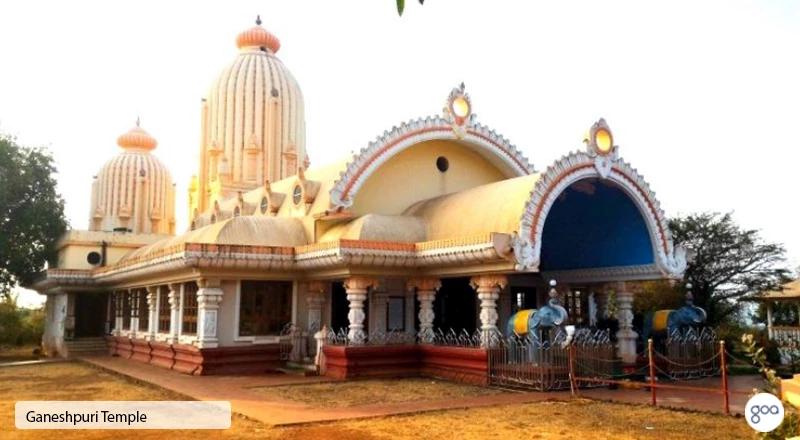
Nestled in the bustling commercial hub of Mapusa in North Goa, the Ganeshpuri Temple stands as a serene sanctuary of devotion, offering a stark yet beautiful contrast to the nearby vibrant market lanes. While Goa is globally renowned for its sun-kissed beaches and colonial-era churches, the heart of the state beats within its ancient and modern Hindu temples, which serve as the custodians of its rich Vedic heritage. The Ganeshpuri Temple, dedicated to Lord Ganesha—the elephant-headed God of wisdom and the remover of obstacles—is one such spiritual landmark that commands immense respect from locals and travelers alike.
Located in the Ganeshpuri locality of Mapusa, this temple is not just a place of worship but a communal gathering point that reflects the spiritual resilience of the Goan Hindu community. Unlike the massive, sprawling temple complexes found in Southern India, the Ganeshpuri Temple exudes an intimate and peaceful aura. It is a place where the air is thick with the scent of incense, the rhythmic chanting of shlokas, and the gentle ringing of bells. For a visitor, the temple provides a profound insight into the Goan lifestyle, where faith is seamlessly integrated into daily routines. Whether you are a spiritual seeker looking for a moment of introspection or a cultural enthusiast eager to explore the religious tapestry of India, this temple offers a unique perspective on the "other side" of Goa—one that is rooted in tradition, humility, and divine grace.
The temple's strategic location makes it easily accessible for those exploring the northern circuit of Goa. It serves as a spiritual gateway for those heading towards the famous beaches of Anjuna, Vagator, and Calangute. However, once you step inside the temple precincts, the noise of the city fades away, replaced by a meditative silence. The temple is particularly famous for its vibrant celebrations during Hindu festivals, attracting thousands of devotees who come to seek the blessings of the Vighnaharta (the destroyer of obstacles). In this guide, we will delve deep into the history, architecture, and spiritual essence of this magnificent site, ensuring you have all the information needed for a meaningful visit.
History & Religious Significance
The history of the Ganeshpuri Temple is intrinsically linked to the broader historical narrative of Goa. During the centuries of Portuguese colonial rule, many Hindu temples in the coastal "Old Conquests" regions were destroyed or relocated to the "New Conquests" areas (like Ponda) to escape religious persecution. However, the Ganeshpuri Temple in Mapusa represents the enduring spirit of the local population who sought to maintain their religious identity through the ages. While the current structure may have undergone several renovations and modernizations, the sanctity of the ground it stands on is believed to be ancient.
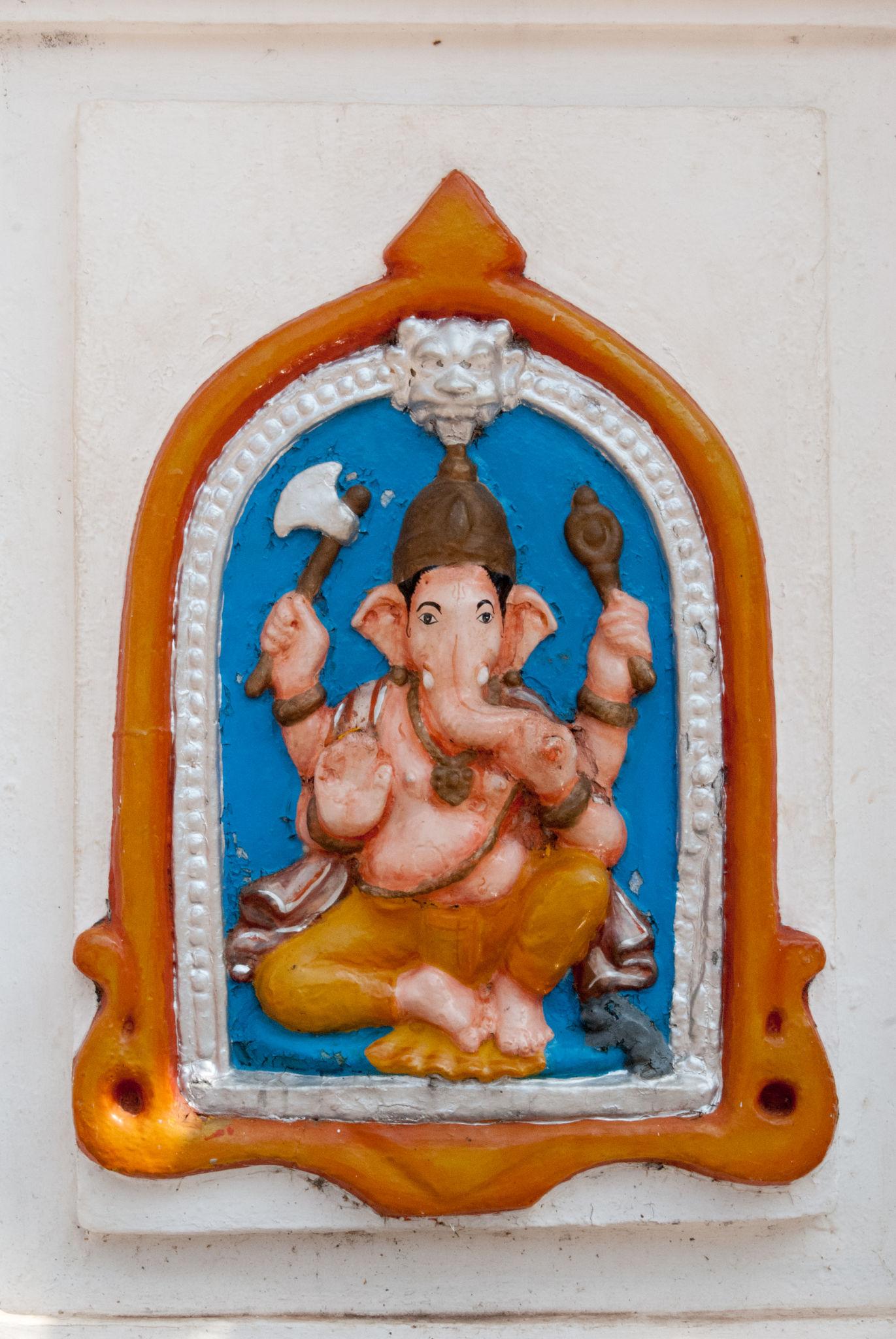
The religious significance of the temple is centered around the deity, Lord Ganesha. In Goan culture, Lord Ganesha is often the first deity invoked before any new venture, wedding, or religious ceremony. He is considered the Gramadevata (village deity) or a protecting force for the town of Mapusa. Local legends suggest that the temple has been a focal point for the community for generations, serving as a site where prayers for prosperity and protection are answered. The word "Ganeshpuri" itself translates to "The Abode of Ganesha," highlighting the area's deep-rooted connection with the deity.
Historically, the temple has also played a role in social cohesion. In a state where various cultures and religions have intersected for millennia, the Ganeshpuri Temple remains a bastion of traditional Konkani Hindu customs. The rituals performed here follow the Agamic traditions, blended with local Goan nuances that have been passed down through oral and written traditions. The temple's history is not just about its physical walls but about the collective memory of the devotees who have kept the lamp of faith burning through various socio-political shifts in the region. Understanding this history allows a visitor to appreciate the temple not just as a building, but as a living, breathing entity of Goan heritage.
Architecture of Ganeshpuri Temple
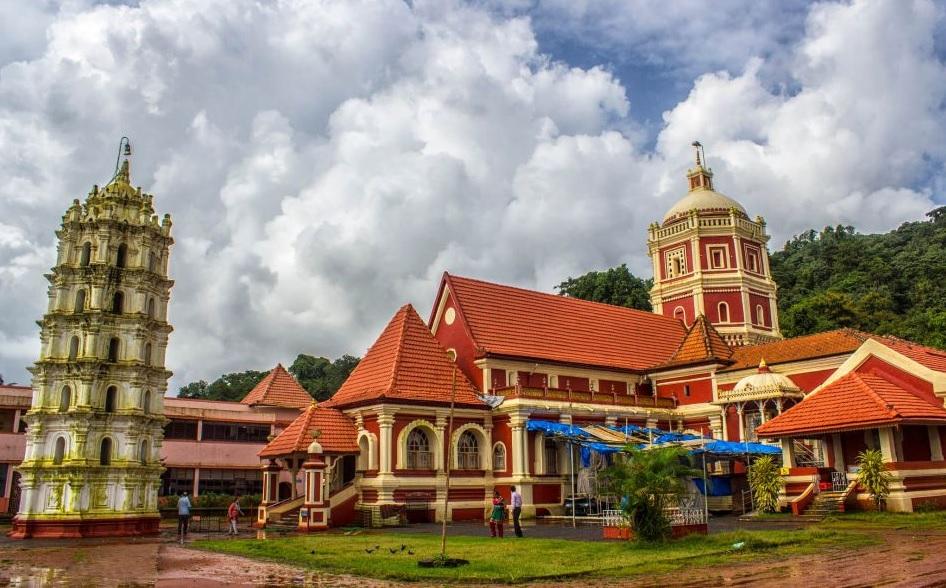
The architecture of the Ganeshpuri Temple is a fascinating blend of traditional Goan temple styles and modern Hindu temple design. One of the most striking features of Goan temples, which distinguishes them from those in other parts of India, is the Deepastambha (the tower of light). At Ganeshpuri, you will find a beautifully crafted Deepastambha standing tall in the courtyard. This multi-tiered octagonal tower is used to hold hundreds of oil lamps during festivals, creating a celestial glow that can be seen from a distance. The design of the Deepastambha often incorporates elements influenced by Maratha and even occasional European aesthetic sensibilities, a testament to Goa’s unique cultural synthesis.
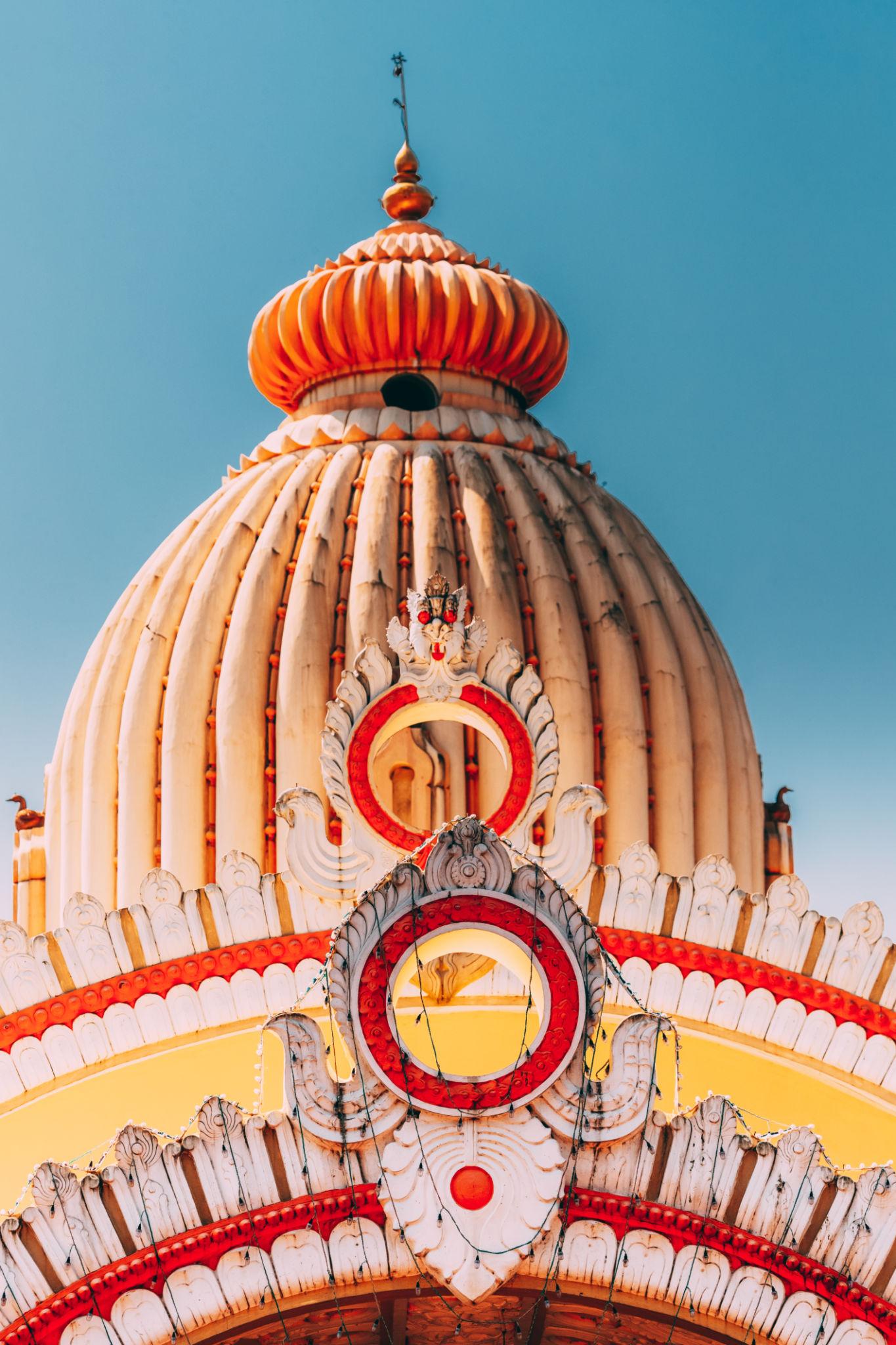
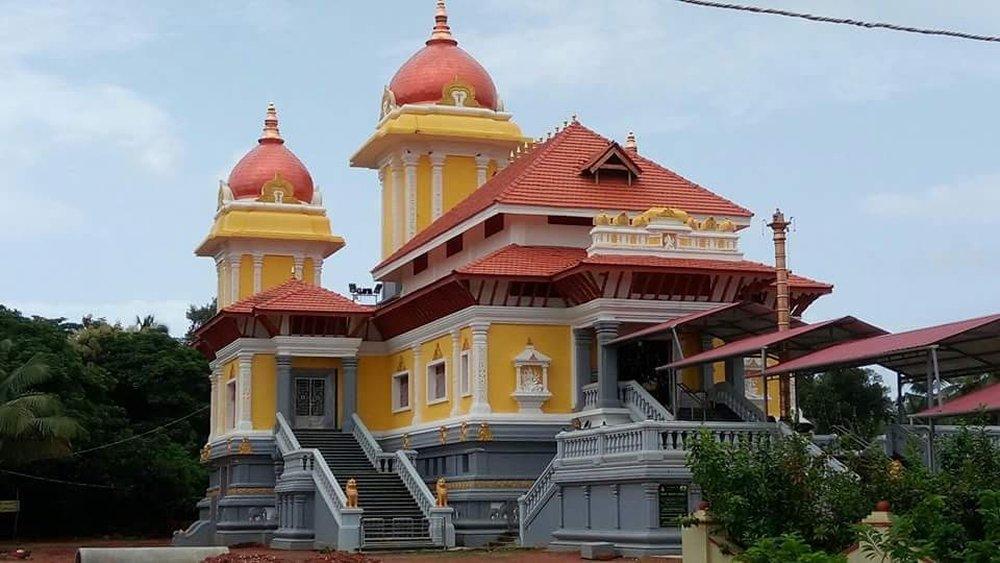
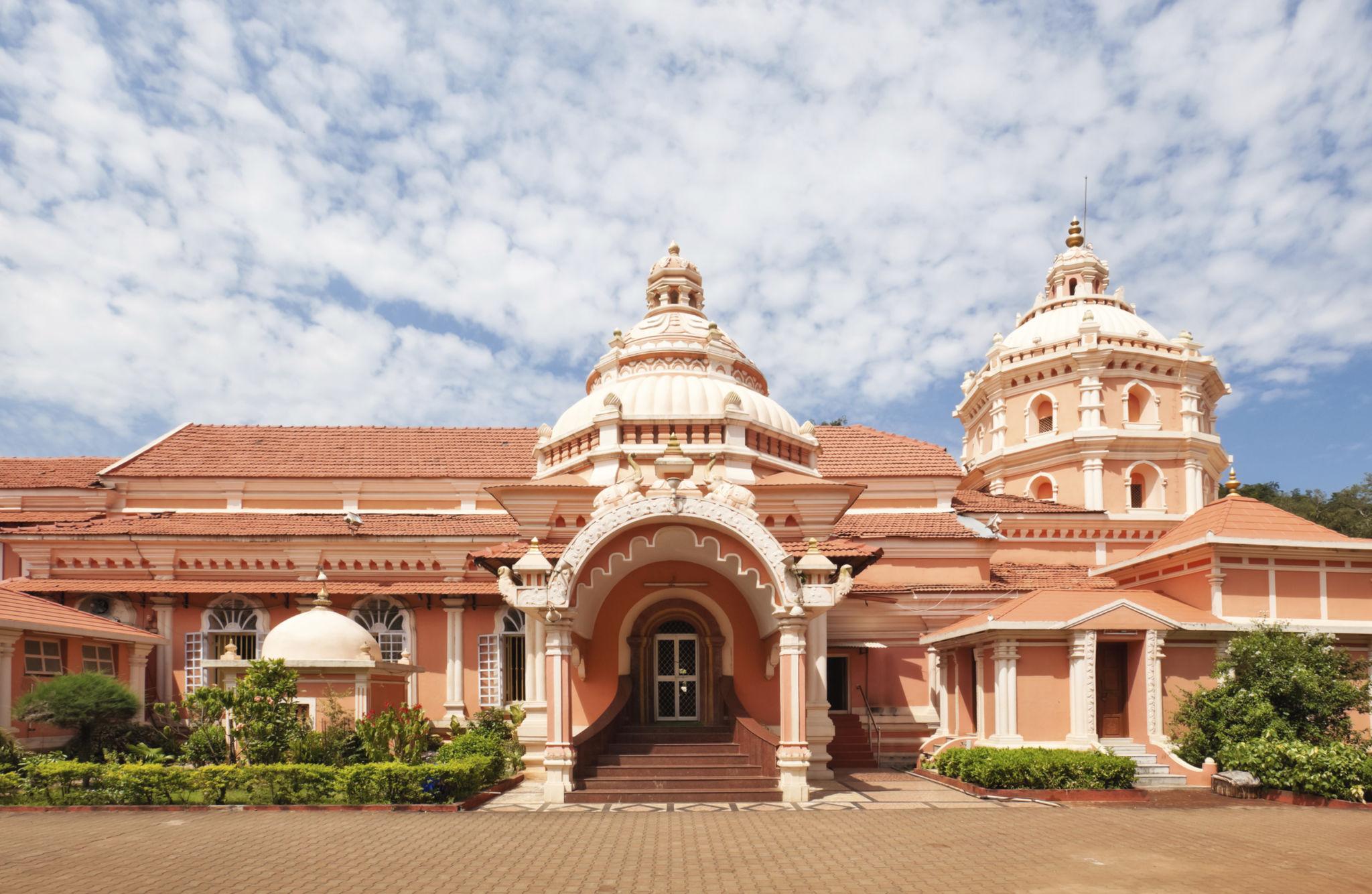
The main structure of the temple consists of the Garbhagriha (sanctum sanctorum), the Antarala (vestibule), and a spacious Mandapa (assembly hall). The Mandapa is designed to accommodate large numbers of devotees, featuring high ceilings and sturdy pillars that are often decorated with intricate carvings of floral motifs and mythological scenes. The use of vibrant colors—deep reds, bright yellows, and pristine whites—is common in Goan temple exteriors, and Ganeshpuri is no exception. These colors are not merely decorative; they symbolize energy, purity, and the divine presence.
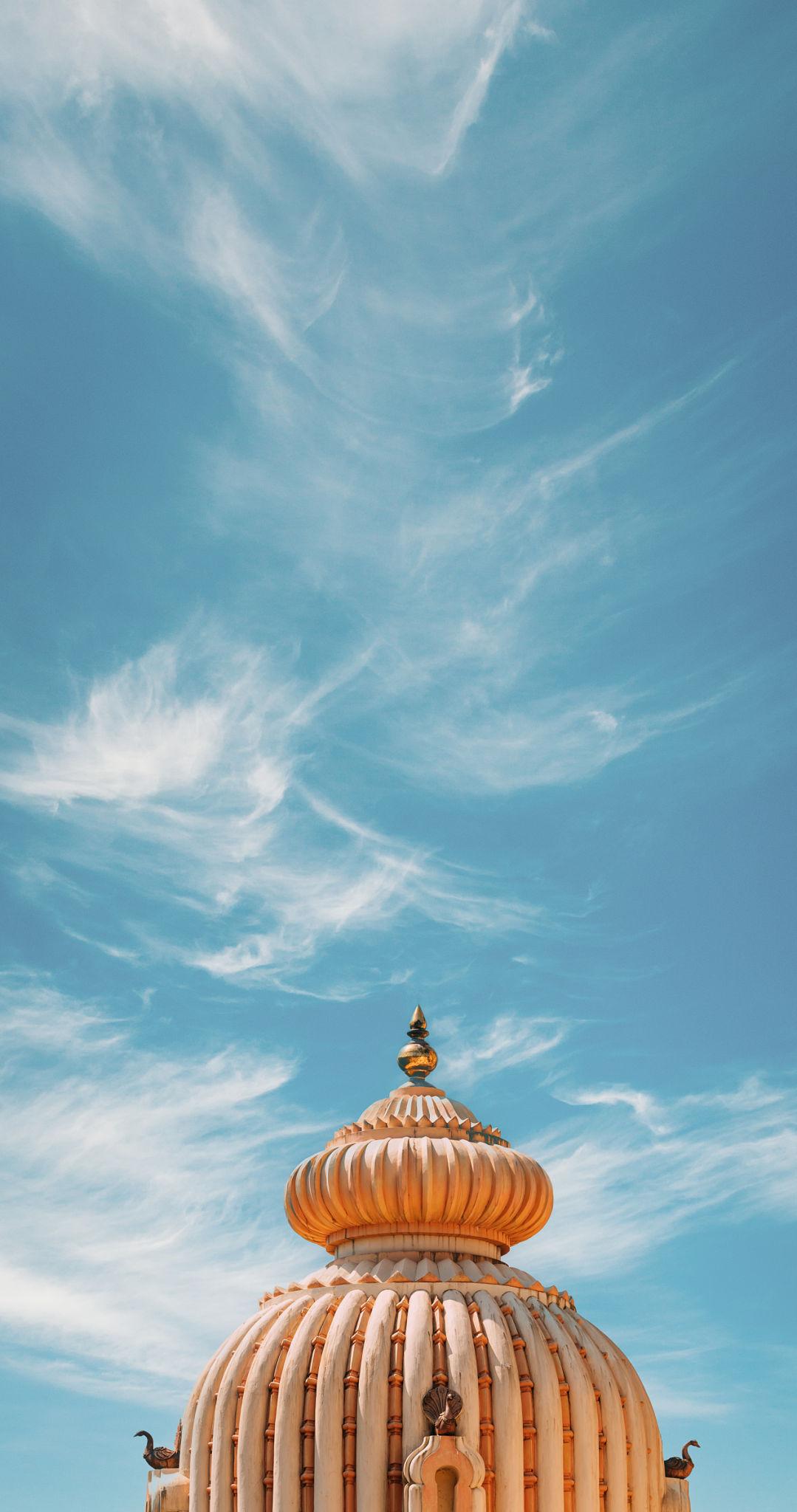
The roof of the temple typically follows the sloping style necessitated by Goa's heavy monsoon rains, often covered with Mangalore tiles. Atop the sanctum sits the Shikhara (spire), which is adorned with smaller sculptures of various deities and celestial beings. The entrance is usually marked by a grand doorway, sometimes flanked by Dvarapalas (guardian deities). As you walk through the temple complex, you will notice the meticulous attention to detail in the marble flooring and the polished woodwork of the inner doors. The architecture serves a dual purpose: it provides a majestic home for the deity while creating an environment that facilitates dhyana (meditation) and bhakti (devotion) for the worshipper.
Main Deity / Spiritual Importance
The primary deity of the temple is Lord Ganesha, specifically worshipped here in a form that radiates peace and benevolence. The idol is typically carved from black stone or high-quality marble and is often adorned with gold ornaments and fresh flower garlands, particularly hibiscus—which is considered Ganesha’s favorite flower. The deity is depicted in a seated posture, with his trunk usually turned to the left (Siddhi Vinayaka style), symbolizing prosperity and worldly success.
The spiritual importance of the Ganeshpuri Temple lies in the belief that Lord Ganesha is the Prathameshvara (the first God). Every ritual in the Hindu calendar begins with an invocation to Him. For the people of Mapusa, the Ganeshpuri Ganesha is their guardian. It is a common sight to see local business owners visiting the temple early in the morning to seek blessings for a successful day of trade. The temple is also a hub for Sankashti Chaturthi, a day in the lunar month dedicated to Ganesha, where devotees observe fasts and visit the temple at night to break their fast after seeing the moon.
Beyond the ritualistic aspect, the temple offers a space for "Antarmukhi" or inward-looking spiritual practice. The vibration within the sanctum, enhanced by the continuous chanting of "Om Gam Ganapataye Namaha," is said to help in balancing the Muladhara Chakra, the root chakra in yogic philosophy, of which Ganesha is the presiding deity. For many, a visit to Ganeshpuri is a way to ground themselves and find clarity amidst the chaos of daily life. The spiritual energy here is inclusive; people from all walks of life, regardless of their background, come here to find solace and strength.
Festivals & Celebrations
The Ganeshpuri Temple transforms into a riot of color, music, and devotion during festival seasons. The most significant of these is, undoubtedly, Ganesh Chaturthi (locally known as Chovoth). This is the most important festival in the Goan Hindu calendar. During this time, the temple is decorated with elaborate "Matolis"—a traditional Goan canopy made of various fruits, vegetables, and medicinal plants sourced from the local forests. This tradition highlights the deep connection between Goan spirituality and nature.
Other major celebrations include:
- Sankashti Chaturthi: Observed every month, this day sees a surge in devotees. Special evening aartis and bhajans are performed, creating a high-energy spiritual environment.
- The Annual Zatra: Like every Goan temple, Ganeshpuri celebrates its annual feast or Zatra. This involves a grand procession where the deity is placed in a Palkhi (palanquin) or a Ratha (chariot) and taken around the temple premises. The air is filled with the sound of traditional instruments like the Dhol, Tasha, and Zanj.
- Ganesh Jayanti: Celebrated in the Hindu month of Magha, this marks the birthday of Lord Ganesha and involves special Vedic rites and mass feedings (Annadan).
- Angarki Chaturthi: This occurs when Sankashti Chaturthi falls on a Tuesday. It is considered exceptionally auspicious, and the temple remains open for extended hours to accommodate the massive influx of pilgrims.
During these festivals, the temple also hosts cultural programs, including Dashavatar (traditional folk theatre) and Bhajans (devotional singing). These events are crucial for the preservation of Goan folk arts and provide a platform for local artists to showcase their talent in the presence of the divine.
Best Time to Visit
The best time to visit Ganeshpuri Temple depends on what you wish to experience. For a peaceful and meditative visit, the winter months (November to February) are ideal. The weather in Goa during this time is pleasant, with cool breezes and moderate temperatures, making it comfortable to explore the temple and its surroundings without the heat of the tropical sun.
If you want to witness the temple in its full cultural glory, visiting during Ganesh Chaturthi (usually in August or September) is an unforgettable experience. Be prepared for crowds, but the atmosphere is electric with devotion and communal joy. The monsoon season (June to September) also brings a different kind of beauty to the region, as the lush Goan landscape turns a vibrant green, though the humidity can be high.
Regarding the time of day, early morning (6:00 AM to 8:00 AM) is highly recommended. The morning aarti is a soul-stirring experience, and the temple is relatively quiet. Alternatively, visiting during the evening aarti (around 6:30 PM to 7:30 PM) allows you to see the temple beautifully lit up, especially if it is a day when the Deepastambha is ignited. Avoid visiting during the peak afternoon hours (1:00 PM to 4:00 PM) as the sun can be harsh and the temple may have limited activity.
Timings, Entry Fee & Dress Code
To ensure a smooth visit to the Ganeshpuri Temple, please keep the following practical details in mind:
- Temple Timings: The temple generally opens at 6:00 AM and remains open until 12:30 PM. It closes for a few hours in the afternoon and reopens from 4:30 PM to 8:30 PM. These timings may be extended during major festivals or special lunar days.
- Entry Fee: There is no entry fee to visit Ganeshpuri Temple. Devotion is free for all. You may choose to make a voluntary donation at the temple office or place money in the Hundi (donation box) to support the temple's maintenance and charitable activities.
- Dress Code: As with most religious sites in Goa, a modest dress code is strictly expected.
- For Men: Long trousers or traditional dhotis/kurta-pyjamas are preferred. Avoid wearing sleeveless shirts or shorts.
- For Women: Sarees, salwar kameez, or long skirts are ideal. Please ensure that shoulders and knees are covered. Avoid wearing swimwear, short skirts, or revealing tops.
- Footwear: All footwear must be removed before entering the temple complex. There is usually a designated area near the entrance to leave your shoes.
How to Reach Ganeshpuri Temple
Ganeshpuri Temple is conveniently located in Mapusa, making it one of the most accessible temples in North Goa. Here is how you can reach it:
- By Air: The nearest airport is the Manohar International Airport (Mopa), located about 20-25 km away. Alternatively, the Dabolim Airport is approximately 40 km away. From either airport, you can hire a pre-paid taxi to Mapusa.
- By Rail: The closest railway station is Thivim, which is just 8-10 km from Mapusa. Thivim is a major stop for Konkan Railway trains. From the station, you can take a bus, a taxi, or an auto-rickshaw to Ganeshpuri.
- By Bus: Mapusa is a major bus hub. The Kadamba Bus Stand in Mapusa receives buses from Panjim, Margao, and even inter-state buses from Mumbai, Pune, and Belgaum. From the bus stand, the temple is just a short 5-10 minute rickshaw ride or a 15-minute walk.
- By Road (Self-Drive/Taxi): If you are staying in the beach belt (Calangute, Baga, or Anjuna), Mapusa is a 15-30 minute drive. You can use navigation apps to reach "Ganeshpuri, Mapusa." Parking is usually available on the streets near the temple, but it can be tight during festival days.
Things to Do
While the primary activity at Ganeshpuri Temple is worship, there are several ways to enrich your visit:
- Attend the Aarti: The rhythmic clanging of bells and the collective singing during the morning or evening aarti is a powerful sensory experience that shouldn't be missed.
- Meditate in the Mandapa: Find a quiet corner in the assembly hall, sit cross-legged, and spend a few minutes in silence. The spiritual vibrations of the temple are perfect for mindfulness.
- Observe the Architecture: Take a walk around the temple to admire the Deepastambha and the intricate carvings on the pillars and the ceiling.
- Offer a Puja: You can request the temple priest to perform a specific puja (like an Archana) in your name or for your family. You can buy "Puja Thalis" containing flowers, coconut, and incense from small stalls outside the temple.
- Interact with Locals: Respectfully engage with the temple regulars or priests to learn more about the local traditions and the history of the deity.
- Photography (Exterior): Capture the beautiful exterior and the lamp tower, ensuring you follow the guidelines regarding photography inside the sanctum.
Nearby Attractions
A visit to Ganeshpuri Temple can be easily combined with other interesting spots in and around Mapusa:
- Shree Bodgeshwar Temple: Located just a few kilometers away, this is another highly revered temple in Mapusa. Lord Bodgeshwar is considered the "Angvan" or the guardian of the city, and the temple is set amidst lush green fields.
- Mapusa Friday Market: If your visit falls on a Friday, the Mapusa Market is a must-visit. It is a vibrant explosion of local produce, spices, traditional Goan pottery, textiles, and fresh fish. It’s the perfect place to experience authentic Goan commerce.
- St. Jerome’s Church: Also known as Our Lady of Miracles, this historic church is famous for its unique blend of Christian and Hindu traditions, particularly during its feast day.
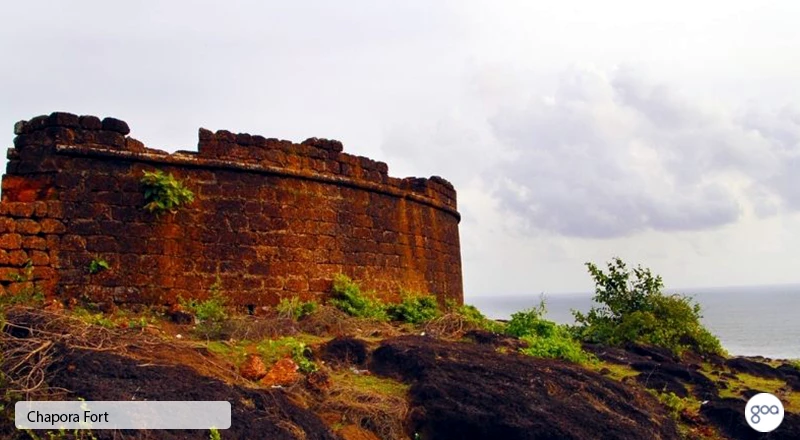
- Anjuna and Vagator Beaches: About 8-10 km away, these beaches offer a perfect transition from the spiritual to the recreational. You can enjoy the sunset or explore the famous Chapora Fort nearby.
- Assagao Village: Known as the "Village of Flowers," Assagao is a short drive away and is home to beautiful colonial villas, upscale boutiques, and some of Goa's best restaurants.
Photography & Visitor Guidelines
To maintain the sanctity of the Ganeshpuri Temple and ensure a pleasant experience for everyone, visitors are requested to follow these guidelines:
- Photography: While photography is generally allowed in the outer courtyard and of the temple's exterior, it is strictly prohibited inside the Garbhagriha (sanctum sanctorum). Always look for signs or ask the priest before taking out your camera or phone.
- Silence: Maintain a low volume when speaking. The temple is a place for prayer and meditation; loud conversations and mobile phone usage should be avoided.
- Mobile Phones: Please keep your mobile phones on silent or vibrate mode. Avoid taking calls inside the temple hall.
- Respect the Rituals: If a ritual or ceremony is in progress, observe quietly from a distance. Do not obstruct the path of the priests or the devotees.
- Cleanliness: Do not litter within the temple premises. If you are offering flowers or coconuts, ensure the remains are disposed of in the designated bins.
- Physical Contact: Avoid touching the idols or the priest unless instructed to do so during a ritual.
Where to Eat Nearby
Mapusa is a foodie’s delight, offering everything from traditional Goan Hindu cuisine to modern cafes. Here are some recommendations near Ganeshpuri Temple:
- Local Thali Places: Look for small eateries (Khanavals) near the Mapusa market that serve authentic Goan Veg Thalis featuring Sheet-Kodi (rice and curry), Kismur, and Bhaji.
- Hotel Satyaheera: A well-known establishment in the heart of Mapusa, offering a variety of Indian cuisines, including reliable vegetarian options.
- Ruchira: Located near the bus stand, this is a popular spot for South Indian breakfast items like Dosas and Idlis, as well as North Indian meals.
- Café Central: While the original is in Panjim, Mapusa has several local bakeries where you can try Goan snacks like Patoleo (during festivals) or Sannas.
- Vinanti: A great place for those looking for traditional Goan snacks and sweets like Bebinca and Dodol.
Accommodation Nearby
Since Mapusa is a central hub, there are various accommodation options ranging from budget to mid-range:
- Hotel Green Park: Located on the bypass road, this offers comfortable rooms and a swimming pool, making it a good mid-range choice for families.
- Hotel Mandarin: Situated in the heart of the city, this is a convenient budget option for those who want to be close to the market and the temple.
- Boutique Guest Houses in Assagao: If you prefer a more aesthetic and quiet stay, the nearby village of Assagao (5 km away) has several beautifully restored Portuguese villas functioning as boutique hotels.
- Beach Resorts: Since Mapusa is only 20 minutes from the coast, many visitors choose to stay in Anjuna or Vagator and visit the temple as a day trip.
Travel Tips
To make the most of your visit to Ganeshpuri Temple, consider these expert travel tips:
- Carry Water: The Goan humidity can be taxing. Always carry a bottle of water, but remember to drink it outside the main temple hall.
- Footwear Choice: Since you have to remove your shoes, wear slip-ons or sandals that are easy to take off and put back on.
- Respect Local Customs: If you see a queue for Darshan, join it patiently. Goans are known for their politeness; a smile and a respectful "Namaste" go a long way.
- Combine with Market Day: Plan your visit on a Friday morning to experience the temple and then dive into the chaos of the Mapusa Friday Market.
- Hiring a Pilot: In Mapusa, you can find "Motorcycle Pilots" (Goa’s unique bike taxis). They are a quick and affordable way to get to the temple from the bus stand.
- Festive Preparation: If visiting during Ganesh Chaturthi, book your transport in advance as taxis and rickshaws are in high demand.
Conclusion
The Ganeshpuri Temple in Mapusa is more than just a religious site; it is a cultural anchor that provides a window into the soulful, spiritual heart of North Goa. In a region that is often characterized by its party atmosphere and tourist-heavy beaches, Ganeshpuri offers a refreshing and grounding experience. Its elegant architecture, rooted in Goan tradition, and the palpable sense of peace within its walls make it a must-visit for anyone looking to understand the true essence of Goan life.
By visiting this temple, you aren't just checking a box on a sightseeing list; you are participating in a tradition that has sustained the local community for generations. Whether you are there to witness the grandeur of the Deepastambha, to seek the blessings of Lord Ganesha for a new beginning, or simply to enjoy a moment of quiet reflection, the Ganeshpuri Temple leaves an indelible mark on your soul. As you leave the temple and step back into the vibrant streets of Mapusa, you carry with you a sense of "Susegad"—the Goan concept of relaxed contentment—fortified by divine grace. Make sure to include this spiritual gem in your next Goa itinerary to experience the profound beauty of Goan Hindu heritage.