Overview of Mainapi Waterfall
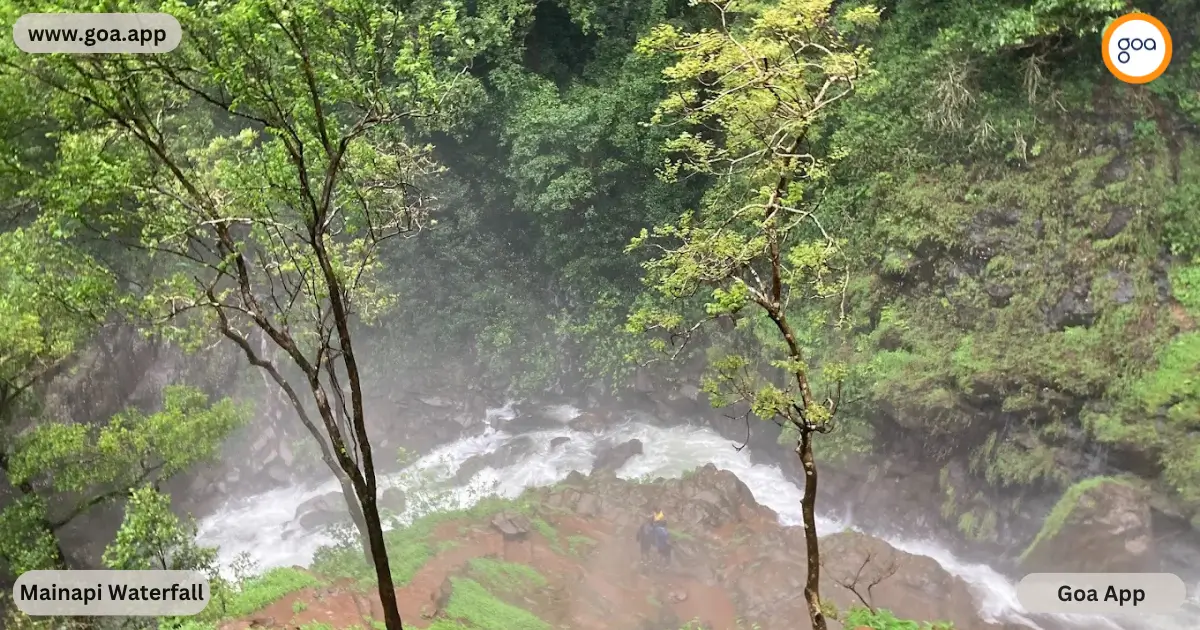
Deep within the verdant embrace of the Netravali Wildlife Sanctuary in South Goa lies one of the state’s best-kept secrets: the Mainapi Waterfall. While most tourists flock to the sun-drenched beaches of Calangute or the thunderous cascades of Dudhsagar, Mainapi offers a more intimate, raw, and spiritually rejuvenating encounter with nature. Located in the Sanguem taluka, this waterfall is a testament to the rugged beauty of the Western Ghats, a UNESCO World Heritage site known for its incredible biodiversity.
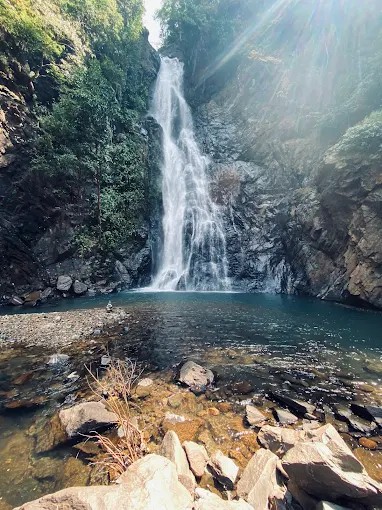
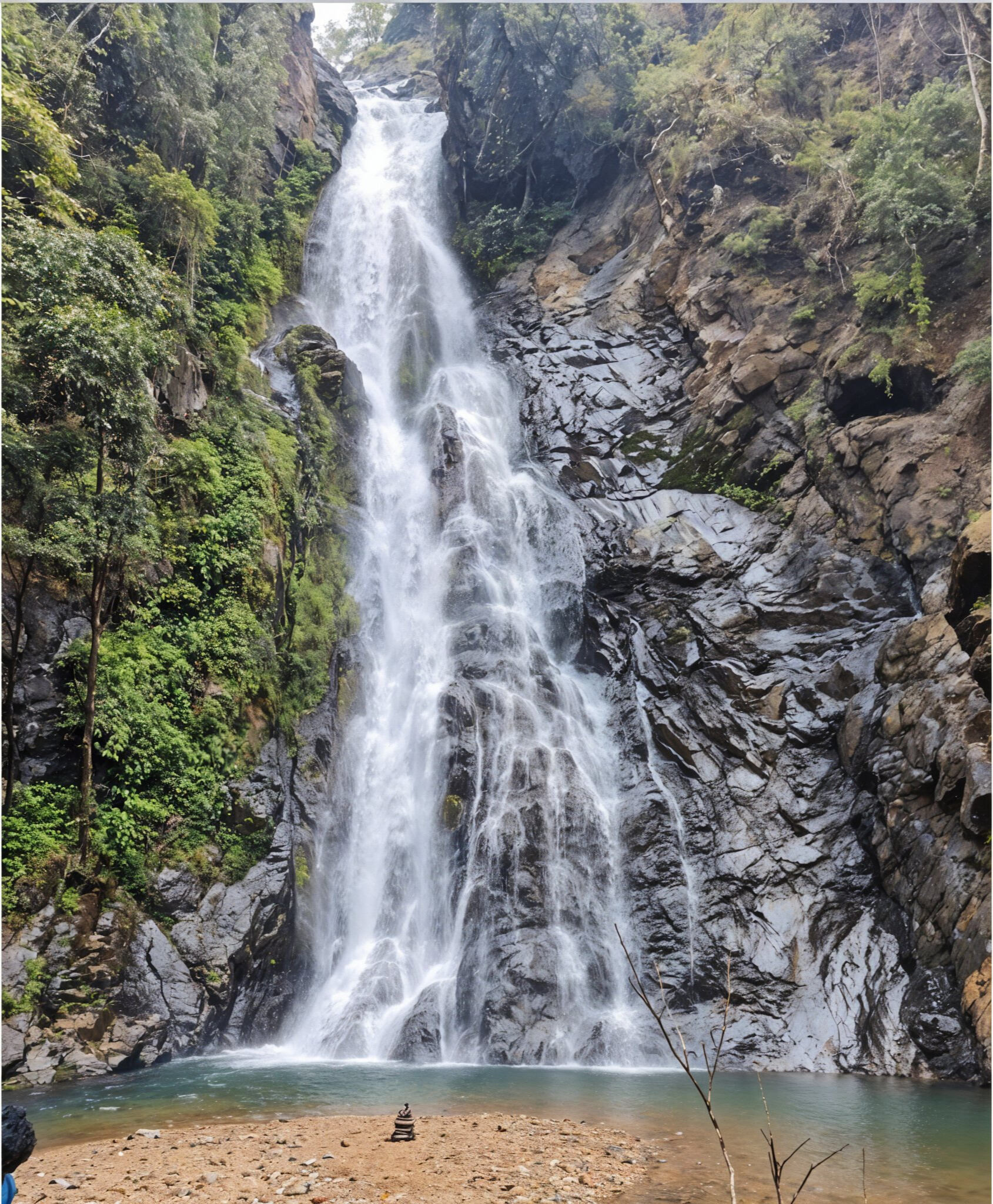
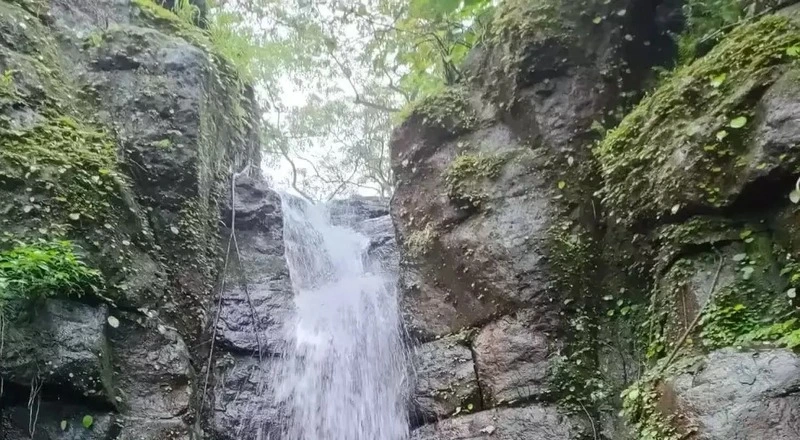
Mainapi is not just a single drop of water; it is a multi-tiered symphony of nature. The waterfall descends from a significant height, crashing against ancient basalt rocks before settling into a crystal-clear turquoise pool at its base. Unlike the commercialized tourist spots, Mainapi remains pristine because it requires effort to reach. The journey involves a trek through dense semi-evergreen forests, crossing seasonal streams, and navigating the rhythmic terrain of the Goan hinterlands. The air here is thick with the scent of wild orchids and moist earth, a stark contrast to the salty breeze of the coastline.
Top Goa Experience • Part 1
Highly Recommended Near Mainapi Waterfall
Explore All
For the locals of the Netravali village, Mainapi is more than a scenic spot; it is part of a delicate ecosystem that sustains the life of the valley. The Netravali River, which originates in these hills, is a vital lifeline for the region. Visiting Mainapi is like stepping back in time to an era where Goa was defined by its forests rather than its nightlife. It represents the "Green Goa" movement, attracting trekkers, naturalists, and those seeking solitude away from the "hippie" trails of the north. Whether you are an avid photographer looking for the perfect long-exposure shot or a weary traveler seeking "forest bathing," Mainapi Waterfall provides a sanctuary for the soul.
How to Reach Mainapi Waterfall
Reaching Mainapi Waterfall is an adventure in itself, requiring a combination of a scenic drive and a dedicated trek. Because it is located in the remote southeastern corner of Goa, planning your logistics is essential. Here is a detailed breakdown of how to reach this hidden gem from various parts of the state:
Recommended Guide
15 Best Hill Stations Near Goa distance & Travel Tips
Discover the 15 best hill stations near Goa to visit in 2026. Our guide covers distances, trekking trails, and local highlights.
Read Guide →
- From Panjim (State Capital): The distance is approximately 80 kilometers. You should take the NH66 towards Margao and then proceed towards Quepem and Curchorem. From Curchorem, follow the signs to Sanguem and finally to Netravali. The drive takes about 2.5 to 3 hours depending on traffic and road conditions.
- From Margao: This is the closest major city, located about 50 kilometers away. The route via Quepem is the most direct. Most travelers prefer to rent a self-drive car or a powerful scooter (like a Himalayan or an Activa 125) for this journey, as public transport to Netravali is infrequent.
- From South Goa Beaches (Palolem/Agonda): If you are staying in the far south, you are in luck. The drive is roughly 45-50 kilometers through winding ghat roads that offer spectacular views of the Sahyadri range. Head towards Canacona and then take the interior roads leading towards the Netravali Wildlife Sanctuary.
- The Landmark: Your primary destination is the Netravali Wildlife Sanctuary Forest Gate. You will need to register your vehicle and pay the entry fees here. From the gate, you will drive a few more kilometers into the forest to the designated parking area where the trek begins.
Pro Tip: Do not rely solely on Google Maps once you enter the sanctuary area, as network connectivity is extremely poor. It is advisable to download offline maps or ask the local forest guards for directions. The locals are incredibly friendly and will often point you toward the "Mainapi path" with a smile.
Best Time to Visit
Timing your visit to Mainapi Waterfall is crucial to ensure you experience its full glory while remaining safe. The Goan climate dictates the intensity and accessibility of the falls.
Recommended Guide
Why Foreigners Love Arambol, Morjim, and Agonda
Goa has long been one of India’s most famous beach destinations, attracting millions of travelers from around the world every year. While bustling beache...
Read Guide →
The Monsoon Season (June to September): This is when Mainapi is at its most powerful. The rains transform the sanctuary into a neon-green paradise. The waterfall becomes a roaring white curtain, and the surrounding foliage is incredibly lush. However, this is also the most challenging time to visit. The trekking path can become extremely slippery, and the river crossings may be dangerous due to high water levels. Leeches are also highly active during this period.
Post-Monsoon (October to January): This is widely considered the best time to visit. The rains have subsided, but the waterfall still retains a significant volume of water. The weather is pleasant, with cooler temperatures in the forest, making the trek much more enjoyable. The pool at the base is usually safe for swimming during these months, and the water is remarkably clear.
Recommended Guide
Water Sports in Candolim Goa | Best Prices, Packages & Booking Guide
Candolim Beach, located in North Goa, is one of the most popular destinations for water sports in Goa. Known for its clean shoreline, less crowded environm...
Read Guide →
The Summer Months (February to May): While the forest remains beautiful, the waterfall’s flow reduces significantly. By April and May, Mainapi might be reduced to a narrow stream. However, the trek is easiest during this time, and the shade of the dense canopy provides a respite from the coastal heat. If you prefer a quiet, dry trek without the worry of mud or leeches, late winter is a good option.
Top Goa Experience • Part 2
Highly Recommended Near Mainapi Waterfall
Explore All
Trek Details for Mainapi Waterfall
The trek to Mainapi Waterfall is often described as "moderate" in difficulty, but it requires a basic level of physical fitness and a spirit of adventure. The trail is approximately 4 to 5 kilometers long (one way) and takes about 1.5 to 2 hours to complete at a steady pace.
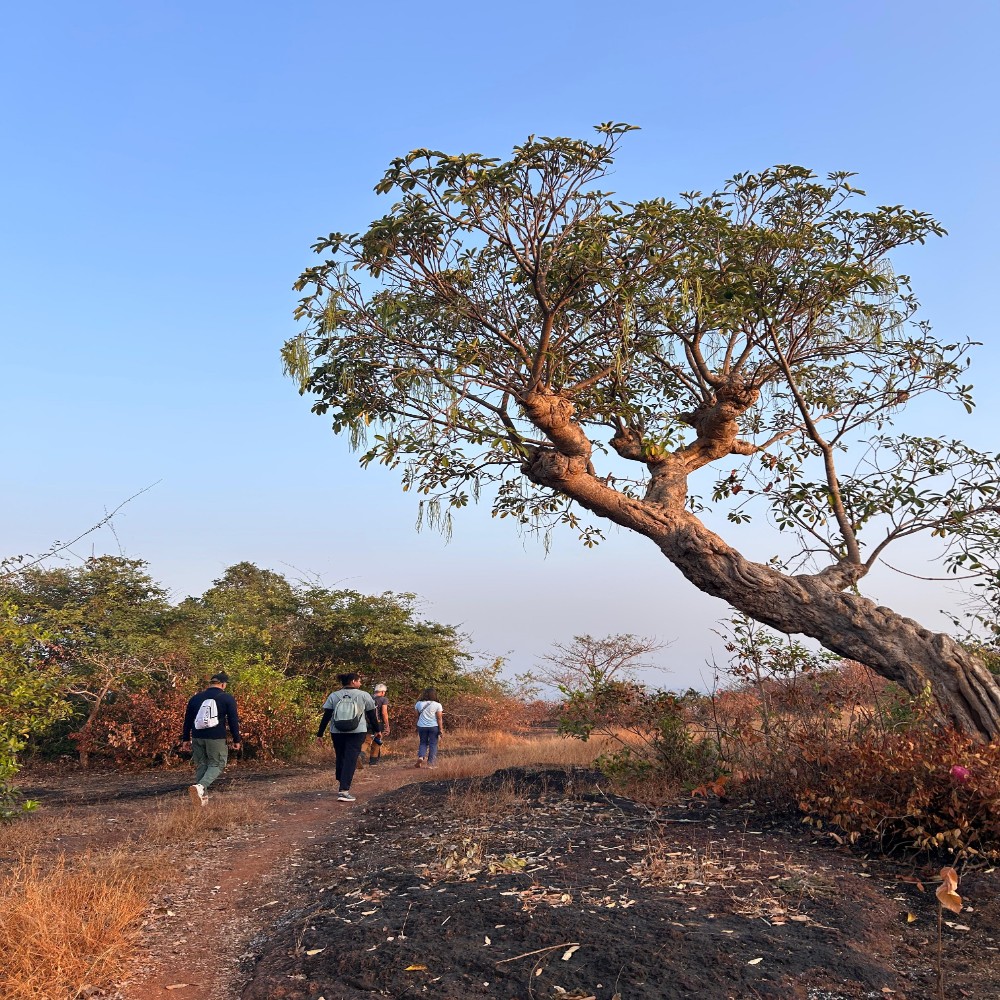
The journey begins at the forest check-post. The first section of the trek is relatively flat, winding through ancient groves of teak and bamboo. As you delve deeper, the terrain changes to laterite stone and damp earth. You will hear the distant call of the Malabar Whistling Thrush (also known as the "Whistling Schoolboy") and might even spot the Malabar Giant Squirrel leaping through the canopy.
The most exciting part of the trek involves crossing small rivulets. Depending on the season, you might have to wade through ankle-deep or knee-deep water. Toward the end of the trail, the path becomes steeper and more rugged. You will need to navigate over large boulders and tangled tree roots. The sound of crashing water grows louder with every step, acting as a natural GPS. Finally, the forest opens up to reveal the magnificent Mainapi Waterfall, cascading into a serene pool surrounded by high rock walls.
Trek Summary:
- Distance: ~9 km (round trip)
- Duration: 3-4 hours total
- Difficulty: Moderate
- Terrain: Forest floor, rocky paths, and stream crossings
Things to Do
Mainapi Waterfall offers a variety of activities for nature enthusiasts. It is not a place for loud music or parties, but rather a spot for deep connection with the environment.
- Swimming in the Natural Pool: The pool at the base of Mainapi is one of the best natural swimming holes in Goa. The water is cool, refreshing, and free from the salt of the ocean. Ensure you test the depth before jumping, as underwater rocks can be deceptive.
- Natural Hydrotherapy: Standing under the periphery of the falling water provides a vigorous natural massage. The force of the water is invigorating and is said by locals to have therapeutic properties.
- Bird Watching: The Netravali Sanctuary is a birder’s paradise. Carry a pair of binoculars to spot rare species like the Grey-headed Bulbul, the Great Pied Hornbill, and various types of kingfishers.
- Macro Photography: The damp environment is home to an array of colorful fungi, mosses, and unique insects. If you are into macro photography, you will find endless subjects along the trekking trail.
- Picnicking: Enjoying a quiet meal by the waterfall is a wonderful experience. However, it is mandatory to carry all your trash back. The sanctuary has a strict "No Plastic" policy.
Safety Tips
Because Mainapi is located in a remote wildlife sanctuary, safety should be your top priority. Here are essential tips to ensure a smooth trip:
- Leech Protection: During the monsoon and post-monsoon months, leeches are common. Wear long socks, tuck your trousers into them, and carry a small pouch of salt or tobacco water to deter them. Applying Odomos or eucalyptus oil can also help.
- Footwear: Do not wear flip-flops or smooth-soled sandals. Invest in a good pair of trekking shoes with high grip or "floaters" specifically designed for water trekking. The rocks near the waterfall are covered in slippery algae.
- Hydration and Snacks: There are no shops inside the sanctuary. Carry at least 2 liters of water per person and some high-energy snacks like nuts, fruit, or energy bars.
- Wildlife Awareness: You are in a wildlife sanctuary. While sightings of large predators like leopards are rare during the day, stay on the marked trails and avoid wandering into thick underbrush.
- Group Travel: It is highly recommended to trek in a group or hire a local guide from Netravali village. If you are a solo traveler, inform the forest guards of your expected return time.
- Weather Check: If there is a heavy downpour, avoid the trek. Flash floods in the streams can occur rapidly, making the return journey dangerous.
Nearby Attractions
The Netravali region is rich with other natural and cultural landmarks. If you have a full day, consider combining your visit to Mainapi with these nearby spots:
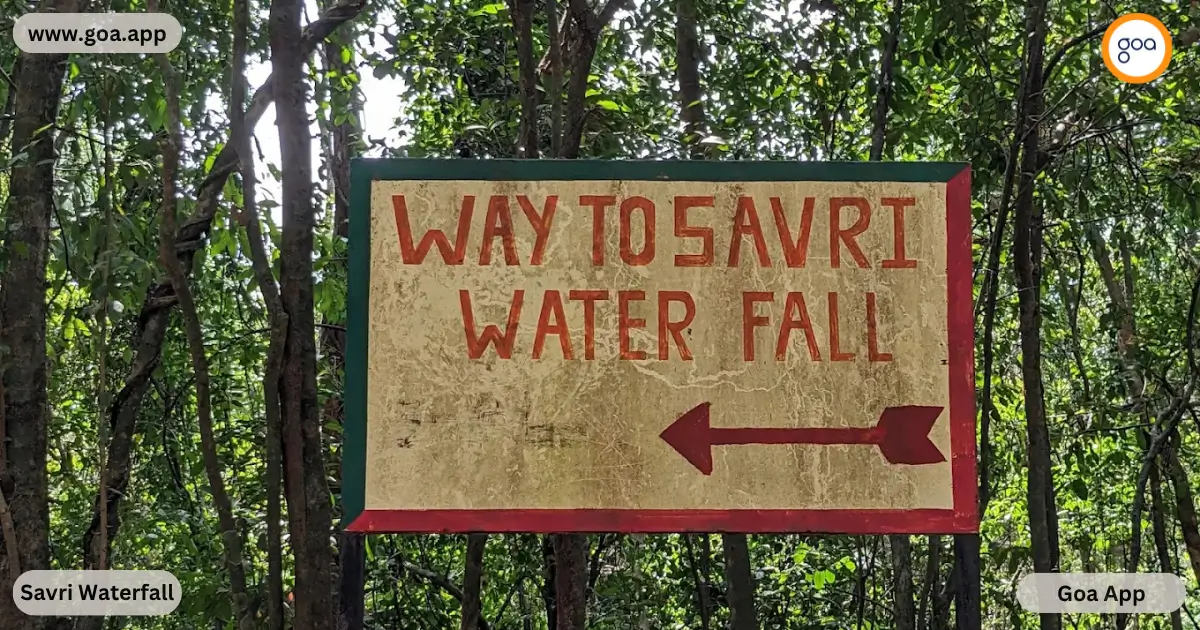
- Savari Waterfall: Often considered the "sister" fall to Mainapi, Savari is located within the same sanctuary. It is equally beautiful but has a slightly different trekking route. Many trekkers attempt to see both in one day, though it is physically demanding.
- Budbudyanchi Tali (The Bubbling Lake): Located near the Gopinath Temple in Netravali, this is a mysterious sacred pond where bubbles rise to the surface in response to rhythmic sounds like clapping. It is a fascinating geological phenomenon surrounded by a peaceful temple complex.
- Tanshikar Spice Farm: A short drive from the sanctuary, this organic spice farm offers guided tours where you can learn about vanilla, cocoa, and black pepper cultivation. They also serve a delicious, authentic Goan vegetarian lunch.
- Salaulim Dam: On your way back towards Sanguem, stop at the Salaulim Dam. It is famous for its unique "duckbill spillway," an engineering marvel that looks like a giant watery sinkhole during the monsoon.
- Netravali Wildlife Sanctuary Museum: A small interpretation center near the entrance that provides information about the flora and fauna of the region.
Entry Fees & Timings
To maintain the ecological balance, the Goa Forest Department regulates entry into the Netravali Wildlife Sanctuary.
- Timings: The sanctuary is generally open from 9:00 AM to 5:00 PM. However, forest guards usually stop allowing people to start the trek after 3:00 PM to ensure everyone returns before dark.
- Entry Fee: There is a nominal entry fee of approximately INR 20 to 50 per person for Indian nationals (prices may vary slightly for foreigners).
- Vehicle Fee: You will need to pay a fee for your car or two-wheeler to enter the forest roads, usually ranging from INR 50 to 100.
- Camera Fee: If you are carrying a professional DSLR, there may be an additional charge. Mobile phone cameras are usually exempt from extra fees.
Note: You will be asked to declare any plastic bottles or packets you are carrying. The guards may count them and ensure you bring the same number back out. This is a commendable effort to keep the sanctuary litter-free.
Where to Eat Nearby
Dining options in the immediate vicinity of Mainapi Waterfall are limited, which adds to its rustic charm. However, the village of Netravali offers some authentic Goan experiences:
- Local Khanavals: Small, family-run eateries (khanavals) in Netravali village serve traditional Goan fish thalis and vegetarian meals. The food is simple, spicy, and cooked using local ingredients like coconut and teppal (Sichuan pepper).
- Tanshikar Spice Farm: As mentioned earlier, this is the best place for a wholesome organic meal. Their buffet features traditional dishes made from farm-grown produce. It’s a great way to support local agritourism.
- Sanguem Town: If you are heading back toward the city, Sanguem has more conventional restaurants serving a variety of Indian and Goan cuisines. Look for places serving "Ros Omelette" or "Chourico Pao" for a quick local snack.
Recommendation: Carry some "Poi" (local Goan bread) and some fruit for the trek, and save your appetite for a heavy Goan lunch in the village after you finish the hike.
Accommodation Nearby
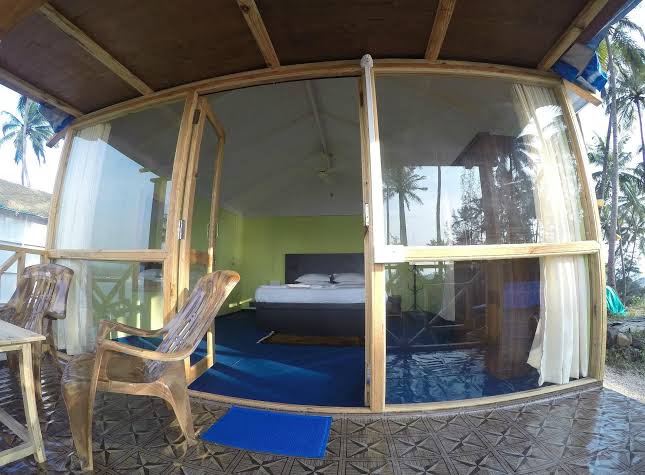
If you want to fully immerse yourself in the wilderness of South Goa, consider staying overnight in the Netravali area rather than rushing back to the coast.
- Angad Homestay: A popular choice for trekkers, offering a cozy, home-like atmosphere and delicious local food. It provides a great base for exploring multiple waterfalls in the region.
- Tanshikar Spice Farm (Eco-Cottages): They offer rustic yet comfortable mud cottages that allow you to stay right in the heart of the plantation. It’s an excellent choice for those looking for an eco-friendly stay.
- Forest Rest Houses: The Forest Department has basic guest houses. These require prior booking through the Forest Department headquarters in Panjim or Margao. They are very basic but offer an unparalleled experience of living inside the jungle.
- South Goa Beach Resorts: For those who prefer luxury, staying at Palolem or Agonda and making a day trip to Mainapi is the most common option. Places like The Lalit Golf & Spa Resort or various boutique eco-resorts in Agonda are within a two-hour drive.
Photography Spots
Mainapi Waterfall is a dream for photographers. To get the best shots, consider these locations and tips:
- The Approach Path: Capture the "tunnel effect" created by the overarching bamboo trees as you trek toward the falls. The dappled sunlight filtering through the leaves creates a magical atmosphere.
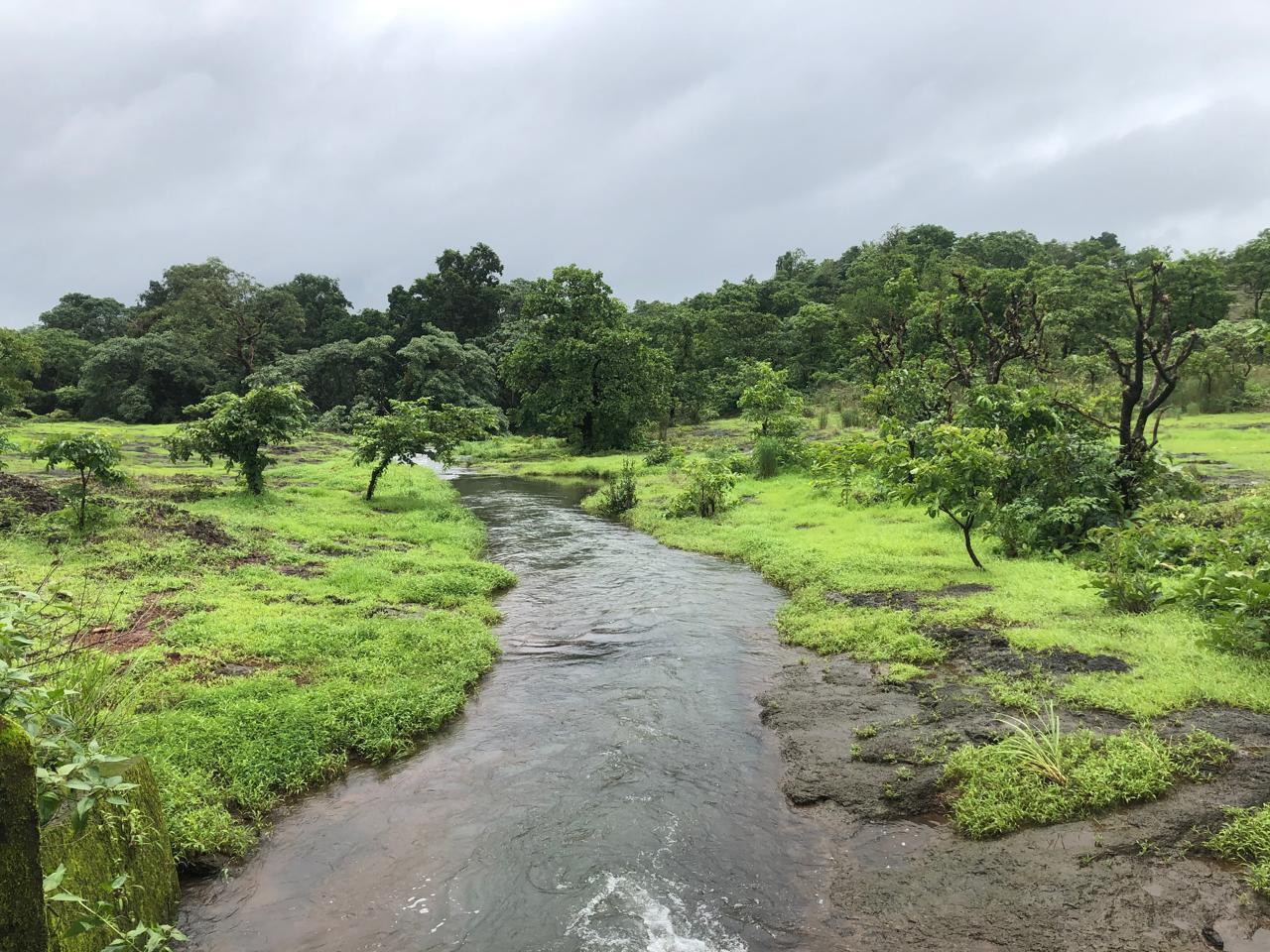
- The Mid-Stream View: About 100 meters before you reach the main falls, there is a spot where the stream flows over a series of smaller rocks. This is perfect for long-exposure shots of flowing water with a foreground of mossy stones.
- The Wide Angle: From the base of the pool, use a wide-angle lens to capture the entire height of the waterfall along with the surrounding rock amphitheater.
- The "Bridal Veil" Shot: If you visit in late October, the water flow is often thin enough to create a delicate "veil" effect. Use a tripod and a slow shutter speed (0.5 to 2 seconds) to achieve that silky water texture.
- Drone Photography: Note that drone usage is generally restricted in wildlife sanctuaries. Always check with the forest officials at the gate before flying a drone to avoid heavy fines and equipment seizure.
Hidden Gem Score & Crowd Level
Hidden Gem Score: 9.5/10
Mainapi Waterfall remains one of the most authentic nature experiences in Goa. It hasn't been commercialized to the extent of other attractions, largely due to its distance from the main tourist hubs and the requirement of a trek. It scores high for its pristine environment, the quality of the water, and the sense of adventure it provides.
Crowd Level: Very Low to Moderate
On weekdays, you might find yourself completely alone at the waterfall, which is a rare luxury in a popular state like Goa. On weekends, you might encounter small groups of local trekkers and students from Margao or Panjim. Even at its "busiest," it never feels crowded. You won't find vendors selling corn-on-the-cob or tea here, ensuring that the only sounds you hear are the chirping of birds and the thunder of the falls.
Conclusion
Mainapi Waterfall is a reminder that there is much more to Goa than its coastline. It is a destination for the "slow traveler"—the person who values the journey as much as the destination. The trek through the Netravali Wildlife Sanctuary challenges your body, while the sight of the cascading waters at Mainapi rewards your spirit. It is a place where you can disconnect from the digital world and reconnect with the primal rhythms of the earth.
As you plan your trip, remember that you are a guest in a fragile ecosystem. Respect the silence of the forest, follow the rules of the Forest Department, and leave nothing behind but footprints. By visiting Mainapi Waterfall, you are not just seeing a beautiful site; you are supporting the conservation of Goa’s incredible inland heritage. So, lace up your trekking boots, pack your sense of wonder, and head into the heart of the Western Ghats to discover the liquid gold that is Mainapi.