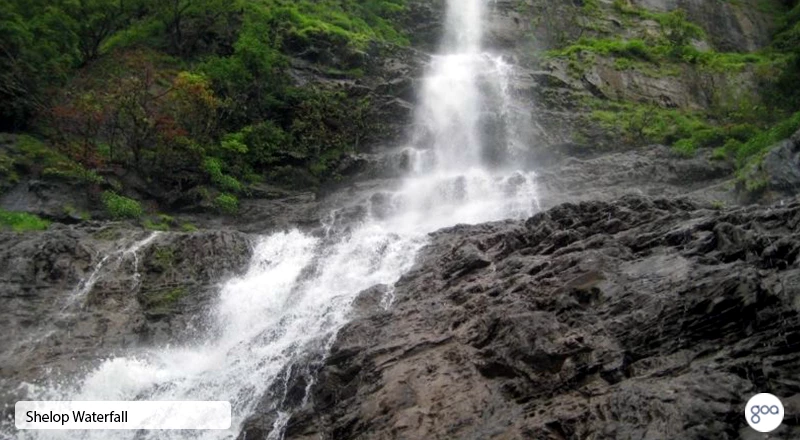
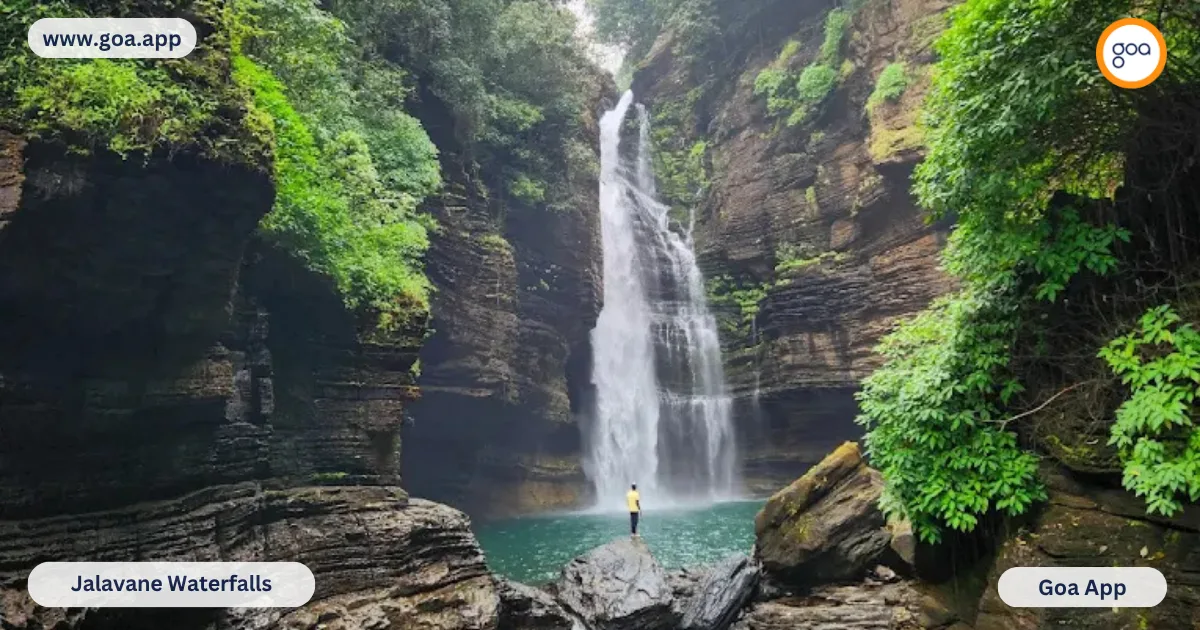
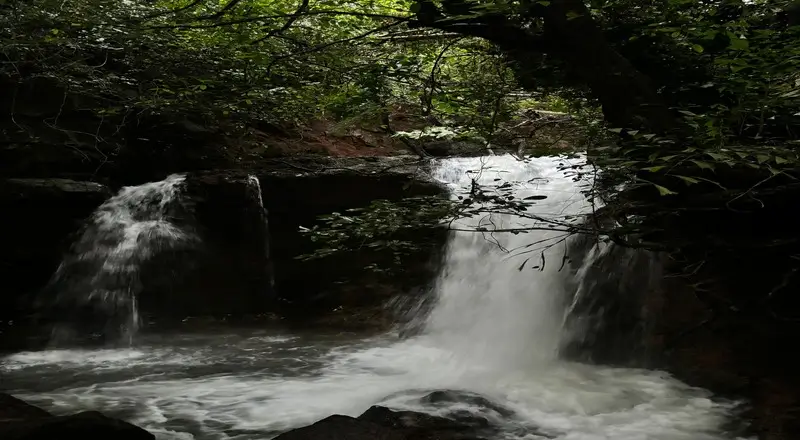
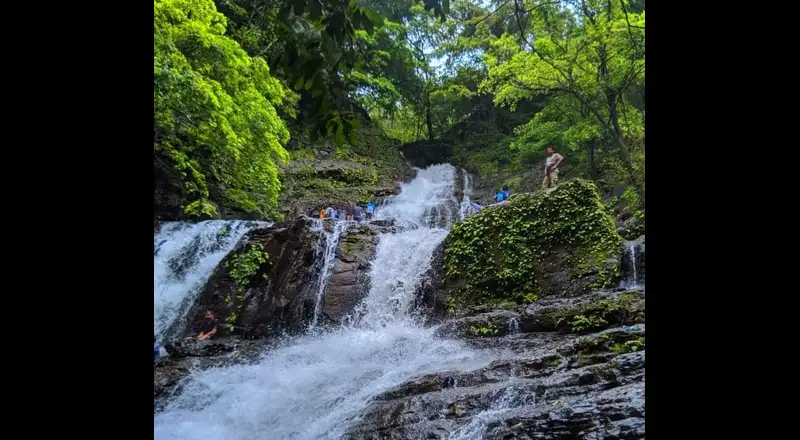
Overview of Rivona Waterfall
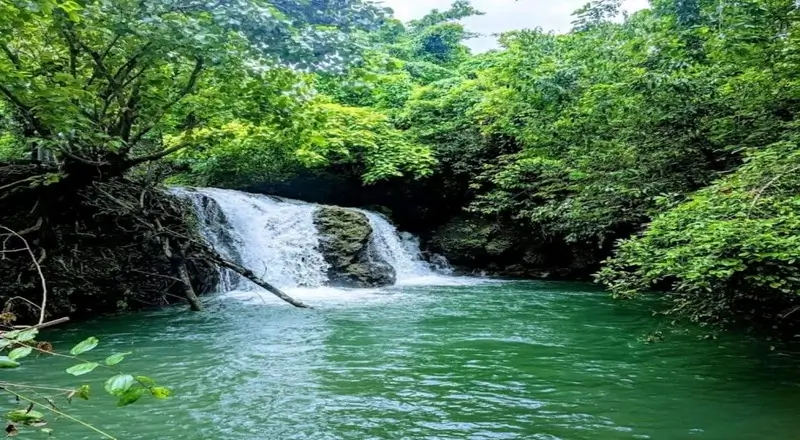
Nestled deep within the verdant embrace of the Sanguem Taluka in South Goa, the Rivona Waterfall remains one of the state's most cherished yet elusive natural wonders. While the coastal belt of Goa is synonymous with sun-drenched sands and pulsating nightlife, the hinterlands offer a starkly different, ethereal experience. Rivona, a village steeped in history and geological marvels, serves as the gateway to this cascading beauty. The waterfall is not merely a body of water falling from a height; it is a seasonal symphony that resonates with the rhythms of the Western Ghats, a UNESCO World Heritage site known for its exceptional biodiversity.
The Rivona Waterfall is often referred to locally as a "seasonal gem" because its true majesty is revealed during the monsoon months when the heavens open over the Sahyadri range. Unlike the more famous Dudhsagar Falls, which attracts thousands of tourists daily, Rivona offers a sense of profound solitude. The area is characterized by laterite rock formations, dense semi-evergreen forests, and a silence that is only broken by the call of the Malabar Whistling Thrush or the rustle of dry leaves underfoot. Historically, the village of Rivona is significant for its 6th-century Buddhist caves, and the waterfall sits in a landscape that feels as though time has stood still for centuries.
Top Goa Experience • Part 1
Highly Recommended Near Rivona Waterfall
Explore All
Visitors to Rivona Waterfall will find themselves surrounded by a canopy of ancient trees, including teak, bamboo, and various species of medicinal plants that have been used by local Goan healers for generations. The water originates from the high plateaus of the Sanguem region, filtering through mineral-rich soil before leaping over a rocky ledge into a shallow, inviting pool below. For the eco-conscious traveler and the soul-seeker, this destination represents the "Old Goa" — a place where nature is the primary architect and the human footprint is still remarkably light.
How to Reach Rivona Waterfall
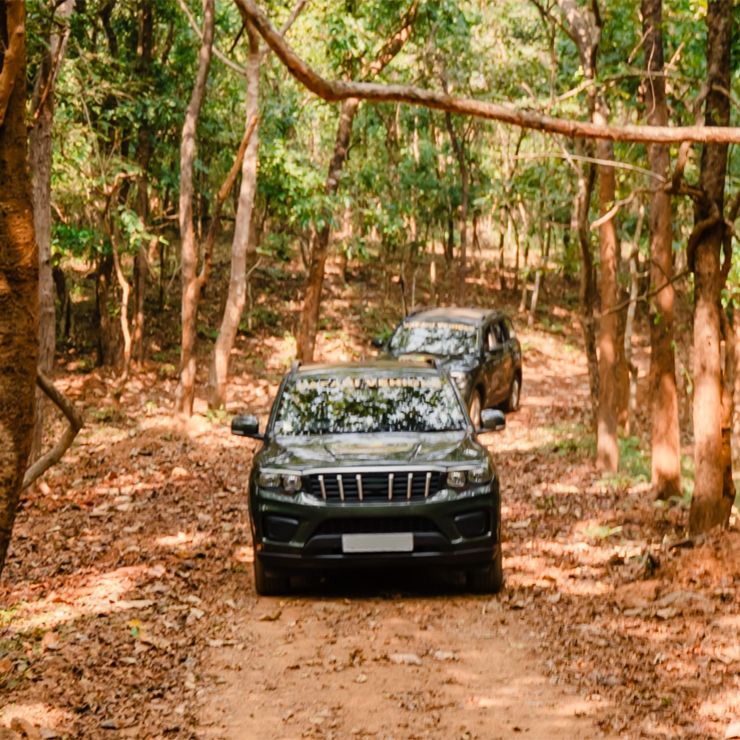
Reaching Rivona Waterfall is an adventure in itself, requiring a journey through some of the most scenic countryside roads in India. Located approximately 55 kilometers from Panjim and about 25 kilometers from Margao, the route takes you through the heart of South Goa's mining belt and agricultural hubs. To ensure a smooth journey, it is highly recommended to use a private vehicle, preferably a motorbike or a sturdy car, as public transport to the interior parts of Rivona is infrequent and may not drop you close to the trail head.
Recommended Guide
15 Best Hill Stations Near Goa distance & Travel Tips
Discover the 15 best hill stations near Goa to visit in 2026. Our guide covers distances, trekking trails, and local highlights.
Read Guide →
- By Road from Margao: This is the most common route. Head towards Quepem and continue further toward the village of Rivona. The roads are generally well-maintained but become narrow and winding as you approach the village. Look for landmarks such as the Rivona Panchayat or the local primary school. Once you reach the village center, it is best to ask locals for the specific path leading to the "Vaze" or the waterfall area, as GPS signals can be erratic in the dense foliage.
- By Road from Panjim: Take the NH66 heading south toward Margao, then follow the directions toward Quepem/Sanguem. The drive takes approximately 1 hour and 45 minutes, offering stunning views of paddy fields and traditional Goan Portuguese-style houses.
- Using Public Transport: You can take a KTC (Kadamba Transport Corporation) bus from Margao to Quepem, and then a local shuttle bus to Rivona. However, from the Rivona bus stop, you may need to walk a significant distance or hire a local pilot (motorcycle taxi) to take you toward the forest entrance.
- Navigation Tip: Set your Google Maps to "Rivona Caves" as a primary landmark. The waterfall is located in the same general vicinity, and once you reach the caves, the trail to the waterfall is a short distance away. Always download offline maps before heading out, as data connectivity drops significantly in the Sanguem interior.
Best Time to Visit
Timing is everything when planning a trip to Rivona Waterfall. Because it is fed by rainwater and natural springs that are highly dependent on the seasonal cycle, the experience varies drastically depending on the month of your visit. To see the waterfall in its full, thunderous glory, the Monsoon Season (June to September) is the undisputed best time. During these months, the surrounding forest turns a vivid, neon green, and the air is thick with the scent of wet earth and blooming wild lilies.
However, the monsoon also brings challenges, such as slippery trails and high humidity. If you prefer a more balanced experience, the Post-Monsoon period (October to November) is ideal. During this time, the water flow is still substantial, the pool at the bottom is clear and safe for wading, and the weather is pleasant enough for a long trek without the risk of heavy downpours. By late December and January, the waterfall often reduces to a gentle trickle, and by the peak of summer (March to May), it may dry up entirely, leaving behind only the impressive rock formations and a dry riverbed.
Recommended Guide
Why Foreigners Love Arambol, Morjim, and Agonda
Goa has long been one of India’s most famous beach destinations, attracting millions of travelers from around the world every year. While bustling beache...
Read Guide →
We recommend starting your journey early in the morning, around 8:00 AM. Not only does this allow you to beat the afternoon heat, but it also increases your chances of spotting local wildlife and enjoying the site before any other small groups of travelers arrive. The lighting for photography is also superior during the golden hour shortly after sunrise, as the sun filters through the dense forest canopy.
Trek Details for Rivona Waterfall
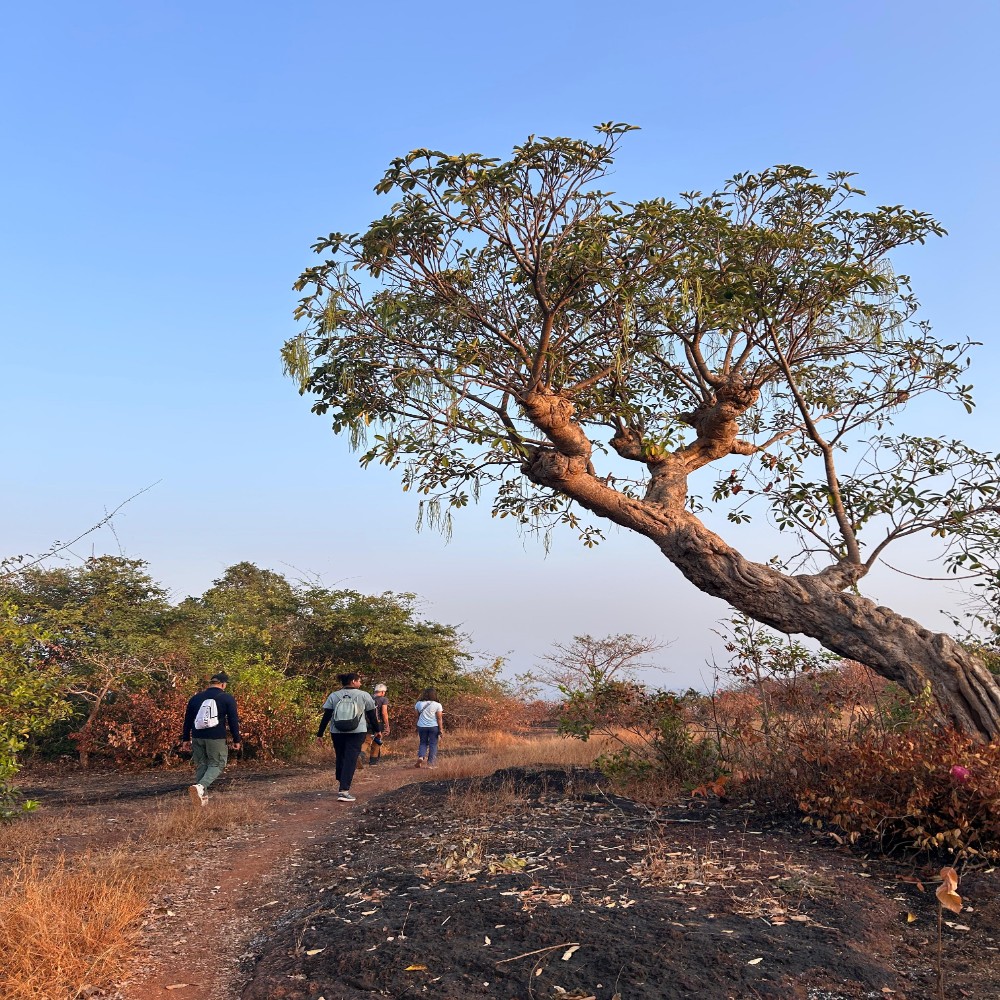
The trek to Rivona Waterfall is classified as easy to moderate, making it accessible for families, beginners, and seasoned hikers alike. The trail begins near the outskirts of the village, where the paved road ends and the forest path begins. The total walking distance is approximately 1.5 to 2 kilometers, depending on the exact starting point you choose. While the distance is short, the terrain requires careful navigation.
Recommended Guide
Water Sports in Candolim Goa | Best Prices, Packages & Booking Guide
Candolim Beach, located in North Goa, is one of the most popular destinations for water sports in Goa. Known for its clean shoreline, less crowded environm...
Read Guide →
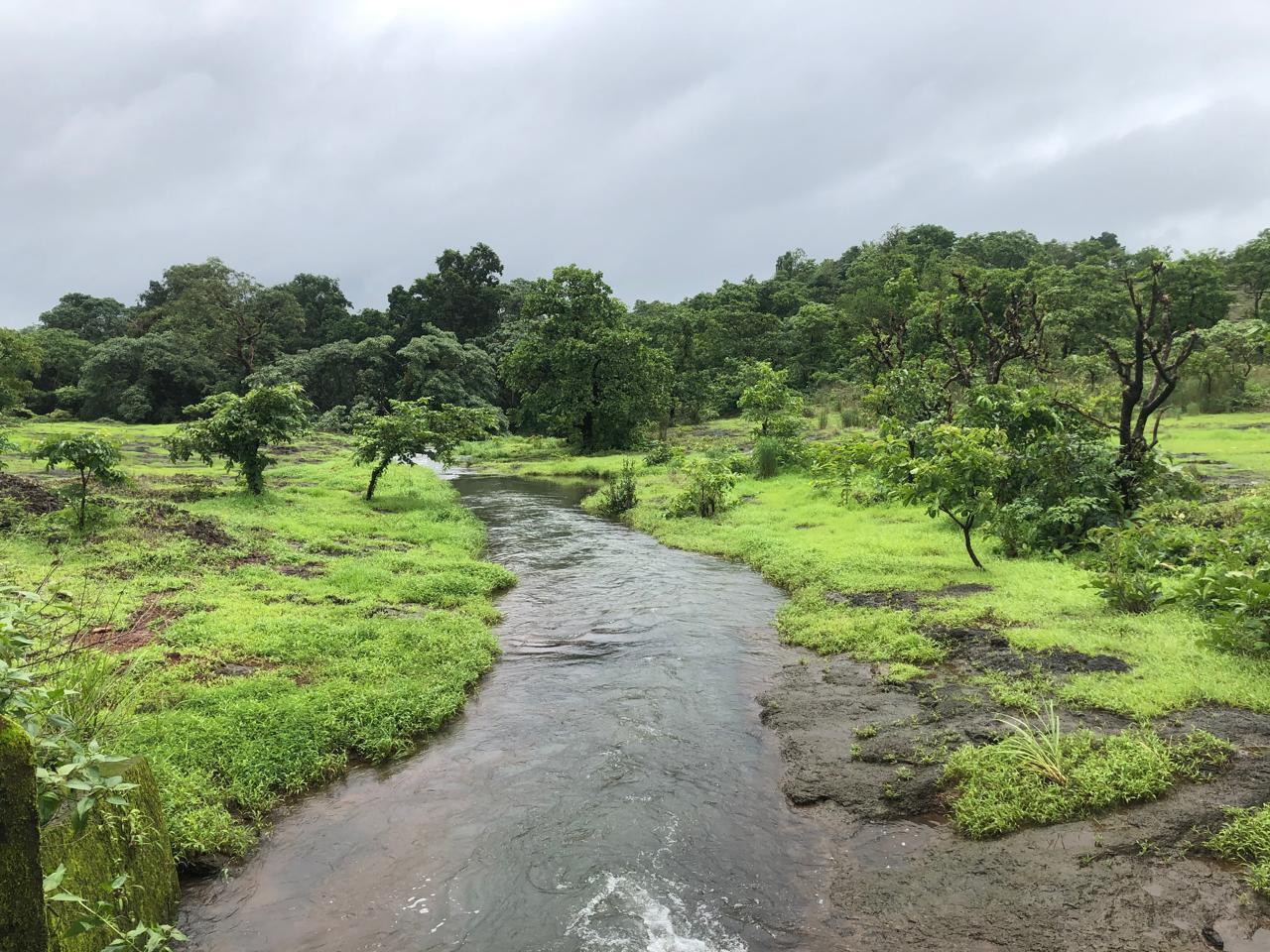
The path winds through a mix of private cashew plantations and government forest land. Underfoot, you will encounter a combination of red laterite soil and smooth river stones. During the monsoon, these stones can become exceptionally slippery due to moss growth, so sturdy footwear with good grip is non-negotiable. As you delve deeper into the woods, the sound of the waterfall acts as a natural compass, growing louder with every step.
Top Goa Experience • Part 2
Highly Recommended Near Rivona Waterfall
Explore All
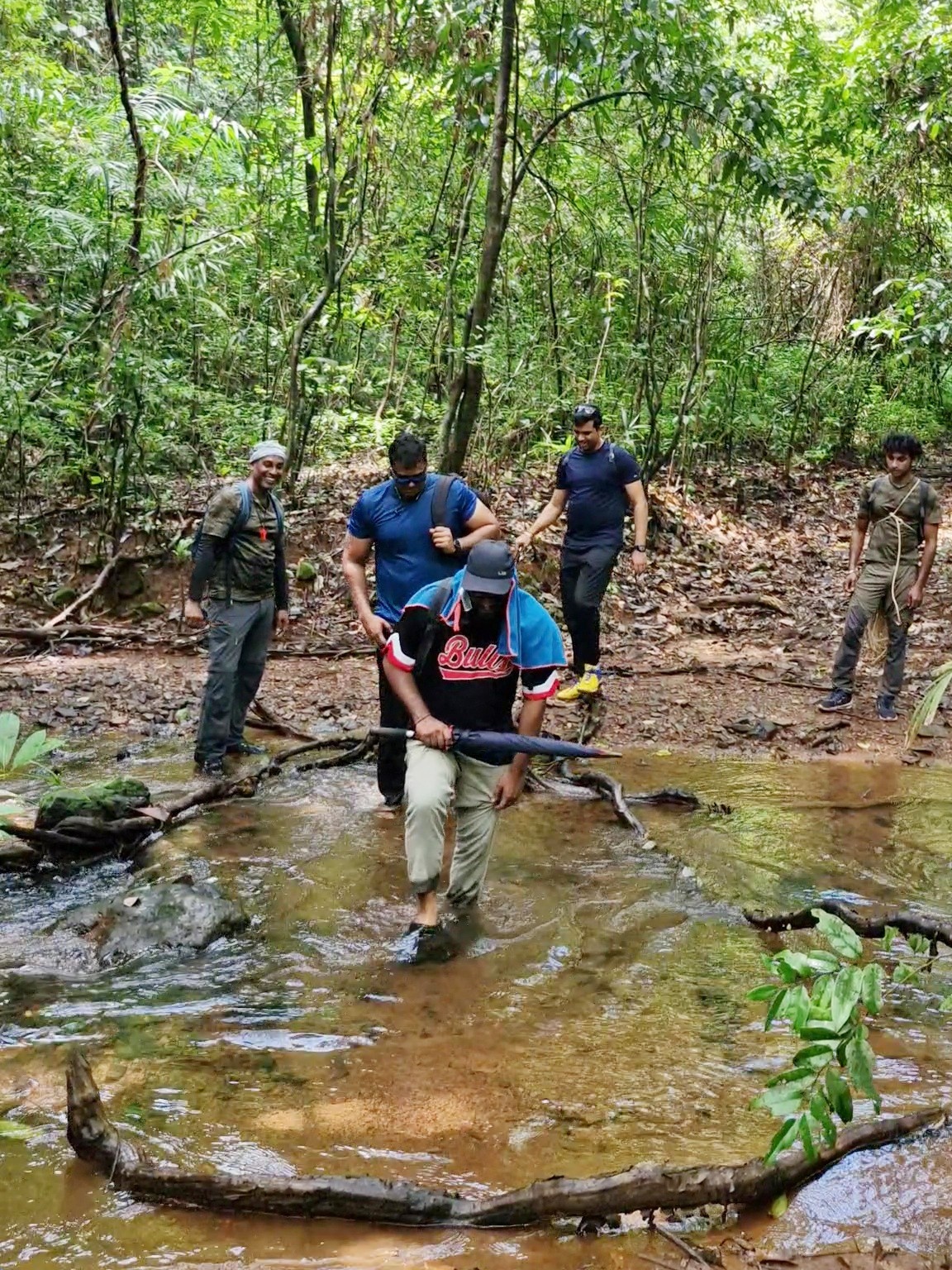
One of the highlights of the trek is the crossing of small seasonal streams. These crossings are usually ankle-deep and provide a refreshing break. The final stretch of the trek involves a slight descent into a small ravine where the waterfall is located. This part can be steep, so take your time and use the tree roots and boulders for support. The entire trek takes about 30 to 45 minutes one way, allowing plenty of time to stop and admire the unique flora, such as wild orchids and giant ferns that thrive in this humid microclimate.
Things to Do
While the waterfall itself is the main attraction, the area around Rivona offers a variety of activities for nature lovers and adventure seekers. It is a place that encourages "slow travel" and mindful exploration.
- Swimming and Wading: The natural plunge pool at the base of the Rivona Waterfall is relatively shallow during the post-monsoon months, making it a perfect spot for a refreshing dip. The water is cool and crystal clear, filtered by the rocks of the Western Ghats. Note: Always check the depth before jumping, as underwater rocks can shift during the rainy season.
- Birdwatching: The Sanguem region is a haven for avian species. Carry a pair of binoculars to spot the Malabar Pied Hornbill, the Greater Racket-tailed Drongo, and the vibrant Indian Pitta. The quietude of the forest makes it easy to hear and locate these birds.
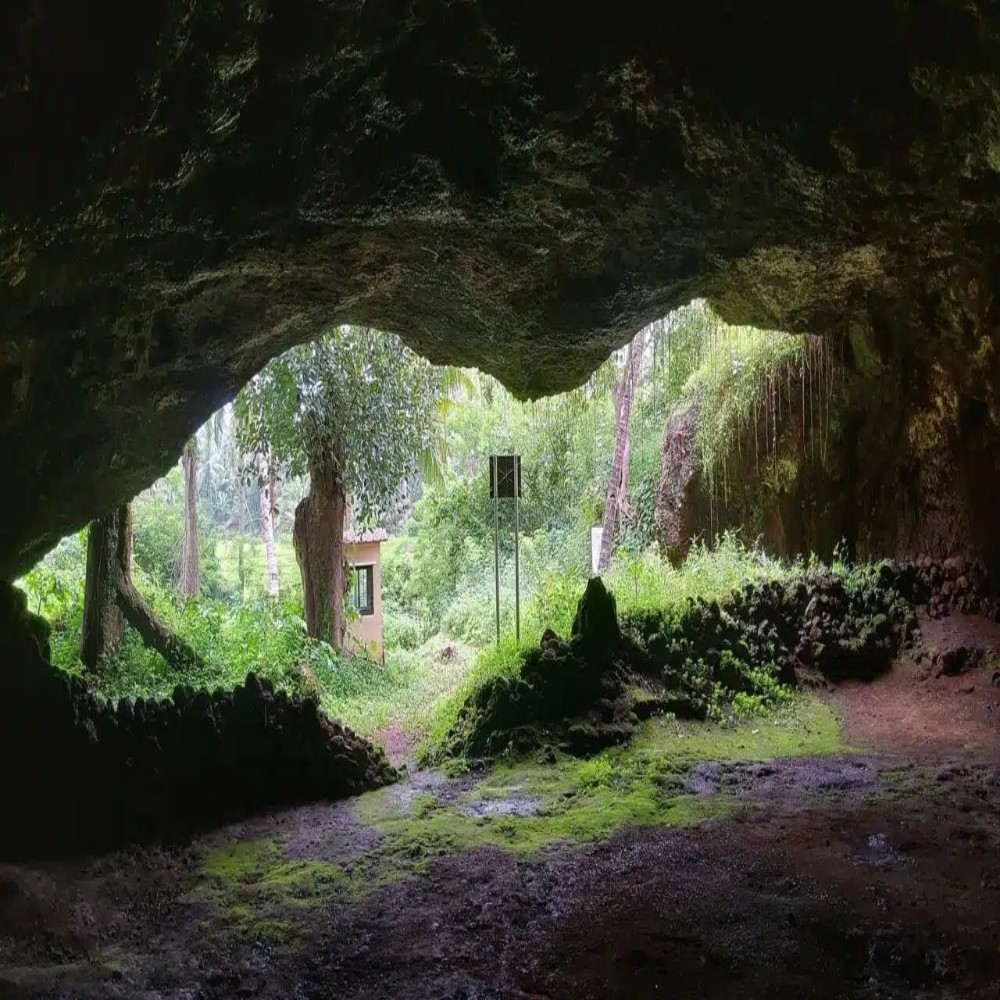
- Exploring the Rivona Caves: Just a short distance from the waterfall trail are the famous Buddhist caves. Carved into laterite rock, these caves are believed to have been used by monks in the 6th century for meditation. The site features a small "pitha" or seat, which is said to have been used by a teacher. It is a profound historical site that adds a layer of spiritual depth to your nature trip.
- Nature Photography: From macro shots of exotic insects and fungi to wide-angle landscapes of the cascading water, the photographic opportunities are endless. The play of light through the "Vaze" (the Goan term for the forest opening) creates a magical atmosphere.
- Picnicking: Many visitors bring light snacks and refreshments to enjoy by the water. However, it is vital to follow a "Leave No Trace" policy. Carry all your trash, including plastic bottles and wrappers, back to the village for proper disposal.
Safety Tips
Exploring the wilder side of Goa requires a degree of caution and preparation. Rivona Waterfall is a remote location, and emergency services are not immediately available. Following these safety guidelines will ensure your trip remains memorable for all the right reasons.
- Beware of Leeches: During the monsoon, the damp forest floor is home to terrestrial leeches. While they are harmless, their bites can be annoying. Wear long trousers, tuck them into your socks, and carry a small pouch of salt or tobacco water to deter them.
- Monitor Water Levels: Flash floods can occur in the Western Ghats if there is heavy rainfall upstream. If the water turns muddy or the flow increases suddenly, exit the pool and move to higher ground immediately.
- Stay on the Path: The forest around Rivona is dense. Straying from the established trail can lead to getting lost or encountering wildlife such as snakes. While most snakes in the area are non-venomous, it is best to maintain a respectful distance from all wildlife.
- Hydration and Snacks: There are no shops or vendors near the waterfall. Carry at least 2 liters of water per person and some high-energy snacks like nuts or fruit.
- No Network Coverage: Be prepared for a total loss of mobile signal. Inform someone at your hotel or a friend about your expected return time before you enter the forest area.
- Footwear: Avoid wearing flip-flops or sandals. A pair of trekking shoes or sports shoes with a rubber sole will provide the necessary traction on wet rocks.
Nearby Attractions
The village of Rivona is centrally located to several other hidden gems in South Goa, making it easy to plan a full day of exploration. If you have the time, consider adding these stops to your itinerary:
- Netravali Bubbling Lake (Budbudyanchi Tali): Located about 20 kilometers from Rivona, this unique sacred pond is famous for the continuous bubbles that rise to the surface. Interestingly, the bubbles are said to increase in intensity if you clap your hands near the water. The site is attached to the Gopinath Temple and offers a peaceful, meditative atmosphere.
- Salaulim Dam: This is one of Goa's most impressive engineering feats. Located in Sanguem, the dam features a unique "Duckbill Spillway" which creates a mesmerizing mist effect when the water overflows during the monsoon. The botanical garden adjacent to the dam is also worth a visit.
- Tanshikar Spice Farm: For an organic lunch and a tour of Goa’s agricultural heritage, head to this nearby spice farm. You can learn about how vanilla, pepper, and nutmeg are grown and even stay overnight in their eco-friendly cottages.
- Usgalimal Rock Carvings: For history buffs, these prehistoric petroglyphs located on the banks of the Kushavati River are a must-see. They date back to the Upper Paleolithic or Mesolithic era and depict various animals and geometric patterns carved into the laterite floor.
Entry Fees & Timings
One of the beauties of Rivona Waterfall is its accessibility as a public natural resource. Currently, there is no official entry fee charged by the Forest Department or the local Panchayat to visit the waterfall. However, this is subject to change if the area is formally developed for eco-tourism.
In terms of timings, the waterfall is technically open 24 hours, but for safety and visibility, you should strictly limit your visit to daylight hours. We recommend arriving no earlier than 7:00 AM and ensuring you start your trek back to the village by 4:30 PM. The forest becomes exceptionally dark very quickly after sunset, and navigating the rocky trail in the dark is dangerous. During heavy monsoon periods, local authorities may occasionally restrict access if the water levels are deemed too high for public safety, so it is always wise to check with locals in Rivona village upon arrival.
Where to Eat Nearby
Rivona is a traditional Goan village, so do not expect high-end cafes or international fast-food chains. The culinary experience here is authentic, rustic, and incredibly flavorful. For a true taste of the region, look for small "Tavernas" or local eateries in the Rivona and Quepem markets.
- Local Village Eateries: In the heart of Rivona, you will find small shops serving Ros Omelette (a Goan staple of omelette dipped in spicy chicken or chickpea gravy) and hot samosas. These are perfect for a quick post-trek snack.
- Quepem Town: About 15-20 minutes away, Quepem offers more substantial dining options. Look for restaurants serving a Traditional Goan Fish Thali, which typically includes rice, fish curry, fried fish, kismur (dried shrimp salad), and various vegetable preparations. The flavors are dominated by coconut, tamarind, and local spices.
- Spice Farm Lunches: If you visit the Tanshikar or Savoi spice plantations nearby, they offer a buffet-style traditional lunch served on banana leaves. This is often the best way to experience authentic Hindu-Goan cuisine, featuring dishes like Khatkhate (a mixed vegetable stew) and Sol Kadhi (a refreshing digestive drink made from kokum and coconut milk).
- Self-Catering: Since options are limited, many travelers choose to pack a picnic. Local bakeries (Paderias) in the morning sell fresh Poi (Goan sourdough bread) which goes excellently with some local choriz or even simple cheese and fruit.
Accommodation Nearby
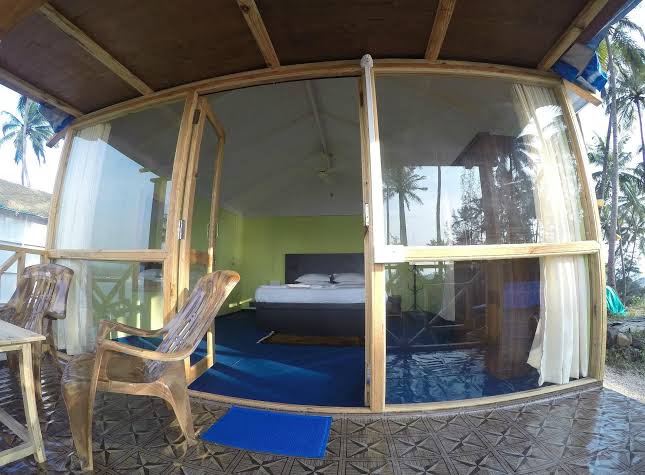
While most people visit Rivona as a day trip from the coastal areas of Palolem or Agonda, staying overnight in the hinterlands provides a much more immersive experience. The accommodation options here lean toward eco-stays and homestays.
- Farmstays: The Tanshikar Working Organic Spice Farm is the most popular choice. It offers rustic but comfortable cottages nestled within the spice plantations. Staying here allows you to wake up to the sound of the forest and enjoy farm-to-table meals.
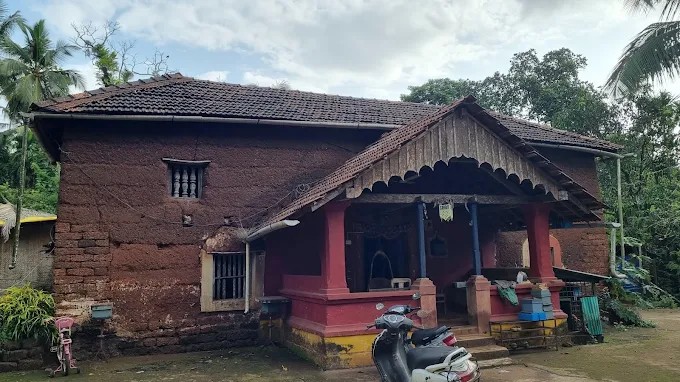
- Heritage Homestays: There are several ancestral Goan-Portuguese homes in the Quepem and Sanguem area that have been converted into boutique stays. These provide a glimpse into the aristocratic life of pre-liberation Goa, featuring high ceilings, oyster-shell windows, and antique furniture.
- Eco-Resorts: Closer to the Netravali Wildlife Sanctuary, you can find eco-resorts that focus on sustainability and nature tours. These are ideal for those who want to spend multiple days trekking and birdwatching in the South Goa interior.
- Coastal Proximity: If you prefer the beach, the waterfall is roughly an hour's drive from Agonda and Patnem. Many travelers choose to stay in these South Goa beach hubs and hire a scooter for a day trip to Rivona.
Photography Spots
For those looking to capture the essence of Rivona on camera, several spots offer exceptional compositions. The key to photography here is managing the high contrast between the dark forest floor and the bright water.
- The Main Drop: Use a tripod and a slow shutter speed (long exposure) to capture the "silky" effect of the water falling over the laterite ledge. The dark red of the rocks provides a beautiful contrast to the white foam of the water.
- The Canopy View: Halfway through the trek, there is a clearing where the tall trees form a natural archway. This is a perfect spot for capturing the "forest bathing" vibe of the journey.
- Macro Details: Don't forget to look down. The moss-covered rocks, the intricate patterns of the laterite, and the endemic insects of the Western Ghats provide endless subjects for macro photography.
- The Rivona Caves Entrance: The entrance to the nearby caves, with its ancient stone-cut architecture framed by wild vines, offers a moody, "Indiana Jones" style shot that is very popular on social media.
Hidden Gem Score & Crowd Level
On the scale of Goa's hidden gems, Rivona Waterfall earns a solid 9/10. It remains largely off the radar for the average tourist who sticks to the North Goa party circuit. Even during the peak season, you are unlikely to find more than a handful of people at the site, and on weekdays, you might have the entire waterfall to yourself.
Crowd Level: Very Low to Moderate.
During the weekends, you might see local families from Margao or Quepem visiting for a picnic, but it never feels "crowded" in the way that Baga or Calangute do. The lack of commercial infrastructure (no shops, no paved parking right at the falls, no changing rooms) acts as a natural filter, keeping the numbers low and the vibe serene. This makes Rivona one of the last few places in Goa where you can truly connect with nature in silence.
Conclusion
Rivona Waterfall is a testament to the fact that the true soul of Goa lies beyond its shoreline. It is a destination that rewards the curious traveler — the one who is willing to navigate winding village roads, trek through muddy forest paths, and embrace the humidity of the tropical jungle. It offers a rare opportunity to see the Western Ghats in their most raw and beautiful form, away from the commercialization that has touched so many other parts of the state.
Whether you are a photographer looking for the perfect long-exposure shot, a history buff interested in the ancient Buddhist caves, or simply someone looking to escape the noise of modern life, Rivona provides a sanctuary. As you stand at the base of the falls, feeling the cool mist on your face and listening to the ancient sounds of the Sanguem forest, you realize that this is the "Real Goa." It is a place of shadows and light, of history and nature, and above all, a place of profound peace. Plan your visit with respect for the local community and the environment, and Rivona Waterfall will surely be the highlight of your Goan odyssey.