Overview of Anjuna Flea Market
The Anjuna Flea Market is not just a marketplace; it is a living, breathing testament to the counter-culture movement that defined Goa in the 1960s and 70s. Located on the sandy shores of South Anjuna, this legendary market originated as a "Hippie Exchange" where travelers from across the globe would congregate to sell their belongings—guitars, jewelry, and clothes—to fund their stay in paradise. Founded by the iconic Eight-Finger Eddie, the market has evolved from a small gathering of bohemians into one of the most significant tourist attractions in North Goa. Today, it spans several acres, hosting hundreds of stalls that offer everything from intricate silver jewelry to hand-woven hammocks and psychedelic trance wear.
As a professional travel writer, I have seen many markets across the globe, but none possess the raw, electric energy of Anjuna. It serves as the spiritual heart of the Goan nightlife scene, acting as the daytime precursor to the legendary trance parties that take place in the surrounding cliffs. The market operates every Wednesday during the peak season (typically from November to April), transforming the quiet coastal village into a bustling hub of commerce, culture, and music. Whether you are a dedicated shopaholic, a history buff, or a nightlife enthusiast looking for the perfect outfit for a rave at Shiva Valley, the Anjuna Flea Market is an essential pilgrimage. It represents the "Old Goa" soul, blending traditional Indian craftsmanship with international bohemian aesthetics, making it a cornerstone of the North Goa experience.
Top Goa Experience • Part 1
Highly Recommended Near Anjuna Flea Market
Explore All
Ambience & Vibe
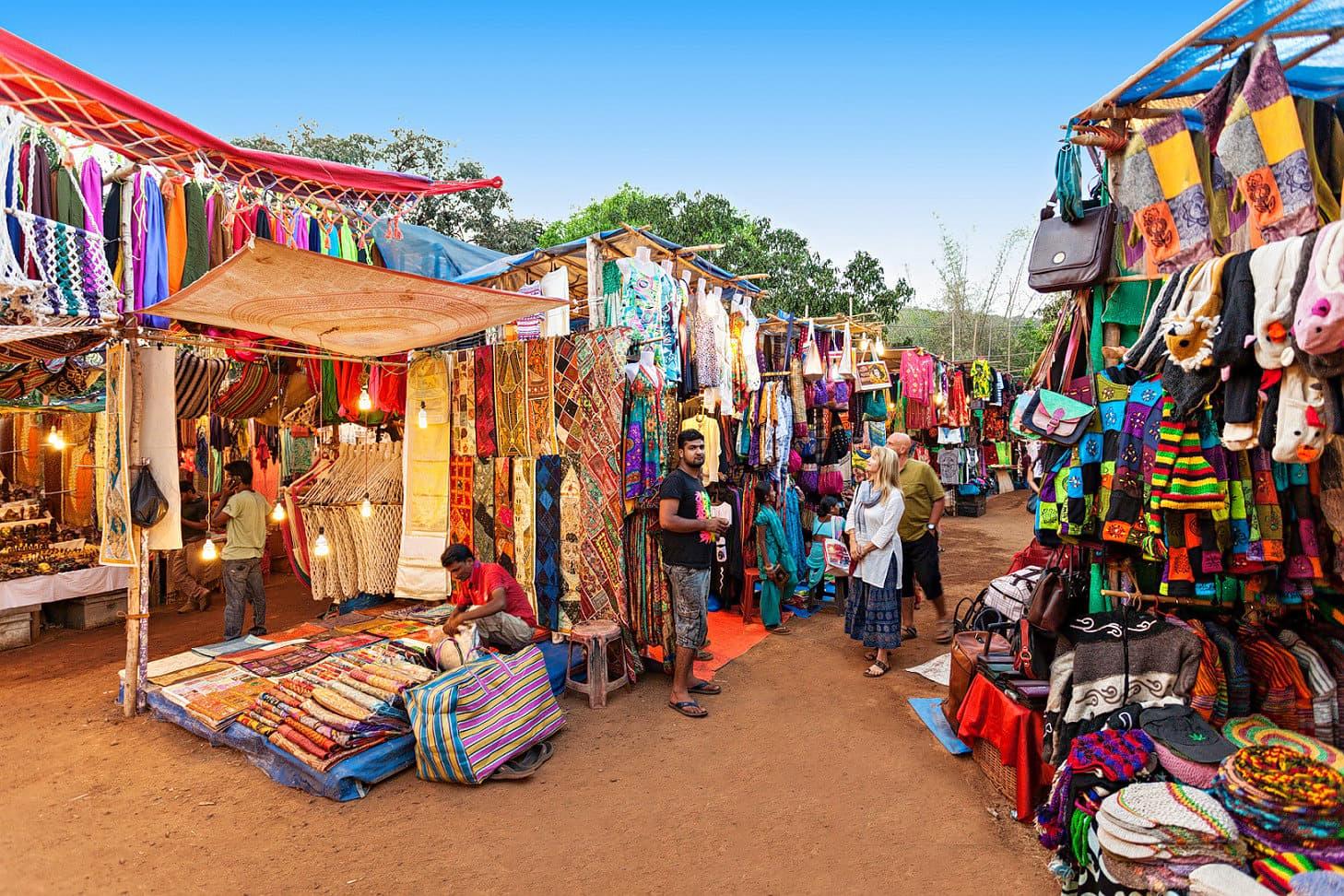
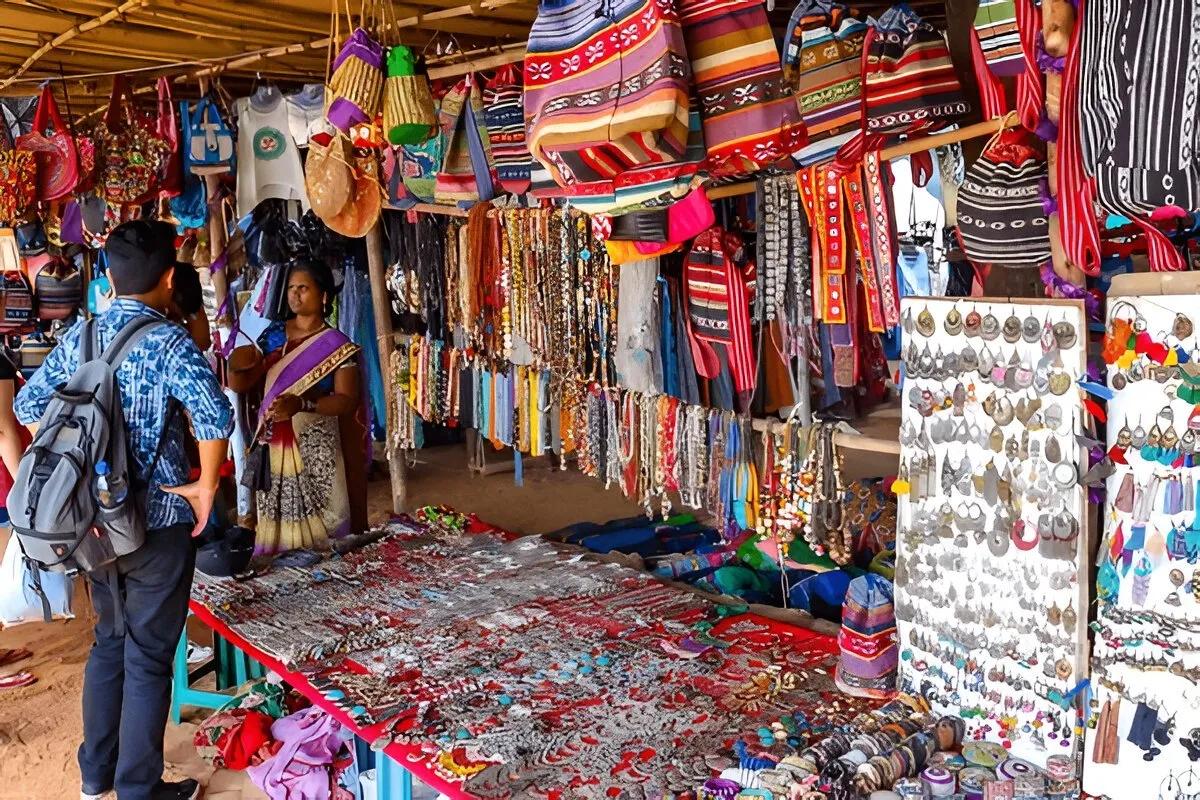
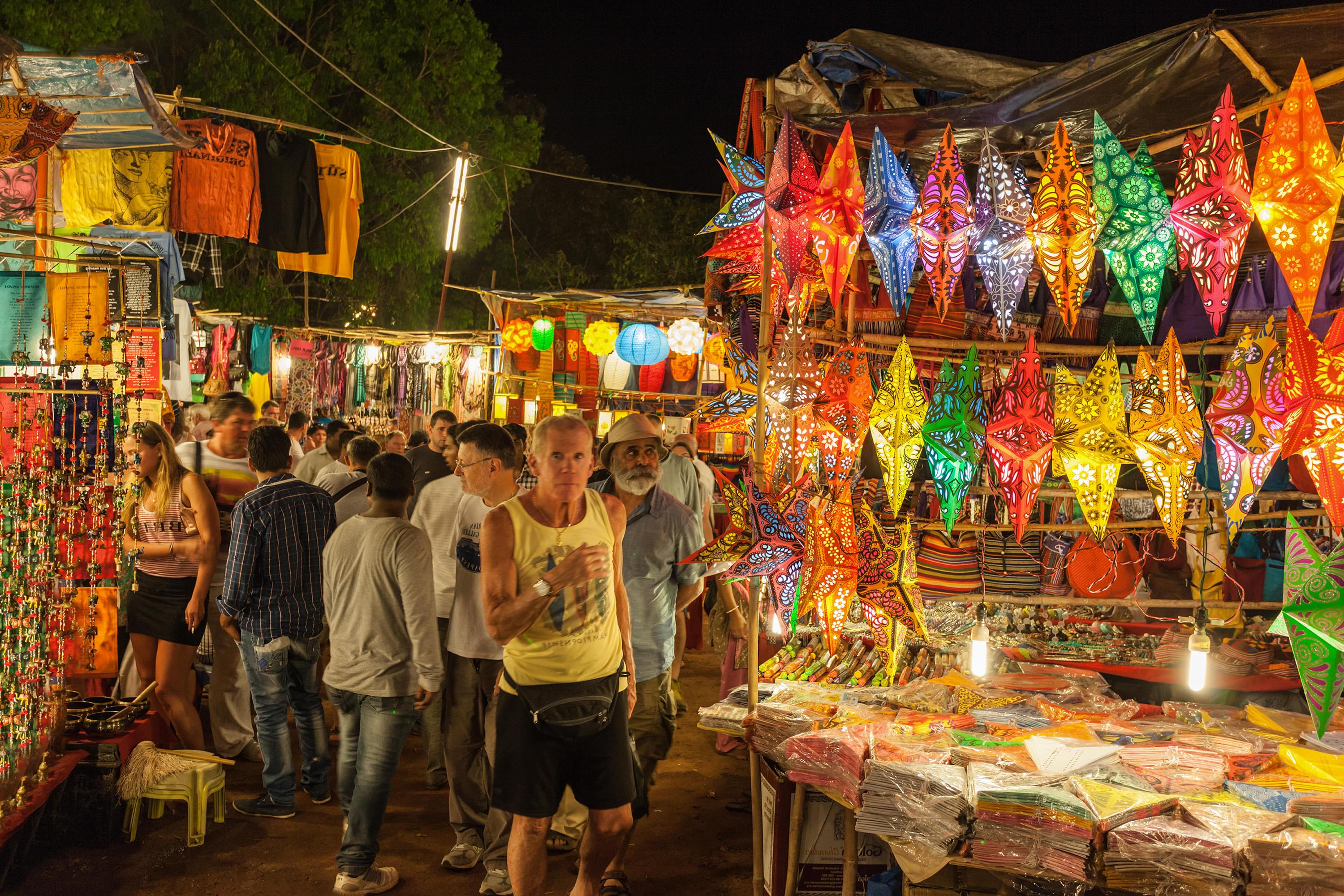
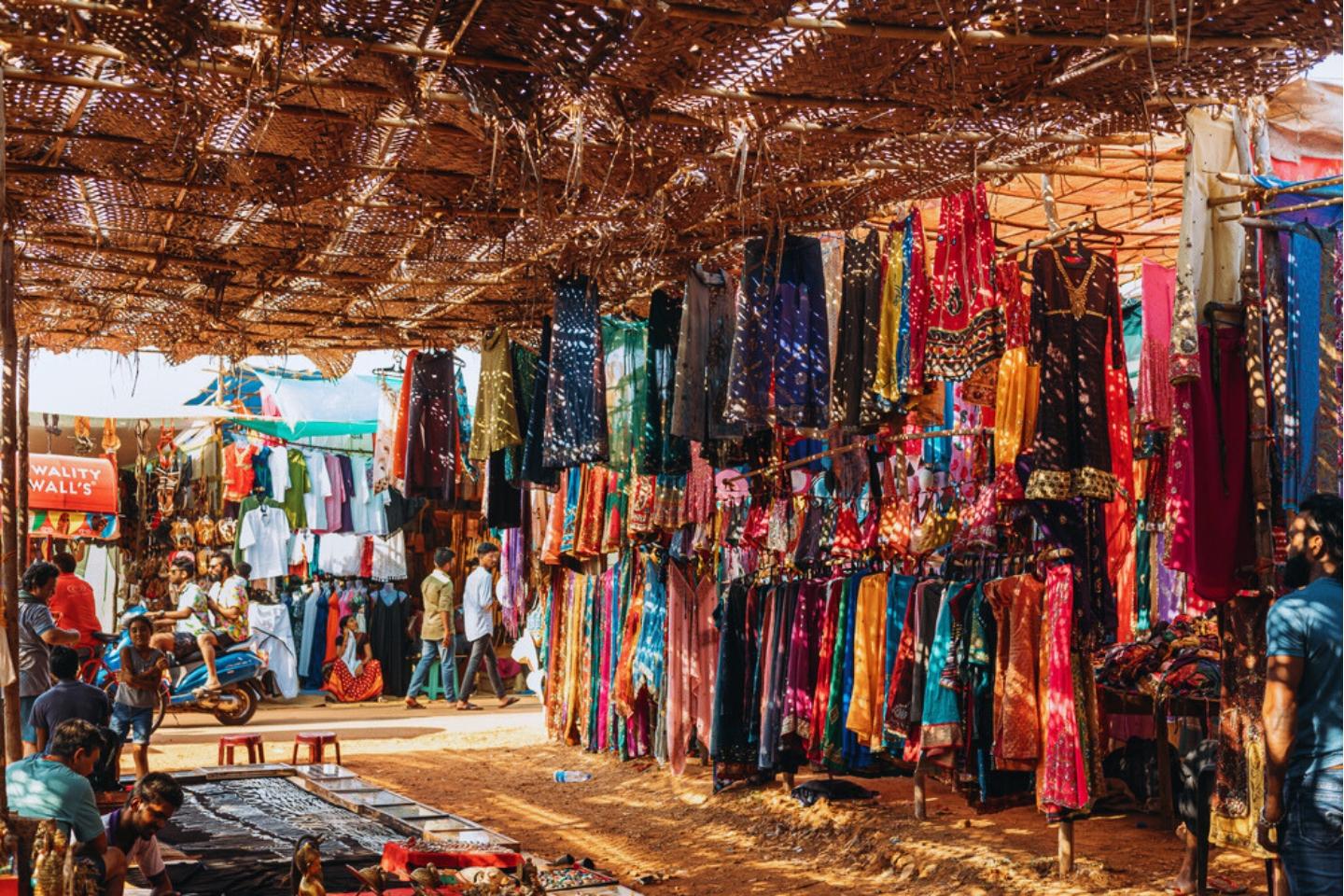
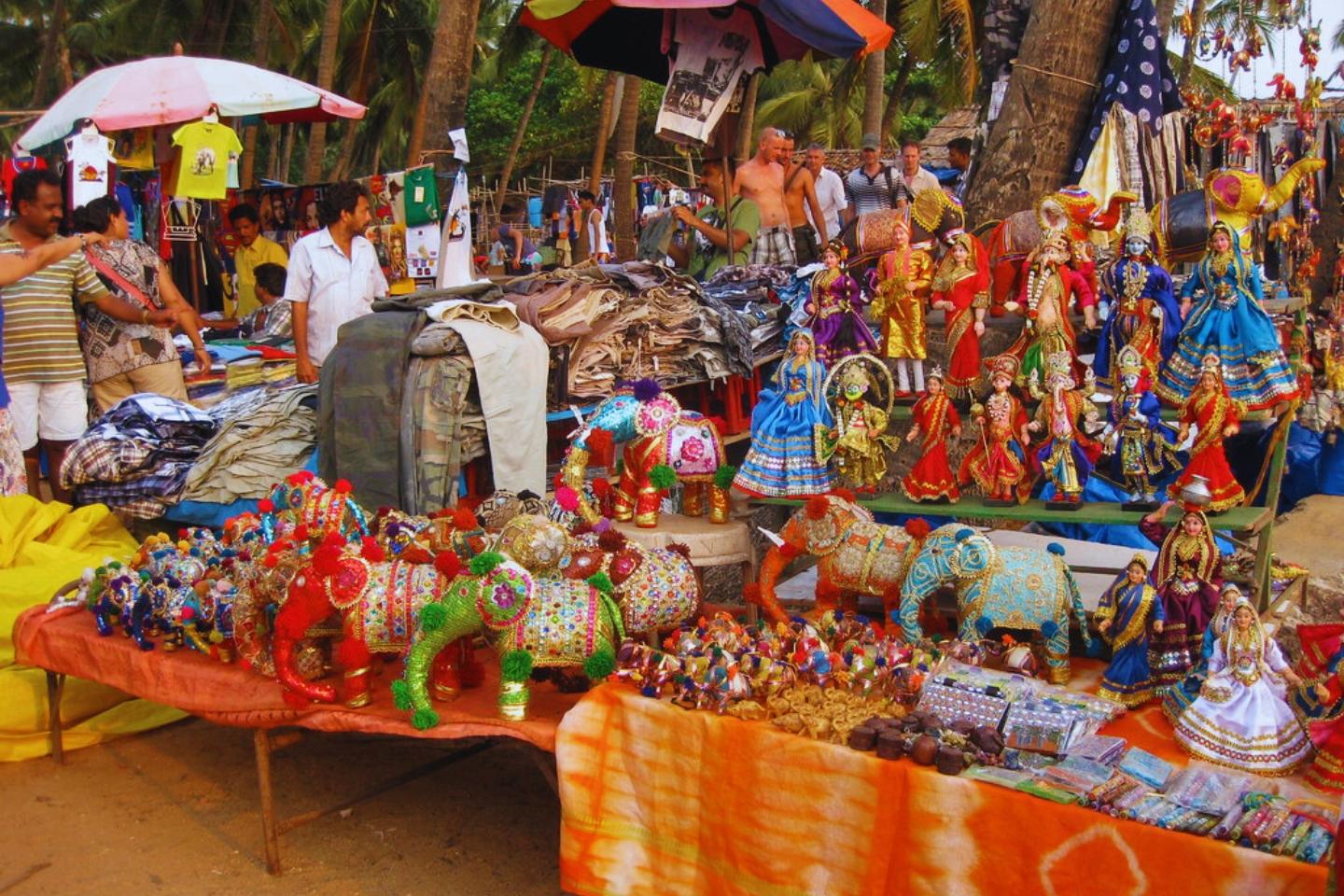
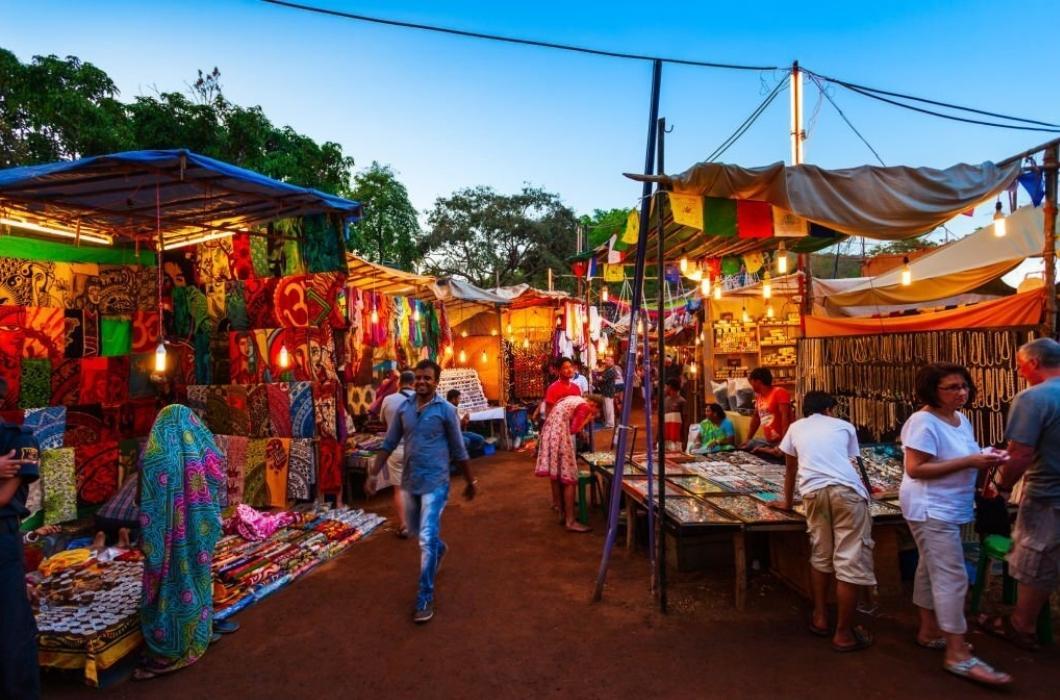
The ambience of the Anjuna Flea Market is a sensory explosion. As you step into the market grounds, you are immediately greeted by the heady scent of patchouli incense mixed with the salty tang of the Arabian Sea. The vibe is unapologetically bohemian, characterized by a sense of organized chaos that feels both overwhelming and exhilarating. Under the shade of swaying coconut palms, the narrow aisles are lined with vibrant fabrics, shimmering mirrors, and the colorful displays of Tibetan, Rajasthani, and Kashmiri vendors. The visual palette is a kaleidoscope of neon colors, earthy tones, and the glittering gold of traditional Indian embroidery.
What sets the Anjuna Flea Market apart from other markets in India is its global-local fusion. You will see elderly Goan women selling fresh spices and homemade pickles right next to European designers showcasing avant-garde leather accessories. The atmosphere is laid-back yet charged with a certain "freak" energy that harks back to the days of the flower power movement. There is a palpable sense of community here; you’ll often see long-term expats catching up over a chilled beer, while backpackers negotiate prices with animated gestures. As the afternoon progresses, the heat of the sun is tempered by the cool sea breeze, and the vibe shifts from a frantic shopping spree to a more relaxed, lounge-like experience, setting the stage for the evening’s festivities.
Recommended Guide
Goa Nightlife Guide (2026): Best Clubs, Beach Parties, Casinos & Late-Night Experiences 🌙🔥
Goa is not just India’s beach capital—it’s the undisputed nightlife hub of the country. Whether you’re a solo traveler looking to meet new people,...
Read Guide →
Music, DJs & Entertainment
While primarily a market, the Anjuna Flea Market is deeply rooted in the history of Goa Trance. Music is the invisible thread that binds the entire experience together. Throughout the market, you will hear a diverse range of sounds—from the rhythmic beats of live djembe players and buskers to the pulsating basslines of electronic music drifting from nearby shacks. Many stalls play their own curated playlists, ranging from 70s classic rock and reggae to modern deep house, creating a layered soundscape that changes with every step you take.
In the dedicated "chill-out" zones and beachside cafes that fringe the market, you might encounter local DJs spinning sunset sets. These performances are often impromptu and serve as a teaser for the high-octane parties at venues like Curlies or Guru Bar. You’ll also find street performers, fire dancers practicing their craft for the night ahead, and wandering musicians playing the sitar or flute. The entertainment isn't limited to music; the market is a theater of the human experience. You can watch live henna artists at work, witness traditional hair braiding, or even get a spontaneous tarot reading. The synergy between the shopping and the live entertainment ensures that the energy levels remain high even as the sun begins its descent toward the horizon.
Recommended Guide
Nightlife in Baga
When people think about Goa nightlife, the first place that comes to mind is usually Baga Beach. Famous for its energetic atmosphere, beachside bars, legen...
Read Guide →
Food & Drinks
Gastronomy at the Anjuna Flea Market is a delightful journey through Goan flavors and international comfort food. The market is dotted with small pop-up stalls and established beach shacks that cater to every palate. For those looking for an authentic taste of Goa, look no further than the local aunties selling Pork Vindaloo, Chicken Xacuti, and the iconic Goan Fish Thali. These dishes are often prepared with secret family recipes and offer a spicy, coconut-rich punch that is quintessential to the region.
If you prefer something lighter, the market is famous for its "Hippie Food." You can find incredible German Bakeries serving freshly baked croissants, brownies, and organic salads. There are also numerous stalls offering Israeli favorites like Hummus and Pita, reflecting the large number of Israeli travelers in the area. When it comes to drinks, the heat demands hydration. You’ll find stalls selling fresh coconut water, sugarcane juice, and "Hello to the Queen" desserts. For those looking for something stronger, the nearby beach shacks serve chilled Kings Beer (a local Goan favorite), Feni cocktails, and fresh fruit mojitos. Sipping a cold drink while overlooking the ocean at the edge of the market is perhaps the best way to conclude a successful shopping haul.
Recommended Guide
Where to Party in Goa? (Ultimate 2026 Nightlife Guide)
Goa is not just a destination—it’s an experience. When the sun sets over the Arabian Sea, the state transforms into India’s ultimate nightlife capita...
Read Guide →
Best Time & Best Days to Visit
Timing is everything when it comes to the Anjuna Flea Market. The market is strictly a Wednesday affair. It typically starts around 9:00 AM and winds down as the sun sets, usually around 6:00 PM or 7:00 PM. To make the most of your visit, I recommend arriving early—around 9:30 AM. This allows you to browse the stalls before the midday heat becomes intense and before the massive crowds from other parts of Goa arrive. Early birds also get the "first customer" advantage, which can often lead to better bargaining outcomes.
Top Goa Experience • Part 2
Highly Recommended Near Anjuna Flea Market
Explore All
The market is seasonal and operates during the dry season, from late October to early April. Visiting during the peak months of December and January offers the most vibrant experience, as the market is at its full capacity with the maximum number of international vendors. However, if you prefer a slightly more relaxed pace, November or February are ideal. The Golden Hour (between 4:00 PM and 6:00 PM) is the most magical time to be at the market. The lighting is perfect for photography, the temperature drops, and the transition from the market’s daytime hustle to the Anjuna nightlife begins. After the market closes, the crowd naturally flows toward the beach shacks for sunset drinks, making it a seamless transition into the night.
Entry Fee, Cover Charges & Table Booking
One of the best things about the Anjuna Flea Market is that there is no entry fee. It is a public space open to everyone, from budget backpackers to luxury travelers. You are free to wander through the labyrinth of stalls at your own pace without any financial commitment. This accessibility is part of what maintains its inclusive, democratic vibe.
However, if you plan to spend your afternoon at one of the prime beachside shacks that border the market, such as Curlies or Lilliput, you might find that tables fill up quickly, especially closer to sunset. While these venues generally don't require a formal "booking" during the day, arriving a bit early to secure a sea-facing spot is highly recommended. During special event days or if a famous DJ is playing an after-market set, there might be a cover charge for the specific venue, but the market area itself remains free. For those traveling in large groups who want a dedicated space to lounge between shopping rounds, it’s worth contacting a beach shack in advance to see if they can reserve a "shack bed" or a large table for your party.
Dress Code & Club Rules
The dress code at the Anjuna Flea Market is best described as "Boho-Chic" or "Beach Casual." There are no formal rules, but given the heat and the sandy terrain, comfort is paramount. Most visitors opt for breathable fabrics like linen and cotton. You will see a lot of harem pants, kaftans, bikini tops paired with sarongs, and oversized sunglasses. It is the perfect place to debut your most eccentric festival wear—think feathers, sequins, and bold prints. Since you will be doing a lot of walking, comfortable footwear like flip-flops or sturdy sandals is a must. Don't forget a wide-brimmed hat and plenty of sunscreen.
In terms of "rules," the market is a place of mutual respect. While the vibe is liberal, it is important to remember that Goa is a mix of international and traditional Indian cultures. When visiting nearby temples or moving through the residential parts of Anjuna, it is polite to cover up slightly. Within the market and the adjacent beach shacks, swimwear is perfectly acceptable. A key "unwritten rule" of the market is bargaining. It is expected and part of the social interaction. However, always keep it friendly and fair; a smile goes a long way in getting a good price. Additionally, be mindful of your belongings in crowded areas to avoid any unfortunate incidents.
Crowd Type & Nightlife Experience
The crowd at the Anjuna Flea Market is one of the most diverse you will find anywhere in India. It is a melting pot of global nomads, aging hippies, young backpackers, domestic tourists, and local Goans. You’ll see families with children exploring the colorful toys, alongside "techno-tourists" looking for neon party gear. This diversity creates a unique social fabric where a conversation with a stranger from halfway across the world is a common occurrence. The market attracts people who are looking for something "alternative"—those who prefer the soul of Anjuna over the commercial glitz of Calangute or Baga.
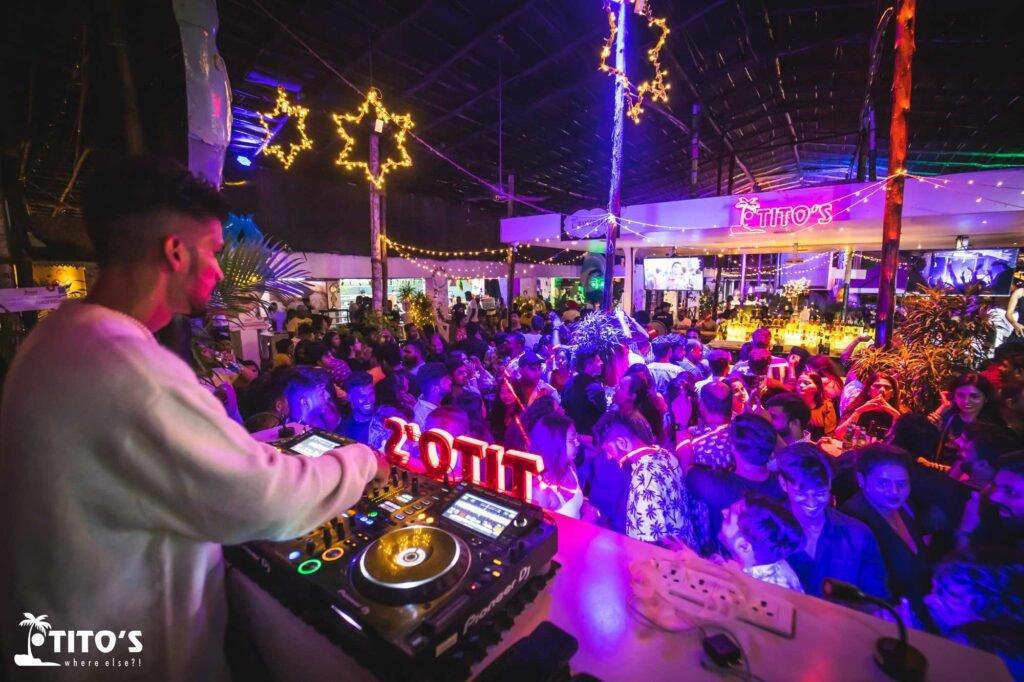
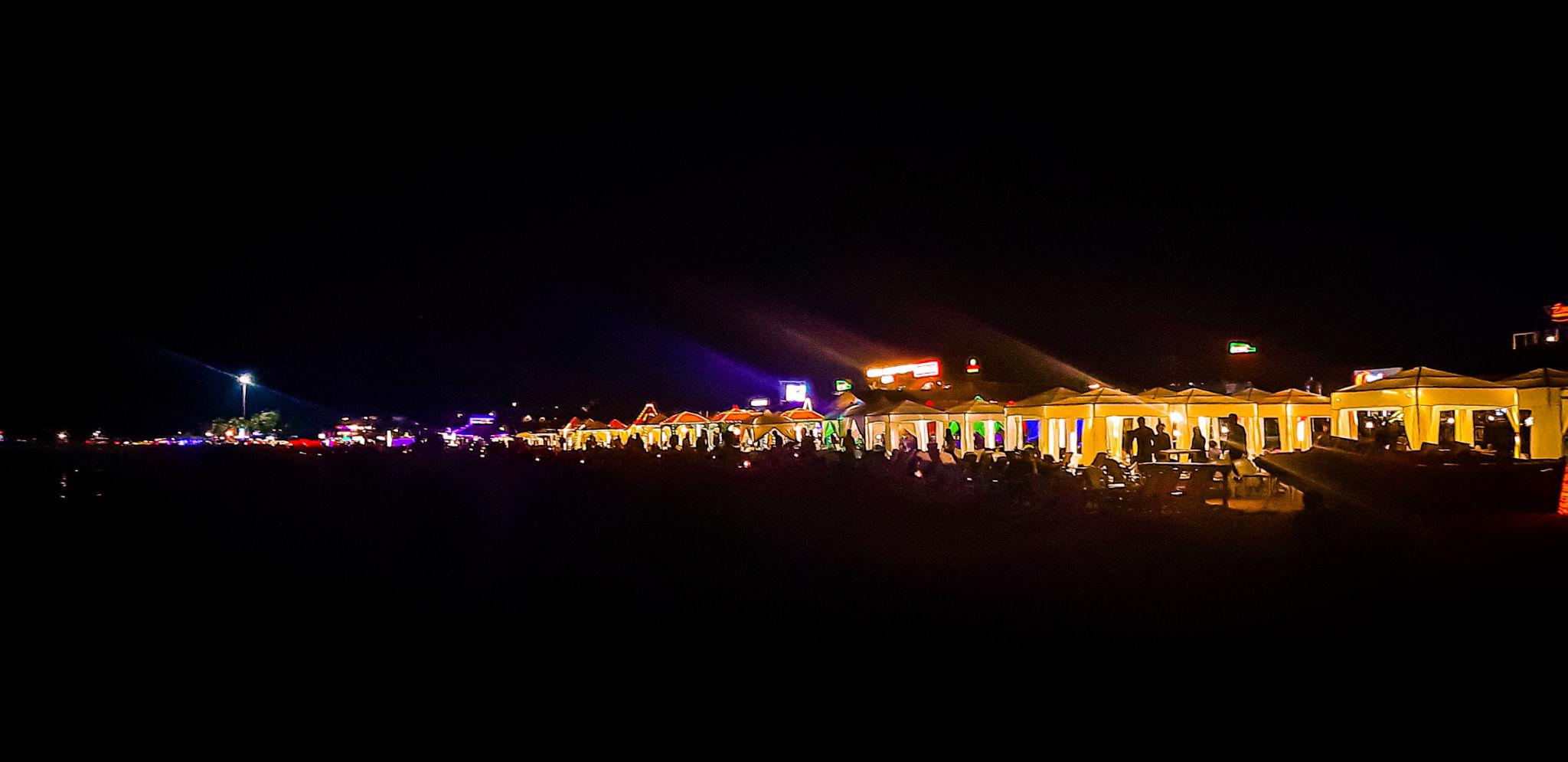
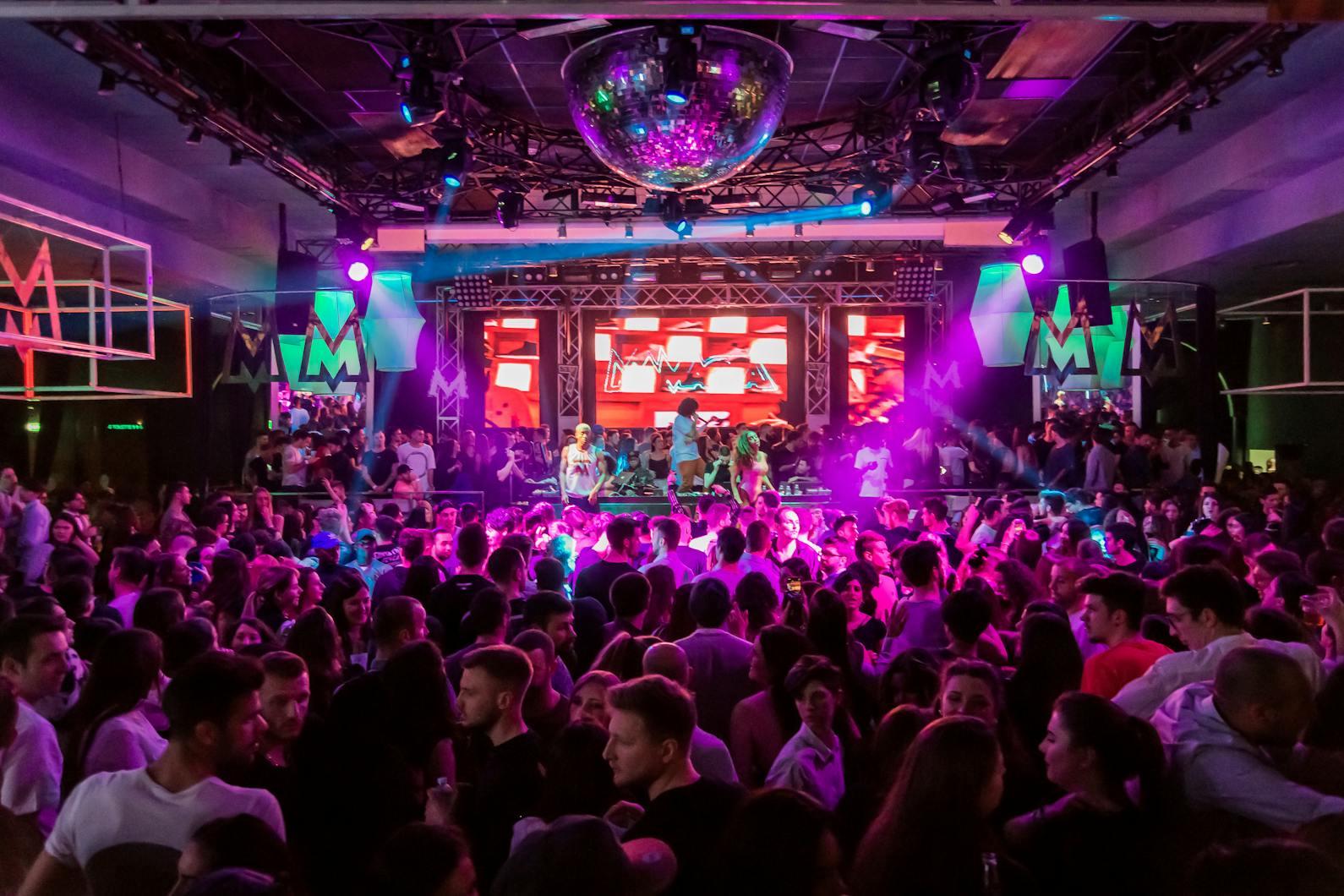
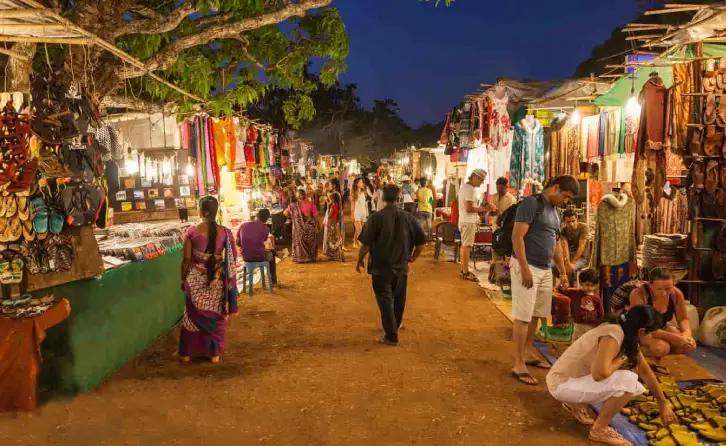
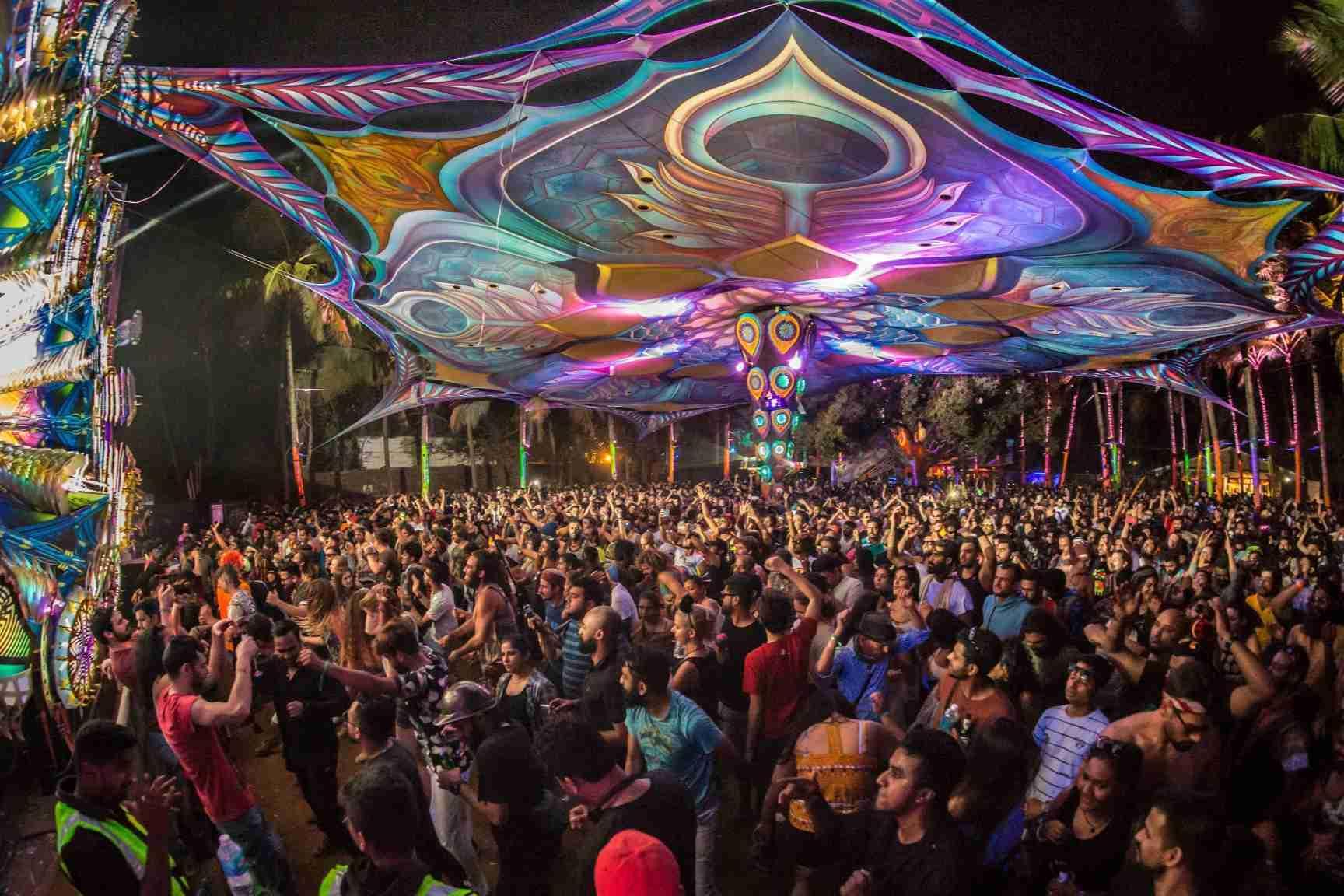
The nightlife experience associated with the market is legendary. As the stalls begin to pack up, the energy doesn't dissipate; it simply moves. The Anjuna Flea Market acts as the "pre-game" for the night. The crowd shifts to the nearby beach clubs where the music gets louder and the lights get dimmer. The transition is seamless—one minute you are haggling over a leather bag, and the next, you are dancing barefoot on the sand to psychedelic trance. The market provides the aesthetic for the night; many people buy their jewelry, face paint, and outfits right there and then wear them to the parties that follow. It is an immersive experience where the line between day and night, and between shopping and partying, is beautifully blurred.
Location & How to Reach Anjuna Flea Market
The Anjuna Flea Market is located at the southern end of Anjuna Beach, in North Goa. It occupies a large area of coconut groves and stretches right down to the coastline. Finding it is relatively easy as it is a major landmark, but the narrow lanes of Anjuna can become quite congested on Wednesdays.
- By Scooter/Bike: This is the most popular way to reach the market. Renting a scooter allows you to navigate the narrow backroads and find parking more easily. Follow the signs for "Anjuna Beach" or "South Anjuna." There are designated parking lots nearby, usually costing around ₹20-₹50.
- By Taxi/Auto-Rickshaw: If you are staying in Baga, Calangute, or Vagator, a taxi is a convenient option. Be prepared for some traffic on the main Anjuna road. Ensure you agree on a fare beforehand or use a ride-hailing app if available.
- By Bus: Local buses run from Mapusa to Anjuna. From the Anjuna bus stop, it is a 10-15 minute walk to the market area.
- On Foot: If you are staying in Anjuna, walking is the best way to soak in the atmosphere. The walk along the beach from North Anjuna to the market is particularly scenic, especially during the cooler morning hours.
Nearby Attractions & After-Party Spots
Anjuna is the epicenter of Goa's alternative scene, and there is plenty to do once you’ve finished your shopping. The market is strategically located near some of the most iconic spots in North Goa.
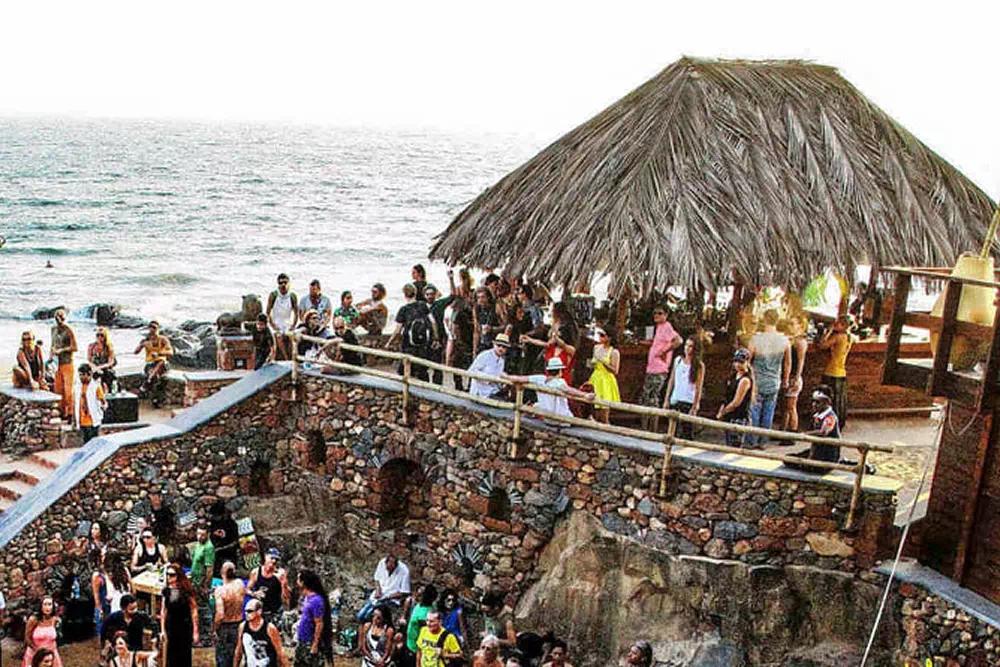
- Curlies Beach Shack: Just a short walk from the market, Curlies is a legendary institution. Known for its sunset views and trance parties, it is the natural destination for the post-market crowd.
- Shiva Valley: Located right next to Curlies, Shiva Valley is often called the "Temple of Trance." On Tuesday nights and Wednesday evenings, it becomes a hub for psychedelic music enthusiasts.
- Anjuna Cliff: For a more serene experience, hike up the Anjuna cliff for a panoramic view of the coastline. It’s a great spot for a quiet moment away from the market’s bustle.
- Vagator Beach & Chapora Fort: A 10-minute drive away, Vagator offers a more rugged coastline and the famous Chapora Fort (of "Dil Chahta Hai" fame), which is perfect for sunset.
- Artjuna: A beautiful garden cafe and lifestyle shop located in an old Portuguese house, perfect for a healthy Mediterranean meal and a more relaxed vibe.
- Guru Bar: One of the oldest bars in Anjuna, offering live music and a great view of the waves crashing against the rocks.
Safety Tips & Visitor Guidelines
While the Anjuna Flea Market is generally safe and welcoming, a few practical tips will ensure your visit is stress-free. First and foremost, stay hydrated. The Goan sun can be unforgiving, especially between 12:00 PM and 3:00 PM. Carry a reusable water bottle and wear a hat.
- Watch Your Belongings: Like any crowded tourist spot, pickpockets can occasionally operate here. Keep your wallet in a front pocket or use a cross-body bag. Avoid wearing excessively expensive jewelry while shopping.
- Bargain Respectfully: Start by offering about 50% of the initial price and work your way up. It’s a game of negotiation—keep it lighthearted. If a price doesn't suit you, it's okay to walk away.
- Check for Quality: Especially with electronics or "branded" items, inspect the goods thoroughly before paying. For silver jewelry, look for the 925 stamp, though be aware that at a flea market, authenticity is never 100% guaranteed.
- Stay Mindful of Substances: While Goa has a reputation for a "party" lifestyle, drug laws in India are very strict. Be cautious and stay away from illegal substances to avoid severe legal trouble.
- Sun Protection: Apply sunscreen liberally and reapply throughout the day. The reflection of the sun off the sand can intensify the UV rays.
Photography & Instagram Spots
For photographers and social media enthusiasts, the Anjuna Flea Market is a goldmine. The vibrant colors and eclectic characters provide endless opportunities for stunning shots. However, always be respectful—ask for permission before taking close-up portraits of vendors or their unique wares.
- The Dreamcatcher Stalls: The sight of hundreds of dreamcatchers swaying in the breeze against the backdrop of the sea is a classic Anjuna shot.
- The Spice Displays: The mounds of colorful turmeric, chili powder, and star anise make for excellent flat-lay or macro photography.
- The Beachfront: The transition from the market stalls to the sandy shore offers a beautiful contrast between the busy market and the vast Arabian Sea.
- The "Hippie" Van: You’ll often find decorated Volkswagen vans or vintage bikes parked nearby, which are perfect for that "retro-traveler" aesthetic.
- Sunset at the Cliffs: As the market ends, head to the nearby cliffs for a wide-angle shot of the coastline bathed in golden light.
Where to Stay Nearby
Anjuna offers a wide range of accommodation options, catering to different budgets and vibes. Choosing where to stay depends on whether you want to be in the heart of the action or in a quieter corner.
- Budget/Backpacker: Pappi Chulo and The Hosteller are popular choices for those looking for a social atmosphere and affordable dorms. These spots often host their own pre-market parties.
- Mid-Range: Artjuna Garden Villas or Granpa's Inn Hotel Bougainvillea offer a blend of traditional Goan charm and modern comforts. These are often set in beautiful lush gardens.
- Luxury: W Goa in nearby Vagator provides a high-end experience with a stunning view of the sea and top-tier amenities. For something more boutique, look at The Tamarind Hotel.
- Guesthouses: For a more authentic experience, many local families rent out rooms or small cottages. Look for signs along the backlanes of South Anjuna for these budget-friendly gems.
Travel Tips
To truly master the Anjuna Flea Market experience, keep these "pro-tips" in mind. Carry Cash: While some larger stalls might accept UPI or cards, the majority of vendors deal strictly in cash. There are ATMs in Anjuna, but they often run out of money on market days, so withdraw cash in advance in Mapusa or Calangute. Carry a Large Tote Bag: Instead of collecting dozens of small plastic bags, bring one sturdy reusable bag to carry all your purchases. It’s better for the environment and easier to manage.
Another tip is to dress in layers. It might be hot during the day, but if you plan to stay for the after-parties, the sea breeze can get a bit chilly at night. Lastly, be patient. The market is crowded, noisy, and sometimes overwhelming. Take breaks, sit down for a fresh juice, and don't try to see every single stall in one go. The beauty of the Anjuna Flea Market lies in the wandering, not just the buying.
Conclusion
The Anjuna Flea Market is more than just a place to shop; it is a cultural landmark that encapsulates the spirit of Goa. It is a place where the past and present collide, where the hippie legacy of the 60s meets the modern energy of the global traveler. Whether you are hunting for a vintage leather jacket, a piece of handmade jewelry, or simply want to soak in the incredible atmosphere, the market offers an experience that is unmatched in its vibrancy and soul. It is the perfect embodiment of the "Sussegad" lifestyle—relaxed, colorful, and full of life. As you walk away from the market with your bags full and your heart light, you’ll realize that the real treasure wasn't the items you bought, but the stories, the music, and the electric energy of Anjuna itself. Make sure to include this Wednesday ritual in your Goan itinerary; it is, quite simply, the beating heart of North Goa’s legendary nightlife and culture.